
ESG评级

Search documents
盛新锂能股价涨172%!碳酸锂价格创近年新高
Xin Lang Cai Jing· 2026-01-21 10:25
Core Viewpoint - The price of lithium carbonate continues to rise, leading to improved performance and stock prices for lithium companies, with analysts generally optimistic about future market performance [1][20]. Price Trends - The lithium carbonate 2602 index reached a low of 58,480 in June 2025 and has since increased by 57.2% by the end of 2025, with a further rise of 38.4% to 165,300 by January 13, 2026 [3][20]. - The stock prices of lithium companies have shown significant gains, with increases ranging from 52.8% to 172% from 2025 to January 2026 [3][20]. Company Performance - Despite some lithium companies reporting losses in 2024, the ongoing rise in lithium product prices is gradually improving their fundamentals [1][20]. - For instance, Ganfeng Lithium reported a net profit of 25.52 million in the first three quarters of 2025 after a loss of 2.074 billion in 2024, while Tianqi Lithium turned a profit of 180 million in the same period after a loss of 7.905 billion in 2024 [6][23]. Analyst Predictions - Analysts have raised profit expectations for several lithium companies, with Ganfeng Lithium's net profit forecast for 2026-2027 increased to 13.53 billion and 29.97 billion respectively [17][34]. - Tianqi Lithium's net profit projections for the same period are expected to reach 17.91 billion, 28.27 billion, and 35.53 billion [17][34]. Market Dynamics - The lithium market is experiencing increased investment, with companies like Hunan Yuno and Longpan Technology planning significant projects to enhance lithium production capacity [31]. - However, there are concerns about potential oversupply as new projects come online, which could impact future pricing [31]. Regulatory Environment - Recent changes in export tax policies for battery products may temporarily boost demand but could lead to long-term pressure on lithium prices due to reduced profitability across the supply chain [32]. - The regulatory environment is tightening, with trading limits on lithium futures being implemented to curb speculative trading [33]. ESG Ratings - Ganfeng Lithium's ESG score is 8.32, lower than Tianqi Lithium's 8.88 and Yahua Group's 8.68, indicating potential governance issues that could affect investor sentiment [11][30].





【碳路司南·ESG圆桌会】ESG评价:如何构建标准、数据与价值的闭环联动,赋能企业可持续发展?
Xin Hua Cai Jing· 2025-12-26 06:35
Core Insights - The article emphasizes the growing importance of ESG (Environmental, Social, and Governance) ratings in assessing corporate sustainability and the need for alignment between local ESG evaluations and international standards [1] Group 1: ESG Ratings and Their Role - ESG ratings are becoming essential for investment decisions, with a shift from companies as mere information providers to strategic leaders in the market [2][3] - MSCI ESG ratings measure a company's resilience to sustainability risks and opportunities, with over 3,000 institutional investors relying on MSCI's sustainability data, and assets tracking MSCI sustainability indices expected to exceed $1 trillion by the end of 2024 [2] Group 2: Potential Value of ESG Ratings - ESG ratings help quantify non-financial information, enabling investors to assess long-term value and risks that traditional financial analysis may overlook [3] - The ratings guide capital allocation towards sustainable sectors and provide companies with a roadmap for improving management and transparency, thus enhancing competitive advantage and rebuilding public trust [3] Group 3: Avoiding "Greenwashing" Risks - To mitigate "greenwashing," companies should shift from compliance-based disclosures to strategic tools, with 64% of leading companies having climate transition plans aligned with the 1.5°C target [4] - Leading companies show significant differences in practices, such as 40% implementing internal carbon pricing compared to only 20% in the overall sample [4] Group 4: Current State of China's ESG Rating Market - China's ESG rating market is transitioning from concept awareness to standardized development, driven by policy and increasing market demand [8] - The number of Chinese companies rated AA and AAA by MSCI increased by 66% from 2023 to 2024, indicating a growing integration of sustainability into corporate strategies [7] Group 5: Enhancing ESG Information Disclosure - Chinese companies are encouraged to improve disclosure quality, with 87% of responding companies aligning with international sustainability disclosure standards [12] - Collaboration across the value chain is essential, particularly in managing "Scope 3" emissions, which are significantly higher than operational emissions [13] Group 6: Future Directions for ESG Ratings - Future ESG ratings will increasingly emphasize the financial impact of ESG factors, incorporating climate scenario analysis and industry-specific transition risks [14] - Companies should proactively integrate ESG into their core strategies, using rating results as diagnostic tools to identify and manage risks, thereby gaining long-term trust from capital markets [14]
年内关店30家,军采资格遭暂停;区域零售巨头中百集团ESG已滑落至行业垫底CCC级
Sou Hu Cai Jing· 2025-12-15 11:18
Core Viewpoint - Zhongbai Group is facing significant operational challenges, leading to a continuous store closure trend and substantial financial losses, with a need for strategic transformation to regain profitability [1][2][3]. Group 1: Store Closures and Financial Impact - Zhongbai Group has closed 30 stores in 2023, with 17 closures occurring between July and November, resulting in one-time expenses of approximately 180 million yuan due to contract terminations and employee compensation [1]. - The company reported a revenue of 6.552 billion yuan for the first three quarters of 2023, a year-on-year decline of 19.41%, and a net loss of 580 million yuan, with a 74.83% increase in loss compared to the previous year [1]. - Cash flow from operating activities has decreased by 80.20%, indicating severe liquidity issues [1]. Group 2: Transformation Efforts - In an attempt to reverse losses, Zhongbai Group has been implementing a transformation strategy inspired by the successful model of a competitor, with modifications in product structure, employee treatment, and service offerings [2]. - The transformation has shown some localized improvements, with a 9% increase in customer traffic for 14 renovated warehouse stores and a 6% increase for 55 community supermarkets [2]. - Despite these efforts, the overall performance has not improved significantly, and there has been no increase in employee numbers or average salaries [2]. Group 3: Compliance and Internal Control Issues - Zhongbai Group's ESG rating is at CCC, which is below the industry average, reflecting governance and compliance challenges [3]. - The company has faced serious issues in military procurement, including unauthorized subcontracting and a significant internal embezzlement case involving 228 million yuan [3][4]. - As a result of these compliance failures, Zhongbai has been barred from participating in military procurement projects for three years [3]. Group 4: Competitive Landscape and Governance Challenges - Zhongbai Group has a history of strategic investment relationships with Yonghui Supermarket, which has also faced losses and has divested its stake in Zhongbai [6]. - The ongoing competition and governance issues between Zhongbai and its local rival, Wushang Group, remain unresolved, with commitments to address these issues being postponed multiple times [6][7].

昊创瑞通获华证指数ESG最新评级CCC,行业排名第265
Xin Lang Cai Jing· 2025-12-15 06:47
转自:智通财经 日前,华证指数公布了新一期(2025年10月31日)的ESG评级结果,昊创瑞通(301668.SZ)获得CCC 评级(华证指数评级为C起至AAA九档,C为最低档,AAA为其最高一级评级/AA为其第二档)。本期 ESG评级在330家电气设备行业A股上市公司中排名第265 ...
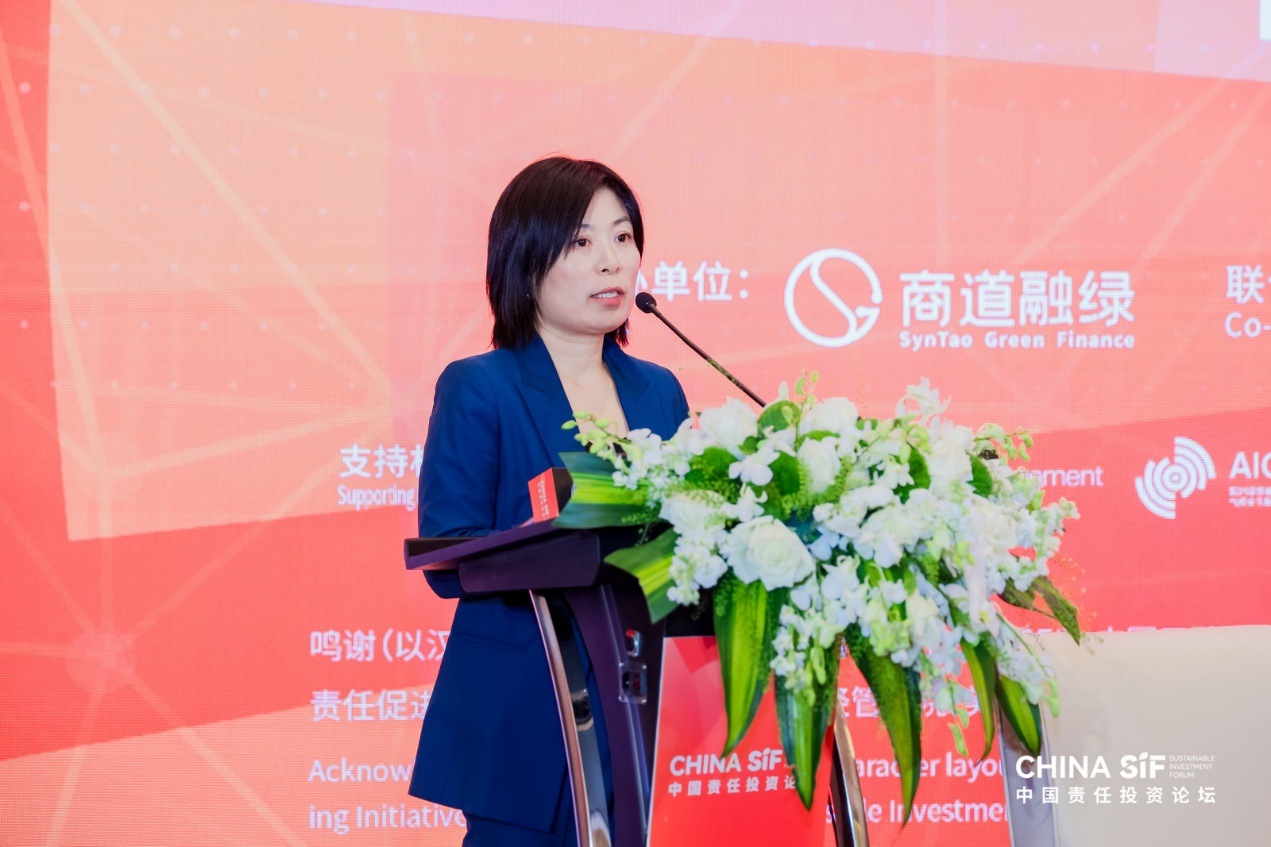
China SIF|年会平行论坛探讨ESG评级与应用多元化
Xin Lang Cai Jing· 2025-12-12 09:14
Core Insights - The 13th China Responsible Investment Forum (China SIF) successfully held in Beijing on December 2, 2025, focused on global responsible investment trends and ESG investment opportunities [1][20][39] - The forum featured discussions on the diversification of ESG ratings and their applications, highlighting the importance of high-quality data disclosure from listed companies for effective ESG ratings [22][24] Group 1: ESG Ratings and Applications - The forum included a parallel session on "Diversification of ESG Ratings and Applications," featuring speakers from various financial institutions discussing the integration of ESG ratings into investment practices [2][21] - Speakers emphasized the need for a combination of quantitative data and qualitative insights in ESG analysis to enhance responsible investment and corporate sustainable value creation [24][25] - The importance of adapting ESG rating methodologies to different industries was highlighted, with a focus on developing customized approaches based on industry-specific issues and data [27][29] Group 2: Sustainable Investment Frameworks - The sustainable investment framework presented by a speaker from法巴农银理财 integrates international practices with local research to create a substantive ESG evaluation system [3][25] - The discussion included the challenges faced in the diverse applications of ESG ratings and the necessity for continuous improvement in ESG investment strategies [25][31] - The role of AI and regulatory changes in enhancing the quality and foresight of ESG ratings was also discussed, indicating a trend towards more robust ESG frameworks [27][33] Group 3: Financial Performance and ESG Correlation - Research presented by南方基金 indicated a positive correlation between high ESG ratings and strong financial performance, including higher profitability and cash flow metrics [9][31] - The findings suggest that companies with better ESG ratings tend to offer higher shareholder returns, reinforcing the link between ESG practices and financial health [31] Group 4: Future Trends and Challenges - The forum participants acknowledged the recent backlash against ESG investments in some regions but emphasized the importance of maintaining a consistent and long-term approach to responsible investment [29] - The integration of sustainable factors into fundamental analysis and investment processes is expected to create new research and investment opportunities, particularly in the context of China's climate action and green finance initiatives [29][31] - The anticipated evolution of ESG practices by 2026, driven by improved governance and disclosure standards, was highlighted as a key area for future development [33]
雅迪新国标车型引发实用性吐槽;MSCI AAA评级光环之下,抽检不合格频发
Sou Hu Cai Jing· 2025-12-10 11:30
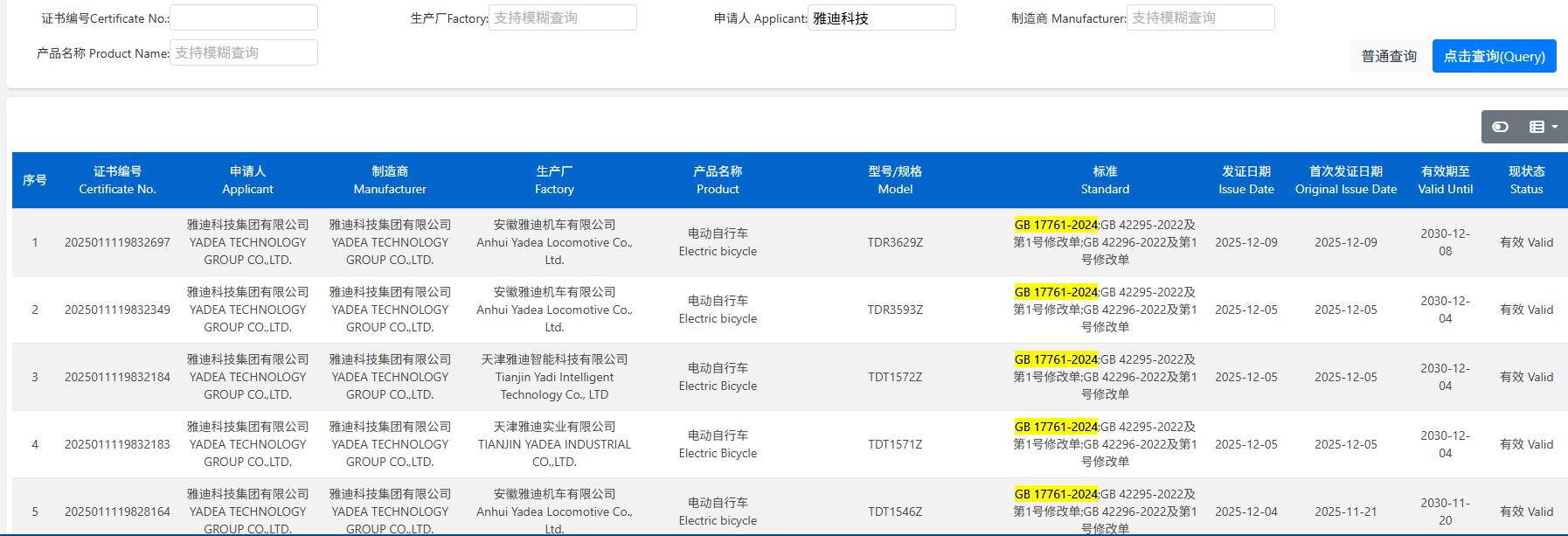
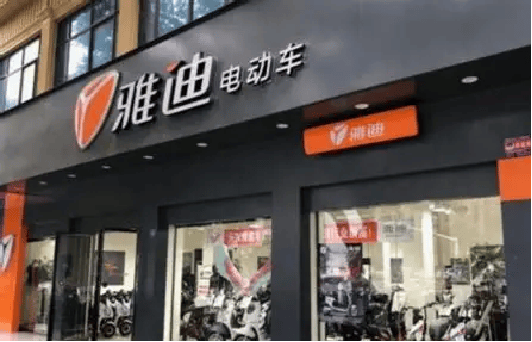
Core Viewpoint - The article discusses the recent controversy surrounding Yadea's new electric bicycle model "Maodou," which was taken off the market just five days after its launch due to consumer dissatisfaction with its design and functionality, coinciding with the implementation of new national standards for electric bicycles in China [2][3]. Group 1: Product Launch and Market Response - Yadea's new model "Maodou" faced backlash for its impractical design, including a lack of a rear seat and inadequate storage options, leading to its removal from major e-commerce platforms [2][3]. - Consumer feedback indicated that the design did not meet everyday usage needs, prompting criticism of the new national standards as being overly stringent and neglecting practical functionality [2][3]. Group 2: Regulatory Standards and Compliance - The new national standard, effective December 1, 2024, emphasizes safety performance improvements, including higher requirements for fire-resistant materials and braking distances, while maintaining core parameters similar to the previous version [2][3]. - Yadea acknowledged its misunderstanding of the new standards and committed to improving product design and compliance to better meet user needs [3]. Group 3: Certification and Product Updates - Since the new standards were announced, Yadea has updated and certified 67 new models of electric bicycles to comply with the new regulations [3]. - The company has previously received over 1,000 CCC certifications for its products under the old standards, which have since been canceled or withdrawn [3]. Group 4: ESG Ratings and Market Position - Yadea holds the highest MSCI ESG rating of AAA, reflecting strong performance in product quality and carbon footprint, although it ranks lower in domestic ESG evaluations compared to competitors like Ninebot and Aima [5][6]. - The disparity in ESG ratings highlights challenges in product compliance management within the domestic market, where issues such as unauthorized modifications and quality control have been prevalent [6]. Group 5: Sales Performance and Financials - In the first half of the year, Yadea reported a significant sales recovery, with electric two-wheeler sales reaching 8.7935 million units, a 37.8% increase from the previous year [8]. - Revenue from core business increased from 14.4138 billion yuan to 19.1859 billion yuan, marking a 33.1% year-on-year growth, with gross margin rising from 18.0% to 19.6% [8]. - However, the overall sales for 2024 are projected to decline from 16.52 million units in 2023 to 13.02 million units due to the transition to new standards [8].

ESG解读|雅迪新国标车型引发实用性吐槽;MSCI AAA评级光环之下,抽检不合格频发
Sou Hu Cai Jing· 2025-12-10 09:59
Core Viewpoint - Yadea's new electric bicycle model "Maodou" faced significant backlash and was taken off the market just five days after its launch due to design flaws that did not meet consumer needs, coinciding with the implementation of new national standards for electric bicycles [3][4]. Group 1: Product Issues - The "Maodou" model was criticized for its lack of a rear seat, making it unsuitable for families, and for inadequate storage options, leading to consumer dissatisfaction [3][4]. - The new national standard emphasizes safety performance improvements, but the design issues of "Maodou" were attributed to Yadea's misunderstanding of the new requirements [4][5]. Group 2: Compliance and Certification - Yadea has updated and certified 67 new electric bicycle models in accordance with the new national standards [5]. - The company has faced challenges in compliance management, with multiple instances of product quality issues leading to fines and penalties from regulatory authorities [9][10]. Group 3: Market Performance - In the first half of the year, Yadea reported a significant sales recovery, with electric two-wheeler sales reaching 8.7935 million units, a 37.8% increase from the previous year [11]. - Despite the sales growth, the overall annual sales for 2024 are projected to decline from 16.52 million units in 2023 to 13.02 million units due to the transition to new standards [11]. Group 4: ESG Ratings - Yadea maintains a high international ESG rating of AAA from MSCI, reflecting strong performance in product quality and carbon footprint [7]. - However, domestically, Yadea's ESG rating is lower compared to competitors, indicating challenges in product compliance and management [8][9].
康芝药业获上市公司ESG评级A级
Zheng Quan Ri Bao Wang· 2025-12-05 14:17
Core Viewpoint - The recent ESG proactive rating results released by Hainan Green Development Credit Rating Co., Ltd. cover 5,393 listed companies, aiming to support enterprises in their green transformation and provide transparent references for investors and regulatory bodies [1] Group 1: ESG Rating Overview - The ESG rating framework includes three dimensions: Environment (E), Social (S), and Governance (G), encompassing 19 core topics and over 300 data indicators to derive a comprehensive ESG rating score [1] - Approximately 30% of the rated companies achieved an A grade or above, indicating a significant level of recognition for sustainable practices among listed firms [1] Group 2: Company-Specific Insights - Kangzhi Pharmaceutical Co., Ltd. received an A grade in the ESG rating, reflecting its comprehensive performance in sustainability and recognition of its efforts in corporate social responsibility [1] - The company is committed to advancing the children's health industry and aims to contribute to the construction of a "Healthy China" and a better society through its sustainable development initiatives [1]

再度荣获英国《银行家》“中国年度银行”奖 中信银行彰显价值韧性
Bei Jing Wan Bao· 2025-12-05 10:49
Core Insights - CITIC Bank was awarded "Bank of the Year China 2025" by The Banker magazine, marking its second win after 2017, highlighting its significant role in the commercial and internationalization processes of China's banking industry [1][3] - CITIC Bank's brand value reached $16.95 billion, a 27.2% increase year-on-year, making it the financial institution with the highest brand value growth among mainland Chinese banks according to Brand Finance [1] Group 1 - The Banker praised CITIC Bank for its innovative practices addressing social issues and evolving customer needs, emphasizing its comprehensive product and service matrix across retail, corporate, and financial markets [2] - CITIC Bank has developed products like the "Pillar of Retirement" for elderly clients and the "Latte Plan" fixed-income product for younger customers, demonstrating a deep understanding of societal changes in China [2] - The bank has made significant strides in corporate services, including merger loans and underwriting for innovative enterprises, while also enhancing its AI capabilities through the "Cangjie" platform [2] Group 2 - The award reflects CITIC Bank's commitment to strategic transformation and operational management in a complex business environment, focusing on serving the real economy [3] - As of Q3 2025, CITIC Bank reported total assets of 9,898.128 billion yuan and a non-performing loan ratio of 1.16%, indicating stable asset quality [3] - For the first nine months of 2025, CITIC Bank achieved operating income of 156.598 billion yuan and net profit of 53.391 billion yuan, maintaining stable profitability [3] - CITIC Bank's ESG rating improved to the global best AAA level as per MSCI's September 2025 report [3] - Looking ahead, CITIC Bank aims to leverage this international recognition to maintain strategic focus and continue promoting high-quality development while contributing to social welfare [3]

再度荣膺英国《银行家》“中国年度银行”大奖,中信银行彰显价值韧性
Jin Rong Jie· 2025-12-04 10:23
Core Viewpoint - CITIC Bank has been awarded the "Bank of the Year China 2025" by The Banker magazine, marking its second win since 2017, highlighting its achievements in high-quality development and its leading position in the commercialization and internationalization of China's banking industry [1] Group 1: Awards and Recognition - The Banker magazine's annual awards are considered one of the most prestigious in the global banking industry, often referred to as the "Oscars" of banking [1] - CITIC Bank's brand value reached $16.95 billion, with a year-on-year increase of 27.2%, making it the fastest-growing bank brand in mainland China according to Brand Finance [1] Group 2: Innovation and Services - The bank has been recognized for its innovative practices addressing social issues and evolving customer needs, creating a comprehensive product and service matrix across retail, corporate, and financial markets [2] - Initiatives include the "Pillar of Elderly" product for senior clients and the "Latte Plan" fixed-income product for younger customers, reflecting a deep understanding of societal changes in China [2] - CITIC Bank has made significant strides in corporate services, including merger loans and underwriting for innovative financial bonds, while also developing over 80 intelligent application scenarios through its proprietary "Cangjie" AI platform [2] Group 3: Financial Performance - As of the end of Q3 2025, CITIC Bank reported total assets of 989.81 billion yuan and a non-performing loan ratio of 1.16%, indicating stable asset quality [3] - For the first nine months of 2025, the bank achieved operating income of 156.598 billion yuan and a net profit of 53.391 billion yuan, maintaining stable profitability [3] - CITIC Bank's ESG rating improved to the global best AAA level as per MSCI's September 2025 report [3] Group 4: Future Outlook - CITIC Bank aims to leverage this international recognition as a new starting point to maintain strategic focus and continue promoting high-quality development while fulfilling its responsibility to serve the real economy and enhance social welfare [3]