
国内国际双循环

Search documents
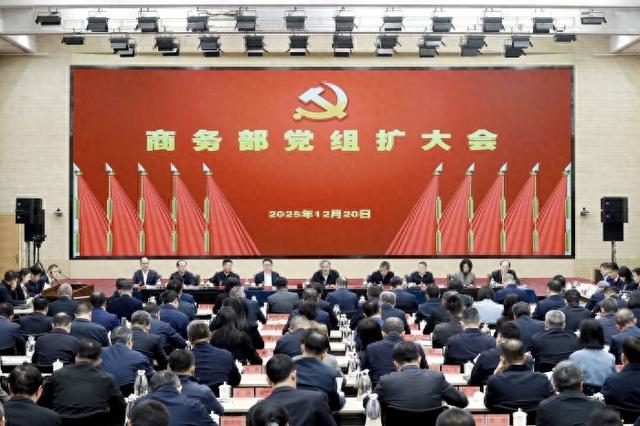
商务部:大力提振消费,扩大优质商品和服务供给,释放服务消费潜力
Xin Lang Cai Jing· 2025-12-20 14:58
商务部机关各司局、特派员办事处、直属事业单位负责同志以及部分驻外使(领)馆经济商务工作负责 人参加会议,驻部纪检监察组有关负责同志列席会议。 来源:商务部网站 会议指出,2025年是"十四五"规划收官之年。商务部党组坚决贯彻习近平总书记重要指示批示精神,完 整、准确、全面贯彻新发展理念,加快构建新发展格局,贯彻落实党中央关于统筹国内经济工作和国际 经贸斗争的重要部署,全力推动商务运行稳中有进,商务高质量发展迈出新步伐、实现新突破、取得新 成效,为顺利完成经济社会发展主要目标提供重要支撑。 会议认为,中央经济工作会议深刻分析了当前经济形势,创造性提出"五个必须"的规律性认识,系统部 署了2026年重点工作任务。要切实把思想和行动统一到党中央的科学判断和决策部署上来,深入学习领 会会议精神,坚决抓好贯彻落实,确保中央经济工作会议部署在商务领域落地见效。 会议强调,2026年是"十五五"规划开局之年,做好商务工作责任重大。要坚持以习近平新时代中国特色 社会主义思想为指导,深刻领悟"两个确立"的决定性意义,增强"四个意识"、坚定"四个自信"、做 到"两个维护",深入贯彻落实党中央决策部署,更好统筹商务高质量发展和国际 ...

【“打通全国统一大市场堵点卡点”热点问题探析 】畅通经济循环打造竞争新优势——专家学者建言全国统一大市场建设
Jing Ji Ri Bao· 2025-12-20 04:14
纵深推进全国统一大市场建设,是事关高质量发展和应对风险挑战的重大命题。近期,经济日报围 绕"打通全国统一大市场堵点卡点"热点问题刊发系列调研报告,引起专家学者的关注和热议。如何科学 把握全国统一大市场的深层意蕴?如何认识卡点堵点背后的多重成因?如何坚持破立并举推动建设?专 家学者围绕这些问题从理论、实践和制度创新等方面探讨答案。 既是聚焦当下的实践问题,也是事关长远的战略问题 市场,是最稀缺的资源。我国拥有14亿多人口、1.9亿户经营主体以及规模庞大的中等收入群体,是全 世界唯一拥有联合国产业分类中全部工业门类的国家,经济版图纵深广阔,市场发展潜力巨大。聚焦高 效规范、公平竞争、充分开放建设全国统一大市场,回应的是畅通经济循环的现实需要,指向的是大国 博弈中打造竞争新优势的战略布局。 国家发展改革委经济研究所副所长郭丽岩表示,纵深推进全国统一大市场建设,是构建新发展格局、推 动高质量发展的有力支撑。通过建设全国统一大市场,促进商品要素资源在更大范围内有序流动、高效 配置,构建促进创新、优胜劣汰的良性市场环境和竞争秩序,能够形成供需互促、产销并进、畅通高效 的经济循环体系。 "这也是进一步全面深化改革的迫切需要 ...
【“打通全国统一大市场堵点卡点”热点问题探析⑫】畅通经济循环打造竞争新优势
Xin Lang Cai Jing· 2025-12-20 02:39
来源:中国经济网-《经济日报 纵深推进全国统一大市场建设,是事关高质量发展和应对风险挑战的重大命题。近期,经济日报围 绕"打通全国统一大市场堵点卡点"热点问题刊发系列调研报告,引起专家学者的关注和热议。如何科学 把握全国统一大市场的深层意蕴?如何认识卡点堵点背后的多重成因?如何坚持破立并举推动建设?专 家学者围绕这些问题从理论、实践和制度创新等方面探讨答案。 既是聚焦当下的实践问题,也是事关长远的战略问题 市场,是最稀缺的资源。我国拥有14亿多人口、1.9亿户经营主体以及规模庞大的中等收入群体,是全 世界唯一拥有联合国产业分类中全部工业门类的国家,经济版图纵深广阔,市场发展潜力巨大。聚焦高 效规范、公平竞争、充分开放建设全国统一大市场,回应的是畅通经济循环的现实需要,指向的是大国 博弈中打造竞争新优势的战略布局。 国家发展改革委经济研究所副所长郭丽岩表示,纵深推进全国统一大市场建设,是构建新发展格局、推 动高质量发展的有力支撑。通过建设全国统一大市场,促进商品要素资源在更大范围内有序流动、高效 配置,构建促进创新、优胜劣汰的良性市场环境和竞争秩序,能够形成供需互促、产销并进、畅通高效 的经济循环体系。 "这也 ...
专访中国WTO研究会霍建国:海南自贸港为全国制度型开放探路
2 1 Shi Ji Jing Ji Bao Dao· 2025-12-20 01:35
Core Viewpoint - The official launch of the Hainan Free Trade Port's full island closure operation on December 18 marks a significant step in China's high-level opening-up strategy, implementing a regulatory model of "one line open, two lines controlled, and free movement within the island" [2][4]. Regulatory Framework - After the closure, approximately 6,600 items will be subject to "zero tariff," increasing the proportion from 21% to 74%, with a significant expansion of the beneficiaries [2][3]. - The Hainan Free Trade Port aims to align with international standards, actively exploring high-level opening paths amidst a complex global trade environment [3][4]. Unique Features - Hainan Free Trade Port's uniqueness lies in three aspects: the "one line open, two lines controlled" management model, a higher degree of service industry openness, and significant tax policy breakthroughs, such as a 15% preferential tax rate for corporate and personal income taxes [5][6]. - The port is expected to serve as a model for high-level opening, with potential for replicable policies in other regions [6]. Economic Impact - The policy allowing enterprises to import raw materials tax-free and sell to the mainland after processing 30% value-added is anticipated to significantly lower costs and attract industry clusters, boosting local economic growth [7]. - Establishing companies in Hainan can provide inland enterprises with easier access to international business and favorable local policies [8]. Investment Attraction - Hainan is positioned to become a prime entry point for multinational companies and international investors due to its higher openness and rich incentive policies compared to other regions [9]. - The core to attracting foreign investment lies in creating a favorable business environment, ensuring policy stability and transparency [10]. Regional Cooperation - Hainan can leverage its zero-tariff policy and geographical advantages to enhance trade cooperation with ASEAN, facilitating a platform for mutual investment and project introduction [11]. - The potential for cooperation exists in sectors like tropical agriculture, marine products, and high-tech industries, with a focus on enhancing competitiveness [13]. Institutional Innovation - The Hainan Free Trade Port's institutional advantages provide a framework for aligning with international standards and rules, particularly in areas like e-commerce and market competition [14]. - The port is expected to serve as a testing ground for institutional reforms, contributing to China's broader goals of high-standard opening and regulatory alignment with international norms [14].
政策优势显著,发展机遇更多,国际社会看好海南封关“红利”
Huan Qiu Shi Bao· 2025-12-19 23:07
Core Insights - The launch of the Hainan Free Trade Port marks a significant step in China's high-level opening-up strategy, attracting international attention and praise [1] - Hainan's zero-tariff policy and favorable business environment are designed to showcase China's commitment to openness amid global trade challenges [1] Group 1: Economic Impact - On the first day of the closure, customs reported zero-tariff imports valued at 360 million yuan, with additional goods benefiting from relaxed trade management measures [3] - The range of zero-tariff goods has expanded to approximately 6,600 tax items, increasing from 21% to 74%, with goods that undergo value-added processing of 30% exempt from tariffs when sold to other regions in China [3] - Hainan's GDP was approximately 113 billion USD last year, and the closure aims to attract foreign investment and stimulate economic activity [3] Group 2: Talent and Business Opportunities - The closure has led to the issuance of new business licenses and work permits for foreign personnel, highlighting the release of talent and business incentives [4] - Hainan's innovative talent policy exempts personal income tax exceeding 15% for eligible individuals, which has been positively received by business managers [4] - The number of companies seeking to establish operations in Hainan has significantly increased, positioning the region as a gateway for foreign enterprises to access China's vast market [4] Group 3: Strategic Significance - Hainan is viewed as a testing ground for China's institutional openness, with potential experiences in free movement of people, goods, capital, and data to be replicated nationwide [5] - The Hainan Free Trade Port is seen as a landmark initiative in China's foreign trade strategy, promoting domestic and international dual circulation [5]
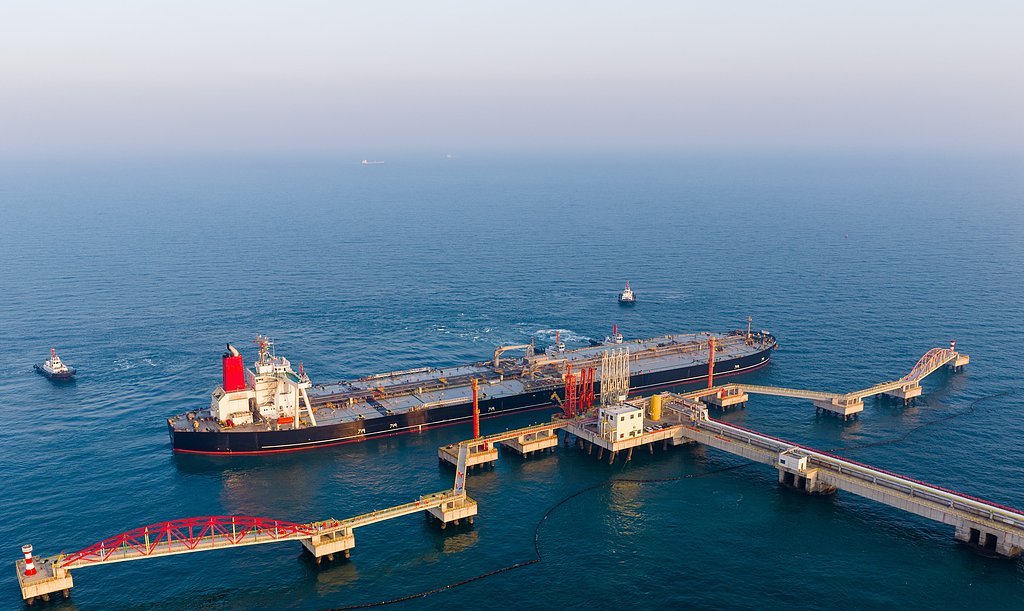
新疆综合立体交通网日益完善
Xin Lang Cai Jing· 2025-12-19 18:23
Core Insights - Xinjiang's transportation infrastructure has significantly improved since the 14th Five-Year Plan, with a comprehensive and efficient transportation network being developed to enhance connectivity within and outside the region [1][2] - Major projects such as the G7 Beijing-Xinjiang Expressway and Urumqi Tianshan International Airport have been completed, contributing to a historical achievement in transportation since the 18th National Congress of the Communist Party [1] - By the end of 2025, Xinjiang's total road mileage is expected to reach 237,000 kilometers, with over 8,000 kilometers of expressways and 13,000 kilometers of first-class highways [1] Infrastructure Development - Xinjiang's railway network has reached 9,557 kilometers, connecting all prefecture-level cities and covering over 80% of county-level administrative regions [1] - The region has 28 operational airports, the highest in the country, with a total of 665 flight routes [1] - A postal and express service network has been established with 17,265 service points, achieving full coverage of urban and rural areas [1] Service Enhancement - The "Xinjiang Transportation Yakeshi" service brand has been developed to improve service quality, integrating fast and slow transportation networks [1] - The transportation structure is being adjusted to enhance multi-modal transport and improve service quality continuously [1] International Connectivity - Xinjiang is enhancing its connectivity for western openness, with stable operations of the China-Europe Railway Express and an expanding international road transport network [2] - The "Air Silk Road" is becoming denser, and cross-border postal services are achieving full coverage through rail, land, and air [2] - The transportation department aims to build a modern comprehensive transportation system to support domestic and international dual circulation [2]
时评 | 经济大省“挑大梁”,青岛“十五五”谋篇“强龙头”
Xin Lang Cai Jing· 2025-12-19 10:13
Core Viewpoint - Qingdao aims to play a leading role in Shandong's economic development, with a focus on achieving significant modernization by 2030 as outlined in the "14th Five-Year Plan" [1][3]. Group 1: Economic Growth and Goals - Shandong's GDP is projected to grow from 7.44 trillion yuan in 2020 to 9.86 trillion yuan by 2024, increasing its share of the national economy from 7.19% to 7.31% [3][4]. - By 2025, Shandong is expected to become the third province in China, and the first in the north, with a GDP exceeding 10 trillion yuan [4]. - Qingdao's GDP is anticipated to surpass 1.7 trillion yuan during the "14th Five-Year" period, achieving five consecutive milestones of 100 billion yuan [5]. Group 2: Innovation and Industry Development - Qingdao plans to develop a "10+1" innovative industrial system, focusing on advanced sectors such as new information technology and artificial intelligence [6]. - The city aims to enhance its technological innovation capabilities by establishing the Qingdao Science and Technology Innovation Corridor, facilitating the transformation of disruptive technological achievements [6]. Group 3: Marine Economy and Global Cooperation - Qingdao's development strategy emphasizes its marine economy, leveraging its "4+4+2" modern marine industry system to strengthen marine technology and high-end shipping [6]. - The city seeks to deepen global marine cooperation through initiatives like the "Marine Decade" International Cooperation Center, positioning itself as a hub for high-quality development [7]. Group 4: Open Economy and Global Connectivity - Qingdao is enhancing its open economy through initiatives like the Shanghai Cooperation Organization demonstration zone and the Qingdao Free Trade Zone, aiming for deeper institutional openness [7]. - The city is developing a comprehensive logistics network to become a crucial hub for domestic and international dual circulation [7].
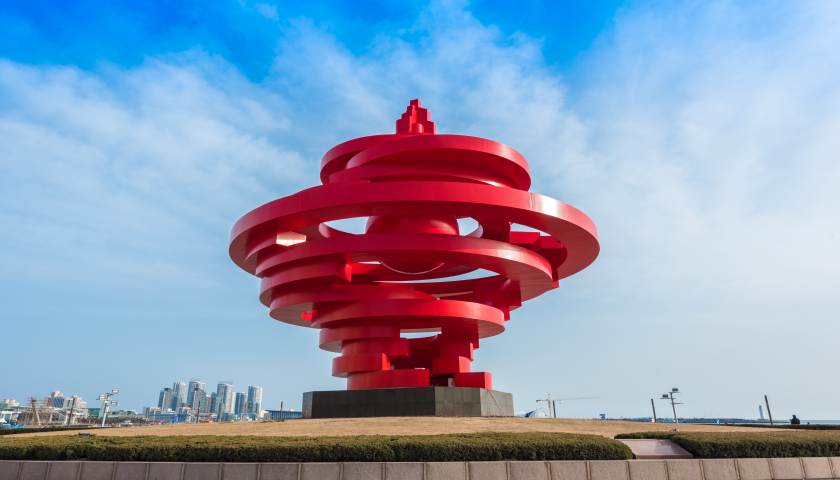
中物联何辉:2025年全社会物流总额预计达380万亿元 亟待加快可信贸易规则建设
Xin Hua Cai Jing· 2025-12-19 05:49
Core Insights - The total logistics volume in China is expected to reach approximately 380 trillion yuan by 2025, with the sales of bulk commodity production materials projected to exceed 1 trillion yuan for the first time, highlighting the resilience and potential of China's economy amidst global uncertainties [1][2] - From January to October this year, China's total social logistics volume reached 293.7 trillion yuan, a year-on-year increase of 5.1%, indicating steady expansion in logistics demand and continuous optimization of structure [1] - The China Bulk Commodity Price Index (CBPI) stood at 114.1 points in November 2025, reflecting a month-on-month increase of 0.8% and a year-on-year increase of 1.6%, demonstrating improved supply-demand relationships in the domestic industry [1] Industry Development Strategies - Accelerate the cultivation of new productive forces in bulk commodities, integrating trustworthy trade concepts throughout the global resource allocation process, and fostering high-quality development through the use of digital technologies [3] - Enhance global resource allocation capabilities in bulk commodities by leveraging China's large market advantages and promoting international capacity cooperation, aiming to strengthen the competitiveness of bulk commodity circulation enterprises [3][4] - Create a fair, stable, and sustainable global supply chain by utilizing digital technologies to establish new mechanisms for shared interests and risk-sharing, while promoting green and low-carbon development in various sectors [4]
专访吴士存:应吸引更多世界500强企业入驻海南
21世纪经济报道· 2025-12-19 00:37
记者丨洪晓文 编辑丨张星 2025年12月18日,海南自贸港全岛封关正式启动。封关运作是实施以"'一线'放开、'二线'管住、岛内自由"为基本特征的自由化便利 化政策制度。 "一线"放开,就是将海南自由贸易港与我国关境外其他国家和地区之间作为"一线",实施一系列自由便利进出举措;"二线"管住, 就是将海南自由贸易港与内地之间作为"二线",针对"一线"放开的内容实施精准管理;岛内自由,就是在海南自贸港内,各类要素 可以相对自由流通。 对海南自贸港企业而言,封关运作后多项政策将持续释放红利。"零关税"商品数量将显著增加,覆盖约74%的商品税目,惠及医 药、高端食品加工等重点产业。享惠主体范围也全面扩大,基本覆盖全岛有实际进口需求的各类企事业单位。截至目前,海南自贸 港鼓励类产业条目已扩至1100多个,涵盖生物医药、海上风电、专用汽车制造、绿色建材生产等,相关企业可享受15%的企业所得 税优惠。 海南自贸港封关将给海南乃至全国带来哪些新变化?对国内国际投资者以及区域经贸合作,又有哪些影响?近日,21世纪经济报道 在第六届"海洋合作与治理论坛"期间对华阳海洋研究中心理事长、中国南海研究院学术委员会主席吴士存进行了专访。 ...

海南自贸港以制度创新打造新时代对外开放重要门户
Zheng Quan Ri Bao· 2025-12-18 23:24
12月18日,海南自由贸易港(以下简称"海南自贸港")正式启动全岛封关。至此,进口征税商品目录、货 物流通税收政策、禁限清单、加工增值内销免关税政策、海关监管办法等一系列封关政策及配套文件同 步实施。 回溯多年探索实践之路,海南自由贸易港建设实现从"顺利开局"到"蓬勃展开""进展明显",再到"蓬勃 兴起"的喜人变化。此次封关运作正式启动,标志着高水平自由贸易港正式成型,成为新时代中国扩大 对外开放的标志性里程碑。 封关不是封岛,而是制度层面的重构,是更高水平的开放。这场牵动全球目光的制度变革,以"一线放 开、二线管住、岛内自由"为核心框架,用"零关税、低税率、简税制"的税收红利与金融领域的多维创 新,在南海之滨构筑起连接国内国际双循环的开放高地。 深圳前海深港现代服务业合作区咨询委员会主任郑磊对《证券日报》记者表示,这些制度创新既遵循了 市场经济规律和国际通行规则,又充分考虑了中国的制度优势和发展阶段,实现了"开放"与"安全"的有 机平衡,为资本运作提供了稳定、透明、可预期的制度环境,推动海南与粤港澳大湾区、长三角等区域 形成"功能互补、产业协同"的新格局。 资本聚势 构建开放"四梁八柱" 海南自贸港封关运作 ...