基因编辑

Search documents
异动盘点0618|乐华娱乐涨超24%,旗下潮玩创销售纪录;顺丰同城涨超5%;脑再生科技续涨超 30%; 比特币概念股普跌
贝塔投资智库· 2025-06-18 04:17
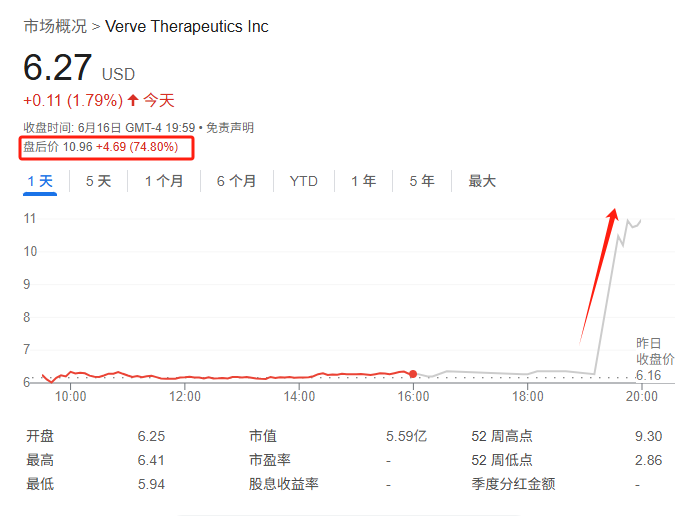
Group 1: Hong Kong Stocks - Lehua Entertainment (02306) surged over 24% due to strong market performance of its toy IP "WUKUKU," with multiple new products setting sales records and the theme song exceeding 1 billion views [1] - United Energy Group (00467) rose over 7% after signing a 15-year production increase contract with Uzbekistan's UNG, involving 57.8 billion cubic meters of oil and gas production, with an initial investment of $100 million to expand into Central Asia [1] - Smoore International (06969) fell over 3% as shareholder Yiwei Lithium Energy plans to reduce its stake by 3.5% (216 million shares), resulting in a decrease of its holding to 27.23%, no longer being the controlling shareholder [1] - New World Development (00200) dropped over 5% after completing a "2 for 1" rights issue, issuing 758 million shares and raising HKD 771 million, with oversubscription of 13 times [1] - Fourth Paradigm (06682) increased over 7% after launching AI solutions for the manufacturing industry, covering production optimization to supply chain intelligence upgrades [1] - Shandong High-Tech Holdings (00412) rose over 4% as Zhongtai Securities highlighted significant synergy between its new energy and digital infrastructure, with a data center PUE value of 1.15, enhancing financial integration [1] - KANAT Optical (02276) increased over 4% due to an explosion in the smart glasses market (e-commerce transactions up 8 times), with Meta collaborating with Oakley to launch AI glasses, positioning the company with leading 3C enterprises [1] Group 2: Other Notable Stocks - Sipai Health (00314) rose over 7% after partnering with Anruijiaer to develop customized insurance, planning to sell 6 pharmacies for 5.89 million to focus on core medical insurance business [2] - SF Express (09699) increased over 5% after raising its delivery service revenue cap for 2025/26 to HKD 12.8 billion / HKD 20.5 billion, with demand growth exceeding expectations [2] - Liufu Group (00590) fell over 3% as it projected a 40% decline in profits for the 2025 fiscal year, primarily due to gold hedging losses and high base effects from acquisition gains [2] - Zhenjiu Lidu (06979) rose over 4% after announcing Yao Annan as the "Cultural Heritage Ambassador" for liquor, leveraging Huawei-related topics to boost brand visibility [2] - Ideal Auto-W (02015) dropped over 4% as Meituan's Wang Xing sold 5.73 million shares for HKD 600 million, reducing his stake to 20.61% [2] - Health Road (02587) surged over 7% as its liver disease AI management platform was selected for Beijing's digital medical verification program, supporting WHO's "2030 Hepatitis Elimination" goal [2] - Gilead Sciences-B (01672) rose over 5% after its psoriasis oral drug ASC50 completed the first dosing in Phase I clinical trials in the U.S., targeting the IL-17 pathway [2] - China Silver Group (00815) increased over 10% after partnering with Zefeng Gold to acquire a 55% stake in a lead-zinc exploration company, gaining exploration rights over 50.8 square kilometers in Tibet [2] Group 3: U.S. Stocks - Verve Therapeutics (VERV.US) skyrocketed over 80% as Eli Lilly prepares to acquire the gene-editing company for up to $1.3 billion, with $1 billion as an upfront payment and $300 million contingent on specific clinical milestones [4] - Solar energy stocks plummeted, with Sunrun (RUN.US) down over 40%, Solaredge Technologies (SEDG.US) down over 41%, and First Solar (FSLR.US) down over 22%, following a Republican proposal in the U.S. Senate to terminate wind and solar tax credits by 2028, raising concerns about the industry's outlook [4] - Reddit (RDDT.US) rose over 6% after launching the AI advertising tool Reddit Insights, enhancing ad targeting through real-time user trend analysis [4] - Bitcoin-related stocks fell, with CleanSpark (CLSK.US) down over 7% and Riot Platforms (RIOT.US) down over 5%, as Bitcoin prices dropped nearly 2% to $105,580 amid escalating tensions in the Middle East and high leverage positions in the derivatives market [4] - AMD (AMD.US) continued to rise 0.56% after officially launching the Zen5 architecture Ryzen Threadripper processors, covering the workstation and desktop markets, with a market share close to 50% in China for Q1, although there are concerns about its cost-performance ratio [5] - Brain Regen Technologies (RGC.US) surged over 30% after announcing a 38-for-1 stock split, coupled with FDA clinical trial approval news, although its actual business has no revenue and a very small float, indicating significant retail speculation [6] - Jabil (JBL.US) rose over 8%, reaching a new all-time high of $202.5, with Q3 revenue increasing 15% year-on-year to $7.83 billion, raising its full-year revenue forecast to $29 billion and planning a $500 million investment to support AI data center infrastructure [6] - Niu Technologies (NIU.US) increased over 11% after launching its new NX Play electric motorcycle on Douyin, integrating a smart riding system to enhance user experience [6] - T-Mobile US (TMUS.US) fell nearly 4% as SoftBank sold 21.5 million shares at $224 each, a 3% discount, triggering market sell-off [6] - The pharmaceutical sector saw widespread declines, with Eli Lilly (LLY.US) down over 2% and Novo Nordisk (NVO.US) down over 3%, as concerns grew over the potential impact of the U.S. Senate tax bill on the industry, coupled with profit-taking ahead of some companies' earnings reports [6] - The gold sector declined, with Gold Fields (GFI.US) down over 2.1%, and spot gold fell 0.27% to $3,375.53, as easing tensions in the Middle East reduced safe-haven demand, alongside Citigroup's bearish long-term gold price forecast [7]



礼来(LLY.US)收购Verve(VERV.US)带来行业提振 基因编辑板块迎上涨
智通财经网· 2025-06-18 03:35
Core Viewpoint - The acquisition of Verve Therapeutics by Eli Lilly for up to $1.3 billion has positively impacted the biotechnology sector focused on gene therapy, which has faced significant challenges recently [1] Group 1: Acquisition Details - Eli Lilly agreed to acquire Verve Therapeutics for a total price not exceeding $1.3 billion, providing a boost to the struggling gene therapy industry [1] - The acquisition led to a 74% increase in Verve Therapeutics' stock price, reflecting positive market sentiment [1] - The deal includes a contingent value right (CVR) that exceeds Verve's 30-day average stock price by over 100% [1] Group 2: Market Reactions - Companies such as Editas Medicine, Prime Medicine, Intellia Therapeutics, CRISPR Therapeutics, and Beam Therapeutics have shown improved performance following the acquisition news, despite experiencing significant declines over the past 12 months [1] - Wall Street reacted positively to Eli Lilly's acquisition proposal, indicating a favorable outlook for the gene editing sector [1] Group 3: Analyst Opinions - BMO Capital Markets expressed skepticism regarding the market demand for additional gene therapies, suggesting that Eli Lilly might have better uses for its capital [2] - Conversely, William Blair viewed the transaction as beneficial for Verve Therapeutics' shareholders, who will receive payments related to the CVR in the coming years [2] - Analyst Myles Minter stated that the acquisition is reasonable for Verve Therapeutics' shareholders and aligns well with Eli Lilly's product line [2]


隔夜美股全复盘(6.18) | 脑再生科技大涨30%,昨日一度暴涨4.3倍,年内累涨64208%
Ge Long Hui· 2025-06-17 23:11
Market Overview - US stock indices closed lower, with the Dow down 0.7%, Nasdaq down 0.91%, and S&P down 0.84. The VIX index rose 13.13% to 21.62. The dollar index increased by 0.69% to 98.83. The yield on the 10-year US Treasury fell by 1.237% to 4.392%, with a spread of 43.6 basis points compared to the 2-year Treasury yield. Spot gold rose by 0.09% to $3388.4 per ounce, while Brent crude oil increased by 5.4% to $76.92 [1]. Industry & Stocks - The energy sector was the only one to gain, up 0.93%, while the other nine sectors in the S&P 500 declined, with healthcare down 1.65%, materials down 0.98%, and technology down 0.71% [1]. - Chinese concept stocks mostly fell, with TSMC down 0.83%, Alibaba down 0.8%, Pinduoduo down 1.12%, and JD down 0.93%. Brain Rejuvenation Technology surged 30%, with a year-to-date increase of 64,208%. Li Auto fell 4.47%, and there was a significant share reduction by Wang Xing in Li Auto [1]. - Major tech stocks also saw declines, with Microsoft down 0.23%, Nvidia down 0.39%, and Apple down 1.4%. Oracle fell 1.38% as it launched a project to facilitate technology sales to the US Department of Defense [2][3]. Daily Focus 1. Brain Rejuvenation Technology saw a 30% increase, with a peak rise of 430% recently. The company announced FDA approval for its new neural modulation chip and plans to collaborate with the Mayo Clinic for Parkinson's disease research. However, it has not generated any revenue and faces high failure probabilities in its core therapy [4]. 2. Cathie Wood's Ark Invest sold over 340,000 shares of Circle after a significant price increase, realizing approximately $51.7 million from the sale [5][6]. 3. Eli Lilly is reportedly in talks to acquire Verve Therapeutics for up to $1.3 billion, which is nearly double Verve's current market value of $559 million [8]. 4. Elon Musk's xAI is attempting to raise $9.3 billion but is burning through cash at a rate of $1 billion per month, reflecting the high funding demands of the AI industry [8][9]. 5. Tesla's autonomous driving technology is reported to have surpassed Waymo's in terms of mileage and safety metrics, with Tesla's collision rate significantly lower than Waymo's [10].

突发利好!深夜大涨超70%
Zheng Quan Shi Bao· 2025-06-17 16:31
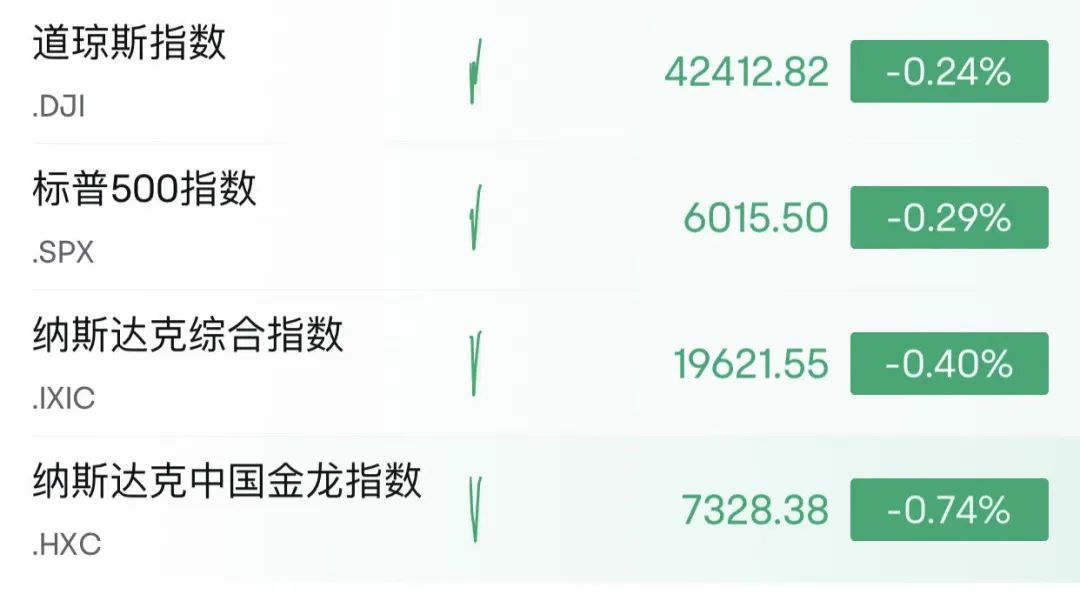
Group 1 - Verve Therapeutics' stock surged over 70% following an announcement by Eli Lilly to acquire the company for up to $1.3 billion, including a nearly $1 billion upfront payment and potential additional funds based on clinical milestones [3][4] - The acquisition price is set at $10.5 per share for all outstanding shares of Verve, indicating strong investor interest and confidence in the company's future prospects [4] - Verve is developing a groundbreaking in vivo gene editing drug, Verve-102, which utilizes CRISPR technology to modify liver cell DNA, potentially transforming the treatment of cardiovascular diseases from chronic care to a one-time therapy [4] Group 2 - The broader market saw declines in major indices, with the Dow Jones down 0.24%, S&P 500 down 0.29%, and Nasdaq down 0.40%, reflecting a mixed sentiment in the market despite the positive news for Verve [2] - In the biotech sector, BrainCo, a company focused on brain-computer interface technology, experienced a significant stock increase, reflecting investor enthusiasm for innovative health technologies [4][5] - The energy sector also saw gains, with major oil companies like Chevron and ExxonMobil rising over 1%, amid rising oil prices and geopolitical developments affecting energy supply [6][8]
突发利好!深夜大涨超70%!
证券时报· 2025-06-17 16:01
Market Overview - The US stock market opened lower on June 17, with the Dow Jones down 0.24%, S&P 500 down 0.29%, and Nasdaq down 0.40% [1][2] - Major tech stocks mostly declined, with Tesla dropping nearly 2% and Microsoft, Apple, Google A, and Meta experiencing slight decreases [2] - The Nasdaq China Golden Dragon Index fell by 0.74% [2] Economic Data - The US Census Bureau reported a 0.9% month-over-month decline in retail sales for May, with April's figure revised to a 0.1% decrease [2] - The US Bureau of Labor Statistics indicated that the import price index remained unchanged, while the export price index decreased by 0.9% [2] Corporate News - Verve Therapeutics saw its stock price surge over 70% following an announcement from Eli Lilly that it would acquire the company for up to $1.3 billion [4][6] - Eli Lilly's acquisition includes a nearly $1 billion upfront payment and up to $300 million contingent on achieving certain clinical milestones [5][6] - Verve is developing gene editing drugs, with its lead project, Verve-102, currently in a Phase 1b clinical trial and has received Fast Track designation from the FDA [6] Sector Performance - Chinese concept stocks mostly declined, with notable drops in Kingsoft Cloud and Li Auto, while JD, Pinduoduo, and Alibaba saw slight increases [3] - Brain-computer interface stocks, particularly Brain ReGen Technologies, experienced significant gains, with a year-to-date increase of over 460 times [6][7] International Developments - Oil prices rose over 2.5%, with energy stocks in the US also seeing gains [8] - The European Commission proposed legislation to phase out imports of Russian natural gas and oil by the end of 2027, aiming to reduce dependency on Russian fossil fuels [9][10]

礼来(LLY.US)拟以最高13亿美元收购基因编辑公司Verve Therapeutics(VERV.US)
智通财经网· 2025-06-17 12:38
Core Viewpoint - Eli Lilly (LLY.US) has announced an agreement to acquire Verve Therapeutics (VERV.US) for up to $1.3 billion, indicating a significant investment in gene editing technology aimed at cardiovascular disease treatment [1][2] Group 1: Acquisition Details - Eli Lilly will make a cash offer of $10.50 per share, totaling approximately $1 billion, to acquire all outstanding shares of Verve [1] - Each share will also include a non-tradable contingent value right, allowing holders to receive up to an additional $3, bringing the total potential value per share to $13.50 [1] - The base purchase price represents a premium of about 113% over Verve's 30-day volume-weighted average price as of June 16, 2025 [1] Group 2: Market Reaction - Following the announcement, Verve's stock price surged nearly 80% in pre-market trading [1] Group 3: Product Pipeline - Verve is advancing a series of in vivo gene editing projects aimed at safely inactivating genes that increase the risk of atherosclerotic cardiovascular disease [1] - The candidate drug VERVE-102 is currently in Phase 1b clinical trials targeting patients with heterozygous familial hypercholesterolemia and early-onset coronary artery disease [1] - VERVE-102 has received Fast Track designation from the U.S. Food and Drug Administration [1][2]
130%溢价!礼来13亿收购基因编辑独角兽Verve Therapeutics
Hua Er Jie Jian Wen· 2025-06-17 02:46
Group 1 - Eli Lilly is preparing to acquire gene-editing startup Verve Therapeutics for up to $1.3 billion, with $1 billion as an upfront payment and an additional $300 million contingent on clinical milestones [1][2] - Verve Therapeutics is developing a gene therapy to lower cholesterol levels, which is expected to be used in conjunction with other medications [2] - If the acquisition is completed, it will represent a significant strategic move for Eli Lilly in the gene-editing space, following its success with weight loss drugs [2] Group 2 - The pharmaceutical industry is currently experiencing a downturn in merger and acquisition activity due to market volatility and regulatory uncertainties [3] - Unlike competitors facing patent cliffs and revenue pressures, Eli Lilly is in a strong financial position, with projected sales of $30.2 billion from its weight loss and diabetes drugs Mounjaro and Zepbound this year [4] - Eli Lilly has already spent $2.5 billion this year on acquisitions, including cancer biotech company Scorpion Therapeutics and pain treatment-focused SiteOne Therapeutics [5]
鄂尔多斯市以高水平营商环境承接生物医药产业转移
Nei Meng Gu Ri Bao· 2025-06-13 15:36
Core Viewpoint - Ordos City is focusing on developing the biopharmaceutical industry as a key industrial chain, aiming to create an ideal environment for industry transfer and growth [1][2]. Group 1: Business Environment - Ordos has been ranked first in Inner Mongolia's business environment assessment for five consecutive years, promoting a "warm city" business environment brand [1]. - The city has implemented the "Release, Management, and Service" reform and optimized the business environment 6.0 version, enhancing project approval processes and reducing costs for enterprises [1]. Group 2: Policy Support - Ordos has introduced unprecedented policies in technology and talent, including a new version of the technology and talent policy, to attract innovation and development [1][2]. - The city collaborates with top universities and research institutions to establish high-level scientific innovation platforms, fostering a strong talent pool [1]. Group 3: Financial Empowerment - Ordos has developed venture capital, equity investment, and patient capital, with state-owned enterprises participating in the establishment of 13 funds totaling 30.8 billion yuan to support industrial projects [2]. Group 4: Industry Advantages - The city possesses unique advantages in the biopharmaceutical sector, particularly in chemical raw materials, traditional Chinese medicine, and biopharmaceuticals, with a rich variety of high-quality medicinal materials [2]. - Ordos has over 60,000 acres of traditional Chinese medicine cultivation bases, producing 73,000 tons of high-quality medicinal materials annually, providing abundant natural resources for the biopharmaceutical industry [2]. Group 5: Research and Development - The city is actively promoting the innovation and development of traditional Chinese medicine through policies and collaborations with top research institutions [2]. - Ordos is engaging with leading research institutions and enterprises to advance cutting-edge biotechnologies, including synthetic biology and gene editing, accelerating clinical research applications of new technologies [2].

达利欧:“自由意志将死,AI意志将立”
财富FORTUNE· 2025-06-11 12:56
瑞·达利欧:AI将影响方方面面。图片来源:Jemal Countess/Getty Images for TIME 瑞・达利欧( Ray Dalio )是一位作家、全球经济学家,也是全球最大对冲基金桥水联合基金( Bridgewater Associates )的创始人、首席投资官导师。 译者:朴成奎 在财富Plus,网友们对这篇文章发表了许多有深度和思想的观点。一起来看看吧。也欢迎你加入我们,谈谈你的 想法。今日其他热议话题: 在我看来,我们已经到达了一个新时代的边缘。在这个新时代,机器思维将在很多方面补充甚至超越人 类思维,就像在工业时代,机器补充甚至超越了人类的劳动力那样。随着计算工具的发明,靠人脑来进 行数学运算和存储记忆的重要性变得大大降低。现在我们查找信息会用谷歌这种搜索引擎,而不是用更 传统的方式。同样,或许用不了多久,当我们在各种情境下需要进行理性决策时,我们也会寻求计算机 的指引,因为它能给出比我们自己的大脑更快、更好的指导。 未来五年,我们将会见证大多数领域的显著进步。创造AI只是应用AI的第一步。我和桥水公司专业从 事AI投资已经有几十年了,我们现在正在发掘的机会,在普通人看来简直难以置 ...
GeneDx (WGS) FY Conference Transcript
2025-06-09 21:00
Summary of GeneDx Conference Call Company Overview - GeneDx was established 25 years ago at the National Institutes of Health, focusing on diagnosing difficult cases, particularly in rare diseases [4][5] - The company has built the largest rare disease data asset in the U.S., with over 800,000 exomes and genomes and more than 6,100,000 phenotypic data points [5][6] Strategic Initiatives - GeneDx aims to reduce the diagnostic odyssey, which currently takes about five years, to weeks or even hours [5][6] - The company is focusing on increasing utilization in pediatric outpatient settings and NICUs [6] Differentiation and Market Position - GeneDx's tests are differentiated by their extensive data assets, which include a highly representative database and a robust phenotypic data set [7][8] - Approximately 60% of the time, both parents are tested, enhancing the accuracy of diagnoses [7] - The company claims an 80% market share among expert geneticists, with significant growth potential in pediatric neurology and NICU settings [14][16] Market Penetration - In pediatric neurology, GeneDx has only penetrated about 14% of the patient population, indicating substantial growth opportunities [16] - In NICUs, fewer than 5% of babies currently receive genetic testing, despite studies showing that 60% would benefit from it [19][22] - GeneDx aims to increase its NICU testing to approximately 225,000 tests annually, targeting a quarter million children by 2026-2027 [24] Product Development and Testing - GeneDx has launched a two-day ultra-rapid turnaround time for genome testing, which is expected to enhance market uptake [25][26] - The company is expanding its testing indications to include conditions like cerebral palsy and hearing loss, focusing on the best clinical outcomes [29][30] Financial Performance and Cost Management - GeneDx has achieved profitability and aims for continued profitable growth, focusing on areas with sufficient reimbursement [17][18] - The company has reduced denial rates from 65% to less than 50% for pediatric neurologists, improving reimbursement rates and gross margins [48][49] - Current gross margins for exome and genome testing are around 80%, with ongoing efforts to reduce costs further through automation and technology [54][56] Future Growth and Market Strategy - GeneDx plans to expand into adult genetic testing as reimbursement pathways develop, aiming for early diagnosis across all age groups [62][63] - The company is also exploring monetization of its extensive data set for biopharma, aiming to contribute to drug discovery and clinical trial development [64][66] Conclusion - GeneDx is positioned as a leader in genetic testing for rare diseases, with a strong focus on data-driven diagnostics and expanding market opportunities in pediatric and adult settings. The company is committed to improving patient outcomes through faster and more accurate testing while maintaining a focus on profitability and cost management.