战略转型

Search documents
曾濒临破产的 Robinhood, Coinbase,Carvana--22年美股熊市跌得最惨的三只股票,今年都进了标普500!
美股IPO· 2025-12-16 00:26
Core Viewpoint - In 2024, Carvana, Robinhood, and Coinbase, which were on the brink of bankruptcy in 2022, achieved full profitability and were included in the S&P 500 index, marking a significant turnaround from being market outcasts to core assets [1][3]. Group 1: Company Transformations - Carvana's stock price surged by up to 11,000% from its low, and it is set to join the S&P 500 index, highlighting a major market shift [3]. - Coinbase and Robinhood were also included in the S&P 500 index earlier in 2024, indicating their recovery from the 2022 bear market [3][4]. - The dramatic recovery of these companies is attributed to their strategic shift from aggressive expansion to a profitability-focused approach [3][4]. Group 2: Financial Performance - Carvana's annual losses peaked at nearly $2.9 billion in 2022, but it achieved its first annual profit in 2024, with record revenue and gross profit per vehicle [5]. - Robinhood's revenue fell by 25% in 2022, but operational expenses decreased by 31%, allowing it to achieve its first annual profit in 2024 [6][8]. - Coinbase's Q3 revenue surged by 54% to $1.87 billion, with net profit rising from $0.28 per share to $1.50 per share year-over-year [9][10]. Group 3: Market Position and Future Outlook - Carvana's CEO expressed confidence in the company's resilience and potential growth in market share from 1.5% to 12% by 2040 [5]. - Robinhood is evolving into a "super app" with new features, indicating a mature understanding of institutional investor demands [8]. - Coinbase is compared to "AWS of the blockchain space," benefiting from regulatory developments and strong institutional client services [9][10].





新实控人拟全额认购不超3亿元定增,中环环保还拟更名“中赋科技”谋跨界,能成功“破局”吗?
Mei Ri Jing Ji Xin Wen· 2025-12-15 11:57
Core Viewpoint - The company, Zhonghuan Environmental Protection, is undergoing a significant transformation following a change in its controlling shareholder and actual controller, with plans to raise up to 300 million yuan through a private placement and rebrand itself to reflect a strategic shift towards technology and biomedicine [1][4]. Group 1: Fundraising and Shareholder Changes - The company plans to issue shares to its new actual controller, Liu Yang, raising no more than 300 million yuan, which will be used to supplement working capital and repay bank loans [2][3]. - Following the change in control, Liu Yang will increase his stake in the company to approximately 22.68%, further solidifying his position as the actual controller [3]. Group 2: Strategic Transformation - The company intends to change its name from "Anhui Zhonghuan Environmental Protection Technology Co., Ltd." to "Anhui Zhongfu Yuanchuang Technology Group Co., Ltd." to better align with its evolving business strategy [4][5]. - The strategic shift includes maintaining its core environmental protection business while exploring investment opportunities in the biomedicine sector, leveraging the strengths of its new controlling shareholder [5]. Group 3: Business Outlook - The company has experienced fluctuations in its main business revenue, with 2022 revenue reaching 1.405 billion yuan, but projected declines in 2023 and 2024, indicating challenges in profitability [2]. - The company aims to enhance its core competitiveness and create new profit growth points by investing in high-quality projects in the biomedicine field while still focusing on its environmental protection operations [5].
上峰水泥董事长俞锋:传统主业筑基 打造产业投资“第二曲线”
Zhong Guo Zheng Quan Bao· 2025-12-14 22:23
Core Viewpoint - The company has achieved industry-leading ROE for five consecutive years through operational efficiency rather than scale expansion, positioning its cement business as a cash flow fortress while strategically investing in new sectors like semiconductors [2][3][4]. Group 1: Main Business Foundation - The company has established a competitive advantage in the mature cement industry, achieving an average ROE of 17.83% over the past five years and maintaining high profit margins despite not being the largest player [3][4]. - The company controls over 900 million tons of limestone resources, ensuring cost efficiency and a robust national layout that enhances risk resilience [4]. Group 2: Strategic Transition - The company has initiated a systematic investment in the semiconductor industry since 2020, with over 2 billion yuan invested across nearly 30 projects, including 20 semiconductor companies [6][7]. - The investment strategy focuses on creating a chain ecosystem around leading enterprises, covering critical areas such as chip design, manufacturing, and materials [6][7]. Group 3: Future Growth Blueprint - The company aims to develop a synergistic model comprising traditional building materials, equity investment, and new material growth, with a target of over 3 billion yuan in equity assets [8]. - The governance structure, featuring a mix of private and state-owned stakeholders, is seen as a key factor in enhancing operational efficiency and supporting both traditional and emerging industry investments [8].

上峰水泥董事长俞锋: 传统主业筑基 打造产业投资“第二曲线”
Zhong Guo Zheng Quan Bao· 2025-12-14 21:29
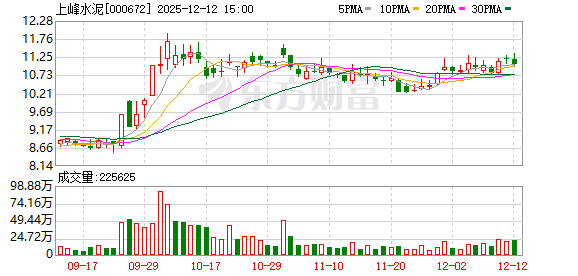
Core Insights - The core viewpoint of the article emphasizes that Shangfeng Cement (000672) has achieved industry-leading ROE for five consecutive years, not through scale expansion but via a profound efficiency revolution [1][2]. Group 1: Main Business Foundation - Shangfeng Cement has established a competitive advantage in the mature cement industry, achieving an average ROE of 17.83% over the past five years and maintaining high sales gross margins [2][3]. - The company has implemented refined operational measures that have resulted in superior profitability and cash generation compared to peers, with key metrics like net profit margin and per capita operating profit consistently ranking in the top three of the industry [2]. Group 2: Strategic Transformation - The company views its cement business as a "cash flow fortress," focusing on optimizing resource allocation and enhancing product structure rather than blind expansion [3][4]. - In 2024, the company is projected to generate a net operating cash flow of 1.039 billion yuan, with a year-on-year growth of 23.99% in the first half of 2025, ensuring over 1 billion yuan in annual cash flow [3]. Group 3: Investment in Semiconductor Industry - Shangfeng Cement has made significant investments in the semiconductor sector, with over 2 billion yuan invested in nearly 30 projects, including 20 semiconductor companies [4][5]. - The company aims to create a chain ecosystem in the semiconductor field, covering key areas such as chip design, manufacturing, and packaging, with a focus on long-term strategic penetration rather than financial speculation [4][6]. Group 4: Future Growth Strategy - The company is restructuring its internal governance and strategic planning to create a "second growth curve," aiming for a collaborative development model involving traditional building materials, equity investment, and new material growth [7]. - The strategic plan includes continuing to enhance efficiency in the cement business while aiming to reserve over 3 billion yuan in equity assets for investment, with a goal to develop new growth businesses in semiconductor materials within five years [7].
传统主业筑基 打造产业投资“第二曲线”
Zhong Guo Zheng Quan Bao· 2025-12-14 20:19
Core Insights - The core viewpoint of the article emphasizes that Shangfeng Cement has achieved industry-leading ROE for five consecutive years through operational efficiency rather than scale expansion, positioning itself as a "cash cow" in the cement industry while strategically investing in new sectors like semiconductors [1][2]. Group 1: Main Business Foundation - Shangfeng Cement has established a competitive advantage in the mature cement industry, achieving an average ROE of 17.83% over the past five years and maintaining high profitability metrics despite not being the largest player [1][2]. - The company controls over 900 million tons of limestone resources, ensuring cost management and sustainability for 30 years, with a national layout that enhances risk resilience [2]. - The company has optimized resource allocation and product structure to ensure over 1 billion yuan in annual operating cash flow, which is crucial for strategic transformation [2]. Group 2: Transition to Semiconductor Industry - Since 2020, Shangfeng Cement has systematically invested in the semiconductor industry, with over 2 billion yuan allocated to nearly 30 projects, including 20 semiconductor companies [3]. - The company aims to create a chain ecosystem in the semiconductor sector, covering key areas such as chip design, manufacturing, and testing, with significant projects already yielding results [3][4]. - Recent investments include Jiangsu Xinhua Semiconductor, marking a shift from financial investment to deeper industrial collaboration in the core materials sector [4]. Group 3: Future Growth Strategy - The company is restructuring its governance and strategic planning to drive growth through a "three-horse carriage" model, focusing on cement, equity investment, and new material businesses [5]. - The strategic goal includes enhancing the cement business, accumulating over 3 billion yuan in equity assets, and launching new growth businesses in semiconductor materials within five years [5]. - Shangfeng Cement's transformation from an efficiency champion to an industrial enabler serves as a model for other companies seeking high-quality transitions between traditional and future industries [5].
终于!荷兰不愿看到的局面出现了,中企开始“打包甩卖”欧洲资产
Sou Hu Cai Jing· 2025-12-13 06:45
Core Viewpoint - Chinese companies are increasingly selling off assets in Europe as a strategic response to rising political risks, exemplified by the recent sale of Fosber Group by Dongfang Precision to an American firm for €774 million, despite the company being highly profitable and a significant revenue contributor [5][12][34]. Group 1: Company Actions - Dongfang Precision sold its Italian subsidiary Fosber Group, a leader in corrugated cardboard production, to the American Brookfield Group for €774 million (approximately 6.3 billion RMB) [12][27]. - The sale occurred at a time when Fosber was generating nearly 70% of Dongfang Precision's revenue and experiencing significant profit growth [10][23]. - The decision to sell was influenced by the political climate in Europe, particularly following the "Anshi Incident" in the Netherlands, which raised concerns about potential government interventions in foreign-owned companies [16][21]. Group 2: Market Context - The sale reflects a broader trend of Chinese companies reassessing their investments in Europe due to increasing political risks and regulatory scrutiny [39][41]. - The transaction allowed Dongfang Precision to realize a significant return on investment, with the asset appreciating over seven times since its acquisition for €74 million a decade ago [29]. - The move is seen as a strategic shift for Dongfang Precision, redirecting funds into critical domestic sectors such as high-end power and robotics, aiming to reduce reliance on European manufacturing [32][34]. Group 3: Industry Implications - The political climate in Europe is causing a retreat of Chinese investments, with companies like Ningbo Huaxiang facing harsher consequences and opting for "tail-cutting" strategies [36][39]. - The exit of Chinese firms could lead to significant disruptions in European supply chains, particularly in the automotive sector, where companies like Volkswagen and BMW rely on Chinese suppliers [41][43]. - The European market may struggle to maintain its manufacturing capabilities without the technological and financial support from Chinese investments, raising concerns about the long-term viability of its industrial base [43][45].

立中集团:公司拟在上海嘉定区成立上海立中机器人科技有限公司
Zheng Quan Ri Bao Wang· 2025-12-12 13:13
Core Viewpoint - The company plans to establish Shanghai Lichong Robot Technology Co., Ltd. in the IRIC Intelligent Manufacturing and Robotics International Innovation Center in Jiading District, Shanghai, focusing on the research and development of lightweight materials and components for robots [1] Group 1 - The establishment of the new company is part of the company's strategy to deepen its layout in the robotics industry and promote strategic transformation [1] - The company aims to leverage local industrial park resources to enhance its technological innovation and market responsiveness in the humanoid robot sector [1] - This initiative is expected to lay a foundation for expanding the company's customer resources in robotics, thereby improving its core competitiveness and industry influence [1]


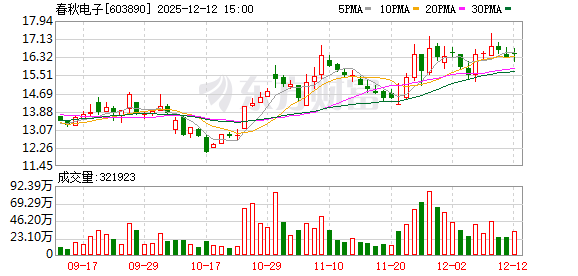
春秋电子:通过整合Asetek核心液冷技术,公司可实现从电子制造向“电子+液冷解决方案”的战略转型
Mei Ri Jing Ji Xin Wen· 2025-12-12 11:49
Core Viewpoint - The company is leveraging its partnership with Asetek to transition from electronic manufacturing to a combined "electronics + liquid cooling solutions" strategy, capitalizing on Asetek's extensive experience and customer relationships in the liquid cooling sector [2]. Group 1 - The company has engaged in demand surveys within its existing customer base regarding the feasibility of liquid cooling products [2]. - Asetek is recognized as a leading enterprise in desktop liquid cooling technology, with over 20 years of industry experience [2]. - The company has established strong collaborations with major global PC brands and accessory manufacturers, including Dell Alienware, ASUS, and NZXT, providing high-performance cooling solutions [2].

斥资1亿并购海外亏损标的,万顺新材内卷失利下豪赌出海
Tai Mei Ti A P P· 2025-12-11 11:27
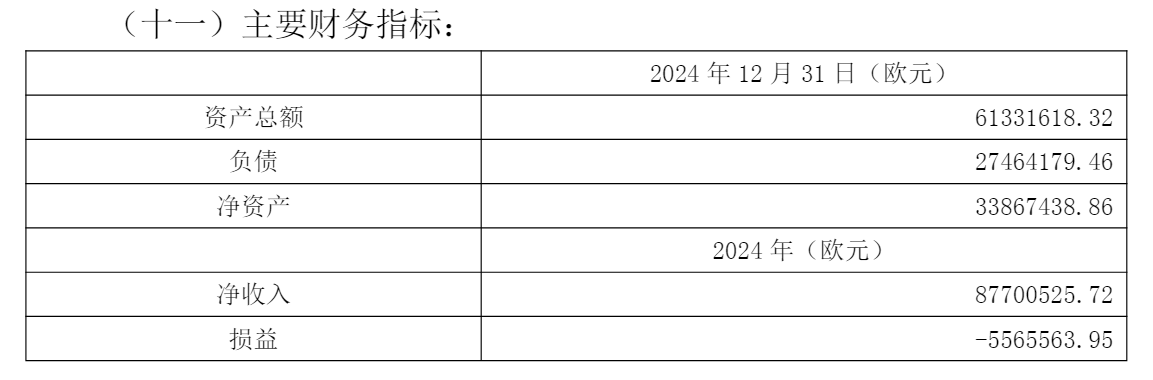
Group 1 - The core strategy of Wanshun New Materials is to seek growth through overseas acquisitions despite facing financial challenges and ongoing losses [1][2] - The company announced plans to acquire 100% of Eurofoil Luxembourg for €1,238.89 million, approximately ¥102.29 million, indicating a significant investment in a loss-making entity [2][3] - The acquisition is seen as a critical step in the company's globalization strategy, aiming to enhance its brand influence and market share in the aluminum foil and aluminum plate industry [3][8] Group 2 - Wanshun New Materials is currently experiencing financial difficulties, with a high level of short-term debt (¥2.786 billion) compared to cash holdings (¥1.932 billion), reflecting a "high debt and high liquidity" situation [4] - The company's financial expenses have surged, with a 49.93% increase in financial costs to ¥76.42 million in 2024, further straining profitability [4] - The company has faced delays in key projects, such as the 100,000-ton battery foil project, which has been postponed to September 2026, contributing to idle funds and low capital efficiency [5][6] Group 3 - The domestic aluminum processing industry is under severe competitive pressure, with overcapacity and price wars leading to reduced profit margins [7][8] - Despite a 22.52% year-on-year revenue increase to ¥6.579 billion in 2024, Wanshun New Materials reported a net loss of ¥192 million, marking a historical low [8][10] - The company is focusing on high-value-added aluminum foil products and has made recent investments to enhance its strategic positioning in the new energy materials sector [10][11]

关键矿产成新宠!美澳同盟想卡中国脖子,澳却被加工能力绊住脚
Sou Hu Cai Jing· 2025-12-11 07:02
Group 1 - The core focus of the recent US-Australia "2+2" meeting is on establishing a reliable and diversified supply chain for critical minerals, which are essential for defense and technology industries [3][10] - Australia is positioning itself as a key player in the global critical minerals supply chain, particularly in zircon production, where it holds the top position globally, supplying nearly 40% of China's zircon imports [5][10] - The collaboration between the US and Australia aims to transform minerals from ordinary commodities into strategic assets, enhancing Australia's geopolitical leverage [8][10] Group 2 - Australia faces challenges in becoming a "resource intermediary" due to its limited processing capabilities for critical minerals, which are essential for high-tech applications like chips and missiles [12][14] - The country has experienced "de-industrialization," leading to a significant loss of processing capacity, with companies like Lynas struggling to compete with Chinese counterparts [14][17] - Environmental regulations pose additional hurdles for expanding processing capabilities, as seen in the delays of a rare earth processing plant due to local opposition [18][20] Group 3 - Australia's heavy reliance on China for mineral exports complicates its strategy to limit exports to China, as such actions could negatively impact its economy [21][23] - The country lacks the core technologies necessary for mineral processing, with China having established significant technical barriers in rare earth separation and purification [25] - To successfully transition from a "resource-exporting country" to a "strategic player," Australia must address its processing capabilities, technological reserves, and market balance [27][29]