
技术分析

Search documents
鲸鱼48小时狂扫20亿DOGE:0.245美元抄底点燃反弹,800%涨幅目标1.30美元?
Sou Hu Cai Jing· 2025-09-25 10:09
Group 1 - The core viewpoint is that significant whale buying activity in Dogecoin (DOGE) suggests a potential price rebound, with predictions of an 800% increase if historical patterns repeat [1][3][13] - Whales accumulated approximately 2 billion DOGE, valued at around $490 million, when the price briefly dropped to $0.245, mirroring previous accumulation patterns that led to price increases in July and September [3][10] - The TD sequential indicator showing a red "9" candle signals a potential price reversal, indicating that whale behavior has been a reliable precursor to DOGE rebounds this year [5][10] Group 2 - Analysts note that DOGE is currently trading at a critical intersection of two trend lines, with $0.246 acting as a significant support level [6][8][9] - Historical data suggests that price movements starting from the $0.246 area often lead to sustained upward trends, reinforcing its importance as a support level [8][9] - If DOGE maintains support at $0.246, it could retest the $0.30 resistance level, potentially initiating a rebound [11][15] Group 3 - Historical cycles indicate that DOGE has the potential for a price increase of 195% to over 800%, with target price ranges between $0.739 and $1.30 [10][14] - Recent price movements show that DOGE has experienced previous increases of 300% and 500%, suggesting a pattern that could lead to another significant rise if the current cycle continues [14] - A confirmation of bullish momentum would require increased trading volume alongside a breakout above $0.30, while a drop below $0.246 would indicate a weakening trend [15][16]


Stock Of The Day: Is Bloom Energy Reversing?
Benzinga· 2025-09-24 17:09
Group 1 - Bloom Energy Corporation's shares are trending lower, with a potential continuation of this trend indicated by an 'inverted V' reversal pattern on the chart [1][5] - The validity of technical analysis is questioned, with some comparing it to astrology, but it is emphasized that proper understanding of supply and demand is crucial for effective analysis [2] - A leadership change in stock trends can lead to various reversal patterns, including rounded tops or bottoms, double or triple tops, and V bottoms or inverted V tops [3][2] Group 2 - In late July, bulls had control over Bloom Energy's stock, driving it higher, but recent activity shows bears taking control, leading to a lower closing price [5] - The transition from bullish to bearish control indicates a significant shift in market sentiment regarding Bloom Energy [5]


9月24日【港股Podcast】恆指、阿里、小米、快手、中移動、華虹
Ge Long Hui· 2025-09-24 11:45
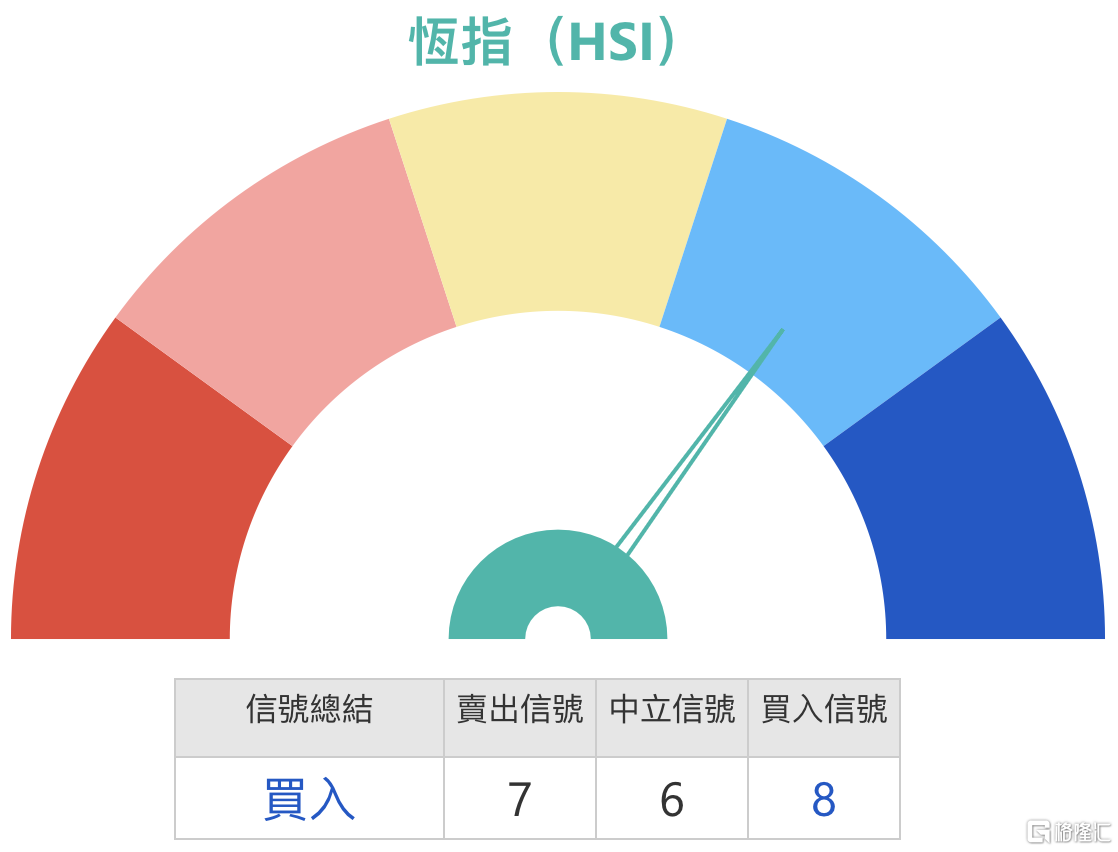
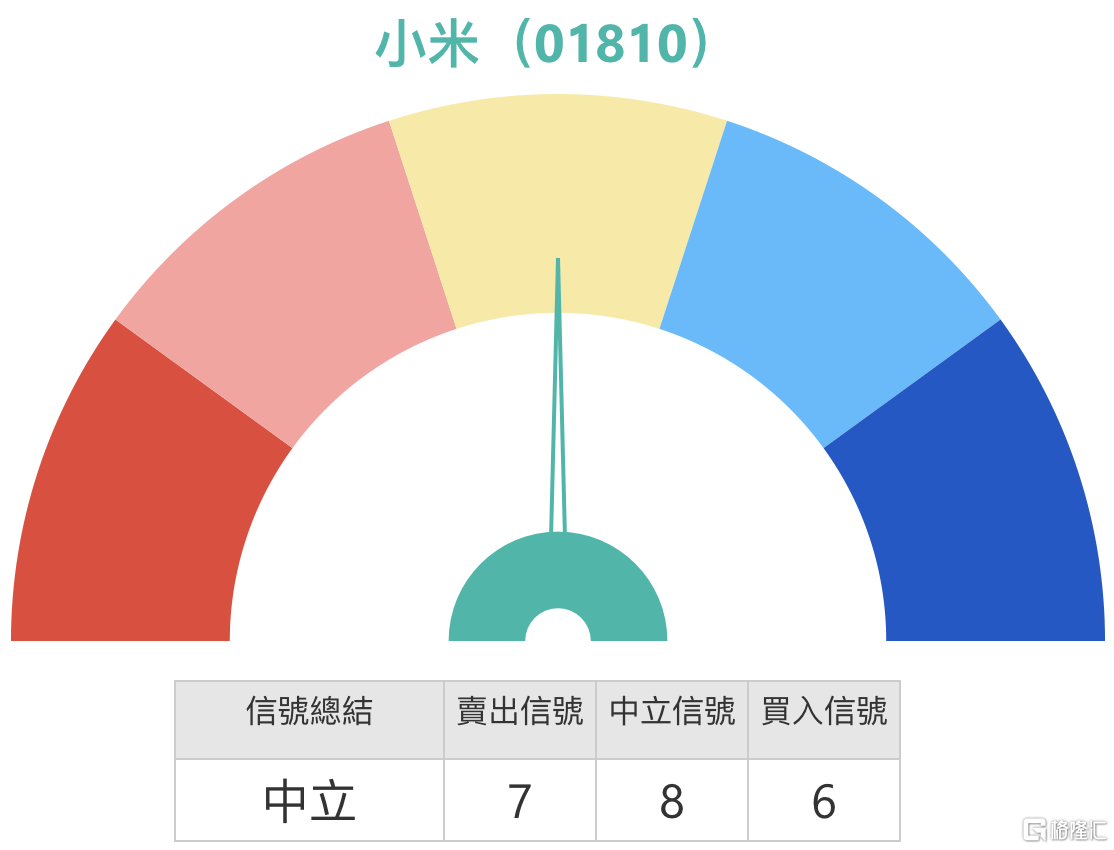
Group 1: Hang Seng Index (HSI) - Investors are optimistic about the Hang Seng Index, believing that if it stays above the 10-day moving average, it could test the monthly resistance level of 26,773 [1] - The index has shown a good performance, rising to the 26,500 level and recovering past losses, with short-term technical signals indicating a "buy" [1] - Key resistance levels are identified at 26,800 and 27,600, while support levels are at 25,600 and 25,100 [1] Group 2: Alibaba (09988.HK) - Alibaba's stock price has surged, with a high of 174 HKD, nearing the upper Bollinger Band at 175 HKD, but technical signals suggest a "sell" due to potential adjustments [8] - Resistance levels for Alibaba are at 179.6 HKD and 196 HKD, with support levels at 150 HKD and 136 HKD [8] - Products with a buyback price between 145-150 HKD show competitive leverage, with some having premiums around 1.18%-1.2% and leverage between 4.6-4.9 times [8] Group 3: Xiaomi Group (01810.HK) - Xiaomi's closing price was 56.9 HKD, with technical signals indicating a "buy" [12] - Resistance levels are at 57.4 HKD and 59.2 HKD, while investors can consider options with a strike price around 61 HKD, offering leverage between 4-8 times [12] - Premiums vary significantly, with some reaching 14% and others exceeding 20%, necessitating careful product comparison [12] Group 4: Kuaishou (01024.HK) - Kuaishou's closing price was 76.8 HKD, with technical signals indicating a "sell" and a bearish outlook [19] - Support levels are at 73.2 HKD and 72.2 HKD, with suitable call options available around a strike price of 68 HKD [19] - Premiums for these options range from 18-20%, with implied volatility between 48%-53%, highlighting the need for product comparison [19] Group 5: China Mobile (00941.HK) - China Mobile's closing price was 85.7 HKD, with technical signals suggesting a "buy" [22] - Resistance levels are at 88.6 HKD and 91.9 HKD, while support levels are at 82.1 HKD and 78.9 HKD [22] Group 6: Hua Hong Semiconductor (01347.HK) - Hua Hong's stock price reached 66.4 HKD, closing at 63.2 HKD, close to the upper Bollinger Band [29] - Support levels are at 56.1 HKD and 51.7 HKD, while resistance levels are at 70.2 HKD and 78.3 HKD [29]

Still Room for Optimism Despite Short-Term Inflection Point
Schaeffers Investment Research· 2025-09-22 12:56
Market Outlook - The S&P 500 Index (SPX) has rallied above its previous all-time closing high, prompting a reassessment of potential year-end targets, with a possible upside objective near 6,958 [1][2] - The current price action is deemed more significant than forecasts related to various uncertainties, such as tariffs and monetary policy [3][4] Technical Analysis - A potential short-term inflection point for the SPX is identified at 6,469, which is 10% above the 2024 close, with the index having rallied impressively after clearing this level [5] - The next level to watch is 6,760, approximately 10% above the previous all-time closing high in February, indicating a potential pause for those who bought the breakout [6][9] Market Sentiment - The Russell 2000 Index (RUT) is approaching new all-time highs, but short interest is at an all-time high, suggesting a divergence in sentiment between small-cap equities and larger stocks [10][12] - Despite concerns about market breadth and euphoria, analytics show that short interest levels do not indicate alarming optimism, providing a contrarian bullish perspective [11][12] Short Interest Dynamics - Total short interest on index components is at multi-year highs, which has historically been a bullish underpinning in a strong long-term technical backdrop [12] - The probability of a short squeeze in the small-cap space is higher now compared to previous years, with total short interest on RUT components nearly 20% higher than in November 2024 [13]
PNC Financial Services Group, Inc. (NYSE:PNC) Price Target and Technical Analysis
Financial Modeling Prep· 2025-09-21 17:00
Core Viewpoint - PNC Financial Services Group, Inc. is positioned as a leading financial institution in the U.S. with a price target set at $225 by Raymond James, indicating a potential upside of approximately 9.08% from its current price of $206.27 [1][5] Company Performance - PNC shares have shown a 6.3% increase over the past four weeks, although the current stock price is $205.52, reflecting a slight decrease of 0.36% or $0.75 [3][5] - The stock has traded within a range of $204 to $206.71 today, with a yearly high of $216.26 and a low of $145.12 [3] Technical Analysis - PNC has recently broken through its 20-day moving average, suggesting a short-term bullish trend, which is a positive indicator for traders [2][5] - The stock has reached a significant support level, indicating potential as a favorable investment from a technical standpoint [2] Market Position - PNC holds a Zacks Rank 3 (Hold), indicating a neutral outlook, with a market capitalization of approximately $80.94 billion [4]


【知识科普】股指期货超短线如何操作?
Sou Hu Cai Jing· 2025-09-19 13:39
Core Viewpoint - The article discusses the high-risk, high-intensity trading strategy of ultra-short-term stock index futures trading, emphasizing the need for market sensitivity, strict risk control, and quick decision-making skills. Group 1: Strategy Framework - Time Frame Selection: Focus on 1-minute and 5-minute candlestick charts, utilizing real-time data such as trading volume and order flow to capture opportunities from seconds to hours [4] - Direction Judgment: Use technical analysis (e.g., moving averages, MACD, RSI) to identify short-term trends while considering macroeconomic data (e.g., GDP, CPI), policy changes (e.g., central bank interest rate decisions), and sudden events (e.g., geopolitical conflicts) [4] - Trading Logic: Primarily follow the trend with supplementary counter-trend strategies, distinguishing between trending and ranging markets to avoid counter-trend trades [4] Group 2: Technical Tools - Candlestick Patterns: Focus on reversal signals such as hammer, doji, and engulfing patterns, validating their reliability with trading volume [5] - Technical Indicators: - Moving Averages: Use 5-day and 10-day moving averages for short-term trends, and 20-day moving average for medium-term reference [6] - MACD: Monitor the crossover of fast and slow lines, along with changes in histogram color to capture momentum shifts [6] - RSI: Identify overbought (>70) and oversold (<30) conditions for potential reversals, but confirm with other indicators [6] - Order Flow Analysis: Utilize Level-2 data to observe large order flows and distribution of orders to identify main player movements [7] - Volume-Price Relationship: "Price up, volume up" confirms trend continuation, while "Price up, volume down" signals potential top risks [8] Group 3: Risk Management - Position Control: Limit individual trade size to 5%-10% of total capital to avoid heavy bets on single opportunities [9] - Stop-Loss Discipline: Set predefined stop-loss levels (e.g., 1%-2% below entry price) and adhere strictly to them to prevent significant losses [10] - Profit-Taking Strategy: Implement dynamic stop-loss or fixed percentage profit-taking (e.g., exit at 2% profit) to secure gains [11] - Slippage Control: Choose liquid and actively traded contracts (e.g., CSI 300, CSI 500 stock index futures) to minimize slippage losses [12] - Capital Curve Management: Establish daily/weekly maximum loss limits (e.g., 3% of total capital) to pause trading when reached, avoiding emotional trading [13] Group 4: Practical Points - Opening Session Strategy: Monitor high volatility during the early session (9:30-10:00) for retracement opportunities after gaps; be cautious during the lunch break (11:00-11:30) and late session (14:30-15:00) to avoid traps [14] - News Response: Reduce positions or pause trading before significant data releases (e.g., non-farm payrolls) or policy announcements to avoid being caught off guard by market reactions [14] - Psychological Control: Maintain composure to avoid chasing prices; set a daily trading limit (e.g., 3-5 trades) to prevent overtrading [15] - Review and Optimization: Keep daily records of trading details (entry points, stop-loss and take-profit levels, risk-reward ratios), conduct regular reviews to identify patterns, and optimize strategies [16]

NASDAQ Index, S&P 500 and Dow Jones Forecasts – US Indices Choppy in Premarket Trading Ahead of FOMC
FX Empire· 2025-09-17 13:11
Group 1 - The Dow Jones 30 is currently flat as traders await the FOMC interest rate decision, with expectations for three interest rate cuts by year-end [1] - The S&P 500 is experiencing choppy trading, with market reactions anticipated based on the Federal Reserve's rate decisions [3] - A significant support level for the S&P 500 is identified at 6500, with expectations for a potential V pattern recovery after any downward movement [4] Group 2 - The market is sensitive to the tone of the FOMC statement, which could influence trader sentiment and market direction [1][3] - A breakdown below the rising wedge pattern could lead to a test of the 45,000 level, a psychologically significant figure [2] - The overall market sentiment remains bullish, despite the anticipated volatility in the hours following the FOMC meeting [4]

9月16日【港股Podcast】恒指、攜程、吉利、美團、聯想、嗶哩嗶哩
Ge Long Hui· 2025-09-17 12:31
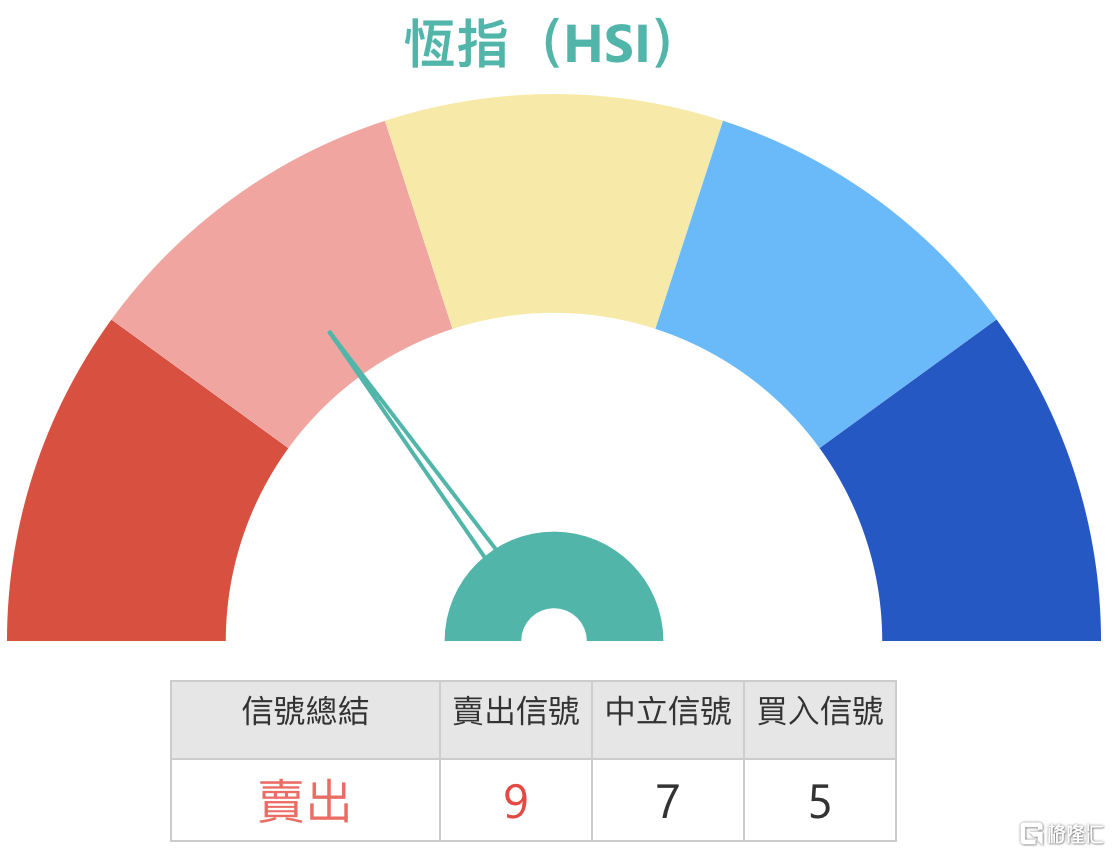
Group 1: Hang Seng Index (HSI) - The Hang Seng Index (HSI) closed at 26,438 points after reaching a high of 26,601 points, indicating a high open but a low close, which disappointed investors [1] - Technical signals suggest a "sell" with support levels at 25,860 points and 25,385 points, while resistance levels are at 26,642 points and 27,600 points [1] Group 2: Trip.com Group (09961.HK) - Trip.com Group's stock price has steadily increased over the past two weeks, rising by 4.09% to 597.5 HKD, although short-term technical signals indicate a "sell" [7] - Support levels are at 561 HKD and 520 HKD, while resistance is at 613 HKD [7] Group 3: Geely Automobile (00175.HK) - Geely's closing price is near the middle line of the Bollinger Bands, but the overall technical signal is leaning towards "sell" [14] - Support levels are at 18.3 HKD and 17.9 HKD, with resistance at 19.8 HKD and 20.3 HKD [14] Group 4: Meituan-W (03690.HK) - Meituan's stock price closed at 100.3 HKD, with technical signals indicating a "buy" [20] - Resistance levels are at 107.5 HKD and 117.7 HKD, while support levels are at 96 HKD and 91.7 HKD [20] Group 5: Lenovo Group (00992.HK) - Lenovo's stock closed at 11.7 HKD, close to the upper Bollinger Band, with a technical signal of "sell" [26] - Support levels are at 11.1 HKD and 10.9 HKD, while resistance levels are at 12.1 HKD and 12.5 HKD [26] Group 6: Bilibili-W (09626.HK) - Bilibili's stock reached a high of 220 HKD and closed at 212 HKD, with a technical signal of "sell" indicating potential adjustments after reaching high levels [32] - Short-term support levels are at 195 HKD and 181 HKD, with recommendations for longer expiration dates on options to mitigate time decay [32]
小米RSI63多頭健康;高盛看65元目標價
Ge Long Hui· 2025-09-17 11:37
Group 1 - Xiaomi Group (01810) is showing a strong technical trend, with the stock price reaching a high of 57 HKD and currently at 56.6 HKD, reflecting an increase of 0.8% [1] - The stock has broken through the upper Bollinger Band at 56.8 HKD, indicating bullish momentum [1] - Technical indicators such as RSI at 63 suggest a healthy bullish zone, while moving averages (MA10 at 55.02 HKD, MA30 at 53.57 HKD, MA60 at 55.29 HKD) are converging, indicating a search for a clear direction in the short term [1][3] Group 2 - Goldman Sachs maintains a "Buy" rating on Xiaomi, with a target price set at 65 HKD [1] - Despite the stochastic indicator showing overbought conditions, MACD and Bollinger Bands are signaling buy opportunities, supporting a bullish outlook [3] - Recent support levels are identified at 54.7 HKD and 53.1 HKD, with resistance at 57.2 HKD; a breakout above this level could target 59.7 HKD [3] Group 3 - Derivative products related to Xiaomi have performed well, with notable gains observed on September 11 when the stock rose by 2.84% [3] - Specific derivatives such as Morgan Stanley's bull certificates (53165) and UBS's bull certificates (57477) recorded increases of 21% and 23% respectively, indicating significant excess returns in a clear upward trend [3] - Investors optimistic about Xiaomi's future can consider specific call options like the Morgan Stanley call (16984) with a strike price of 60.65 HKD and a leverage of 7.8 times, or the UBS call (14816) with a strike price of 61.05 HKD and a leverage of 7.7 times [6] Group 4 - For bearish investors, options such as the Bank of China put (17904) or the Societe Generale put (17868) with strike prices around 54 HKD are recommended for short-term trading strategies [6] - In terms of bull and bear certificates, UBS's bull certificate (55351) with a redemption price of 53.5 HKD and a leverage of 15.6 times is highlighted for bullish strategies, while HSBC's bear certificate (59572) is suggested for bearish positions [8]

黄金狂飙至新高后多头暂喘息
Jin Tou Wang· 2025-09-17 06:32
Core Viewpoint - The gold market is experiencing high volatility, with prices fluctuating around $3,680 after reaching a peak of $3,703, as investors await the Federal Reserve's interest rate decision, which is expected to lower rates by 25 basis points [1][2]. Group 1: Federal Reserve and Economic Indicators - The Federal Open Market Committee (FOMC) meeting is ongoing, with expectations of a 25 basis point rate cut, marking the first reduction since November 2024 [2]. - The U.S. Census Bureau reported a 0.6% month-over-month increase in retail sales for August, indicating resilient consumer spending despite economic slowdowns and inflation [2]. Group 2: Geopolitical Tensions and Market Sentiment - Ongoing geopolitical tensions, including attacks in Ukraine and military actions in Gaza, are providing safe-haven support for gold prices [2]. - Market caution due to these tensions is limiting further declines in gold prices [2]. Group 3: Technical Analysis - Technical indicators show signs of upward exhaustion for gold, with the Relative Strength Index (RSI) around 81, indicating overbought conditions [3]. - The current price is significantly above all moving averages, with the 20-day simple moving average (SMA) at approximately $3,516, indicating strong bullish momentum [3]. - Short-term support is identified at $3,657, while momentum indicators are showing positive trends, although the RSI is around 70, suggesting a lack of clear direction [3]. Group 4: Price Levels - Key resistance levels for gold prices are identified at $3,700, $3,720, and $3,750, while support levels are at $3,660, $3,630, and $3,600 [4].