
数字化

Search documents
迈向“十五五”的美丽图景·一线见闻丨大船凭风好扬帆
Yang Guang Wang· 2026-01-09 01:33
Group 1 - The central economic work conference emphasizes the need for a "dual carbon" approach to promote comprehensive green transformation in industries [1] - The Huai Bin Center Port, located on the main channel of the Huai River, is the largest comprehensive inland port in Henan province, actively pushing for the upgrade of traditional shipbuilding towards high-end, intelligent, and green manufacturing [1] - The local shipbuilding industry is transitioning to produce high-value-added vessels, such as electric and natural gas ships, as well as workboats and law enforcement vessels for export [1] Group 2 - The shipbuilding industry in Xinyang is expanding beyond Huai Bin to surrounding counties, with several shipbuilding and repair projects accelerating, indicating a clustering effect in the industry [2] - A new green shipbuilding industrial park is set to be completed by 2027, which will consolidate all shipbuilding and supporting enterprises in Huai Bin [2] - The annual shipbuilding output in Huai Bin exceeds 600 vessels, generating over 4 billion yuan in production value, showcasing the shift from low-end to high-end intelligent manufacturing [2]
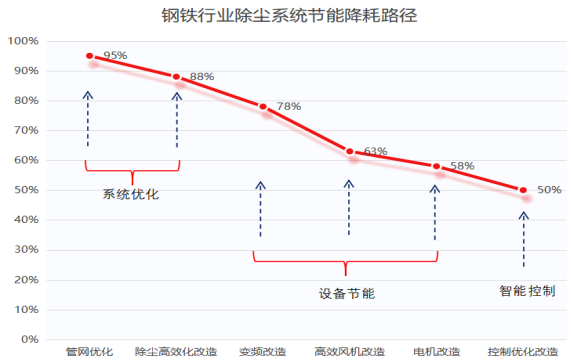
钢铁行业除尘系统节能技改的走向
Xin Lang Cai Jing· 2026-01-09 01:21
当前,中国钢铁行业正处在从"规模扩张"向"质量效益提升"的关键转型期,需求见顶的市场特征推动着 钢铁行业绿色与智能转型成为明确方向。 根据相关数据研究,钢铁行业除尘系统各项设备和控制工艺平均运行寿命已达8.7年,因此国内钢铁行 业除尘系统已经进入设备更新换代、除尘系统智能化、数字化关键阶段。从以往除尘系统迭代升级的一 贯路线来看,主要为以下三条路径: 一、除尘器优化改造、管网优化更新 据不完全统计,钢铁行业各类除尘风机采用除尘滤袋作为滤料的占据总体规模的61%,随着钢铁企业提 高生产效率,原除尘器整体过滤面积不足导致除尘器阻力高的情况时有发生,因此采用高效滤袋或褶皱 型滤袋增加过滤面积成为了趋势,具有改造范围小,不破坏除尘器本体结构的集中优势,但高效滤料一 般费用高、寿命短,因此需要算好经济账。 管网优化作为除尘系统优化改造不可或缺的一环,以性价比高的特点一直为用户所推崇,但管网优化对 于技改方而言利润低且需要厂家具备真正的流场模拟分析技术,所以管网优化虽性价比高却很难迅速推 广。 二、耗能设备更新换代、变频改造 除尘风机是除尘系统的耗能核心,围绕除尘风机进行节能改造在近些年来发展较快。类似于新增变频、 永磁 ...

吴江智能创造再出发茧丝市场化身“数智工厂”
Xin Hua Ri Bao· 2026-01-08 21:33
Core Insights - The Taohuaxue Digital Future Factory has commenced construction, aiming to integrate traditional silk craftsmanship with modern technology, targeting an annual sales goal of 3 billion yuan [1][2] - The factory represents a significant investment of approximately 300 million yuan, positioning itself as a benchmark for digital and intelligent development in the silk industry [1] - The project will implement an intelligent production system and a smart logistics hub, enhancing efficiency and enabling global supply chain collaboration [1] Group 1 - The factory aims to produce 4 million silk products and 200,000 silk garments annually upon completion [1] - It will utilize digital technology to create a new consumer experience, allowing for deeper appreciation of product value [2] - The initiative is part of a broader strategy to elevate traditional industries in Wujiang to higher positions in the global value chain [2] Group 2 - The project emphasizes the fusion of culture, technology, and industry, enhancing the legacy of silk culture in Wujiang [2] - Wujiang's local government is committed to promoting innovation and upgrading traditional industries through this initiative [2] - The factory is expected to foster collaboration across the silk industry ecosystem, driving overall industry upgrades [2]
报告:海尔连续17年居全球大型家用电器品牌零售量第一
Ren Min Wang· 2026-01-08 03:24
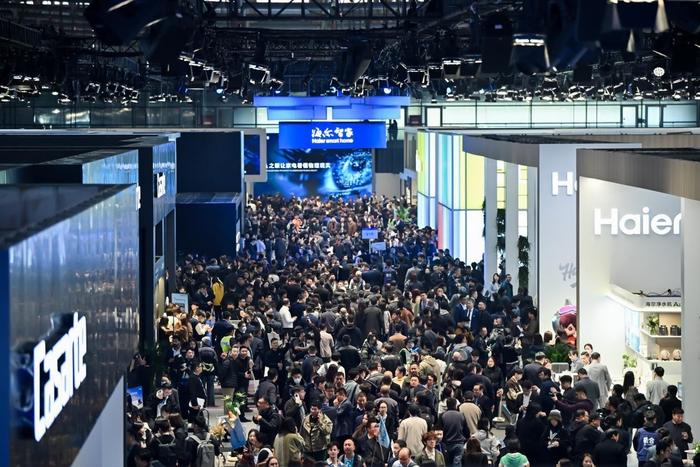
Core Insights - Haier has maintained its position as the world's leading brand in large home appliances for 17 consecutive years, with a global market share increase from 6.3% to 12.1% since 2009, demonstrating robust growth and resilience [1] - The company's growth is attributed to its smart home strategy, transitioning from merely selling appliances to providing a platform service ecosystem that enhances user experience through software-defined scenarios [1] Group 1: Strategic Framework - Haier's success is a result of its user-centric "126" strategy, which includes one innovative channel (smart home), two major platforms (customer platform and user lifecycle platform), and six capabilities (globalization, high-end, digitalization, intelligence, ecology, and greenness) [2] - The globalization aspect focuses on enhancing capabilities across sales, marketing, service, logistics, procurement, R&D, and manufacturing, allowing for localized product adaptations based on regional needs [2] Group 2: High-End and Digital Transformation - The high-end strategy emphasizes leadership through technological innovation, with products like the "Lazy Three-Tub Washing Machine" achieving significant sales milestones shortly after launch [5] - Digital transformation aims for "extreme efficiency," enhancing user experience through a fully digitized process that allows for synchronized delivery and installation, significantly reducing delivery times [5][6] Group 3: Intelligent and Ecological Innovations - Haier's approach to intelligence involves moving from product intelligence to scenario intelligence, integrating AI capabilities into home appliances for enhanced user interaction and automation [6] - The ecological strategy connects over 66 million resources to provide comprehensive services across various life scenarios, extending smart living from home to travel [6] Group 4: Commitment to Sustainability - Haier integrates ESG principles into its governance, offering green products that exceed energy efficiency standards, with commitments to achieve global carbon neutrality by 2050 [6]

竞争力重塑 传统产业转型集中发力
Jing Ji Ri Bao· 2026-01-08 01:01
Group 1: Core Insights - Traditional industries are the backbone of China's manufacturing sector, accounting for approximately 80% of key indicators such as value added and employment [1] - The transformation of traditional industries towards high-end, intelligent, and green development is essential for building a modern industrial system [1] Group 2: Cost Reduction and Efficiency Improvement - In Zhengzhou, the use of intelligent manufacturing systems has led to a 10% to 15% increase in production efficiency and a 5% to 10% reduction in delivery cycles, with overall costs decreasing by 3% to 5% [2] - Traditional industries are shifting from relying on scale and experience to a data-driven approach that integrates hardware and software ecosystems [2] Group 3: Smart Factory Development - Over 35,000 basic-level and more than 7,000 advanced-level smart factories have been established since the start of the 14th Five-Year Plan, significantly enhancing production efficiency and reducing costs [3] - Continuous investment in new technology and the application of AI and smart technologies are crucial for traditional industries to enhance their high-end and intelligent capabilities [3] Group 4: Green Development Opportunities - The "dual carbon" goals are driving traditional industries to transition from resource dependency to technology value addition, creating new growth opportunities through smart and green technologies [4] - By 2024, the utilization of recycled resources such as waste steel and waste copper is expected to exceed 400 million tons, highlighting the push for industrial decarbonization and green growth [4] Group 5: Energy Transition and Circular Economy - Traditional energy companies are encouraged to explore clean energy development, while steel companies can utilize recycled materials to reduce costs and emissions [5] - The development of carbon trading markets presents opportunities for traditional industries to profit from energy-saving and emission-reduction efforts [5] Group 6: Consumer Market Dynamics - The expanding consumer market is providing new opportunities for traditional industries, emphasizing the need for precise alignment of production with consumer preferences [7] - The demand for higher quality and diverse products is driving traditional industries to innovate and enhance product offerings [8] Group 7: Value Enhancement Challenges - The ultimate goal for traditional industries is to address the challenge of value enhancement through technological innovation and brand building [9] - Improving product quality and brand premium capabilities are essential for driving value enhancement in traditional enterprises [9]
水银体温计退场 准备好迎接电子测温了吗
He Nan Ri Bao· 2026-01-07 23:13
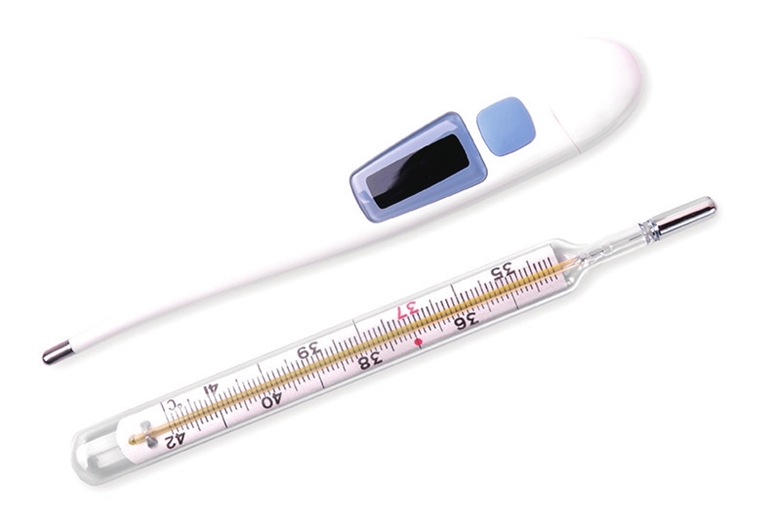
Core Viewpoint - The production of mercury thermometers will officially cease on January 1, 2026, due to safety and environmental concerns, marking a significant shift in the healthcare industry towards safer alternatives like electronic thermometers and ear thermometers [3]. Group 1: Market Transition - The market is transitioning away from mercury thermometers, with pharmacies already removing them from shelves. For instance, a pharmacy in Zhengzhou reported that they sold out of mercury thermometers over two weeks ago, while another still had a few remaining, which have seen price increases due to limited supply [3][4]. - A wholesale dealer noted that as manufacturers stop production, the remaining stock is becoming scarce, leading to inevitable price hikes [3]. Group 2: Hospital Adaptation - Hospitals are also adapting to the change, with many departments, such as the pediatric emergency department, having fully switched to electronic thermometers. These devices are preferred for their safety and efficiency, providing results in seconds [4]. - However, some hospitals still use mercury thermometers for specific cases, such as confirming temperatures in already febrile patients, indicating a transitional phase where both types coexist [4]. Group 3: Public Perception and Expert Insights - There is a lingering public concern regarding the accuracy of electronic thermometers compared to traditional mercury ones. Many parents express anxiety over discrepancies in readings from different electronic devices [5]. - Experts emphasize that the shift away from mercury thermometers is part of a global trend and a crucial step in preventing mercury pollution. They assert that electronic thermometers are capable of meeting daily health monitoring needs [5].
连云港引进首条智能化印刷生产线
Xin Hua Ri Bao· 2026-01-07 19:03
Core Viewpoint - The establishment of a high-end pharmaceutical packaging production base in Xilian Industrial Park represents a significant advancement in the printing industry of Lianyungang, marking the first intelligent production line in the region [1] Group 1: Project Overview - The project has a total investment of 260 million yuan [1] - It is equipped with advanced printing equipment, including Heidelberg 8+1, and will feature three offset printing lines, two drug instruction printing lines, and two self-adhesive label printing lines [1] - The project aims to produce pharmaceutical boxes, self-adhesive labels, drug instructions, and various social printing packaging services [1] Group 2: Economic Impact - The project is expected to create hundreds of job opportunities [1] - It will attract related enterprises in packaging materials and logistics, contributing to the establishment of a comprehensive publishing and printing industry ecosystem in the Haizhou District [1] Group 3: Strategic Significance - The project is facilitated by the Wuxi Lianyungang working team, promoting the development of a high-end intelligent printing industry system in Lianyungang [1] - It aims to drive the comprehensive upgrade of the printing industry towards greening, digitization, and intelligence [1] - This initiative exemplifies the deepening collaboration between Wuxi and Lianyungang, fostering regional coordinated development [1]

亚厦股份 转型之路不拼规模拼价值
Shang Hai Zheng Quan Bao· 2026-01-07 17:51
Core Insights - The construction decoration industry is transitioning from extensive growth to high-quality development by 2025, driven by policy support [1] - Yasha Co., a leading player in the industry, reported significant improvements in gross margin and net profit growth, outperforming the industry average [1] - Innovation is identified as the key to navigating industry cycles, with a focus on technological advancements [1][2] Financial Performance - In the first three quarters of 2025, Yasha Co. achieved total revenue of 6.873 billion yuan and a net profit of 265 million yuan, marking a year-on-year increase of 4.78% [1] - The gross margin rose to 14.63%, up from 12.55% in the first half of 2025, indicating a positive trend in profitability [1] Innovation and Technology - The continuous optimization of gross margin is attributed to the large-scale application of prefabricated technology and an increase in high-value project structures [2] - As of the end of Q2 2025, Yasha Co. holds a total of 6,240 patents, including 1,119 invention patents, supporting its competitive edge in high-end projects [2] Digital Transformation - Yasha Co. has enhanced its smart collaborative management platform, improving data flow efficiency across the entire project lifecycle [3] - The company employs a project rating system to avoid high-risk projects, contributing to risk management [3] - The integration of digitalization and prefabricated technology has led to the completion of projects with significantly reduced carbon emissions [3] Market Opportunities - The construction decoration industry faces challenges such as demand differentiation and profit pressure, but structural opportunities in green transformation and urban renewal are emerging [4] - Yasha Co. has identified two key strategic directions: deepening the prefabricated development strategy and expanding smart building solutions [5] - The company aims to align with national strategies and leverage innovation and digital capabilities to enhance living environments [5]

“掘金”2026年传统产业转型机遇
Zheng Quan Ri Bao· 2026-01-07 17:10
Group 1 - The core viewpoint emphasizes the importance of deep collaboration among policy guidance, clear pathways, and capital empowerment to unlock transformation opportunities in traditional industries [1] - Continuous policy support provides clear guidance for the transformation of traditional industries and establishes a reliable framework for capital market participation [1] - The transformation of traditional industries is driven by dual forces of digitalization and greening, with specific policies expected to be introduced by 2026 to support digital upgrades in key sectors [1] Group 2 - Focusing on the new quality productivity track is crucial for identifying high-potential targets in traditional industry transformation [2] - Traditional industry upgrades involve reconstructing the value chain through digitalization, greening, and high-end development rather than simple equipment replacement [2] - Capital markets are increasingly favoring companies that combine "hard technology + sustainability" as they provide long-term funding support for traditional enterprises [2] Group 3 - The strengthening of policy and regional collaboration is creating a window of opportunity for the development of industrial clusters [2] - By 2026, capital markets are expected to favor traditional industry companies with core technological breakthroughs, clear transformation paths, green financing capabilities, and high-quality information disclosure [2] - Investment and financing will focus on companies listed on the Sci-Tech Innovation Board, Growth Enterprise Market, and Beijing Stock Exchange that are undergoing transformation upgrades [2]
EOG Resources (NYSE:EOG) Conference Transcript
2026-01-07 16:17
Summary of EOG Resources Conference Call Company Overview - **Company**: EOG Resources - **Industry**: Oil and Gas Exploration and Production Key Points 1. Capital Plans and Financial Outlook - EOG plans a capital expenditure of approximately **$6.5 billion** for 2026, slightly down from the previously estimated **$6.6 billion** due to cost efficiencies and faster integration of the Encino acquisition [3][2] - The company anticipates **low to no growth** in oil production for 2026 compared to Q4 2025 [5] 2. Shale Industry Insights - There are signs of **maturation** in the U.S. shale sector, with a slowdown in drilling activity and a focus on consolidations to achieve lower cost structures [8] - EOG continues to see opportunities in shale, particularly through innovation and technology to drive cost efficiencies [9][10] 3. Operational Excellence - EOG emphasizes **capital discipline**, operational excellence, and sustainability as key pillars for value creation [10][11] - The company has achieved a **15% reduction** in well costs over the past two years, allowing for the unlocking of new target zones [27] 4. Delaware Basin Performance - The Delaware Basin remains a strong performer, with well payouts expected to be around **one year** for 2025 and over **60% after-tax rate of returns** at flat $45 WTI [28] - EOG is focused on maintaining oil cut levels despite increasing gas production as the basin matures [31] 5. Technology and Innovation - EOG is a leader in technology application, focusing on real-time data collection through **HiFi sensors** and exploring AI for further improvements [33][34] - The company is committed to digitization as a means to enhance productivity and operational efficiency [39] 6. International Expansion - EOG has launched operations in **Bahrain** and the **UAE**, with a focus on gas and oil assets respectively [44][46] - The company has established strong relationships with local governments and aims for commercial viability within a **three-year timeline** for the UAE project [47][48] 7. Shareholder Returns - EOG has maintained a **dividend yield of 3.9%** and aims to return **90%-100%** of free cash flow to shareholders, with a focus on share repurchases [62][63] - The company has a strong balance sheet, allowing for robust returns to shareholders [62] 8. M&A Strategy - EOG maintains a conservative approach to mergers and acquisitions, focusing on organic growth and high economic hurdles for any potential M&A activity [65][66] - The company has only engaged in two significant M&A transactions in its history, emphasizing the importance of strategic fit [66][70] 9. Future Exploration Opportunities - EOG has a resource potential of **12 billion barrels of oil equivalent**, with ongoing exploration efforts across various domestic and international basins [49] - The company is strategically positioned to capitalize on future exploration opportunities as market conditions evolve [50] Additional Insights - EOG's culture promotes decentralization and empowers employees to drive innovation at the asset level [11][12] - The company is cautious about market fluctuations but remains focused on long-term value creation despite short-term challenges [13][14]
