
新能源消纳

Search documents
两部门发文强化新能源消纳技术创新支撑,这两家公司在相关领域有布局
Xuan Gu Bao· 2025-11-10 14:26
Group 1 - The National Development and Reform Commission and the National Energy Administration released guidelines to promote the consumption and regulation of renewable energy, emphasizing the need for technological innovation in renewable energy consumption [1] - The guidelines highlight the integration of advanced technologies such as artificial intelligence, big data, and cloud computing as core supports for renewable energy consumption innovation [1] - The measures aim to enhance the electricity system's capacity for renewable energy consumption, regulatory resilience, and operational efficiency, laying a technical and institutional foundation for achieving carbon neutrality goals and building a new power system [1] Group 2 - Nanfang Technology focuses on digitalization of the power grid, flexible operation and maintenance, and diversified interaction between sources and loads, leveraging the "Silk Road InOS" operating system to form an industrial cluster for smart electricity and smart distribution [2] - Dongfang Electronics is comprehensively laying out distributed photovoltaic equipment, smart microgrids, integrated source-load-storage systems, centralized power generation, and energy management systems, positioning itself as a key technology supplier in the integrated source-load-storage and AI smart grid sectors [2]


两部委发文疏通新能源消纳堵点,算力、储能技术成为突破方向
2 1 Shi Ji Jing Ji Bao Dao· 2025-11-10 14:24
Core Insights - The National Development and Reform Commission and the National Energy Administration jointly released the "Guiding Opinions on Promoting the Consumption and Regulation of New Energy," providing a clear implementation path for high-quality development of new energy in China [1] Group 1: Key Tasks and Focus Areas - The "Guiding Opinions" outlines several key tasks, including categorizing the guidance for new energy development and consumption, promoting innovative new models and new business formats for new energy consumption, enhancing the adaptability of the new power system to new energy, improving the national unified electricity market system for promoting new energy consumption, and strengthening technological innovation support for new energy consumption [1] - A significant focus is placed on the collaborative planning and optimization of new energy and computing power facilities, promoting the green development of computing power facilities [1] - Innovations in energy storage technology are emphasized, particularly the application of various technologies such as flow batteries, compressed air storage, and gravity storage, to accelerate breakthroughs in large-capacity long-duration energy storage technologies [1] Group 2: Energy Storage Insights - According to Lin Boqiang, the cheapest energy storage method is pumped storage, but it is limited by specific geographical conditions [2] - Other energy storage technologies, such as electrochemical storage, compressed air storage, and flywheel storage, have diverse characteristics, but current battery storage is still small-scale, primarily constrained by cost, lifespan, and safety issues [2] - Energy storage systems are crucial for supporting new energy systems, effectively balancing the fluctuations of intermittent renewable energy sources like wind and solar, thereby enhancing the reliability and efficiency of the power grid [2] Group 3: Consumption Mechanisms and New Business Models - The "Guiding Opinions" propose classifying new energy development and consumption into five categories, optimizing the integration of water, wind, and solar energy, and promoting orderly development and consumption of offshore wind power [3] - The document highlights the emergence of new models and business formats under the "dual carbon" goals, emphasizing the integration of new energy with industry, supporting the development of four new business formats for nearby consumption of new energy [3] - Lin Boqiang notes that while previous policies on new energy consumption were not entirely absent, current policy direction is moving towards comprehensive and systematic integration, focusing on the construction of nearby consumption mechanisms and the promotion of integrated development [4]
国务院双碳白皮书详解中国减碳路径,这些行业未来市场规模或扩容
Di Yi Cai Jing· 2025-11-10 13:32
Core Insights - China has established the world's most comprehensive carbon reduction policy system and has become a leader in renewable energy development, achieving significant progress in carbon neutrality goals [1] Group 1: Carbon Market Development - The national carbon emissions trading market was officially launched in July 2021, covering over 60% of carbon emissions from key industries such as electricity, steel, cement, and aluminum [1] - As of September 2023, the cumulative trading volume of carbon emission allowances reached approximately 728 million tons, with a total transaction value of about 49.83 billion yuan [1] - The carbon market is expected to significantly reduce carbon reduction costs and improve pricing levels in industries like power generation, cement, and coal [2] Group 2: Renewable Energy Growth - The share of non-fossil energy consumption in China is projected to increase from 16% in 2020 to 19.8% by 2024 [3] - By August 2023, the installed capacity of wind and solar power exceeded three times that of 2020, contributing to approximately 80% of new power installations [3] - The comprehensive adjustment capability of the domestic power system is continuously improving, with significant growth in cross-regional and cross-provincial electricity transmission expected by 2024 [3] Group 3: Emerging Energy Solutions - New entities such as virtual power plants and energy storage systems are anticipated to develop at scale, providing multiple benefits including cost savings and enhanced reliability of electricity supply [4] - The distribution network is evolving into a platform for integrating distributed energy resources and new loads, moving away from its traditional role of one-way electricity transmission [4] - The emergence of new energy solutions is expected to foster innovative business models, transitioning from simple economic incentives to market-oriented operations [4]
官方发文促进新能源消纳,算力设施获点名
财联社· 2025-11-10 13:12
以下文章来源于科创板日报 ,作者张真 科创板日报 . 专注科创板和科技创新,上海报业集团主管主办,界面财联社出品。 今日,国家发展改革委、国家能源局发布促进新能源消纳和调控的指导意见(简称"意见")。其中指出,到2030年,协同高效的多层次新 能源消纳调控体系基本建立,持续保障新能源顺利接网、多元利用、高效运行,新增用电量需求主要由新增新能源发电满足。 意见提到,推动新能源与产业融合发展,包括支持新能源资源富集地区实现信息技术、高端装备制造、新材料等战略性新兴产业与新能源融 合发展。 加强新能源与算力设施协同规划布局及优化运行,推动算力设施绿色发展 。 就 储能技术 发展方面,意见强调,要增强新型电力系统对新能源适配能力,包括大力推进技术先进、安全高效的新型储能建设,挖掘新能 源配建储能调节潜力,提升利用水平。创新应用液流电池、压缩空气储能、重力储能等多种技术路线,加快突破大容量长时储能技术。 在提升 电网对新能源的接纳能力 上,意见指出,需加快构建主配微协同的新型电网平台,提升电网承载力。优化全国电力流向,进一步扩 大新能源资源配置范围,稳步提升跨省跨区输电通道规模。充分利用区域间、省间调节资源和新能源出力 ...


储能增长逻辑分析--两部委最新储能政策解读
傅里叶的猫· 2025-11-10 12:48
Core Insights - The article emphasizes the importance of new energy consumption and regulation, with a focus on establishing a multi-level consumption regulation system by 2030 and a new power system by 2035 to support carbon peak goals [1][3]. New Energy and Storage - The document highlights new energy sectors, particularly wind and solar power, which are expected to see moderate growth rates due to established development targets from 2025 to 2035 [3]. - New energy storage is identified as a critical growth area, transitioning from a mere "auxiliary adjustment tool" to an essential infrastructure for high-quality new energy consumption, impacting various scenarios including centralized and distributed energy projects [3][5]. - The disparity between the distribution of new energy generation and consumption necessitates robust storage support to achieve the outlined consumption goals [3]. Market Dynamics - The U.S. energy market is experiencing a surge in demand for storage solutions due to regulatory changes, with all new solar projects required to enter market transactions starting January 1, 2026, leading to real demand for storage [5][6]. - In China, the current surge in installations is seen as a correction of historical underinvestment, with a conservative estimate suggesting a need for at least 2000 GWh of storage capacity to stabilize the power system [6][10]. Regional Profitability - Economic conditions for storage projects in Inner Mongolia have improved significantly due to policy changes and industry scaling, with market dynamics allowing for greater profitability through various revenue models [7][10]. - The profitability logic varies by region, with eastern provinces benefiting from significant peak-valley price differences, while western regions rely on capacity compensation [10][11]. Long-term Industry Outlook - The storage market is expected to grow at an annual installation rate of 40%-50% over the next five years, driven by inherent market demand rather than subsidies [10][13]. - The relationship between storage and new energy is characterized as a one-way support system, where storage provides flexibility and energy time-shifting capabilities to complement generation [12][13]. - The article concludes that the growth of the storage industry is essential for the energy transition, with storage becoming a critical component in stabilizing the grid as renewable energy sources expand [13].
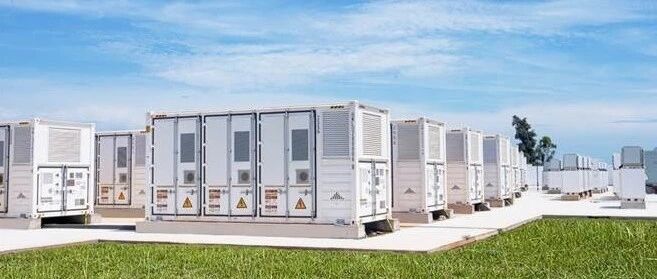
利好来了,两部门重磅发布
Zheng Quan Shi Bao· 2025-11-10 12:41
Core Viewpoint - The National Development and Reform Commission and the National Energy Administration have released guidelines to promote the consumption and regulation of renewable energy, aiming to establish a multi-level renewable energy consumption and regulation system by 2030, ensuring that new electricity demand is primarily met by renewable energy generation [1][3][5]. Group 1: Renewable Energy Consumption and Regulation - By 2030, a collaborative and efficient multi-level renewable energy consumption and regulation system is expected to be established, ensuring smooth grid connection, diversified utilization, and efficient operation of renewable energy [5][6]. - The guidelines aim to meet the annual renewable energy consumption demand of over 200 million kilowatts nationwide, contributing to carbon peak goals [5]. - The guidelines emphasize the need for a unified national electricity market system to facilitate renewable energy consumption [7][9]. Group 2: Development and Integration of Renewable Energy - The guidelines propose optimizing the development and consumption of water and wind power bases, leveraging the characteristics of hydropower for better configuration of renewable energy [5][6]. - There is a focus on promoting the orderly development and consumption of offshore wind power, with an emphasis on optimizing offshore transmission networks [6][10]. - The guidelines encourage the integration of renewable energy with industrial development, promoting the transfer of high-energy industries to regions with clean energy advantages [6][10]. Group 3: Market Mechanisms and Pricing - The guidelines call for the expansion of a market-oriented system for renewable energy consumption, including flexible trading mechanisms and long-term power purchase agreements [8][9]. - There is a push for innovative pricing mechanisms to facilitate renewable energy consumption, including adjustments to cross-province and cross-region transmission pricing [9][10]. - The guidelines highlight the importance of developing a green certificate market and coordinating the "electricity-certificates-carbon" market to reflect the environmental value of renewable energy [9]. Group 4: Enhancing Grid Capacity and Flexibility - The guidelines stress the need to enhance the grid's capacity to accommodate renewable energy, including the construction of new grid platforms and the optimization of electricity flow [10]. - There is an emphasis on the development of advanced storage technologies and the construction of pumped storage power stations to improve system regulation capabilities [10]. - The guidelines advocate for the construction and intelligent upgrading of distribution networks to support large-scale distributed renewable energy integration [10].
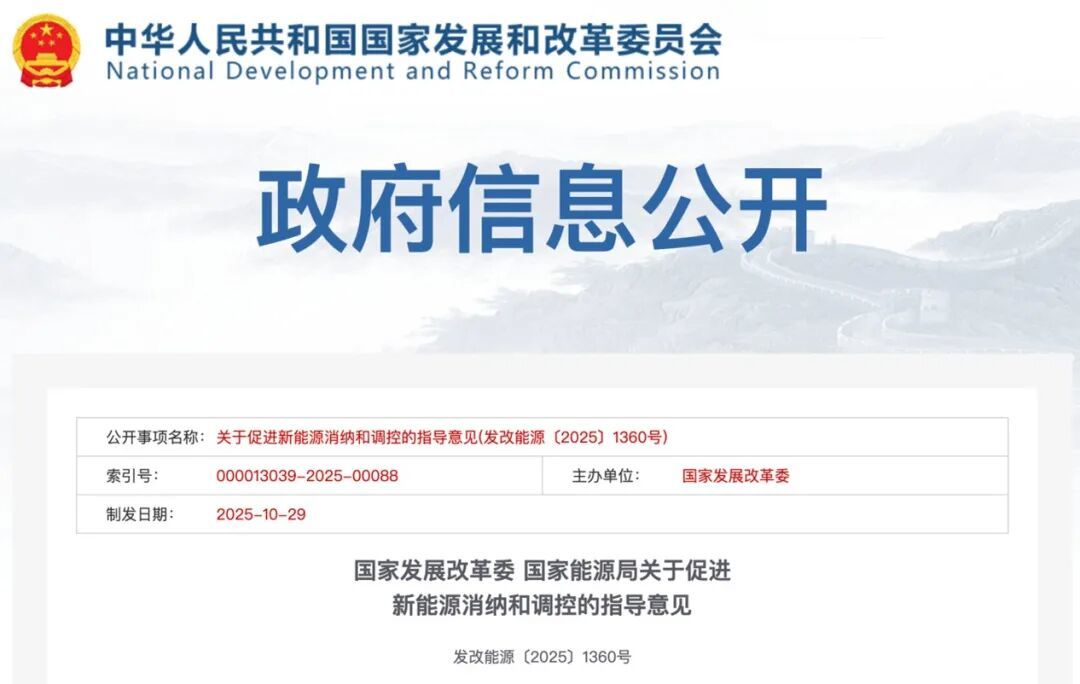
刚刚,利好来了!两部门,重磅发布!
券商中国· 2025-11-10 10:48
Core Viewpoint - The article discusses the recent guidelines issued by the National Development and Reform Commission and the National Energy Administration aimed at promoting the consumption and regulation of renewable energy, establishing a multi-level renewable energy consumption and regulation system by 2030, and ensuring that new electricity demand is primarily met by new renewable energy generation [1][2]. Group 1: Policy Overview - The guidelines propose 22 specific measures across six areas to facilitate the large-scale development and high-quality consumption of renewable energy [2]. - By 2030, a collaborative and efficient multi-level renewable energy consumption regulation system is expected to be established, with a focus on meeting the annual demand for over 200 million kilowatts of new renewable energy [2][3]. - The guidelines emphasize the importance of integrating renewable energy bases in desert and arid regions, ensuring both local consumption and external delivery [2][3]. Group 2: Development and Integration - The guidelines call for optimizing the integrated development and consumption of water and wind energy bases, particularly in the southwestern region, to enhance the utilization of existing hydropower channels [3]. - There is a push for the orderly development and consumption of offshore wind energy, with a focus on optimizing the offshore transmission network and ensuring nearby consumption [3][4]. - The guidelines encourage the integration of renewable energy with traditional industries, promoting the transfer of high-energy-consuming industries to regions with clean energy advantages [4]. Group 3: Market Mechanisms - The guidelines propose expanding the market-based system for renewable energy consumption, including flexible trading mechanisms and long-term purchase agreements to stabilize consumption [6][7]. - There is a focus on establishing a pricing mechanism that reflects the characteristics of renewable energy generation and encourages market participation from various stakeholders [7]. - The guidelines also highlight the need for a unified national electricity market system to facilitate the direct trading of renewable energy across provinces and regions [5][7]. Group 4: System Adaptation and Infrastructure - The guidelines emphasize enhancing the adaptability of the new power system to renewable energy, including the construction of pumped storage power stations and the promotion of advanced energy storage technologies [8]. - There is a call to improve the grid's capacity to accept renewable energy, including the construction of a new type of distribution system that accommodates large-scale distributed renewable energy [8].

大力推进储能建设!两部门重磅发文
行家说储能· 2025-11-10 10:14
Core Viewpoint - The article emphasizes the importance of energy storage in the development of a new energy system in China, highlighting its transition from a mere tool for renewable energy consumption to a core component of energy flexibility and system support [3][4]. Group 1: Policy Guidance - The National Development and Reform Commission and the National Energy Administration released guidelines aimed at establishing a multi-level renewable energy consumption and regulation system by 2030, ensuring that new electricity demand is primarily met by renewable energy generation [2][10]. - By 2035, a new power system capable of accommodating a high proportion of renewable energy is expected to be established, further enhancing the renewable energy consumption regulation system [2][10]. Group 2: Energy Storage Development - The guidelines create a clear value positioning and profit model for the new energy storage industry, promoting its strategic elevation as a key element in the energy system [3]. - The document encourages the integration of source, grid, load, and storage, as well as the development of new business models for nearby renewable energy consumption [3][4]. Group 3: Technological Innovation - The white paper on carbon peak and carbon neutrality emphasizes the importance of energy storage as a foundational element for the new power system, advocating for the diversified application of various storage technologies such as lithium-ion batteries and compressed air storage [4][19]. - The article discusses the need for advanced, safe, and efficient new energy storage technologies to enhance the utilization of renewable energy [5][19]. Group 4: Market Mechanisms - The guidelines propose the establishment of a unified national electricity market to facilitate the consumption of renewable energy, including the development of market rules that support the participation of distributed energy resources and storage [17][18]. - It is suggested to innovate pricing mechanisms to encourage the consumption of renewable energy and improve the flexibility of cross-regional electricity transmission pricing [18][20]. Group 5: Implementation and Monitoring - The article outlines the responsibilities of various stakeholders, including the National Development and Reform Commission and provincial energy departments, in ensuring the effective implementation of renewable energy consumption strategies [20][21]. - A monitoring and regulatory framework is proposed to track the progress of renewable energy utilization and ensure compliance with established targets [21].

两部门:到2035年,适配高比例新能源的新型电力系统基本建成
21世纪经济报道· 2025-11-10 09:53
Core Viewpoint - The article outlines the guidance from the National Development and Reform Commission and the National Energy Administration aimed at promoting the consumption and regulation of renewable energy, with a goal to establish a multi-level renewable energy consumption and regulation system by 2030 and a new power system adaptable to high proportions of renewable energy by 2035 [1][3]. Overall Requirements - The strategy is guided by Xi Jinping's thought, emphasizing a systematic approach, categorized policies, diversified consumption, market guidance, safety, and innovation to ensure high-quality consumption of renewable energy while meeting the growing electricity demand primarily through new renewable generation [3]. Classification Guidance for Renewable Energy Development and Consumption - The article emphasizes the need to coordinate the development and consumption of renewable energy in "desert, Gobi, and wasteland" areas, optimizing the economic viability of these bases and ensuring responsibility for consumption at receiving ends [5][6]. - It also highlights the integration of hydropower and wind-solar bases, promoting orderly development of offshore wind energy, and enhancing the capacity for concentrated renewable energy development within provinces [6][7]. Promoting New Models and Innovative Development of Renewable Energy Consumption - The article discusses the innovation of integrated development models for renewable energy, supporting the establishment of collaborative industrial systems in resource-rich areas, and promoting the integration of renewable energy with traditional industries [9][10]. Enhancing the Adaptability of the New Power System to Renewable Energy - It calls for improvements in system regulation capabilities, including the construction of pumped storage power stations and advanced storage technologies, to enhance the utilization of renewable energy [13][14]. - The article also stresses the need for a new power dispatch system and enhanced safety governance for the new power system [14][12]. Improving the National Unified Electricity Market System for Renewable Energy Consumption - The article outlines the expansion of a multi-level market system for renewable energy consumption, promoting flexible trading mechanisms and enhancing the role of the spot market [16][17]. - It emphasizes the need for a comprehensive pricing mechanism that reflects the characteristics of renewable energy and encourages its consumption [17][18]. Strengthening Technological Innovation Support for Renewable Energy Consumption - The article highlights the importance of breakthroughs in efficient renewable energy generation technologies and flexible regulation systems, as well as advancements in grid operation technologies [19][20]. Assurance Measures - It discusses the optimization of management mechanisms for renewable energy consumption, emphasizing the need for clear responsibilities among various stakeholders, including government agencies, grid companies, and power generation enterprises [21][22]. - The article also mentions the establishment of monitoring and regulatory mechanisms to ensure the achievement of renewable energy consumption targets [23].
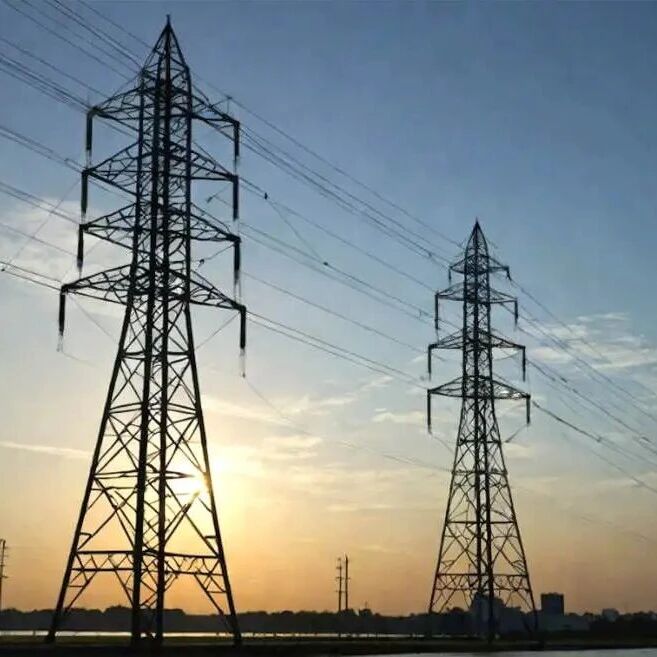
国家能源局:《指导意见》促进新能源在大规模开发的同时实现高质量消纳
智通财经网· 2025-11-10 09:37
Core Viewpoint - The National Development and Reform Commission and the National Energy Administration have issued guidelines to promote the consumption and regulation of renewable energy, aiming to enhance the power system's capacity to accept, allocate, and regulate renewable energy, thereby supporting carbon peak and national contribution goals [1][3]. Summary by Sections Background and Significance - The rapid growth and increasing share of renewable energy in China have led to significant consumption pressure, making the coordination of renewable energy development and consumption a major issue for green and low-carbon energy transition. The guidelines are part of the 2025 reform tasks to improve the power system's capacity for renewable energy [3][4]. Overall Arrangement - The guidelines emphasize a systematic approach, categorized strategies, diversified consumption, market guidance, safety, and innovation. They set targets for renewable energy consumption regulation for 2030 and 2035, aiming for a collaborative and efficient multi-level consumption regulation system by 2030 and a high-proportion renewable energy system by 2035 [4][5]. New Ideas and Measures - The guidelines propose several innovative measures, including: - Classifying renewable energy development and consumption into five categories to optimize various development models [5][6]. - Promoting new models and business formats for renewable energy consumption, such as integrated development models and smart microgrids [6][7]. - Enhancing the adaptability of the new power system to renewable energy, including building a new grid platform and improving the power dispatch system [7][8]. Market System Improvement - The guidelines focus on improving the national unified electricity market system to better accommodate the characteristics of renewable energy generation. This includes expanding market mechanisms, shortening trading cycles, and establishing rules for various renewable energy sources to participate in the market [8][9]. Technological Innovation Support - The guidelines highlight the importance of technological innovation in ensuring efficient renewable energy consumption, including advancements in power prediction accuracy, flexible regulation technologies, and smart control technologies [9][10]. Management Enhancement - The guidelines propose a shift from a single renewable energy utilization rate indicator to a comprehensive evaluation system for assessing renewable energy consumption effectiveness. They also call for a monitoring and early warning mechanism for the entire cycle of renewable energy planning, construction, grid connection, and consumption [10][11]. Implementation Steps - The National Development and Reform Commission and the National Energy Administration will further refine supporting policies to ensure the implementation of the guidelines. Provincial energy authorities will be responsible for organizing and achieving local renewable energy consumption targets [11][12].