
L4级自动驾驶

Search documents
传一汽将收购10%股份,零跑汽车回应:不予置评;号称“全球最美汽车”,阿尔法・罗密欧33 Stradale美国首秀丨汽车交通日报
创业邦· 2025-08-20 10:12
Group 1 - China FAW Group is rumored to acquire a 10% stake in Leap Motor, with previous signs of capital cooperation between the two companies [2] - The L4-level Robotaxi service by Zhiji Auto has officially launched in Shanghai, connecting the Shanghai International Tourism Resort with Pudong International Airport [2] - Alfa Romeo's 33 Stradale made its U.S. debut at Monterey Car Week, with only 33 units produced, being hailed as "the most beautiful car in the world" [2] Group 2 - BYD has established a local subsidiary in Argentina, indicating plans to manufacture vehicles in the country's automotive market [4] - The registration allows BYD Argentina to import, sell, manufacture, and maintain vehicles, batteries, and automotive parts, covering the entire electric vehicle supply chain [4]



【华鑫计算机|事件点评】小马智行(PONY.O):营收增长领跑行业,Robotaxi爆发+全球化布局驱动财务拐点
Xin Lang Cai Jing· 2025-08-20 09:25
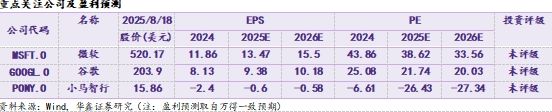
Core Insights - Xiaoma Zhixing (Pony.ai) reported a significant revenue growth of 75.9% year-on-year, reaching $21.5 million in Q2 2025, driven by strong performance in Robotaxi services and licensing revenues [1][2] - The company signed a strategic cooperation agreement with Dubai's Roads and Transport Authority (RTA) to accelerate the commercialization of Robotaxi services in Dubai, aiming for fully autonomous operations by 2026 [2][3] - The seventh-generation Robotaxi features a Level 4 (L4) domain controller, which has undergone over 2 million kilometers of testing, showcasing its reliability and safety for mass production [3] Revenue Growth - Robotaxi service revenue reached $1.5 million, marking a 157.8% increase year-on-year, while Robotruck service revenue was $9.5 million, down 9.9% due to a focus on high-margin income [1] - Licensing and application revenue surged to $10.4 million, a staggering 901.8% increase, attributed to increased orders and deliveries of autonomous domain controllers [1] Strategic Partnerships - The partnership with RTA aims to integrate L4 autonomous driving technology into Dubai's multi-modal transport system, targeting a 25% share of autonomous travel by 2030 [2] Technological Advancements - The seventh-generation Robotaxi is equipped with a L4 automotive-grade domain controller, developed using four NVIDIA Drive Orin X chips, providing a computing power of 1016 TOPS [3] - The design life of the autonomous driving suite, including the domain controller, is projected to last 10 years or 600,000 kilometers, with an 80% reduction in costs compared to previous generations [3] Investment Outlook - The company is positioned to leverage its first-mover advantage in Robotaxi technology and mass production to establish a leading role in the global autonomous driving ecosystem [4]
小鹏汽车公布清晰路线图:2026年量产L4自动驾驶汽车与人形机器人
Feng Huang Wang· 2025-08-19 13:55
Group 1 - Xiaopeng Motors announced that starting from Q3 2025, its models G7 and P7 will feature upgraded Ultra versions with advanced smart hardware and software systems, including three self-developed Turing AI chips with a total computing power of 2250 TOPS [1] - The company plans to launch L4 autonomous driving models by 2026, with plans to initiate Robotaxi operations and service trials in select regions alongside the mass production of L4 vehicles [1] - Xiaopeng Motors aims to enhance vehicle performance in driving and parking scenarios, improve passenger experience, and strengthen safety redundancy designs to lay a solid foundation for commercialization [1] Group 2 - Xiaopeng Motors revealed a production timeline for its humanoid robot, expected to begin mass production in the second half of 2026 [2] - The next-generation humanoid robot will be officially unveiled at the 1024 Xiaopeng Technology Day in 2025, showcasing advancements in mobility and intelligent interaction capabilities [2] - The unveiling of the new humanoid robot is anticipated to attract industry attention regarding its commercial prospects [2]


专访友道智途衡量:技术人的二次成长,从仰望星空,到脚踏实地
雷峰网· 2025-08-18 11:37
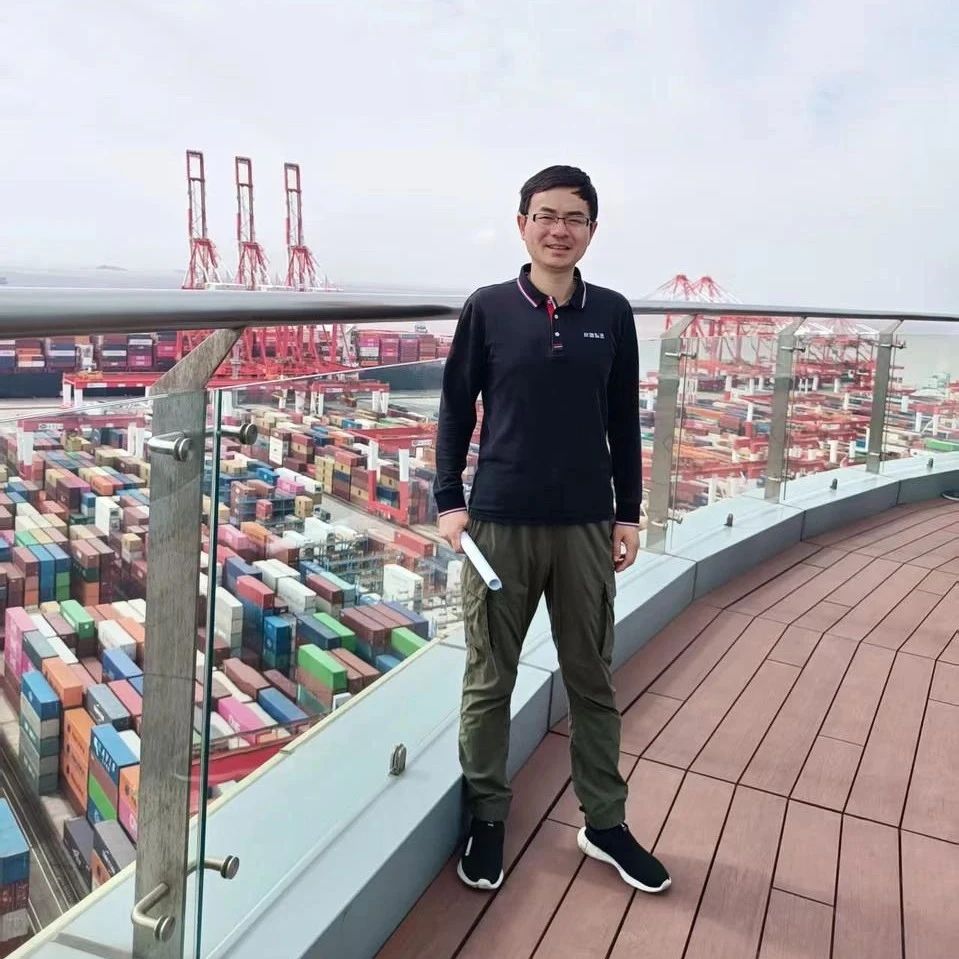
Core Viewpoint - The article discusses the development and operational strategies of Youdao Zhitu, a company specializing in L4 autonomous driving technology for port and logistics applications, emphasizing a pragmatic approach to technology implementation and market adaptation. Group 1: Company Background and Development - Youdao Zhitu was founded as a spin-off from SAIC and focuses on L4 autonomous driving in port and logistics scenarios, supported by significant industry stakeholders [3][4]. - The company has a strong resource base, including access to 30% of China's main ports and backing from SAIC, allowing it to focus on technology deployment rather than customer acquisition [4][5]. - The company has transitioned from a demo-focused phase to a practical operational model, aiming for each vehicle to generate substantial annual revenue [5][39]. Group 2: Development Phases - The development process can be divided into three phases: building L4 capabilities, expanding application scenarios, and optimizing operational efficiency [8][9][10]. - The first phase involved creating the autonomous driving system, with a peak team size of 330 people, focusing on building capabilities for fleet management and cloud dispatch systems [8]. - The second phase saw rapid expansion into various operational scenarios, increasing the fleet from under 100 to over 400 vehicles by the end of 2024 [9][10]. - The third phase focuses on enhancing operational efficiency, achieving high vehicle-to-operator ratios, and ensuring that autonomous vehicles perform comparably to human drivers [10][11]. Group 3: Technical Innovations - Youdao Zhitu's approach to R&D emphasizes practical adjustments based on real-world observations rather than theoretical discussions [5][10]. - The AIV (Autonomous Intelligent Vehicle) design eliminates the driver's cabin to enhance operational efficiency, allowing for bidirectional movement and reducing the need for additional adjustments during container handling [5][24]. - The company has developed a platform-based technology architecture that allows for a single codebase to be used across various vehicle types and operational scenarios [15][18]. Group 4: Market Strategy and Business Model - The company targets various markets, including ports, mines, and industrial parks, with a focus on profitability and sustainable development [22][56]. - Youdao Zhitu employs three primary business models: selling vehicles, providing a "virtual driver" service, and offering capacity services, with a preference for the first two models [63][64]. - The company has successfully implemented its technology in both new and existing port facilities, with significant operational volumes and profitability [58][59]. Group 5: Management Philosophy and Team Structure - The company has streamlined its team from 330 to 170 members to enhance efficiency and focus on operational stability [66][70]. - Management practices have evolved to accommodate the changing team size, emphasizing structured organization and clear communication [75][79]. - The company aims to maintain a balance between technical independence and collaboration with parent company SAIC to ensure rapid response to market demands [71][72].
新能源重卡市场迎爆发式增长:市场渗透率翻倍式上涨 多方加速布局
Shang Hai Zheng Quan Bao· 2025-08-16 02:14
Core Insights - The new energy heavy truck market is experiencing explosive growth, with sales reaching 16,200 units in July, a year-on-year increase of 185%, and cumulative sales of 82,200 units from January to July, up 191% year-on-year [1][2] - The market's resilience is attributed to policy support, technological advancements, and economic operational benefits, making new energy commercial vehicles a significant part of the heavy truck sector [2][3] Market Penetration - The penetration rate of new energy heavy trucks is expected to nearly double, increasing from 5.69% in June 2023 to 14.82% in 2024, and reaching 26.07% by June 2025 [2] - This growth is supported by various strategic partnerships and collaborations among major players in the industry, including FAW Jiefang and China National Heavy Duty Truck Group [2][3] Policy Support - The rapid growth of new energy heavy trucks is driven by a combination of policies aimed at promoting green transportation, including subsidies for replacing old vehicles and support for the adoption of new energy trucks [3][4] - The Chinese government has set ambitious targets for the adoption of electric vehicles, aiming for them to become the mainstream in new vehicle sales by 2035 [3] Technological Advancements - Continuous improvements in battery energy density, charging infrastructure, and thermal management technologies are enhancing the appeal of new energy heavy trucks [4][5] - The lifecycle cost of new energy heavy trucks has become lower than that of traditional fuel vehicles, with potential savings of approximately 200,000 yuan per year for operators [3][4] Competitive Landscape - The market is characterized by intense competition among traditional manufacturers like FAW Jiefang and China National Heavy Duty Truck, as well as new entrants like Zero One Automotive and DeepWay [5][6] - A significant number of new energy heavy truck models are being developed, with 184 new products submitted for approval in July, indicating a robust pipeline of innovation [6] Future Outlook - Industry experts predict that the penetration rate of new energy heavy trucks could reach 50% to 60% in the coming years, driven by ongoing technological advancements and infrastructure improvements [6][7] - The focus on L4 autonomous driving technology is expected to become a key competitive factor, shifting the industry from hardware sales to service-oriented models [6][7]





新能源重卡市场迎爆发式增长
Shang Hai Zheng Quan Bao· 2025-08-15 18:21
Core Insights - The new energy heavy truck market is experiencing explosive growth, with sales reaching 16,200 units in July, a year-on-year increase of 185%, and cumulative sales of 82,200 units from January to July, up 191% year-on-year [1][2] Market Growth - The penetration rate of new energy heavy trucks is expected to nearly double, increasing from 5.69% in June 2023 to 14.82% in 2024, and reaching 26.07% by June 2025 [2][3] - The rapid growth is attributed to a combination of policy support, technological advancements, and economic benefits [2][3] Policy Support - Various policies have been introduced to promote the adoption of new energy heavy trucks, including subsidies for replacing old vehicles and support for the development of a green fuel supply system [3][4] - The goal is for pure electric vehicles to become the mainstream in new vehicle sales by 2035 [3] Economic Advantages - The total lifecycle cost of new energy heavy trucks has become lower than that of traditional fuel vehicles, with potential annual savings of approximately 200,000 yuan for operators [3][4] Technological Advancements - Improvements in battery energy density, charging infrastructure, and thermal management technologies have enhanced the attractiveness of new energy heavy trucks [4][5] - Continuous iterations in core technologies are being pursued by manufacturers to strengthen product competitiveness [5][6] Competitive Landscape - The market is characterized by competition among traditional manufacturers like FAW Jiefang and China National Heavy Duty Truck Group, as well as new entrants like Zero One Auto and DeepWay [5][6] - A significant number of new energy heavy truck models are being developed, with 184 new products reported in July [6] Future Outlook - Industry experts predict that the penetration rate of new energy heavy trucks could reach 50% to 60% in the coming years, driven by ongoing technological advancements and infrastructure improvements [6][7] - The focus may shift towards L4-level autonomous driving as a key competitive factor in the market [6][7] Challenges - Despite the growth, challenges remain, including range anxiety and low refueling efficiency for long-haul operations [7][8] - The industry needs to transition from "oil-to-electric" designs to more innovative electric-centric approaches [7][8]
驭势科技 ,拟港股上市
Zhong Guo Zheng Quan Bao· 2025-08-15 09:21
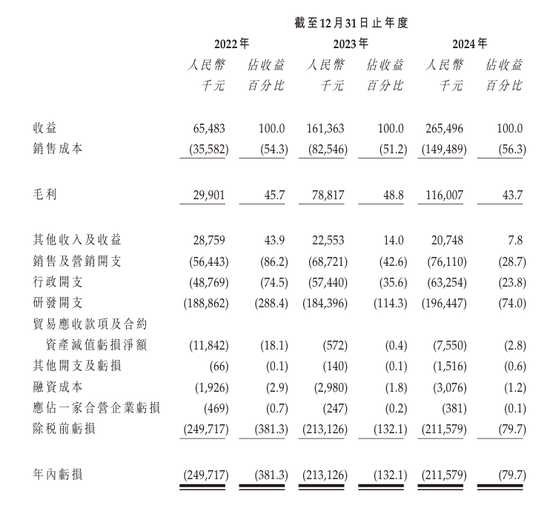
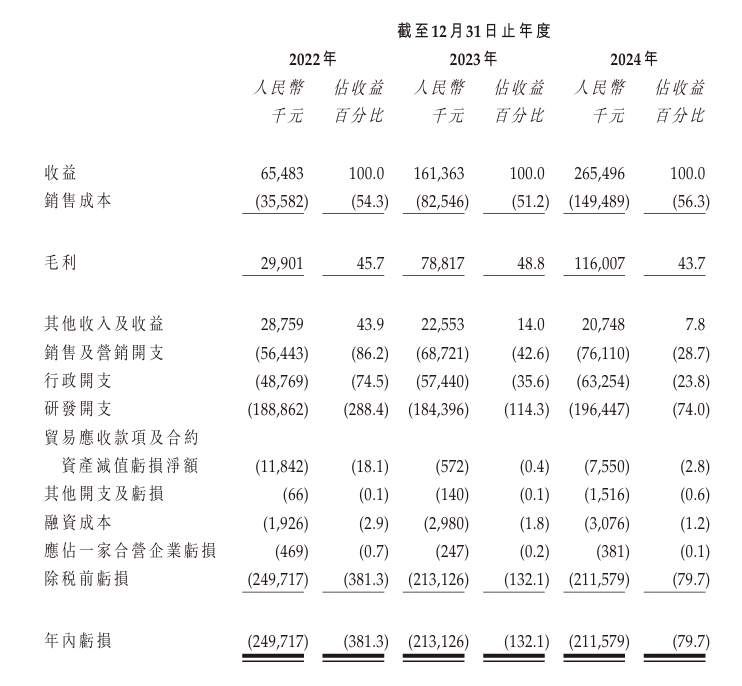
Core Viewpoint - The China Securities Regulatory Commission (CSRC) has requested supplementary materials from Yushi Technology (Beijing) Co., Ltd. regarding its compliance with various regulations as part of its IPO process, highlighting the company's focus on L4 autonomous driving technology and its financial performance projections for the coming years [1][5][6]. Financial Performance - Yushi Technology's projected revenues for 2022, 2023, and 2024 are approximately RMB 0.65 billion, RMB 1.61 billion, and RMB 2.65 billion, respectively [1][2]. - The company's gross profit margins for the same years are 45.7%, 48.8%, and 43.7%, indicating fluctuations in profitability [2]. - The company has reported significant losses, with pre-tax losses of RMB 249.72 million in 2022, RMB 213.13 million in 2023, and RMB 211.58 million in 2024, reflecting a trend of increasing financial strain [2]. Regulatory Compliance - The CSRC has mandated Yushi Technology to clarify its compliance with the "Negative List" for foreign investment, the operational scope of its subsidiaries, and the progress of state-owned shareholder management procedures [4]. - The company is required to provide legal opinions on the compliance of its implemented equity incentive plans, including details on participant relationships and decision-making processes [4]. Business Operations - Yushi Technology specializes in L4-level autonomous driving solutions, primarily serving the airport sector, with partnerships established with 17 Chinese airports and 3 overseas airports [6]. - The company aims to use the net proceeds from its IPO to enhance R&D capabilities, expand domestic and international operations, and for general corporate purposes [6]. Funding and Valuation - Yushi Technology has completed six rounds of financing, raising over RMB 1.75 billion, with a valuation of RMB 7.3 billion following its latest funding round in 2023 [7][11]. - The company transitioned from a limited liability company to a joint-stock company in November 2024, indicating a significant structural change in its corporate governance [12]. Customer and Supplier Dynamics - The revenue from the top five customers accounted for 57.6%, 66.0%, and 46.2% of total revenue in 2022, 2023, and 2024, respectively, indicating a high customer concentration risk [12]. - The company’s procurement from the top five suppliers represented 32.2%, 35.5%, and 33.7% of total purchases during the same period, suggesting reliance on a limited number of suppliers [12].
驭势科技,拟港股上市
Zhong Guo Zheng Quan Bao· 2025-08-15 09:00
Core Viewpoint - The China Securities Regulatory Commission (CSRC) has issued supplementary material requirements for nine companies, including Yushi Technology, which must clarify compliance with its equity incentive plan and other regulatory matters before its IPO [1][4]. Financial Performance - Yushi Technology's projected revenues for 2022, 2023, and 2024 are approximately RMB 0.65 billion, RMB 1.61 billion, and RMB 2.65 billion, respectively [1][2]. - The company's gross profit margins for the same years are 45.7%, 48.8%, and 43.7% [2]. - The company has reported significant losses, with pre-tax losses of RMB 249.72 million in 2022, RMB 213.13 million in 2023, and RMB 211.58 million in 2024, reflecting a substantial increase in losses year-over-year [2]. Business Operations - Yushi Technology specializes in L4-level autonomous driving technology, focusing on sustainable solutions for large commercial operations at airports [6]. - As of May 20, 2025, the company has partnered with 17 airports in China and three overseas, while exploring additional opportunities with four more airports globally [6]. Funding and Valuation - Yushi Technology has completed six rounds of financing, raising over RMB 1.75 billion, with a valuation of RMB 7.3 billion following its latest funding round in 2023 [8]. - The company has a history of raising significant capital, including RMB 809.22 million in its angel round and RMB 259 million in its A round [8][9]. Client and Supplier Relationships - The company's revenue from its top five clients accounted for 57.6%, 66.0%, and 46.2% of total revenue in 2022, 2023, and 2024, respectively [13]. - Yushi Technology's procurement from its top five suppliers represented 32.2%, 35.5%, and 33.7% of total procurement in the same years [13].
小马智行二季度营收1.54 亿元人民币 同比增长 75.9%
Sou Hu Cai Jing· 2025-08-12 09:53
DoNews8月12日消息,8 月 12 日,自动驾驶公司小马智行(NASDAQ: PONY)披露未经审计的 2025 年第二季度财报,业绩涨势强劲,Robotaxi 商业化加速。小马智行 Robotaxi 车辆总数已突破 500 台, 预期年底超 1000 台;公司二季度总营收达 1.54 亿元人民币(2150 万美元),同比增长 75.9%,环比增 长 53.5%,其中 Robotaxi 乘客车费收入同比激增超 3 倍。截至二季度末,现金等价物及长短理财投资为 53.56 亿元人民币(7.48 亿美元)。 小马智行加速 Robotaxi 业务商业化和量产落地进程,Robotaxi 收入在二季度翻倍增长,带动公司整体 营收持续上涨。小马智行创始人、CEO 彭军表示,非常有信心在 2025 年底实现千台 Robotaxi 目标。 公司自 6 月起与北汽、广汽的合作启动第七代 Robotaxi 量产,已完成产能爬坡并进入稳态生产,在两 个月内生产超 200 台 Robotaxi 车辆。此前,小马智行宣布第七代 Robotaxi 采用 100% 车规级零部件, 自动驾驶套件成本较前代大幅下降 70%,拥有 10 ...
小马智行二季度涨势强劲:北上广深开启全无人Robotaxi收费运营,Robotaxi乘客车费收入涨3倍
Jin Rong Jie· 2025-08-12 09:32
8月12日,自动驾驶公司小马智行(NASDAQ: PONY)披露未经审计的2025年第二季度财报,业绩涨势 强劲,Robotaxi商业化加速。小马智行Robotaxi车辆总数已突破500台,预期年底超1000台;公司二季度 总营收达1.54亿元人民币(2150万美元),同比增长75.9%,环比增长53.5%,其中Robotaxi乘客车费收 入同比激增超3倍。截至二季度末,现金等价物及长短理财投资为53.56亿元人民币(7.48亿美元)。 在刚刚结束的2025上海世界人工智能大会(WAIC)期间,小马智行为大会观众提供了真实、可用、流 畅的无人驾驶打车体验和服务,进一步印证其L4级技术成熟度和领先性。据了解,小马智行在多家参 会的L4自动驾驶企业中,唯一做到打破固定路线演示、开放全无人驾驶打车服务,并在台风"竹节草"带 来极端暴雨中成为唯一维持运营的Robotaxi服务商。几天后,上海市首个全无人Robotaxi收费服务在浦 东地区上线,由小马智行推出,引发网友和市民的热情打卡。 公司创始人、CTO楼天城认为,这样的领先地位背后是小马智行已具备成熟的"全无人驾驶"和"规模化 落地"能力,"我们不仅将完成千台的数 ...