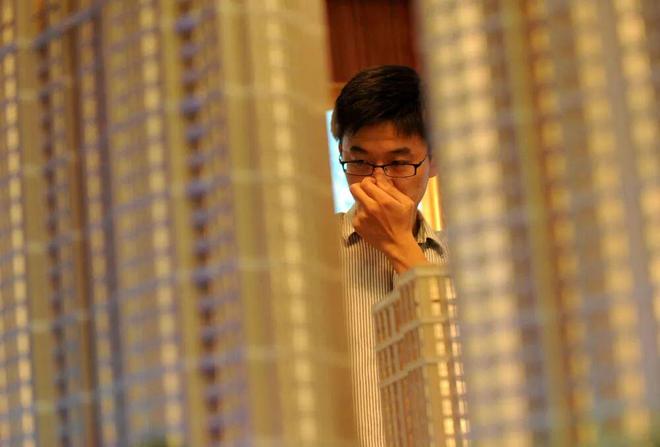
好房子

Search documents
市场仍在修复 促进房地产止跌回稳仍需努力
Zhong Guo Jing Ji Wang· 2025-10-22 00:29
Core Viewpoint - The real estate market in China is showing signs of stabilization, with a narrowing decline in sales and prices, driven by policy adjustments and seasonal demand [1][2]. Group 1: Sales and Price Trends - In September, the sales area of new commercial housing reached 85.31 million square meters, a month-on-month increase of 48.5% [1]. - The sales revenue of new commercial housing in September was 802.5 billion yuan, a month-on-month increase of 47.3% [1]. - From January to September, the sales area of new commercial housing decreased by 5.5% year-on-year, a reduction of 11.6 percentage points compared to the same period last year [1]. - The sales revenue of commercial housing fell by 7.9% year-on-year, narrowing by 14.8 percentage points compared to the previous year [1]. - In September, the year-on-year decline in new residential prices in first-tier cities was 0.7%, a reduction of 0.2 percentage points from the previous month [2]. - Second and third-tier cities saw year-on-year price declines of 2.1% and 3.4%, respectively, both narrowing by 0.3 percentage points [2]. Group 2: Inventory and Funding - The inventory of commercial housing decreased by 2.41 million square meters at the end of September compared to the end of August, marking seven consecutive months of reduction [2]. - From January to September, the funds available to real estate developers decreased by 8.4% year-on-year, a narrowing of 11.6 percentage points compared to the previous year [2]. Group 3: Future Development Strategies - A new model for real estate development is needed, focusing on a clear supply system for basic and diverse housing needs [3]. - Establishing a mechanism for the interaction of "people, housing, land, and finance" is essential for balancing supply and demand in the real estate market [3]. - Reforming the real estate development, financing, and sales systems is crucial to prevent risks and ensure project delivery [3]. - The goal is to develop safe, comfortable, green, and smart housing, enhancing standards and operational levels in the housing sector [4].
“好房子”成激活市场的关键,武汉9月楼市“筑底企稳”
Chang Jiang Ri Bao· 2025-10-21 03:36
Core Viewpoint - The real estate market in Wuhan shows signs of stabilization and recovery, with a gradual decrease in price declines and increased transaction activity, indicating a positive shift in market dynamics [1][3]. Group 1: Housing Price Trends - In September, new residential property prices in Wuhan decreased by 0.4% month-on-month and 2.5% year-on-year, but the rate of decline has been narrowing for two consecutive months, suggesting a potential market stabilization [1]. - The data from the National Bureau of Statistics indicates that the downward pressure on the market is easing, reflecting a "price decline slowing, bottoming out and stabilizing" trend [1]. Group 2: Market Activity and Sales Performance - The sales performance of new housing projects in Wuhan has been robust, with significant interest from buyers. For instance, a project saw over 200 daily visits since the National Day holiday, and 125 units sold out within an hour on the opening day [1][2]. - In September, the net signed area of new housing in Wuhan reached 82.26 million square meters, a year-on-year increase of 54.23%, with the number of signed units rising by 53.05% [3]. - The average sales rate for nearly 20 new projects launched in the first three quarters remained at 80%, with multiple instances of "sunshine sales" [3]. Group 3: Buyer Preferences and Market Drivers - Buyers are increasingly attracted to well-designed properties that offer enhanced living experiences, such as larger spaces and outdoor amenities, which are seen as key factors driving market activity [2]. - The presence of quality housing options has become crucial in stimulating market demand, with projects achieving high sales rates shortly after launch [2][3].
“好房子”系列报告一:焕新居住生态,重塑供给格局
HTSC· 2025-10-20 12:31
Investment Rating - The report maintains an "Overweight" rating for the real estate development and real estate services sectors [5]. Core Views - The "Good House" concept is expected to reshape the supply structure in the real estate market, emphasizing product quality as a core competitive advantage for real estate companies [1][4]. - The demand for housing is shifting from "having" to "quality," indicating a transition to a quality-driven market [2][14]. - The "Good House" initiative is a systematic project aimed at improving housing quality, with significant implications for both supply and demand sides [9][10]. Summary by Sections Investment Rating - The report recommends a continued focus on "three good" real estate stocks characterized by good credit, good cities, and good products, specifically highlighting companies like China Overseas Development and China Resources Land [1][7]. Housing Quality and Market Dynamics - The "Good House" concept was introduced in 2022 and officially implemented in 2025, marking a shift towards a quality-oriented housing market [2][9]. - There is a notable improvement in buyer preferences, with larger units (over 120 square meters) seeing increased sales, indicating a trend towards higher-quality living spaces [20][21]. Government Policies and Standards - The government has outlined four key characteristics of a "Good House": safety, comfort, green standards, and smart technology, which are now integral to new housing project regulations [3][30]. - The report details the evolution of housing standards in China, culminating in the 2025 release of the "Residential Project Standards," which aims to enhance overall housing quality [40]. Market Performance and Company Recommendations - Companies that have adopted the "Good House" framework have shown better sales performance, with many achieving sales rates above 70% for new projects [25][21]. - The report emphasizes the importance of product iteration in the real estate sector, drawing parallels with the smartphone and automotive industries, where product quality drives market dynamics [4][36]. Regional Policy Implementation - Various cities have begun implementing local policies aligned with the "Good House" standards, focusing on aspects like building quality, community amenities, and environmental considerations [12][13].
前9月中国房地产市场多项指标同比下降速度趋缓
Zhong Guo Xin Wen Wang· 2025-10-20 08:58
Core Insights - The decline in various real estate indicators in China, such as new construction area and average price of new residential properties, is slowing down as of the first three quarters of 2025 [1][2] Group 1: New Construction and Completion - The new construction area for residential buildings reached 45,399 million square meters from January to September, representing an 18.9% year-on-year decline, which is a 0.6 percentage point improvement compared to the decline from January to August [1] - The completion area of residential buildings was 31,129 million square meters during the same period, showing a 15.3% year-on-year decline, which is a 1.7 percentage point improvement from the previous months [1] - The stabilization in new construction and completion areas is expected to help stabilize the industry size and support a more stable real estate development investment in the future [1] Group 2: Average Price of New Residential Properties - The average sales price of new residential properties saw a reduced decline, with a year-on-year drop of 1.9% from January to September, down from a 2.3% decline in the previous months [2] - The demand for high-quality properties is expanding, moving from improvement-type projects to essential housing projects, which is contributing to price stability [2] - The expectation of policy implementation in the fourth quarter, including potential interest rate cuts and increased efforts in urban village renovations, is seen as crucial for stabilizing the housing market [2]
政策动态 | 住建部长署名发文解析城市发展顶层思路,成都房贷“商转公”新政落地(10.13-10.19)
克而瑞地产研究· 2025-10-20 02:02
Core Viewpoint - The article emphasizes the need for high-quality urban development and the implementation of new urban infrastructure to enhance resilience, aligning with the evolving requirements of urbanization in China [2][3][4]. Group 1: Urban Development Strategies - The Ministry of Housing and Urban-Rural Development (MOHURD) and nine other departments have jointly issued an action plan to promote new urban infrastructure construction from 2025 to 2027, focusing on digital, networked, and intelligent urban infrastructure to improve risk prevention and governance capabilities [2][3]. - The MOHURD Minister Ni Hong highlighted the importance of adapting to new urban development trends, emphasizing a shift from rapid growth to stable development and from large-scale expansion to quality enhancement [3][4]. Group 2: Financial Stability and Policy Measures - The People's Bank of China (PBOC) has stated the need to balance economic growth and risk prevention, exploring the expansion of macro-prudential and financial stability tools to manage financial risks effectively [4]. - The article notes that local governments have increased the frequency of market stabilization policies, particularly in housing provident fund policies, with several cities implementing measures to support homebuyers [5][6]. Group 3: Local Policy Developments - In the past week, 14 provinces and cities have released market stabilization policies, with significant changes in housing provident fund policies, such as Chengdu's new "commercial to public" loan policy and unlimited loan amounts for recent graduates in Guilin [5][6]. - The article mentions that cities like Yunnan and Chongqing are focusing on innovative urban renewal strategies and have set goals for significant progress in urban renewal actions by 2027 [6][7].


前海时代·尊府新品样板房开放,盛启时代湾居想象
Ge Long Hui· 2025-10-19 00:49
10月18日,深铁前海时代・尊府全新创意美学样板房正式开放。项目自面世以来屡创销售佳绩,今年两次推售均呈现高去化率的态势,市场反响热烈。此次 新品样板房开放,不仅是深铁"好房子"理念的实体呈现,更以前海高品质湾居生活为样本,推动区域居住体验迈入新阶段。 今年以来,项目两次推售均保持高去化率,稳居深圳市场热销榜前列,充分印证市场对前海桂湾区位价值与深铁"府"系产品力的高度认可。此次尊府加推新 品为建面约215-295㎡大平层,从空间布局、功能细节到生活场景全面优化。外立面以香槟色与高级灰撞色,营造沉稳时尚气质;3梯2户配置保障私密与便 捷。 户型设计精准回应家庭需求:建面约255㎡B户型拥有270度环幕视野,四房格局配中西双厨;建面约215㎡C户型以奢阔横厅与超广角阳台拓展空间,双主卧 套间满足家庭成员独立舒适需求。 项目细节处处用心:艺术归家大堂融合金属与石材,营造仪式感;全球设计团队操刀,呼应"世界湾居"审美。周边万象前海、前海卓悦INTOWN、山姆旗舰 店、壹方汇等多个商圈、还有桂湾公园等生态资源,以及南山实验集团前海港湾学校、哈罗国际学校等教育配套,实现生活资源咫尺汇聚。(学区划分以教 育主管部门公布的 ...
海尔空调联合主办人居健康大会,牵头组建创新联盟
Quan Jing Wang· 2025-10-18 08:56
Core Insights - The fourth China Human Settlements Health Conference was successfully held in Beijing, co-hosted by the China Building Materials Market Association, the China Health Management Association, and Haier Air Conditioning [1][3] - Haier's Vice President and General Manager of Air Industry, Song Yujun, emphasized the importance of good air quality in creating good homes, advocating for collaboration to advance industry progress [1][5] - The establishment of the Health Home Industry Innovation Alliance aims to promote the development of the health home industry through standard setting, technological innovation, industry collaboration, market promotion, and talent cultivation [3][5] Group 1 - The global trend of extreme climate is increasing, leading to a rise in demand for home renovations and improved housing, with the concept of "good homes" included in the government work report for the first time [5] - The Health Home Industry Innovation Alliance's formation is timely and will be a key initiative in promoting industry collaboration and implementing the "good home" policy [5] - Haier Air Conditioning brings its innovative practices in the whole-house air sector into the alliance, offering customized solutions that accurately understand user habits and environmental changes [5][6] Group 2 - Haier's innovative solution includes "one brain, two breakthroughs, and N scene-based customizations," upgrading from traditional temperature and humidity control to a whole-house AI smart health air expert [6] - Haier is developing a new household light-storage direct-drive heat pump air conditioning energy management system, integrating photovoltaic, energy storage, and heat pump technologies for a comprehensive smart living experience [6] - The construction of an open and collaborative industrial ecosystem is crucial for Haier Air Conditioning in promoting the "good home" and healthy living environment initiatives [6]


多地整治新房偷面积
盐财经· 2025-10-17 11:25
Core Viewpoint - The article discusses the issue of "stealing area" in the real estate sector, where developers manipulate building area calculations to increase usable space, leading to safety concerns and regulatory scrutiny [5][6][7]. Group 1: Complaints and Issues - A complaint was received regarding a real estate project in Beijing, alleging that the developer converted balconies into bedrooms, exceeding the allowable area [4][5]. - The practice of enclosing balconies to increase usable area is common, but it raises safety and compliance issues, as it often does not meet structural and fire safety regulations [5][6]. Group 2: Regulatory Response - Regulatory bodies in major cities like Guangzhou, Beijing, Shanghai, and Chengdu are tightening regulations on building area calculations to curb the "stealing area" practices [7][19][22]. - New regulations have been introduced to limit the allowable area for balconies and other architectural features, aiming to ensure compliance with safety standards [19][22][23]. Group 3: Market Trends - The trend of high usable area rates has been increasing, with some projects advertising rates exceeding 120%, which is considered "super high" [11][12]. - The competitive advantage of high usable area projects is evident, as they are marketed as offering better value, but this has led to market distortions affecting both new and second-hand property prices [14][17]. Group 4: Shift Towards Quality Housing - There is a growing emphasis on quality housing, with policies encouraging developers to focus on overall project quality rather than just maximizing usable area [18][23]. - The article suggests that the focus on "good housing" will lead to a more sustainable and quality-driven real estate market, moving away from the numerical games associated with high usable area rates [23].
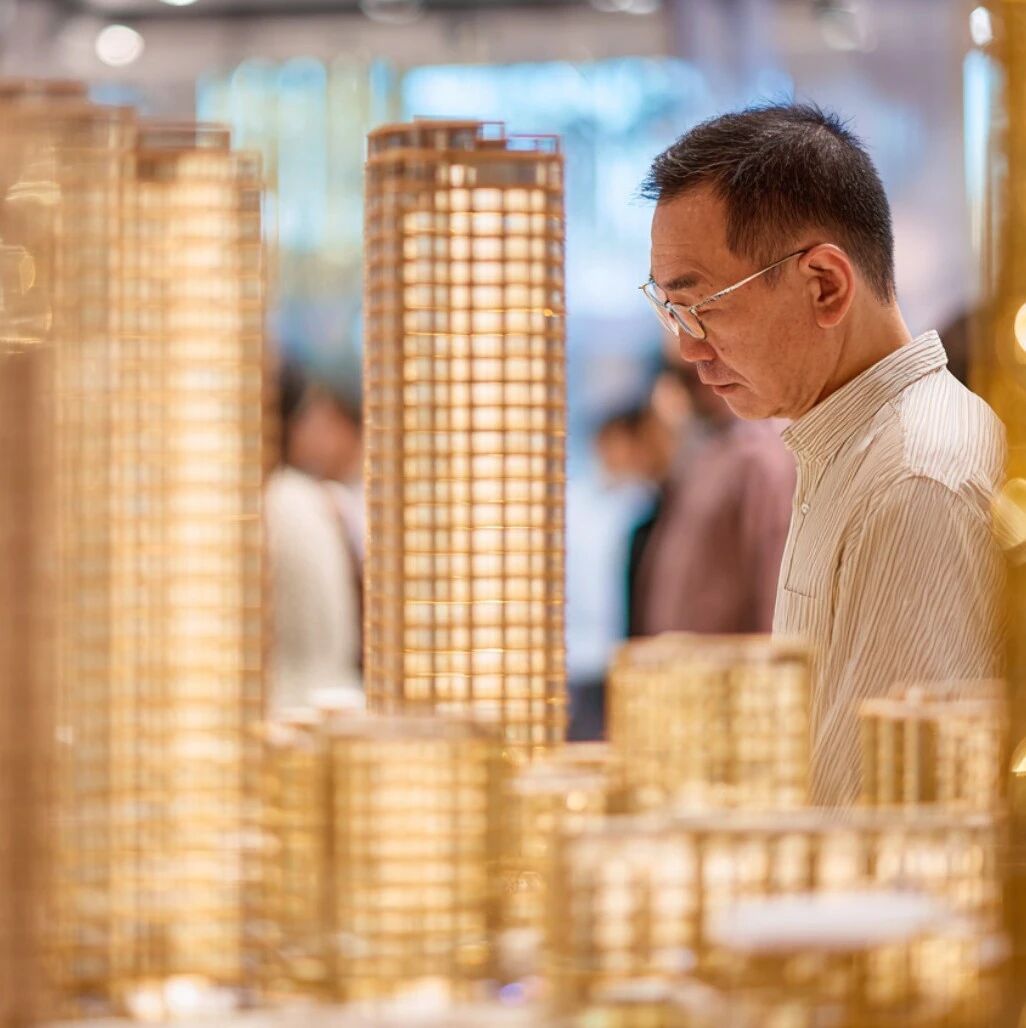
回归“好房子” 多地整治新房“偷面积”
2 1 Shi Ji Jing Ji Bao Dao· 2025-10-17 00:55
Core Viewpoint - The article discusses the issue of "stealing area" in real estate development, where developers illegally increase usable space by modifying balconies and other areas, leading to safety concerns and regulatory scrutiny [1][2][3][4]. Group 1: Complaints and Safety Concerns - A complaint was received regarding a real estate project in Beijing, alleging that the developer converted balconies into bedrooms, exceeding the allowable area [1]. - The complainant emphasized that such modifications pose serious risks to housing safety [2]. - The practice of enclosing balconies to increase usable space is common, but it must comply with weight-bearing, fire safety, and insulation standards [2][3]. Group 2: Industry Practices and Trends - Developers often utilize methods like enclosing balconies, modifying bay windows, and creating high ceilings to increase usable area without changing property rights [3][5]. - The trend of high usable area rates has been rising, with some projects advertising rates exceeding 120%, which is considered "super high" [6]. - In first-tier cities, high usable area projects are more competitive, as they enhance design space and product value [7][8]. Group 3: Regulatory Responses - Regulatory bodies in major cities like Beijing, Shanghai, and Chengdu have begun to tighten regulations on construction practices to curb "stealing area" [11][12]. - New regulations limit the allowable area for balconies and other features, aiming to ensure compliance with safety and planning standards [12][13]. - The shift towards regulating "stealing area" practices indicates a return to the focus on quality housing rather than just high usable area rates [4][13]. Group 4: Market Implications - The pursuit of high usable area has led to increased competition and has negatively impacted the pricing of existing homes [10]. - The emphasis on high usable area has created a perception of value, but it may mislead consumers regarding the quality and safety of the housing [9][10]. - The article suggests that the focus on "good housing" should prioritize overall quality and sustainability rather than just numerical metrics like usable area [13].
多地整治新房偷面积
2 1 Shi Ji Jing Ji Bao Dao· 2025-10-16 14:45
Core Viewpoint - The article discusses the issue of "stealing area" in the real estate sector, where developers illegally increase usable space by enclosing balconies and other areas, leading to safety concerns and regulatory scrutiny [1][11]. Group 1: Complaints and Issues - A complaint was received regarding a real estate project in Beijing, where the developer allegedly converted balconies into bedrooms, exceeding the allowable area and compromising safety [1]. - The practice of enclosing balconies to increase usable space is common, but it violates regulations that require compliance with safety and structural standards [1][11]. Group 2: Regulatory Response - Major cities like Guangzhou, Beijing, Shanghai, and Chengdu have begun to strengthen regulations on construction practices to curb "stealing area" [2][18]. - New regulations in Chengdu limit the increase in area to a maximum of 1.5% and set strict guidelines for balcony and window designs [15][18]. Group 3: Market Trends - The trend of high usable area rates has been rising, with some projects advertising rates exceeding 120%, which is considered "super high" [7][10]. - The competitive advantage of high usable area projects is evident, as they are perceived to offer better value, leading to increased sales despite potential safety risks [10][13]. Group 4: Industry Implications - The focus on high usable area has led to a competitive environment where traditional pricing strategies are no longer sufficient [10][13]. - The push for "good housing" emphasizes quality over mere area metrics, indicating a shift in industry standards towards sustainable and quality living spaces [19].