稳预期

Search documents
工商银行2025年新增信贷投放、债券投资4.8万亿元 创历史新高
Xin Hua Wang· 2026-03-27 15:37
Core Viewpoint - In 2025, Industrial and Commercial Bank of China (ICBC) significantly increased its support for the real economy, achieving a record high in new credit and bond investments totaling 4.8 trillion yuan [1] Group 1: Financial Performance - By the end of 2025, ICBC's total assets reached 53.48 trillion yuan, reflecting a year-on-year growth of 9.5% [1] - The bank's operating income for 2025 was 801.395 billion yuan, an increase of 1.9% compared to the previous year [1] - Net profit for 2025 was 370.766 billion yuan, showing a growth of 1.0% year-on-year [1] Group 2: Loan and Investment Highlights - As of the end of 2025, the balance of technology loans was approximately 6 trillion yuan, while loans directed towards the manufacturing sector amounted to 5.24 trillion yuan [1] - Green loan balance exceeded 6.7 trillion yuan, with a total of 125 billion yuan in green financial bonds issued in the domestic interbank market [1] - Agricultural loans surpassed 5 trillion yuan, and inclusive loans reached 3.6 trillion yuan, with a growth rate of nearly 23% [1] - Loans for core digital economy industries exceeded 1 trillion yuan [1] Group 3: Asset Quality and Capital Adequacy - By the end of 2025, ICBC's non-performing loan ratio was 1.31%, a decrease of 0.03 percentage points year-on-year [1] - The capital adequacy ratio stood at 18.76%, and the provision coverage ratio was over 210%, indicating a stable and reasonable level [1]

蔡昉:为什么要强调“投资于人”?
经济观察报· 2026-03-04 08:49
Core Viewpoint - The key to forming positive expectations during the "14th Five-Year Plan" period is to invest in people through institutional construction, ensuring the provision of more public goods and enhancing the well-being of families [2][6]. Economic Growth Projections - Two frameworks for estimating economic growth during the "14th Five-Year Plan" were presented, indicating that per capita GDP must maintain an annual growth rate of at least 4.4% to reach over $20,000 by 2035 [2]. - Under a high scenario that includes reform dividends, per capita GDP could reach approximately $21,989, aligning with the doubling target [2]. Supply-Side Constraints - The slowdown in total factor productivity growth is a significant structural constraint, as past efficiency gains from labor moving to higher productivity sectors are nearing exhaustion [3]. - The diminishing returns on capital investment are highlighted, with the capital-output ratio increasing significantly since transitioning from upper-middle to high-income status, leading to lower investment returns [3]. Demand-Side Issues - Post-pandemic, supply has returned to potential growth levels, but prices have not rebounded, indicating weak inflation driven by insufficient consumer demand [3]. - The long-term stability of the household consumption rate suggests that low consumption is not a cyclical issue but rather rooted in structural factors that require institutional solutions [3]. Employment Challenges - The urban unemployment rate is around 5%, indicating structural mismatches between job seekers and available positions, particularly in skills [4]. - The rise of artificial intelligence is exacerbating these mismatches, as it tends to replace mid-skill jobs, making it harder for both young and older workers to find employment [4]. Income Distribution - By 2035, it is proposed that the growth rate of per capita disposable income should not be less than that of GDP, with the Gini coefficient targeted to fall below 0.4 [6]. - Effective redistribution mechanisms, such as social security and tax policies, are crucial for reducing income inequality, as evidenced by OECD countries [6]. Policy Recommendations - A policy framework focusing on promoting employment, increasing income, and stabilizing expectations is suggested, emphasizing the need for institutional improvements [3][6]. - Key areas for investment include enhancing public services in childbirth, education, and employment support, as well as increasing educational spending to meet future labor market demands [7].


2026年滨州市春风行动暨就业援助季活动正式启动
Xin Lang Cai Jing· 2026-02-27 16:26
Group 1 - The event "2026 Binzhou Spring Action and Employment Assistance Season" was held on February 25-26, aiming to implement national and local policies for stabilizing employment, enterprises, markets, and expectations [1] - The recruitment fair utilized a combination of offline, online, and live streaming methods to effectively connect employers and job seekers, particularly targeting rural labor, unemployed individuals, and recent graduates [1] - Over 200 quality employers participated, offering more than 6,000 job positions across various sectors including manufacturing, services, and modern agriculture, with over 2,000 employment intentions reached during the event [1] Group 2 - The event marked the official launch of the 2026 Binzhou Spring Action and Employment Assistance Season, with plans for a series of recruitment activities to follow [2] - The event featured seven functional areas including recruitment zones, policy promotion, live job broadcasting, labor brand displays, career guidance, intangible cultural heritage showcases, and AI empowerment [1] - The online live broadcast attracted over 5,000 viewers, demonstrating significant interest in the job opportunities presented [1]
财政靠前发力,政府债券发行提速
Sou Hu Cai Jing· 2026-02-26 23:27
Core Viewpoint - The issuance of government bonds, including national and local government special bonds, has accelerated, reflecting a proactive fiscal approach aimed at stabilizing growth, investment, and expectations in 2026 [1] Group 1: Government Bond Issuance - The total scale of issued national bonds and new special bonds in 2026 has increased by 12% and 60% year-on-year, respectively [1] - The first quarter of 2026 has seen an earlier pace of government bond issuance, indicating a trend of fiscal preemptive action [1] Group 2: Policy Implications - The acceleration in bond issuance is aligned with policy goals of stabilizing growth, investment, and expectations [1] - To enhance the pricing function of national bonds, it is suggested to improve the maturity structure of bonds and optimize the buying and selling mechanisms [1] - The role of national bonds in regulating the money supply should be effectively utilized [1]
财政靠前发力政府债券发行提速
Zhong Guo Zheng Quan Bao· 2026-02-26 20:28
Core Viewpoint - The issuance of government bonds, including national and local special bonds, has accelerated, reflecting a proactive fiscal approach aimed at stabilizing growth, investment, and expectations in 2026 [1][2]. Group 1: Government Bond Issuance - The total scale of national bonds issued by February 26, 2026, reached 22,390 billion, a 12% increase compared to 19,960.6 billion in the same period of 2025 [1]. - The issuance of 10-year and 3-year bonds on February 24, 2026, amounted to 1,350 billion and 1,300 billion respectively, followed by 1,200 billion for 5-year bonds and 400 billion for discount bonds on February 25, 2026 [1]. - The issuance of long-term special bonds is expected to increase in 2026 to meet the funding needs of major projects under the "14th Five-Year Plan" [2]. Group 2: Market Stability and Expectations - The single issuance scale of national bonds has expanded, with 1-year, 2-year, 7-year, and 10-year bonds issued in January 2026 being 1,350 billion, 1,750 billion, 1,600 billion, and 1,800 billion respectively, compared to lower figures in January 2025 [2]. - Increasing the issuance scale of 10-year bonds is seen as beneficial for enhancing liquidity and fulfilling the pricing function of government bonds [2][3]. - The expansion of single bond issuance is linked to the refinancing needs due to high maturity scales, indicating a responsive approach to market conditions [3]. Group 3: Special Bonds and Infrastructure Investment - As of February 26, 2026, local governments issued 8,076.86 billion in new special bonds, a 60% increase from 5,040.75 billion in 2025 [4]. - The primary uses of newly issued special bonds include municipal and industrial park infrastructure, transportation infrastructure, and affordable housing projects [4]. - The management mechanism under the "negative list" is expected to broaden the scope of special bond applications, aligning with the demands for technological innovation and modern industrial system construction [4].
最高让利惠民生,连州楼市促销活动火热启动
Sou Hu Cai Jing· 2026-02-15 09:32
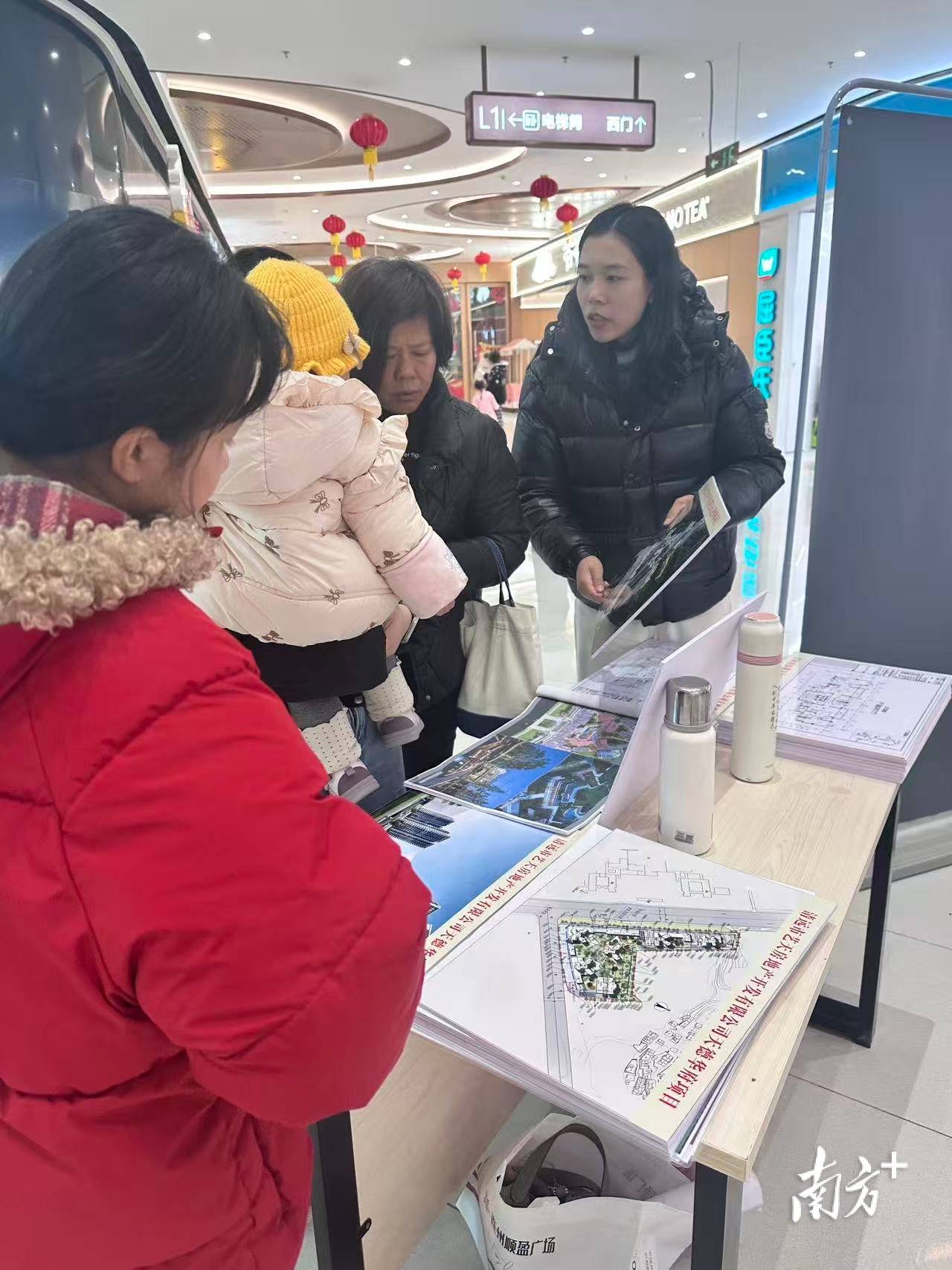
Group 1 - The core theme of the event is to boost consumer confidence in the real estate market during the Chinese New Year, with a promotional campaign titled "Welcoming the New Year, Buying New Homes, and Spending a Warm Winter" [1][4] - The promotional event took place from February 10 to 12, featuring multiple locations in densely populated areas to maximize outreach and integrate housing sales with festive activities [1][4] - The event was organized by the Lianzhou Housing and Urban-Rural Development Bureau, aiming to support stable and healthy development in the real estate sector [1][4] Group 2 - Six brand real estate companies participated, receiving a total of 339 visitors and registering 73 interested buyers over the three-day event [4] - The promotional offerings included 99 discounted housing units, with prices starting as low as 3,388 yuan per square meter, addressing the needs of first-time and upgrading homebuyers [4] - The event emphasized a cost-effective operational model, focusing on providing tangible benefits to both enterprises and homebuyers, reflecting a commitment to practical and efficient service [4]
稳订单稳生产稳岗位做最实在贡献
Xin Hua Ri Bao· 2026-02-06 21:25
Group 1 - The provincial government's work report for 2026 emphasizes the tasks of "stabilizing employment, enterprises, markets, and expectations," highlighting the importance of integrating enterprise development into the broader provincial development strategy [1] - The chairman of Yingyou Group, Zhang Siwei, stresses that for manufacturing enterprises, "stability" translates into stable orders, smooth production lines, and secure employee positions, which are essential for contributing to overall stability [1] - The report's focus on fostering innovation and advanced manufacturing aligns with the "four stabilizations," encouraging private enterprises to take on social responsibilities and drive collaborative development within the industry [1] Group 2 - Yingyou Group maintains over 300 employees during the Spring Festival to ensure stable production capacity, demonstrating its role as a stabilizer within the industrial ecosystem [2] - Zhang Siwei emphasizes that "stabilizing employment" should be viewed in the context of healthy industrial development, as the company has fostered over 20 supporting enterprises in the local area through its carbon fiber industry, creating a small industrial cluster [2] - The company provides job opportunities across various dimensions, including R&D, smart manufacturing, and marketing, while focusing on systematic skills training and career development for local talents and returning workers to ensure sustainable and high-quality employment [2]
成交量维持高位 “北上深”1月份二手房市场延续回暖态势
Zheng Quan Ri Bao Wang· 2026-02-02 12:34
Core Viewpoint - The second-hand housing market in first-tier cities remains active in early 2026, providing support to the overall real estate market amid ongoing adjustments in the new housing sector [1][2][3][4] Group 1: Market Performance - In January 2026, Beijing's second-hand housing market saw a net signing of 15,082 units, a year-on-year increase of 20.9%, reaching the highest level for the same period since 2022 [1] - Shenzhen's second-hand housing transactions reached approximately 5,000 units in January, with a month-on-month increase of 16% and a year-on-year increase of 7% [2] - Shanghai recorded a total of 22,834 second-hand housing net signings in January, marking a 24% year-on-year growth and maintaining a transaction volume above 22,000 units for three consecutive months [2] Group 2: Market Structure - In 2025, second-hand residential transactions accounted for about 65% of total transactions in 30 key cities, with Beijing at 81% and Shanghai at 83% (excluding affordable housing) [3] - The dominance of second-hand housing in transaction volume reflects strong demand in first-tier cities, which are characterized by high population, industry, and employment concentration [3] Group 3: Policy Support - The policy environment has provided ongoing support for market stabilization, with measures such as extending tax rebates for home exchanges and structural interest rate cuts aimed at boosting market confidence [4] - The real estate policy has entered a new phase focused on stabilizing expectations and shortening adjustment periods, with expectations for a gradual release of market demand in March 2026 [4]
新旧动能转换攻坚,经济第一大省广东展望新五年
Di Yi Cai Jing· 2026-01-26 12:25
Core Insights - Guangdong aims to double its economic output from 14.58 trillion yuan to approximately 29.16 trillion yuan by 2035, with a focus on high-quality development and modernization over the next 13 years [1][2] Economic Goals - The expected GDP growth for Guangdong in 2026 is set between 4.5% and 5%, with a target of around 3% growth in local public budget revenue and synchronization of resident income growth with economic growth [2] - During the "14th Five-Year Plan" period, Guangdong's GDP increased from 11.37 trillion yuan to 14.58 trillion yuan, with per capita GDP rising from 90,000 yuan to 110,000 yuan [3][4] Achievements and Highlights - Guangdong's total goods import and export volume is projected to reach 9.5 trillion yuan by 2025, contributing 24.1% to the national growth [4] - The province has seen significant growth in new energy vehicles, advanced electronics, high-end equipment, and biomedicine, indicating a strong manufacturing sector [3] - The construction of the Greater Bay Area has accelerated, improving transportation connectivity and industrial collaboration [3] Challenges and Opportunities - Guangdong faces challenges such as external uncertainties, pressure on foreign trade and investment, and the need for a stable transition to new economic drivers [5][6] - The province's advantages include a robust industrial base, strong innovation capabilities, and a favorable business environment, which are expected to support sustainable and high-quality growth [6]
中小商业企业协会调查数据:消费复苏的关键瓶颈在于稳预期
Nan Fang Du Shi Bao· 2026-01-23 08:57
Core Insights - The consumer willingness index for Q4 2025 in China is reported at 119.8, indicating a positive sentiment as it exceeds the critical value of 100, although it has slightly decreased by 0.8 points from the previous quarter [3][4] - The current consumption willingness index stands at 112.6, down by 0.3 points, while the future consumption willingness index is at 127.0, reflecting a decline of 1.4 points [3][4] - Compared to the same period last year, the overall consumer willingness index has increased by 0.5 points, with the current consumption willingness index rising by 2.3 points, but the future index has decreased by 1.4 points [4] Consumer Sentiment and Economic Outlook - The report indicates that consumer satisfaction with current household economic conditions has been gradually improving over the past two quarters, although the pace of improvement in future economic expectations has slowed [4] - The weak consumer willingness is primarily attributed to a lack of confidence in future income growth, leading to more cautious spending behavior [4] - The overall consumer market in China is characterized by "bottoming out of willingness, cautious expectations, and structural differentiation," with the main bottleneck for consumption recovery being weak expectations [6] Survey Methodology - The survey is a nationwide study covering first to fourth-tier cities and rural areas, with a sample size of 5,000 consumers [6] - The aim of the survey is to dynamically capture changes in consumer confidence, behavior, and willingness, as well as to gather opinions on the consumption environment and policies to inform government and corporate decision-making [6]