
智能化

Search documents
2025年中国农产品加工行业研究报告
硕远咨询· 2026-02-15 00:20
Investment Rating - The report does not explicitly state an investment rating for the agricultural product processing industry Core Insights - The agricultural product processing industry in China is experiencing robust growth, driven by rising consumer income, health awareness, and technological advancements, with an expected growth rate of over 8% in the next five years [14] - The industry is undergoing a transformation towards smart, green, and high-end processing, integrating advanced information technology and environmental concepts to enhance production efficiency and product quality [12][14] - The market is characterized by a diverse product range, including grain processing, oil processing, fruit and vegetable processing, livestock product processing, and aquaculture processing, with emerging sectors like biofuels and biochemicals gaining importance [4][9] Industry Overview - Agricultural product processing refers to the transformation of primary agricultural products into value-added products through various technical means and processes, including physical, chemical, and biological treatments [3] - The industry serves as a bridge between agriculture and industry, effectively extending the shelf life of agricultural products and enhancing their quality and value [3] Industry Development History - The industry began with small-scale workshops and has evolved significantly since the 1950s, transitioning from rudimentary processing to large-scale mechanized operations, although challenges in product diversity and technology remain [9][11] - Post-reform, the industry has seen rapid growth due to market economy establishment and foreign policy, leading to increased enterprise numbers and product diversification [11] Current Industry Analysis - As of 2024, the market size of China's agricultural product processing industry has surpassed several trillion RMB, indicating strong development momentum and market potential [13] - The industry is primarily concentrated in regions with significant agricultural production, such as Northeast, North China, East China, and South China, forming specialized agricultural processing clusters [15][17] Market Demand and Consumer Trends - Consumer demand for processed agricultural products is becoming more diverse, with a shift towards functional foods, organic products, and convenience foods driven by rising health awareness [19][20] - The emphasis on product quality is increasing, with consumers prioritizing nutritional value, safety, and transparency in food production [21] Technological Development and Innovation Trends - The application of smart manufacturing technologies is becoming widespread in agricultural product processing, enhancing production efficiency and quality stability [37] - The introduction of biotechnology and enzyme engineering is revolutionizing traditional food processing methods, improving product taste and nutritional value [38] Policy Environment and Regulatory Impact - The government is actively promoting agricultural modernization through various policies, including subsidies for processing equipment and support for agricultural technology innovation [53] - Environmental protection and energy-saving policies are increasingly influencing industry practices, encouraging companies to adopt green development strategies [58] Competitive Landscape and Major Company Analysis - The industry is characterized by a mix of large leading enterprises and numerous small and medium-sized enterprises, creating a competitive yet complementary environment [18] - Leading companies are focusing on R&D investment and brand building to enhance their core competitiveness and market influence [72][73]
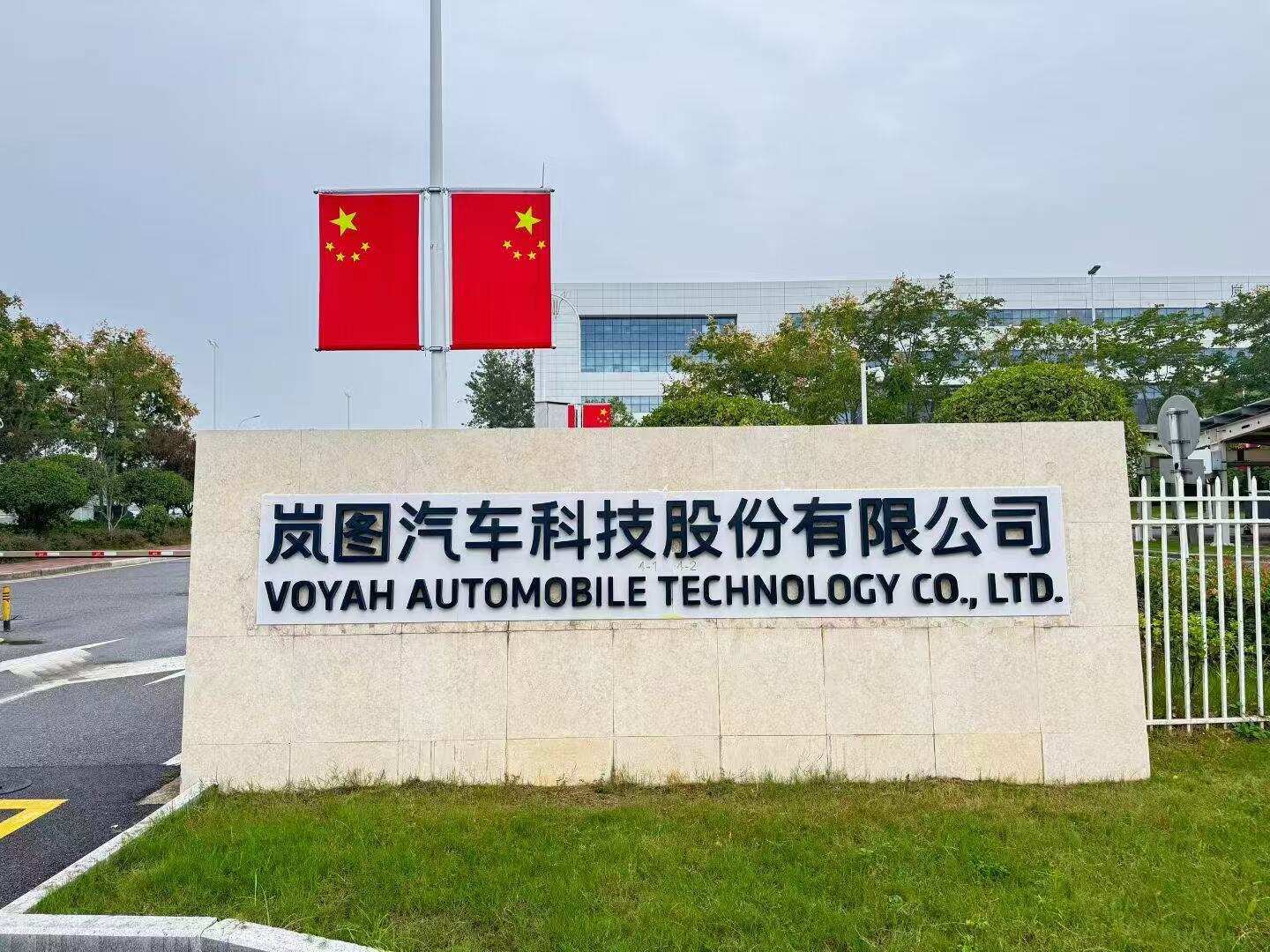
岚图汽车完成港股上市前置审批 预计3月19日港交所挂牌
Sou Hu Cai Jing· 2026-02-14 05:48
Core Viewpoint - Lantu Automotive is set to become the first high-end new energy vehicle brand with central state-owned enterprise background to be listed on the Hong Kong Stock Exchange, with its listing expected on March 19, 2026, following a rapid approval process [1][12]. Group 1: Listing and Financial Performance - Lantu Automotive completed all pre-listing regulatory approvals and updated its prospectus, marking a significant milestone in its IPO journey [1]. - The company initiated its Hong Kong listing process in August 2025, submitted its application in October, and received approval in January 2026, showcasing efficiency in regulatory compliance [1]. - From 2023 to 2025, Lantu's sales grew from 50,285 units to 150,169 units, representing a compound annual growth rate (CAGR) of 73%, while revenue increased from 12.75 billion yuan to 34.86 billion yuan, with a CAGR of 65.4% [1]. Group 2: Technological Advancements - Lantu Automotive emphasizes core technology autonomy as a strategic foundation for development, with a focus on innovation in key areas such as platform architecture and smart technology [2]. - As of December 31, 2025, Lantu holds 1,874 granted patents and has 5,405 patents pending, leading the new energy vehicle sector in patent growth [2]. - The company has developed the world's first native intelligent electric architecture compatible with multiple power modes and a centralized SOA electronic and electrical architecture, which are crucial for product innovation [2]. Group 3: Product Development and Market Position - Lantu has launched the 800V Lanhai intelligent super hybrid technology, achieving significant electric range and fast charging capabilities, recognized as a major technological breakthrough [4]. - The company has established a comprehensive product lineup, including SUVs, MPVs, and sedans, to meet diverse consumer needs and drive brand growth [6]. - Lantu's Dreamer model has become a top seller in the high-end MPV market, breaking the dominance of foreign brands and enhancing the image of Chinese brands [7]. Group 4: User Experience and Global Expansion - Lantu is enhancing user experience through extensive charging network development, connecting over 100,000 charging stations and 1.5 million charging piles, achieving a 99% coverage rate in urban and county areas [9]. - The company is accelerating its global expansion, having entered over 40 countries and regions, promoting Chinese high-end manufacturing and cultural values [9]. Group 5: Future Product Plans - Lantu plans to launch a series of new models in 2026, all equipped with L3-level intelligent driving hardware, including the Lantu Taishan Ultra and Taishan X8 [10][11]. - The company aims to redefine the MPV segment with the upcoming "珠峰" model, which will introduce 12 groundbreaking technologies and set new standards for luxury and intelligent features in the market [11].

徐工机械(000425) - 2026年2月4日投资者关系活动记录表
2026-02-14 05:16
Group 1: Mining Machinery Business - The company offers a comprehensive range of mining machinery products, including two-bridge mining trucks, excavators, electric shovels, and wide-body dump trucks, positioning itself as a leading player in the global market [2] - The mining machinery sector is projected to exceed 40 billion by 2030, driven by increasing demand for new energy minerals and ongoing upgrades in mining equipment [3] - The company has established a strong technical foundation in mining machinery, receiving recognition from international high-end clients [3] Group 2: Financial Performance and Strategy - The company's gross margin increased by 0.7 percentage points in the first half of 2025, with plans for continued improvement through cost reduction and structural adjustments [3] - Future gross margin growth is expected to align with industry cycles and operational progress, with a focus on stabilizing prices and reducing costs across procurement, R&D, and production [3] Group 3: Global Market Expansion - The mining machinery export business operates in over 190 countries, with key markets in Southeast Asia, Latin America, Africa, and Oceania [3] - The company aims to enhance its market penetration and competitiveness through accelerated globalization and localization strategies [3] Group 4: New Energy Mining Machinery - The company leverages its core components in electric control to enhance the competitiveness of its new energy mining machinery, aiming to provide comprehensive solutions for various application scenarios [3] Group 5: Agricultural Machinery Development - Established in June 2020, the agricultural machinery division focuses on high-end, large-power products, achieving significant revenue growth in recent years [3] - The division aims to provide optimal solutions for sustainable agricultural development, with a commitment to advanced technology and autonomous systems [3]

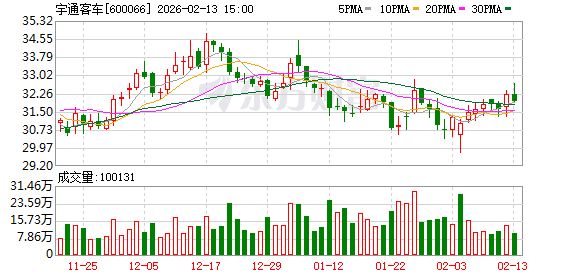
宇通客车:公司为客户提供专属的智能化车队管理平台
Zheng Quan Ri Bao· 2026-02-13 12:44
Group 1 - The company, Yutong Bus, is enhancing its connected vehicle products and operational management solutions through features such as vehicle monitoring, driver behavior analysis, remote vehicle control, intelligent inspections, and peak-valley charging management [2] - Yutong Bus aims to provide customers with a dedicated intelligent fleet management platform by optimizing its products like Anruitong, Anxin, and LINK+ (overseas connected vehicle products) [2]

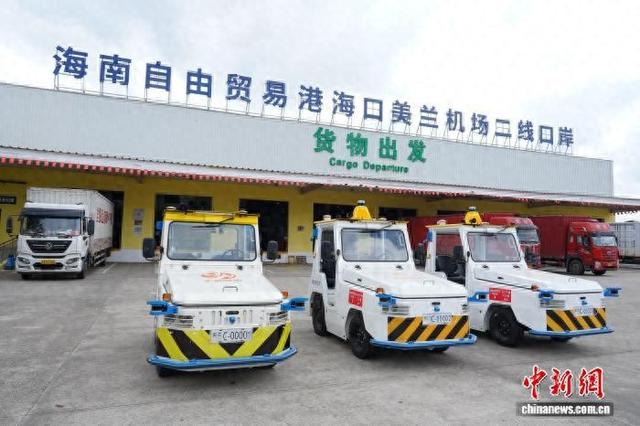
海南自贸港首个机场航空物流无人驾驶示范项目海口上线
Zhong Guo Xin Wen Wang· 2026-02-13 12:33
Core Viewpoint - Haikou Meilan International Airport has launched the first airport aviation logistics unmanned driving demonstration project in Hainan Free Trade Port, marking a significant breakthrough in the intelligent and unmanned transformation of the aviation logistics sector [1][3]. Group 1: Project Overview - The unmanned driving demonstration project was officially launched on February 12, 2023, at Haikou Meilan International Airport [3]. - The project aims to enhance the efficiency of ground transportation in aviation logistics, addressing challenges posed by traditional manual driving methods [3][4]. Group 2: Technology and Features - The unmanned driving vehicles are equipped with advanced technology, including laser radar, visual cameras, and collision avoidance sensors, creating a comprehensive environmental perception system [3][4]. - The autonomous driving system operates in all weather conditions and features cloud-based intelligent scheduling, significantly improving cargo turnover efficiency and operational reliability [3][4]. Group 3: Operational Details - Currently, the project has launched four cargo transport routes, allowing vehicles to operate 24 hours a day [4]. - A safety officer accompanies each unmanned vehicle during the initial phase to handle any emergencies that may arise [4]. - Plans are in place to add five more cargo and baggage transport routes, as well as perimeter patrols, to facilitate seamless transfers between the airport and cargo warehouses [4].
“流动中国”背后的硬实力
Jing Ji Guan Cha Wang· 2026-02-13 07:29
Core Insights - The 2026 Spring Festival travel period is expected to see a record 9.5 billion trips, averaging nearly 7 trips per person in China, highlighting the immense scale of domestic travel [1] - The integration of high-speed rail and large aircraft, such as the C919, enhances travel efficiency, making same-day travel a norm and showcasing China's advancements in transportation technology [2] - The application of smart technologies in ticketing and travel services significantly improves the efficiency and convenience of travel during the Spring Festival [3] - The massive scale of travel reflects the vibrant potential of China's domestic market, which is poised to drive economic growth [4] Group 1: Transportation Infrastructure - The opening of 22 new high-speed rail lines totaling 3,109 kilometers and the introduction of over 50 new passenger stations for the Spring Festival enhances the capacity of the transportation network [1] - The daily operation of over 14,000 passenger trains and nearly 19,400 flights during peak travel days demonstrates the robust capacity of the transportation system to handle high passenger volumes [1] Group 2: Technological Advancements - The deployment of 14 C919 aircraft by Eastern Airlines and 9 by Air China during the Spring Festival signifies the growing role of domestic aircraft in enhancing travel options [2] - The continuous upgrades to the 12306 ticketing system and the introduction of AI for passenger flow prediction improve ticket purchasing success rates and overall travel experience [3] Group 3: Electric Vehicle Integration - The expected daily traffic of nearly 9.5 million electric vehicles on highways during the Spring Festival indicates a significant shift towards sustainable travel options [2] - The expansion of charging infrastructure, including over 20 million charging facilities by the end of 2025, supports the growing use of electric vehicles [2] Group 4: Customer Service Enhancements - The introduction of services such as phone ticket booking for the elderly and free ticket refunds within 30 minutes enhances customer service and accessibility [3] - Innovations like "door-to-door" luggage delivery and convenient charging solutions for electric vehicles improve the overall travel experience [3]
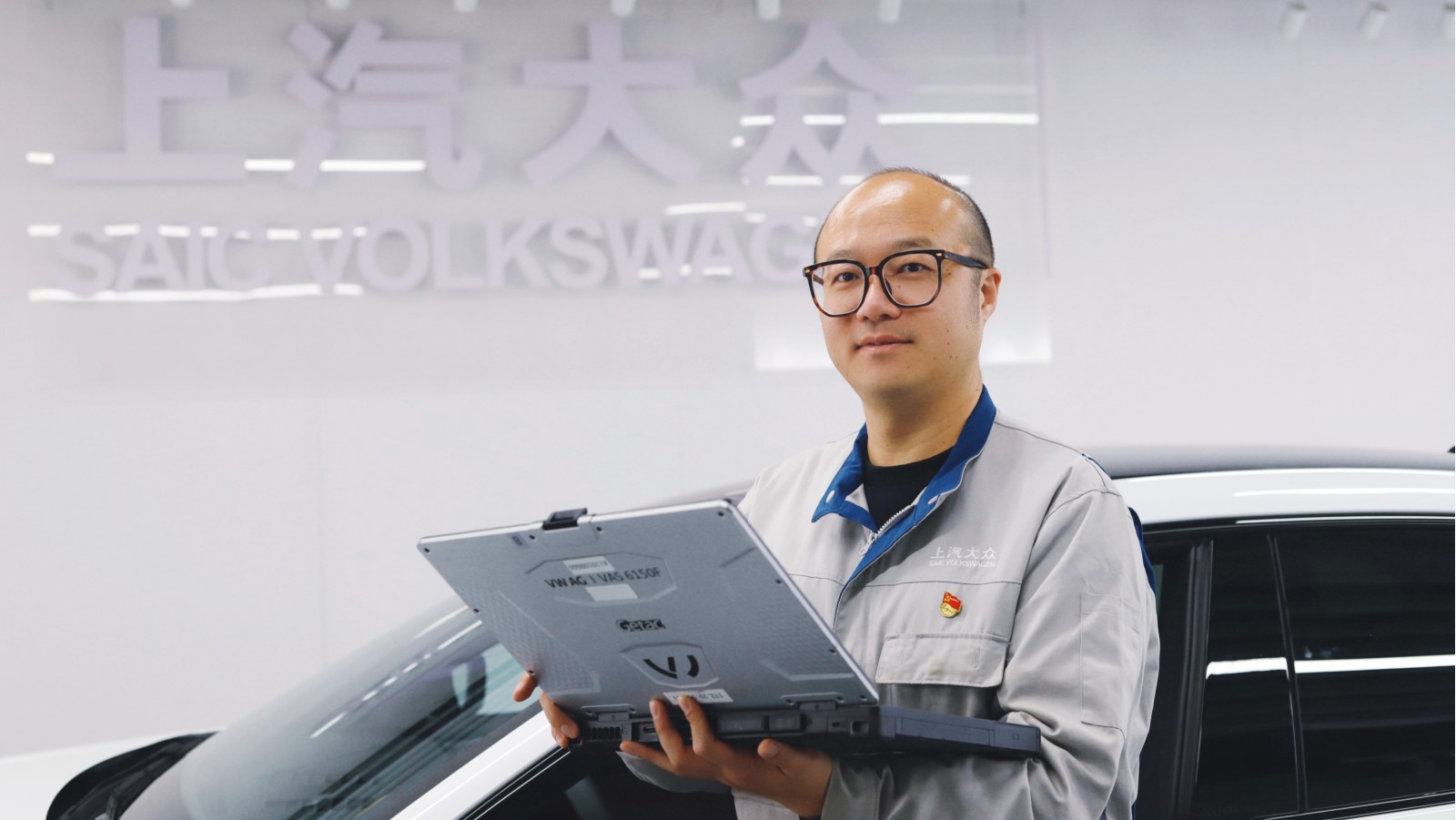
上汽大众王建强:电气化时代更要守住品质基因和安全底线
Zhong Guo Qi Che Bao Wang· 2026-02-13 07:16
Core Viewpoint - The mission of automotive companies is to provide high-quality vehicles that are enjoyable to drive, emphasizing the importance of quality control and safety as the foundation for long-term survival and brand trust [1][3]. Group 1: Quality Control and Manufacturing - The company focuses on ensuring the manufacturability of each production process and controlling quality issues through a comprehensive project workflow, which helps eliminate risks and maintain product consistency during mass production [3]. - A data-driven continuous improvement mechanism is crucial for enhancing product quality, utilizing big data analysis software to monitor and analyze vehicle data for stable and consistent product quality [3][5]. Group 2: Technological Innovations in Production - The company has implemented dynamic calibration technology in mass production, allowing for efficient online calibration of various sensors as vehicles pass through a short test track, thus achieving breakthroughs in calibration efficiency and intelligence [4]. - To address the challenges of sensor installation precision, the company developed an intelligent analysis and digital twin application platform for automotive electrical inspection, which enhances production efficiency and quality stability through real-time data monitoring and anomaly alerts [5]. Group 3: New Energy Transition and Team Development - The company has established a comprehensive and rigorous new energy manufacturing system, with specialized teams that include trained experts capable of handling high-voltage operations and safety protocols, fostering a culture of innovation and proactive learning among team members [6]. - The focus has shifted towards optimizing electrical inspection processes and integrating advanced detection technologies with smart manufacturing concepts to enhance efficiency and precision in the production line [6]. Group 4: Future Directions and Smart Manufacturing - The company aims to leverage intelligent technology to optimize manufacturing processes, aligning smart production lines with smart vehicles, and enhancing data monitoring and analysis capabilities for lean management in large-scale manufacturing [7]. - Ongoing development of an intelligent expert diagnostic system is underway, utilizing accumulated experience data to create a vehicle fault diagnosis system that guides lean operations on the production line [7].
吉利周大永:用技术创新支撑中国汽车全球化发展
Zhong Guo Qi Che Bao Wang· 2026-02-13 07:00
Core Insights - The development of zero-gravity seats is a significant aspect of the high-end transformation of Chinese automobiles, focusing on quality and comfort for consumers [1] - The automotive industry in China is experiencing a shift towards innovation and leadership, particularly in the dimensions of intelligence ("智") and quality ("质") [3] Group 1: Intelligence ("智") - Intelligent tools such as AI have been integrated into every stage of automotive development, significantly reducing the time and cost associated with physical testing [4] - The transition from experience-driven to data-driven development has led to substantial improvements in efficiency and quality [4] Group 2: Quality ("质") - The introduction of the All-Domain Safety 2.0 technology system by Geely represents a significant upgrade in automotive safety, incorporating a comprehensive view of safety that includes "public domain safety" [5] - Geely has established a global safety center to enhance its verification capabilities, ensuring compliance with global regulations and addressing real-world complexities [5] Group 3: Collaborative Innovation - The enhancement of automotive safety performance requires collaborative efforts across the industry, moving from a follower to a leader role [6] - The integration of various disciplines within automotive development is essential for rapid iteration and systemic responses to technological innovations [6] Group 4: Case Study - Zero-Gravity Seat - The development of the zero-gravity seat involved creating a unique testing dummy to simulate collision impacts for non-standard seating positions, showcasing Geely's commitment to innovation in safety verification [8] - This initiative reflects a broader goal of establishing Chinese standards in global safety testing frameworks [8] Group 5: Globalization and Future Strategy - Geely is preparing for globalization by fostering cross-disciplinary talent and establishing deeper collaborations within the industry [9] - The aim is to ensure that Chinese automotive products and technologies are competitive globally, adapting to various market needs and regulations [9]


2026车企新车规划盘点 这些新车值得关注
Zhong Guo Zhi Liang Xin Wen Wang· 2026-02-13 06:54
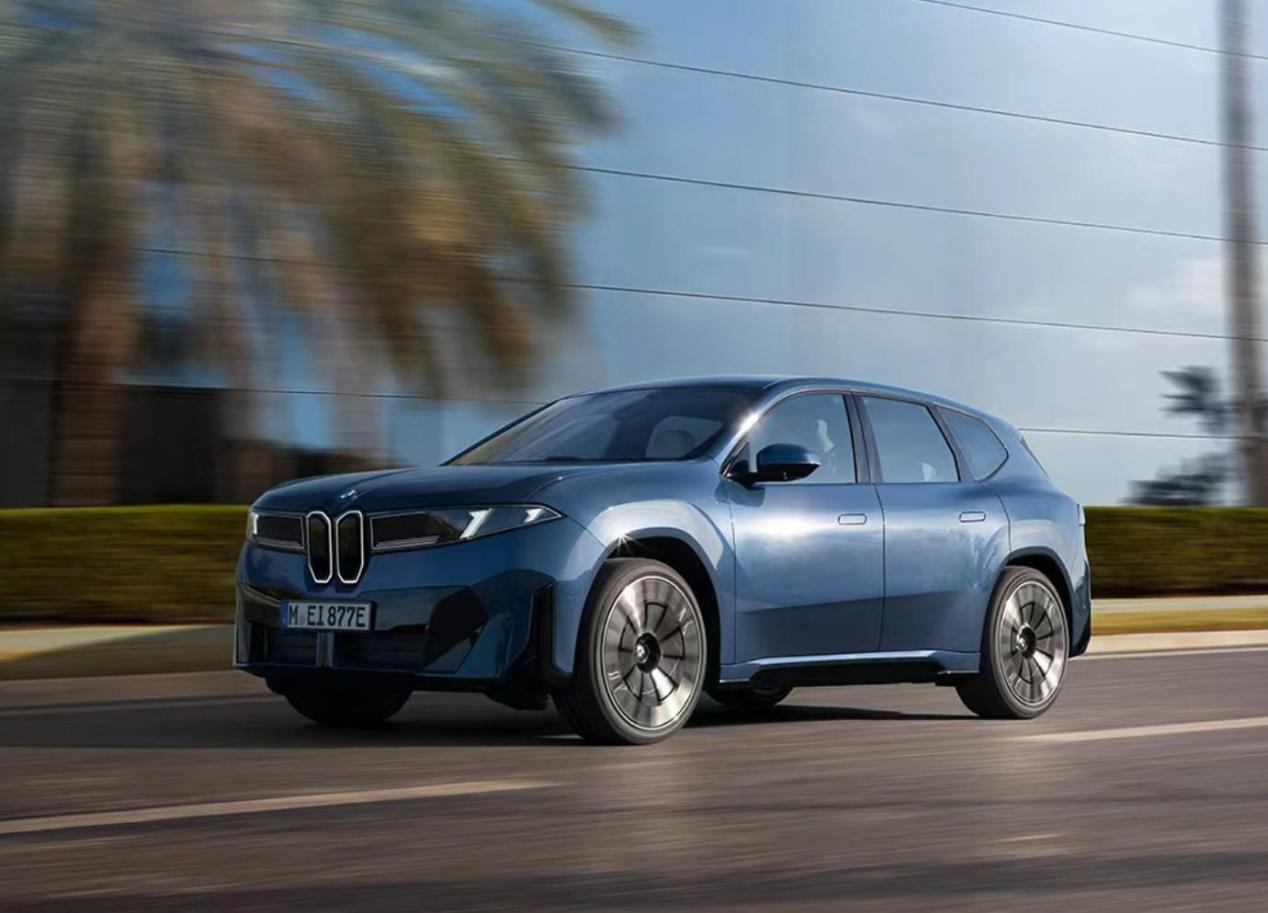
Industry Overview - The domestic automotive industry is entering a new phase focused on quality and efficiency, moving away from price competition to technology innovation and product upgrades to attract consumers [1] - In 2025, domestic passenger car production and sales are expected to reach new highs, with various automakers announcing new vehicle plans across different segments [1] BMW Group - BMW Group plans to launch approximately 20 new models across its three brands by 2026, including the locally produced BMW iX3 long-wheelbase version [2] - The new models will incorporate advanced technologies such as BMW's new generation electric drive technology and AI integration [2][4] Mercedes-Benz - Mercedes-Benz will introduce over 15 new and updated products in 2026, adhering to a strategy of "oil-electric homogeneity" and "oil-electric intelligence" [5] - The lineup will include new models like the long-wheelbase pure electric GLC SUV and the next-generation S-Class sedan [5][7] FAW-Volkswagen - FAW-Volkswagen plans to launch up to 13 new models in 2026, covering fuel, hybrid, and pure electric vehicles [9] - New models will include the all-new Sagitar S, Tayron S, and several Audi models, with a focus on advanced intelligent cockpit and driving assistance systems [9] SAIC Volkswagen - SAIC Volkswagen aims to release at least 7 new energy vehicles in 2026, emphasizing a strategy of "oil-electric co-progression" [11] - The ID.ERA 9X will be the first model in the new ID.ERA series, marking a significant step in the brand's transition to new energy [11] BYD - BYD plans to launch multiple new models across its various brands in 2026, including flagship models in the Dynasty and Ocean series [13] - The company will hold 12 product launch events throughout the year, covering high-end SUVs, performance supercars, and sedans [13] Geely - Geely is expected to introduce over 10 new energy models in 2026, covering various segments such as sedans, SUVs, and MPVs [15] - The Galaxy series will see the addition of new mid-to-large sedans and SUVs, while the Zeekr brand will focus on high-end models [15] Leap Motor - Leap Motor plans to launch 4 new models targeting the mainstream and high-end markets, including a small pure electric SUV and a flagship MPV [17] NIO - NIO will introduce several new models across its three brands, including the flagship ES9 SUV and the L80, a "super five-seat SUV" [18] XPeng Motors - XPeng Motors will launch 7 new "dual-energy" models in 2026, including the new AI luxury SUV [20] - The company emphasizes the integration of self-developed technologies in its new models [20] Hongmeng Zhixing - Hongmeng Zhixing plans to launch 12 new models in 2026, covering a wide price range from family cars to ultra-luxury vehicles [22] - The lineup will include new SUVs and MPVs, with a focus on differentiating market segments [22]


铁建重工智能盾构系统应用,股价小幅波动
Jing Ji Guan Cha Wang· 2026-02-13 03:29
Group 1 - The company has made significant progress in technology research and development, market expansion, and business layout, including the application of an intelligent system for shield tunneling operations and risk prevention, which has achieved over 90% accuracy in decision-making support [1] - The company won a procurement project from the Nagqu City Federation of Trade Unions, amounting to 1.75 million yuan [1] - The company has expanded its business scope to include new energy and agricultural machinery following a recent business registration change [1] - The company's high-end products, including shield machines, have successfully entered multiple European markets [1] - The company has received several invention patent authorizations, including for a "rapid excavation shield machine and excavation method" [1] Group 2 - Over the past week (February 7 to 13, 2026), the company's stock price fluctuated with a range of 1.92% and an amplitude of 2.68% [2] - On February 11, the stock price increased by 0.95% to 5.34 yuan, with a net outflow of 41.19 thousand yuan in main funds [2] - On February 13, the latest stock price was 5.32 yuan, reflecting a decrease of 0.37% with a net inflow of 27.8 thousand yuan in main funds [2] - During the same period, the company's engineering machinery sector declined by 1.67%, and the overall market index showed weak performance [2]
