
智能网联

Search documents
“增动能 启新篇 向全球” 2025泰达汽车论坛在津成功举办
Zhong Guo Jing Ji Wang· 2025-09-15 02:43
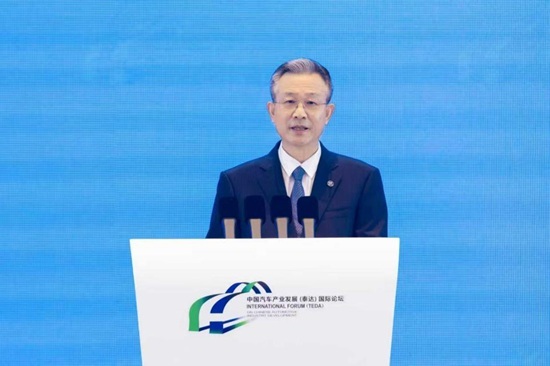
Core Viewpoint - The 21st China Automotive Industry Development (Teda) International Forum was successfully held in Tianjin, focusing on the theme "Increasing Momentum, Opening New Chapters, and Going Global" with highlights in cross-industry innovation, quality improvement, government-enterprise dialogue, and discussions in frontier fields [1] Group 1: Industry Development Suggestions - The chairman of the China Automotive Technology Research Center proposed three key suggestions for the automotive industry during the "14th Five-Year Plan" period: enhancing independent innovation capabilities, promoting the transition from old to new driving forces, and deepening international cooperation to shape a new future for the industry [4] - The current shift towards intelligent electric vehicles is expected to bring significant changes to the automotive industry, with rapid advancements in key technologies such as all-solid-state batteries and vehicle-to-network interactions providing new development momentum [5] Group 2: Policy and Dialogue Mechanisms - Senior officials from various government departments provided insights on vehicle emission pollution control, new measures to stabilize automotive industry growth, and the integration of data elements into the automotive sector, emphasizing the need for a scientific approach to the "14th Five-Year Plan" [7][10] - The forum established a dialogue mechanism to ensure that policy-making is evidence-based, corporate demands are addressed, and industry development is guided effectively [14] Group 3: Forum Structure and Output - The forum upgraded its organizational structure by inviting industry organizations and leading enterprises from sectors like energy and artificial intelligence to participate, fostering cross-industry innovation [13] - A total of 27 think tank outputs were generated during the forum, including 8 specialized reports, 11 industry research reports, and various consensus discussions, showcasing a multi-faceted approach to professional insights [12] Group 4: International Collaboration and Market Expansion - The forum set up specialized discussions on global market trends, national automotive policies, and international collaboration opportunities, aiming to assist enterprises in their high-quality international expansion strategies [18] - The Tianjin Economic and Technological Development Zone has become a significant hub for the automotive industry, with major manufacturers and over 200 supporting enterprises contributing to a complete supply chain [19]

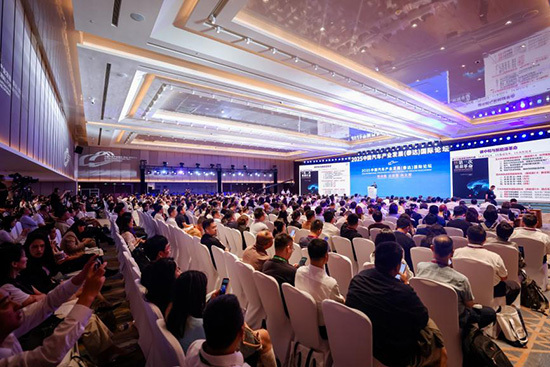
“增动能 启新篇 向全球” 2025泰达汽车论坛在天津举办
Zhong Zheng Wang· 2025-09-15 02:35
Core Viewpoint - The 21st China Automotive Industry Development (Teda) International Forum emphasizes the theme "New Momentum for Global Development," focusing on sustainable development and innovation in the automotive industry [1][2]. Group 1: Forum Highlights - The forum featured high-level dialogues, policy interpretations, technology displays, and cross-industry discussions, releasing significant research findings to support the automotive industry's new productive forces and sustainable development [1]. - The forum has been held for 21 years in Tianjin, aiming to promote high-quality and sustainable development in the automotive sector [2]. Group 2: Industry Development Strategies - Tianjin is implementing the Beijing-Tianjin-Hebei integration strategy, promoting the integration of smart technology and the automotive industry, and enhancing international market access through its port and free trade zone advantages [1]. - Recommendations for the automotive industry during the 14th Five-Year Plan period include enhancing independent innovation capabilities, stabilizing the transition between old and new growth drivers, and deepening international cooperation [1][2]. Group 3: Technological Advancements - The transition to fully intelligent electric vehicles is expected to bring significant changes to the automotive industry, with key technologies like solid-state batteries and vehicle-to-network interaction driving new development momentum [2]. - The Tianjin Economic and Technological Development Zone has become a major hub for the automotive industry, housing leading companies and over 200 parts suppliers, creating a comprehensive support system for the sector [2].
安铁成:智能网联新能源汽车是产业变革的核心引擎
Zhong Guo Jing Ji Wang· 2025-09-15 02:35
Core Viewpoint - The integration of smart connected new energy vehicles is a key driver for transforming China from a "big automotive country" to a "strong automotive country," supporting the upgrade of the real economy and integration into the global industrial system [1] Group 1: Achievements in the Automotive Industry - In the first eight months of 2025, China's automotive production and sales reached 21.05 million and 21.12 million units, respectively, with year-on-year growth of 12.7% and 12.6%, maintaining its position as the global leader [3] - New energy vehicles (NEVs) emerged as a core growth driver, with sales exceeding 9.6 million units, reflecting a year-on-year increase of 36.7% [3] - The market penetration rate of Chinese brand passenger cars reached 68.8%, indicating a continuous enhancement of domestic brand competitiveness [3] - China exported 4.292 million vehicles, remaining the world's largest automotive exporter [3] Group 2: Technological Innovations and Industry Ecosystem - The competition among enterprises has shifted from "cost advantage" to "innovation leadership," laying a solid foundation for the application of advanced automotive technologies and quality improvement [4] - Significant advancements in mixed solid-liquid battery energy density and safety have been achieved, along with the implementation of megawatt-level ultra-fast charging technology [4] - The proportion of new passenger cars equipped with combined assisted driving functions increased to 62.1% in the first half of the year, indicating a shift towards technological equity and industry transformation [4] - A key component supply chain is gradually forming in major automotive industry clusters, and the largest global charging network for NEVs is being established [4] Group 3: Challenges and Recommendations - The automotive industry faces challenges such as bottlenecks in high-end automotive-grade chips and risks in core technology areas that remain unresolved [5] - The commercialization of smart connected vehicles is in its early stages, with the need for breakthroughs in large-scale applications and vehicle-road-cloud collaboration capabilities [5] - Recommendations include enhancing independent innovation capabilities, stabilizing the transition between old and new driving forces, and deepening international cooperation to promote global industrial layout [6][7]
八部门印发《汽车行业稳增长工作方案(2025—2026年)》,锂电下游需求旺盛,新能车ETF(515700)开盘涨超2.0%
Xin Lang Cai Jing· 2025-09-15 01:44
Group 1 - The Ministry of Industry and Information Technology and eight other departments issued the "Automobile Industry Stabilization Growth Work Plan (2025-2026)", aiming for 32.3 million vehicle sales in 2025, a year-on-year increase of approximately 3%, with new energy vehicle sales targeted at 15.5 million, a year-on-year increase of about 20% [1] - The plan emphasizes the need to promote automobile consumption, including support for vehicle trade-ins and the renewal of new energy city buses and power batteries [1] - The plan also focuses on advancing the industrial application of intelligent connected technology, including the approval of L3-level vehicle production [1] Group 2 - According to Founder Securities, the long-term growth logic of intelligent connected vehicles is strengthening, and leading companies are expected to undergo a valuation reshaping [2] - The demand for energy storage systems in China remains high, reflecting the strong need for new power systems, which will lay a foundation for stable development in the domestic energy storage market from 2026 to 2027 [2] - The new energy vehicle ETF closely tracks the CSI New Energy Vehicle Industry Index, with nearly half of its weight concentrated in batteries, benefiting from the recovery of lithium battery demand [2] Group 3 - As of August 29, 2025, the top ten weighted stocks in the CSI New Energy Vehicle Industry Index accounted for 54.55% of the index, including companies like CATL, BYD, and Tianqi Lithium [3] - The new energy vehicle ETF has several off-market linkages, indicating a structured investment approach in the sector [3]
2025中国汽车产业发展(泰达)国际论坛在天津召开
Xin Hua Wang· 2025-09-15 01:01
Core Insights - The 21st China Automotive Industry Development (Tianjin) International Forum was successfully held in Tianjin from September 11 to 14, focusing on the theme "Increasing Momentum, Opening New Chapters, and Going Global" [1][2] - The forum aimed to leverage high-end think tank advantages to support sustainable development in the automotive industry through various activities, including high-level dialogues, policy interpretations, and technology showcases [1][2] Industry Trends - The forum emphasized the integration of smart technology and the automotive industry, promoting innovation and international cooperation to enhance the industry's global competitiveness [2][3] - Experts highlighted the transition to an era of intelligent electric vehicles, with advancements in solid-state batteries and vehicle-to-network interactions expected to drive significant changes in the automotive sector [2][3] Policy Recommendations - Key recommendations included enhancing independent innovation capabilities, facilitating the transition from old to new driving forces, and deepening international cooperation to shape a more efficient automotive industry [2][3] - The forum provided a platform for policy interpretation related to vehicle emissions, automotive consumption stimulation, and the integration of data elements into the automotive industry [3][4] Forum Achievements - The forum produced 27 think tank outcomes, including 8 specialized reports and 11 industry research reports, aimed at addressing industry hot topics and providing professional insights [4][5] - It established a dialogue mechanism between government and enterprises to ensure policy implementation aligns with industry needs and challenges [5] Regional Development - Tianjin Economic and Technological Development Zone has become a significant hub for the automotive industry, with a production output of 419,700 vehicles from January to August 2025, representing a year-on-year increase of 5.06% [6] - The zone hosts major automotive manufacturers and over 200 supporting enterprises, creating a comprehensive supply chain that contributes to regional economic growth [6]
八部门发文划定2025年汽车销量3230万辆目标
Zheng Quan Ri Bao· 2025-09-14 16:13
Core Viewpoint - The "Automobile Industry Stabilization and Growth Work Plan (2025-2026)" aims to promote the development of the automotive industry with a focus on steady growth, enhancing the entire industry chain, and stimulating consumption potential [1][2]. Group 1: Industry Growth Targets - The plan targets an annual automobile sales volume of approximately 32.3 million units by 2025, representing a year-on-year growth of about 3%, with new energy vehicle (NEV) sales expected to reach around 15.5 million units, a growth of about 20% [1]. - By 2026, the industry is expected to maintain a stable and positive development trend, with further improvements in scale and quality [1]. Group 2: Demand-Side Initiatives - The plan emphasizes accelerating the market expansion of NEVs and enhancing efforts to promote automobile consumption, including the electrification of public vehicles in 25 pilot cities, aiming to add over 700,000 NEVs in public transport, taxis, and logistics [2]. - It also includes initiatives for rural areas, such as promoting NEVs and improving charging infrastructure, as well as supporting fuel cell vehicle applications [2]. Group 3: Supply-Side Strategies - The plan calls for technological innovation to stimulate consumer demand and improve product quality through standard upgrades, ensuring stability in the supply chain [3]. - It highlights the importance of digital and intelligent transformation in the automotive sector, including the development of key technologies like automotive chips and solid-state batteries [3][4]. Group 4: Market Environment Optimization - Recent data shows that in the first eight months of the year, automobile production and sales reached 21.05 million and 21.12 million units, respectively, with year-on-year growth of 12.7% and 12.6% [5][6]. - NEVs have become a significant growth driver, with production and sales of 9.625 million units, reflecting a year-on-year increase of 37.3% and 36.7% [6]. Group 5: Regulatory and Competitive Environment - The plan includes measures to regulate the automotive industry’s competitive order, such as strengthening cost investigations and price monitoring, and addressing issues related to payment terms for suppliers [7]. - A special campaign to address online irregularities in the automotive sector has been initiated to combat illegal profit-making and false advertising [7].
综述|中德汽车产业携手开拓转型新机遇
Xin Hua She· 2025-09-14 08:11
Group 1 - The 2025 International Motor Show in Munich showcased over 300 German companies and more than 110 Chinese companies, highlighting the robust collaboration between the Chinese and German automotive industries amid industry transformation [1] - Key discussions at the event focused on the integration of Chinese innovation and German engineering to overcome technological bottlenecks and drive industry transformation [1][2] - The cooperation between the two countries has created an efficient ecosystem that delivers innovative, cost-effective, and environmentally friendly products and solutions [1] Group 2 - BMW's chairman emphasized that the auto show symbolizes the deepening relationship between Germany and China, with collaborations in battery technology, smart driving, and software-defined vehicles enhancing product innovation [2] - Volkswagen's chairman noted that cross-industry and cross-company partnerships between Germany and China are crucial for accelerating the transition to smarter and safer mobility solutions [2] - Mercedes-Benz is increasing its investment in China, with over 14 billion RMB allocated for new technology development, recognizing China's significance in global strategies [2] Group 3 - German automotive parts manufacturer, ZF Group, highlighted the importance of collaborative innovation with Chinese tech companies, focusing on software-defined vehicles [3] - Chinese intelligent driving company, Zhuoyu Technology, showcased its advanced driving assistance systems developed in partnership with Volkswagen, indicating a growing presence in both domestic and international markets [3][4] - The partnership between Volkswagen and Zhuoyu represents a shift from traditional supplier relationships to a more collaborative model, enhancing innovation through mutual benefits [4] Group 4 - Xiaopeng Motors presented a range of technologies, including smart electric vehicles and flying cars, emphasizing the need for enhanced communication and cooperation between European and Chinese automakers [5] - The chairman of GAC Group stressed the necessity of collaboration in smart connectivity and new energy vehicles, highlighting the potential for mutual learning and cooperation in manufacturing and sustainable development [5]
综述丨中德汽车产业携手开拓转型新机遇
Xin Hua Wang· 2025-09-14 08:09
Core Viewpoint - The collaboration between the Chinese and German automotive industries is thriving, showcasing significant opportunities for transformation and innovation in the sector, particularly in smart and electric mobility [1][2]. Group 1: Industry Collaboration - Over 300 German companies and more than 110 Chinese companies participated in the 2025 International Motor Show in Munich, highlighting the strong partnership between the two nations [1]. - The automotive industry leaders from both countries emphasized the importance of mutual learning and cooperation to overcome technological challenges and drive industry transformation [1][2]. - The cooperation has evolved from vehicle manufacturing to encompass the entire supply chain, with technology and battery companies also showcasing their collaborative efforts [2][3]. Group 2: Key Insights from Executives - BMW's chairman noted that the presence of both German and Chinese companies at the auto show sends a strong signal of deepening relations, with collaborations in battery technology and smart driving enhancing product innovation [2]. - Volkswagen's chairman highlighted that the partnership between Germany and China is a powerful engine for the industry's transition towards smarter and safer mobility solutions [2]. - Mercedes-Benz's chairman stated that China's innovative capabilities and talent are crucial for the company's global strategy, with significant investments being made in collaboration with Chinese partners [2]. Group 3: Success Stories and Innovations - ZF Group's chairman emphasized the importance of collaborative innovation, particularly in developing "software-defined vehicles" in partnership with Chinese tech firms [3]. - The partnership between Chinese smart driving company Zhuoyue Technology and Volkswagen has resulted in successful joint development of advanced driving assistance systems, demonstrating the effectiveness of long-term collaboration [3][4]. - Xiaopeng Motors showcased a range of innovative products at the auto show, emphasizing the need for enhanced communication and cooperation between European and Chinese automakers [5].

安铁成:建议在智能网联、碳减排等领域提出“中国方案”
Yang Shi Wang· 2025-09-13 11:35
Core Insights - The development of intelligent connected new energy vehicles is crucial for China's transition from a "big automotive country" to a "strong automotive country," serving as a key driver for industrial transformation and integration into the global industrial system [1] Group 1: Strategic Recommendations for 2025 - The year 2025 is pivotal for the automotive industry, marking the end of the 14th Five-Year Plan and the beginning of the 15th, focusing on high-quality development and new energy vehicle integration [3] - Emphasis on enhancing independent innovation capabilities and developing new production forces by focusing on high-end automotive chips, new energy power systems, and advanced chassis architectures [3] - The integration of artificial intelligence, big data, and edge computing into the entire lifecycle of automotive development, manufacturing, and service is essential for technological breakthroughs and enhancing core competitiveness [3] Group 2: Transitioning to New Energy Vehicles - A dual approach of optimizing new energy vehicle growth while revitalizing existing fuel vehicle markets is necessary for a smooth transition [4] - The promotion of low-carbon transformation of traditional fuel vehicles through technological upgrades and supply chain restructuring is critical [4] - The establishment of a comprehensive regulatory framework for intelligent connected vehicles, including standards and policies, will support the commercialization of L3 and above autonomous vehicles [4] Group 3: International Cooperation and Globalization - Strengthening international collaboration and research is vital for enhancing the global presence of Chinese automotive enterprises [5] - Active participation in global governance and standard-setting in areas like intelligent connectivity and carbon reduction will improve China's contribution to global automotive governance [5] - Supporting leading companies in establishing R&D centers and manufacturing bases overseas will facilitate the localization of production and innovation [5]
3230万辆!我国汽车销量将连续三年创新高
Di Yi Cai Jing· 2025-09-13 09:24
供需两侧同时着手,促进汽车产业稳增长。 9月13日,工业和信息化部等八部门印发《汽车行业稳增长工作方案(2025—2026年)》(下称"工作方 案")。 第一财经注意到,"工作方案"既看到了中国汽车产业尤其是新能源汽车连续增长的良好基础,也清醒认 识到当前面临的海外竞争加剧、国内有效需求不足、行业存在无序竞争等严峻复杂的内外部环境。"力 争实现全年汽车销量3230万辆左右""督促重点车企落实好支付账期承诺""开展汽车行业网络乱象专项整 治""有条件批准L3级车型生产准入"等成为行业关注重点。 方案中提出,2025年,力争实现全年汽车销量3230万辆左右,同比增长约3%,其中新能源汽车销量 1550万辆左右,同比增长约20%;汽车出口保持稳定增长;汽车制造业增加值同比增长6%左右。 2023年,我国汽车销量首次突破3000万辆大关,2024年进一步增至3144万辆。 记者注意到,今年我国汽车3230万辆的销量目标若能完成,将连续第三年创下历史新高。 根据最新发布的数据,今年1~8月,我国汽车销量为2112.8万辆,按照3230万辆左右的销量目标,9~12 月还要完成1117.2万辆,对比去年同期完成的1267万 ...