
生态修复

Search documents
小流域治理也不能忘了防洪
Zhong Guo Huan Jing Bao· 2025-07-11 06:42
Group 1 - The current flood season poses significant challenges for flood prevention tasks in many areas, with some regions neglecting flood control efforts during small watershed management, leading to safety hazards and adverse impacts on local flood prevention work [1] - Small watershed management is a comprehensive and systematic project, where flood prevention during the flood season is crucial for the safety of people's lives and property, as well as the effectiveness and long-term stability of the entire management project [1] - Flood prevention should not be conducted in isolation but should be integrated with various measures such as water conservancy law enforcement, ecological restoration, soil and water conservation, and comprehensive water resource utilization [1] Group 2 - Small watersheds often have significant topographical variations and uneven surface coverage, leading to rapid runoff formation after rainfall, which can trigger sudden disasters like flash floods and mudslides [2] - During small watershed management, it is essential to consider the natural geographical features and historical hydrological data of the watershed to design appropriate drainage systems, flood control dams, and diversion channels [2] - Establishing and improving real-time monitoring and early warning systems for rainfall, water conditions, and disasters is crucial for timely information collection, transmission, and analysis to support emergency responses [2] Group 3 - To ensure the long-term effectiveness and systematic nature of flood prevention efforts, it is necessary to strengthen institutional frameworks and technological support [3] - A sound regulatory framework and responsibility mechanism for small watershed management should be established, clarifying the flood prevention responsibilities of various government levels, relevant departments, and social entities [3] - The introduction of modern information technologies, such as remote sensing monitoring, geographic information systems (GIS), and artificial intelligence prediction models, can enhance the scientific and intelligent level of flood prevention decision-making [3]
邯郸复兴区:老工业区正变得“鸟语花香”
Zhong Guo Huan Jing Bao· 2025-07-11 03:22
Core Viewpoint - The transformation of the industrial area in the Revitalization District of Handan City, Hebei Province, from a heavily polluted industrial zone to a thriving ecological environment demonstrates the successful integration of industrial and ecological civilization, contributing to biodiversity protection and sustainable utilization [1][2][6]. Group 1: Environmental Restoration Efforts - The Revitalization District has shut down over 900 heavily polluting and inefficient enterprises, reducing steel production capacity by 4.77 million tons, coal and coke capacity by 3.17 million tons, and thermal power capacity by 51,000 kilowatts [6]. - The district has removed 7,000 illegal constructions, reclaiming 15,000 acres of land, and has achieved a "zero illegal construction" status across the area [6]. - Extensive afforestation efforts have led to the planting of over 100,000 acres of trees, establishing a green ecological barrier in the western part of Handan City [6]. Group 2: Biodiversity Enhancement - The ecological quality of the Revitalization District has significantly improved, with the number of good air quality days increasing from less than 90 in 2016 to 268 in 2024 [6]. - The district has implemented biodiversity protection measures, including the establishment of the first habitat garden in Hebei Province, providing suitable habitats for various species [7]. - The restoration of the Qinhai River has led to a stable water quality reaching Class III standards since 2020, with ecological water replenishment of approximately 3 million cubic meters annually [8]. Group 3: Community and Economic Development - The East Gaohe Village has transformed from an ecologically degraded area to a "green pearl," with a forest coverage rate of 85% and attracting over 50,000 tourists annually [15][16]. - The district is developing ecological tourism and agriculture, leveraging its natural resources to enhance local income and promote biodiversity protection [16][17]. - The overall forest coverage in the Revitalization District has increased from 21% in 2016 to 52.1% currently, with 489 species of higher plants and vertebrates recorded [17].

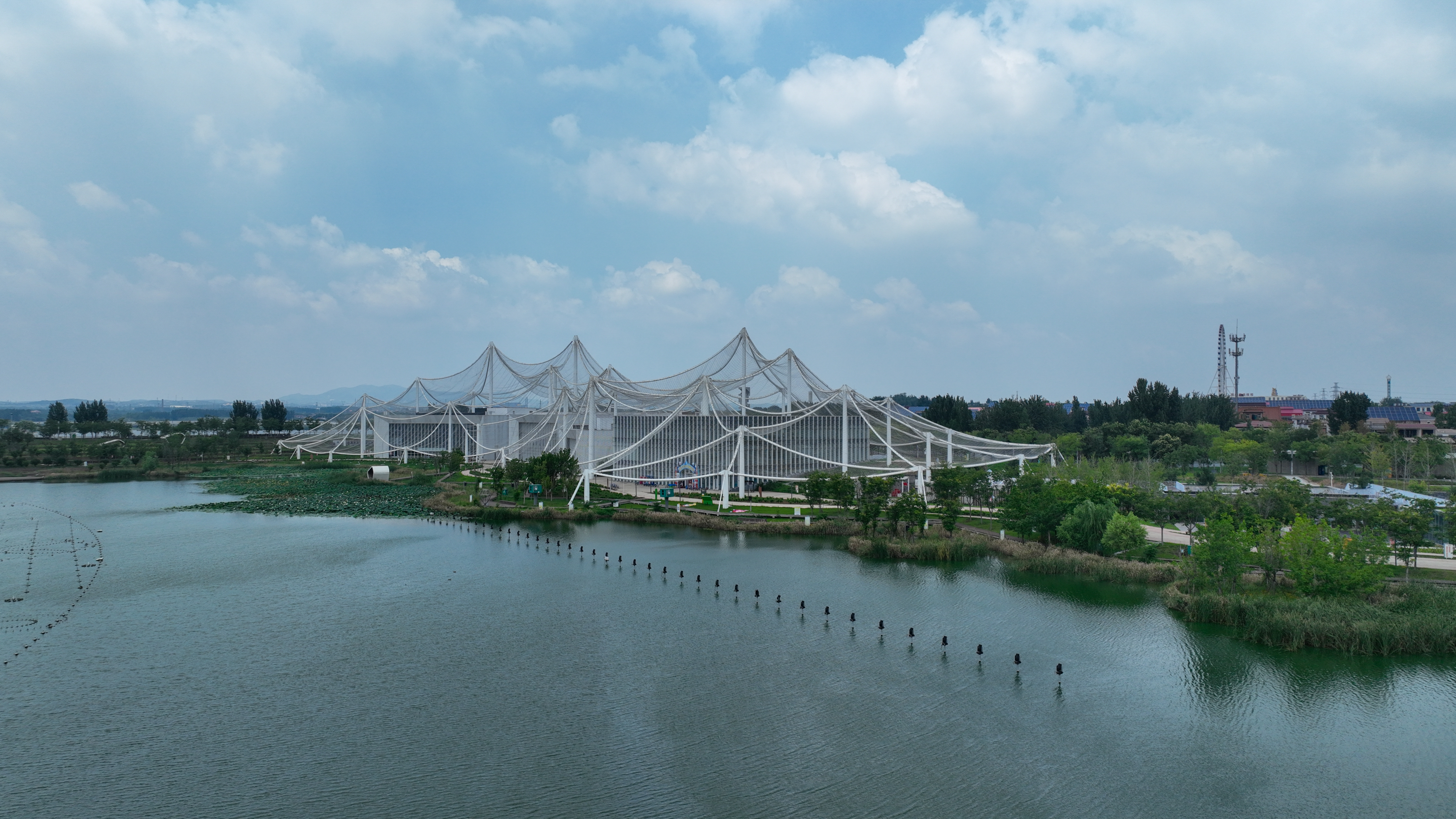
绘就“缤纷百里”最美江海岸线
Zhong Guo Zi Ran Zi Yuan Bao· 2025-07-09 03:15
Core Viewpoint - The article highlights the successful implementation of the "Colorful Hundred Miles" coastal ecological protection and restoration project in Qidong, which aims to enhance the ecological environment along the coastline and improve local biodiversity [1][2][3]. Group 1: Project Overview - The "Colorful Hundred Miles" project was initiated in 2022 with a total investment of 528 million yuan, focusing on ecological transformation along the coastline of the Yellow Sea [1]. - The project aims to address historical issues such as narrow coastal passages, outdated dikes, and insufficient greening, with a structured approach to ecological restoration [1][2]. Group 2: Ecological Restoration Techniques - The project employs advanced restoration techniques combined with local ecological characteristics, including methods like "cutting + flooding" and "deep root burial" to restore 3 million square meters of coastal wetlands [2]. - The introduction of patented technology has allowed for successful afforestation on saline-alkali land, resulting in the greening of over 3,000 acres, with the experience being promoted nationwide [2]. Group 3: Environmental Impact - The restoration efforts have led to the recovery of tidal channels and an increase in vegetation cover, enhancing the habitat for species such as egrets and mudskippers, thereby improving the carbon sink capacity of the wetlands [2]. - The project has transformed previously barren tidal flats into lush green areas, contributing to both ecological protection and scenic value, effectively creating a "blue granary" [2][3]. Group 4: Long-term Goals - The project sets a long-term goal of achieving foundational work in one year, visible results in three years, and exemplary models in five years, with tailored ecological treatment plans for damaged coastlines and wetlands [1]. - Qidong aims to integrate ecological protection with economic development, showcasing a model of sustainable growth that aligns with the broader regional development strategy [3].
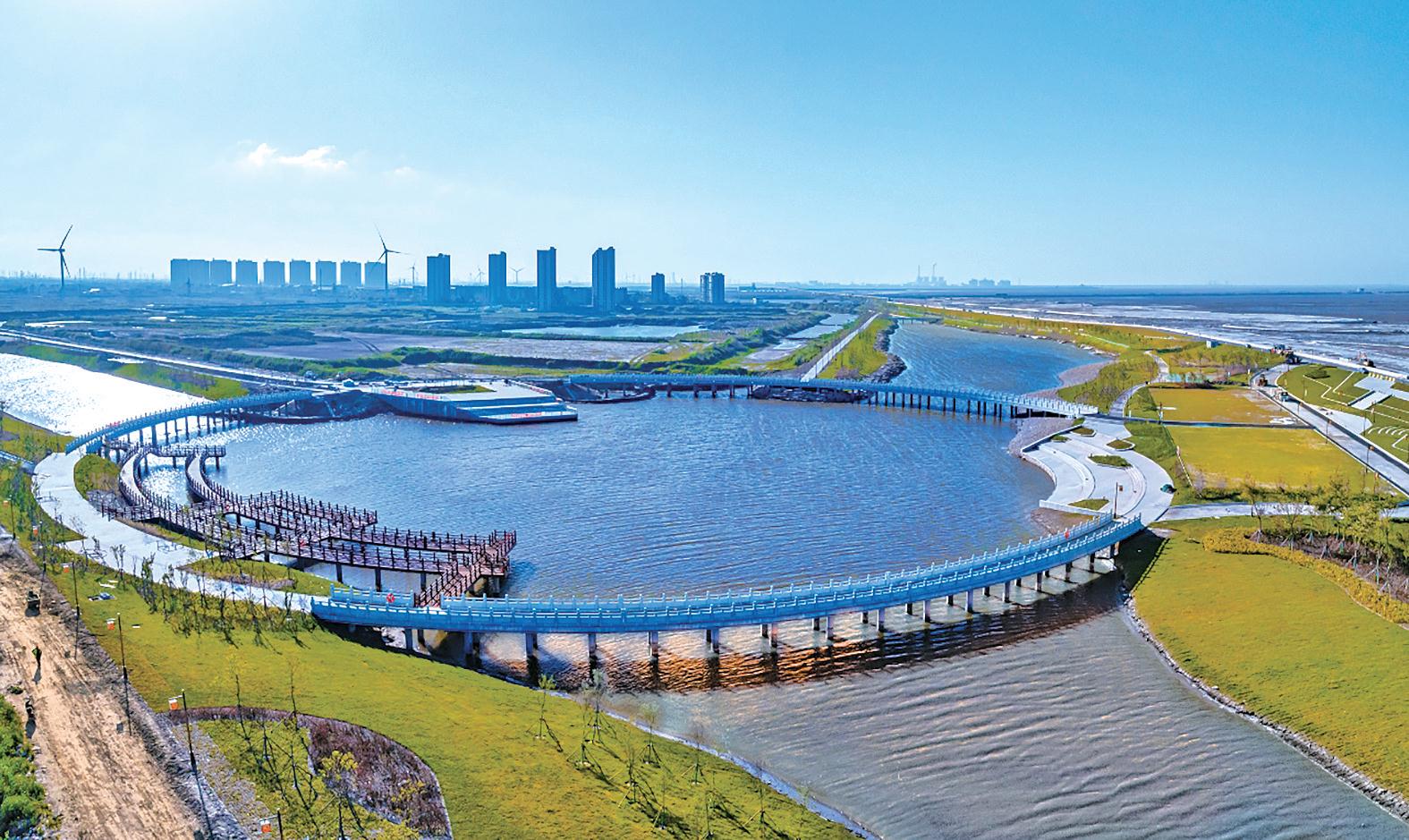
新疆艾比湖湿地生态守护者:多年守护见证万羽归巢
Zhong Guo Xin Wen Wang· 2025-07-07 13:10
中新网乌鲁木齐7月7日电 (陶拴科 吕怡欣)清晨9点,高文家背起望远镜,独自走上艾比湖鸟岛的巡护小 道。就在30多年前,这里因连续干旱几乎成了"白色荒漠";如今,芦苇摇曳、鸟鸣再现,重现生机。 2012年,高文家来到鸟岛林业管护站工作。彼时的艾比湖,水域面积逐年缩小,湖边芦苇渐稀,盐碱地 裸露。曾经有着"鸟类天堂"美誉的艾比湖,正面临着消失的危险。 "那时候,站里只有几个人,一年四季最多的活就是巡湖、清点鸟类、记录植被。"高文家回忆,"有时 候,看着一大块芦苇地干枯,心里说不出的难受。" 作为管护站的年轻成员,他慢慢意识到,守护艾比湖,不能只靠简单的巡查和记录,更需要科学的生态 修复和试验。 危机下的生态警钟 "刚去艾比湖湿地工作时,大家讨论最多的就是如何让湿地恢复生机,从哪些方面入手。"高文家说。 当时,由于上游灌溉用水量增加,入湖水量锐减,湖泊面积由20世纪50年代的1200多平方公里,缩减到 不足400平方公里。湖水盐度升高,生态系统面临严重威胁。 航拍艾比湖湿地。(资料图)受访者供图 作为新疆艾比湖湿地国家级自然保护区鸟岛林业管护站的站长,高文家每天的第一项工作,就是查看新 近冒出的芦苇和鸟类巢穴。这 ...
锡林郭勒盟飞播治沙植新绿
Nei Meng Gu Ri Bao· 2025-07-07 02:48
Core Points - The article discusses the aerial seeding operation for desertification control in the Sunite Left Banner of Xilin Gol League, utilizing Y-5(B) aircraft to efficiently plant grass seeds [1] - The operation aims to cover 200,000 acres this year, focusing on key sandy areas in three banners: Zhenglan, Sunite Left, and Sunite Right [1] Group 1 - The aerial seeding method is characterized by high efficiency, low cost, and strong adaptability, making it an important ecological restoration technique [1] - Each flight can carry 800 kilograms of seeds and cover approximately 670 acres, with a maximum of 20-25 flights per day [1] - As of now, 20,000 acres have been completed in the Sunite Left Banner, with specific grass species selected to enhance vegetation coverage and windbreak capabilities [1] Group 2 - Preparatory measures such as sand barriers and fencing have been implemented to stabilize shifting sand dunes, creating favorable conditions for seeding [1] - The selected grass species for seeding include Yangchai, small-leaved goldenrain, sand millet, and sand sagebrush [1]
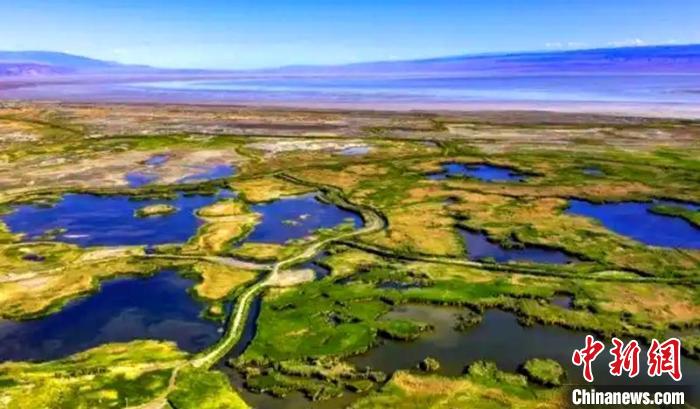
候鸟、骏马、粉荷……生物多样性与自然韵律完美交融 夏日美景“buff拉满”
Yang Shi Wang· 2025-07-05 08:45
Group 1 - The article highlights the ecological beauty and biodiversity of various wetland parks across China, showcasing the thriving habitats for migratory birds and other wildlife [1][2][4][11][15] - In Xinjiang's Hami City, the transformation of the high-quality ecological environment has led to a steady increase in bird populations, turning a previously muddy area into a vibrant wetland oasis [1] - The Ningxia Qingtongxia Reservoir Wetland Natural Reserve supports a rich variety of bird species, with 212 species recorded, including over 60 that are nationally protected [4] Group 2 - Gansu's Zhangye features a picturesque landscape with hundreds of horses grazing on lush grasslands, enhancing the region's appeal for tourism [5][7] - In Shandong's Dongying, the blooming of thousands of acres of lotus flowers in the Yellow River Delta Wetland creates a stunning visual spectacle, supported by the fertile soil from the river's sediment [8][10] - Jiangxi's Xianghu Wetland Park attracts numerous visitors with its 400 acres of blooming lotus flowers and thousands of herons, showcasing successful ecological restoration efforts [11][15] Group 3 - The ecological corridor along the Yellow River in Kaifeng presents a harmonious blend of golden river waters and green landscapes, contributing to the area's natural beauty [16][18] - The Heigangkou Reservoir in Kaifeng serves as a vital ecological system, acting as the city's "green lung" and enhancing the summer scenery with its surrounding lotus leaves [18]
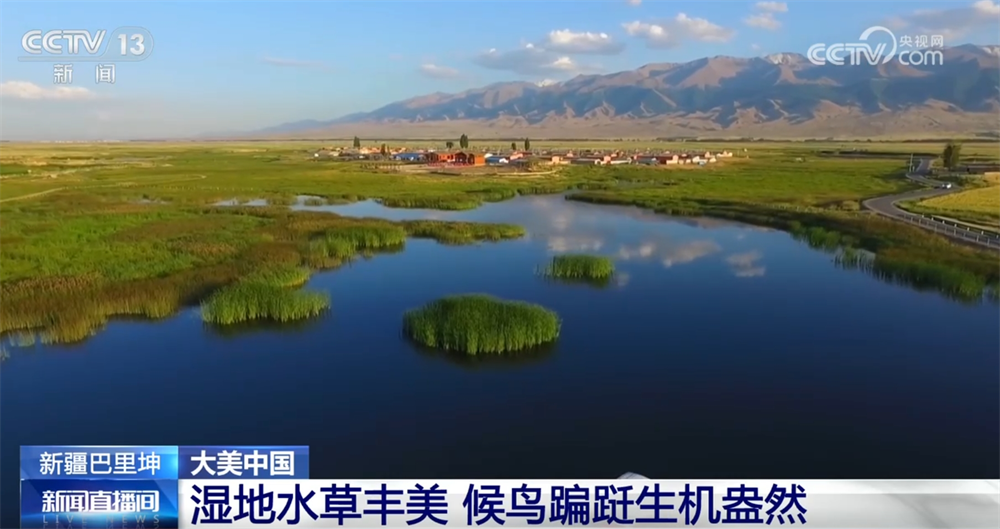
从太空看“十四五”|这片“绿”,正在生长
Xin Hua She· 2025-07-03 11:50
Core Points - The "14th Five-Year Plan" aims to enhance ecological security and is witnessing accelerated implementation, focusing on desertification control and strict fishing bans in the Yangtze River [1][2] Group 1: Ecological Restoration Projects - The Saihanba Mechanical Forest Farm in Hebei has seen continuous improvement in forest coverage from 2020 to 2023, transforming a desert area into a forested region [4][5] - The Saihanba project has successfully planted 24,000 acres of trees and established a comprehensive forest fire monitoring system, achieving zero fire incidents [7] - The Heijiao Railway, which runs through the Taklamakan Desert, has successfully built ecological barriers along its 825 km length, with 534 km in sandy areas [9][11] Group 2: Renewable Energy and Ecological Integration - The Kubuqi Desert's 2 million kW photovoltaic desertification control project in Inner Mongolia is a significant initiative under the "14th Five-Year Plan," with a total investment of nearly 12 billion yuan [13][15] - This project integrates solar energy production with ecological restoration, utilizing a model that combines power generation, planting, and livestock farming [13] Group 3: Urban Ecological Restoration - The Xuejiawa Ecological Park in Ma'anshan, Anhui, has transformed from an area with illegal docks and industrial waste into a vibrant ecological space since 2019 [17][19] - The ecological restoration in Ma'anshan is part of the ten-year fishing ban plan in the Yangtze River, contributing to the ecological corridor development in the Yangtze River Delta [19] Group 4: Mining Area Rehabilitation - The ecological restoration of the Dongguazhao abandoned mine in Pingxiang, Jiangxi, is a key project under the provincial ecological restoration plan, focusing on geological disaster management and land rehabilitation [21][25] - The project has successfully converted 4,095 acres of abandoned mining land into arable land, adding 313 acres of paddy fields and 775 acres of dry land [25]

新《矿产资源法》核心要点及对煤炭行业影响分析
Xinda Securities· 2025-07-03 07:18
Investment Rating - The industry investment rating is "Positive" [1] Core Insights - The new "Mineral Resources Law" marks a historic transition for the coal industry from "scale and speed" to "quality and efficiency," which will accelerate the elimination of outdated production capacity in the short term and promote a "safe, green, and efficient" modern coal industry system in the long term [1][4] Summary by Sections New "Mineral Resources Law" Key Points - The law introduces a market-oriented mechanism for mineral rights allocation, emphasizing competitive bidding and auctioning, which aims to eliminate administrative barriers and promote fair market access [2][4] - It establishes a clear property rights system for mineral resources, ensuring legal protection for mining rights and separating property rights from administrative permits [3][4] - The law enhances ecological restoration responsibilities, requiring mining companies to undertake full lifecycle restoration obligations and establishing a funding mechanism for ecological repair [3][4] Impact on the Coal Industry - In the short to medium term, the coal industry faces increased resource acquisition costs and market segmentation, potentially accelerating the exit of smaller coal mines [4] - The overall cost curve for coal production is expected to rise due to higher ecological restoration and safety requirements, which may support coal prices [4] - Long-term trends indicate a shift towards market-driven, green, and intensive development, with potential for new business models integrating resources, capital, and technology [4][5]
好生态引得“珍禽”来
Ren Min Wang· 2025-07-03 00:06
在鄱阳湖畔的江西省九江市永修县,一套以"林长制"为核心的湿地保护体系正焕发强大活力,实现生态与发 展的双赢。该县已连续14年获评"鄱阳湖区越冬候鸟和湿地保护工作先进县"。 作为鄱阳湖湿地保护的"前沿阵地",永修县构建"林长+候鸟和湿地保护"三级网格化管理体系,335名县乡村 林长年均巡护超200次,实现保护责任全覆盖。 "以前巡湖靠腿,现在天上无人机、地上摄像头,情况一目了然。"吴城镇一位村级林长指着"智慧湿地"平台 介绍。该县投入366.2万元打造的这套系统,结合5G、无人机、视频监控等技术构建"天空地一体化"监测网络, 2014年以来累计修复湿地34.04公顷,破获湿地非法活动案件4起,让湿地生态"看得见、管得住"。 值得一提的是,当地推动2717户渔民转产就业,组建12人专职护鸟队,昔日"捕鱼人"变身"护鸟卫士",形成 政府主导、社会参与的保护合力。 多举措开展生态修复 绘就湿地新图景 该县已累计完成湿地生态补偿试点生态修复和环境整治项目109个,总金额3357.73万元。特别在吴城镇修河 河岸,5.3万平方米湿地修复工程已见成效:60余万株水生植物、近千株乔木构建起"景观观赏—生物保育"四大功 能区, ...
连云港市自然资源和规划局连云分局推动生态修复让矿山换新颜
Xin Hua Ri Bao· 2025-07-02 21:48
Core Insights - The article highlights the successful ecological restoration of abandoned mines in Lianyungang City, transforming 1,072 acres of previously damaged land into vibrant green spaces, achieving a balance of economic, ecological, and social benefits [1][2]. Group 1: Ecological Restoration Efforts - The Lianyungang Natural Resources and Planning Bureau implemented a tailored restoration strategy for each mine, focusing on disaster elimination, slope greening, tree selection, and maintenance standards [1]. - A comprehensive management system was established, involving professional design, departmental review, state-owned enterprise implementation, and local support, ensuring effective supervision throughout the restoration process [1][2]. Group 2: Innovative Techniques and Local Adaptation - The bureau explored new techniques for steep rocky slopes, including embedding reinforced mats into rock seams and using high-pressure spraying for vegetation, which effectively addressed the challenges posed by the area's natural conditions [2]. - Local tree species such as Wisteria, Platycladus orientalis, and Broussonetia papyrifera were selected to enhance soil retention and water conservation, with a total of 50,000 seedlings planted to create diverse plant communities [2]. Group 3: Sustainable Management and Community Involvement - A three-tiered management system was developed for long-term maintenance, involving construction units for a two-year care period, local street teams for professional management, and community participation through an "ecological points" system [2]. - The restored areas have become popular recreational spots for residents, facilitating the development of green industries such as "mining + cultural tourism" and "mining + health care" [2].
