智能体

Search documents
无问芯穹完成近5亿元A+轮融资,加码Agentic Infra基础设施建设,引领智能体产业变革
机器之心· 2025-11-27 10:23
Core Viewpoint - The article highlights the recent completion of a nearly 500 million RMB A+ round financing by Wunwen Chinqu, emphasizing the strong market confidence in its AI infrastructure capabilities and its alignment with national strategic initiatives [1][12]. Group 1: Financing and Investment - Wunwen Chinqu has successfully raised nearly 500 million RMB in its A+ round financing, led by Zhuhai Technology Group and Futen Capital, with participation from various other investors [1]. - The financing round reflects a combination of state-owned and market-driven investment, showcasing recognition of Wunwen Chinqu's commitment to technological innovation and its role in the AI industry [1][12]. Group 2: Company Overview and Offerings - Founded two and a half years ago, Wunwen Chinqu focuses on developing high-performance AI infrastructure, optimizing both software and hardware to address the computational bottlenecks in AI applications [3][6]. - The company has created the "Wunqiong AI Cloud" and "Wuyin Terminal Intelligent Solutions," serving numerous leading AI enterprises and research institutions [3][9]. Group 3: Future Directions and Strategic Focus - The new funding will be allocated towards enhancing Wunwen Chinqu's technological advantages, expanding AI cloud products and terminal solutions, and increasing investment in intelligent infrastructure development [5][6]. - Wunwen Chinqu aims to build a first-class intelligent service platform and supporting infrastructure to facilitate the widespread application of intelligent agents in both digital and physical worlds [5][6]. Group 4: Technological Innovations - The company has developed a comprehensive "Intelligent Agent Infrastructure" that integrates AI cloud and terminal intelligence, enabling significant advancements in the application of intelligent agents [7][9]. - Recent product launches include the Infra Agents for cloud infrastructure and Kernel Mind for terminal reasoning optimization, aimed at making intelligent agents a fundamental resource across various industries [11][12]. Group 5: Market Position and Vision - Wunwen Chinqu is positioned as a leader in AI infrastructure, with a strong emphasis on the integration of digital and physical worlds through intelligent agents [7][12]. - The company’s strategic focus on creating a robust ecosystem for intelligent agents aligns with national goals for developing a more autonomous AI industry [13].


5亿热钱砸向清华AI Infra明星:最大化算力效能筑造智能体基建
量子位· 2025-11-27 07:30
Core Insights - Wunwen Xinqiong has raised nearly 500 million yuan in its A+ round financing, bringing its total funding to approximately 1.5 billion yuan in just two and a half years, establishing itself as a leading player in the AI infrastructure sector [1][7][26] - The company, founded by Tsinghua University alumni Wang Yu and Xia Lixue, has differentiated itself through its full-stack AI system optimization capabilities and hardware-software synergy, amidst intense competition in the AI infrastructure space [1][8][26] Financing Details - The recent financing round was led by Zhuhai Technology Group and Futen Capital, with participation from various existing investors, indicating strong confidence in the company's direction [5][7] - This financing showcases a dual endorsement from state-owned enterprises and market-oriented funds, affirming Wunwen Xinqiong's technological innovations aligned with national priorities [7][8] Strategic Focus - The funds from this round will be allocated to three main areas: expanding technological advantages, promoting AI cloud products and terminal solutions, and increasing R&D investment in intelligent infrastructure [8][9] - Wunwen Xinqiong aims to build a first-class intelligent service platform and supporting cloud and terminal infrastructure, positioning itself at the forefront of the intelligent agent era [9][10] Technological Advancements - The company has completed a transformation towards native infrastructure for intelligent agent scenarios, proposing a systematic strategy of "Into Agent, With Agent, For Agent" [10][11] - Wunwen Xinqiong has established significant engineering capabilities, managing over 25,000 P+ computing power across 26 cities and 53 core data centers, serving numerous leading clients and research institutions [12][20] Product Development - The company has launched two new Agentic AI products and several core underlying technologies, including the Infini-Megrez model and the Infini-Mizar inference acceleration engine, which significantly enhance performance and efficiency [16][17] - These innovations form a comprehensive "intelligent agent infrastructure trio," addressing critical gaps in the deployment of intelligent agents [17][20] Market Positioning - Wunwen Xinqiong is recognized for its systematic capabilities across cloud computing, terminal model inference, and intelligent system frameworks, making it one of the few companies excelling in these areas [20][26] - The company is strategically positioned to support the integration of intelligent agents into both digital and physical worlds, aligning with national goals for AI development [27][28]
中国传媒大学新媒体研究院院长赵子忠:主流媒体的核心价值在于驾驭“人机共生”的新型影响力
Mei Ri Jing Ji Xin Wen· 2025-11-27 05:55
Core Insights - The "2025 Smart Media 50 People Conference" held in Chengdu focuses on the theme "Smart Media Empowering Parks, Integrating to Enhance Value" and showcases the commitment of mainstream media to embrace technological transformation [1][6] - The conference marks its fourth year and has attracted over a hundred experts from academia and leading media companies, highlighting the importance of AI integration in media [1][6] - The event featured the launch of the "Rain Swallow Communication Intelligent Platform" and several significant project signings, demonstrating the capabilities of mainstream media in the "Smart+" transformation [1][6] Industry Trends - The integration of AI technology into media is seen as a historical necessity, with the "Smart Media 50 People Conference" serving as a strategic initiative to explore this transformation [6][10] - The evolution of AI from a tool to an autonomous agent is reshaping media production relationships, indicating a shift towards "human-machine symbiosis" [2][8] - The concept of "Agentic Media" is anticipated to emerge by 2030, where AI will play a significant role in media operations, leading to a new theoretical framework [12][13] Technological Developments - The current phase of AI in media is characterized by early-stage research and application innovations, with a need for deeper understanding of AI's philosophical implications [8][10] - The future media landscape is expected to be built on advanced infrastructure, including supercomputing centers and large-scale databases, fundamentally changing content production and distribution [12][13] - The interaction model will evolve to include machine-to-human and machine-to-machine communication, expanding the boundaries of media [12][13] Media's Role and Value - The core value of media professionals remains their influence on society, which will be enhanced by AI, allowing for more precise and impactful content production [11][10] - Understanding the interplay between AI and the economy is crucial for financial media to navigate the challenges and opportunities presented by technological advancements [10][11] - The transformation of media will not lead to job losses but will create new roles and opportunities as the industry adapts to AI integration [12]

国资领投、老股东加码 无问芯穹完成近5亿元A+轮融资
Zheng Quan Shi Bao Wang· 2025-11-27 04:27
Core Insights - AI infrastructure company Wunwen Xinqiong has completed nearly 500 million yuan in Series A+ financing, led by Zhuhai Technology Group and Foton Capital, with participation from several other investors [1][2] - The funds will be primarily used to enhance technological advantages, expand AI cloud products and terminal solutions, and increase investment in intelligent infrastructure research and development [1][2] - The evolution of artificial intelligence is shifting from a "dialogue tool" to an "action partner," with intelligent agents expected to become a new productivity unit in society [1] Group 1 - Wunwen Xinqiong aims to optimize hardware and software integration to build a new generation of learnable and evolvable Agentic Infrastructure [2] - The company has launched two intelligent agent products, Infra Agents and Kernel Mind, along with supporting technologies to facilitate the practical application of intelligent agents [2] - The CEO of Wunwen Xinqiong emphasized the importance of this financing round in providing stronger development momentum towards the intelligent agent era [2] Group 2 - Wunwen Xinqiong has served numerous leading AI and intelligent agent companies, including Lenovo Group, Li Auto, and China Mobile, showcasing its high-performance AI infrastructure capabilities [2] - The company has established a strong foundation for the Agentic AI ecosystem, integrating digital and physical worlds through its advanced technology [2] - Hu Yuan Capital expressed confidence in the potential of AI agents to empower both industrial and consumer sectors, committing to support Wunwen Xinqiong's business development [2]
云迹科技谢云鹏:智能体深入千行百业,详解机器人“六维能力”底座
Sou Hu Cai Jing· 2025-11-27 03:12
Core Insights - The forum highlighted the importance of collaboration with AI robots in transforming service ecosystems, emphasizing six core capabilities that robots should possess: learning, adaptability, interaction, autonomy, emotional intelligence, and social integration [2][6][10]. Group 1: Robot Capabilities - Robots are expected to handle complex, repetitive tasks traditionally managed by hotel managers, allowing human workers to focus on higher-value activities [4][12]. - The six dimensions of robot capabilities are essential for effective collaboration: learning ability, adaptability, interaction ability, autonomy, emotional intelligence, and social intelligence [6][10][11]. - Robots must have clear objectives, controllable processes, traceable results, and responsive feedback mechanisms to enhance operational efficiency [10]. Group 2: Market Applications - Over 34,000 hotels have adopted the company's robots, which have completed 500 million service tasks and traveled over 20.33 million kilometers in 2024 [6][10]. - The integration of robots into various sectors, including hotels, hospitals, and factories, is seen as a pathway to achieving intelligent upgrades and improved customer experiences [10][12]. - The company aims to explore new products and services in diverse environments such as airports, hospitals, and communities, emphasizing the need for collaboration to expand robot applications [12][14]. Group 3: Future Vision - The company envisions a future where robots will seamlessly deliver services, enhancing human productivity and allowing individuals to focus on more meaningful tasks [13][14]. - The emergence of robots is viewed as a catalyst for societal progress, with the potential to create a new "robot dividend" that complements human capabilities [10][14]. - The company is committed to advancing the collaboration between embodied and disembodied intelligence to benefit humanity across various industries [4][14].


无问芯穹获国资领投近5亿元A+轮融资,持续发力智能体时代的AI新基建
IPO早知道· 2025-11-27 02:53
Core Viewpoint - The article discusses the recent A+ round financing of Wunwen Xinqiong, which raised nearly 500 million yuan, and highlights the company's focus on building high-performance AI infrastructure to support the development and application of artificial intelligence technologies [2][4]. Group 1: Company Overview - Wunwen Xinqiong has been operational for two and a half years, focusing on cutting-edge AI technologies and applications, creating the "Wunqiong AI Cloud" and "Wuyin Terminal Intelligent Solutions" to overcome computational bottlenecks in AI industry applications [4]. - The company has served numerous leading AI and intelligent entity clients, including Lenovo Group, Ideal Auto, and China Mobile, as well as various AI research institutions [4]. Group 2: Funding and Investment - The recent funding will be allocated to three main areas: enhancing the company's technological advantages in hardware-software synergy, expanding AI cloud products and terminal solutions, and increasing investment in intelligent entity infrastructure research and development [6]. - The investment round was led by Zhuhai Technology Group and Futeng Capital, with participation from several other investors, indicating strong market confidence in the company's future [2][6]. Group 3: Technological Advancements - Wunwen Xinqiong aims to build a first-class intelligent entity service platform and supporting cloud and terminal infrastructure, facilitating the large-scale application of intelligent entities in both digital and physical worlds [6][8]. - The company has developed a comprehensive technology and product architecture that supports the efficiency and continuous evolution of intelligent entity applications [9]. Group 4: Product Innovations - The company has launched several innovative products, including the "Infra Agents" for cloud infrastructure and the "Kernel Mind" for terminal reasoning optimization, aimed at making cloud and terminal infrastructure a testing ground for intelligent entities [12]. - The "Wunqiong Tianquan" model, which is the world's first full-modal understanding terminal model, has achieved significant breakthroughs in computational cost and memory requirements [11]. Group 5: Strategic Vision - Wunwen Xinqiong's CEO emphasizes the transformative paradigm shift towards Agentic AI, positioning the company to leverage its technical capabilities for future growth [7]. - The company is committed to creating a new generation of learnable and evolvable infrastructure, focusing on producing, collaborating, and serving intelligent entities [7][8].

第十七届信博会在济南召开
Zheng Quan Shi Bao Wang· 2025-11-26 00:42
Core Insights - The 17th China (Jinan) International Information Technology Expo and "Artificial Intelligence+" Innovation Application Summit is being held from November 26 to 27, focusing on the theme "Artificial Intelligence Empowering the Future" [1] Group 1: Event Overview - The expo highlights cutting-edge areas such as general large models, industry-specific large models, and intelligent agents [1] - Various sectors including manufacturing, transportation, energy, finance, and healthcare are covered through the "Artificial Intelligence+" exhibition sections [1] Group 2: Concurrent Activities - The event includes the "Artificial Intelligence+" Innovation Application Summit and the second Jinan Intelligent Connected Vehicle "Vehicle-Road-Cloud Integration" Application Conference [1] - Additional forums and conferences are scheduled, such as the Blockchain Technology Empowering Traditional Enterprises Digital Transformation Forum and the Shandong Province "Artificial Intelligence+" Industry Cluster Intelligent Transformation Work Symposium [1] - The 2025 Jinan Optoelectronic and Laser Intelligent Equipment Industry Development Conference is also part of the agenda, creating a multi-level communication system [1]
企业AI落地,还差一口“气儿”
3 6 Ke· 2025-11-25 00:31
Core Insights - The focus of the AI industry is shifting towards the practical application of AI large models in enterprises, moving from theoretical discussions to real-world implementations [3][4] - There is a consensus that the key to advancing AI is the integration of technology with industry, with "scene-driven" approaches being crucial for this transition [3][4] - Despite the enthusiasm for AI, many enterprises remain cautious about the application of AI large models, indicating a gap between industry hype and actual implementation [4][5] Industry Trends - As of now, 43% of enterprise departments or positions have entered a stage of large-scale usage of AI, while 27% are still in pilot phases, and 28% have achieved widespread penetration [5] - The application of AI is predominantly seen in marketing, customer service, research and development, data, and operations, with less focus on core business functions [6] - Traditional enterprises are progressing slowly in AI adoption, often taking a measured approach rather than fully committing to AI initiatives [6][19] Challenges in AI Implementation - The primary challenge for enterprises is the accuracy of AI large models, as many clients expect 100% reliability, which current AI technologies cannot guarantee [8][9] - There is a disconnect between decision-makers' expectations and the technical teams' realities, leading to misaligned goals and potential project failures [9][10] - Rapid technological advancements create uncertainty, making enterprises hesitant to invest heavily in AI, resulting in cautious, incremental approaches [10][11] Strategies for Successful AI Integration - Companies are encouraged to adopt a phased approach, starting with pilot projects to build confidence before scaling up [21][26] - Focusing on core capabilities rather than attempting to develop large models in-house can lead to better outcomes, as seen with companies like Fanruan [21][22] - Collaboration across sectors, including government and academia, is essential for overcoming data sharing barriers and enhancing AI project success [24][25] Future Outlook - The next decade in AI will focus on embedding technology into industries rather than merely competing on model size [17][18] - Long-term commitment to creating measurable value from AI initiatives is necessary for successful integration [19][20] - The industry must work towards aligning understanding, improving data flow, and ensuring technological coherence to facilitate effective AI implementation [27][28]


最爱喝奶茶的AI科学家,要做最能懂你的“智能体”
3 6 Ke· 2025-11-24 08:02
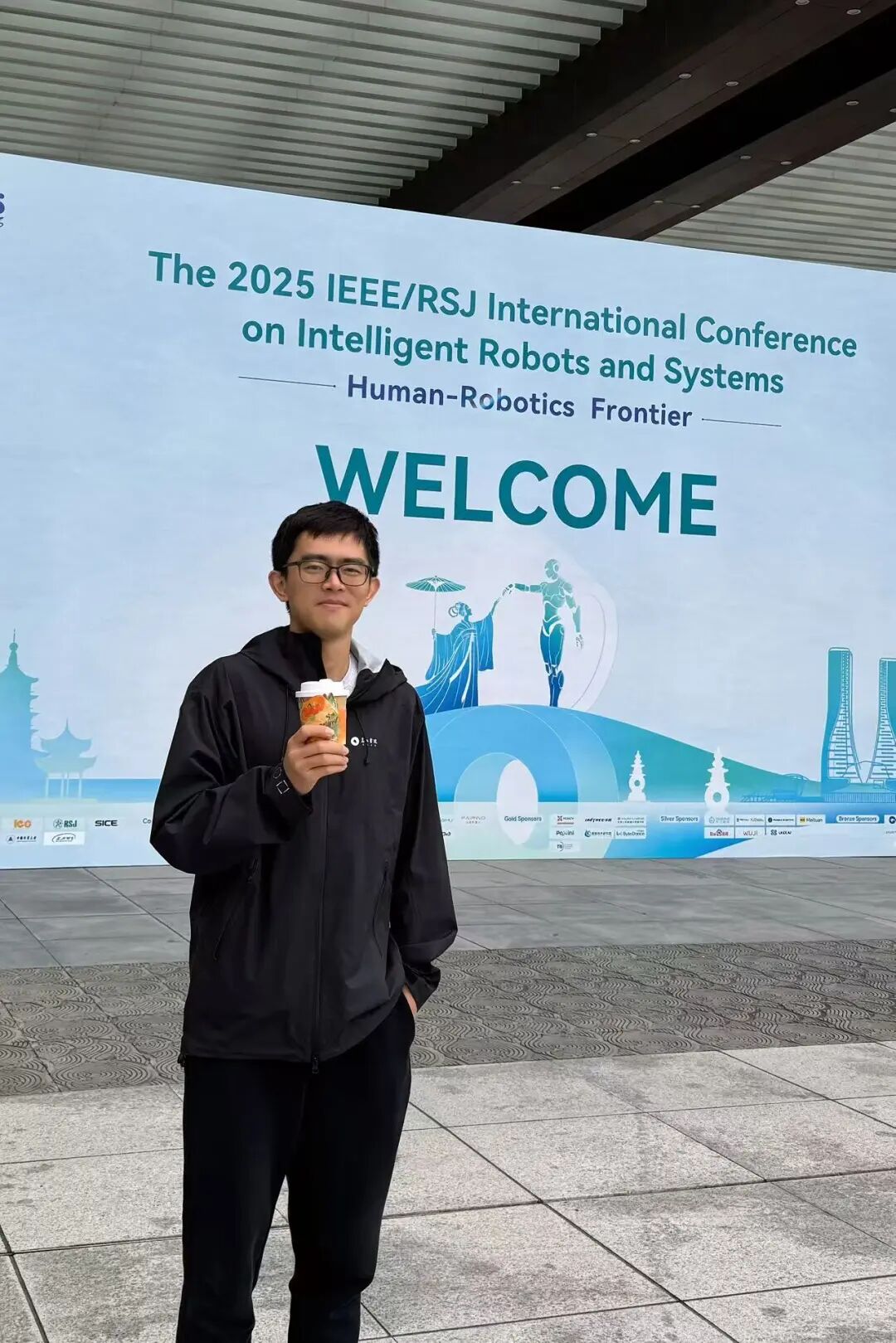
Core Insights - The article emphasizes the importance of maintaining an entrepreneurial mindset in AI research and development, focusing on rapid iteration and learning from failures [1][2][4] Group 1: Innovation and AI Development - Wu Yi's team developed the AReaL-lite framework, which significantly enhances AI training efficiency and reduces GPU waste [1] - The shift from traditional supervised learning to reinforcement learning is highlighted as crucial for developing intelligent AI capable of long-term task execution [6][33] - Wu Yi believes that the future of AI lies in creating intelligent agents that can understand vague human commands and perform complex tasks autonomously [12][13] Group 2: Entrepreneurial Spirit and Team Dynamics - Wu Yi stresses the need for innovation and resource creation within entrepreneurial teams, rejecting the notion of waiting for perfect conditions to act [25][26] - The article discusses the challenges faced by Wu Yi's early startup team, emphasizing the importance of having a committed and innovative mindset among team members [25][28] - Wu Yi's approach to team organization in the AI era involves creating a minimalistic structure that leverages AI to enhance productivity and efficiency [50][52] Group 3: Future of AI and Robotics - The concept of embodied intelligence is introduced, where intelligent agents can interact with the physical world and perform tasks based on minimal instructions [13][14] - Wu Yi envisions a future where multiple intelligent agents can collaborate to complete complex tasks, similar to a coordinated sports team [15][20] - The transition from digital to physical world applications of AI requires advancements in multi-modal data and training environments [21][22] Group 4: Learning and Adaptation - Wu Yi likens his career journey to a reinforcement learning process, emphasizing the value of learning through trial and error [29][30] - The article highlights the significance of prompt engineering in reinforcement learning, which is essential for effective AI training [35][36] - Wu Yi advocates for a layered approach in developing intelligent agents, combining low-level control with high-level reasoning capabilities [43][44]
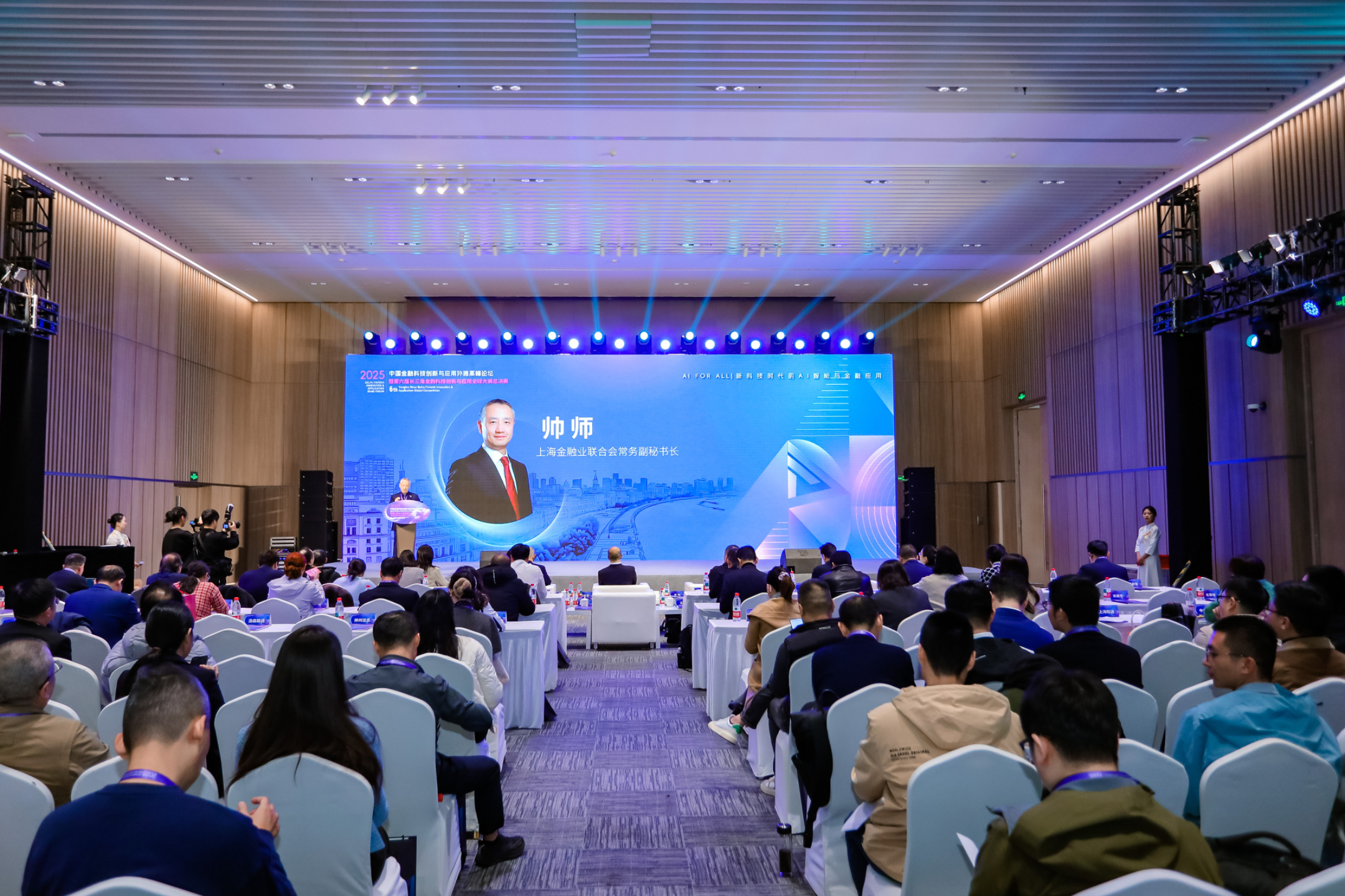
长三角金融科技“嘉年华”启幕,探讨AI与金融深度融合路径
Guo Ji Jin Rong Bao· 2025-11-23 04:13
Group 1 - The forum aims to establish a new financial technology ecosystem in the Yangtze River Delta region, focusing on the integration of digital technology and financial services [1][3] - The theme of the forum is "AI FOR ALL," emphasizing the innovative applications of artificial intelligence in the financial sector [1][4] - The Shanghai Financial Industry Association is actively promoting the application and innovation of AI in finance through various initiatives, including the establishment of a financial technology committee [3][4] Group 2 - The East China Normal University is leveraging its multidisciplinary strengths to advance financial technology, including the establishment of a financial technology research institute and an AI finance academy [4] - The forum highlights the importance of digital financial transformation for financial institutions as part of the national strategy for building a strong financial country [4][5] - Common challenges in AI application within the industry include fragmented computing power ecosystems, high model training costs, data silos, and security issues [5] Group 3 - The current phase of AI development is characterized as the third wave, with advancements enabling AI to transition from cognitive understanding to task decision-making [5] - Future trends in AI agents include enhanced planning capabilities, the rise of social-type AI agents, the importance of localized deployment, and deeper industry customization [5]