
积极财政政策

Search documents
周末,全是利好!史诗级行情,刚刚宣布,暂停申购!
中国基金报· 2025-12-28 14:43
Key Points - The article discusses recent positive developments in the Chinese financial market, including government policies aimed at boosting fiscal spending and consumer support [3][4]. - The People's Bank of China emphasizes the need for a favorable policy environment to enhance long-term investments in the A-share market [5]. - The Shanghai Stock Exchange has introduced guidelines to support commercial rocket enterprises, indicating a focus on innovation in the aerospace sector [8][10]. - The market is experiencing a "small rally" with significant trading volume, particularly in sectors like metals and commercial aerospace [27]. Group 1: Government Policies - The Ministry of Finance plans to continue implementing a proactive fiscal policy in 2026, focusing on expanding fiscal spending and optimizing government bond tools [3]. - The government will support consumer goods through a subsidy program for replacing old products, aiming to stimulate consumption [4]. Group 2: Market Developments - The People's Bank of China reports on improving the investment environment for long-term funds in the A-share market, aiming for a healthy cycle between capital markets and the real economy [5]. - The Shanghai Stock Exchange has released guidelines for commercial rocket companies to facilitate their listing on the Sci-Tech Innovation Board, supporting the growth of the aerospace industry [8][10]. Group 3: Market Analysis by Securities Firms - CITIC Securities highlights the performance of ETFs, noting that sectors like telecommunications and aerospace are gaining traction due to their alignment with international infrastructure competition [15]. - Shenwan Hongyuan emphasizes the liquidity-driven nature of the current market rally, suggesting that the spring market conditions remain favorable [17]. - Guotai Junan identifies new investment themes emerging in commodity markets and the manufacturing sector, reflecting China's growing manufacturing advantages [19].


2026财政政策持续积极,洁净室需求持续提升
Guotou Securities· 2025-12-28 12:31
Investment Rating - The report maintains an investment rating of "Leading the Market - A" for the construction industry, indicating an expected return that will outperform the CSI 300 index by 10% or more over the next six months [6]. Core Insights - The 2026 fiscal policy is set to remain proactive, with a focus on increasing fiscal spending and optimizing government bond tools to enhance local financial capabilities. This is expected to support economic growth and improve the construction industry's operational conditions [18][11]. - Infrastructure investment has shown signs of recovery, with November data indicating a month-on-month improvement. The construction sector is anticipated to stabilize as policies aimed at debt reduction and "anti-involution" continue to be implemented [2][11]. - The demand for cleanroom construction is expected to rise due to increased capital expenditures in the semiconductor and cloud service sectors, driven by rapid advancements in AI technology [3][15]. Summary by Sections Industry Dynamics - The national fiscal work conference highlighted the achievements of 2025 and outlined the key tasks for 2026, emphasizing a more active fiscal policy to stimulate consumption and manage risks in key areas [18]. - The construction industry is expected to benefit from a combination of improved fiscal policies and a recovering investment environment, leading to marginal improvements in operational performance [2][11]. Market Performance - The construction industry saw a weekly increase of 2.26%, outperforming the CSI 300 index, with the decoration and renovation sector showing the highest growth at 11.37% [20][21]. - The overall industry valuation metrics indicate a TTM P/E ratio of 12.47 and a P/B ratio of 0.83, with several companies showing low valuations, suggesting potential investment opportunities [24][28]. Key Companies to Watch - Recommended companies include low-valuation state-owned enterprises such as China State Construction, China Communications Construction, and China Railway Construction, which are expected to benefit from improved cash flow and profitability [11][13]. - Cleanroom engineering leaders like Yaxin Integration and Shenghui Integration are highlighted for their potential growth due to increasing demand in the semiconductor sector [3][15].






如何实施更加积极的财政政策?2026年将这样做
Yang Shi Wang· 2025-12-28 10:44
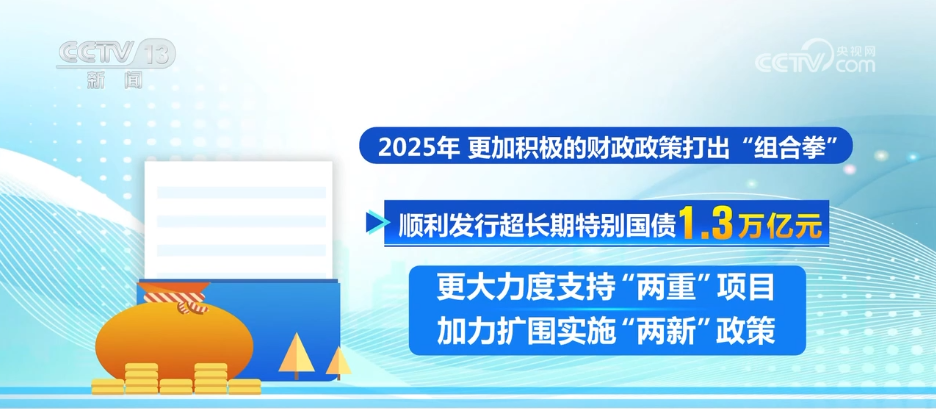
Core Viewpoint - In 2025, China will implement a series of proactive fiscal policies to effectively support economic development towards a new and improved direction [1][2]. Group 1: Fiscal Policy Measures - The general public budget expenditure for 2025 is expected to exceed 29 trillion yuan [2]. - A special long-term bond issuance of 1.3 trillion yuan will be conducted to support key projects and expand the implementation of new policies [2]. - An additional 4.4 trillion yuan in local government special bonds will be issued, along with the activation of 500 billion yuan in debt limits to enhance local financial capacity [2]. Group 2: Consumer Support Initiatives - Proactive fiscal policies will stimulate consumption potential by implementing personal consumption loans and service industry loan interest subsidies [4]. - In Sichuan, 140 million yuan has been allocated for interest subsidies, supporting 12 billion yuan in consumer loans, contributing to a recovery in the consumption market [4]. - The "Two New" policy has allocated 16.9 billion yuan to support the "old for new" consumption policy, expanding the categories of supported appliances from 12 to 18, driving consumption by over 180 billion yuan [4]. Group 3: High-Quality Development Support - Increased investment in basic research and pilot programs for new technology transformation and digitalization of SMEs will be prioritized [6]. - Enhanced social security measures will be implemented, including free preschool education and increased scholarship standards [6]. - Fiscal strength has significantly improved, with total fiscal revenue reaching 106 trillion yuan, a 19% increase, and total expenditure of 136 trillion yuan, a 24% increase during the 14th Five-Year Plan [6]. Group 4: Future Fiscal Policy Directions - In 2026, China will continue to implement more proactive fiscal policies focusing on expanding domestic demand, optimizing structure, and increasing momentum [8][12]. - Key areas of support will include boosting consumption, effective investment, and promoting technological and industrial innovation [12]. - The government will enhance fiscal management, emphasizing efficiency and effectiveness in fund utilization [13][15]. Group 5: Debt Management and Governance - Continuous efforts will be made to manage government debt and mitigate hidden debt risks while ensuring basic financial guarantees [16]. - The central government's fiscal transfer payments to local governments have exceeded 10 trillion yuan for three consecutive years, highlighting the need for improved efficiency in these transfers [16].
“十五五”规划开局之年 财政政策将聚焦关键领域精准发力
Yang Shi Wang· 2025-12-28 10:44
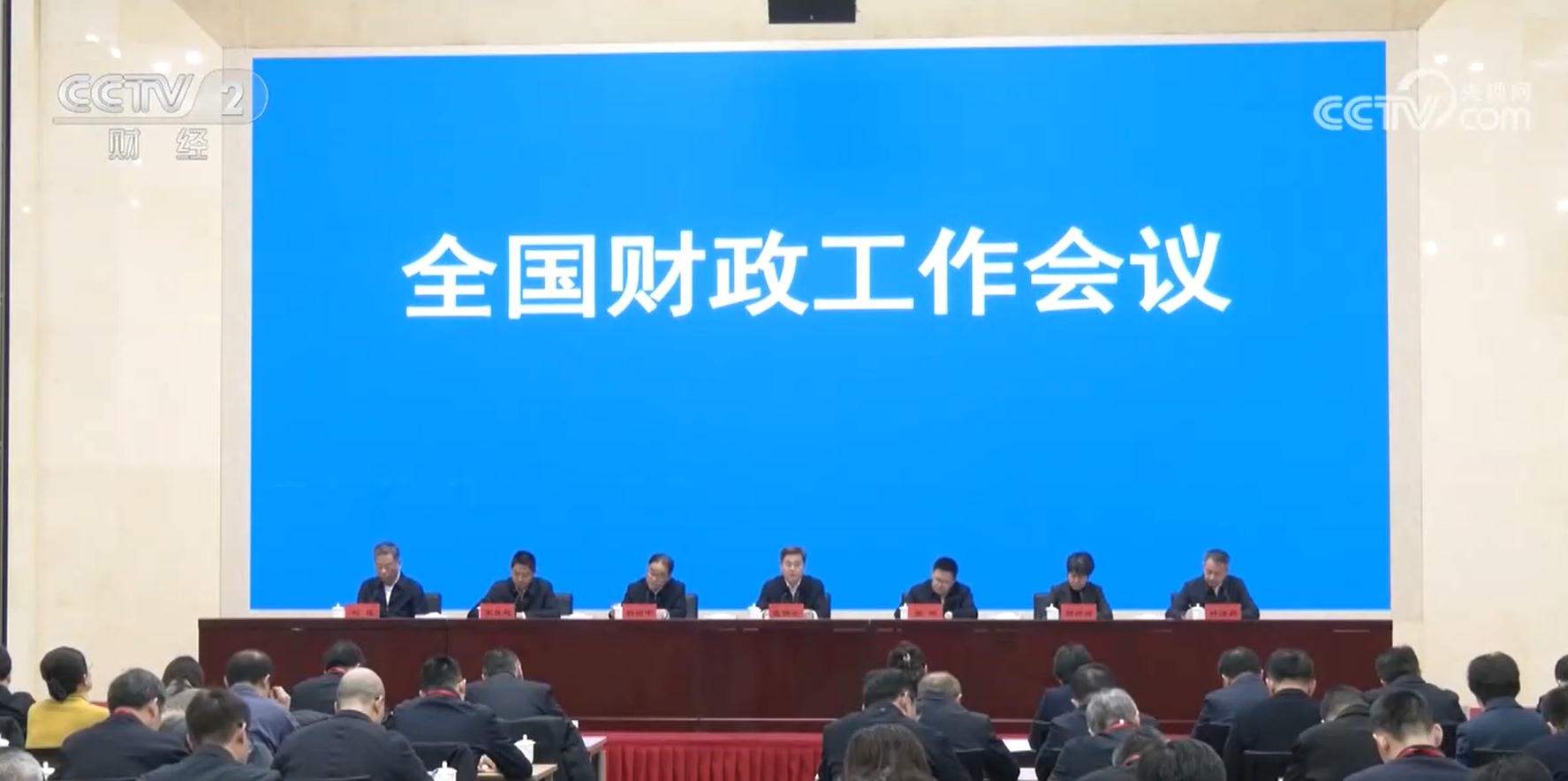
央视网消息:12月27日至28日,全国财政工作会议在北京召开,明年是"十五五"规划的开局之年,财政政策将聚焦哪些关键领域精准发力?来看报道。 会议明确,2026年将继续实施更加积极的财政政策,在"加力"和"增效"两个维度上协同发力。在支出力度上,扩大财政支出盘子,确保必要支出力度。 同时,优化政府债券工具组合,更好发挥债券效益。提高转移支付资金效能。持续优化支出结构,强化重点领域保障。 中国财政科学研究院院长 杨志勇:我们现在要去充分挖掘大国的经济潜能。我们有超大的国内市场,如果国内市场是分割的话,全国统一大市场,它 的优势就没有发挥出来。所以我们要去改革,我们要规范税收优惠,财政补贴政策,要通过各个方面的改革,把这个市场的优势、潜能充分挖掘出来。 财政部:加大新动能培育与民生保障力度 此外,在加快培育壮大新动能与保障民生上,财政资金将有力支持科技创新和产业创新深度融合。同时,切实加强民生保障,促进居民就业增收,支持 办好人民满意的教育,提高医疗卫生服务保障水平,完善社会保障体系,在满足民生需求中拓展发展空间。 粤开证券首席经济学家、研究院院长 罗志恒:赤字规模、专项债的规模,以及超长期特别国债,共同构成的当 ...
财政部明确!明年继续“国补”
Xin Lang Cai Jing· 2025-12-28 10:09
12月27日至28日,全国财政工作会议在北京召开。 会议指出,2026年继续实施更加积极的财政政策。2026年财政将大力提振消费。深入实施提振消费专项 行动,继续安排资金支持消费品以旧换新,调整优化补贴范围和标准。 ...

财政部布置明年重点工作
Di Yi Cai Jing Zi Xun· 2025-12-28 08:33
2025年是中国首次实施更加积极财政政策。财政部数据显示,今年前11个月广义财政支出(即全国一般 公共预算和全国政府性基金预算支出之和)340662亿元,同比增长约4.5%。 2025.12.28 本文字数:1513,阅读时长大约3分钟 作者 |第一财经 陈益刊 2026年财政重点工作日益明晰。 12月27日至28日,全国财政工作会议在北京召开。此次会议一大重点是布置2026年财政工作重点任务。 而如何落实早前中央经济工作会议部署的明年实施"更加积极的财政政策",是市场关注的焦点。 上述会议指出,2026年继续实施更加积极的财政政策。一是扩大财政支出盘子,确保必要支出力度。二 是优化政府债券工具组合,更好发挥债券效益。三是提高转移支付资金效能,增强地方自主可用财力。 四是持续优化支出结构,强化重点领域保障。五是加强财政金融协同,放大政策效能。 所谓积极财政政策,也就是扩张性财政政策,即在经济增长乏力时,通过增加支出、扩大赤字、发行政 府债券、增加转移支付等手段,刺激总需求,促进经济复苏和增长的宏观调控政策。而衡量积极财政政 策力度的一大关键,正是观察财政支出总规模。 近期中央财办有关负责同志详解2025年中央 ...
财政部布置明年重点工作
第一财经· 2025-12-28 08:25
Core Viewpoint - The article emphasizes the clarity of fiscal priorities for 2026, highlighting the continuation of a more proactive fiscal policy to stimulate economic growth and ensure necessary expenditures [2][3]. Group 1: Fiscal Policy Implementation - The 2026 fiscal policy will focus on expanding the fiscal expenditure base, optimizing government bond tools, enhancing the effectiveness of transfer payments, and improving expenditure structure [2][3]. - The proactive fiscal policy aims to stimulate total demand through increased spending, expanded deficits, and government bond issuance, especially in a context of sluggish economic growth [2]. Group 2: Key Fiscal Tasks - The primary task is to support domestic demand and build a strong domestic market, with a focus on boosting consumption and effective investment in key areas [4][5]. - There will be an emphasis on supporting the integration of technological and industrial innovation, increasing fiscal investment in technology, and enhancing the role of enterprises in innovation [5]. Group 3: Social Welfare and Public Spending - A significant focus will be on strengthening basic social welfare and ensuring the protection of livelihoods, including employment support, education, and healthcare services [5][6]. - Fiscal spending on social welfare, such as social security and education, has shown growth rates above the average, indicating a commitment to maintaining high levels of public investment in these areas [6]. Group 4: Additional Fiscal Strategies - The meeting outlined additional tasks, including promoting urban-rural integration, advancing green transformation, and enhancing international financial cooperation [7]. - There will be a focus on maintaining fiscal discipline, managing government debt, and deepening tax and fiscal reforms [7].

财政部布置明年重点工作:扩大财政支出盘子
Di Yi Cai Jing· 2025-12-28 07:28
明年大力提振消费,增加财政科技投入,促进居民就业增收。 2026年财政重点工作日益明晰。 上述会议还具体布置了财政工作六大任务,其中首要任务是坚持内需主导,支持建设强大国内市场。 会议要求,明年大力提振消费,深入实施提振消费专项行动。积极扩大有效投资,加大对新质生产力、 人的全面发展等重点领域投入。加快推进全国统一大市场建设,规范税收优惠、财政补贴政策。 会议部署的第二项重点任务,是支持科技创新和产业创新深度融合,加快培育壮大新动能。具体来看, 要进一步增加财政科技投入,完善财政科技经费管理,强化企业科技创新主体地位。实施制造业重点产 业链高质量发展行动,开展新一批制造业新型技术改造城市试点,加快构建现代化产业体系。 财政部数据显示,2025年前11个月全国科学技术支出8892亿元,同比增长7.9%。这一增速明显高于平 均支出增速(1.4%)。明年财政科技投入力度还将加大。 12月27日至28日,全国财政工作会议在北京召开。此次会议一大重点是布置2026年财政工作重点任务。 而如何落实早前中央经济工作会议部署的明年实施"更加积极的财政政策",是市场关注的焦点。 上述会议指出,2026年继续实施更加积极的财政政 ...
财政部明确:明年继续“国补”!| 头条
第一商用车网· 2025-12-28 07:10
Group 1 - The Ministry of Finance will expand the fiscal expenditure in the coming year to ensure necessary spending and optimize the government bond tool combination for better effectiveness [1] - The government will continue to support the consumption of old goods with new ones, aiming to boost consumer spending through special actions and adjusting subsidy standards [2] - There will be a focus on promoting employment and income growth for residents by coordinating various funds to support enterprises in maintaining and expanding jobs, as well as enhancing income through tax and social security measures [3] Group 2 - The Ministry will improve the fiscal transfer payment distribution mechanism to ensure that public services are portable and address issues such as education for children of migrant workers and social insurance [4] - There will be an increase in fiscal investment in education, with a new funding distribution mechanism to adapt to changes in school-age population, and the implementation of free preschool education policies [5]

财政部:明年要大力提振消费、促进居民就业增收
Zheng Quan Shi Bao Wang· 2025-12-28 06:56
(原标题:财政部:明年要大力提振消费、促进居民就业增收) 12月27日至28日,全国财政工作会议在北京召开。会议以习近平新时代中国特色社会主义思想为指导, 全面贯彻落实党的二十大和二十届历次全会以及中央经济工作会议精神,贯彻落实党中央、国务院决策 部署,总结2025年财政工作,布置2026年重点任务。财政部党组书记、部长蓝佛安作工作报告。 会议指出,2025年是很不平凡的一年。在以习近平同志为核心的党中央坚强领导下,各级财政部门认真 贯彻党中央、国务院决策部署,担当尽责、稳中求进,财政工作取得新成效,为推动完成全年经济社会 发展目标任务发挥了重要作用。 一是打好更加积极财政政策"组合拳",保持支出强度,更大力度支持"两重"项目,加力扩围实施"两 新"政策,供需两端激发消费潜力。 二是聚焦高质量发展精准发力,大幅增加基础研究投入,组织开展新型技术改造城市试点、中小企业数 字化转型试点。 三是持续加强民生保障,充实稳就业政策工具,逐步推进免费学前教育,提高国家奖学金、助学金标 准,建立育儿补贴制度。 四是积极化解重点领域风险,加强存量隐性债务置换全流程管理,分类推动融资平台有序出清并实质转 型,兜牢基层"三保"底 ...