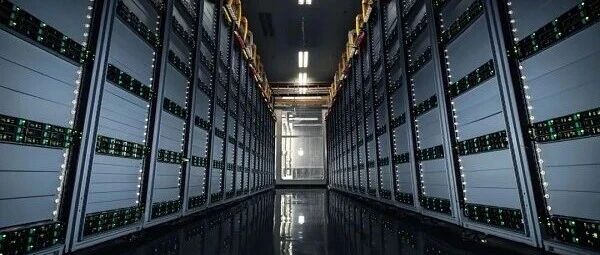
东数西算

Search documents
算力为“翼”叠加创新举措激活数字经济活力 为各行业创新发展筑牢更稳底座
Yang Shi Wang· 2025-12-30 01:57
Core Viewpoint - Inner Mongolia is emerging as a crucial hub for the national "East Data West Computing" initiative, leveraging its green energy advantages, computing power clusters, and industrial synergy to support innovation in various sectors, particularly artificial intelligence in the Beijing-Tianjin-Hebei region [1]. Group 1: Infrastructure and Development - Inner Mongolia's Hohhot New Area has established itself as a key player in the digital economy, with a focus on building digital infrastructure and fostering data industry development [12]. - The computing power infrastructure in Inner Mongolia has seen a significant leap, with total computing power increasing from less than 20,000 PetaFLOPS to 237,000 PetaFLOPS, with over 92% being intelligent computing [14]. - The region has built over 30 high-quality data sets and is hosting 31 well-known large model training and inference projects, with total parameters exceeding one trillion [15]. Group 2: Industry and Economic Impact - The Hohhot New Area has attracted 50 large data centers, 12 projects with over one trillion in general large models, and over 700 data service enterprises, forming a complete industrial chain [9]. - Inner Mongolia's data centers utilize over 80% green electricity, benefiting from the region's cool climate and abundant wind and solar energy resources [14]. - The region aims to transform its economy from a reliance on resource output to a high-quality digital economy, integrating digital and physical economic development [17]. Group 3: Technological Advancements - A self-developed smart cultural tourism model is being optimized, which can generate intelligent designs from text descriptions, potentially becoming Inner Mongolia's first approved large model [3]. - An esports cloud platform is being developed to support national esports events, providing reliable cloud services for participants from across the country [6]. - The low-latency computing power advantage is a key factor attracting enterprises to the Hohhot New Area, with data transmission times to key nodes being as low as 4.2 milliseconds [7][11].

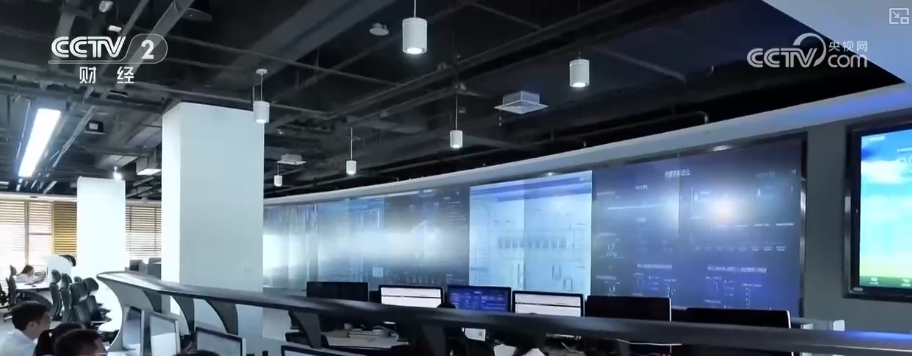
“东数西算”工程铺就绿色算力发展之路
Zheng Quan Ri Bao· 2025-12-30 00:00
Group 1 - The "East Data West Computing" project has significantly enhanced the green computing power supply capacity and solidified the green foundation of computing infrastructure over the past two years [1] - By the end of 2025, the green electricity proportion in newly built data centers at national hub nodes is expected to exceed 80% [1] - The push for green transformation in data centers is driven by higher energy-saving requirements, leading to increased adoption of renewable energy sources such as solar, wind, and hydropower [1][2] Group 2 - The integration of data centers as a new type of infrastructure is crucial for supporting the deep development of the digital economy, necessitating a scientific layout and green, efficient operations [2] - Policies have been implemented to promote the green transformation of data centers, including the issuance of 22 key tasks aimed at fostering low-carbon development in the digital industry [2] - The establishment of a standardized system for the national integrated computing network enhances the quality and reliability of computing services, supporting the healthy development of the green data center industry [3] Group 3 - The demand for computing power is experiencing explosive growth, with the market size expected to reach 835.1 billion yuan by 2025, reflecting the robust development and market potential of the computing industry [4] - The "dual carbon" goals and related policies provide clear green development targets for data center industry chain enterprises, driving innovation in energy-efficient solutions [4] - High voltage direct current technology is being developed to support the integration of renewable energy sources, reducing reliance on traditional energy and promoting the growth of green data centers [4][5] Group 4 - Innovations in cooling technology, such as immersion liquid cooling, are crucial for the efficient operation of data centers, leading to lower Power Usage Effectiveness (PUE) and enabling the use of high-density computing equipment [5] - The construction of green data centers is fostering collaborative innovation across the industry chain, involving operators, equipment manufacturers, energy suppliers, and software developers [5] - Green data centers are driving technological innovation and product development, pushing the industry towards a greener, more efficient, and intelligent future [5]
美利云田生文:在沙漠边缘铸绿色算力高地
Shang Hai Zheng Quan Bao· 2025-12-29 19:06
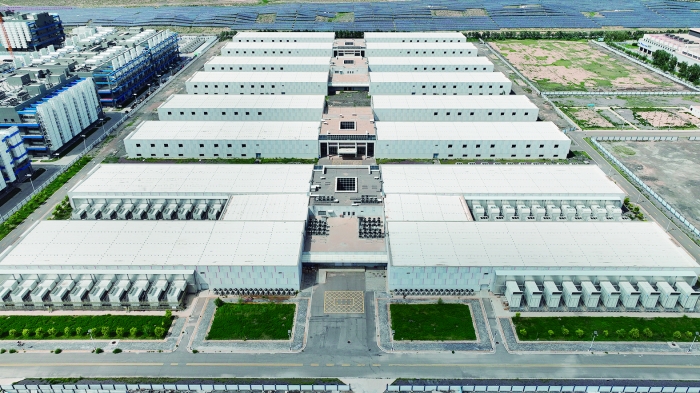
美利云中卫数据中心机房楼 ◎记者 于瑶 在腾格里沙漠边缘,美利云C1机房楼拔地而起,凭借卓越的绿色节能实践,被工业和信息化部评选为 2025年度国家绿色数据中心。关停传统造纸业务,转向新能源赛道,并以"绿电"驱动"绿算",战略性新 兴产业的培育孵化使美利云发生"脱胎换骨"的变化。近日,上海证券报记者与公司董事长田生文面对面 交流,探究美利云在国家"东数西算"与"双碳"目标大背景下,如何优化"数据中心+新能源"组合式发 展,重塑企业核心竞争优势。 剥离造纸,聚焦算力 造纸业务曾经为美利云贡献了七成营收,但是近年来该业务持续亏损且扭亏无望,成了公司的"出血 点"。通过深入研判,美利云决定进行战略性调整,明确"绿色数据中心+绿电"双轮驱动发展模式。 "2016年,我们把握数据存储与算力需求爆发机遇,突破传统行业局限,通过非公开发行股票投建数据 中心,成功跨界云计算;2018年,公司又基于自身资源拓展光伏新能源,构建差异化竞争力建成50兆瓦 光伏电站。2024年,美利云数据中心收入同比增长24.66%,达到3.12亿元,且毛利率很高,显著高于原 来的造纸业务,验证了转型方向的正确性。"田生文说。 宁夏中卫市是"东数西 ...

《关于深入实施“东数西算”工程 加快构建全国一体化算力网的实施意见》发布两周年 “东数西算”工程铺就绿色算力发展之路
Zheng Quan Ri Bao· 2025-12-29 17:03
Core Viewpoint - The "East Data West Computing" project has significantly enhanced the green computing power supply capacity and strengthened the green foundation of computing infrastructure over the past two years, with a goal of achieving over 80% green electricity usage in new data centers by the end of 2025 [1][2]. Group 1: Policy and Development - The digital economy is entering a high-quality development phase, necessitating a scientific layout and green transformation of data centers, with policies focusing on increasing the proportion of green electricity usage [2][3]. - The implementation of the "East Data West Computing" project is accelerating the construction of a national integrated computing network, which is crucial for the green development of data centers [2][3]. Group 2: Technological Innovation - The establishment of a standardized system for the national integrated computing network provides unified technical specifications and evaluation criteria, enhancing the quality and reliability of computing services [3]. - The demand for high-density and high-efficiency power supply solutions is increasing due to the explosive growth of AI computing needs, driving innovation in data center power supply technologies [4][5]. Group 3: Market Potential - The market size of China's computing power is expected to reach 835.1 billion yuan by 2025, reflecting a growth rate of over 30%, indicating a robust development trend and significant market potential in the computing industry [4]. - The green development goals set by the "dual carbon" strategy are providing clear targets for data center industry chain enterprises, fostering a wave of innovation across the industry [4].
AI算力扩张驱动固态变压器需求增长
Zheng Quan Ri Bao· 2025-12-29 17:03
Group 1: Market Demand and Growth - The demand for Solid State Transformers (SST) is increasing due to the rapid expansion of AI computing power, with the global AI market expected to grow from 1,187.9 billion yuan in 2023 to 11,455.4 billion yuan by 2030, achieving a compound annual growth rate (CAGR) of over 35% [1] - The global SST market is projected to grow at a CAGR of 25% to 35% over the next 5 to 10 years, according to predictions from Anshan China Big Data Center [1] Group 2: Technological Advantages - SSTs are set to upgrade traditional transformers, which are typically oil-immersed or dry-type and operate at 50Hz, due to the increased power demand and requirements for stability and safety brought by AI computing [2] - Traditional transformers are large, heavy, and have an efficiency of around 95%, while SSTs utilize power electronic devices and high-frequency technology, significantly reducing size and weight, and improving efficiency [2] - SSTs can achieve power conversion efficiencies exceeding 98%, support high power and dynamic loads, and simplify the power supply chain [3] Group 3: Company Developments - Domestic companies are accelerating their entry into the SST market, with China West Electric Co., Ltd. having developed SST capabilities and already supplying a 2.4MW SST to a data center [4] - Hainan Jinpan Intelligent Technology Co., Ltd. has completed the design and production of a prototype SST suitable for HVDC800V power supply architecture [4] - TBEA Co., Ltd. has provided products and solutions for multiple key data center projects and plans to continue strengthening market development and R&D investment in this area [4] Group 4: Broader Applications - The demand for SSTs is expected to be driven not only by data centers but also by sectors such as renewable energy integration, electric vehicle fast charging stations, and smart grids [5]


中国移动内蒙古公司与巴彦淖尔市人民政府签署“人工智能+”行动战略合作协议
Zhong Guo Jin Rong Xin Xi Wang· 2025-12-29 12:37
Core Insights - China Mobile Inner Mongolia and the Bayannur Municipal Government have signed a strategic cooperation agreement focusing on "Artificial Intelligence+" to enhance local high-quality development through digital technology [1][2] Group 1: Strategic Focus Areas - The cooperation will advance six core areas: digital infrastructure, industry upgrading, public service optimization, livelihood service enhancement, emerging industry exploration, and talent support [2] - In digital infrastructure, the focus will be on intelligent computing resources, full coverage of 5G networks, and integration of local intelligent computing centers into the national "East Data West Computing" project [2] - The partnership aims to leverage digital technologies for precise management and customized services in key industries such as agriculture, animal husbandry, forestry, and water resources [2] Group 2: Implementation Mechanisms - To ensure effective cooperation, five support mechanisms will be established: "Intelligence Empowerment" forum, collaborative investment attraction, industry-academia-research innovation, multi-level communication, and project-based cooperation [2] - The collaboration is expected to accelerate the construction of an intelligent economic model in Bayannur, injecting new vitality into the high-quality development of the digital economy [2]

AI日报丨分析师质疑英伟达与Groq的交易规避监管,亚马逊暂停意大利无人机送货计划
美股研究社· 2025-12-29 12:13
Group 1 - The article discusses the rapid development of artificial intelligence (AI) technology, highlighting the broad opportunities it presents in the current fast-changing era [3] - Nvidia's $20 billion deal with Groq is characterized as a "non-exclusive licensing agreement," which analysts suggest may be a strategy to avoid regulatory scrutiny [5][6] - Analysts from Bernstein and Cantor emphasize that this deal helps Nvidia expand its technology stack and solidify its leadership position in the AI market, with Bank of America describing the transaction as "surprising, expensive but strategically significant" [6] Group 2 - Beijing has launched three AI+ education applications, including a large model for basic education and a data space for educational data, aimed at enhancing personalized teaching and data utilization [7][8] - A white paper states that Artificial Intelligence Data Centers (AIDC) have evolved from backend systems to become "frontier sources" driving innovation, indicating a significant shift in their role [9] - Nvidia is leading a major infrastructure transformation in global data centers by shifting power standards from traditional AC to 800V DC, preparing for high-density computing environments [11] Group 3 - Amazon has suspended its commercial drone delivery plans in Italy due to the country's regulatory environment, despite positive discussions with local aviation authorities [12]


2025年中国移动内蒙古公司生态伙伴合作大会暨商机分享会举行
Zhong Guo Jin Rong Xin Xi Wang· 2025-12-29 11:51
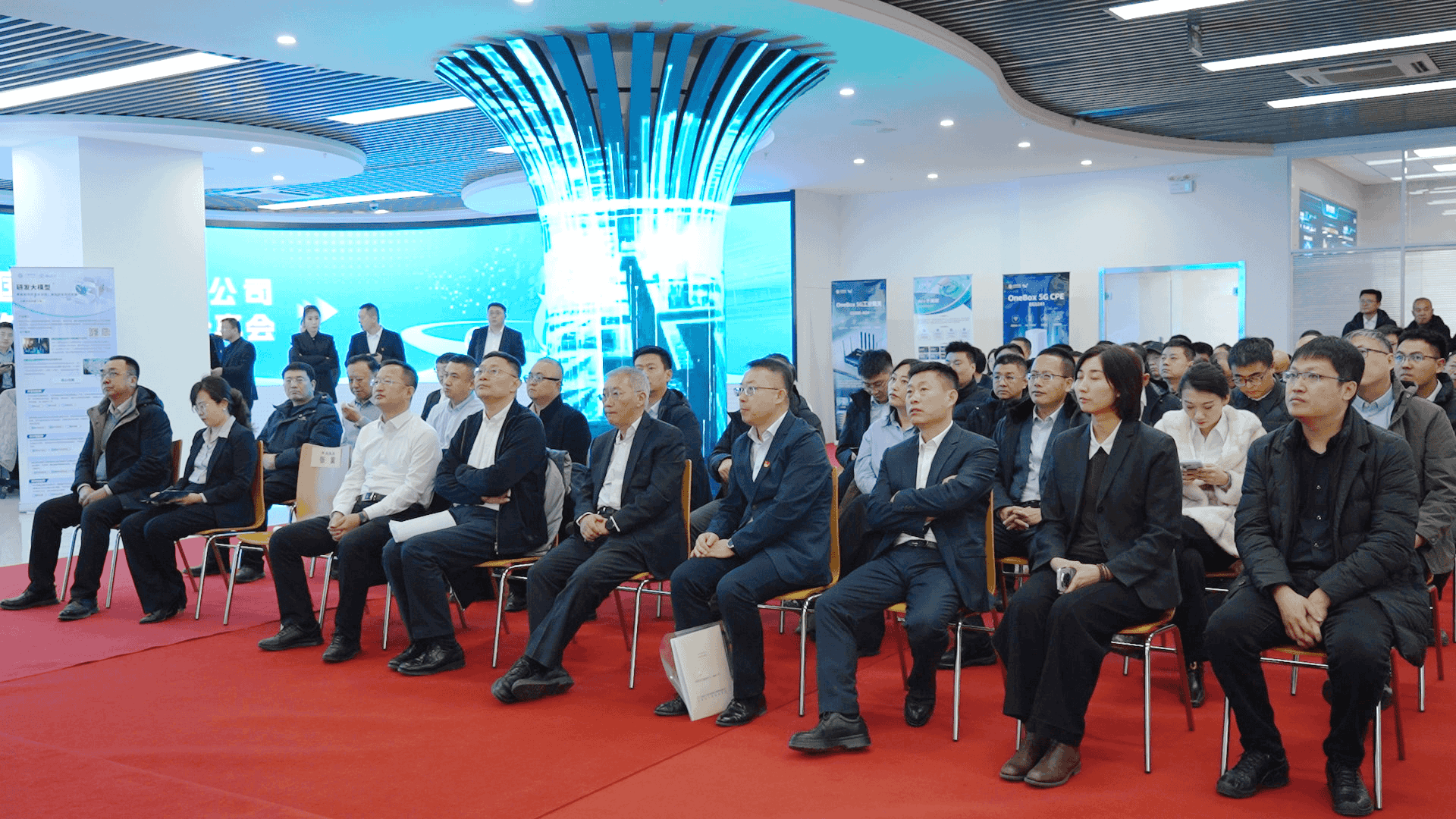
Core Insights - The conference themed "Intelligent Ecology, Value Co-creation" was held by China Mobile Inner Mongolia, gathering nearly 50 ecological partners to discuss new paths for ecological collaboration and opportunities for digital development [1][3]. Group 1: Achievements and Collaborations - China Mobile Inner Mongolia's General Manager, Ma Xianfeng, highlighted the company's ecological cooperation philosophy and development plans, noting that the number of ecological partners has exceeded 500, with a cooperation scale surpassing 1 billion [3][4]. - The service scale for government and enterprise clients has consistently exceeded 1 million, with nearly 100,000 connections for 5G industry applications and over 1,000 benchmark projects across various fields such as government affairs, healthcare, and industry [3][4]. - The company has established a new information service system based on "connection + computing power + capabilities," optimizing its computing power layout significantly in data center construction and other areas [3][4]. Group 2: Future Cooperation Initiatives - Ma Xianfeng proposed a "Four Commons" cooperation initiative, which includes building a new foundation for "East Data West Computing," expanding industry empowerment in sectors like smart mining and agriculture, creating a new ecosystem for capability platforms, and enhancing customer trust through a comprehensive service system [4][5]. - The conference featured representatives sharing their cooperation experiences and development visions, with a focus on market opportunities in key areas such as digital government, smart energy, healthcare, and cultural tourism [5]. - The event aimed to clarify key directions for ecological cooperation and establish a practical platform for business opportunity connections, with a commitment to transforming opportunities into effective projects for high-quality economic and social development in Inner Mongolia [5].
在法治轨道更高质量做好节能降碳工作
Ren Min Ri Bao· 2025-12-29 05:22
Group 1 - The core viewpoint emphasizes the importance of energy conservation as a key aspect of carbon reduction, highlighting the need for a unified approach to enhance economic development and ensure energy security while achieving carbon reduction goals [1][2] - The next steps include reducing existing energy consumption in key sectors such as industry, construction, transportation, and computing facilities, implementing strict energy review and carbon emission evaluation systems, and integrating energy consumption and carbon emission metrics into carbon reduction assessments [1][2] Group 2 - There are challenges in enforcement, including weakened enforcement power and inconsistent standards, which affect the implementation of the Energy Conservation Law. Future reforms will focus on strengthening institutional supply, enhancing energy supervision in key industries, and improving enforcement capabilities [2] - The need to update energy conservation standards, particularly for emerging industries like AI, is highlighted. Plans include accelerating the revision of mandatory energy standards for traditional industries and developing new standards for emerging sectors [2][3] Group 3 - The rapid growth of energy consumption in computing facilities is identified as a new challenge. Strategies to manage energy efficiency in this area include ensuring strict oversight of new projects, enhancing the renovation of existing facilities, and promoting the recovery and utilization of waste heat [3] - Support from the finance and state-owned enterprise systems is crucial for promoting energy conservation and the development of renewable energy. Measures include incorporating energy conservation into performance assessments and encouraging state-owned enterprises to lead in energy-saving initiatives [3] Group 4 - The inquiry session lasted over two hours, addressing key issues and proposing solutions, reflecting a commitment to enhancing energy conservation and carbon reduction efforts within a legal framework to support the construction of a beautiful China [4]
观察 | 算力地产疯狂崛起,地产还会凉凉吗?
未可知人工智能研究院· 2025-12-29 04:01
Core Viewpoint - The article highlights the significant shift in investment from traditional real estate to data centers, driven by the increasing demand for computing power and AI applications. This transition represents a fundamental change in infrastructure needs, akin to historical shifts in transportation and communication [6][18][30]. Group 1: Data Center Investment Trends - In the U.S., monthly spending on data center construction has exceeded $3 billion, while office building expenditures have declined from $6 billion in 2020 to around $4 billion [4][5]. - The construction spending on data centers has skyrocketed from less than $100 million in 2018 to over $3 billion monthly, with projections indicating a potential $1 trillion investment in North America from 2025 to 2030 [5][9]. - Major tech companies like Oracle, Meta, Amazon, and Microsoft are increasingly opting to lease data centers rather than build them, with Oracle alone signing leasing contracts worth $248 billion [10][12]. Group 2: Global and Domestic Market Dynamics - China's data center market is projected to reach approximately 150 billion RMB in 2024, growing at an annual rate of around 30% [21]. - The "East Data West Computing" initiative launched by the Chinese government aims to establish eight computing hubs across the country, leveraging cheaper electricity and land in western regions [22][21]. - Companies like Qinhuai Data and GDS Holdings, which have roots in traditional real estate, are pivoting towards data center development, recognizing the changing landscape of real estate demand [23][25]. Group 3: Historical Context and Future Predictions - Historical patterns show that major infrastructure shifts, such as the transition from railroads to highways, often lead to new investment opportunities while marginalizing older sectors [30][31]. - The article predicts a short-term structural oversupply in data centers, similar to the fiber optic bubble of the 1990s, but this could create opportunities for acquiring quality assets post-bubble [37]. - Energy supply is identified as a critical bottleneck for data centers, with future site selection prioritizing access to stable, clean energy sources [37]. Group 4: Opportunities for Individuals and Businesses - Individuals are encouraged to consider investing in data center REITs as a way to gain exposure to this emerging sector without the risks associated with direct equity investments [40]. - Professionals in real estate, construction, and energy sectors are advised to transition towards data center-related roles, as demand for skilled workers in this area is expected to grow significantly [40]. - Business owners are urged to explore how their operations can align with the data center industry, whether through specialized materials, logistics, or training services [40].