
城市更新

Search documents
“唤醒”超10万亿资金,多地支持住房公积金用于居民房屋改建
Di Yi Cai Jing· 2026-02-05 08:05
Core Viewpoint - The housing provident fund system is undergoing reforms to expand its usage for urban renewal projects, aiming to benefit more flexible employment groups, although challenges remain in activating the substantial dormant funds [1][6]. Group 1: Policy Changes and Reforms - Recent policies across various cities have expanded the scope of housing provident fund usage, particularly for urban renewal projects that enhance residents' living conditions and asset value [2]. - The Ningxia Zhongwei City housing provident fund management center has introduced new policies allowing fund withdrawals for elderly and child-friendly renovations, as well as structural reinforcements and urban renewal projects [2]. - Hebei Langfang has lifted restrictions on the frequency of housing provident fund withdrawals, allowing for more flexible access for home purchases, construction, and renovations [3]. - The Beijing urban renewal incentive toolbox aims to accelerate housing provident fund loan support for residents' renovation costs, reducing financial burdens [4]. Group 2: Financial Implications and Statistics - The housing provident fund's total deposit amount reached 32.79 trillion yuan by the end of 2024, with a year-on-year growth of 8.61%, while the total withdrawal amount was 21.87 trillion yuan, accounting for 66.69% of total deposits [6][7]. - In 2024, 22.57 million people withdrew 272.06 billion yuan for rental housing, but only 65,300 people withdrew 2.04 billion yuan for old community renovations, indicating a need for broader fund utilization [7]. - The innovative practices in Shandong Dezhou are expected to generate 15.3 million yuan in housing provident fund loan issuance and stimulate local real estate sales and related consumption [4]. Group 3: Challenges and Future Outlook - Despite the reforms, the housing provident fund system faces a "good policy but poor execution" dilemma, with the need for improved resident housing consumption expectations to fully activate the over 10 trillion yuan in dormant funds [1][8]. - The inclusion of more flexible employment individuals in the housing provident fund system is seen as a potential way to enhance fund activity and participation in urban renewal projects [7]. - Experts suggest that the ongoing urban renewal efforts and the adoption of self-renovation models could increase residents' willingness to participate and contribute financially to these projects [7].
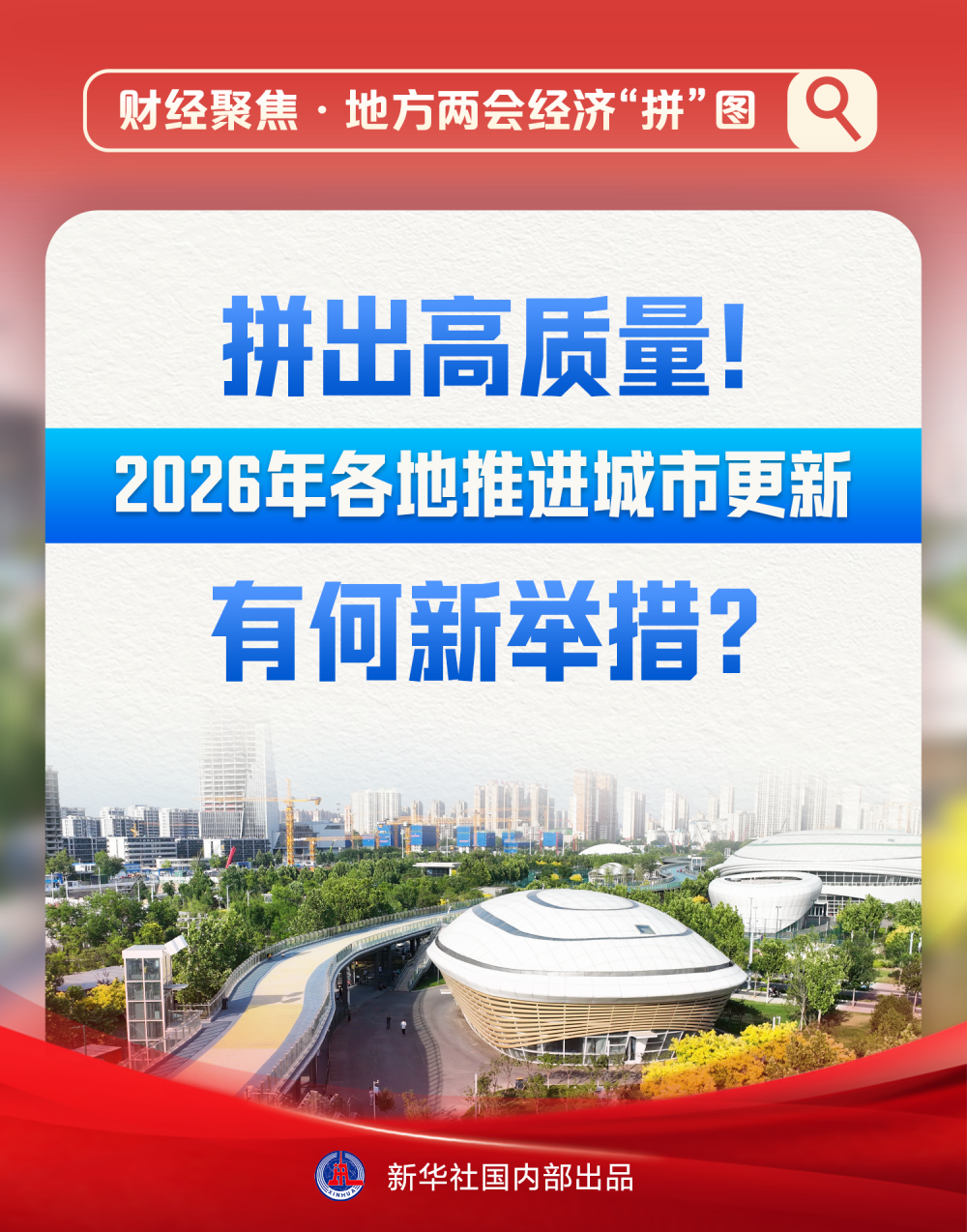
拼出高质量!2026年各地推进城市更新有何新举措?
Xin Hua She· 2026-02-05 02:55
Core Viewpoint - Urban renewal has become a key focus in local government work reports, with various regions exploring innovative approaches to promote high-quality urban renewal [2][3]. Group 1: Urban Renewal Initiatives - In Gansu Lanzhou, the renovation of the Five Springs Mountain Park Square is expected to boost surrounding consumption by over 100 million yuan annually [2]. - By 2025, 27,100 old urban residential areas will be newly constructed or renovated, with 14,000 elevators added, benefiting over 4.7 million residents [3]. - The "14th Five-Year Plan" emphasizes urban renewal as a means to develop modern, resilient, and livable cities [3]. Group 2: Challenges and Solutions - The renovation of old residential areas is identified as a significant challenge, impacting the quality of life for residents [3][4]. - Various regions, including Chongqing and Jilin, are prioritizing the renovation of old residential areas and the installation of elevators to address accessibility issues [4]. - The need for comprehensive community services and infrastructure improvements is highlighted as essential for enhancing residents' sense of well-being [6][9]. Group 3: Cultural and Historical Preservation - Many regions are focusing on preserving historical and cultural elements as part of urban renewal efforts, with initiatives aimed at revitalizing old streets and integrating cultural heritage into modern urban life [7][9]. - The approach of "micro-renovation" is being adopted to protect historical features while creating new living and commercial spaces [7]. Group 4: Financial Support and Investment - Regions are exploring diverse funding sources for urban renewal projects, including policy-based financial tools, bank loans, and public REITs [9]. - Innovative participation models involving state-owned and private enterprises are being developed to enhance investment in urban renewal [9].

观点全追踪(2月第4期):晨会精选-20260205
GF SECURITIES· 2026-02-04 23:30
Group 1: Transportation Industry - The core variable for the aviation and airport industry is the recovery of ticket prices and profit improvement driven by demand. Domestic passenger volume is expected to grow moderately due to normalized consumer travel and increased leisure tourism, supported by refined airline revenue management [2] - The international routes may experience short-term fluctuations due to external uncertainties, but the long-term trend remains positive with the expansion of visa-free policies and improved outbound travel convenience [2] - Supply constraints and cost pressures are expected to amplify profit elasticity, as slow aircraft deliveries will keep capacity expansion restrained, and policies aimed at reducing competition will stabilize revenue quality [2] Group 2: Construction Materials Industry - The valuation of the construction materials sector is at a low point, with a focus on urban renewal initiatives. The allocation ratio for construction materials is projected to increase to 0.72% by Q4 2025, up by 0.11 percentage points from Q3 2025, indicating a positive trend in industry supply-demand dynamics and price expectations [2] - The Ministry of Natural Resources and the Ministry of Housing and Urban-Rural Development have issued guidelines to support urban renewal actions, emphasizing the construction of "two renewals and two new projects" and the ongoing upgrade of aging municipal facilities [2] - The combination of industry supply-demand optimization, price increase expectations, and overseas expansion is expected to drive ROE and valuation recovery [2]
两会会场频现有温度的“民生小建议”
Xin Lang Cai Jing· 2026-02-04 22:38
Group 1 - The core focus of the article is on the importance of local craftsmanship and community engagement in enhancing agricultural practices and urban living conditions, as highlighted by representatives at the provincial assembly [1][2][3]. - Liu Qiaoqin, a representative and chairman of Nanjing Shengzhuang Agricultural Group, emphasizes the need to preserve traditional handicrafts and integrate them into modern community life, advocating for a transformation of markets into community service centers [2][3]. - Liu's initiatives, such as the "Huinong Market," attract significant foot traffic and aim to create a vibrant space for traditional artisans, while also addressing the challenges faced by farmers and promoting a full agricultural supply chain [2][3]. Group 2 - Ye Zhaoyan, a representative and chairman of the Nanjing Writers Association, stresses the importance of addressing small but significant urban issues, such as pedestrian access and safety in city planning [4][5]. - He suggests practical improvements, like adding elevators or ramps to existing bridges, to enhance accessibility for all citizens, particularly the elderly and cyclists [5][6]. - Ye advocates for a balanced approach to urban development, emphasizing the need for foundational projects that respect the natural evolution of urban spaces rather than focusing solely on trendy developments [6][7].
宁不投,勿投错?2026年“好房子+现房销售+改善户型”被视为突围关键 | 追问“好房子”
Hua Xia Shi Bao· 2026-02-04 18:14
Core Viewpoint - The real estate industry is undergoing a deep adjustment in 2025, with both investment and sales declining, leading companies to adopt a cautious approach, emphasizing the need for a transformation in development paths [2][3]. Group 1: Market Performance - In 2025, total real estate development investment reached 82,788 billion yuan, a year-on-year decrease of 17.2%, with residential investment at 63,514 billion yuan, down 16.3% [3]. - The sales of new commercial housing amounted to 88,101 million square meters, a decline of 8.7% year-on-year, with sales revenue at 83,937 billion yuan, down 12.6% [3]. - Residential sales area decreased by 9.2% and sales revenue fell by 13.0%, indicating a more significant adjustment compared to the overall market [3]. Group 2: Strategic Directions - Urban renewal has been established as a core content of the new development model, with a focus on creating a new urban construction and real estate development model that aligns with the new stage of development [3][4]. - The transition towards urban renewal is seen as a critical direction for the transformation of the real estate industry, involving systemic changes in concepts, systems, and technologies [4]. - The industry is advised to consider macroeconomic variables such as exports, capital markets, technology, prices, and external demand when formulating policies [4]. Group 3: Investment Opportunities - Despite the overall market pressure, certain cities exhibit resilience, with some regions like Northeast China showing better performance than traditionally strong first-tier cities [6]. - The market is experiencing structural differentiation, with a cautious optimism towards first-tier cities as the gap in market conditions narrows [6]. - Developers are encouraged to focus on high-quality products and current housing sales to meet evolving consumer demands for features like spacious layouts and customized designs [6]. Group 4: Commercial Real Estate - The commercial real estate sector faces challenges, with average rents in major commercial streets declining by 0.81% year-on-year in the second half of 2025 [7]. - However, new opportunities in commercial real estate are emerging, particularly through public REITs and related institutional developments, which are seen as key to industry transformation [7]. - Companies are focusing on innovative investment strategies, including small-scale investments in projects and customized commercial properties to address operational challenges [7].
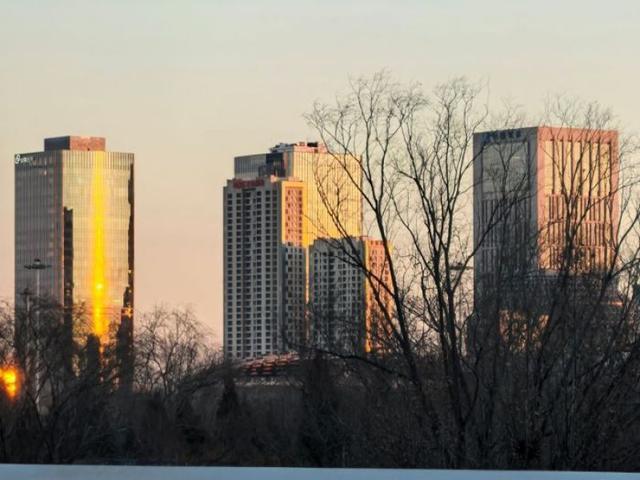
地方两会再提公积金改革 城市更新成高频词
2 1 Shi Ji Jing Ji Bao Dao· 2026-02-04 13:36
Core Viewpoint - The recent provincial-level local two sessions emphasize the importance of stabilizing the real estate market as a key task for 2026, focusing on high-quality development and new models for the industry [1][2]. Group 1: Stabilizing the Real Estate Market - Multiple provinces have highlighted the need to "stabilize the real estate market" in their government work reports, proposing specific measures such as controlling supply, reducing inventory, and improving the supply of housing [2]. - Guangdong Province aims to implement city-specific policies to manage supply and demand, enhance the transaction convenience of existing homes, and promote the construction of affordable housing [2]. - Jiangsu Province emphasizes tailored strategies for different regions and groups to stimulate housing demand, alongside reforms in the housing provident fund system [2]. Group 2: Urban Renewal - Urban renewal is a recurring theme in government work reports, with many regions committing to "high-quality urban renewal" through specific tasks like renovating old neighborhoods and upgrading infrastructure [4][5]. - Beijing plans to address safety issues in 507 old buildings and complete renovations in over 300 old neighborhoods, while Shanghai aims to accelerate the transformation of urban villages [4][5]. - The central urban work conference has shifted the focus of urbanization from rapid growth to stable development, making urban renewal a strategic priority for enhancing urban quality [6]. Group 3: Institutional Reforms - Several provinces are set to deepen reforms in the housing provident fund system, with expectations for significant changes in policies related to loan limits and usage [7][8]. - The housing sales system is also expected to undergo gradual reforms, particularly in third and fourth-tier cities with high inventory levels [8]. - The concept of "good housing" has gained traction, with provinces integrating it into broader community development plans, indicating a systematic approach to housing quality [9][10].
张一鸣出手28亿北京买地
第一财经· 2026-02-04 13:07
Core Viewpoint - The article discusses the recent land acquisition by ByteDance in Beijing, highlighting the trend of internet companies purchasing land for self-use rather than leasing, and the advantages and challenges associated with this strategy [2][3][8]. Group 1: Land Acquisition Details - ByteDance's subsidiary, Beijing Yun Yue Chang Shi Technology Co., acquired a commercial financial service land in Haidian District for a base price of 2.8 billion yuan, covering an area of 39,522.111 square meters with a planned building area of approximately 96,811.508 square meters [3]. - The land is required to commence construction within 12 months of signing the contract and must be completed within three years, with a commercial land use period of 40 years and office use of 50 years [3]. Group 2: Industry Context - The article notes that other major internet companies, such as Douyin, Tencent, and JD.com, have also engaged in similar land acquisitions for self-built office spaces, indicating a growing trend among tech giants [6][7]. - For instance, Douyin Group previously spent 1.082 billion yuan on a commercial land in Shenzhen and 2.04 billion yuan on another in Shanghai, showcasing a strategic shift towards owning rather than leasing office spaces [6][7]. Group 3: Advantages of Buying Land - Acquiring land allows companies to mitigate risks associated with long-term leasing, such as rental fluctuations and potential eviction by landlords, while converting rental expenses into long-term fixed assets that can appreciate in value [8]. - This strategy enhances brand image and talent attraction, as companies can customize their office spaces to meet specific operational needs, providing greater flexibility compared to leasing [8]. Group 4: Challenges of Buying Land - The article also outlines challenges, including high initial investment costs, significant capital lock-up, and the need for professional property management, which can increase operational costs [9]. - Additionally, if a company's business needs change, modifying the space can incur substantial costs, and the liquidity of owned commercial properties is generally lower, limiting the ability to quickly convert assets into cash [9].
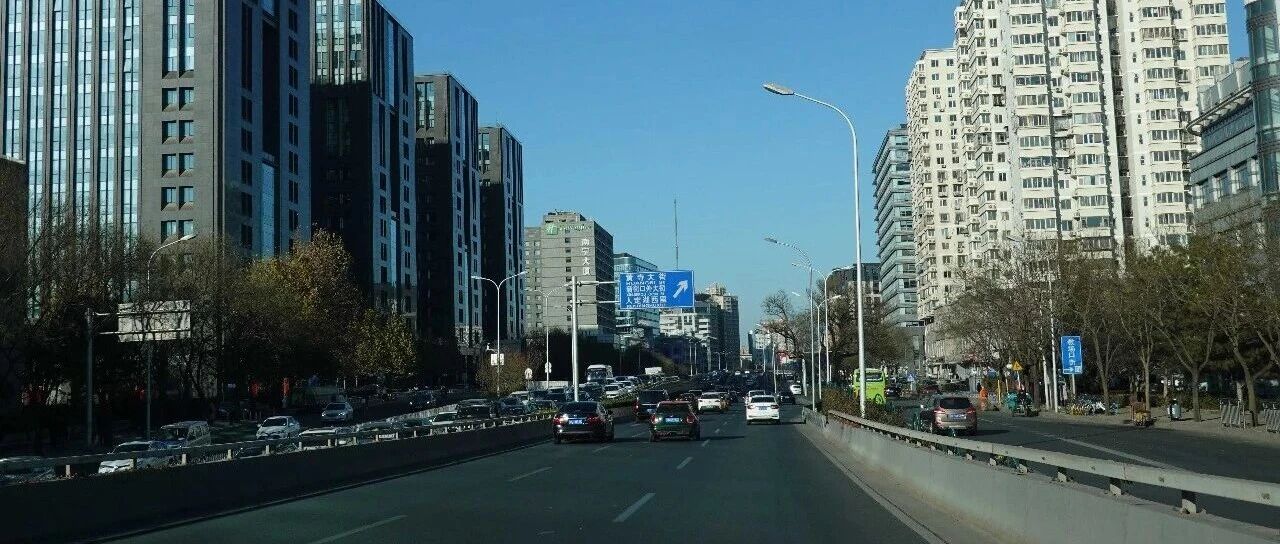
公积金改革迎破局关键节点
2 1 Shi Ji Jing Ji Bao Dao· 2026-02-04 13:01
Core Viewpoint - The recent provincial-level local two sessions in 2026 emphasize the importance of stabilizing the real estate market and promoting high-quality development, indicating a shift towards sustainable growth models and long-term reforms in the industry [1]. Group 1: Real Estate Market Stability - Multiple provinces have highlighted the task of "stabilizing the real estate market" in their government work reports, with specific measures proposed to control supply, reduce inventory, and improve housing supply [5][6]. - Provinces like Guangdong and Jiangsu are implementing city-specific strategies to manage housing demand and supply, including the acquisition of existing homes for affordable housing [5][6]. - Recent policy releases have led to a rebound in the real estate market, particularly in second-hand housing transactions in hot cities, although the overall market remains in an adjustment phase [5][6]. Group 2: Housing Provident Fund Reform - The reform of the housing provident fund system is frequently mentioned, with expectations for significant changes in 2026 [2][4]. - Key measures include increasing loan limits, optimizing loan recognition, and expanding the use of provident funds for various housing-related expenses [4]. - Analysts suggest that the main directions for reform will focus on removing restrictions, broadening usage, and enhancing efficiency [4]. Group 3: Urban Renewal Initiatives - Urban renewal is a recurring theme in government reports, with a focus on high-quality projects such as the renovation of old neighborhoods and infrastructure improvements [7][8]. - Specific targets have been set for various provinces, including the renovation of old residential buildings and the installation of elevators in older structures [7]. - The central government has identified urban renewal as a strategic approach to enhance urban development, transitioning from rapid growth to quality improvement [8]. Group 4: Current Housing Sales Reform - The reform of current housing sales is anticipated, particularly in third and fourth-tier cities with significant inventory [9]. - The concept of "good housing" has been integrated into local government agendas, emphasizing a systematic approach to housing quality and community development [9]. - Future policy actions may include substantial support in land and financing to facilitate the development of quality housing [9].
公积金改革迎破局关键节点
21世纪经济报道· 2026-02-04 12:40
Core Viewpoint - The article emphasizes that the stability and high-quality development of the real estate sector is crucial for the economy, people's livelihoods, and urban futures, with a focus on long-term sustainable growth rather than short-term stimulus measures [1]. Group 1: Real Estate Market Stability - Multiple provinces have highlighted the importance of stabilizing the real estate market in their government work reports, with specific measures proposed to control supply, reduce inventory, and improve the quality of housing supply [5][6]. - The government aims to enhance the construction and collection of affordable housing and encourage the acquisition of existing commercial properties for affordable housing use [5]. - Analysts suggest that policies focusing on the acquisition of existing homes and the "old-for-new" housing exchange will be key areas of attention this year [6]. Group 2: Housing Provident Fund Reform - Several provinces, including Shandong, Hainan, and Qinghai, have mentioned the need to deepen reforms of the housing provident fund system, which is expected to play a significant role in the real estate market [3]. - The reforms are anticipated to include increasing loan limits, adjusting loan recognition criteria, and expanding the use of provident funds for various expenses [3]. - The central government has reiterated the importance of these reforms in recent meetings, indicating a strong push towards enhancing the effectiveness of the housing provident fund [3]. Group 3: Urban Renewal - Urban renewal has emerged as a frequent topic in government reports, with many regions committing to high-quality urban renewal initiatives, including the renovation of old neighborhoods and infrastructure [7][9]. - Specific targets have been set for the renovation of old buildings and the improvement of urban infrastructure, such as the renovation of 300 old neighborhoods and 3,500 kilometers of old pipelines in Liaoning province [8]. - The article notes that urban renewal is seen as a strategic approach to enhance urban quality and stimulate investment, with a focus on multi-modal innovation and participation from various stakeholders [9]. Group 4: Current Housing Sales Reform - The article discusses the potential for gradual reforms in the current housing sales system, particularly in third and fourth-tier cities with significant inventory [10]. - The concept of "good housing" has been frequently mentioned in government reports, indicating a systematic approach to housing quality improvement alongside community development [11]. - There is an expectation of substantial policy actions in support of "good housing" initiatives, including technical standards and support in land and financing policies [11].
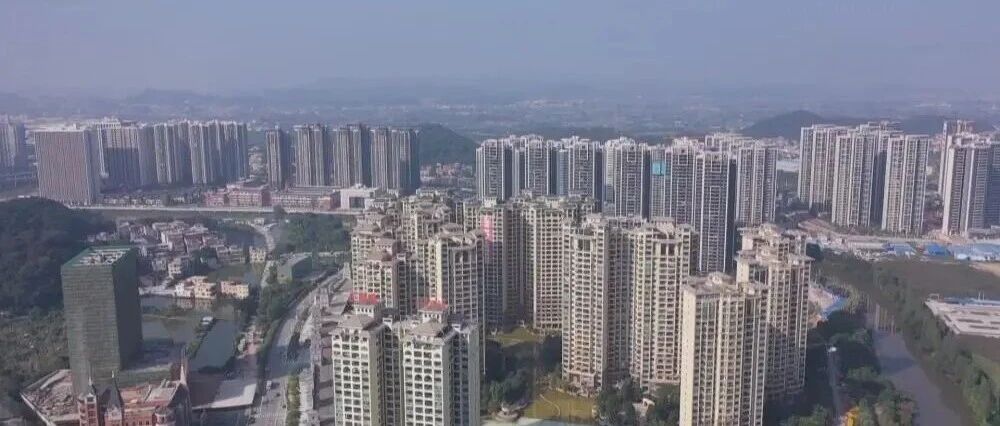
18年“拉锯战”落幕?深圳南山旧改“F4”破局
Mei Ri Jing Ji Xin Wen· 2026-02-04 12:32
Core Insights - The urban renewal project in Beitou Village, Shenzhen, has entered a critical phase after 18 years of challenges, with the government announcing the start of administrative mediation to resolve final signing issues [1][3][4] Group 1: Project Background - The Beitou Village urban renewal project was first included in Shenzhen's annual urban renewal plan in 2008, with the special planning approval granted in 2011. However, progress stalled for over a decade due to complex property rights and difficulties in demolition coordination [2][3] - A turning point occurred in June 2024 when the revised special planning draft for Beitou Village was approved, clearing obstacles for the project's restart [2] Group 2: Challenges Faced - The project has faced three main challenges: 1. "Demolition difficulties" due to the market-based negotiation model requiring 100% owner agreement, giving "nail households" significant leverage [3] 2. "Difficulty in easing expectations" as property values have declined while villagers' compensation expectations remain high, complicating negotiations [3] 3. "Financing difficulties" as financial institutions have become cautious about investing in complex urban renewal projects during market downturns [3] Group 3: Policy and Market Dynamics - Shenzhen's current policy emphasizes "controlling inventory," with nearly 90 square kilometers of planned demolition areas but only 41% confirmed for implementation, highlighting the urgency to revitalize stagnant projects [4] - The government’s focus on urban renewal in the Nanshan core area is driven by its advantageous market conditions, making it a priority for revitalization efforts [4] Group 4: Developer Insights - Dazhu Holdings, through its subsidiary Jinhui Rong Real Estate, is the actual developer of the Beitou Village project, leveraging its strong financial position and local resources to establish a foothold in Shenzhen's real estate market [6] - Dazhu Holdings has developed multiple residential and commercial projects in Shenzhen, totaling over 5 million square meters, with urban renewal being a core strategic focus [6] Group 5: Market Trends - The overall progress of the "F4" urban renewal projects in Nanshan is uneven, with Beitou Village and Xiangnan Village making rapid advancements, while Dazhu Holdings' other projects, Nanshan Village and Daxin Village, are progressing more slowly [7][8] - The significant increase in property values in the surrounding areas, with second-hand housing prices near 100,000 yuan per square meter, is a key driver for urban renewal initiatives [8] - The Nanshan District government has outlined plans to "steadily advance urban village renovations" in its 2025 work plan, indicating a supportive policy environment for the Beitou Village project [8]
