
夜经济

Search documents
从退两米到夜无眠 璀璨夜经济点亮岸上村
He Nan Ri Bao· 2025-08-09 23:14
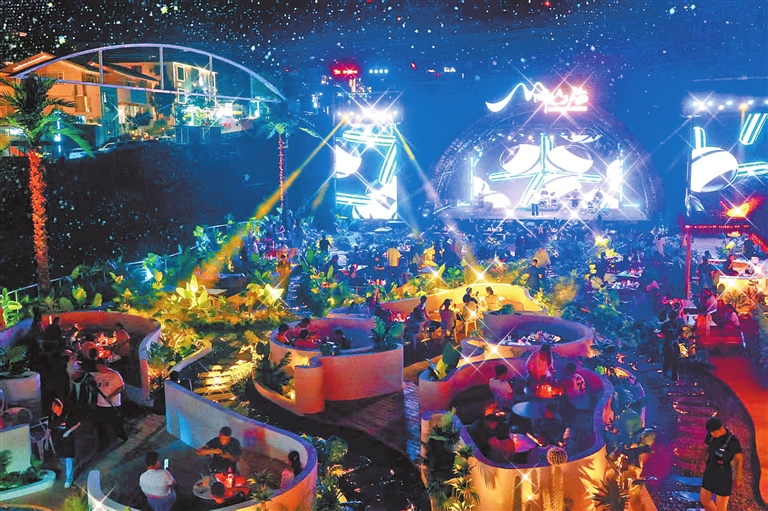
云台山听山海音乐秘境,以灯光、音乐和大自然交织,打造出沉浸式的山野浪漫体验。 修武县委宣传部供图 8月6日,太行山脚下的修武县岸上村,华灯初上,白日的喧嚣退去,流光溢彩的夜晚登场:青石长街上汉服 飘逸,怀药餐厅氤氲山药咖啡的醇香,音乐露营地响起悦耳的吉他声,夜市摊儿的烟火气升腾。 以民宿小镇闻名的岸上村近日先后入选全国消费新场景典型案例、我省新一批省级夜经济集聚区名单,成为 河南文旅夜经济的"双料标杆"。 从昔日的普通小山村到如今的文旅胜地,岸上村如何实现华丽转变? 依托云台山景区云台明月焰、云台山夜游、听山海音乐秘境等文旅项目的大量客流,岸上村的旅游产业也从 单纯的住宿发展到旅游观光、餐饮美食、休闲娱乐、民宿度假、文化体验、旅游购物等。 创店等,全时段为游客提供吃、住、行、游、购、娱消费体验。 岸上村的夜经济,始于"让路"的智慧。 岸上村党支部书记郭军平说,岸上村秉持"顺应自然、不大拆大建"的理念,对街区风貌、夜游景观、街道立 面、民宿街区以及公共文化建筑等实施改造提升。村里以精品民宿为主线,带动150余家民居改造成主题各异 的休闲民宿。岸上村还创新采用"政府引导+集体出地+群众筹资+产业分红"模式,打造云 ...

助力夜经济 亚奥国际嗨啤节开幕
Bei Jing Shang Bao· 2025-08-09 12:45
Group 1 - The "2025 Cool Asia International Beer Festival and Shuanghe Sheng Five-Star Craft Beer Festival" is being held at Beichenhui Shopping Mall from August 9 to August 24, providing a "beer + food" leisure and interactive experience [1] - The event features multiple products from Shuanghe Sheng Beer, including German wheat beer, Shuanghe Sheng Wu Yutai jasmine tea beer, and IPA [1] - The festival is organized by a subsidiary of Yiqing Holdings, showcasing various brands such as Beibingyang soda, Hongxing Erguotou, Longhui wine, and Yili classic pastries, aiming to inject vitality into Beijing's summer nights [1] Group 2 - The summer season is identified as a peak time for tourism and a golden window for developing the night economy, with Ele.me reporting a 120% month-on-month increase in night orders in Beijing since July [1] - Traditional late-night food orders, such as lobster and barbecue, have seen a month-on-month increase of over 80%, while local snacks, regional dishes, stews, and noodles have experienced a growth of over 140% [1] - To capitalize on the night consumption opportunities, many restaurants are extending operating hours and launching late-night themed menus to further unleash consumer potential [1]
880亿“夜经济”密码:星级外摆40分钟售罄 美术馆夜展爆满
Xin Jing Bao· 2025-08-09 08:57
Core Viewpoint - The traditional hotel industry is adapting to the night economy by offering affordable dining options, thereby attracting a broader customer base and enhancing nighttime consumer activity [1][2][3]. Group 1: Hotel Initiatives - The Jinling Purple Mountain Hotel in Shanghai has introduced outdoor food stalls selling hotel-quality dishes at low prices, such as a 15 yuan braised pork chop, which has successfully attracted long queues of customers [1][2]. - The hotel’s food sales have seen a slight increase compared to last year, indicating a positive response to the new outdoor dining initiative, which also serves as a brand promotion strategy [3]. Group 2: Night Economy Growth - Shanghai's night economy has shown significant growth, with total nighttime consumption reaching 880.09 billion yuan in June, marking a 3.3% year-on-year increase, and the number of cultural venues participating in nighttime activities has risen by 35% [4][5]. - The city is expanding its night economy beyond traditional commercial areas, with new initiatives such as night bus routes connecting various nighttime attractions and themed river cruises enhancing the consumer experience [5]. Group 3: Consumer Trends - Analysts predict that by 2025, service-related consumption will increase to 43% of nighttime spending, with consumer activity extending beyond the traditional hours of 19-22 to after 22:00, indicating a shift towards more regular nighttime activities [5].
欢聚九江 这场消费盛宴燃爆全城
Sou Hu Cai Jing· 2025-08-09 07:47
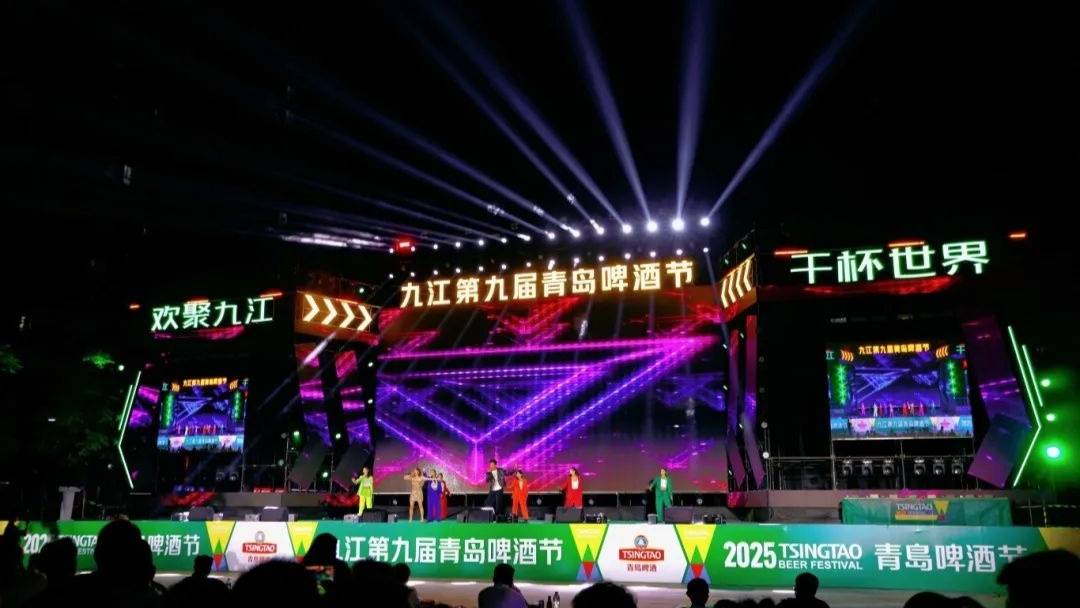
Core Points - The event is the opening of the "Integrity and Prosperity Promotion Month" and the 9th Jiujiang Qingdao Beer Festival, which attracted thousands of citizens and tourists, filling the night with music and excitement [1][8] - The festival features various activities including live performances, food stalls, and interactive games, contributing to a vibrant atmosphere [3][7] Event Highlights - The festival commenced with a large crowd at the entrance, showcasing a diverse audience including families and tourists [3] - A significant performance included a dance titled "Phoenix Singing at Dawn," followed by popular songs that engaged the audience [3] - The "King of Beer" competition was a highlight, with participants competing for the title and prizes, generating excitement among attendees [5] Economic Impact - The beer festival is seen as a catalyst for Jiujiang's night economy, with extended public transport hours and increased business for local shops and parking facilities [8] - Local vendors reported a surge in sales, with one vendor selling nearly 2,000 skewers of grilled meat in one evening, indicating a strong consumer spending trend [7][8] - The festival is expected to continue attracting visitors and enhancing the city's nightlife, with various themed nights planned throughout its duration [8]
嘛掉!多亏“苏超”,又挖出一个宝藏小城
盐财经· 2025-08-08 09:43
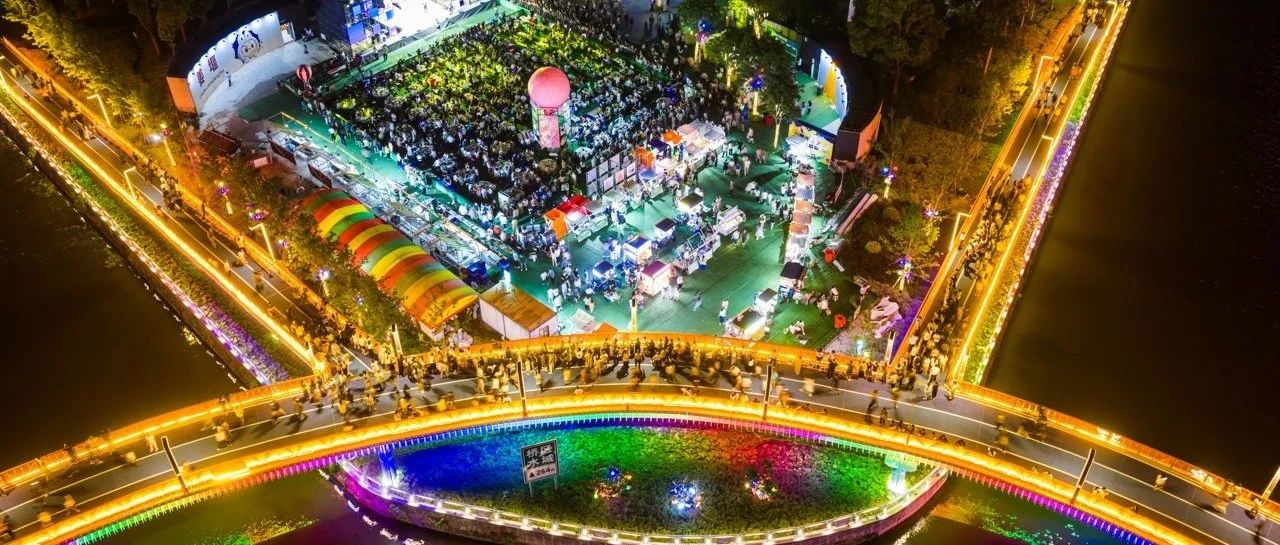
Core Viewpoint - The article highlights the success of the "Jianghu Banquet" in Jiangyan District, Jiangsu, which effectively leveraged local culture and market dynamics to create a vibrant night economy without government financial input, achieving significant economic impact and community engagement [3][4][25]. Group 1: Event Overview - The "Jianghu Banquet" is part of the 2025 Food Carnival, showcasing local cuisine and culture in Jiangyan District, which is home to popular tourist attractions [2][5]. - The event has generated over 1.5 million yuan in direct revenue within the first month, demonstrating the effectiveness of a market-driven approach [3][8]. Group 2: Economic Impact - The "Su Chao" event has significantly boosted the tourism, dining, and hospitality sectors in Jiangsu, with a total service revenue of 37.96 billion yuan, marking a 42.7% year-on-year increase [8]. - During the "Jianghu Banquet," the tourist reception in the Qinhai Bay Resort increased by 36.7%, and sales of local agricultural products surged by 123% month-on-month [12][14]. Group 3: Cultural Integration - The event creatively combined local dialect and culture with sports enthusiasm, using the phrase "ma diao" (meaning "cheers") to resonate with the audience and enhance the festive atmosphere [20][22]. - The banquet featured a culinary competition among the thirteen towns in Jiangyan, promoting local food culture and community spirit [14][24]. Group 4: Future Prospects - Jiangyan plans to sustain the momentum of the "Jianghu Banquet" beyond the "Su Chao" event, focusing on continuous innovation and seasonal tourism experiences [27][35]. - The district aims to develop a comprehensive tourism experience that includes various seasonal activities, ensuring year-round engagement with visitors [29][35].
新疆乌苏市市场监管局开展开展餐饮外摆食品安全检查
Zhong Guo Shi Pin Wang· 2025-08-08 05:37
Core Viewpoint - The article emphasizes the efforts of the Urumqi Market Supervision Bureau in Xinjiang to enhance food safety in the outdoor dining sector, aiming to transition from extensive growth to quality development in the night economy [1] Group 1: Food Safety Initiatives - The Urumqi Market Supervision Bureau is collaborating with various local departments, including community street offices and the urban management bureau, to conduct food safety inspections for outdoor dining [1] - Key focus areas of the inspections include the implementation of three防 (three defenses) measures, verification of supply sources, disinfection of tools, and health management of personnel [1] Group 2: Economic Development Goals - The initiative aims to ensure that the outdoor dining experience combines convenience with safety, allowing consumers to enjoy their meals with peace of mind [1] - The approach includes a combination of "interviews and rectifications, training commitments, and quick complaint handling" to support the healthy development of the night economy [1]
多方添柴加力 夜经济从“暑期热”烧到“四季旺”
Zhong Guo Zheng Quan Bao· 2025-08-08 00:25
Core Viewpoint - The night economy is becoming a focal point for boosting summer consumption in various regions, providing direction for listed companies to innovate products and services [1] Group 1: Night Economy Growth - In July, Meituan Travel reported a nearly 100% month-on-month increase in search and review volumes related to "night tours" [1] - The number of existing night economy-related enterprises in China exceeds 1.65 million, with 168,600 new registrations this year [3] Group 2: Company Innovations - Companies are expanding their offerings in the night economy, such as Shanghai Haichang Ocean Park's immersive night stay experience, which has attracted a growing percentage of out-of-town visitors [2] - Chongqing Department Store is launching various offline interactive activities, while SanTe Cableway is incorporating robots into night performances at its theme park [2] Group 3: Consumer Trends - The search interest for "night tours" on Meituan Travel increased by nearly 230% in July, indicating a strong consumer interest across all age groups [4] - The night economy is evolving from traditional dining and shopping to include diverse activities like night sports, scenic night tours, and unique performances [4] Group 4: Government Initiatives - Local governments are actively developing night economy clusters tailored to regional characteristics, enhancing local consumer experiences and attracting tourists [5][6] - The Sichuan Provincial Department of Commerce is promoting the development of a night economy with distinct regional features, aiming to create core and demonstration areas for night consumption [6]


活力中国调研行丨古都秀出新玩法
He Nan Ri Bao· 2025-08-07 23:51
Group 1: Cultural and Tourism Development - The "Vibrant China Research Tour" has been exploring historical cities like Kaifeng and Anyang, offering immersive experiences through light shows, VR displays, and performances that bring history to life [1][2] - Kaifeng has developed a rich array of night economy products, with 2 national-level and 8 provincial-level night tourism consumption clusters, and 12 scenic spots open for night tours, contributing to the "Song Dynasty Night City" concept [2] - The Kaifeng Museum features archaeological displays combined with light technology, showcasing the historical layers of the city from the Five Dynasties to the Qing Dynasty, enhancing visitor engagement [3] Group 2: Educational Tourism and Experience - The Yin Ruins Museum in Anyang is focusing on educational tourism, utilizing immersive experiences and interactive teaching to enhance cultural confidence among students [4] - The number of students participating in educational trips in Anyang is projected to reach approximately 1.6 million in the first half of 2025, marking a 20% increase compared to the previous year [4] - The integration of educational travel with industrial economy, consumer travel, and historical culture is expanding the appeal and influence of Anyang's cultural tourism [4]
夜经济从“暑期热” 烧到“四季旺”
Zhong Guo Zheng Quan Bao - Zhong Zheng Wang· 2025-08-07 23:12
Core Viewpoint - The development of the night economy is becoming a key focus for boosting summer consumption and providing direction for listed companies to innovate products and services [1] Group 1: Night Economy Growth - In July, Meituan Travel reported a nearly 100% month-on-month increase in search and comment volume related to "night tours" [1] - The number of existing night economy-related enterprises in China exceeds 1.65 million, with 168,600 new registrations this year [3] Group 2: Company Innovations - Companies are expanding their offerings in the night economy, such as Shanghai Haichang Ocean Park's immersive night stay experience, which has attracted a growing percentage of out-of-town visitors [2] - Chongqing Department Store is launching various offline interactive activities, including a summer beer festival and a crawfish tasting event [2] - Jiangsu Cable is innovating its promotional model during the "Super League" events by utilizing outdoor screens for live broadcasts [2] Group 3: Consumer Trends - The search heat for "scenic night tours" on Meituan Travel increased by nearly 230% in July, indicating a strong consumer interest across all age groups [4] - The night economy is evolving from traditional dining and shopping to include diverse activities such as night sports, scenic night tours, and special performances [4] Group 4: Government Initiatives - Local governments are actively creating night economy IPs, with Henan Province recently announcing new provincial night economy gathering areas [6] - The Sichuan Provincial Department of Commerce is promoting the development of night economy with local characteristics, aiming to build core, demonstration, and gathering areas for night consumption [6] - Experts emphasize the need to enhance the supply of high-quality night products and improve public service levels to sustain the night economy throughout the year [5][6]
多方添柴加力 夜经济从“暑期热” 烧到“四季旺”
Zhong Guo Zheng Quan Bao· 2025-08-07 22:00
Core Insights - The night economy is becoming a focal point for boosting summer consumption and providing direction for listed companies to innovate products and services [1] Group 1: Night Economy Growth - In July, search volume and comment volume related to Meituan Travel's "night tours" increased by approximately 100% month-on-month [1] - The number of existing night economy-related enterprises in China exceeds 1.65 million, with 168,600 new registrations this year [3] Group 2: Company Innovations - Companies are expanding their offerings in the night economy, including night stays, night life festivals, and night performances, driven by emotional value and technological advancements [2] - Shanghai Haichang Ocean Park launched an immersive night stay experience, with 70% of night stay customers being local and 50% being from outside the city during the summer [2] Group 3: Consumer Trends - The search heat for "night tours" on Meituan Travel increased nearly 230% in July, indicating a growing interest across all age groups for night activities [4] - Nighttime activities such as boat rides, riverside walks, and museum night tours are becoming popular among consumers [4] Group 4: Government Initiatives - Local governments are actively developing night economy clusters, with regions like Henan and Sichuan promoting unique local night economy experiences [6] - The night economy is seen as a significant driver for service consumption, meeting local residents' needs while attracting tourists [5]