
中小微企业

Search documents
货币政策继续适度宽松 央行释放新信号
Sou Hu Cai Jing· 2026-01-08 06:42
Core Viewpoint - The People's Bank of China (PBOC) will continue to implement a moderately accommodative monetary policy in 2026, focusing on enhancing both incremental and stock policies to support economic recovery and stabilize prices [1][2]. Monetary Policy - The meeting emphasized the importance of promoting high-quality economic development and reasonable price recovery as key considerations for monetary policy, utilizing various tools such as reserve requirement ratio (RRR) cuts and interest rate reductions to maintain ample liquidity [2][3]. - The PBOC aims to ensure that social financing conditions remain relatively loose, guiding reasonable growth in total financing and balanced credit allocation, aligning the growth of social financing and money supply with economic growth and price level expectations [2][3]. Financial Resource Allocation - The meeting highlighted the need to optimize the financial policy framework to focus resources on key areas, particularly through structural tools and market innovations, with a notable emphasis on the development of the "technology board" in the bond market [4]. - In 2025, over 700 entities issued technology innovation bonds through this platform, with a total scale exceeding 1.5 trillion yuan, addressing financing challenges for technology enterprises [4]. Structural Monetary Policy Tools - The PBOC will continue to enhance the "precision drip irrigation" effect of structural monetary policy tools, optimizing tool design and management to increase credit support for consumption and small and micro enterprises [4][6]. - It is anticipated that structural tools will see an "increase in quantity and decrease in price" trend in 2026, with steady increases in quotas and reductions in operational interest rates, aiding in the transition of old and new growth drivers [4]. Supply Chain Financing - The meeting underscored the importance of strengthening regulatory oversight of key supply chain financing information service platforms to ensure smooth funding flows while preventing risks associated with false trade [6]. - The financial work in 2026 is expected to support multiple missions, including stabilizing growth, adjusting structures, preventing risks, and promoting openness, reflecting a commitment to high-quality financial development [6].

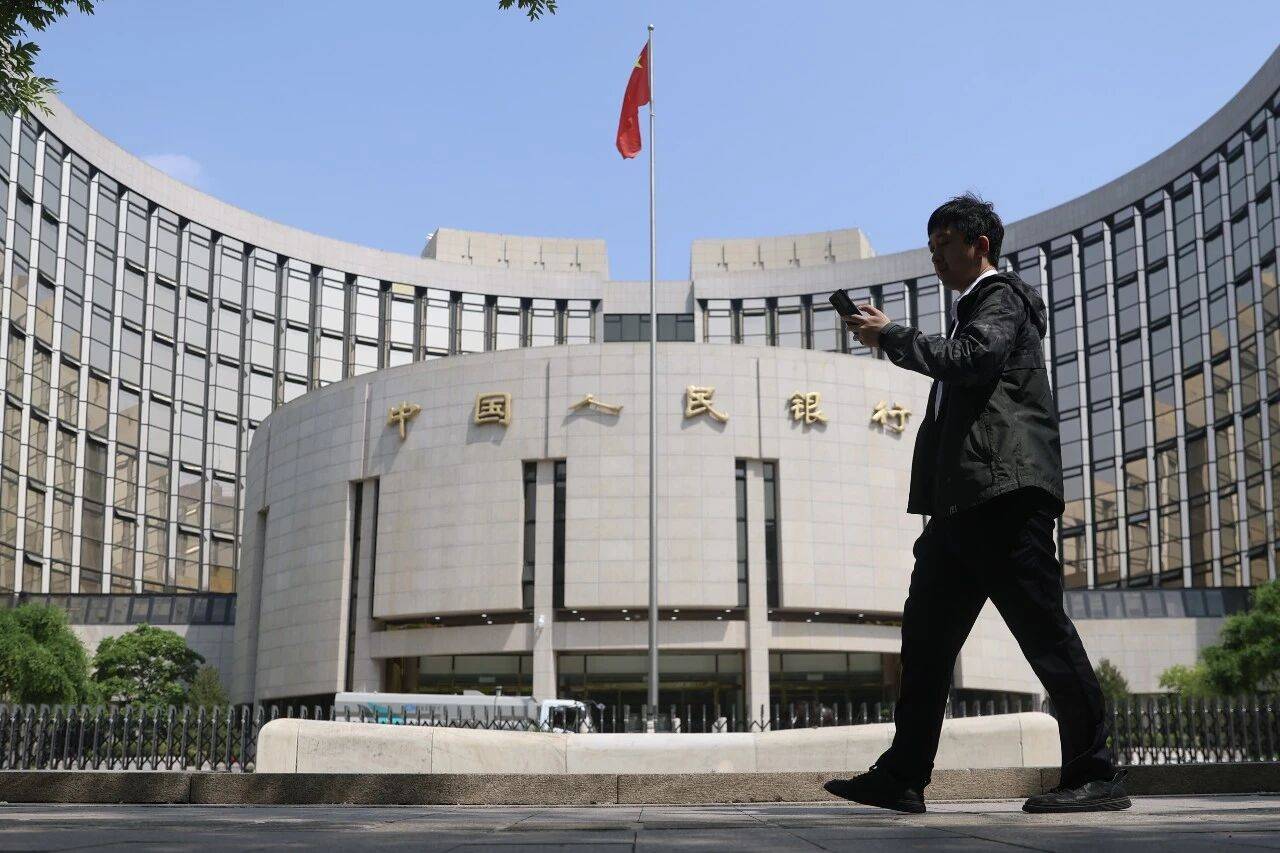
央行:完善结构性货币政策工具体系,加强对扩大内需、科技创新、中小微企业等重点领域的金融支持
Sou Hu Cai Jing· 2026-01-06 10:21
Core Viewpoint - The People's Bank of China emphasizes enhancing financial services to support high-quality development of the real economy during the work conference held on January 5-6, 2026 [1] Group 1: Financial Policy Framework - The meeting highlighted the need to further improve the financial "five major articles" policy framework [1] - Implementation of assessment and evaluation systems for financial services was stressed to enhance service effectiveness [1] - There is a focus on optimizing the design and management of structural monetary policy tools [1] Group 2: Financial Support for Key Areas - The conference aims to strengthen financial support for key areas such as expanding domestic demand, technological innovation, and small and micro enterprises [1] - High-quality construction and development of the bond market "technology board" is a priority [1] - The use of re-loans for consumer services and elderly care is encouraged to boost credit investment in the consumer sector [1] Group 3: Support for Agriculture and Small Enterprises - The management of re-loans and rediscounting for agricultural and small enterprises will be optimized [1] - There is an emphasis on enhancing the financial service capabilities of financial institutions for small and micro enterprises [1] - Strengthening the regulatory oversight of key supply chain financing information service platforms is also highlighted [1]
中国人民银行:要继续实施适度宽松的货币政策
Sou Hu Cai Jing· 2025-12-24 12:02
Core Viewpoint - The People's Bank of China (PBOC) aims to continue implementing a moderately accommodative monetary policy, enhancing counter-cyclical and cross-cyclical adjustments to support stable economic growth and reasonable price recovery [1][4]. Group 1: Monetary Policy Implementation - The PBOC's monetary policy committee recently held a meeting to discuss the main ideas for the next phase of monetary policy, emphasizing the integration of incremental and stock policies [4]. - The meeting suggested using various tools to strengthen monetary policy regulation, ensuring liquidity remains ample and aligning money supply growth with economic growth and price level expectations [5]. Group 2: Financial Support and Structural Policies - The meeting highlighted the importance of effectively implementing various structural monetary policy tools to support key areas such as domestic demand expansion, technological innovation, and small and micro enterprises [5]. - The PBOC plans to utilize securities, funds, and insurance company swap facilities, as well as stock repurchase and refinancing, to maintain capital market stability [5]. Group 3: Domestic Economic Focus - The PBOC intends to prioritize strengthening the domestic economic cycle, balancing total supply and demand, and enhancing the forward-looking, targeted, and coordinated nature of macro policies [5]. - The focus will be on expanding domestic demand, optimizing supply, and continuously consolidating and expanding the momentum of stable economic growth [5].
华安证券深学笃行中央经济工作会议精神 以金融之力服务高质量发展新格局
Zheng Quan Ri Bao Wang· 2025-12-18 10:47
Core Viewpoint - The 2025 Central Economic Work Conference has set the direction for economic development, emphasizing the core goal of achieving qualitative improvement and reasonable quantitative growth, while deploying major measures to stabilize growth, promote transformation, prevent risks, and improve people's livelihoods [1] Group 1: Financial Services Direction - The conference deepens the macro policy tone from "stability while seeking progress" to "stability while seeking progress and improving quality and efficiency," indicating a shift towards more sustainable and high-quality economic growth [2] - Financial institutions are encouraged to focus on "precise drip irrigation" in financial services, supporting emerging industries and optimizing traditional industries through tools like restructuring and mergers [2] Group 2: Macro Policy and Economic Stability - The conference maintains a "more proactive macro policy" with a more aggressive fiscal policy and moderately loose monetary policy, providing a solid policy environment for economic recovery [3] - The fiscal policy for 2025 is set to increase, with new debt reaching 2.9 trillion yuan, and emphasizes the need for effective fiscal management and addressing local government financing risks [3] Group 3: Key Tasks and Economic Support - The conference highlights the need to expand domestic demand, with a focus on increasing residents' income and stabilizing investment, indicating a significant shift in policy emphasis [5] - New measures for innovation and service sector development are introduced, including a focus on education, technology, and talent development [6] - The conference stresses the importance of systemic reforms to address "involution" in competition, indicating a continued focus on improving market efficiency [6] Group 4: Risk Management in Key Areas - The overall tone for the real estate sector has shifted to "stabilization," with specific measures to control supply and encourage the acquisition of existing housing for affordable housing [7] - Financial institutions are urged to enhance their internal capabilities and risk management to better serve the real economy, focusing on expanding domestic demand and optimizing asset-liability structures [7] Group 5: Future Outlook - Looking ahead to 2026, the company aims to align its actions with the spirit of the Central Economic Work Conference, enhancing the precision and effectiveness of financial services to support economic growth [8]

万联晨会-20251218
Wanlian Securities· 2025-12-18 00:44
Core Insights - The A-share market saw a collective rise in the three major indices on Wednesday, with the Shanghai Composite Index increasing by 1.19%, the Shenzhen Component Index by 2.4%, and the ChiNext Index by 3.39%. The total trading volume in the Shanghai and Shenzhen markets reached 1,811.002 billion yuan [2][7] - In terms of industry performance, telecommunications, non-ferrous metals, and electronics led the gains, while agriculture, defense, and coal sectors lagged behind. Concept sectors such as CPO, copper cable high-speed connections, and liquid cooling servers showed significant increases, whereas Hainan Free Trade Zone, horse racing, and ride-hailing concepts experienced declines [2][7] - The Hang Seng Index in Hong Kong rose by 0.92%, and the Hang Seng Technology Index increased by 1.03%. In contrast, the three major U.S. indices closed lower, with the Dow Jones down by 0.47%, S&P 500 down by 1.16%, and Nasdaq down by 1.81% [2][7] Important News - According to the Securities Times, the "14th Five-Year Plan" aims for a moderately loose monetary policy to promote economic growth and price recovery. This requires maintaining reasonable growth in financial totals to meet the financing needs of the real economy. Market institutions generally expect a reduction in the reserve requirement ratio and interest rates by approximately 0.5 and 0.1 percentage points, respectively, in the coming year. Structural tools will focus on expanding domestic demand, technological innovation, and supporting small and micro enterprises [3][7] - The Ministry of Finance reported that national fiscal revenue for the first 11 months of the year reached 20.05 trillion yuan, a year-on-year increase of 0.8%, consistent with the growth rate of the previous 10 months. Tax revenue amounted to 16.48 trillion yuan, growing by 1.8%, while securities transaction stamp duty revenue surged by 70.7% to 185.5 billion yuan [3][8]
中央财办有关负责同志:投资和消费增速明年有望恢复,我国经济发展前景是十分光明的
Hua Er Jie Jian Wen· 2025-12-16 12:48
Core Viewpoint - The article outlines the key points from the 2025 Central Economic Work Conference, emphasizing the continuation of a moderately loose monetary policy to stabilize economic growth and ensure reasonable price recovery [1] Group 1: Monetary Policy - The monetary policy will focus on promoting stable economic growth and reasonable price recovery, which is a new emphasis for this year's conference [1] - There will be a flexible and efficient use of various monetary policy tools, including reserve requirement ratio cuts and interest rate reductions, to match the growth of social financing and money supply with economic growth and price level expectations [1] - The policy toolbox will include short-term, medium-term, and long-term liquidity injection tools to ensure a comprehensive approach to monetary policy [1] Group 2: Support for Key Areas - There will be increased support for expanding domestic demand, technological innovation, and small and medium-sized enterprises as key focus areas [1] - Structural monetary policy tools will be utilized effectively to enhance the transmission mechanism of monetary policy and improve financial services for the real economy [1] - The contribution rate of domestic demand to economic growth reached 71% in the first three quarters of this year, indicating a stable domestic demand environment [1] Group 3: Economic Outlook - The article notes a recent slowdown in consumption and investment growth, highlighting the need for continued efforts to boost domestic demand [1] - The stability of the RMB exchange rate will be maintained at a reasonable and balanced level while balancing internal and external relationships [1]
广发证券郭磊:2026年政策的“跨周期”特征将更明显,降息降准仍是政策工具选项
中国基金报· 2025-12-15 06:35
Core Viewpoint - The central economic work conference emphasizes the need for a dual approach of policy support and reform innovation to stimulate economic potential and address external challenges [1][2]. Group 1: Economic Policy Framework - The 2026 policy will exhibit more pronounced "cross-cycle" characteristics, with interest rate cuts and reserve requirement ratio reductions remaining viable policy tools [1][2]. - The conference introduced five new "musts," including the need to fully tap economic potential to address insufficient effective demand and release domestic demand space [2]. - The focus on combining investment in physical assets and human capital highlights the importance of enhancing investments in education, healthcare, and social security to deepen growth functions [2]. Group 2: Monetary Policy - The implementation of a moderately loose monetary policy aims to stabilize economic growth and ensure reasonable price recovery, utilizing various tools such as interest rate cuts and reserve requirement reductions [3]. - The emphasis on guiding financial institutions to support domestic demand expansion, technological innovation, and small and medium-sized enterprises indicates a prioritization of expanding domestic demand in financial policy [3]. - The observation of the GDP deflator's recovery slope in 2026 serves as a critical indicator for monitoring economic conditions [3].

何立峰:继续实施好适度宽松的货币政策 加强对扩大内需等重点领域的金融支持
Xin Hua She· 2025-12-12 11:48
Group 1 - The national financial system work conference was held on December 12 in Beijing, emphasizing the need for the financial system to deeply learn and implement the spirit of the Central Economic Work Conference [1] - The focus is on accurately understanding the economic situation and main objectives, with a commitment to risk prevention, strong regulation, and promoting high-quality development as the main line of work for 2026 [1] - Key areas of risk management include preventing and resolving risks from local small and medium financial institutions, financial risks related to real estate companies, and financial debt risks from local government financing platforms [1] Group 2 - There is a call to further consolidate and strengthen financial regulation, improve regulatory systems in key areas, and enhance compliance and risk awareness among financial institutions [2] - The aim is to promote high-quality development through moderately loose monetary policy, with a focus on financial support for expanding domestic demand, technological innovation, and small and micro enterprises [2] - The importance of strengthening the Party's comprehensive leadership over financial work and ensuring the implementation of key directives from the central leadership is highlighted [2]
推动经济实现质的有效提升和量的合理增长——从中央经济工作会议看“十五五”开局之年中国经济着力点
Shang Hai Zheng Quan Bao· 2025-12-11 18:40
Core Points - The Central Economic Work Conference held on December 10-11, 2023, emphasized the importance of economic work for the year 2025, marking the end of the 14th Five-Year Plan and setting the direction for the 15th Five-Year Plan [1][2] - The conference highlighted the need for a comprehensive understanding of economic work under new circumstances, focusing on maximizing economic potential, combining policy support with reform, and ensuring effective management alongside flexibility [1][2] Economic Policy Direction - The conference called for a more proactive macroeconomic policy, emphasizing stability and quality improvement, and increasing counter-cyclical and cross-cyclical adjustments [3][4] - It was decided to maintain necessary fiscal deficits and optimize fiscal expenditure structures while addressing local fiscal difficulties [4] - Monetary policy will remain moderately loose, utilizing various tools like reserve requirement ratio cuts and interest rate reductions to support economic growth [4] Domestic Market Development - Building a strong domestic market is prioritized, with a focus on enhancing domestic demand and addressing the current insufficient effective demand [6][7] - Specific measures include boosting consumption, expanding the supply of quality goods and services, and optimizing policies to stimulate consumer spending [6][7] Innovation and New Growth Drivers - The conference stressed the importance of innovation-driven development, proposing a series of initiatives to enhance education, technology, and talent development [8][9] - It aims to strengthen the role of enterprises in innovation and promote the integration of technological and industrial innovation [8][9] Reform and Opening Up - The conference outlined reforms to enhance high-quality development, including establishing a unified national market and addressing competitive practices [10][11] - It emphasized the transition from a commodity and factor flow-oriented opening to a rules-based opening, focusing on service sector expansion and digital trade [11] Regional Development and Urban-Rural Integration - Coordinated regional development is essential, with a focus on urban-rural integration and promoting high-quality county-level economic development [12][13] - The conference highlighted the importance of maintaining poverty alleviation efforts and integrating them into rural revitalization strategies [12][13] Green Transition - The conference called for a comprehensive green transition, emphasizing carbon reduction and environmental protection measures [14] - Specific actions include energy system construction and pollution control initiatives to support sustainable development [14] Social Welfare and Employment - The conference underscored the importance of social welfare, focusing on employment stability for key groups and enhancing educational opportunities [16] - It aims to improve public services and ensure the supply of essential goods, particularly during the year-end period [16] Risk Management - The conference addressed the need to stabilize the real estate market and manage local government debt risks [17][18] - It proposed measures to control real estate supply and promote the construction of affordable housing [17][18]
中央经济工作会议最新信号,结构性货币政策工具“加量降价”可期
Di Yi Cai Jing· 2025-12-11 12:11
Core Viewpoint - The central economic work conference held in Beijing from December 10 to 11 emphasizes a continuation of moderately loose monetary policy for 2026, indicating strong continuity and stability in macroeconomic policy [2]. Group 1: Monetary Policy Direction - The conference proposes the use of reserve requirement ratio cuts and interest rate reductions as part of the total policy measures [2]. - The People's Bank of China (PBOC) is expected to optimize and effectively utilize various structural monetary policy tools, leading to an overall increase in the amount and a moderate decrease in operational interest rates [2][3]. - Structural monetary policy tools are aimed at facilitating the transition of growth drivers and supporting high-quality development, while also promoting overall credit and social financing growth [2]. Group 2: Focus Areas for Financial Resources - Financial resources will be directed more towards key areas such as technological innovation, manufacturing transformation, green development, small and micro enterprises, and consumption stabilization [2][3]. - The PBOC will gradually shift focus from quantity targets to enhancing the precision and effectiveness of policies, ensuring that financial resources are allocated to weak links in the economy [3]. - As of the end of September, the balance of structural monetary policy tools supporting the financial "five major articles" reached 3.9 trillion yuan, accounting for approximately 13% of the base currency [3].