低GI

Search documents
从食为先到食为尚 “低GI”轻食圈粉中国年轻人
Zhong Guo Xin Wen Wang· 2025-10-17 08:33
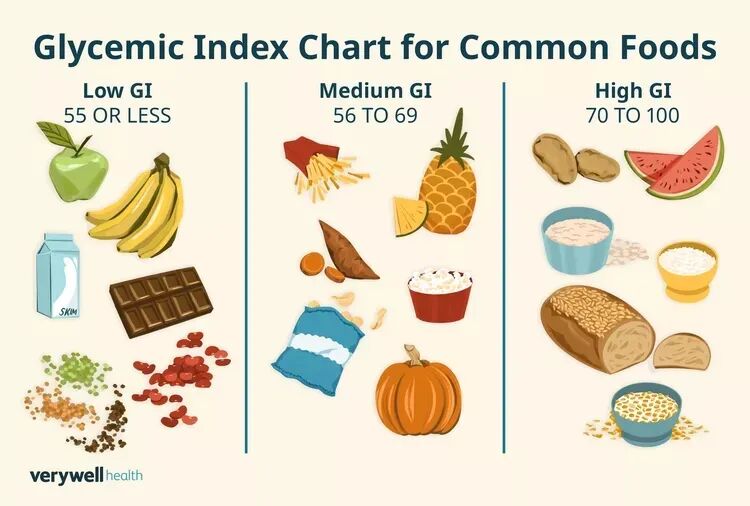
Core Insights - The "low GI" (glycemic index ≤ 55) light food trend is increasingly popular among young consumers in China, characterized by simple ingredient lists, blood sugar-friendly options, low calories, and light burden [1][3] - The 113th National Sugar and Wine Commodity Fair in Nanjing showcased a variety of products appealing to health-conscious consumers, with a noticeable shift towards clean-label and healthy beverages [3][5] Industry Trends - There is a growing preference for products with clean ingredient lists, as evidenced by the sales performance of "low GI" and clean-label items, which have become popular among young consumers [3] - The market for light food is expanding, with the Chinese meal replacement market expected to exceed 160 billion yuan, growing at an annual rate of 30% in the coming years [3] Consumer Behavior - Young consumers are increasingly prioritizing health and quality in their food choices, leading to a shift from "face consumption" to "substance consumption" [5] - Factors influencing purchasing decisions include health quality, emotional value, and social attributes, with clean-label products becoming a "hard currency" in social circles [3] Technological Advancements - The food industry is expected to transition from industrial production to interactive design and order-based production, driven by consumer data [5] - AI technology will assist in the creation of nutritional foods, while IoT and blockchain will enhance food safety and traceability [5]

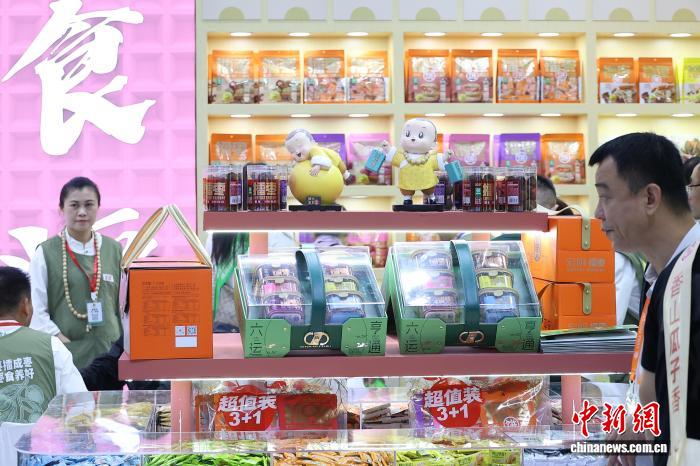
布局健康消费!叮咚买菜携低 GI、配料干净商品亮相糖酒会
Yang Zi Wan Bao Wang· 2025-10-17 07:34
Core Insights - The 113th National Sugar and Wine Commodity Fair opened in Nanjing, highlighting the integration of technology and health, with a new "Healthy Food and Technology Service Zone" attracting significant attention [1][3] - Dingdong Maicai showcased its low GI food section and clean ingredient series, emphasizing its commitment to health-focused products and quality consumption trends [1][3] Company Developments - Dingdong Maicai's low GI food section, launched in May 2025, has expanded to 70 products by September, significantly increasing the variety of low GI staple foods available [3][5] - The company presented several self-branded products under the "clean ingredients" label, adhering to a philosophy of minimal additives to enhance natural food properties [3][5] Market Trends - The low GI food market is transitioning from a slow cultivation phase to a full-scale expansion, driven by rising consumer awareness of health-related topics such as weight management and nutrition [3][5] - Sales of health-labeled products at Dingdong Maicai surged, with clean ingredient products exceeding 500 million yuan in sales in the first half of the year, and low GI product sales increasing from under 1 million yuan in 2023 to nearly 60 million yuan in the same period [5] Industry Challenges - The health food market faces challenges including an incomplete standard system, severe product homogeneity, and insufficient R&D capabilities [5] - Dingdong Maicai plans to address these industry pain points through demand-driven R&D, experience upgrades, comprehensive coverage, and holistic health food services [5]


叮咚买菜:“双节”低糖、低GI月饼登场 大闸蟹成中秋家宴必备
Zheng Quan Ri Bao Wang· 2025-09-28 10:48
Core Insights - The online fresh food consumption is experiencing a new growth wave as the Mid-Autumn Festival and National Day approach, with consumers showing strong interest in traditional festive foods like hairy crabs, mooncakes, and fruit gift boxes [1] - Dingdong Maicai is launching new products themed around health and regional specialties, including low-GI mooncakes and various types of hairy crabs, to cater to personalized consumer demands [1][2] Group 1 - The sales of hairy crabs on Dingdong Maicai's platform have shown a significant upward trend as the "Golden Week" approaches, with the Yellow River hairy crab experiencing a nearly 200% year-on-year sales increase [1] - Outdoor activities such as travel and camping are driving a notable rise in demand for snacks and ready-to-eat foods, with an expected 20% increase in overall stock compared to regular days [1] Group 2 - Dingdong Maicai's health-focused snack series is rapidly growing, featuring products like Australian grain-fed beef jerky and low-GI apple crisps, which are expected to be popular among consumers during the holiday [2] - The company is also offering a diverse range of regional dishes and easy-to-prepare meals, such as the Chaoshan marinated platter and various hot pot options, to meet the needs of consumers who prefer dining at home [2] - The trend towards low-sugar and low-GI mooncakes is evident, with Dingdong Maicai introducing a low-GI mooncake gift box that aligns with consumer preferences for healthier eating options [2]
0糖0脂后,下一个健康食品风口是低GI?
3 6 Ke· 2025-08-28 03:20
Core Insights - The rise of low GI (Glycemic Index) foods is driven by increasing health awareness among urban consumers and the promotion of weight management policies, leading to a significant market opportunity for brands [3][4][14] - Traditional food brands are rapidly adapting to market changes by reformulating high GI products to low GI alternatives, expanding their product lines to include staples, snacks, and beverages [4][6][10] - The low GI food market in China is projected to reach 176.2 billion yuan in 2024, with an annual growth rate exceeding 10%, driven by a growing diabetic population and a shift towards healthier eating habits [14][16] Industry Trends - The search interest for low GI foods has increased by 56% year-on-year, indicating a growing consumer demand [1] - Major brands like Panpan, Jiangzhong Honggu, and others are launching low GI products, while platforms like Hema and Dingdong are creating dedicated sections for these foods [1][3] - The introduction of low GI certifications and government initiatives, such as the "Healthy China 2030" strategy, is promoting the development and consumption of low GI products [6][14] Consumer Behavior - The target audience for low GI foods has expanded beyond diabetic patients to include health-conscious individuals, fitness enthusiasts, and pregnant women [6][10] - Consumers are willing to pay a premium for healthier options, as evidenced by the rising repurchase rates for health-focused products [16] - The popularity of low GI foods is reflected in social media engagement, with topics related to low GI diets garnering millions of views [1][3] Product Innovation - Companies are innovating product formats and packaging to cater to modern consumer lifestyles, such as single-serving options for on-the-go consumption [10][12] - New players in the market, like Marsala and Sugar Friends, are leveraging their expertise in specialized medical foods to gain consumer trust [7][10] - Collaborations between retailers and established brands are helping to reduce costs and improve product offerings in the low GI segment [12][14]
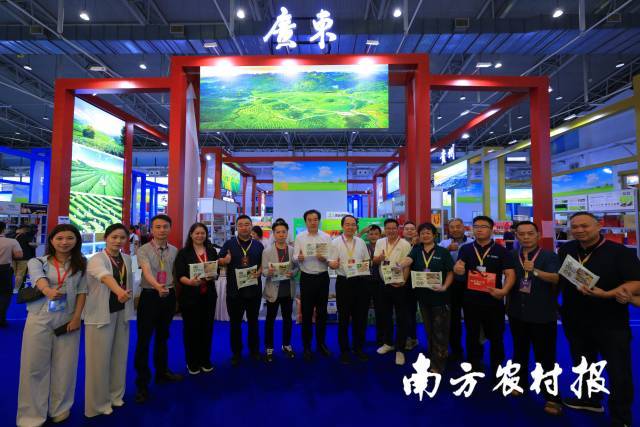
圣一“低GI”食品腾飞的“女诸葛” —— 徐玉娟博士| 《圣一日记》第二季③
Nan Fang Nong Cun Bao· 2025-08-27 10:01
Core Viewpoint - The article highlights the successful development and market introduction of "low GI" products, particularly the "low GI" dumplings made from a special wheat variety called "小冰麦" (Little Ice Wheat), which is aimed at addressing health concerns related to blood sugar levels and obesity in China [10][11][31]. Group 1: Product Development and Market Expansion - The company has successfully launched "low GI" dumplings at the Changchun Agricultural Expo, receiving positive feedback from attendees [10][55]. - The "low GI" dumplings are made from "小冰麦," which has a lower glycemic index (GI) compared to regular flour, making it suitable for health-conscious consumers [43][44]. - The introduction of these products is part of a broader strategy to leverage resources and partnerships in the Guangdong-Hong Kong-Macau Greater Bay Area, enhancing market reach and collaboration [5][6][30]. Group 2: Leadership and Innovation - Dr. Xu Yujun, a prominent figure in agricultural research, has played a crucial role in the rapid development of these products, leading a team that has achieved significant breakthroughs in food processing technology [16][19][35]. - The company emphasizes the importance of scientific research and innovation in creating products that meet modern dietary needs, particularly for the growing population of diabetes patients in China [31][32][36]. - The collaboration between various stakeholders, including local governments and research institutions, has been instrumental in the successful launch of these innovative food products [4][8][14].

天选“低GI”合作CP:小冰麦+菇 | 《圣一日记》第二季②
Nan Fang Nong Cun Bao· 2025-08-22 04:36
Core Viewpoint - The article discusses the collaboration between "Saint One" and "Mushroom Sister" to launch a new "Low GI" food series, emphasizing the importance of shared resources and innovative thinking in expanding market reach and enhancing product offerings [10][11][24]. Group 1: Collaboration and Market Expansion - The collaboration is driven by the concept of "Four Shares," which includes sharing resources, ideas, and market opportunities, leading to increased partnerships and market expansion [4][5][11]. - The initiative aims to leverage the strengths of both companies, with "Saint One" focusing on low GI products and "Mushroom Sister" providing high-nutrition mushrooms, creating a unique product offering [25][42]. - The project has already gained significant attention, with the reading volume of the related diary exceeding ten million, indicating strong public interest and potential market demand [6][48]. Group 2: Product Development and Health Benefits - The "Low GI" food series is designed to stabilize blood sugar levels, reduce insulin fluctuations, and promote long-term health management, making it suitable for both diabetic patients and the general public [19][20][21]. - The collaboration emphasizes the importance of quality control, with "Mushroom Sister" having a 70% market share in South China for key mushroom varieties, ensuring high-quality ingredients for the new product line [34][35]. - The product is positioned as a healthy dietary choice, aiming to become a staple in households, with plans for mass production and distribution beyond the Greater Bay Area [47][50].
“媒体+四个共享”打造“低GI”美食 |《圣一日记》
2 1 Shi Ji Jing Ji Bao Dao· 2025-08-20 14:13
Core Viewpoint - The collaboration between Jilin and Guangdong provinces has led to the development of "low GI" products, specifically the "low GI dumplings" made from Jilin's small ice wheat, which cater to a growing market of health-conscious consumers, particularly those with diabetes [1][4]. Group 1: Product Development and Market Potential - The "low GI dumplings" were first showcased at the 24th China Changchun International Agricultural and Food Expo, attracting significant attention and interest from officials and consumers alike [1]. - The demand for "low GI" products is on the rise, with a reported 56% increase in search interest and significant sales growth, indicating a broadening consumer base beyond just diabetes patients [3]. - The "low GI" product line is expected to become a key growth segment in the food industry as public health awareness continues to rise [3]. Group 2: Nutritional Advantages - The small ice wheat used in the dumplings boasts high protein content (18%) and a rich amino acid profile, making it nutritionally superior to regular wheat [4]. - The product is designed to be both high in protein and fiber, with a naturally low glycemic index, appealing to health-conscious consumers [4]. Group 3: Marketing and Promotion Strategies - The "media+" approach is being utilized to enhance consumer awareness and understanding of "low GI" products, aiming to tell the success stories of the Jilin-Guangdong collaboration [5]. - Prominent figures in the food industry have expressed confidence in the product's potential for international markets, indicating a strong promotional strategy for global outreach [7].
叮咚买菜锚定健康化饮食赛道 低GI商品上半年销售额近6000万元
Zheng Quan Ri Bao Wang· 2025-07-24 11:09
Core Viewpoint - Dingdong Maicai has launched its "4G" strategy focusing on "good users, good products, good services, and good mindset" to enhance its competitiveness in the fresh food market [1] Group 1: Strategic Focus - The "4G" strategy is aimed at addressing the increasing consumer demand for food quality and maintaining independent thinking in a competitive industry environment [1] - The company is concentrating on the fresh food sector and aims to create differentiated products to establish a unique consumer mindset [1] Group 2: Supply Chain Development - Dingdong Maicai is investing in upstream supply chains, including establishing black pig breeding bases and digital fishing warehouses to enhance the quality and traceability of fresh products [2] - The company is also targeting the low GI (glycemic index) health food market, which is still in its early stages, to meet the growing consumer demand for health-oriented diets [2][3] Group 3: Market Challenges and Strategies - The low GI health product market faces high development costs and price sensitivity among consumers, which presents a significant challenge [3] - The company plans to educate consumers on the health benefits of low GI foods and anticipates that production costs will decrease as the market matures [3] Group 4: Digital Infrastructure and Innovation - Dingdong Maicai is enhancing its digital infrastructure to improve supply chain efficiency and has implemented AI technology to support its strategic upgrades [4] - The company is developing a traceability system to ensure transparency throughout the supply chain, from production to delivery [4] Group 5: Financial Performance - In Q1, Dingdong Maicai achieved a GMV of 5.96 billion yuan, a year-on-year increase of 7.9%, and revenue of 5.48 billion yuan, up 9.1% [5] - The company has maintained profitability for ten consecutive quarters, driven by strategic SKU management and improved supply chain capabilities [5]
销售额两年增长近60倍,低GI商品是电商平台下一个“爆发点”吗?
Guo Ji Jin Rong Bao· 2025-07-23 13:56
Core Insights - The low GI food market is experiencing rapid growth, with sales increasing from less than 1 million yuan in the first half of 2021 to nearly 60 million yuan in the first half of 2023, representing a growth of nearly 60 times [1] - The demand for healthy eating is rising, prompting many food companies to enter the low GI segment, including major brands like Junlebao and Yili [2] - Traditional retail channels are declining, while online sales, particularly through community group buying and content e-commerce, are rapidly increasing [2] Industry Trends - The low GI food category is recognized as a health trend, with significant increases in search interest and sales on major e-commerce platforms [3] - In 2022, JD Supermarket reported a tenfold increase in low GI food sales, with the number of consumers purchasing these products rising eightfold [3] - A strategic partnership between Dingdong Maicai and the China Food Fermentation Industry Research Institute aims to address challenges in low GI product promotion and consumer awareness [3] Market Potential - The overall market for low GI foods in China was approximately 130 billion yuan last year, with projections suggesting it could reach 200 billion yuan by 2030 [2] - Despite the growth, the number of low GI SKUs on platforms like Dingdong Maicai remains limited, with no standout products identified yet [3] - Dingdong Maicai's strategy focuses on quickly identifying potential bestsellers in the low GI category to enhance product offerings [3]
狂吸父母退休金的「慢升糖」食品,是智商税么?
36氪· 2025-06-25 13:56
Core Viewpoint - The article discusses the rising popularity of low glycemic index (GI) foods, particularly among older consumers, and the potential implications for health and marketing strategies in the food industry [3][16][18]. Group 1: Low GI Food Trends - Low GI foods have become ubiquitous in supermarkets, with various products prominently displaying "low GI" labels [7][8]. - The demand for low GI foods is driven by a significant diabetic population in China, prompting government initiatives to promote healthier eating habits [16][18]. - The certification process for low GI foods involves rigorous testing to ensure that blood sugar responses are significantly lower than that of glucose [17][20]. Group 2: Consumer Behavior and Marketing - Older consumers, particularly retirees, are increasingly willing to invest in health-oriented products, despite higher prices associated with low GI certifications [30]. - The article highlights a contrast between the purchasing power and health awareness of older consumers versus younger working individuals, who may prioritize cost and convenience over health [34]. - Marketing strategies have evolved to target health-conscious consumers, with products often featuring various health claims and certifications to attract buyers [11][20]. Group 3: Product Pricing and Perception - Low GI products are often priced significantly higher than their non-GI counterparts, with some items costing up to 40% more [14][30]. - The perception of health benefits associated with low GI foods can lead to a psychological effect, influencing consumer choices and satisfaction [23][25]. - The article raises questions about the authenticity and reliability of low GI certifications, as different products may carry varying labels and standards [21][20].