体育产业高质量发展

Search documents
诚邀共赴 擘画未来 中国户外运动产业大会邀您参加
Sou Hu Wang· 2025-09-23 07:19
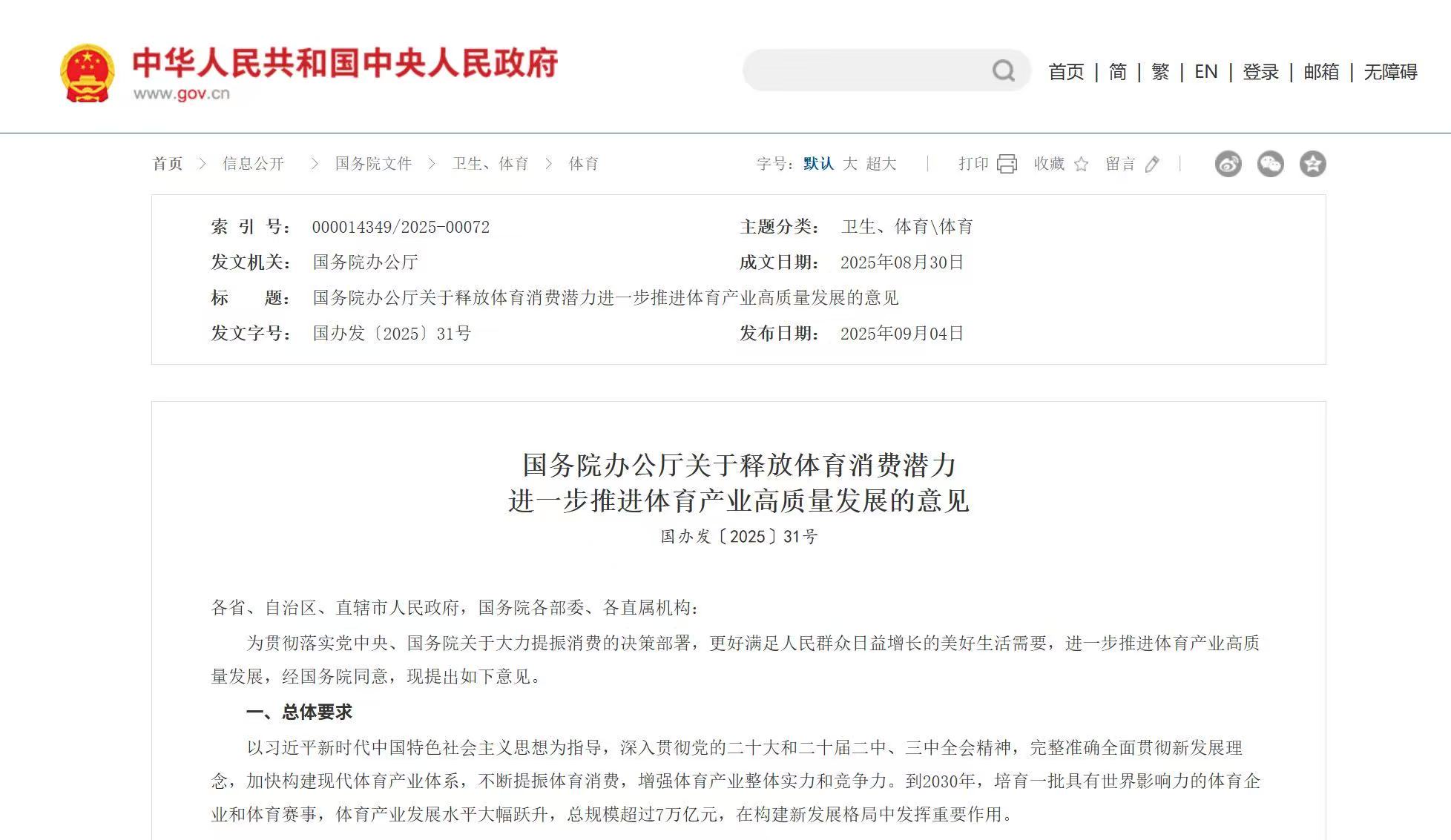
Group 1 - The outdoor sports industry in China is experiencing significant growth driven by favorable national policies and increasing market demand, marking a strategic opportunity period for the industry [1][2] - The State Council has issued opinions to enhance sports consumption and promote high-quality development in the sports industry, aiming for a total scale exceeding 7 trillion yuan by 2030 [2] - The China Outdoor Sports Industry Conference is a national-level event that has garnered extensive participation from various government departments and industry leaders, becoming a benchmark platform for industry development [3] Group 2 - The 2025 China Outdoor Sports Industry Conference will be held in Dali, Yunnan, focusing on three key highlights: "Initial Economy," "Technology Outdoors," and "Cross-Industry Integration," aimed at empowering industry upgrades [5] - The conference is open for registration, inviting representatives from various sectors related to outdoor equipment manufacturing, event planning, and sports training to participate and share resources [5] - The conference aims to foster collaboration and innovation within the industry, creating new opportunities for the outdoor sports sector [7]

产业与市场丨政策发力 激活万亿级体育消费市场潜力
Sou Hu Cai Jing· 2025-09-22 07:55
Core Viewpoint - The Chinese government aims to significantly boost the sports industry, targeting a total scale exceeding 7 trillion yuan by 2030, through various initiatives to enhance sports consumption and develop a modern sports industry system [1][5][8]. Group 1: Policy Initiatives - The State Council issued an opinion to release sports consumption potential and promote high-quality development in the sports industry [4][5]. - The Ministry of Commerce and nine other departments released measures to expand service consumption, emphasizing sports consumption as a key area [4][5]. - The policies encourage the introduction of high-quality foreign sports events and support local sports events to create well-known brands in sports competitions [5][7]. Group 2: Economic Impact - In 2023, the national sports industry added value reached 1,491.5 billion yuan, accounting for 1.15% of GDP, with an annual growth rate of 11.6% from 2021 to 2023 [5][6]. - The "Su Super" event in Jiangsu province generated 37.96 billion yuan in consumption across tourism, dining, accommodation, and transportation during its first six rounds in 2025 [5][6]. Group 3: Market Potential and Challenges - There is a significant gap between China's sports consumption levels and those of developed countries, indicating untapped market potential [6]. - The supply side faces challenges with a lack of high-quality, branded sports events and products, while the demand side shows a need for improved consumer awareness and habits, especially in lower-tier cities [6][8]. Group 4: Future Outlook - The sports consumption market is expected to grow significantly, driven by policy support and the integration of sports with tourism, culture, and technology [8][11]. - The long industrial chain of sports consumption, which includes manufacturing, venue operations, event organization, and sports tourism, is poised to create a multiplier effect on related industries [8][11].

接住体育流量拓展消费增量
Jing Ji Ri Bao· 2025-09-21 22:08
Core Viewpoint - The State Council's recent document aims to significantly enhance the sports industry in China, targeting a total scale exceeding 70 trillion yuan by 2030, while promoting a healthy lifestyle through sports participation and digital technology integration [1] Group 1: Industry Growth and Potential - The sports industry in China has seen an average annual growth rate of over 10% in the past five years, with the total scale of the industry expected to exceed 70 trillion yuan by 2030 [1] - The number of sports venues in the country has surpassed 4.84 million, with 540 million people regularly participating in sports activities [1] - The total output of the sports goods manufacturing industry has exceeded 1.4 trillion yuan, indicating a growing consumption potential in the sports sector [1] Group 2: Challenges and Development Strategies - Current challenges include limited venue availability for sports like rock climbing and skateboarding, ticketing issues for popular events, and insufficient collaboration across regions and sports categories [2] - To expand the sports industry, efforts should focus on product supply, consumer demand, and operational entities, enhancing market synergy and extending the consumption chain [2] Group 3: Consumer Engagement and Support - Initiatives such as sports consumption festivals and the issuance of sports consumption vouchers aim to enhance public engagement and share the benefits of sports consumption [3] - Upgrading traditional sports facilities and introducing new sports scenarios will enrich the fitness experience for consumers [3] Group 4: Empowering Small and Medium Enterprises - The strategy includes integrating qualified sports enterprises into financial support programs, providing tailored financing solutions to alleviate funding challenges faced by small and medium enterprises [3] - The cultivation of specialized small and medium enterprises in niche markets is emphasized to enhance overall industry competitiveness [3] Group 5: Regulatory Environment and Data Sharing - A supportive market environment is essential for resource allocation efficiency, with a focus on integrating resources for sports consumption and improving financial services for event organizers [3] - Strengthening market regulation and ensuring data sharing among various departments will enhance the ability to respond to major events and emergencies effectively [3]
政策高频 | 金砖国家领导人线上峰会召开(申万宏观·赵伟团队)
申万宏源宏观· 2025-09-18 16:04
Group 1 - The core viewpoint of the article emphasizes the importance of multilateralism, open cooperation, and collective development among BRICS nations to address global challenges and promote a fair international order [1][2] - The article outlines three key suggestions from President Xi Jinping: uphold multilateralism to defend international justice, maintain an open and win-win international economic order, and strengthen unity and cooperation among BRICS countries [1][2] Group 2 - Vice Premier Zhang Guoqing's research in Sichuan focuses on promoting the deep integration of technological and industrial innovation, enhancing industrial innovation capabilities, and fostering new quality productivity for high-quality development [3][4] - The State Council's approval of the pilot implementation plan for market-oriented allocation of factors in ten regions aims to break down barriers to the free flow and efficient allocation of resources, including traditional and innovative factors [5][6] - The National Development and Reform Commission and the National Energy Administration's implementation opinions on "Artificial Intelligence + Energy" aim to establish a collaborative innovation system by 2027, with a goal of achieving world-leading levels in AI applications within the energy sector by 2030 [7][8] Group 3 - The 17th meeting of the Standing Committee of the National People's Congress highlighted the need to implement policies to unleash domestic demand, promote technological and industrial innovation, and ensure coordinated regional development [9][10] - The Ministry of Industry and Information Technology's meeting emphasized the importance of maintaining a reasonable proportion of manufacturing, enhancing supply chain resilience, and accelerating the development of emerging industries [11][12] - The State Council's opinions on releasing sports consumption potential aim to build a modern sports industry system, with a target of exceeding 7 trillion yuan in total scale by 2030 [13][14] Group 4 - The "Power Equipment Industry Growth Stabilization Work Plan (2025-2026)" sets a target for traditional power equipment revenue growth to maintain around 6% annually, while ensuring effective supply and promoting key equipment breakthroughs [15][16]

时评:释放体育消费潜力,推动体育产业高质量发展
Sou Hu Cai Jing· 2025-09-16 08:46
Core Insights - The State Council issued an opinion aimed at unleashing the potential of sports consumption and promoting high-quality development of the sports industry, targeting a total scale exceeding 70 trillion yuan by 2030 [1][7] Sports Industry Growth - Since the 2014 issuance of policies to accelerate sports industry development, the overall sports industry in China has shown rapid growth, with an average annual growth rate exceeding 10% over the past five years [3] - In the first half of 2025, retail sales of sports goods on major e-commerce platforms reached 218.17 billion yuan, marking a year-on-year increase of 17.5%, significantly outpacing the national online retail growth rate of 6.0% [3] Event-Driven Consumption - The opinion emphasizes the importance of enriching sports events and optimizing event management, highlighting the spillover effects of events like the "Su Super" league, which boosts related sectors such as transportation, accommodation, and dining [4] - The document supports integrating qualifying events into the Olympic points system to enhance international influence and promote sports consumption growth [4] Expanding Consumer Base - The interaction between stimulating sports consumption demand and expanding consumption scenarios is crucial, with youth sports playing a foundational role in driving family-level sports spending [5] - The opinion calls for strengthening the training of sports coaches in schools and promoting youth sports events, which will provide robust policy support for youth sports development [5][6] Emerging Sports and Consumption Trends - New sports consumption demands are emerging, particularly in sectors like e-sports and outdoor activities, with significant growth observed in the ice and snow sports sector, where ski resorts welcomed 256 million visitors, a 13.5% increase [6] - The opinion outlines measures to cultivate the ice and snow economy and develop outdoor sports industries, which will further expand the sports industry's development space [6] Policy Support and Economic Impact - The implementation of the opinion provides policy backing and direction for unleashing sports consumption potential and advancing the sports industry's high-quality development [7] - The multi-faceted approach aims to stimulate sports consumption, enhance the supply of sports products, and strengthen the operational entities within the sports industry, thereby injecting strong momentum into economic and social development [7]
深读 | 体育产业“新部署”系列访谈之四
Xin Hua She· 2025-09-15 10:12
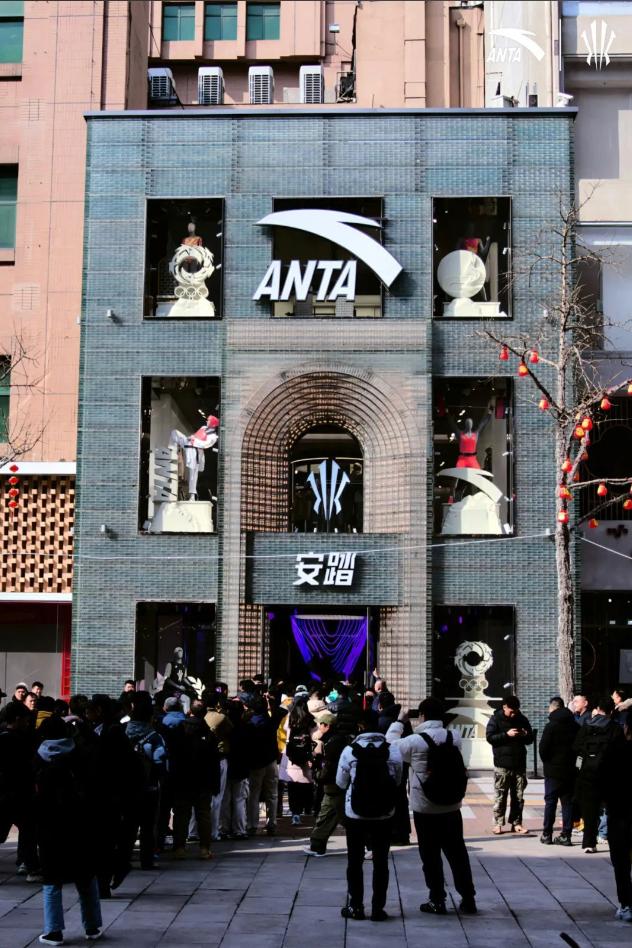
Core Insights - The State Council's recent issuance of the "Opinions on Releasing Sports Consumption Potential and Further Promoting High-Quality Development of the Sports Industry" aims to cultivate world-influential sports enterprises and events by 2030, with the total scale of the sports industry exceeding 7 trillion yuan [1] Group 1: Anta Group - Anta Group expresses excitement and encouragement regarding the "Opinions," viewing it as a strong directive for high-quality development and a clear path for enterprises [3][4] - The "Opinions" emphasize the implementation of an overseas promotion plan for Chinese sports brands, supporting qualified sports enterprises to expand internationally, aligning with Anta's strategy to become a leading global multi-brand sports goods group by 2030 [4] - Anta has established its Southeast Asia headquarters in Singapore and is expanding into North America and Europe, aiming for sustainable growth through a focus on multi-brand assets and global collaboration [5] Group 2: Zhang Qing, Founder of Key Path Sports Consulting - The issuance of the "Opinions" is seen as a significant boost for the sports market, enhancing confidence and morale within the industry [7] - The document is characterized by three key aspects: deeper focus on event supply, broader multi-department collaboration, and a systematic approach to funding and innovation [8][9][10][11] - The emphasis on event management and support for original event IP development is expected to positively impact various sectors, including training, venue supply, and downstream industries like sports goods [12] Group 3: Chen Chen, Vice President of Tongxin Sports - The "Opinions" are viewed as a major benefit for the sports goods industry, particularly highlighting the importance of sports infrastructure and facility construction [14][15] - The document encourages technological innovation and upgrading of sports goods, aiming to meet diverse consumer needs and enhance the quality of domestic sports products [15][16] - The focus on expanding consumption scenarios and supporting small and medium-sized enterprises through improved financing conditions is expected to invigorate market activity [16][17]
2024年北京市居民人均体育消费支出占居民人均可支配收入的5.1%
Bei Jing Shang Bao· 2025-09-13 05:07
Group 1 - The core viewpoint of the articles highlights the significant growth in sports consumption among Beijing residents, with a projected per capita sports expenditure of 4,330.7 yuan in 2024, representing a 12.9% increase from 2023 [1] - The per capita sports consumption for adults aged 18 and above is expected to reach 4,572.8 yuan, a 12% increase year-on-year, while the youth demographic (ages 3-17) shows a more substantial increase of 21.2%, reaching 3,614.5 yuan [1] - The total sports consumption in Beijing for 2024 is estimated at 94.54 billion yuan, with per capita sports spending accounting for 8.7% of total consumption and 5.1% of disposable income [1] Group 2 - The national government has prioritized the development of the sports industry, implementing various policies aimed at unlocking sports consumption potential and promoting high-quality growth in the sector [2] - Recent government directives encourage the creation of diverse sports consumption scenarios, including the transformation of industrial and commercial spaces into sports facilities, and the integration of sports activities into commercial complexes and urban areas [2] - There is a push for the development of immersive sports consumption experiences, leveraging digital technology to create intelligent, customized, and experiential sports consumption models [2]
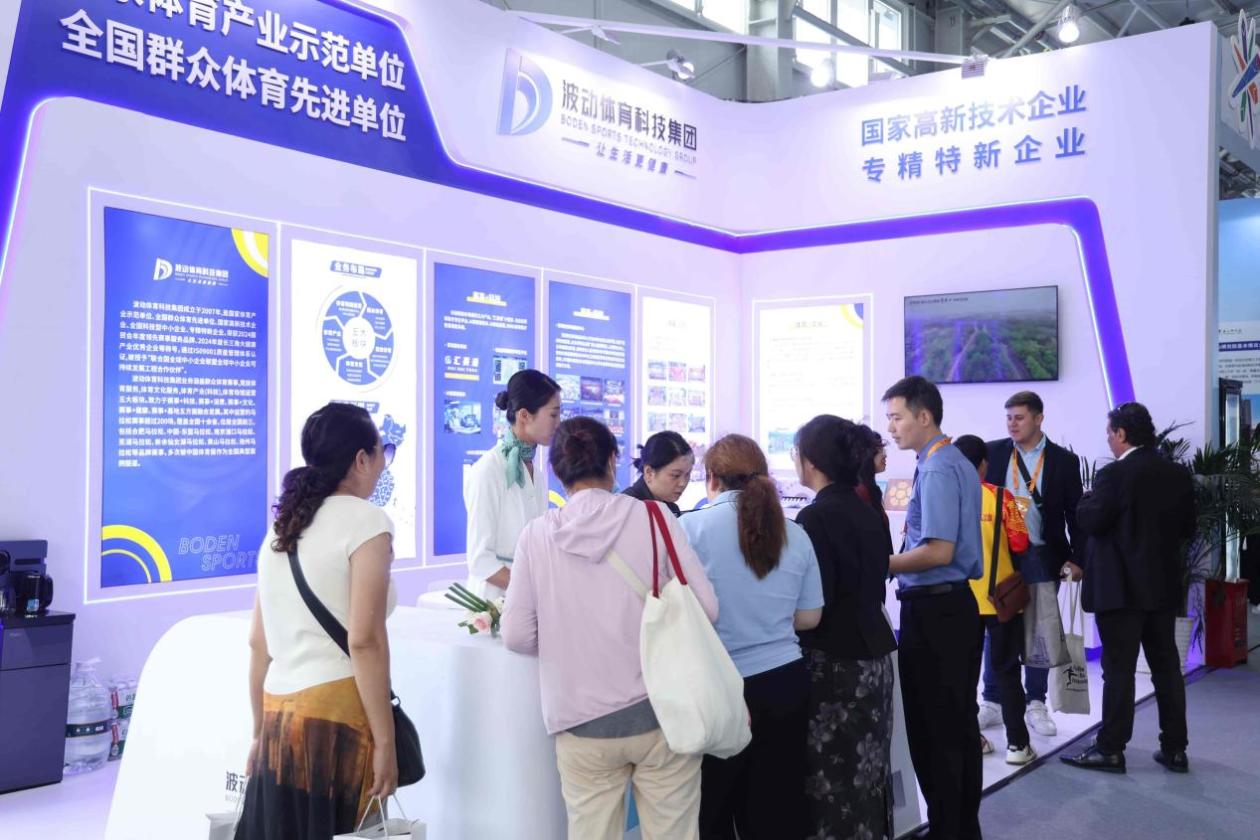
波动体育陈理:中国马拉松已进入“精耕时代”
Huan Qiu Wang· 2025-09-12 10:10
Core Insights - The 2025 China International Service Trade Fair (CIFTIS) serves as a significant platform for global service trade, showcasing leading companies and innovations in the industry [1] - Bodong Sports Technology Group, a prominent player in marathon event operations, has established itself as a top-tier company in the sports service sector [1][3] Group 1: Company Overview - Bodong Sports focuses primarily on marathon event services, operating nearly 200 events annually across over 40 categories, with marathons being the cornerstone of its operations [3] - The company has developed several benchmark marathon event IPs, including the China-ASEAN Marathon and various marathons in East China [4] - Bodong Sports has also ventured into sports venue operations, implementing a "3.0 operational model" that combines government oversight with market-driven management [4] Group 2: Industry Trends - The demand for sports services has surged since 2023, with a notable shift in public perception towards the sports service industry, which is now recognized as a "sunrise industry" [5] - The integration of artificial intelligence in sports management, such as the AI Smart Event Management System, is becoming a focal point for enhancing event operations and audience experience [5] Group 3: Market Dynamics - The marathon market in China is experiencing both growth and challenges, with a need for industry standardization driven by government policies, professional operators, and mature participants [6][7] - The industry is addressing issues like supply chain competition and the over-commercialization of events through a balanced approach that respects both professional and recreational runners [8] Group 4: Future Directions - Bodong Sports plans to deepen the integration of events and cultural tourism, leveraging successful models like the free access to scenic spots for marathon participants to boost local economies [10] - The company aims to create unique cultural products associated with each marathon, enhancing the connection between sports and local heritage [10]
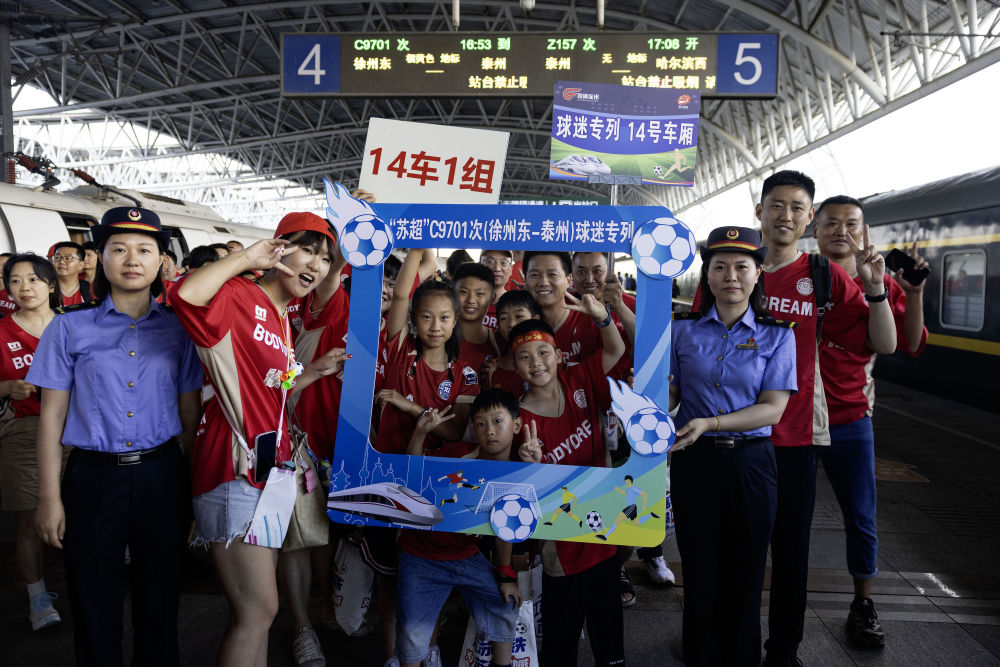
权威解读|消费新引擎澎湃产业发展新动能——国办出台意见进一步推进体育产业高质量发展
Xin Hua She· 2025-09-12 01:47
Core Viewpoint - The State Council has issued an opinion aimed at unleashing the potential of sports consumption and promoting high-quality development in the sports industry, targeting a total scale exceeding 7 trillion yuan by 2030 [1][9]. Group 1: Sports Industry Development - The sports industry is expected to significantly elevate its development level, with a goal of cultivating a number of world-influential sports enterprises and events by 2030 [1]. - The average annual growth rate of the sports industry has exceeded 10% over the past five years [5]. - By the first half of 2025, the retail sales of sports goods on major e-commerce platforms reached 218.17 billion yuan, a 17.5% increase from the previous year, significantly outpacing the national online retail growth rate of 6.0% [5]. Group 2: Consumption and Economic Impact - Sports consumption is increasingly recognized as a vital component of improving consumption and expanding domestic demand strategies [2][7]. - New scenarios, models, and products in the sports consumption sector have effectively stimulated consumer demand in urban and rural areas [2]. - Events like "Village Super" and "Su Super" have demonstrated the ability to drive ancillary consumption in transportation, accommodation, and dining, thereby stimulating regional economic potential [7]. Group 3: Policy Measures - The opinion outlines 20 measures focusing on expanding the supply of sports products, stimulating consumer demand, strengthening sports business entities, and enhancing service support levels [9]. - The policy aims to tap into and release consumption potential from both supply and demand sides, with significant highlights and breakthroughs noted by experts [11].
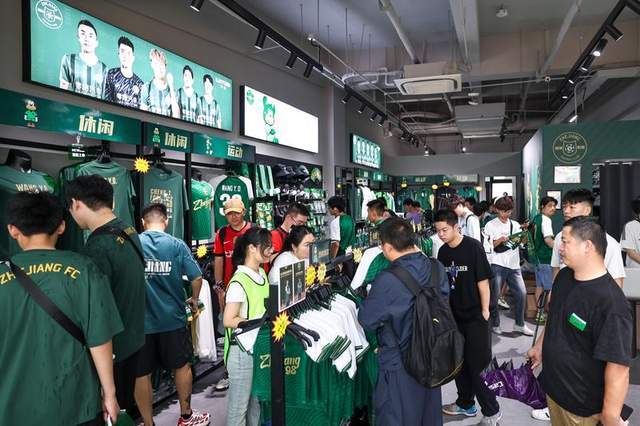
苏超、浙BA火爆出圈 7万亿体育产业“新部署”将撬动什么
Di Yi Cai Jing· 2025-09-11 14:32
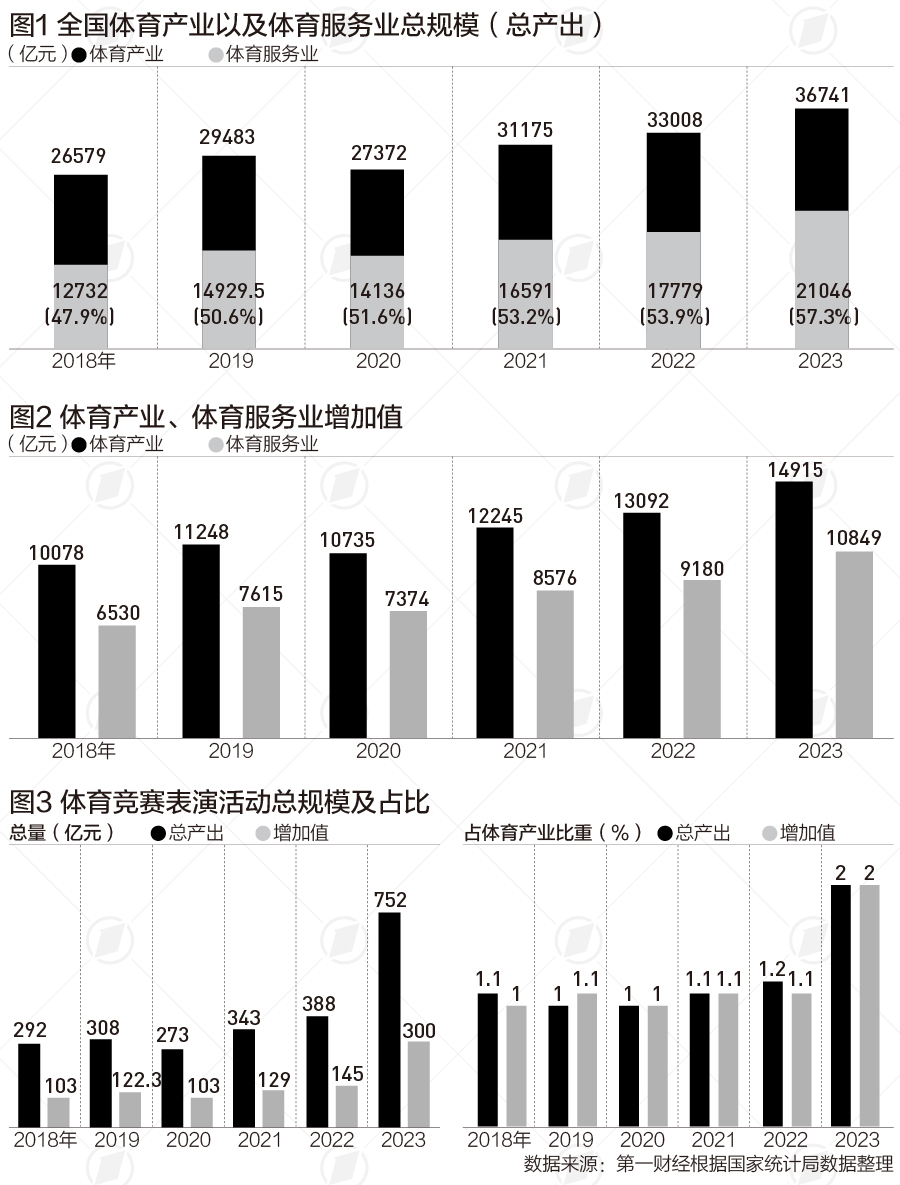
Core Viewpoint - The recent release of the "Opinions on Releasing Sports Consumption Potential and Further Promoting High-Quality Development of the Sports Industry" by the State Council outlines a strategic direction for the sports industry, aiming for a total scale exceeding 7 trillion yuan by 2030, with a focus on cultivating influential sports enterprises and events [1][2]. Industry Scale and Growth - From 2018 to 2023, the total scale of the sports industry increased from 2.66 trillion yuan to 3.67 trillion yuan, while the added value rose from 1 trillion yuan to 1.49 trillion yuan [2]. - The sports service sector's scale grew from 1.27 trillion yuan to 2.1 trillion yuan, with its share of the total industry increasing from 47.9% to 57.3% [2]. - To achieve the 7 trillion yuan target by 2030, an average annual growth rate of approximately 9.6% is required from 2023 to 2030 [2]. - The compound annual growth rate of the sports industry added value during the "13th Five-Year Plan" period reached 16.5%, and from 2021 to 2023, it maintained an average growth rate of 11.6% despite the pandemic [2]. Key Measures and Focus Areas - The "Opinions" document outlines six key measures with 20 specific initiatives, emphasizing the importance of events, which are mentioned 32 times [3]. - The total scale of sports competition and performance activities increased from 29.2 billion yuan in 2018 to 75.2 billion yuan in 2023, marking a growth of 157% [9]. - The added value of sports competition and performance activities rose from 10.3 billion yuan to 30 billion yuan, with a growth rate of 191% [9]. Economic Impact of Sports Events - In Shandong, over 739 events with more than 500 participants generated direct economic benefits of 4.6 billion yuan and indirect benefits of 11.3 billion yuan in the first half of the year [10]. - The China Open tennis tournament attracted approximately 300,000 attendees last year, generating over 80 million yuan in ticket sales and a consumption pull effect of 1:7.1 in the surrounding area [10]. - The "Opinions" suggest enhancing the development level of professional events and creating a multi-level event system to promote standardized growth [10]. Supply Chain and Infrastructure Development - The sports equipment manufacturing sector has over 63,000 companies, with the industry's output value increasing from 1.12 trillion yuan in 2015 to over 1.5 trillion yuan, a growth of 34% [11]. - The document highlights the establishment of national-level industrial clusters and the support for regional sports industry development, particularly in areas like the Beijing-Tianjin-Hebei region and the Greater Bay Area [11].