健康体重管理

Search documents
江苏开设619个体重管理门诊!多家医疗机构解锁享“瘦”新模式
Yang Zi Wan Bao Wang· 2025-08-25 09:05
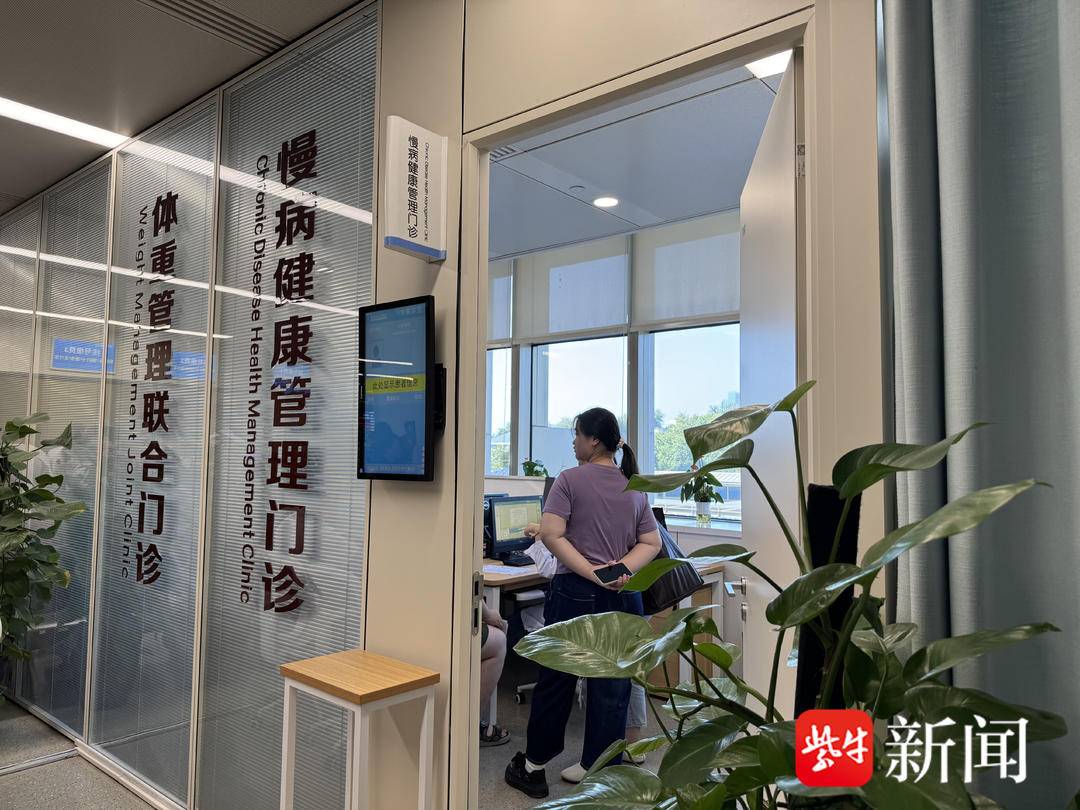
Core Viewpoint - Jiangsu province is actively promoting weight management services in medical institutions, aiming to transform weight loss from folk remedies to scientific treatment, enhancing health and effectiveness [1][3][4] Group 1: Weight Management Initiatives - Jiangsu has established 521 medical institutions with 619 weight management clinics, covering all levels of public hospitals [1] - The newly opened weight management joint outpatient clinic at Jiangsu Provincial People's Hospital has received positive feedback, allowing patients to consult multiple specialists in one visit [3][4] Group 2: Multidisciplinary Approach - The joint outpatient clinic integrates expertise from nutrition, rehabilitation, weight loss surgery, and health check-up centers, providing personalized weight loss plans based on comprehensive assessments [3][4] - The "1+N" model at Nanjing Traditional Chinese Medicine Hospital combines various specialties to offer standardized health weight management services [7] Group 3: Community and Individual Support - Community health service centers are implementing multi-disciplinary cooperation to provide one-stop services for overweight and obese individuals [9] - Personalized treatment plans are being developed for patients, incorporating dietary, exercise, and psychological support [9][10] Group 4: Future Directions - Jiangsu plans to enhance collaboration with education and sports sectors to promote obesity prevention and control among key populations [10][11] - The province aims to improve monitoring and intervention systems for common health issues related to obesity, utilizing smart technologies for health management [11]

响应“体重管理年”,人民网发布“初见”智能体
Ren Min Wang· 2025-07-20 01:21
Core Viewpoint - The article highlights the launch of the "Initial Encounter" smart body management assistant by People's Daily, aimed at supporting the national "Weight Management Year" initiative, providing users with tools to manage and maintain a healthy weight effectively [1][2]. Group 1: Product Features - The "Initial Encounter" smart body management assistant utilizes advanced technologies, including generative AI and big data analysis, to offer personalized weight management plans based on individual age and weight [1]. - It features a precise BMI calculation tool that adheres to the latest national standards, allowing users to understand their weight status clearly [1]. - Users can record their weight changes and view them in a graphical format, facilitating easy tracking of weight fluctuations and comparisons with peers [1]. Group 2: Additional Functionalities - The application includes a "photo calorie recognition" feature that allows users to take pictures of food to instantly receive calorie and nutritional information, along with smart dietary suggestions [2]. - It offers a variety of fitness courses, including popular exercises recommended by the National Sports Administration, catering to different fitness levels and preferences [2]. - The "Initial Encounter" smart body management assistant will be accessible through People's Daily and its app, with plans for continuous optimization and integration with wearable devices for comprehensive health management [2].

(健康焦点)健康体重管理行动纳入健康中国行动 身体减重 健康加分
Ren Min Ri Bao· 2025-07-13 22:19
Group 1 - The core initiative is the "Weight Management Year" launched by the National Health Commission and 16 other departments, aiming to establish a supportive environment for weight management over three years, enhance public awareness and skills, and promote healthy lifestyles [1][2] - The initiative includes the establishment of health weight management clinics in various hospitals, encouraging comprehensive hospitals, children's hospitals, and traditional Chinese medicine hospitals to set up these clinics [1][2] - The program emphasizes a multi-disciplinary approach to weight management, integrating various medical specialties to provide comprehensive solutions for obesity patients [2][3] Group 2 - The multi-disciplinary clinics have shown significant results, with patients receiving tailored treatment plans that include medication, dietary advice, and exercise recommendations, leading to measurable weight loss and health improvements [3][4] - The integration of traditional Chinese medicine with Western medical practices is being implemented, creating a holistic treatment model that combines precise diagnosis with traditional therapeutic methods [5][6] - Community health centers are playing a crucial role in weight management by providing accessible services and promoting lifestyle changes among residents, with a notable increase in participation and trust in these services [7][8]
新增“减脂餐窗口”,运动积分鼓励,开设体重管理门诊 健康体重管理场景正渗入你我生活
Zhen Jiang Ri Bao· 2025-07-02 23:47
Group 1: Health Management Initiatives - The "Weight Management Year" initiative launched by the National Health Commission and 16 other departments aims to promote health weight management across all age groups and life stages [1][6] - The "Zhenjiang City Health Weight Management 2025 Action Plan" has been developed to implement comprehensive health weight management strategies [1][7] Group 2: School Initiatives - The implementation of "Double Big Break" at the Experimental Primary School encourages students to engage in physical activities, ensuring at least 2 hours of physical activity daily [2][3] - The school has increased the frequency of physical activities and introduced sports leagues to promote health and weight management among students [2] Group 3: University Initiatives - Jiangsu University Jingjiang College has revamped its cafeteria to include healthier food options, such as whole grains and light meals, to support students' dietary needs [3] - The introduction of a "Fat Reduction Meal Window" and a body fat self-testing area aims to assist students in managing their weight effectively [3] Group 4: Corporate Health Programs - Zhongjie Energy Solar Technology (Zhenjiang) Co., Ltd. has established a "Health Cabin" with five areas dedicated to health management, encouraging employees to engage in physical activities and track their health data [5] - The company incentivizes employees to maintain an active lifestyle through a points system for regular exercise, achieving a participation rate of over 30% [5] Group 5: Community Health Initiatives - The city has launched health consultation activities, including dietary nutrition lectures, reaching over 27,500 elderly individuals in the community [6] - Weight management clinics have been established in various healthcare facilities, including 17 community health service centers, to provide accessible support for residents [6][7] Group 6: Comprehensive Health Ecosystem - The "Zhenjiang City Health Weight Management 2025 Action Plan" features a multi-faceted approach, integrating government leadership, professional support, and community participation to create a sustainable health weight management ecosystem [7] - The plan includes six major actions aimed at enhancing health literacy and promoting healthy weight management practices among the population [7]
健康体重管理年专题行动走进OPPO 科技与健康同行 赋能科学减重
2 1 Shi Ji Jing Ji Bao Dao· 2025-06-13 12:17
Core Insights - The event "Manage Weight, Enhance Health" organized by the Guangdong 21st Century Education Foundation and hosted by OPPO aims to integrate weight management with employee health management in corporate settings [1][5] - The initiative aligns with the National Health Commission's call for a "Weight Management Year" and seeks to promote healthy lifestyles through scientific weight management education [1][5] Group 1: Event Structure and Activities - The event utilized a combination of online and offline formats to effectively deliver weight management knowledge tailored to workplace scenarios [2] - Interactive experiences were set up, allowing employees to engage in fun activities while learning about their health status through real-time measurements of BMI, waist circumference, and body fat percentage [2] - Visual displays highlighted the strong correlation between obesity and various diseases, prompting employees to reflect on the importance of scientific weight management [2] Group 2: Expert Guidance and Knowledge Dissemination - Renowned experts provided immersive health education lectures, discussing the dangers of obesity and scientific intervention methods for weight management [3] - Professor Li Yuzhong highlighted that the obesity prevalence among adults in China has reached 16.4%, with overweight individuals facing three times the risk of cardiovascular diseases [3] - The event emphasized that weight management should be a lifelong process, akin to managing chronic diseases, rather than a temporary fix [3] Group 3: Employee Engagement and Feedback - OPPO employees responded positively to the event, gaining insights into the hidden health threats posed by obesity and practical techniques for measuring health indicators [4] - Participants learned that effective weight loss involves data-driven approaches rather than mere dieting, fostering a gradual and sustainable change in habits [4] Group 4: Corporate Health Philosophy - The initiative reflects OPPO's commitment to integrating health management into its corporate culture, promoting a shift from "passive health" to "active management" among employees [4] - OPPO's administrative leadership emphasized that health is the foundation of sustainable development, positioning it as the primary indicator of employee well-being [4] Group 5: Broader Impact and Future Plans - OPPO's initiative showcases the role of technology companies in contributing to national health goals, with plans to extend similar health management activities to key industries across the country [5] - The ongoing efforts aim to provide health management knowledge and experiences to more employees, supporting the Healthy China 2030 strategy with sustainable initiatives [5]
《健康体重管理中心建设管理规范》发布
Xin Jing Bao· 2025-05-30 13:00
Core Viewpoint - The release of the "Health Weight Management Center Construction Management Specification" marks a significant step in standardizing the construction and management of health weight management centers in China, addressing the growing obesity issue through a structured approach [1][2] Group 1: Background and Importance - China's obesity problem has become increasingly severe, necessitating the establishment of health weight management centers as a new medical model based on evidence-based medicine [1] - The specification provides a replicable and promotable template for obesity prevention and treatment, filling a gap in the domestic obesity prevention and treatment system [1][2] Group 2: Key Features of the Specification - The specification outlines requirements for functional layout, personnel configuration, diagnostic processes, and quality control, ensuring a comprehensive approach to weight management [1] - It introduces the internationally recognized "5A" service model for patient management, which includes initial screening, clinical decision-making, execution, and follow-up [2] - The specification defines the organizational structure, application processes, regulations, and personnel training management for standardized weight management centers [2] Group 3: Implementation and Future Plans - A nationwide tour of interpretative sessions is planned to promote the specification's normative, innovative, and forward-looking aspects, with over 20 offline meetings scheduled from June to December in key provinces and cities [2] - The establishment of health weight management centers is expected to become a crucial front in obesity prevention and control, providing evidence-based methods and scientific procedures for clinical practice [2]
2025全民营养周:揭示中国肥胖现状与防控要点(China Obesity Fact List)中国营养学会肥胖防控分会
GLP1减重宝典· 2025-05-30 08:26
Core Viewpoint - The article emphasizes the urgent need for effective weight management and obesity prevention strategies in China, highlighting the significant health, psychological, and economic burdens associated with obesity [6][7]. Group 1: Obesity Burden in China - In 2020, the overweight rate among adults aged 18 and above in China reached 34.3%, with an obesity rate of 16.4% [9] - By 2021, the number of overweight and obese individuals aged 25 and above had increased to 402 million, making China the country with the highest prevalence globally [9] - Projections indicate that by 2030, the adult overweight and obesity rate could rise to 70.5%, with school-aged children reaching 31.8% and preschool children at 15.6% [9] Group 2: Health Risks Associated with Obesity - Obesity significantly increases the risk of over 200 diseases, including diabetes, stroke, and heart disease, with 90% of obese individuals suffering from at least one comorbidity [12] - The risk of hypertension is 2.5 times higher for overweight individuals and 3.3 times for obese individuals compared to those with normal weight [12] - Obesity also negatively impacts reproductive health and increases the risk of complications during pregnancy [12] Group 3: Psychological and Social Impacts - Individuals with obesity often face social stigma and discrimination, particularly among children, adolescents, and women [13] - There is a strong correlation between obesity and mental health issues such as depression and anxiety [13] - Obesity can lead to decreased quality of life and reduced work productivity [13] Group 4: Economic Burden of Obesity - By 2030, annual medical costs associated with overweight and obesity in China are projected to reach 418 billion RMB, accounting for 22% of national healthcare expenditures [14] - Obesity increases hospitalization rates and healthcare resource consumption, placing additional economic pressure on individuals and families [14] Group 5: Risk Factors for Obesity - Key risk factors for obesity include unhealthy dietary habits, lack of physical activity, and genetic predisposition [15] - For children, significant risk factors include maternal pre-pregnancy weight, short breastfeeding duration, and excessive screen time [15] Group 6: Prevention Strategies - Establishing supportive environments for health, such as community fitness facilities and healthy dining options, is crucial [16] - Public education on the dangers of obesity and healthy weight management should be prioritized [16] - Encouraging regular physical activity and healthy eating habits is essential for obesity prevention [16] Group 7: Treatment and Management of Obesity - Lifestyle interventions, including dietary changes and increased physical activity, are the primary treatment methods for obesity [19] - For individuals with severe obesity or metabolic complications, pharmacological treatments and surgical options may be considered [19] - A multidisciplinary approach involving nutritionists, exercise specialists, and medical professionals is recommended for comprehensive obesity management [19]

全民营养周丨“网红”减肥食谱并非人人适用,这些细节需注意
Bei Ke Cai Jing· 2025-05-19 12:53
Core Viewpoint - The article emphasizes the importance of balanced and personalized dietary plans for weight management, particularly for individuals with specific health conditions or dietary needs [1][2][3][4]. Group 1: General Recommendations - The theme of National Nutrition Week highlights the need for balanced diets rather than extreme low-calorie diets [1]. - General weight loss diets should be designed with a variety of food types to meet the nutritional needs of the obese population [1]. Group 2: Special Health Conditions - Individuals with special health conditions, such as diabetes, cardiovascular diseases, and kidney diseases, should adjust weight loss diets under the guidance of nutritionists [2]. - Diabetic patients need to control blood sugar levels and may require diets low in carbohydrates [2]. - Those at risk for cardiovascular diseases should strictly limit salt and unhealthy fats, while increasing the intake of leafy vegetables and nuts [2]. - Kidney disease patients should limit protein intake based on their kidney function to reduce strain [2]. Group 3: Specific Dietary Needs - Obese individuals who are vegetarians may need to adjust their diets to ensure adequate protein and iron intake [3]. - Athletes or those engaged in physical labor require sufficient energy and protein in their weight loss diets, which may necessitate personalized meal plans [3]. Group 4: Food Allergies and Intolerances - Individuals with food allergies or intolerances should modify their diets accordingly, such as substituting lactose-free options for those who are lactose intolerant [4]. - During rapid weight loss phases, stricter energy control diets may be appropriate, while those nearing their target weight can gradually increase energy and nutrient intake [4]. - It is advised to consult nutritionists before starting any weight loss plan to ensure it aligns with individual health needs and lifestyles [4].
防治结合,济南将健康体重管理纳入慢性病防控体系
Qi Lu Wan Bao Wang· 2025-05-16 04:46
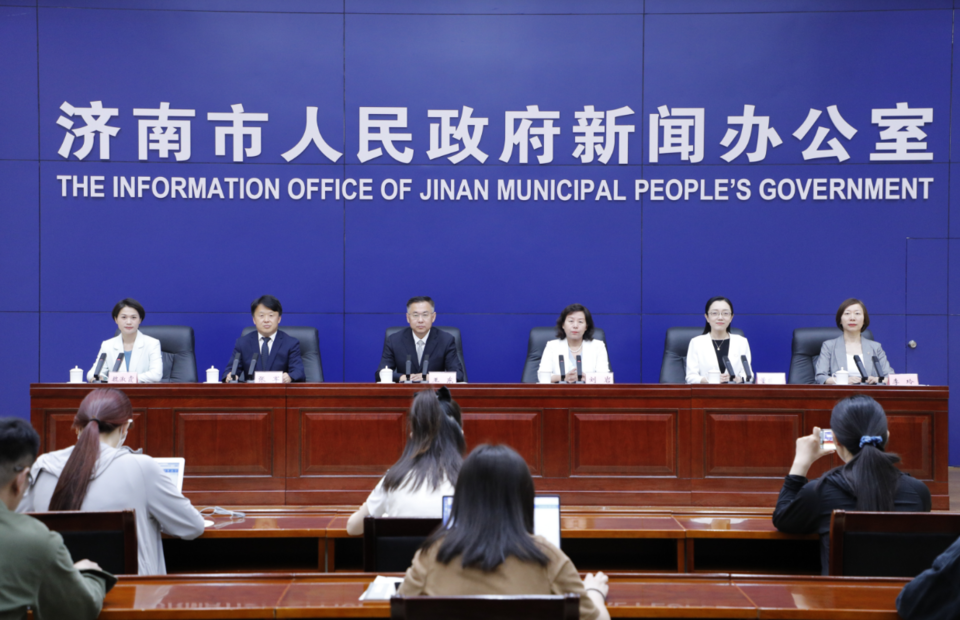
Core Viewpoint - The Jinan government is promoting a "Healthy Weight Management Year" initiative to combat obesity and related chronic diseases, integrating it into the chronic disease prevention system [3][4]. Group 1: Chronic Disease Context - Chronic respiratory diseases are primarily caused by air pollution and smoking, while cardiovascular diseases, cancer, and diabetes risks are significantly associated with overweight and obesity [3]. - The 2025 World Obesity Report indicates that in 2021, chronic diseases resulted in 161 million years of avoidable health loss globally, with 27% attributable to overweight and obesity [3]. Group 2: Implementation Strategies - Jinan's strategy includes integrating healthy weight management with the "Healthy Jinan" chronic disease prevention initiative, ensuring coordinated efforts in addressing both obesity and chronic diseases [3]. - The initiative promotes a supportive social environment for healthy weight management through multi-department collaboration, including the establishment of health-themed parks, walking paths, healthy canteens, and restaurants [3]. Group 3: Monitoring and Evaluation - The coverage of chronic disease comprehensive prevention demonstration areas in Jinan has reached 92%, focusing on health education and awareness to enhance public skills in weight management [4]. - The initiative emphasizes monitoring and evaluation of chronic diseases and risk factors, providing a scientific basis for effective health weight management and chronic disease prevention [4].
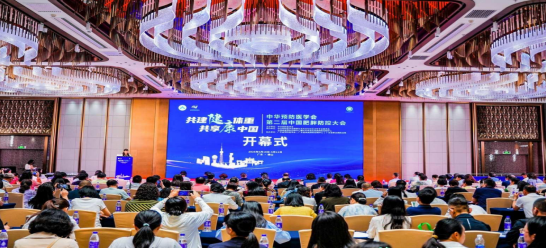
中华预防医学会第二届中国肥胖防控大会在佛山召开
Ren Min Wang· 2025-05-14 07:39
Core Insights - The Second China Obesity Prevention and Control Conference was held in Foshan, Guangdong, focusing on the theme "Building Healthy Weight Together, Sharing Healthy China" [1] - The conference gathered over 400 experts and scholars from various sectors, including disease control centers, healthcare institutions, research institutes, and universities, with more than 30,000 health promotion professionals participating online [1] Group 1: Conference Overview - The conference featured a main venue and four sub-venues, addressing scientific and practical issues in obesity prevention and control, including obesity and metabolic disease prevention, healthy lifestyles, childhood obesity, and occupational health management [2] - Keynote speeches were delivered by officials from the National Health Commission and the World Health Organization, discussing topics such as health weight management actions and global obesity prevention progress [2] Group 2: Research and Initiatives - Researchers presented the latest findings on supportive environments for weight management, childhood obesity prevention, health lifestyle management for occupational groups, dietary interventions for obesity and metabolic disorders, and exercise strategies for weight management [3] - The conference launched the "Occupational Health Lifestyle Promotion Action Initiative" and the "2025 Weight Management Insights" white paper, providing academic recommendations and decision-making references for obesity prevention in China [3][8]