全域旅游

Search documents
视频丨一次购票,终身畅游!景区为啥这么做?
Xin Hua Wang· 2026-02-03 23:53
Core Viewpoint - The introduction of "lifetime tickets" by various scenic spots reflects a shift in the tourism industry from a "ticket economy" to an "experience economy" [3][7]. Group 1: Introduction of Lifetime Tickets - Multiple scenic areas, including Ganzi, Anhui, and Xinjiang, have launched "lifetime tickets" allowing unlimited access to various attractions [1][3]. - Ganzi's lifetime ticket costs over 300 yuan and provides access to 14 scenic spots, which would normally cost 1,091 yuan if purchased separately, representing a significant discount [1]. Group 2: Changes in Revenue Model - The trend indicates that scenic spots are moving away from relying solely on ticket sales for revenue [3][5]. - The focus is shifting towards generating income from repeat visitors through additional services such as accommodation, dining, and outdoor experiences [5][7]. Group 3: Visitor Experience and Engagement - Lifetime tickets are likened to long-term membership cards, encouraging tourists to visit multiple times [5]. - To attract repeat visitors, scenic spots must enhance service quality, diversify offerings, and optimize visitor experiences [5][7]. - The success of one scenic area can positively impact nearby lesser-known attractions, promoting collaborative tourism development [5].

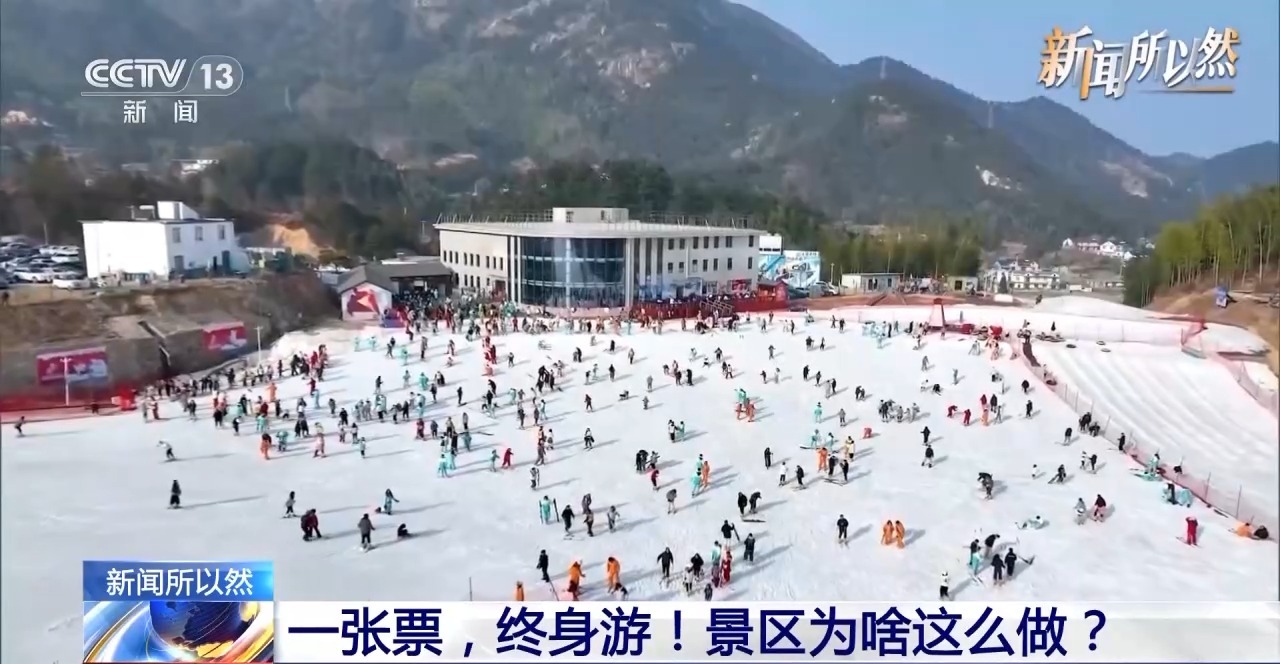
一次购票,终身畅游!景区为啥这么做?
Yang Shi Wang· 2026-02-03 23:06
Core Viewpoint - The introduction of "lifetime tickets" by various scenic spots reflects a shift from a "ticket economy" to an "experience economy" in the tourism industry, aiming to attract repeat visitors rather than relying solely on entrance fees [4][8]. Group 1: Introduction of Lifetime Tickets - Multiple scenic areas, including Ganzi, Anhui, and Xinjiang, have launched "lifetime tickets" allowing unlimited access to various attractions, with Ganzi's ticket priced at over 300 yuan for access to 14 scenic spots [1][3]. - Ganzi's lifetime ticket sales have been remarkably successful, with over 170,000 tickets sold within just a few days, highlighting the high value proposition compared to the total cost of individual tickets [1]. Group 2: Shift in Revenue Model - The strategy behind lifetime tickets is to transform scenic spots into "traffic entry points" rather than "charging gates," indicating a broader trend in the tourism sector [3]. - The focus for scenic areas is shifting from earning money through single entry fees to generating revenue from repeat visitors through comprehensive spending on accommodations, dining, transportation, and experiences [6]. Group 3: Enhancing Visitor Experience - To attract repeat visitors, scenic spots must enhance service quality, diversify offerings, and optimize visitor experiences, as these factors contribute to the overall competitiveness of the attractions [6]. - The implementation of lifetime tickets can create a synergistic effect, where popular attractions boost the visibility and visitation of lesser-known nearby sites, promoting collaborative tourism development [6].
“一只蟹”吃出“四季游”的泼天流量
Xin Lang Cai Jing· 2026-02-03 21:52
Core Insights - Suzhou's Xiangcheng District is transforming its tourism strategy from a seasonal focus on crabs to a year-round diverse tourism model, enhancing visitor retention and increasing consumption frequency [1][2][3] Group 1: Tourism Development Strategy - The district is implementing an all-encompassing tourism development approach, focusing on the "one crab" concept while exploring a multi-industry structure beyond crabs [1] - Seasonal tourism is being transformed into year-round experiences through innovative activities such as the "Taste Road" and various cultural festivals, effectively addressing the previous seasonal visitor drop-off [2] - New experiences like handmade crafts, coffee, camping, and cycling are being introduced to extend visitor stays and enhance engagement throughout the year [2] Group 2: Cultural and Heritage Integration - The district is promoting the active preservation of intangible cultural heritage, showcasing local customs and traditions through events like the "Yangcheng Fisherman's Song" exhibition [2] - Cultural elements are being integrated into public spaces, with projects like the renovation of Shen Zhou Cultural Park and related activities to deepen cultural engagement [3] Group 3: Product and Service Innovation - The resort area is shifting from seasonal crab tourism to a broader ecological tourism model, attracting over 300,000 visitors annually through diverse offerings [3] - New hospitality options, including high-end hotels and local homestays, are being developed to meet market demand, with occupancy rates peaking during holidays and crab season [4] - The establishment of a tourism service platform and cycling-friendly amenities is enhancing visitor convenience and experience [3] Group 4: Collaborative Growth and Community Engagement - The "Yangcheng Lake Main Operator Rural Co-Creation Plan" is expanding, increasing the number of operator shops and diversifying business types, contributing to local economic vitality [4] - Ongoing efforts in cultural tourism investment are aimed at creating sustainable and vibrant tourism landmarks, enhancing the overall appeal of the region [4] - The local agritourism sector is thriving, with over 500 farmhouses improving service quality and adapting to market needs [4]
“冬游热”激荡中国
Ren Min Ri Bao Hai Wai Ban· 2026-02-01 22:49
Core Insights - The winter tourism market in China is experiencing a significant surge, driven by innovative offerings that combine cultural experiences, local traditions, and winter sports, transforming "cold resources" into a "hot economy" [8][14]. Group 1: Regional Highlights - In Guangxi, tourists are enjoying boat rides along the Li River, showcasing the region's natural beauty during winter [2]. - Shandong is enhancing its winter appeal by integrating food, sports, and tourism activities, attracting visitors to enjoy snow and local cuisine [4]. - In Sichuan, various winter activities are being promoted, including ice swimming and unique dining experiences, appealing to tourists seeking adventure and nostalgia [8]. Group 2: Experience-Driven Tourism - The focus of winter tourism has shifted from mere sightseeing to immersive experiences, with activities like local feasts and cultural performances becoming popular [9]. - In Zhejiang, a winter pig feast combined with outdoor activities has attracted over 600 outdoor enthusiasts, emphasizing the importance of personalized experiences [9]. - The Qiang People's Valley ski resort in Sichuan has introduced new attractions, including snow-themed dining and cultural experiences, enhancing visitor engagement [9]. Group 3: Integrated Tourism Strategies - Many regions are adopting a "whole area tourism" approach to create seamless travel experiences, linking various attractions and services [12][13]. - In Guizhou, a ticketing system has been established to facilitate travel between major scenic spots, improving convenience for tourists [13]. - Shandong's winter tourism strategy includes diverse offerings such as bird watching, hot springs, and snow activities, promoting a comprehensive winter experience [12]. Group 4: Economic Impact - Winter tourism is becoming a catalyst for regional economic growth, benefiting multiple industries beyond just tourism [14]. - In Inner Mongolia, local fishing events have attracted tourists, creating a vibrant atmosphere and boosting local commerce [10]. - The increase in winter tourism has led to higher occupancy rates in accommodations, with some regions reporting up to 80% occupancy during the winter season [14].

聚焦重点 抢抓机遇 攻坚突破 真抓实干
Xin Lang Cai Jing· 2026-01-31 23:41
Group 1 - The successful convening of the provincial two sessions signals a call to action for revitalizing and accelerating the construction of a modern socialist strong province [1] - The focus will be on enhancing the level of openness, aiming to become a leader in China's northern opening-up strategy, with initiatives to boost foreign trade and develop cross-border e-commerce [1] - Key infrastructure projects include the construction of the Mudanjiang-Dunhua Railway and the expansion of Hailang Airport, aimed at creating a comprehensive transportation network [1] Group 2 - The strategy includes enhancing technological innovation capabilities and optimizing the innovation ecosystem around universities and research institutions, particularly in key sectors like biomedicine and new materials [2] - There is a commitment to upgrading traditional industries and promoting digital transformation among small and medium-sized enterprises, focusing on sectors such as green food and equipment manufacturing [2] - The development of cultural tourism is emphasized, with plans to integrate tourism resources and create a comprehensive product system that includes unique travel experiences [2]
破亿人次后再增8%,海南旅游底气何在?
Hai Nan Ri Bao· 2026-01-31 02:20
Core Insights - Hainan has set an ambitious target of an 8% increase in domestic and international tourist arrivals by 2026, following a significant milestone of over 100 million visitors and total spending exceeding 200 billion yuan [1][4] - The confidence in achieving this target is backed by strong data, including a 31.3% increase in inbound and outbound travelers in the first month of border reopening, with an average of 28.91 million travelers [1][5] Group 1: Tourism Growth and Strategy - Hainan's tourism growth is not limited to specific areas but is a comprehensive effort across the province, with plans for 600 large-scale tourism events in 2025 [3] - Haikou aims to become an "International Performing Arts Capital," planning to host 30 major concerts and music festivals in 2025, attracting over 635,100 visitors and generating 3.065 billion yuan in tourism revenue [3] - Sanya is focusing on building a "Safe Travel" brand, implementing rapid complaint handling and transparent service standards to enhance visitor trust and satisfaction [3][9] Group 2: Inbound Tourism and Policy Support - The most notable aspect of Hainan's tourism in 2025 is the expected 35.2% year-on-year growth in inbound overnight visitors, reaching over 1.5 million [5] - The government plans to implement more convenient entry and exit management policies, expand the list of visa-free countries, and increase international flight routes, which will further boost inbound tourism [6] Group 3: Collaborative Development and Unique Offerings - Hainan is restructuring its tourism landscape with a focus on complementary functions and unique developments across cities, such as Haikou and Sanya as international consumption centers, and other cities focusing on specific themes like cultural entertainment and medical tourism [7] - The appeal of Hainan is growing beyond Sanya, with increasing interest in the central mountainous areas and coastal regions, showcasing diverse cultural attractions [8] Group 4: Service Quality and Governance - Hainan is enhancing its tourism governance through a legal, standardized, and digital framework, leading to a decrease in complaints and an increase in visitor satisfaction [9] - The establishment of a "Safe Travel Hainan" service brand is supported by 108,000 trusted consumption units and a smart regulatory platform [9] Group 5: Integration of Tourism with Other Sectors - The government report emphasizes the need to enrich tourism-related activities, promoting the integration of tourism with culture, sports, and education, transforming local resources into experiential and consumable offerings [10] - Challenges remain, such as accelerating the implementation of large projects and enhancing the proportion of inbound tourists, which the government aims to address through various initiatives [10]
全域贯通!中国入境游跑出“加速度”
Sou Hu Cai Jing· 2026-01-29 08:43
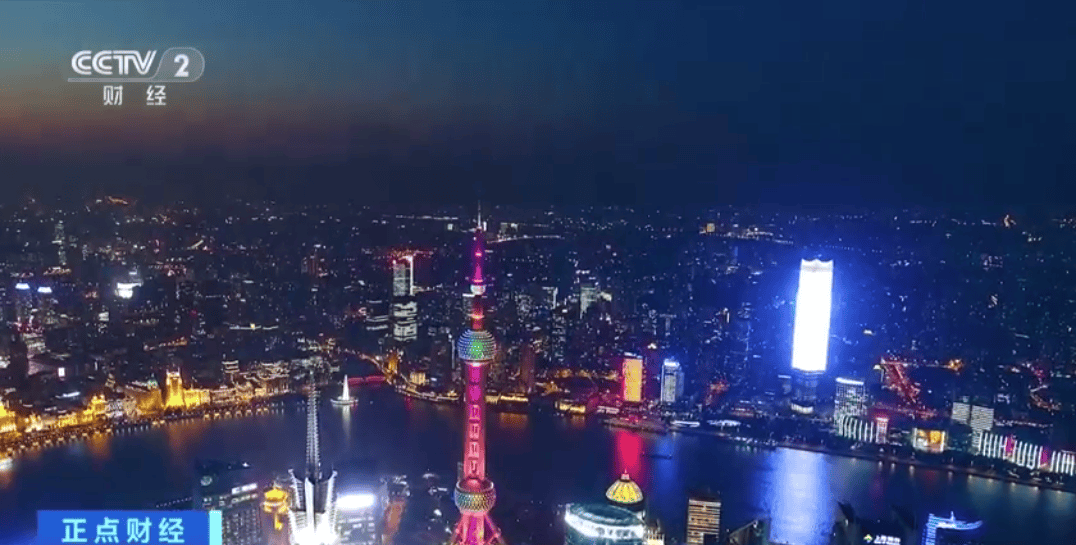
Group 1 - The core viewpoint is that China's inbound tourism is thriving, characterized by a new pattern of "central cities leading, border areas active, and comprehensive routes connecting" [1] - The border city of Heihe in Heilongjiang has become a new tourism hotspot, receiving 91,000 visa-free Russian tourists from September 15 to December 31, 2025 [3] - Over half of cross-regional inbound tourists are expected to choose routes that combine "core cities and border towns" by 2025 [5] Group 2 - First-tier cities are becoming the primary destinations for inbound tourism, with Shanghai leveraging Hongqiao Airport to create a "Airport-Disneyland-Bund" golden route, where over 60% of inbound visitors are cross-regional tourists [6] - A new trend for foreign visitors in 2025 is combining sightseeing with deep shopping experiences, supported by the new tax refund policy that allows "buy now, refund later" services [8] - Language services are being enhanced to facilitate communication, with Beijing and Shanghai adding signage in eight languages and Zhangjiajie training 1,338 small language tour guides [10]
以“旅游+”重构文旅价值,龙虎山走出一条特色发展之路
Jin Tou Wang· 2026-01-29 02:22
与生态资源相辅相成的,是龙虎山深厚的文化底蕴。作为中国"道"的发源地,这里拥有道教祖庭天师 府、上清古镇等,传承近2000年的道文化在此积淀。同时融合古越文化、心学文化、红色文化等多元文 化资源。这些文化资源并未孤立展示,而是通过"道文化研学体验线""古越文化探秘线"等主题线路,更 打造了《龙虎问道,山水逍遥》全域沉浸微演出,让游客步步见景、处处品文化。 不仅如此,龙虎山还通过全域联动,让资源"活起来"。突破空间边界,构建"一带·两核·三区·八村"布 局,推动全域旅游发展。其中,泸溪河文化休闲景观带作为核心串联轴线,整合沿线生态、文化与产业 资源;龙虎山5A景区与上清国家级旅游度假区构成两大核心引擎,分别聚焦丹霞文化体验与道文化度假; 应天山、马祖岩、圣井山-天门山三大片区形成差异化支撑;同时带动无蚊村、沙湾村等周边8个特色乡 村发展"一村一品"旅游集群,实现景区流量向乡村辐射、文化生态资源向全域覆盖,最终达成"景村共 生、全域共赢"的发展格局。 基于全域协同的先天优势,龙虎山进一步打破传统山地景区单一的观景模式,解锁"旅游+文化""旅游 +体育""旅游+农业""旅游+科技"等发展新模式,推出丰富业态,让龙虎 ...
“山东交旅1号工程”打造全景式文旅新生态
Qi Lu Wan Bao· 2026-01-28 11:05
实施"山东交旅1号工程",构建票根经济生态圈。 "半岛1号"海上游产品整合滨海优质文化旅游资源,开发半日游、1日游、多日游等精品线路,首批开通5条 航线,推出300多项优惠政策。 中国旅游协会副会长、山东省旅游行业协会会长、山东大学旅游产业研究院院长王德刚表示,"山东交旅 1号工程"以交通为纽带,使全省重要的旅游目的地和旅游消费场所形成有效连接,将构建山东省全域旅游 高质量发展的新格局。 "'齐鲁1号'和'半岛1号'的开通运营,为山东积累了交旅融合实践经验,形成了可复制的发展模式,也为'山东 交旅1号工程'在深化拓宽交旅融合深度和广度方面奠定了基础。" 王德刚表示,"山东交旅1号工程"是具有全国领先与领跑意义的探索,也是山东打造旅游发展新模式的特色 实践与全新范式。 记者了解到,近年来,山东聚焦关键领域与新兴业态,积极培育文旅融合新场景、新业态,推动"文旅+体 育""文旅+交通"等"文旅+百业"蓬勃发展。"山东交旅1号工程"便是"文旅+交通"的融合,旨在构建一个贯 通齐鲁大地海陆空、覆盖全省山河湖的立体化全景式文旅新生态,2025年开行的"齐鲁1号"旅游列车 和"半岛1号"海上游产品都属于该产品系列。 "山东 ...
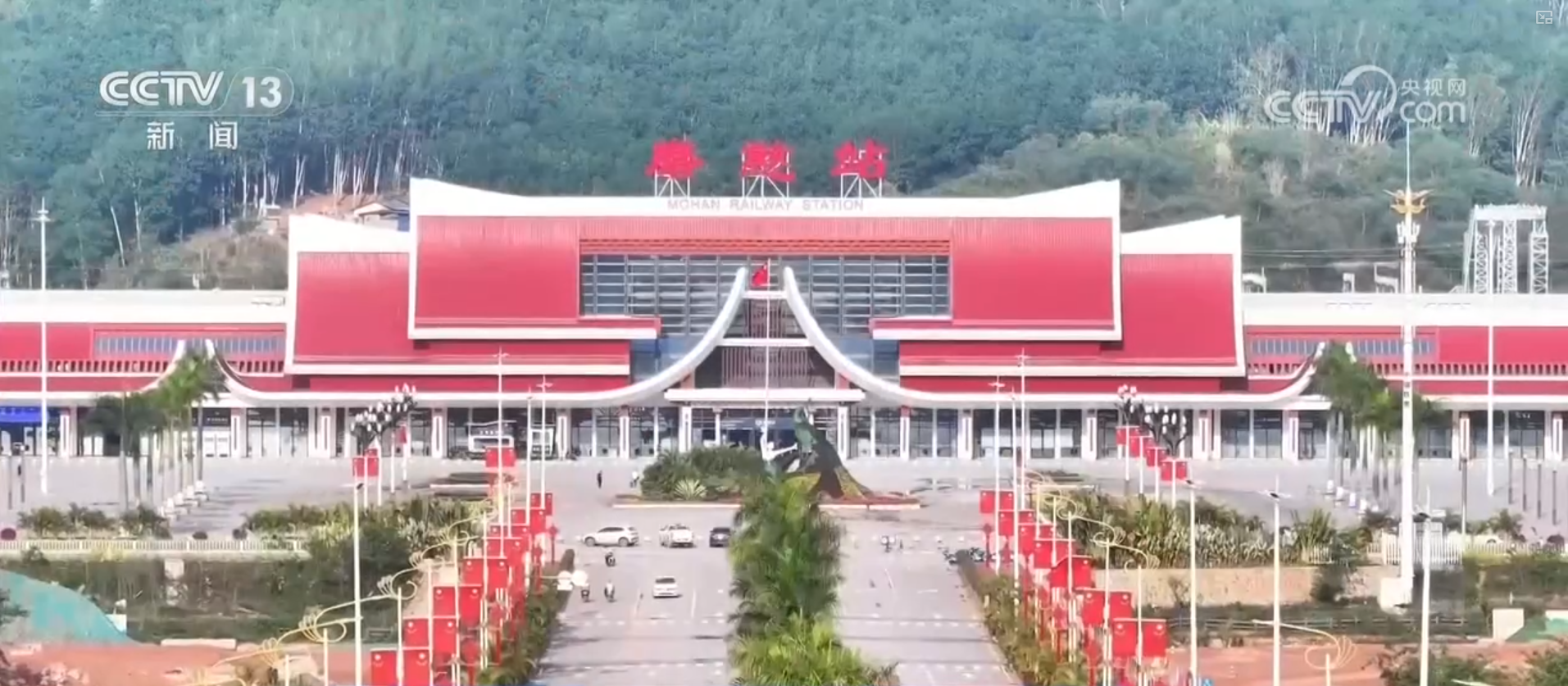
全域旅游让“中国游”焕发全新活力 “政策红利+服务升级”激活万亿市场
Yang Shi Wang· 2026-01-28 08:08
央视网消息:2025年,中国入境游呈现"中心城市引领、边境区域活跃、全域线路贯通"的新格局。240小时过境免签、区域性免签等政策精准发力,叠 加智能通关、跨区域服务配套优化,跨区域游览旅客占比升至41%,从北京王府井到黑龙江黑河口岸,从上海外滩到广西东兴小城,全域旅游正成为高水平 开放的新名片。 2025年超半数跨区域入境游客选择"核心城市+边境小城"线路。全国旅检口岸实施过境免签手续一次办结,14个重点口岸推广"刷脸"智能通关,人均通 关10秒,从都市繁华到边关风情,政策赋能与服务升级双向发力,全域旅游正让中国入境游焕发全新活力。 入境免税消费迎爆发式增长 2025年,中国入境游与免税退税消费形成强劲共振,推动入境游客从"观光打卡"向"深度购物"转身,中国正加速跃升为国际消费目的地。 2025年,国家移民管理局对54国入境旅客实施的240小时过境免签政策,实现"一地入境、多省游览"的便利化升级:云南磨憨口岸开通"15分钟快速通 关"通道,试点建设车辆快捷通关系统;广西东兴试点中越跨境二维码支付,越南游客在口岸扫码即可畅享广西美食,2025年东兴边检站全年查验出入境人 员超1000万人次,同比增长13%。 中 ...