原创设计

Search documents
2025秋冬淘宝服饰白皮书
Sou Hu Cai Jing· 2025-06-05 12:11
Core Insights - The 2025 Autumn/Winter Taobao Apparel White Paper highlights the intersection of cultural awakening and emotional expression in China's apparel industry, with a notable increase in consumer confidence and a 3.4% year-on-year growth in apparel consumption totaling 386.9 billion yuan from January to March 2025 [1][15][20] - The report emphasizes the integration of digital shopping modes, such as live shopping, into daily life, indicating a shift towards high-quality development in the industry [1][15] - The demand side is characterized by diversification, with younger high-spending consumers focusing on original designs and scene-based dressing, driving the consumption of trendy items [1][20] Industry Overview - The apparel industry is positioned as the second-largest consumer spending category after food, demonstrating resilience and growth potential [15] - The total apparel consumption in early 2025 accounted for 4% of total retail sales, indicating a robust market presence [15][18] Consumer Insights - The core consumer groups include the "refined new generation," "fashionable newcomers," and "new middle-class," who prioritize trendiness and original design in their purchasing decisions [32][36] - Emotional needs and self-expression are increasingly influencing consumer behavior, pushing the industry towards innovative and meaningful designs [10][24] Category Trends - Key categories driving sales include down jackets, knitwear, and casual pants, with seasonal items like fur and woolen garments also contributing significantly [20][41] - The report identifies emerging opportunities in women's bags, fashionable footwear, and trench coats, which are experiencing accelerated growth [41] Supply Chain Dynamics - The competition in design is intensifying, with a focus on original design and material innovation, such as knitted textures and eco-friendly fur [1][24] - The integration of online and offline channels is becoming a trend, with leading merchants expanding into physical stores and platforms supporting merchants through initiatives like the "T1000 New Merchant Support Program" [1][27] Style Trends - Eight major style trends are identified, including "County Calling," "Light Punk," and "Demure," each characterized by unique color palettes, materials, and styles [1][24] - The report emphasizes the importance of emotional expression in fashion, with consumers seeking designs that resonate with their identities and cultural affiliations [10][24] Market Growth Drivers - The growth in the apparel market is driven by increased purchase frequency and a rising concentration of trend item consumption [20][21] - The report suggests that the demand for trendy products is rapidly increasing, with a need for more innovative items to meet consumer expectations [20][21]

女装抄不动了,但这是好事
3 6 Ke· 2025-05-29 12:08
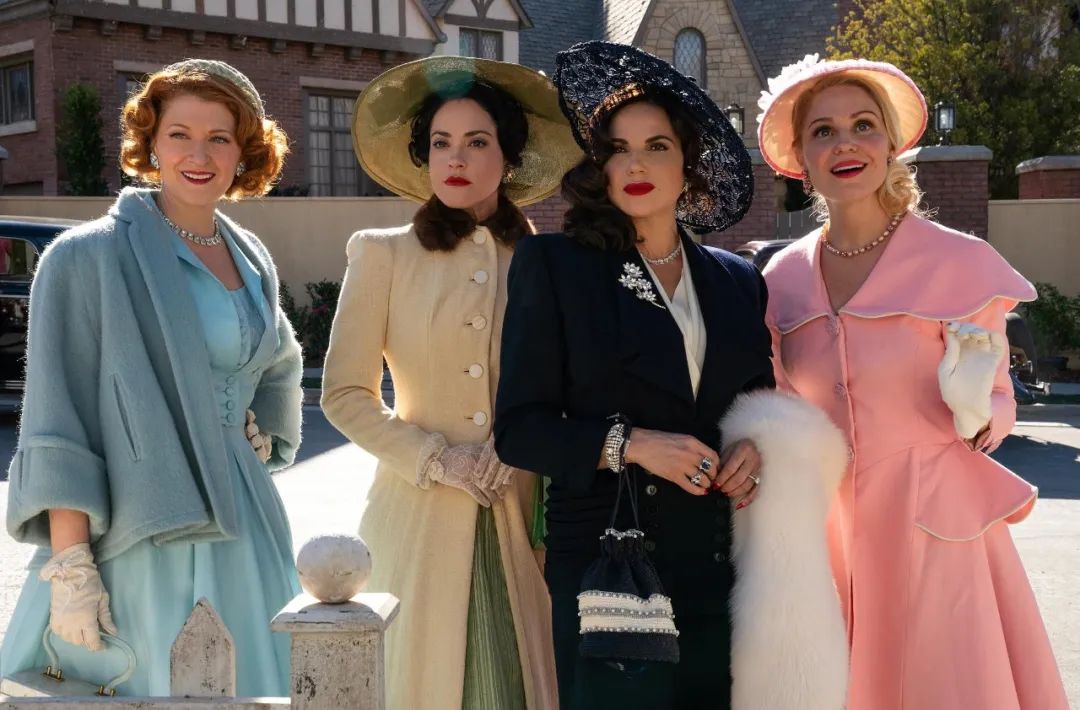
Core Insights - The Chinese women's clothing industry, valued at 2 trillion, is facing significant challenges, with high return rates and intense competition leading to a difficult business environment for both consumers and merchants [2][3] - The industry has entered a phase of inventory saturation since 2020, with per capita clothing expenditure as a percentage of GDP declining from 2.9% in 2010 to 2.1% in 2022, and projected to drop to 1.7% by 2030 [3][6] - Brands that adapt to the changing market dynamics and focus on quality and consumer needs are likely to thrive, while those relying on low prices and imitation may fail [20][36] Industry Challenges - High return rates and the pressure to match competitors' pricing have led to increased operational costs and a challenging environment for merchants [2][3][25] - The shift from a seller's market to a more competitive landscape has resulted in many brands struggling to maintain profitability, with some even closing down [25][36] - The focus on traffic-driven sales has created a fragile ecosystem, where high return rates and inventory pressures are common, leading to financial strain for many businesses [25][26] Brand Performance - The "Global Brand China Online 500" list includes over 39 women's clothing brands, indicating a diverse range of successful players in the market [7][9] - Successful brands are categorized into four types: fast fashion giants, mid-to-high-end brands, influencer shops, and affordable alternatives to luxury brands [9][10] - Brands like Uniqlo and ICICLE have maintained strong sales by focusing on quality and consumer preferences, while influencer shops have leveraged loyalty and unique product offerings to succeed [10][15][20] Market Trends - The trend is shifting towards quality over quantity, with consumers increasingly valuing product quality and brand reputation [20][36] - The rise of "affordable luxury" brands reflects a growing consumer demand for high-quality products at reasonable prices, as seen with brands like CHICJOC and KEIGAN [19][20] - The industry is moving towards a model where brands must provide "superior value" to attract and retain customers, rather than relying on low prices and imitation [21][36] Future Outlook - The industry is expected to continue evolving, with a focus on originality and consumer-centric product development becoming essential for survival [26][28] - Brands that can effectively utilize membership systems and enhance customer loyalty will likely see improved sales and retention rates [28][36] - The ongoing transformation in consumer preferences necessitates a shift in business strategies, emphasizing quality, design, and customer engagement over mere price competition [36]
丁卫 | 我的六大自信
Sou Hu Cai Jing· 2025-05-29 07:26
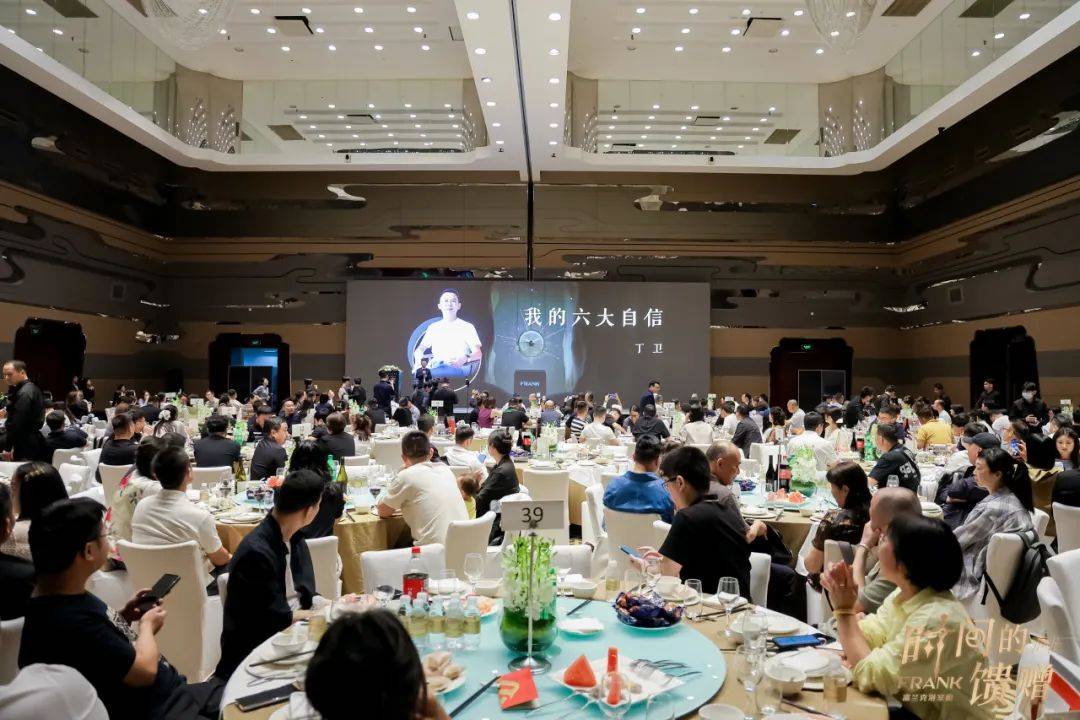
Group 1 - The core confidence of the company is built on a comprehensive development strategy, emphasizing the importance of overall strength in market competition [3][5][7] - The company has established a significant advantage system through nearly two decades of focus, including hardware, software, team, channel, design, strategy, brand, and supply chain [5][12] - The company aims to become a global brand by integrating Chinese culture into its products and expanding its international presence, with multiple overseas factories and a strategic partnership model [5][30] Group 2 - The brand confidence is reflected in the company's long-term efforts in brand building, product innovation, and original design, positioning itself as a leader in the bathroom cabinet industry [8][12] - The company has maintained a high-end positioning for its bathroom cabinets, differentiating itself through unique design and cultural storytelling [10][12] - The company believes that the high-end custom bathroom cabinet market is less affected by e-commerce due to the need for experiential services [13][15] Group 3 - The product confidence stems from the company's commitment to originality and differentiation, which has led to a 25% growth in the first four months of the year [16][18] - The company emphasizes the importance of maintaining a strong product matrix, ensuring that a majority of its products can perform well in the market [24][26] - The company has a strategic partnership with a renowned design firm to enhance its product offerings and maintain a competitive edge [20][30] Group 4 - The cultural confidence is rooted in the company's dedication to integrating Chinese cultural elements into its products, making it a representative of Chinese culture [31][33] - The company believes in the long-term potential of the bathroom cabinet industry, driven by ongoing demand for home renovations and upgrades [35][36] - The company is committed to transforming from "Made in China" to "Created in China," aiming to elevate its brand on a global scale [37][38]
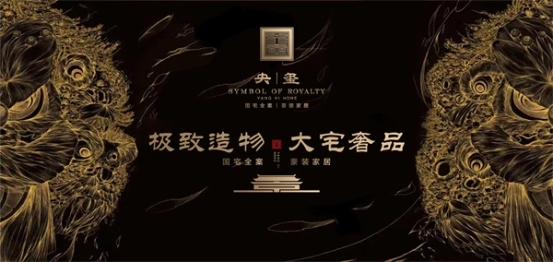
红宝轩央玺维权胜诉:以原创之名,树行业正气
Sou Hu Wang· 2025-05-23 10:32
Core Viewpoint - The recent victory of Zhongshan Hongbaoxuan Red Wood Furniture Co., Ltd.'s brand "Yangxi" in an intellectual property rights case highlights the importance of originality and innovation in the furniture industry, marking a significant step towards high-quality development in the sector [1][19][22]. Company Development - Hongbaoxuan has integrated "innovation" into its brand DNA over nearly 30 years, with "Yangxi" embodying originality and breakthroughs in the furniture industry [3]. - The brand launched its global debut at the Shanghai International Design Week in May 2023, showcasing a blend of Eastern aesthetics and modern craftsmanship [3]. - Yangxi made a strong impression at the 7th China (Zhongshan) New Chinese Style Red Wood Furniture Exhibition in August 2023, emphasizing its commitment to original design and patent applications for all products [5]. - In December 2023, Yangxi held a significant event at the 14th China Red Wood Furniture Brand Summit, promoting the concept of elevating red wood furniture to a new luxury standard through cultural confidence and design innovation [8]. - The brand was invited to the 2024 China (Zhongshan) Red Wood Furniture Expo, where it received high praise for its innovative legacy [10]. - Yangxi 2.0 was showcased at the 8th China (Zhongshan) New Chinese Style Red Wood Furniture Exhibition in August 2024, with its design philosophy redefining the value of red wood furniture [13]. - At the Shenzhen Home Design Week in March 2025, Yangxi's unique patented designs and craftsmanship garnered significant attention and awards [15]. Industry Trends - The victory of Yangxi reflects a broader trend towards optimizing the industry ecosystem, emphasizing the need for self-discipline among enterprises to avoid plagiarism and focus on research and development [19]. - Industry associations and event organizers are encouraged to establish stricter original review systems and implement zero-tolerance policies against infringement [20]. - There is a call for consumers to support original brands and enhance awareness of intellectual property rights, promoting a culture of quality and craftsmanship [21]. - The overall message advocates for a collaborative effort to build an industry environment that discourages infringement and supports originality, which is essential for the future of the Chinese furniture industry [22][23].
汇聚世界潮流 纺企多元创新 “时装大脑”赋能 全球衣橱焕新
Guang Zhou Ri Bao· 2025-05-03 20:44
Core Insights - The 137th Canton Fair has highlighted the transformation of China's textile and apparel industry, showcasing innovative designs and technology integration, particularly in trendy fashion items [1][2][4] Group 1: Industry Trends - The fair has seen a significant focus on trendy apparel, with products like striped T-shirts and street-style flared jeans gaining attention [1] - Companies are leveraging technological advancements in fabric and design, leading to new orders and increased competitiveness in the global market [2][3] - The introduction of eco-friendly materials and innovative dyeing techniques, such as the use of natural plant dyes, has garnered positive feedback from international buyers [4][5] Group 2: Company Highlights - Jiangsu Shuntian Co., Ltd. showcased a new outdoor technology series, including a high-performance jacket with a durability index of 30,000 turns and waterproof rating exceeding 20,000mm [2] - Guangdong Province Textile Import and Export Co., Ltd. reported an intention order of 750,000 yuan for their biodegradable denim, emphasizing the blend of fashion and environmental sustainability [3] - The Guangdong Zhuangzini Fashion Co., Ltd. received a substantial order from a Mongolian buyer, highlighting the appeal of traditional cultural garments like the Ma Mian skirt and Xiangyun silk [5] Group 3: Market Dynamics - The fair attracted over 183,000 international buyers, with 51% coming from Belt and Road Initiative countries, indicating a broadening of international cooperation [8] - The integration of AI in design processes is expected to revolutionize the apparel industry, enhancing efficiency and creativity in product development [6][7] - The trend towards high-quality, culturally rich products is evident, with companies successfully marketing unique designs that resonate with global consumers [5][6]
137届广交会二期闭幕 “中国第一展”境外采购商到会人数创新高
Nan Fang Ri Bao Wang Luo Ban· 2025-04-28 08:02
Core Insights - The 137th Canton Fair highlighted a shift towards innovative, eco-friendly products, with a significant increase in international participation and orders focused on sustainability and smart technology [1][2][3] Group 1: Market Trends - The fair attracted 224,372 overseas buyers from 219 countries, marking a historical high for the event [1] - There is a growing demand for eco-friendly products, with 70% of orders directed towards green technology items [1][4] - Companies are transitioning from passive production to actively creating demand, showcasing customized and innovative solutions [2][3] Group 2: Product Innovation - Guangdong manufacturers are enhancing energy efficiency, with some products achieving a 30% improvement in energy performance [2] - Innovative designs, such as modular homes and smart kitchen faucets, are gaining traction, with significant interest from international buyers [3][4] - The introduction of products that combine functionality with aesthetic appeal is becoming a key differentiator in the market [7][8] Group 3: Sustainability Focus - 56% of participating companies hold patents in green technology, and 63.5% have received green certifications [5] - The emphasis on low-carbon products is seen as a competitive advantage in international markets, with many companies accelerating their transition to sustainable practices [5][6] - Companies are leveraging their entire supply chain to ensure quality and sustainability, enhancing their appeal in demanding markets [6] Group 4: Design and Cultural Expression - The fair showcased a trend towards fashionable and youthful designs, which are becoming essential for value creation [7][8] - Companies are increasingly incorporating traditional elements into modern designs, facilitating cross-cultural communication and enhancing market appeal [8][9] - The integration of design and technology is reshaping the value assessment of products, moving beyond mere cost considerations [7][8]
时尚高地以“新”促“兴”
Jing Ji Ri Bao· 2025-04-23 22:11
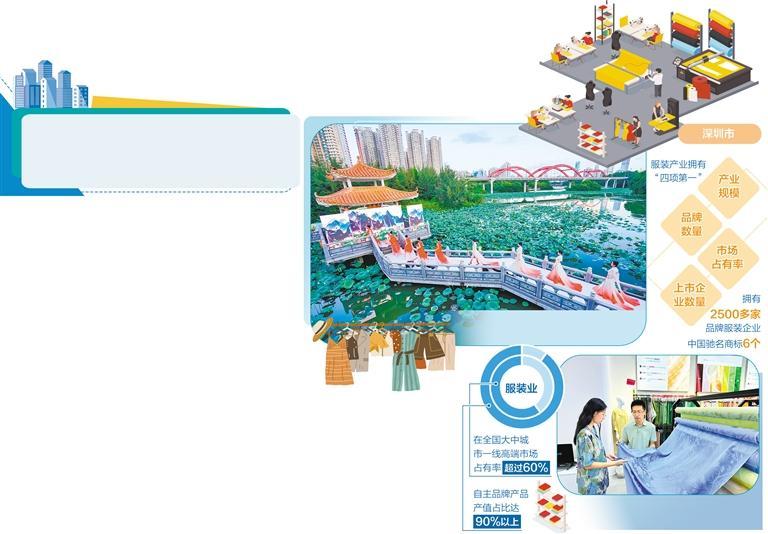
Core Insights - Shenzhen is recognized as one of the most developed cities in China's apparel industry, transitioning from OEM production to a hub for original brands, leveraging technological innovation to enhance value creation in the market [2][3] Industry Overview - The apparel market is currently in a "season change" mode, with retailers actively preparing for the new season, showcasing new collections and attracting consumers [2] - Shenzhen's apparel industry has evolved significantly, with a complete industrial chain and a notable increase in the proportion of self-owned brand products, rising from less than 5% in the early 1990s to over 90% today [3][4] Brand Development - Many traditional enterprises are shifting towards building their own brands to enhance product value and market competitiveness, leading to the emergence of well-known original designer brands [3] - Designers like Zhao Huizhou have successfully integrated traditional Chinese culture into their fashion lines, gaining international recognition at events like Milan Fashion Week [4] Material Innovation - The development of innovative fabrics is crucial for enhancing the quality of original apparel, with companies like Kai Xiya introducing advanced materials that address common issues associated with traditional silk [6][7] - The silk category in Shenzhen's apparel market holds a significant share, with over 50% of the national market, making it a key area for high-end silk and specialty silk distribution [5] Market Dynamics - The apparel consumption landscape is becoming increasingly diverse, with a focus on enhancing retail experiences and integrating online and offline sales channels [9][10] - Professional markets are adapting to consumer preferences by offering a variety of shopping experiences and collaborating with external supply chains and design institutions [11] Future Outlook - The industry is expected to continue evolving, with a focus on enhancing original design capabilities and brand influence, while also meeting the growing fashion consumption needs of the public [8][11]