存储芯片短缺

Search documents
“有钱也买不到”!三星、美光SK海力士联手“限售”,严防下游囤货
Hua Er Jie Jian Wen· 2026-01-30 07:56
全球三大存储芯片制造商正采取罕见措施遏制客户囤货行为。面对持续的供应紧张局面,三星电子、 SK海力士和美光已开始加强对客户订单的审查,要求披露最终用户和订单量信息,以确保需求真实性 并防止过度囤积进一步扰乱市场。 据日经亚洲周五报道,三家公司已收紧订单要求,对客户采购行为实施更严格的监控。这一举措凸显出 当前存储芯片市场供需失衡的严峻程度。 供应紧张的连锁反应正在消费电子领域显现。入门级和中端产品——包括电视、机顶盒、家用路由器、 平板电脑、智能手机和个人电脑——预计将受到最严重冲击。汽车行业也面临显著压力,其更长的认证 周期使问题更加复杂。 存储芯片制造商近期披露的数据进一步印证了供应紧张态势。据韩国亚洲经济报道,SK海力士表示其 DRAM库存在去年第四季度同比大幅下降,预计今年下半年将进一步收缩,表明客户供应状况可能在 一段时间内保持紧张。在NAND闪存方面,SK海力士指出以固态硬盘为主的库存自去年下半年以来持 续下降,目前已降至与DRAM相当的水平。 据韩国经济报道,三星的DRAM库存已降至约六周供应量,仅为正常10-12周水平的一半左右。作为三 大存储芯片制造商中产能最大的企业,三星有望在这个供应商主 ...

CounterPoint:苹果 iPhone 16 登顶 2025 全球最畅销智能手机
Huan Qiu Wang Zi Xun· 2026-01-29 07:02
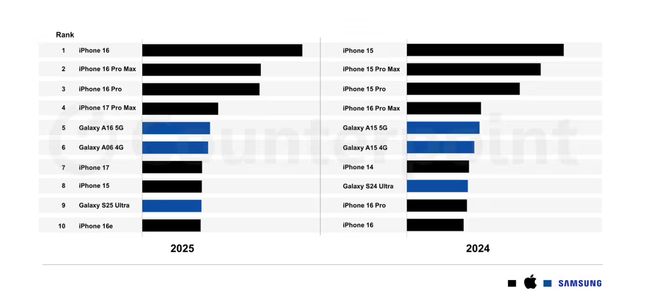
Group 1 - The core point of the article is that Apple's iPhone 16 is projected to be the best-selling smartphone globally in 2025, with Apple and Samsung continuing to dominate the top ten smartphone sales for the fourth consecutive year [1][3]. - In the top ten global smartphone sales for 2025, Apple occupies 7 positions while Samsung holds 3, collectively contributing to 19% of the total global smartphone sales for the year [3]. - The strong performance of the iPhone series is attributed to robust demand in key markets such as the US, China, and Western Europe, with the iPhone 17 series seeing an 11% increase in sales compared to its predecessor [3]. Group 2 - The iPhone 17 standard model has gained attention for significantly narrowing the configuration gap with the Pro series by offering a high refresh rate screen and increased base storage, making it one of the standout models of the year [3]. - The newly launched iPhone 16e has achieved stable sales in Japan and the US, supporting Apple's efforts to expand its market share due to its accessible price point [3]. - Samsung's Galaxy A16 5G has emerged as the best-selling Android smartphone in 2025, showcasing a balanced hardware and software configuration, while its flagship S series has maintained a position in the global top ten for the second consecutive year [3]. Group 3 - The report predicts that a global shortage of storage chips will lead to price increases for related products, significantly impacting the price-sensitive mid-to-low-end smartphone market, particularly in emerging markets like the Middle East, Africa, and Latin America [4]. - As a result of these market dynamics, flagship models with technological advantages and brand premium capabilities are expected to see an increase in their sales share globally [4].


订单火爆超预期,极氪9X迎来产能攻坚战
Nan Fang Du Shi Bao· 2026-01-28 16:21
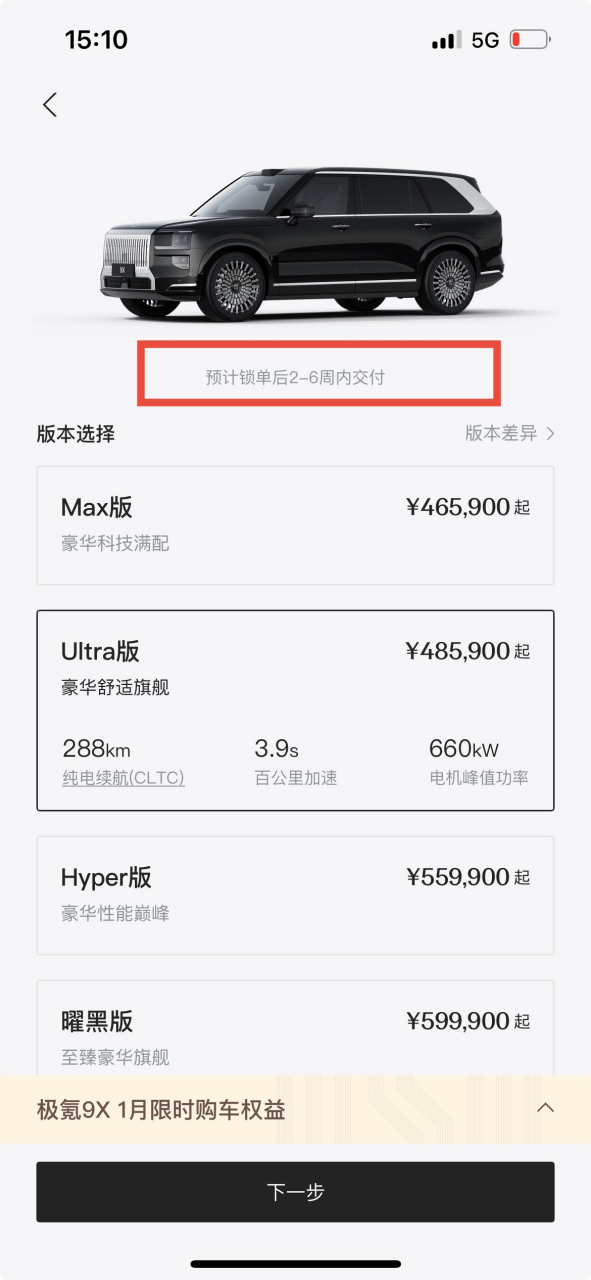
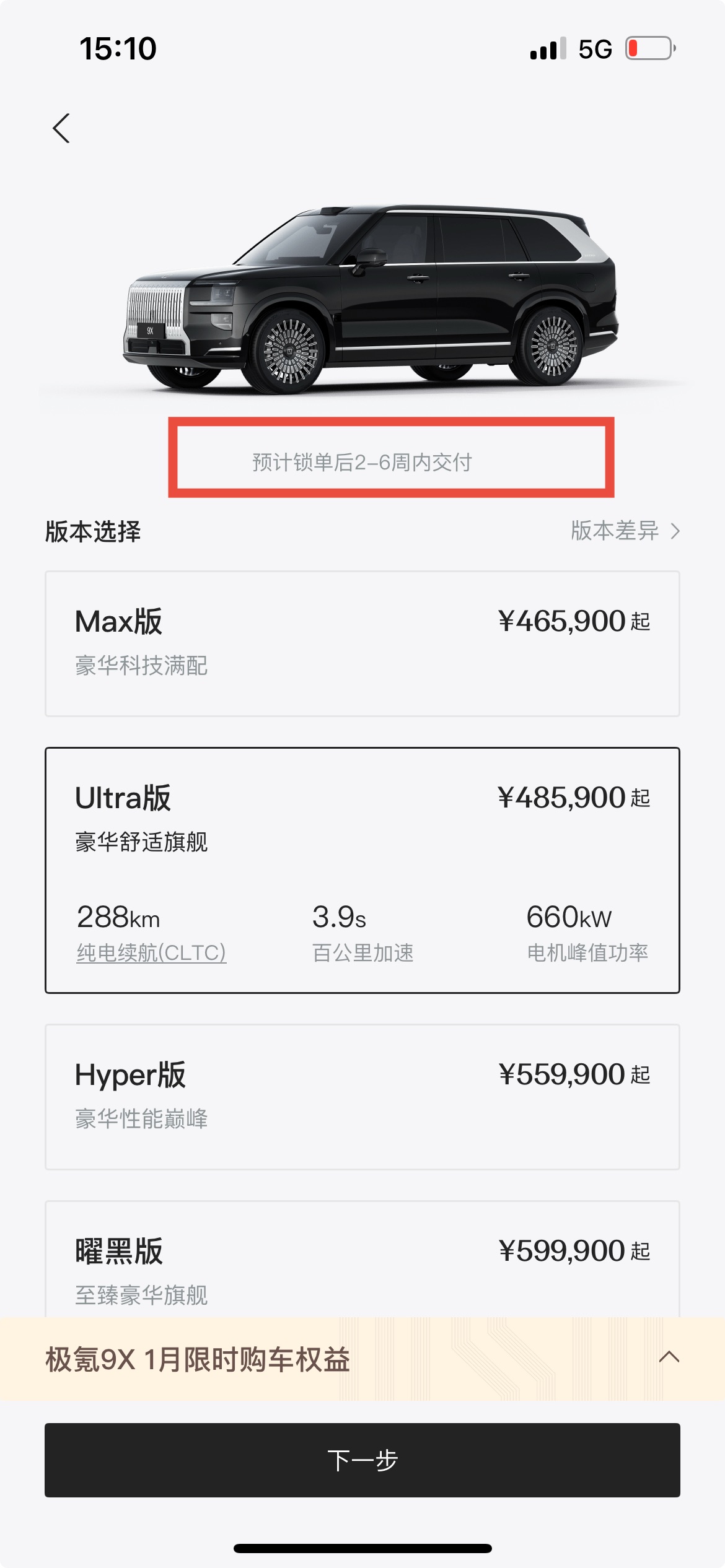
Core Viewpoint - The delivery period for the Zeekr 9X Max and Ultra versions has significantly shortened to 2-6 weeks, indicating improved supply chain stability and production capacity [1][5]. Group 1: Product Performance - The Zeekr 9X has become a representative model in China's luxury electric vehicle market, achieving over 10,000 pre-orders within 13 minutes of its launch and selling 8,121 units in November, with sales exceeding 10,000 units in December [4]. - The average price of the Zeekr 9X is over 530,000 yuan, setting a new monthly sales record for large SUVs in the Chinese market [4]. - Over 80% of Zeekr 9X users come from traditional luxury brands like BBA and Porsche, highlighting its appeal to high-end consumers [4]. Group 2: Technological Innovation - The Zeekr 9X features numerous industry-leading technologies, including "2 firsts in China, 16 global firsts, 4 industry firsts, and 24 unique features in its class" [4]. - The vehicle's advanced technologies, such as the Haohan Super Electric Hybrid technology and Thor-U chip, have contributed to its status as a "phenomenal car" [4][5]. Group 3: Supply Chain Challenges - Despite improvements, the Zeekr 9X faces ongoing challenges related to supply chain stability, particularly due to high demand for its Hyper and Black versions, which have resulted in a backlog of orders [5]. - The automotive industry is experiencing a global shortage of storage chips, which has led to increased prices and reduced supply, impacting production capabilities [6][7]. - The demand for high-specification chips in smart vehicles is significantly higher than in traditional cars, complicating supply chain management for luxury models like the Zeekr 9X [6]. Group 4: Industry Outlook - The automotive industry is expected to face a storage chip supply crisis by the end of 2026, with some estimates suggesting that supply may meet less than 50% of demand [7]. - Companies are forming global teams to address supply chain issues and enhance production capacity, indicating a proactive approach to overcoming these challenges [7].
订单火爆远超预期,极氪9X迎来产能大考
Jin Rong Jie· 2026-01-28 09:57
Core Viewpoint - The Zeekr 9X has become a phenomenon in the luxury SUV market, with significant demand leading to reduced delivery times for its Max and Ultra versions, despite ongoing global chip shortages affecting production capacity [1][4][5]. Group 1: Market Performance - The delivery period for the Zeekr 9X Max and Ultra versions has been shortened to 2-6 weeks, indicating strong market demand [1]. - Since its launch in late September, the Zeekr 9X has achieved remarkable sales milestones, including over 10,000 pre-orders within 13 minutes and sales of 8,121 units in November, followed by over 10,000 units in December, making it the best-selling model in the 500,000 RMB SUV segment [5]. - The average price of the Zeekr 9X exceeds 530,000 RMB, setting a new monthly sales record for domestic large SUVs in this price range [5]. Group 2: Consumer Insights - Over 80% of Zeekr 9X users come from traditional luxury brands like BBA and Porsche, indicating its appeal to high-end consumers who typically own multiple vehicles [5]. - The Zeekr 9X features numerous industry-leading technologies, including two China-first and 16 global-first innovations, which align with consumer expectations for upgraded experiences and technological advancements [9]. Group 3: Supply Chain Challenges - The global chip shortage is impacting the production capacity of luxury vehicles, including the Zeekr 9X, which may struggle to maintain monthly sales exceeding 10,000 units in the near future [4][14]. - The demand for high-end chips has surged due to competition from the AI industry, leading to significant price increases and reduced supply, which could affect the automotive sector's ability to meet production targets [14][16]. - Zeekr is actively working to address supply chain issues by forming a global team to ensure stable supply and enhance production capacity [16].
新思科技CEO:存储芯片供应紧缺将持续至2027年
Sou Hu Cai Jing· 2026-01-28 01:55
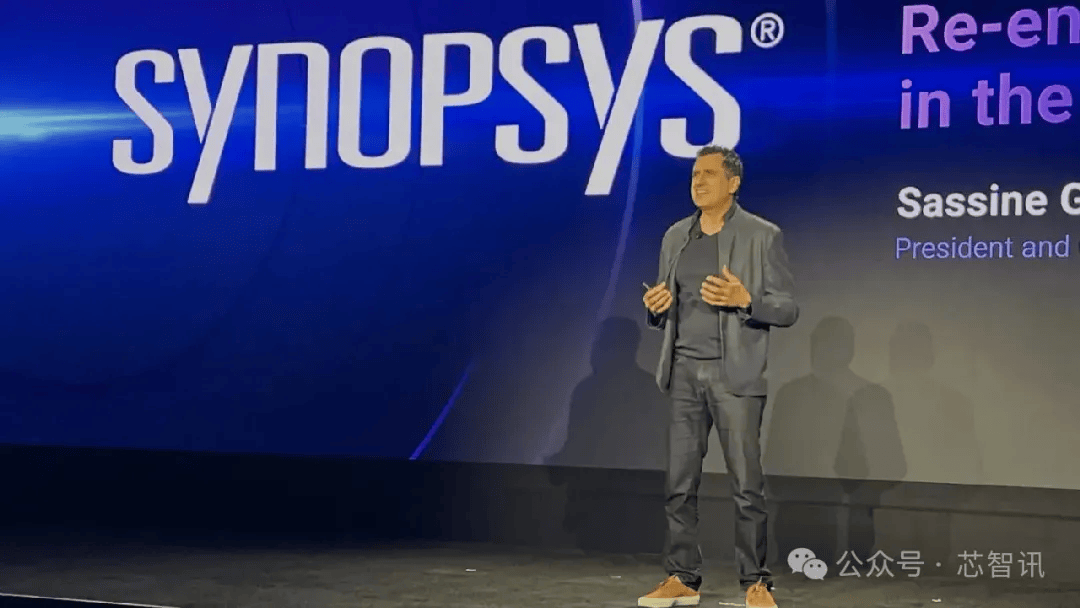
Group 1 - The CEO of Synopsys, Sassine Ghazi, indicated that the price increase and shortage of memory chips are likely to persist until 2027, driven by the demand from AI infrastructure [2] - The surge in demand for memory chips is attributed to the ongoing investment of billions of dollars into data center infrastructure, leading to unprecedented price increases in semiconductors, which are expected to continue this year [2] - Major memory chip manufacturers like Samsung, SK Hynix, and Micron are working to expand production, but it will take at least two years to achieve increased output, contributing to the ongoing supply constraints [2] Group 2 - The rising prices of memory chips may force consumer electronics companies to consider raising prices for end products, with Xiaomi predicting an increase in smartphone prices by 2026 [3] - Lenovo's CFO, Winston Cheng, expressed confidence that the company can pass on the rising costs due to strong demand for memory chips, supported by a diversified global supply chain [3] - Cheng noted that the consumer electronics sector is experiencing some impact on price demand, particularly affecting low-end products, while users are still upgrading to Windows 11 [3]


渗透率破局后,中国豪华新能源车瞄准下一场战役
Xin Lang Cai Jing· 2026-01-26 09:32
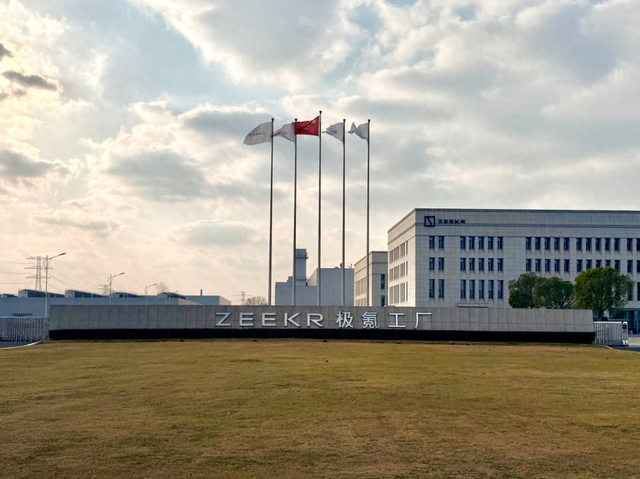
Core Viewpoint - The article highlights the significant advancements in China's automotive industry, particularly through the launch of the Zeekr 9X, which represents a breakthrough in high-end manufacturing and technology integration for Chinese brands [5][19]. Group 1: Product Launch and Market Reception - The Zeekr 9X, a luxury SUV, achieved over 10,000 orders within 13 minutes of its launch and broke the monthly delivery record of over 10,000 units in December 2025, becoming a leading model in the 500,000 RMB luxury SUV market [5][6]. - The vehicle's average transaction price exceeds 530,000 RMB, indicating strong market demand and consumer interest, even before its international release [5][6]. Group 2: Technological Innovations - The Zeekr 9X features the first smart active stabilizer bar developed independently in China, which was previously only available in high-end models like the Rolls-Royce Cullinan [6][8]. - The vehicle's production involved significant technological challenges, including the integration of advanced materials like magnesium alloy, which offers superior strength and lightweight properties compared to traditional materials [13][15]. Group 3: Manufacturing and Supply Chain - The production of the smart active stabilizer bar required extensive collaboration with suppliers and underwent 22 structural optimizations to meet high-performance standards [8][9]. - The company achieved a 98% localization rate for the components of the Zeekr 9X, showcasing a shift from reliance on foreign suppliers to a focus on domestic innovation and production capabilities [12][26]. Group 4: User Experience and Quality Control - The company emphasizes meticulous attention to detail in manufacturing, such as modifying the production process of the Naim audio system to enhance user experience, despite potential cost increases [9][23]. - The Zeekr 9X aims to meet high standards of noise reduction, achieving NVH levels comparable to V6 and V8 engines, reflecting the brand's commitment to luxury and user satisfaction [11][23]. Group 5: Industry Challenges and Future Outlook - The automotive industry faces challenges related to semiconductor supply shortages, which could impact production timelines and delivery schedules for models like the Zeekr 9X [16][25]. - The company is actively working to enhance supply chain resilience through strategic partnerships and investments, aiming to secure a stable supply of critical components [17][25].
抗住芯片涨价压力,苹果 iPhone Q4出货大增28%,重夺中国手机市场榜首
Hua Er Jie Jian Wen· 2026-01-19 07:10
Core Viewpoint - Apple has regained the top position in the Chinese smartphone market during the holiday season, driven by strong demand for the iPhone 17 series, despite facing a significant shortage of storage chips [1][3]. Group 1: Market Performance - Apple's smartphone shipments in China surged by 28% year-on-year in the fourth quarter, capturing one-fifth of the total market share [1]. - For the full year of 2025, Apple's shipments in China increased by 7.5%, holding approximately 17% market share, closely following the leading local competitor [1][4]. - The high-end smartphone segment has shown resilience against the ongoing storage chip crisis, with minimal impact reported on premium devices [2]. Group 2: Supply Chain Challenges - The semiconductor supply shortage, particularly for storage chips, is intensifying, primarily due to manufacturers reallocating capacity to produce high-end AI storage chips for Nvidia [1]. - Analysts predict that storage prices will continue to rise, with an expected increase of 40% to 50% in the first quarter of 2026, followed by an additional 20% in the second quarter [1][4]. - This price pressure is likely to force smartphone manufacturers to optimize their product lines, particularly by reducing low-end models to maintain profit margins [4]. Group 3: Product Strategy - Despite Apple's strong overall performance, the iPhone Air model has underperformed due to its later launch in China compared to other regions and a compromise between weight and functionality [4]. - The new consumer subsidy policies in China have somewhat alleviated cost pressures for manufacturers [4]. - The trend indicates that brands with high pricing power will have a competitive advantage over those relying on low-margin volume sales in a high-cost chip environment [5].
美光预计存储芯片短缺将持续到2026年之后,AI人工智能ETF(512930)近5日“吸金”7.34亿
Xin Lang Cai Jing· 2026-01-19 05:49
Group 1 - The core viewpoint of the news highlights the strong performance of AI-related stocks, with the Zhongzheng AI Theme Index showing mixed results, led by OrbiMed with a 6.82% increase, and the AI ETF experiencing significant net inflows totaling 734 million yuan over five days [1] - Micron Technology anticipates an unprecedented shortage of storage chips to persist beyond 2026, and has signed a letter of intent to acquire a wafer fabrication facility from Powerchip Semiconductor Manufacturing Corporation for $1.8 billion to expand its storage chip capacity [1] - Guotai Junan Securities has raised TSMC's long-term revenue CAGR guidance to 25% from 20%, with AI processor revenue CAGR projected to increase to 55%-60%, indicating sustained global AI demand and ongoing capacity constraints [1] Group 2 - The Zhongzheng AI Theme Index (930713) consists of 50 listed companies involved in providing foundational resources, technology, and application support for artificial intelligence, reflecting the overall performance of AI-related securities [2] - As of December 31, 2025, the top ten weighted stocks in the Zhongzheng AI Theme Index include companies like Zhongji Xuchuang, Xinyi Sheng, and Cambricon, collectively accounting for 58.08% of the index [2] - The AI ETF (512930) closely tracks the Zhongzheng AI Theme Index and has several off-market connection funds available for investors [2]
苹果登顶2025年全球出货榜 多款安卓手机被指“借鉴”iPhone
Xin Lang Cai Jing· 2026-01-18 05:02
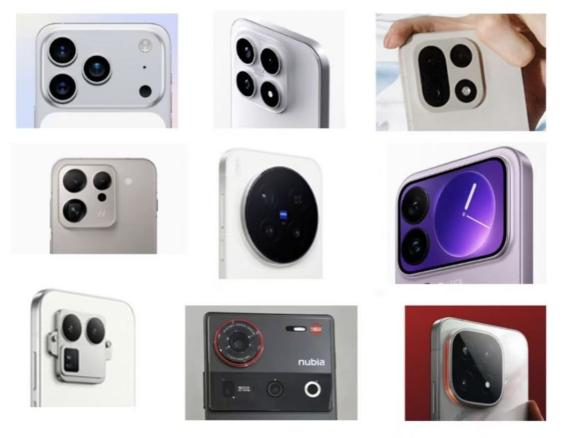
Core Insights - Apple is projected to lead global smartphone shipments in 2025, driven by the iPhone 17 series, achieving a market share of 19.7% with shipments of 247.8 million units, marking a year-over-year growth of 6.3% [3][4][6] - The global smartphone market is expected to show resilience, with total shipments reaching 1.26 billion units in 2025, a 1.9% increase from the previous year [3][4] Global Market Overview - The top five smartphone manufacturers in 2025 are Apple (247.8 million units), Samsung (241.2 million units), Xiaomi (165.3 million units), vivo (103.9 million units), and OPPO (102.0 million units) [4][6] - Apple and Samsung are the fastest-growing companies among the top five, with growth rates of 6.3% and 7.9% respectively [3][4] High-End Market Trends - The high-end segment is becoming increasingly significant, with Apple and Samsung's combined market share rising to 39%, indicating a consumer shift towards premium devices [6] - The iPhone 17 series has been well-received, contributing to Apple's record revenue in Q4 2025, supported by significant upgrades in features and specifications [6][7] Product Innovations - The iPhone 17 has been upgraded to a more balanced "water bucket" model, featuring a high-refresh-rate display and enhanced camera capabilities, while the iPhone 17 Pro is positioned as a "professional photography phone" with advanced features [7][9] - Apple's marketing strategy has shifted to include discounts on high-end models to stimulate consumer interest [9] Chinese Market Dynamics - In China, Huawei leads with 46.7 million units shipped, followed closely by Apple with 46.2 million units, indicating a competitive landscape [10][11] - The overall smartphone market in China is projected to decline by 0.6% in 2025, with Apple and Xiaomi being the fastest-growing brands among the top five [10][11] Design Trends and Imitation - The design of the iPhone has become a reference point for many Android manufacturers, leading to discussions about design imitation in the industry [10][12] - Analysts suggest that this trend of borrowing iPhone design elements is a strategy for Android manufacturers to appeal to budget-conscious consumers while maintaining a sense of premium quality [12][14] Future Market Expectations - The smartphone market is expected to face challenges in 2026, with rising costs due to storage shortages and component price increases, leading to anticipated price hikes [18][19] - The introduction of foldable iPhones is anticipated to revitalize the market, with significant consumer interest noted in surveys [20]
苹果突然宣布,支持华为、小米等以旧换新
Zhong Guo Ji Jin Bao· 2026-01-16 07:34
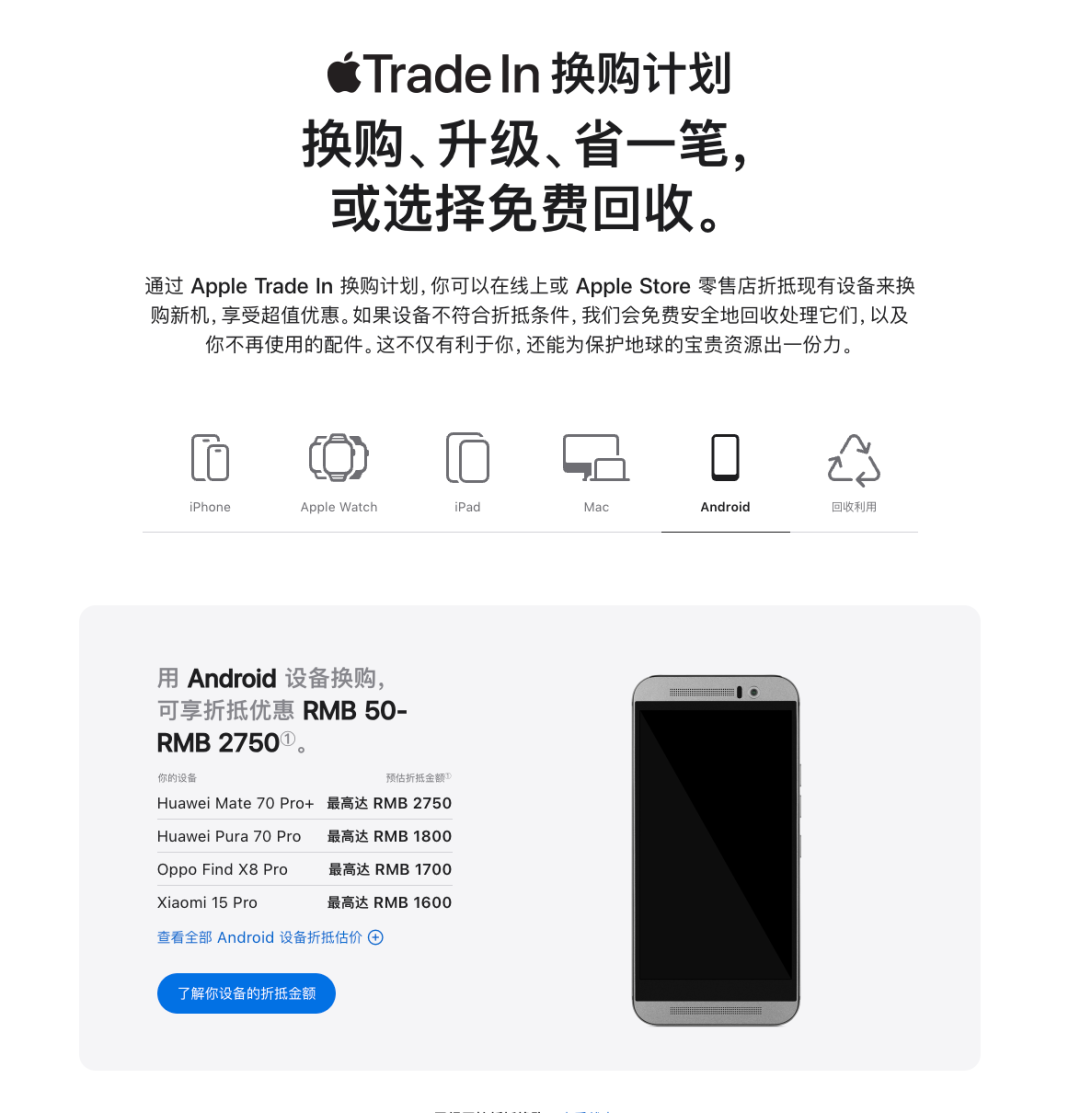
Group 1 - Apple has included Huawei, Xiaomi, and other Android brands in its latest Apple Trade In program, allowing for trade-in discounts on these devices [1][2] - The updated trade-in values for Apple devices include up to 5800 yuan for iPhone 16 Pro Max and iPad Pro, and up to 6050 yuan for MacBook Pro [1] - Specific trade-in values for Android devices include up to 2850 yuan for Huawei Mate X5 and 1600 yuan for Xiaomi 15 Pro [1] Group 2 - Prior to this update, Apple's trade-in program only accepted its own devices, while other platforms like JD and Tmall supported cross-brand trade-ins [2] - Apple states that the trade-in values are estimates and may vary based on the device's condition, configuration, and release year [2] Group 3 - According to IDC, global smartphone shipments are projected to reach 1.26 billion units by 2025, with Apple leading the market with 247 million units shipped, a 6.3% year-on-year increase [4][5] - In the Chinese market, Huawei is expected to lead in shipments with a 16.4% market share, closely followed by Apple at 16.2% [6] - IDC warns that the smartphone market, particularly for Android manufacturers, will face significant challenges in 2026 due to a reversal of the trend towards high-end configurations becoming more accessible [6]