守正创新

Search documents
奋力走好高质量发展新路
Xin Lang Cai Jing· 2026-01-25 22:24
Core Viewpoint - The article emphasizes the importance of high-quality development as the fundamental and only path for Guizhou's modernization, highlighting the need for consensus, direction, and practical actions to achieve this goal [2][4]. Group 1: High-Quality Development Strategy - Guizhou aims to implement a new development model characterized by innovation as the primary driving force, coordination as an inherent feature, green development as a universal form, openness as a necessary path, and sharing as the fundamental purpose [2][4]. - The transition from a focus on poverty alleviation to high-quality development marks a significant shift in the province's economic strategy, aiming for both qualitative and quantitative improvements in economic growth and living standards [2][3]. Group 2: Unique Development Path - Guizhou's development path is described as a "post-development catch-up" approach, which involves modernizing its development model rather than merely expanding economic indicators [3]. - The province is encouraged to leverage its unique resources, such as ecology, minerals, culture, and technology, to create a differentiated development strategy that capitalizes on its comparative advantages [3][4]. Group 3: Future Economic Goals - Over the next five years, Guizhou aims to maintain economic growth within a reasonable range, with an annual growth rate exceeding the national average, and to achieve significant breakthroughs in new productive forces [4]. - The establishment of a modern industrial system specific to Guizhou is a priority, alongside improvements in infrastructure and urbanization levels, contributing to a new pattern of high-quality development in the context of western development [4].
丙午(2026)年清明公祭轩辕黄帝活动筹备工作会议召开
Shan Xi Ri Bao· 2026-01-23 22:56
Group 1 - The meeting on January 23, 2026, focused on the preparation for the Qingming Festival ceremony honoring Emperor Xuanyuan, with reports from various provincial departments [1] - The meeting emphasized the importance of understanding and implementing Xi Jinping's cultural thoughts and directives, reinforcing the significance of the Huangdi Mausoleum as a symbol of Chinese civilization [2] - Key tasks outlined include enhancing the quality of the ceremony, ensuring safety and stability, and leveraging past successful experiences for better organization and execution of the event [2] Group 2 - The meeting highlighted the need for a collaborative approach to risk management and the establishment of an emergency response plan to ensure the event's success [2] - It was stressed that the ceremony should maintain a solemn and grand theme, with meticulous planning for various aspects such as guest invitations, reception services, and publicity [2] - The overall goal is to conduct the ceremony with a strong sense of political awareness and historical responsibility, ensuring high-quality execution of the event [2]
湾有引力,向新生长——对话台州湾新区创业者
Xin Hua Wang· 2026-01-20 03:02
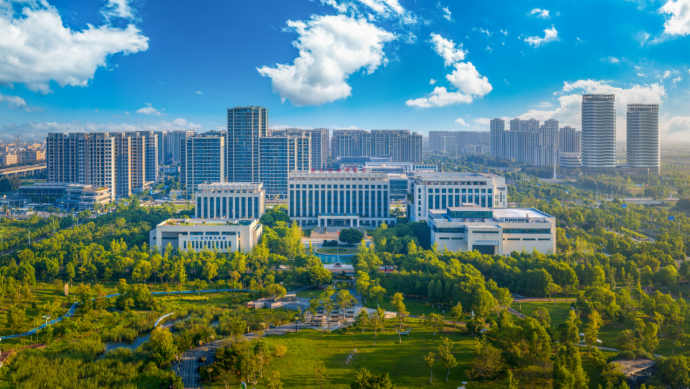
Group 1: Overview of Taizhou Bay New Area - The Taizhou Bay New Area is positioned as a key platform for innovation and entrepreneurship, with a mission to drive regional transformation and development [1] - During the 14th Five-Year Plan period, the number of market entities in the New Area increased from 14,800 to 24,000, showcasing significant growth potential [1] - The New Area has established a concentration of over 10 high-level innovation platforms, facilitating rapid development of new productive forces [1] Group 2: Company Transformations and Innovations - Zhejiang Dingli Tianyi Auto Parts Co., Ltd. underwent a "second entrepreneurship," achieving a significant increase in production value from 200 million to 420 million yuan by 2025 [3] - The company improved production efficiency from 70 to 140 units per hour and increased employee salaries from 6,000 to over 10,000 yuan per month [3] - The company plans to establish a manufacturing base with an annual production capacity of 9.5 million automotive components, aiming for a revenue target of 1 billion yuan [4] Group 3: Efficient Services and Support - The New Area offers efficient services such as online processing and same-day completion of administrative tasks, which have become a major attraction for businesses [5] - The New Area provides comprehensive support, including industrial land guarantees and access to educational and medical resources, enhancing its appeal for new enterprises [5] Group 4: Entrepreneurial Spirit and Community Engagement - Entrepreneurs in the New Area express a strong commitment to their businesses, with many actively participating in community and cultural activities [7][8] - The integration of traditional craftsmanship with modern technology is emphasized, as seen in the operations of Zhejiang Tongkang Wine Co., Ltd., which combines heritage with innovation [8] Group 5: Emerging Technologies and Market Opportunities - Glaston Technology Co., Ltd. has rapidly established itself in the New Area, focusing on advanced coating technologies and aiming to reduce reliance on imports [11][12] - The company plans to expand its capabilities in precision manufacturing and aerospace applications, reflecting a strategic alignment with the New Area's industrial focus [13] Group 6: Digital Transformation in Manufacturing - Zhejiang Xingdaxun Software Co., Ltd. has developed a comprehensive digital management software tailored for small and medium-sized enterprises, achieving significant market penetration [20][21] - The company has established a high-tech research center and developed an integrated service system, contributing to the digital transformation of the manufacturing sector in the region [21]


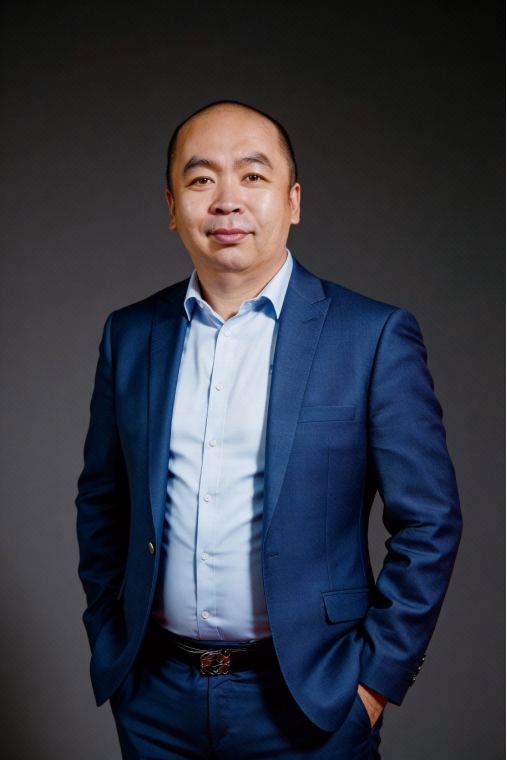
鸿茅药业鲍东奇:守正创新,双轨共进:鸿茅药业的中医药现代化思考与实践
Jin Rong Jie· 2026-01-16 13:15
Core Viewpoint - The biopharmaceutical industry is at a pivotal moment as it transitions into the "15th Five-Year Plan," emphasizing the need for a balance between traditional practices and innovative approaches to ensure sustainable growth in the face of technological and capital cycles [1][2]. Group 1: Industry Context - The biopharmaceutical sector is experiencing rapid technological iterations, rational capital returns, and a deep restructuring of the global competitive landscape [2]. - The year 2026 is anticipated to be crucial for the integration of traditional Chinese medicine (TCM) into modern health practices, moving from confidence in heritage to a conscious engagement with contemporary scientific frameworks [8][9]. Group 2: Company Strategy - Hongmao Pharmaceutical, with nearly 300 years of history, aims to explore new paths for TCM development by balancing tradition and innovation, emphasizing the importance of both "guarding the essence" and "innovation" [1][2]. - The company is committed to modern clinical research to support traditional practices, transitioning TCM from experience-based to evidence-based approaches [4][5]. Group 3: Innovation and Technology - Hongmao is transforming from "manufacturing" to "intelligent manufacturing," utilizing digital traceability to ensure the authenticity of medicinal materials and implementing smart manufacturing for precision in processes [5][6]. - The integration of advanced technologies, such as artificial intelligence and real-world evidence, is seen as essential for developing a comprehensive evidence system from raw materials to clinical applications [9]. Group 4: Cultural Heritage and Industry Development - The company is focused on converting cultural heritage into industrial momentum, promoting standardized cultivation and traceability of medicinal materials while enhancing product quality through modern technology [6][7]. - The approach of "cultural empowerment of industry" aims to enhance brand competitiveness and inject vitality into local development, ensuring that cultural heritage serves contemporary needs [6][10]. Group 5: Future Outlook - The future of TCM is envisioned as a systemic reconstruction that roots itself in ancient wisdom while addressing modern health challenges, with a focus on preventive health measures [8][9]. - Hongmao aims to evolve from merely supplying products to empowering health, creating a comprehensive health service ecosystem that integrates medicine, health, and culture [7][9].
何以德化
Xin Hua She· 2026-01-16 02:53
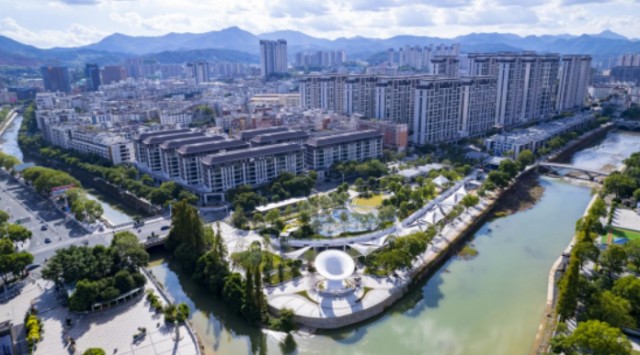
Core Viewpoint - Dehua porcelain, known as "Chinese White," is a cultural and economic pillar that has evolved from ancient trade routes to become a global symbol of Chinese craftsmanship and aesthetic values [4][12]. Group 1: Historical Significance - Dehua porcelain has a rich history dating back to the Neolithic era, with significant development during the Tang and Song dynasties, where it gained recognition for its elegant and simple designs [9]. - The peak of Dehua porcelain production occurred during the Ming dynasty, with master artisans like He Chaozong creating iconic pieces that are still highly valued today [9][10]. Group 2: Economic Impact - Dehua currently has over 4,500 ceramic enterprises, forming a comprehensive industrial ecosystem with an annual output value exceeding 76 billion yuan, making it the largest production and export base for ceramic crafts in China [10]. - The products are exported to over 190 countries and regions, highlighting Dehua's role as a significant player in the global ceramics market [10]. Group 3: Cultural Exchange - Dehua porcelain has historically served as a "cultural messenger," with its products being highly sought after in international markets, including Southeast Asia, the Middle East, and Europe [11]. - Recent initiatives, such as the "Chinese White·Dehua Porcelain" international tour, have further expanded its global presence, with exhibitions held in multiple countries [14]. Group 4: Innovation and Modernization - Dehua combines traditional craftsmanship with modern technology, employing smart production lines and 5G technology to enhance efficiency and product quality [21]. - The region fosters a talent pool of over 6,000 skilled artisans, including numerous national and provincial masters, ensuring the preservation and evolution of traditional techniques [21]. Group 5: Future Prospects - Dehua aims to position itself as the "International Capital of Ceramics," balancing heritage with innovation to drive economic growth and cultural exchange [22].
艺术公开课赋能副中心设计小镇
Xin Lang Cai Jing· 2026-01-14 22:45
Group 1 - The core event is the Tsinghua University Art Open Class held at the Beijing International Design Week, focusing on the theme "The Path of Beauty: The Source of Art and New Productive Forces" with approximately 100,000 online and offline attendees [1] - The Zhangjiabao Design Town is highlighted as Beijing's first regional fashion industry development area, aiming to become a globally influential hub for international fashion elements by 2035 [1] - The event emphasizes the integration of art and culture in regional development, with a focus on the aesthetic revival of Chinese culture as a foundation for innovation [2] Group 2 - The discussion includes insights from Chinese Academy of Engineering academician Wang Yuming, who emphasizes the importance of human-centered artificial intelligence and the integration of humanities and technology [2] - Tsinghua University Art College's philosophy of "guarding integrity and innovating" is presented, showcasing the fusion of traditional culture with contemporary international contexts through classic animation works [3] - The open class illustrates the multifaceted relationship between beauty, scientific discovery, and sustainable future, highlighting art's role in driving social progress and innovation [3]
守正创新推动城市历史文化街区更新
Xin Lang Cai Jing· 2026-01-12 21:04
Core Viewpoint - The article emphasizes the importance of systematic protection and unified supervision of cultural heritage, particularly focusing on the effective preservation and active inheritance of historical cultural districts as essential components of urban memory and cultural heritage [1] Group 1: Cultural Heritage Protection - The core value of historical cultural districts lies in their irreplaceable cultural genes, necessitating the preservation of authenticity, which includes both material aspects like architectural styles and intangible elements such as local traditions [2] - Examples like the Nanjing Laomendong district showcase minimal intervention strategies that respect cultural memory while enhancing residents' sense of belonging [2] Group 2: People-Centric Urban Renewal - Urban renewal should prioritize the needs of residents, ensuring that development outcomes benefit all citizens, as seen in the Shanghai Yuyuan Road district's micro-renovation approach [3] - Innovations in space functionality should reflect structural changes in residents' lifestyles, promoting mixed-use spaces that cater to diverse community needs [3] Group 3: Spatial Justice and Governance - The essence of updating historical cultural districts involves spatial production and reproduction, requiring adherence to spatial justice to prevent excessive commercialization [4] - A collaborative governance model involving government, residents, and social organizations is essential for effective spatial management, as demonstrated by Chengdu's multi-stakeholder approach [5] Group 4: Ecological Sustainability - Historical cultural district updates often face challenges related to ecological integrity, necessitating adherence to ecological ethics and the integration of low-carbon development principles [6] - Innovative ecological technologies, such as permeable pavements and solar energy systems, can enhance sustainability while preserving cultural and historical contexts [6]
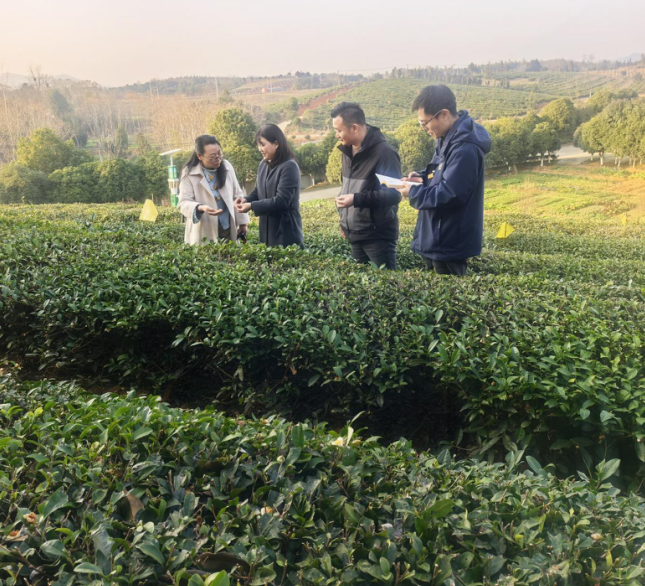
生态+品牌双重赋能,赤壁青砖茶走向世界
Jing Ji Wang· 2026-01-12 07:37
Core Viewpoint - The strategic partnership between Hubei Chibi Zhaolichao Tea Co., Ltd. and Russian e-commerce platform YUKTI INTERNATIONAL marks a significant step in expanding the international market for Chinese tea, particularly the Qingsong tea from Chibi, Hubei. Group 1: Company Background and Development - Hubei Chibi Zhaolichao Tea Co., Ltd. was founded by Wei Yanxiang, who transformed from a tea picker to an entrepreneur, taking over an abandoned tea plantation in 1998 and turning it into a successful enterprise with over 56,000 acres of tea gardens and an annual production capacity of 5,000 tons [3][4] - The company has integrated the mission of national tea reserve and production of ethnic specialty products into its development strategy since its inception, aiming for more than just commercial success [3][4] Group 2: Social Responsibility and Community Impact - The company has invested over 6 million yuan in initiatives promoting ethnic unity and progress, benefiting over 100,000 people through more than 200 activities [4] - In 2020, the company invested 20 million yuan to establish a factory in Xinjiang, creating 120 jobs and increasing local income by an average of 36,000 yuan per person annually, thus contributing to regional development and ethnic harmony [4] Group 3: Innovation and Cultural Integration - The company has embraced innovation by introducing smart production lines and focusing on the deep exploration and modern expression of tea culture [6] - Under the "Three Tea Integration" strategy in Hubei, the company has created a unique "Yellow Crane Tower" shaped Qingsong tea, blending traditional craftsmanship with modern aesthetics, transforming it into a cultural tourism product [6] Group 4: International Expansion and Market Strategy - The partnership with YUKTI INTERNATIONAL is seen as a milestone in reviving the "Silk Road Tea" trade, with Russian representatives expressing strong market potential for Qingsong tea in Russia [6][7] - The company is developing a modern supply chain and utilizing a combination of offline tasting events and online live streaming to enhance market reach and effectiveness [6]
用兵团精神助推思政课内涵式发展
Xin Lang Cai Jing· 2026-01-11 18:13
Core Viewpoint - The integration of the "Bingtuan Spirit" into ideological and political education in universities is essential for enhancing teaching quality and fostering a new generation aligned with contemporary values [1][2][3]. Educational Practice Significance - The incorporation of the Bingtuan Spirit into ideological education responds to the need for reform and aligns with the intrinsic desires of youth for growth and success [2]. - This integration serves as a dynamic vehicle for patriotism education, helping students appreciate the sacrifices made by revolutionary predecessors and understand their historical context and mission [2][3]. Ideological Foundation - The Bingtuan Spirit embodies the core values of the Communist Party, reinforcing the commitment to socialism and communism among students through tangible historical examples [3]. Practical Insights - The approach of using the Bingtuan Spirit in ideological education reflects a unified understanding of educational principles and youth cognition, addressing systemic issues while focusing on the mission of cultivating responsible citizens [4]. - The educational strategy emphasizes a progression from knowledge recognition to value recognition, tailored to the unique characteristics of the border region [5]. - The activation of resources and the use of technology are crucial for expanding the scope of ideological education, ensuring that red resources are effectively utilized and integrated into modern teaching methods [5][6]. Methodological Insights - Utilizing red resources as a core material for ideological education solidifies the foundation for its development, ensuring that content is relevant and engaging [7]. - The "Three Comprehensive Education" approach promotes a holistic educational framework, integrating ideological education with various academic and extracurricular activities [7]. - Emphasizing "staying true to the original aspiration while innovating" is vital for invigorating ideological education, combining traditional values with modern teaching techniques [8].
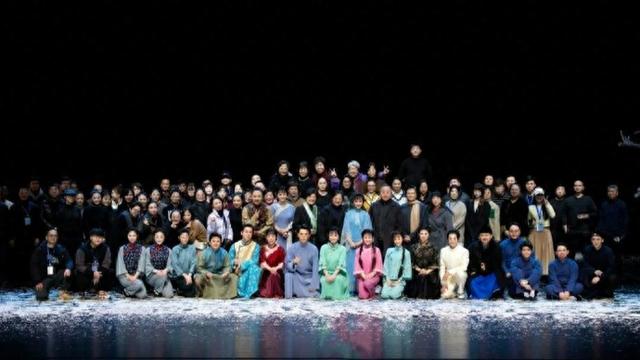
新民艺评|刘文国:以戏育人以演传艺
Xin Lang Cai Jing· 2026-01-11 06:53
Core Viewpoint - The revival of the traditional Shanghai opera "Home: Rui Jue" emphasizes the importance of artistic inheritance and modern reinterpretation, aiming to engage younger audiences while preserving the essence of the classic work [4][5][7]. Group 1: Artistic Inheritance - The production features renowned Shanghai opera artists guiding young actors to ensure rigorous artistic transmission [4]. - The performance showcases the transformation of characters, particularly through the nuanced portrayal of Rui Jue by young actor Hong Dou Dou, blending classic charm with modern interpretations [4][5]. - The core philosophy of "using drama to educate and passing on art" highlights the significance of the play as a reflection of Chinese people's spiritual history over the past fifty years [5]. Group 2: Modern Perspective - The modern interpretation focuses on deep exploration of human nature rather than simplistic class struggles, emphasizing individual experiences and emotional complexities [8]. - A feminist perspective is applied to the character of Rui Jue, showcasing her resilience and strength rather than portraying her solely as a victim of feudal constraints [8]. - The aesthetic rhythm is modernized to resonate with contemporary audiences, enhancing dramatic tension while maintaining the traditional qualities of Shanghai opera [8]. Group 3: Challenges in Performance - The production faces challenges related to "temporal disconnection" and "technical proficiency," particularly in conveying the emotional depth required for the characters [10]. - Young actors, primarily from the post-2000 generation, struggle to grasp the oppressive dynamics of historical family structures, often lacking the necessary emotional depth in their performances [10]. - There is a tendency for young performers to focus on vocal technique at the expense of emotional connection, leading to a disconnect between singing and character portrayal [10]. Group 4: Recommendations for Improvement - Actors are encouraged to focus on subtext and emotional nuance, particularly in scenes heavy with internal conflict, to enhance character authenticity [12]. - The pursuit of "voice and emotion unity" is emphasized, with a focus on the emotional depth of lower vocal ranges rather than merely aiming for high notes [12]. - A deeper understanding of the cultural and historical context, such as reading Ba Jin's original work "Home," is recommended to accurately portray the characters' struggles and societal pressures [14]. Group 5: Conclusion - The production of "Home: Rui Jue" serves as a tribute to classic art while facilitating a dialogue across time, aiming to ignite the passion of a new generation of performers [16].