市场操纵

Search documents
内幕交易“亏大了”,陈芹燕821万元获利被没收,还被罚了4107万元!黄克也“栽了”
中国基金报· 2025-12-05 12:07
Core Viewpoint - The China Securities Regulatory Commission (CSRC) has imposed heavy fines totaling over 50 million yuan on two individuals for insider trading, reflecting a strict stance against market manipulation and a commitment to creating a fair and transparent market environment [2][8]. Summary by Sections Case of Chen Qinyan - Chen Qinyan was fined over 49 million yuan for insider trading during a sensitive period related to a major asset restructuring announcement made on June 13, 2022 [3]. - The insider information was determined to have formed no later than May 11, 2022, and Chen traded a significant amount of shares using multiple accounts, resulting in a profit of 8.21 million yuan [3][4]. - The CSRC upheld the findings against Chen, rejecting her claims regarding the timing of the insider information and the nature of her trading activities [4]. Case of Huang Ke - Huang Ke, also an insider, used another person's securities account to trade during the sensitive period, earning a profit of 318,000 yuan [6]. - He was fined 1.5 million yuan in addition to the confiscation of his illegal gains [6]. - The CSRC dismissed Huang's defense, which claimed ignorance of the insider information and that another person executed the trades [6]. Regulatory Environment - Both cases are linked to the same company's major asset restructuring plans, highlighting the CSRC's "zero tolerance" approach to insider trading [8]. - In 2024, the CSRC handled 178 insider trading cases, accounting for 24% of all securities and futures violations, indicating a robust enforcement strategy [8].

“市场操纵”疑云发酵 襄阳轴承连跌两个交易日
Mei Ri Jing Ji Xin Wen· 2025-12-02 13:18
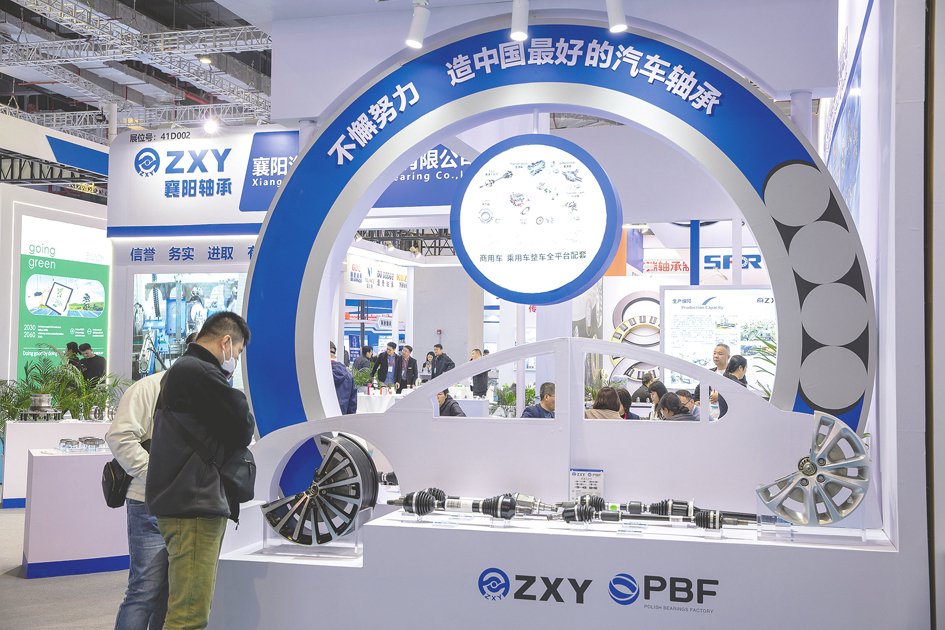
Core Viewpoint - The stock price of Xiangyang Bearing (SZ000678) surged to its daily limit on November 28, 2023, not due to any significant positive news, but rather as a result of a post in the Tonghuashun community where a shareholder sought help for a personal crisis, leading to speculation about potential market manipulation [1][6][12]. Group 1: Stock Price Movement - On November 28, 2023, Xiangyang Bearing's stock price reached a closing price of 14.76 yuan, with a gain of 9.99% despite the absence of any substantial positive news [10]. - The stock experienced a significant drop in the following trading days, specifically on December 1 and 2, 2023 [5]. - The stock had previously seen a similar situation on November 25, 2023, where it also reached a daily limit but did not appear on the trading board due to not meeting the required thresholds [11]. Group 2: Community Post and Market Reaction - The initial post on November 27, 2023, requesting assistance was deleted shortly after, and the account of the poster was suspended, raising questions about the authenticity of the situation [3][12]. - The post gained traction on social media, leading to divided opinions; some praised the community spirit while others suspected market manipulation due to the lack of evidence supporting the claims made in the post [8][12]. - Legal experts have pointed out that the nature of the post and its subsequent impact on stock price raises concerns about the responsibilities of platforms like Tonghuashun in managing and verifying user-generated content [14][15]. Group 3: Regulatory and Legal Implications - Legal professionals have emphasized the need for stricter oversight and management of information on financial platforms to prevent misleading content from affecting market stability [14][15]. - The incident serves as a warning to investors about the risks of emotional trading and the importance of making decisions based on fundamental analysis rather than speculative narratives [16]. - The potential for market manipulation through such posts has been highlighted, indicating that regulatory bodies may need to investigate further to determine the legitimacy of the claims and the actions of involved parties [15][16].

达意隆:12月2日召开董事会会议
Mei Ri Jing Ji Xin Wen· 2025-12-02 10:55
Group 1 - The company Dailong announced on December 2 that its ninth board meeting was held via telecommunication to review the proposal for adjusting the expected amount of daily related transactions for the year 2025 [1] Group 2 - The stock market witnessed a significant event where a post by a shareholder requesting the main force to push the stock to the limit was realized the next day, indicating potential market manipulation and platform review loopholes [1]

超八千万美元!特朗普一个多月大举买入债券
Zheng Quan Shi Bao· 2025-11-16 23:05
Group 1 - President Trump purchased at least $82 million in corporate and municipal bonds between late August and early October, benefiting industries aligned with his government policies [1] - The total value of bond purchases exceeded $337 million, with over 175 financial transactions reported [1] - The bonds acquired include those from semiconductor manufacturers like Broadcom and Qualcomm, tech companies like Meta Platforms, retailers such as Home Depot and CVS Health, and Wall Street banks like Goldman Sachs and Morgan Stanley [1] Group 2 - Trump also bought bonds from investment banks like JPMorgan Chase and requested an investigation into JPMorgan's past relationship with Jeffrey Epstein [2] - Following the U.S. government's acquisition of Intel shares, Trump purchased Intel bonds [3] - There are allegations of insider trading involving members of Congress, including Nancy Pelosi, who reportedly profited from stock trades linked to legislative actions [4]
特朗普,大举买入!
Zheng Quan Shi Bao· 2025-11-16 13:00
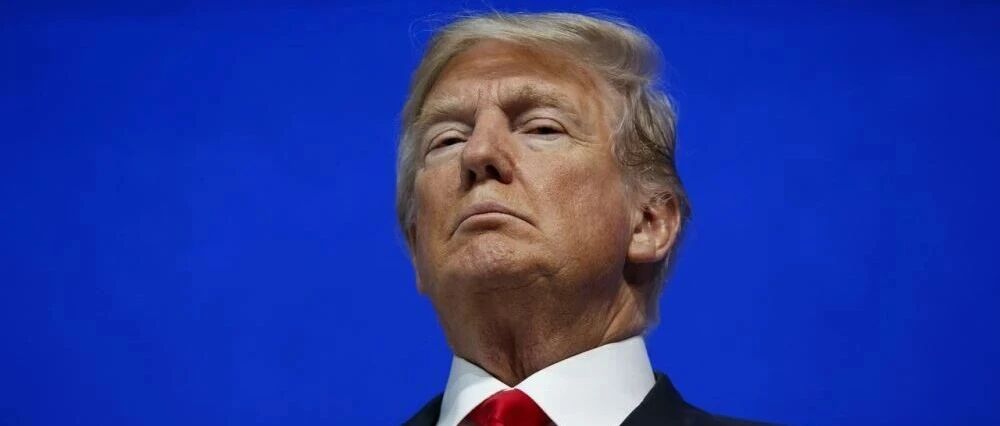
Group 1 - President Trump purchased at least $82 million in corporate and municipal bonds between late August and early October, benefiting industries aligned with his policy initiatives [1] - The total value of the bonds purchased exceeded $337 million, with over 175 financial transactions reported during this period [1] - The bonds included those from semiconductor manufacturers like Broadcom and Qualcomm, tech companies such as Meta Platforms, retailers like Home Depot and CVS Health, and Wall Street banks including Goldman Sachs and Morgan Stanley [1] Group 2 - Trump also acquired bonds from investment banks like JPMorgan Chase, while simultaneously requesting an investigation into JPMorgan's past relationship with Jeffrey Epstein [2] - Following the U.S. government's acquisition of Intel shares, Trump also invested in Intel bonds [3] Group 3 - There are allegations of insider trading involving members of Congress, including Nancy Pelosi, who is accused of timing stock purchases based on legislative actions [4] - Adam Schiff has called for an investigation into whether Trump's suspension of tariffs constituted insider trading or market manipulation, which led to stock price surges [4] - Concerns have been raised about Trump's posts potentially leading to market manipulation charges, as he holds significant influence over trade policy [4][5] Group 4 - Jim Angel, a finance professor, noted that investigations into potential market manipulation typically begin with exchanges like NYSE or NASDAQ, which report findings to the SEC [5] - The SEC's ability to take action is complicated by the lack of clarity on who might benefit from Trump's posts, making it difficult to identify potential violations of disclosure regulations [5]
特朗普,大举买入!
证券时报· 2025-11-16 12:28
Core Viewpoint - The article discusses the financial activities of former President Trump, highlighting his significant investments in corporate and municipal bonds, particularly in sectors benefiting from his administration's policies, raising concerns about potential conflicts of interest and market manipulation [1][4]. Group 1: Trump's Financial Activities - Trump purchased at least $82 million worth of corporate and municipal bonds between late August and early October, with total bond purchases exceeding $337 million [1]. - The bonds acquired include those from companies like Broadcom, Qualcomm, Meta Platforms, Home Depot, CVS Health, Goldman Sachs, and Morgan Stanley [1]. - Trump's investments are linked to industries that have benefited from regulatory changes under his administration, such as financial deregulation [1]. Group 2: Investigations and Controversies - Trump requested an investigation into JPMorgan Chase's relationship with Jeffrey Epstein shortly after purchasing their bonds [2]. - There are allegations of insider trading involving members of Congress, including Nancy Pelosi, who reportedly profited from stock trades influenced by legislative actions [4]. - Adam Schiff has called for an investigation into whether Trump's actions regarding tariffs constituted insider trading or market manipulation [4]. Group 3: Regulatory Implications - Financial experts suggest that Trump's statements about market conditions could lead to investigations by regulatory bodies like the SEC, although proving violations may be challenging due to the vague nature of his comments [5][6]. - The SEC has not commented on the matter, and it remains unclear who might be implicated in any potential legal actions stemming from Trump's financial activities [7].
有色商品日报-20251111
Guang Da Qi Huo· 2025-11-11 05:39
Group 1: Report Industry Investment Rating - No relevant content found Group 2: Core Viewpoints of the Report - Copper: Overnight, both domestic and international copper prices fluctuated upwards, with domestic refined copper imports remaining at a loss. The US Senate passing a temporary funding bill and China's measures to boost private investment have lifted market sentiment. LME copper inventories increased by 375 tons to 136,275 tons, Comex inventories rose by 2,662 tons to 337,752 tons, and domestic refined copper social inventories decreased by 0.38 million tons to 19.95 million tons. Copper prices may show short - term optimism, and attention should be paid to overseas financial markets and domestic inventories [1]. - Aluminum: Overnight, alumina, Shanghai aluminum, and aluminum alloy all trended strongly. Alumina factory profits are being compressed, with occasional production cuts in loss - making capacities. The market is in a state of internal - external differentiation, and electrolytic aluminum will continue to adjust at a high level in the short term. Attention should be paid to the long - position opportunities of AD after the narrowing of the price difference [1][3]. - Nickel: Overnight, LME nickel rose 0.53% to $15,100 per ton, while Shanghai nickel remained flat at 119,490 yuan per ton. Indonesia has suspended new nickel smelter licenses. The nickel - iron stainless - steel industry chain is sluggish, and the new energy industry chain has a slight increase in the discount coefficient. Nickel prices may still fluctuate, and inventory conditions should be monitored [3]. Group 3: Summary According to the Directory Research Views - **Copper**: Overnight price increase, influenced by US and Chinese policies. Changes in inventory and demand, and the impact of LME's new rules. Short - term optimism with attention to market and inventory [1]. - **Aluminum**: Overnight price increase, compressed alumina factory profits, internal - external differentiation, and short - term high - level adjustment [1][3]. - **Nickel**: Overnight price increase, Indonesia's new policy, weak raw material support in the industry chain, and potential price fluctuations [3]. Daily Data Monitoring - **Copper**: Price changes in various aspects such as market prices, scrap copper, and downstream products. Inventory changes in LME, COMEX, and social inventories [4]. - **Lead**: Price changes in lead products, inventory changes in LME and SHFE [4]. - **Aluminum**: Price changes in aluminum products, raw materials, and downstream processing fees. Inventory changes in LME, SHFE, and social inventories [5]. - **Nickel**: Price changes in nickel products, inventory changes in LME, SHFE, and social inventories [5]. - **Zinc**: Price changes in zinc products, TC, and inventory changes in LME, SHFE, and social inventories [7]. - **Tin**: Price changes in tin products, inventory changes in LME and SHFE [7]. Chart Analysis - **3.1 Spot Premium**: Charts show the spot premium trends of copper, aluminum, nickel, zinc, lead, and tin from 2019 - 2025 [9][10][11] - **3.2 SHFE Near - Far Month Spread**: Charts show the near - far month spread trends of copper, aluminum, nickel, zinc, lead, and tin from 2020 - 2025 [14][17][19] - **3.3 LME Inventory**: Charts show the LME inventory trends of copper, aluminum, nickel, zinc, lead, and tin from 2019 - 2025 [22][24][26] - **3.4 SHFE Inventory**: Charts show the SHFE inventory trends of copper, aluminum, nickel, zinc, lead, and tin from 2019 - 2025 [29][31][33] - **3.5 Social Inventory**: Charts show the social inventory trends of copper, aluminum, nickel, zinc, stainless steel, and 300 - series from 2019 - 2025 [35][37][39] - **3.6 Smelting Profit**: Charts show the smelting profit trends of copper, aluminum, nickel - iron, zinc, and stainless steel 304 from 2019 - 2025 [41][43][45] Non - Core Content (Not Included in Main Summary) - Team Introduction: The report introduces the members of the non - ferrous metals team, including their educational backgrounds, positions, research directions, and professional achievements [48][49]
River:近期 River Pts 价格出现异常波动,系遭遇有组织的市场操纵
Xin Lang Cai Jing· 2025-11-10 06:19
Core Insights - River team reported unusual price fluctuations of River Pts due to organized market manipulation [1] - Attackers established large short positions across multiple exchanges, converting River Pts to RIVER and selling them, leading to liquidity pressure and market panic [1] - To prevent a cascading collapse, the team decided to temporarily suspend Pts redemption and initiate a market buyback to stabilize price and confidence [1] Market Response - Following the suspension, attackers quickly closed their positions, indicating the effectiveness of the measures taken to mitigate risk [1] - River plans to redesign the redemption mechanism, introduce risk control measures, and publicly disclose on-chain and exchange data before resuming redemptions [1] Current Market Status - River Pts is currently priced at $0.01178, with a 24-hour decline of 72.34% [1]
【环球财经】土耳其强化打击市场操纵 维护投资者信心
Xin Hua Cai Jing· 2025-11-05 16:49
Core Viewpoint - The Turkish government aims to enhance regulatory measures and impose stricter penalties to combat market manipulation, which is seen as essential for restoring investor confidence and ensuring financial market stability [1]. Regulatory Measures - The Turkish Finance Minister, Mehmet Simsek, emphasized the need for new regulatory provisions and increased penalties as part of the government's agenda [1]. - Strengthening deterrent mechanisms is deemed crucial for maintaining investor confidence and ensuring the stability of financial markets [1]. Market Oversight - Recent months have seen Turkish authorities intensifying oversight of market activities to curb potential manipulation [1]. - Regulatory agencies have increased investigations into suspicious trading activities, resulting in the arrest of dozens of individuals involved [1].
Palantir stock drops 7% on valuation concerns as CEO Karp rips short-seller 'market manipulation'
CNBC· 2025-11-04 15:04
Core Viewpoint - Palantir's stock experienced a 7% decline due to concerns over its high valuation and a short position taken by investor Michael Burry, despite the company reporting strong financial results and raising its full-year guidance [1]. Financial Performance - Palantir reported revenues exceeding $1 billion for the second consecutive quarter, indicating robust financial health [1]. - The company provided stronger-than-expected guidance for the full year, reflecting confidence in its future performance [1]. Market Reaction - The stock's decline overshadowed the positive financial results, highlighting the impact of market sentiment and external factors such as short selling [1]. - Goldman Sachs noted that the muted stock reaction was in the context of high expectations, as Palantir had previously outperformed by 7% in revenue last quarter and had a significant year-to-date performance increase of 175% [2]. Management Commentary - CEO Alex Karp criticized short sellers, labeling their actions as "market manipulation" and defending the company's performance as one of the best in the industry [1].