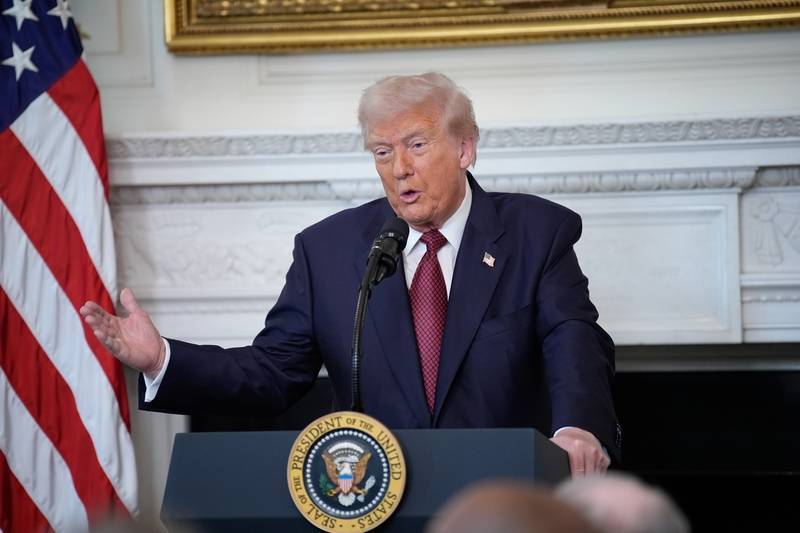
金融监管放松

Search documents
美联储向银行业发出信号 拟取消部分整改警告
Xin Lang Cai Jing· 2026-02-11 20:17
Core Viewpoint - The Federal Reserve is signaling a relaxation of regulatory oversight on U.S. financial institutions, planning to cancel some previously issued non-public corrective warnings [2][8]. Regulatory Adjustments - Vice Chair Michelle Bowman is leading efforts to ease the complex regulatory framework established since the global financial crisis, which has been criticized for increasing costs and limiting lending without necessarily enhancing system safety [3][9]. - The Federal Reserve's new assessment aims to improve regulatory effectiveness by focusing on substantial financial risks to bank safety and soundness, rather than on policy, process, or internal control concerns [10][11]. Evaluation Process - The evaluation process has commenced and is expected to continue until the end of March, with final decisions anticipated by the end of July [6][12]. - Banks will be required to cooperate with examiners to clarify what corrective actions have been taken or not taken regarding risk management, compliance, and financial status [12]. - In some cases, compliance warnings may be downgraded to supervisory watch items, indicating that banks are not required to address those issues [12].


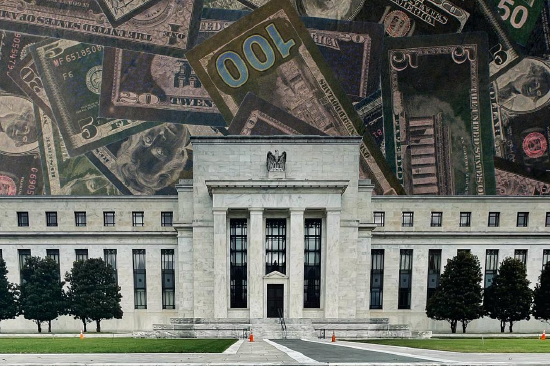
松资本、弱监管、轻压力测试……特朗普推进华尔街大行步入“去监管时代”?
Hua Er Jie Jian Wen· 2026-01-22 12:48
Core Viewpoint - The article discusses a significant regulatory overhaul in the U.S. banking sector under Trump's administration, aiming to reduce restrictions on banks to foster economic growth and market competitiveness. This "deregulation" movement focuses on loosening capital and operational constraints on banks, which has immediate positive effects on investor returns and bank activities [1][2]. Group 1: Deregulation Measures - The Federal Reserve has reduced the size of its bank regulatory department by approximately 30% and is now focusing only on "significant" risks affecting banks' solvency, rather than administrative details [1]. - The Federal Reserve has approved a comprehensive reform of the annual stress testing process, allowing banks to know the testing standards in advance and provide feedback, which critics argue undermines the rigor of the tests [1][3]. - Major Wall Street firms have responded to the expectations of deregulation by increasing dividends and announcing significant stock buyback plans, with JPMorgan Chase revealing its largest stock repurchase program in history [1]. Group 2: Capital Requirements Changes - New risk capital measurement rules are being negotiated, which will determine required capital based on the risk level of bank assets, significantly reducing capital requirements for large U.S. banks compared to previous proposals [4]. - The regulatory body has finalized plans to relax the supplementary leverage ratio, which previously constrained banks' ability to purchase U.S. Treasury securities and act as market intermediaries [4]. Group 3: Inclusion of Cryptocurrency - Regulatory agencies are actively working to integrate cryptocurrency into the traditional banking system, with the FDIC drafting guidelines on how deposit insurance applies to blockchain digital deposits [5]. - The OCC has approved requests from five cryptocurrency companies to obtain U.S. banking licenses, marking a significant shift from previous regulatory stances that viewed the industry with skepticism [5]. Group 4: Concerns Over Financial Stability - Despite the positive reception from the banking industry regarding deregulation, there are concerns from academics and former officials about potential systemic risks, with warnings that reduced oversight could allow banks to transfer risks to the public [7]. - Critics argue that the current policies represent a reckless combination of deregulation, which could lead to a catastrophic financial crisis, particularly highlighting the bubbles forming in cryptocurrency and artificial intelligence sectors as potential triggers [7].


Dow, S&P 500 Hit Records as Financial Stocks Soar
Barrons· 2025-12-11 21:26
Core Viewpoint - The U.S. stock market experienced a significant rally in the latter half of the day, primarily driven by gains in banking and financial stocks, attributed to a deregulatory push from the government [1][2] Group 1: Market Performance - The S&P 500 increased by 0.2% while the Dow surged by 646 points, equivalent to a 1.3% rise [1] - The Nasdaq, however, closed down by 0.3% after experiencing substantial losses earlier in the day [1] Group 2: Government Influence - Treasury Secretary Scott Bessent is actively promoting the Republican deregulatory agenda, which is seen as a catalyst for the market's positive performance [2] - A letter from Bessent outlined future plans for the Financial Oversight Stability Council, established post-2010 financial crisis, indicating ongoing efforts to reshape financial regulations [2]
超八千万美元!特朗普一个多月大举买入债券
Zheng Quan Shi Bao· 2025-11-16 23:05
Group 1 - President Trump purchased at least $82 million in corporate and municipal bonds between late August and early October, benefiting industries aligned with his government policies [1] - The total value of bond purchases exceeded $337 million, with over 175 financial transactions reported [1] - The bonds acquired include those from semiconductor manufacturers like Broadcom and Qualcomm, tech companies like Meta Platforms, retailers such as Home Depot and CVS Health, and Wall Street banks like Goldman Sachs and Morgan Stanley [1] Group 2 - Trump also bought bonds from investment banks like JPMorgan Chase and requested an investigation into JPMorgan's past relationship with Jeffrey Epstein [2] - Following the U.S. government's acquisition of Intel shares, Trump purchased Intel bonds [3] - There are allegations of insider trading involving members of Congress, including Nancy Pelosi, who reportedly profited from stock trades linked to legislative actions [4]
突发!特朗普,重仓了!
Zhong Guo Ji Jin Bao· 2025-11-16 16:10
Core Insights - Trump purchased at least $82 million in corporate and municipal bonds from late August to early October, with total potential investments exceeding $337 million based on upper limits of disclosed ranges [1][2] - The bonds acquired span various sectors, including those benefiting from Trump's policy adjustments, such as financial deregulation [1] - Notable companies whose bonds were purchased include Broadcom, Qualcomm, Meta, Home Depot, CVS Health, Goldman Sachs, and Morgan Stanley [1] Group 1 - Trump bought Intel bonds following the U.S. government's investment in the company [2] - All federal elected officials must report securities transactions, but specific amounts are not disclosed, only ranges [2] - Trump has not reported any asset sales and has purchased over $100 million in bonds since returning to the presidency [2] Group 2 - Trump's business empire is managed by his sons, unlike previous presidents who transferred assets to independent trusts [3] - Trump's financial disclosures indicate significant income from various sources, including over $600 million from cryptocurrency and other ventures [2]
特朗普重仓了!
Zhong Guo Ji Jin Bao· 2025-11-16 16:08
Core Insights - Trump purchased at least $82 million in corporate and municipal bonds from late August to early October, with total potential investments exceeding $337 million based on upper limits of disclosed ranges [1][2] - The bonds acquired span various sectors, including those benefiting from Trump's policy adjustments, such as financial deregulation [1] - Notable companies whose bonds were purchased include Broadcom, Qualcomm, Meta, Home Depot, CVS Health, Goldman Sachs, and Morgan Stanley [1] Investment Details - Trump bought bonds from Intel following the U.S. government's investment in the company [2] - The financial disclosure does not specify exact transaction amounts, only general ranges, and no asset sales were reported [2] - Since returning to the presidency, Trump has purchased over $100 million in bonds, with significant income reported from various business ventures, including cryptocurrency [2] Management and Oversight - Unlike previous administrations, Trump has not divested assets or placed them in a blind trust; his business empire is managed by his sons [3] - Trump's financial activities raise potential conflict of interest concerns due to the overlap between his business interests and presidential policies [3]
突发!特朗普,重仓了!
中国基金报· 2025-11-16 16:05
Core Insights - Trump purchased at least $82 million in corporate and municipal bonds from late August to early October, with total potential purchases exceeding $337 million based on upper range estimates [1][2]. Group 1: Investment Details - The bonds acquired by Trump include those issued by various sectors benefiting from his administration's policy adjustments, such as financial deregulation [2]. - Specific companies whose bonds were purchased include semiconductor manufacturers like Broadcom and Qualcomm, tech companies like Meta, retail firms such as Home Depot and CVS Health, and Wall Street banks like Goldman Sachs and Morgan Stanley [2][3]. Group 2: Regulatory Compliance - Trump is required to disclose financial transactions under the 1978 Ethics in Government Act, but the reports do not specify exact transaction amounts, only approximate ranges [3]. - No asset sales were reported by Trump in the disclosures, and his investment portfolio is managed by a third-party financial institution [3]. Group 3: Financial Background - Since returning to the presidency, Trump has purchased over $100 million in bonds, with significant income reported from various business ventures, including cryptocurrency and golf course properties, totaling over $600 million [4]. - Unlike his predecessor, Trump has not divested assets or placed them in a blind trust, with his business empire managed by his sons, which raises potential conflict of interest concerns [4].
没了“股神”佩洛西,还有“股神”特朗普
凤凰网财经· 2025-11-16 13:10
Core Insights - The article discusses the financial activities of former President Trump, highlighting his significant investments in corporate and municipal bonds, totaling at least $82 million from late August to early October 2023 [4][5]. Group 1: Trump's Investments - Trump purchased corporate bonds from major companies such as Broadcom, Qualcomm, Meta Platforms, Home Depot, CVS Health, Goldman Sachs, and Morgan Stanley [5]. - The total value of bonds purchased by Trump during the specified period exceeded $337 million, with over 175 financial transactions reported [4][5]. - Trump's bond investments are linked to industries benefiting from his administration's policy changes, particularly in financial deregulation [4]. Group 2: Government and Financial Oversight - The financial disclosures were made public under the 1978 Ethics in Government Act, which mandates transparency in government officials' financial dealings [4]. - Trump's investments are managed by third-party financial institutions, and he has stated that he and his family do not directly manage the investment portfolio [8]. Group 3: Broader Context of Political Investments - The article also mentions other political figures, such as Nancy Pelosi, who has reported significant investment activities, with her family's investment returns reportedly reaching 84.3% in 2023 [11]. - Pelosi's investment success has drawn attention, with her family's wealth increasing from $41 million in 2004 to $120 million in 2023, showcasing the potential for substantial financial gains among political figures [11].

没了“股神”佩洛西,还有“股神”特朗普
Guan Cha Zhe Wang· 2025-11-16 09:45
Core Insights - President Trump purchased at least $82 million in corporate and municipal bonds between late August and early October, benefiting from industries influenced by his government policies [1][2] - The total value of bond purchases exceeded $337 million, with over 175 financial transactions reported during this period [1] - The bonds acquired include those from semiconductor manufacturers like Broadcom and Qualcomm, tech companies such as Meta Platforms, and retail giants like Home Depot and CVS Health [2] Group 1: Investment Details - Trump's bond investments are linked to sectors that have gained from regulatory changes, particularly in financial oversight [1] - The bonds purchased are primarily issued by municipal authorities, states, counties, school districts, and other public entities [1] - Notable purchases include bonds from major investment banks like Goldman Sachs and Morgan Stanley, as well as JPMorgan Chase [2] Group 2: Financial Disclosure and Management - The financial disclosures were made under the 1978 Government Ethics Law, which mandates transparency in government officials' financial dealings [1] - Trump's investment portfolio is managed by third-party financial institutions, with no direct involvement from him or his family [5] - Since returning to the presidency, Trump has reportedly acquired over $100 million in bonds, with a total reported income exceeding $600 million from various business ventures, including cryptocurrency [5]
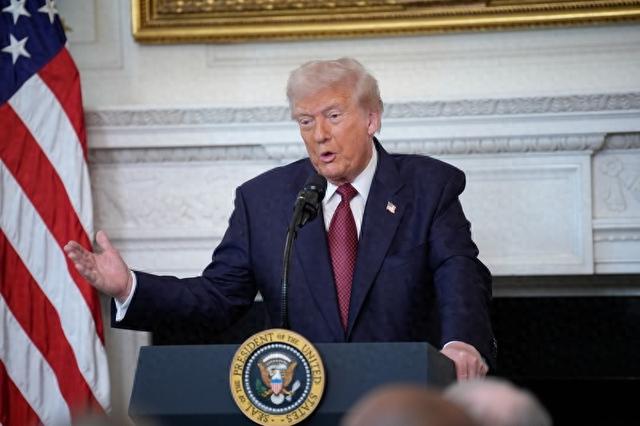
公开信息披露:8月下旬至10月初,特朗普购入至少8200万美元债券
Sou Hu Cai Jing· 2025-11-16 06:53
Group 1 - President Trump purchased at least $82 million in corporate and municipal bonds between late August and early October, benefiting from industries influenced by his policies [1] - Over 175 financial transactions were conducted by Trump during this period, with total bond purchases exceeding $337 million [1] - The bonds acquired include those from various sectors, such as semiconductor manufacturers like Broadcom and Qualcomm, tech companies like Meta Platforms, retailers like Home Depot and CVS Health, and Wall Street banks like Goldman Sachs and Morgan Stanley [1] Group 2 - Trump also bought bonds from investment banks like JPMorgan Chase and requested an investigation into JPMorgan's past relationship with Jeffrey Epstein [2] - The Trump administration acquired shares in Intel, and subsequently, Trump purchased Intel bonds [2] - Since returning to the presidency, Trump has purchased over $100 million in bonds, with a total reported income of over $600 million from various investments, including cryptocurrency and golf courses [4] Group 3 - Nancy Pelosi, a prominent investor in Congress, disclosed stock transactions totaling approximately $59 million over the past three years, with a family investment return of 84.3% in 2023 [6] - Pelosi's family wealth grew from $41 million in 2004 to $120 million in 2023, showcasing significant investment success [6] - Other notable investors in Congress include Senator Ron Wyden and Representative Marjorie Taylor Greene, indicating a trend of wealth accumulation among lawmakers [6]