
战略收缩

Search documents
上海门店“强制租客退租”?魔方公寓:正进行房源结构战略性优化,新门店同步拓展
Hua Xia Shi Bao· 2025-12-05 09:39
Core Viewpoint - The recent closure of the Shanghai Xizang South Road store of Mofang Apartment has raised concerns among tenants, with some alleging forced eviction and demanding compensation. However, Mofang Living Service Group clarified that the closures are part of normal lease expirations and strategic optimization, not indicative of financial distress [2][15]. Group 1: Store Closures and Tenant Reactions - Mofang Apartment has requested tenants to vacate the Xizang South Road store by December 31, 2025, leading to speculation of a "collapse" or "runaway" situation among netizens [2]. - The company confirmed that the closure is due to lease expiration and strategic optimization, denying any impact on overall operations [2][15]. - The Xizang South Road store, which offers 203 one-bedroom units, is part of a government-regulated affordable housing initiative [4]. Group 2: Operational Model and Financial Performance - Mofang's operational model includes direct management of properties and a franchise management model, allowing for flexibility in property management [3]. - As of October 2025, Mofang operates over 84,300 units across more than 280 locations, with a national occupancy rate exceeding 90% [2]. - The company reported revenues from its direct management model of 9.13 billion, 13.9 billion, and 16.26 billion yuan from 2020 to 2022, indicating a strong reliance on this model for income [17]. Group 3: Strategic Adjustments and Future Plans - The closures are described as a strategic contraction due to high initial costs and underperforming financial data in certain locations, rather than a sign of financial instability [15]. - Mofang is actively expanding, with new projects planned in key regions such as the Yangtze River Delta and the Greater Bay Area, including several new store openings [16]. - The company is also in the process of capital operations, having initiated a listing process in 2022, although this has been paused [16][17].

宗馥莉彻底出局,一个时代结束了!
Xin Lang Cai Jing· 2025-11-28 15:24
来源:电商天下 宗馥莉正式卸任,娃哈哈变天了 历时454天,娃哈哈的宗馥莉时代结束了。 宗馥莉卸任娃哈哈 娃哈哈再一次悄无声息地完成了权力交接,但这一次,却是宗馥莉的彻底退场。 就在昨天,企查查数据显示,娃哈哈集团再次发生工商变更,宗馥莉卸任法定代表人、董事长、总经理职务,由许思敏接任; 与之同步变化的,是一组明显"年轻化、职业化"的核心班子:财务负责人包民霞、监事寇静悉数到位。 图源:读秒财经 整个过程没有发布会,没有媒体通稿,没有煽情文字,甚至连宗馥莉本人都未公开发声。 这一切看上去是一场沉静的交接,实则是一种高明的控局:安静,是对外最好的姿态,干净,是对内最好的交代。 电商天下必须指出,从此次沉默中的落幕我们可以看到两点: 其一,娃哈哈并不想让这场权力更替演化为一场"宫斗式"的舆论热潮。 相比此前宗馥莉"接班"之际的万人瞩目,这次的冷处理恰恰是对稳定最好的保护。 其二,许思敏绝非"空降兵",而是在宗馥莉主导改革数年中逐渐浮出水面的信任核心。 从宏胜法务专员,到参与达能商标案,再到成为法人代表之一,她是宗馥莉一手培养的"接棒人"。 但无论多么温和与克制,宗馥莉的彻底卸任,依旧是一个巨大的信号:她的改革之路 ...
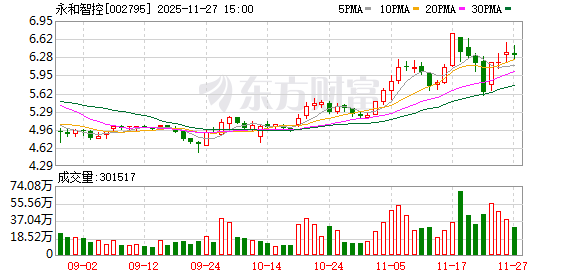
永和智控逾3500万甩卖亏损孙公司,“清仓”医疗资产
Xin Jing Bao· 2025-11-27 08:57
Core Viewpoint - Yonghe Intelligent Control Co., Ltd. is divesting all its investments in private oncology hospitals, marking a complete exit from the healthcare sector due to ongoing financial struggles and poor performance of its medical assets [2][3][5]. Group 1: Divestment Details - Yonghe Intelligent Control has initiated the public transfer of 100% equity in its wholly-owned subsidiary, Kunming Medical Oncology Hospital, with a starting price of no less than 35.93 million yuan [3][4]. - This divestment is part of a broader strategy, as Yonghe has already attempted to sell its stakes in three other oncology hospitals since 2020, including Dazhou Medical Oncology Hospital, Liangshan High-tech Oncology Hospital, and Xi'an Medical Oncology Hospital [3][4]. - The financial performance of Kunming Medical has been poor, with revenues of 11.58 million yuan and a net loss of 6.59 million yuan for the first seven months of 2025, contributing to Yonghe's decision to sell [3][6]. Group 2: Financial Performance - Yonghe Intelligent Control's main business includes fluid control products, oncology precision radiation treatment, and photovoltaic battery production. The company reported a revenue of 1.01 billion yuan in 2021, marking a 55.71% increase [5]. - However, the company's financial situation deteriorated significantly from 2022 to 2024, with revenues declining from 990 million yuan in 2022 to 823 million yuan in 2024, and net losses increasing from 26.19 million yuan to 297 million yuan during the same period [6]. - The decline in performance is attributed to reduced income from the valve and fitting business, lower product gross margins, and high depreciation and labor costs [6][7]. Group 3: Strategic Shift - Following the divestment of its medical assets, Yonghe Intelligent Control is expected to refocus on its core business operations. The company has not yet communicated its future strategic direction or potential new growth areas [7].

与库里分道扬镳 安德玛的不得已?
Bei Jing Shang Bao· 2025-11-16 15:40
Core Viewpoint - Under Armour has ended its nearly 13-year partnership with basketball player Stephen Curry, leading to the independent operation of the Curry Brand, while Under Armour will focus on launching global basketball shoes and concentrating resources on its core business [1][3][5]. Group 1: Partnership Details - The strategic split allows the Curry Brand to operate independently, marking a new development phase for the brand [3]. - Under Armour plans to release the final Curry signature shoe, Curry 13, in February 2026, along with additional colorways and related apparel before October 2026 [3]. - The partnership began in 2013 when Curry, overlooked by Nike, chose Under Armour, which significantly boosted Under Armour's revenue, with sales of Curry's signature shoes reaching $160 million in the first year [3][4]. Group 2: Financial Implications - Under Armour's revenue for the second quarter of fiscal year 2026 was $1.3 billion, a 5% year-over-year decline, with a net loss of $19 million [6]. - The company anticipates that the costs associated with the split from the Curry Brand will reach $255 million, including $107 million in cash-related expenses [6]. - In fiscal year 2025, Under Armour's revenue decreased by 9% to $5.2 billion, with a net loss of $201 million [6]. Group 3: Strategic Focus - Under Armour aims to concentrate on its core business and enhance its product offerings for athletes, while the Curry Brand will pursue its growth independently [5][7]. - The company is not abandoning basketball but intends to develop a new basketball product line and support various levels of athletes and basketball initiatives [7]. - Under Armour's apparel business generated $3.45 billion in revenue for fiscal year 2025, accounting for 66.8% of total revenue, indicating a strong focus on its core apparel segment [7]. Group 4: Market Context - The competitive landscape in the sports market, particularly in China, is intensifying, with brands like Nike and Anta increasing their market presence [8]. - Under Armour is seeking new opportunities and narratives to capture market share amidst this competitive environment [8].

与库里分道扬镳,安德玛的不得已?
Bei Jing Shang Bao· 2025-11-16 12:46
Core Viewpoint - Under Armour has ended its nearly 13-year partnership with basketball player Stephen Curry, leading to the independent operation of the Curry Brand, while Under Armour will focus on launching global basketball shoes and concentrating resources on its core business development [1][3][5]. Summary by Sections Partnership Termination - The strategic split allows the Curry Brand to operate independently, marking a new development phase for the brand [3]. - Under Armour plans to release the final Curry signature shoe, Curry 13, in February 2026, along with additional colorways and related apparel before October 2026 [3]. Historical Context - Under Armour signed Curry in 2013 after he felt overlooked by Nike, which significantly boosted Under Armour's revenue, with total revenue rising from $2.33 billion in 2013 to $4 billion in 2015, partly due to a 350% increase in basketball shoe sales [3][4]. - The partnership included a 9-year contract worth $215 million signed in 2015 and a $1 billion lifetime contract in 2023, which was unexpectedly short-lived [4]. Strategic Focus - Under Armour aims to build a brand that can compete with Nike's Jordan Brand, seeking new growth avenues [4]. - The decision to split is seen as a way for both parties to leverage their strengths, with Under Armour focusing on innovative products for athletes and Curry Brand pursuing its own direction [5]. Financial Performance - Under Armour has faced declining performance, with a 5% revenue drop to $1.3 billion in Q2 2026 and a net loss of $19 million [6]. - The restructuring plan includes a focus on core men's apparel and a reduction in promotional activities to improve profitability [6]. Future Plans - Despite the split, Under Armour intends to continue developing basketball products and supporting athletes [7]. - The company is exploring new opportunities in the competitive sports market, including partnerships with national teams and opening new stores [8].
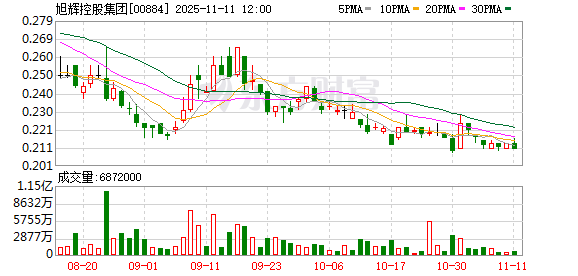
旭辉控股启动组织架构调整:撤销5个分区 设立华东、华南两区
Xin Jing Bao· 2025-11-11 04:44
Core Viewpoint - CIFI Holdings has initiated a new round of organizational restructuring to streamline its operations and focus on core regions, reflecting a strategic shift towards a "light asset, low debt, high quality" model [2][3] Group 1: Organizational Restructuring - CIFI Holdings has dissolved several regional groups and established new ones, specifically the East China and South China regional divisions, to enhance strategic management and business development [2] - The new organizational structure now includes East China, South China, Beijing, West China, and Shandong platforms, indicating a move from a "dispersed" to a "concentrated" structure [2] Group 2: Strategic Shift - The restructuring aligns with CIFI Holdings' future transformation goals, moving away from a "high leverage, high debt, high turnover" model to focus on three core areas: rental income, self-operated development, and real estate asset management [2] - The company aims to benchmark against international firms like Blackstone and plans to achieve a turnaround within three years [2] Group 3: Sales Performance - For the first three quarters of the year, CIFI Holdings reported a cumulative contract sales amount of 13.06 billion yuan and a contract sales area of approximately 1.2477 million square meters, with an average contract sales price of 11,000 yuan per square meter [3] - The equity attributable to shareholders from contract sales amounted to 6.7 billion yuan [3] Group 4: Debt Restructuring - CIFI Holdings has successfully passed resolutions for its offshore debt restructuring at a special shareholder meeting, which includes issuing mandatory convertible bonds to significantly reduce debt and optimize capital structure [3] - The major shareholder's previous loan of over 500 million Hong Kong dollars will also be converted into equity, and a 10-year equity incentive plan for the team has been introduced to stabilize and motivate the team post-restructuring [3]
旭辉控股启动组织架构调整:撤销5个分区,设立华东、华南两区
Bei Ke Cai Jing· 2025-11-11 04:16
Core Insights - CIFI Holdings has initiated a new round of organizational restructuring to streamline its operations and focus on core regions [1][2] - The restructuring involves the dissolution of several regional groups and the establishment of East China and South China regional divisions, indicating a shift from a decentralized to a more centralized structure [2] - The company aims to transition from a high-leverage, high-debt model to a low-leverage, high-quality approach, focusing on rental income, self-operated development, and real estate asset management [2] Organizational Changes - The East China regional division will oversee strategic operations in Shanghai, Zhejiang, Jiangsu, Fujian, Anhui, and Jiangxi, while the South China division will manage Guangdong, Hunan, Hubei, Guangxi, and Hainan [2] - The new organizational structure now includes East China, South China, Beijing, West China, and Shandong platforms, reflecting a strategic contraction and deeper focus on core areas [2] Financial Performance - For the first three quarters of the year, CIFI Holdings reported a cumulative contract sales amount of 13.06 billion yuan and a contract sales area of approximately 1.2477 million square meters, with an average contract sales price of 11,000 yuan per square meter [2] Debt Restructuring - On October 31, CIFI Holdings announced that its overseas debt restructuring resolutions were approved at a special shareholder meeting, which includes issuing mandatory convertible bonds for significant debt reduction and optimizing capital structure [3] - The major shareholder's previous loan of over 500 million Hong Kong dollars will be converted into equity, and a 10-year team equity incentive plan will be launched to stabilize and motivate the team during the recovery phase post-restructuring [3]
剥离非核心业务,派格生物解散旗下研发附属公司
Bei Ke Cai Jing· 2025-11-04 09:35
Core Insights - The company, PegBio, announced the voluntary dissolution of its non-wholly owned subsidiary, Shanghai Maiji Biotechnology Co., Ltd., to focus on its core business and streamline operations [1] - This strategic move is seen as a response to intensified industry competition and internal development pressures, aiming to divest non-core assets and concentrate on key product pipelines [1] - PegBio's core product, PB-119, is a GLP-1 receptor agonist targeting Type 2 Diabetes Mellitus (T2DM) and obesity, with its new drug application accepted by the National Medical Products Administration in September 2023 [2][3] Company Overview - PegBio was established in 2008 and specializes in innovative therapies for chronic diseases, particularly in the metabolic disorder field [1] - The company currently has six candidate products targeting various diseases, including T2DM, non-alcoholic fatty liver disease, obesity, Alzheimer's disease, opioid-induced constipation, and congenital hyperinsulinemia [1] - PegBio went public on the Hong Kong Stock Exchange in May 2023 after a previous unsuccessful attempt to list on the STAR Market in 2022 [2] Financial Performance - PegBio reported losses of CNY 279 million, CNY 283 million, and CNY 93.62 million for the years 2023, 2024, and the first half of 2025, respectively [2] - The company's future business and financial outlook heavily depend on the successful approval and commercialization of PB-119 [3] Market Competition - The market for T2DM and obesity treatments is highly competitive, with numerous GLP-1 based therapies available in China and the U.S. [3] - As of February 28, 2025, 16 GLP-1 receptor agonists have been approved in China, with over 20 candidates undergoing clinical trials for T2DM treatment [3]
绿地控股战略收缩路线图:前三季度由盈转亏 三季度零拿地、零开工
Zhong Guo Jing Ying Bao· 2025-11-03 02:35
Core Viewpoint - Greenland Holdings is undergoing a painful transformation period, with significant declines in revenue and net profit reported for the first three quarters of 2025 [3][4]. Financial Performance - For the first three quarters of 2025, Greenland Holdings achieved revenue of 127.697 billion yuan, a year-on-year decrease of 20.16%, and a net profit attributable to shareholders of -6.690 billion yuan, a staggering decline of 2927.38% [4]. - In Q3 2025, the company reported revenue of 33.202 billion yuan, down 25.59% year-on-year, and a net loss of 3.183 billion yuan, a decline of 11912.36% [4]. Real Estate Business - The real estate sector remains in a downturn, with contract sales amounting to 47.64 billion yuan, a slight decrease of 1.28%, while sales area increased by 13% to 5.374 million square meters, indicating a "volume up, price down" trend [4]. - New construction area for the first three quarters was only 490,000 square meters, a drop of 55.44%, with no new projects initiated in Q3 [4][5]. Land Acquisition Strategy - Greenland Holdings has adopted a cautious approach in the land market, adding only three new real estate project reserves with a total land area of 116,400 square meters in the first three quarters, and no new project reserves in Q3 [5]. Infrastructure Business - The infrastructure segment showed signs of stabilization, with cash collections of approximately 25.8 billion yuan in Q3 and a total of 84.9 billion yuan for the first three quarters [6]. - The company completed an output value of approximately 23.8 billion yuan in Q3, totaling about 71.1 billion yuan for the first three quarters [6]. Legal Challenges - The number of lawsuits involving Greenland Holdings has surged, with 1,344 new cases reported from October 1 to 20, 2025, involving a total amount of 6.381 billion yuan [7]. - In September 2025 alone, the company faced 3,102 lawsuits with a cumulative amount of 11.187 billion yuan, indicating an average of nearly 90 new lawsuits per day during a 50-day period [7][8]. Strategic Shift - In response to declining performance and transformation pressures, Greenland Holdings is actively exploring new business avenues, including expanding into the automotive industry and seizing opportunities in the electric vehicle export market [9].

丸美生物回应子品牌春纪关闭天猫店:早已规划,正常运营调整
Xin Lang Cai Jing· 2025-10-22 12:56
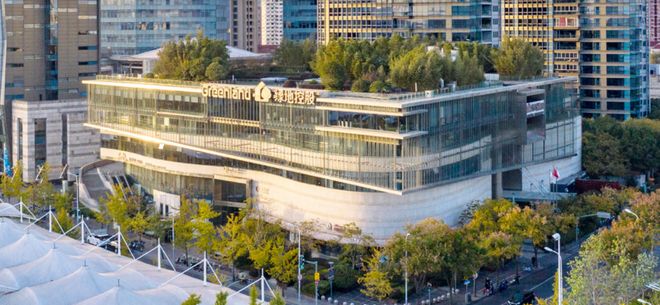
Core Viewpoint - Marubi Biotech's subsidiary brand Chunji has recently closed its Tmall flagship store, which the company states is a planned operational adjustment based on the brand's business development needs, reflecting a strategic contraction rather than a hasty decision [1] Group 1 - The closure of the Tmall flagship store is described as a normal operational adjustment that has been planned in advance [1] - Marubi Biotech emphasizes that this decision is part of a strategy to optimize its brand portfolio and allocate resources efficiently [1] - The company intends to focus its advantageous resources on core businesses and future growth areas [1]
