房产投资

Search documents
3年后,这6类小区或将沦为“穷人区”,聪明人已经悄悄“脱手”
Sou Hu Cai Jing· 2025-11-12 15:41
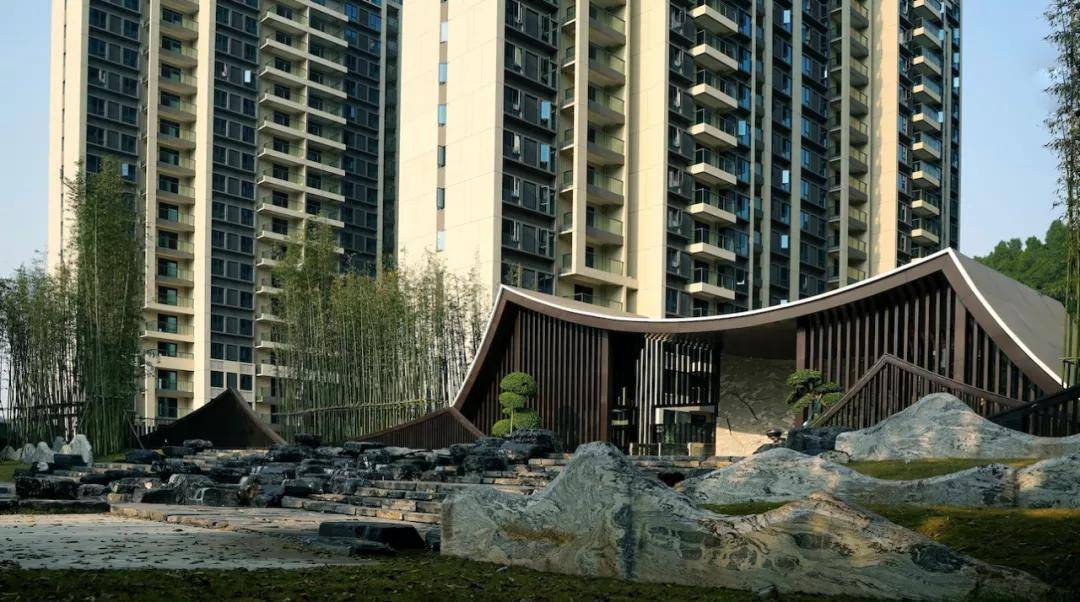
Core Viewpoint - The article discusses the potential decline in value of certain types of residential properties in China over the next three years, highlighting six categories of properties that may become undesirable and suggesting that savvy investors are already selling these properties to avoid future losses [1]. Group 1: Types of Undesirable Properties - **Old Buildings Without Elevators**: These properties are becoming less attractive as the population ages, making it difficult for residents to live there comfortably. The challenges of adding elevators and the reluctance of neighbors to cooperate further complicate the situation [2][4]. - **Poorly Managed Properties**: Properties with inadequate management lead to a decline in living conditions, prompting homeowners to sell. The deterioration of the community can create a vicious cycle, lowering property values [9][11]. - **Remote Suburban Developments**: These properties, while initially appealing, result in long commutes and lack of amenities, making them less desirable as urban development slows. The opportunity cost of time spent commuting is significant [15][18]. Group 2: Market Dynamics and Investor Behavior - **Declining Value of School District Properties**: Properties that rely solely on school district prestige are at risk as educational reforms reduce their value. Investors are advised to sell while prices are still high to avoid future losses [19][21]. - **Unconventional Floor Plans**: Properties with odd layouts are becoming less desirable as living standards rise. Buyers are increasingly looking for functional designs, making these unconventional homes less marketable [23][25]. - **High-Rise Buildings**: These buildings may present future maintenance challenges, leading to increased costs for residents. Investors are choosing to sell before these issues become apparent, avoiding potential financial burdens [29][33].

买房时,为何售楼小姐都热衷于推荐7、8楼?内行人终于说出了原因!
Sou Hu Cai Jing· 2025-11-10 02:07
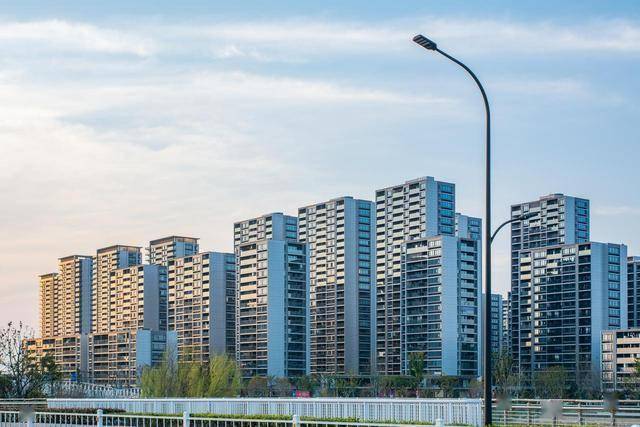
Core Insights - The article discusses the reasons why real estate agents prefer to recommend the seventh and eighth floors of residential buildings, highlighting their advantages in terms of comfort, safety, and investment potential [6][17]. Group 1: Comfort and Living Quality - The seventh and eighth floors provide excellent lighting and ventilation, approximately 20 meters above ground, ensuring a bright and airy living environment [9]. - These floors offer expansive views, allowing residents to enjoy cityscapes and natural beauty, which can enhance overall life quality [10]. - Noise pollution is significantly reduced at these heights, creating a quieter living space, ideal for those sensitive to noise [12]. Group 2: Air Quality and Safety - Air quality is generally better on the seventh and eighth floors due to improved ventilation, which reduces dust and pollutants [13]. - These floors have higher security features, making it more difficult for intruders to access, thus enhancing safety for residents [14]. - In terms of disaster resilience, these floors exhibit better earthquake performance, balancing safety and comfort [14]. Group 3: Convenience and Investment Potential - Living on the seventh or eighth floor offers convenient access without long waits for elevators, and easier evacuation during emergencies [15]. - These floors strike a balance between avoiding the dampness of lower floors and the discomfort of higher ones, leading to a higher living comfort [16]. - From an investment perspective, properties on these floors tend to have higher rental and resale returns due to strong demand, making them a sound investment choice [17][18].

近几年空置房越来越多,房价为何下降不?听听内行人怎样说!
Sou Hu Cai Jing· 2025-11-09 12:04
Core Insights - The real estate market is experiencing a paradox where a significant number of homes remain vacant while property prices remain high and developers continue to build new projects [1][4]. Group 1: Market Dynamics - Unlike typical supply-demand principles, the real estate market does not follow the rule that excess supply leads to price drops [3]. - The psychological tendency of "buying on the rise" influences the market, but it is not the primary reason for the high vacancy rates [3]. Group 2: Changing Nature of Real Estate - Real estate has shifted from being merely a living space to an investment tool, driving continued purchasing despite vacancies [4]. - The persistent demand for property allows developers to keep constructing new buildings, further inflating prices and making housing less affordable for genuine buyers [4]. Group 3: Government Intervention - The government has recognized the issue and implemented the "housing is for living, not for speculation" policy, which has effectively curbed the upward trend in property prices [6]. - Even during the pandemic, the government maintained this principle, leading to significant results such as pressure on developers' cash flows and a slowdown in land acquisition and construction [6]. - Speculators holding vacant properties have found it increasingly difficult to sell, resulting in a decrease in purchasing intentions among buyers [6].
为啥有钱人更爱买二手房?没钱人偏爱新房,真相太扎心
Sou Hu Cai Jing· 2025-11-09 03:15
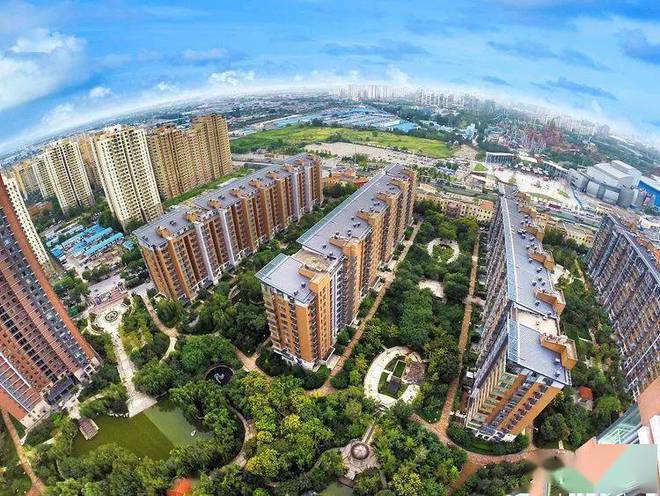
Core Insights - Wealthy individuals prefer buying second-hand homes, particularly those that are 5-6 years old and recently renovated, as they understand the nuances of real estate better than average families [1][5][8] Group 1: Reasons for Home Buying Preferences - A significant portion of Chinese families own at least one home, with 40% owning two or more, indicating a cultural emphasis on home ownership linked to marriage, education, and residency [1][3] - Home prices have dramatically increased, from an average of 2,000 yuan per square meter in 1998 to 11,000 yuan today, with some cities experiencing price increases of over 20 times [3][5] - Wealthy individuals avoid new homes due to potential pitfalls such as long wait times for completion and quality issues, preferring the reliability of second-hand homes [3][5][6] Group 2: Advantages of Second-Hand Homes - Second-hand homes, especially those less than 5 years old, offer tangible benefits such as immediate availability, established neighborhoods, and lower prices compared to new homes [5][6][8] - The cost savings from purchasing second-hand homes can be significant, allowing buyers to allocate funds for other expenses, such as vehicles or education [5][6] - Second-hand homes often require less renovation, providing a more convenient living situation for buyers who prioritize ease and comfort [5][6][8] Group 3: Misconceptions Among Average Families - Many average families mistakenly believe that new homes are inherently better, leading them to overlook the practical advantages of second-hand homes [5][8] - The perception that new homes signify success can cloud judgment, causing families to make less informed purchasing decisions [5][8] - The market for second-hand homes is becoming increasingly transparent, allowing buyers to make more informed choices based on actual conditions rather than marketing hype [8]
35万元/平方米!又有上市公司买入上海豪宅
Mei Ri Jing Ji Xin Wen· 2025-11-06 00:50
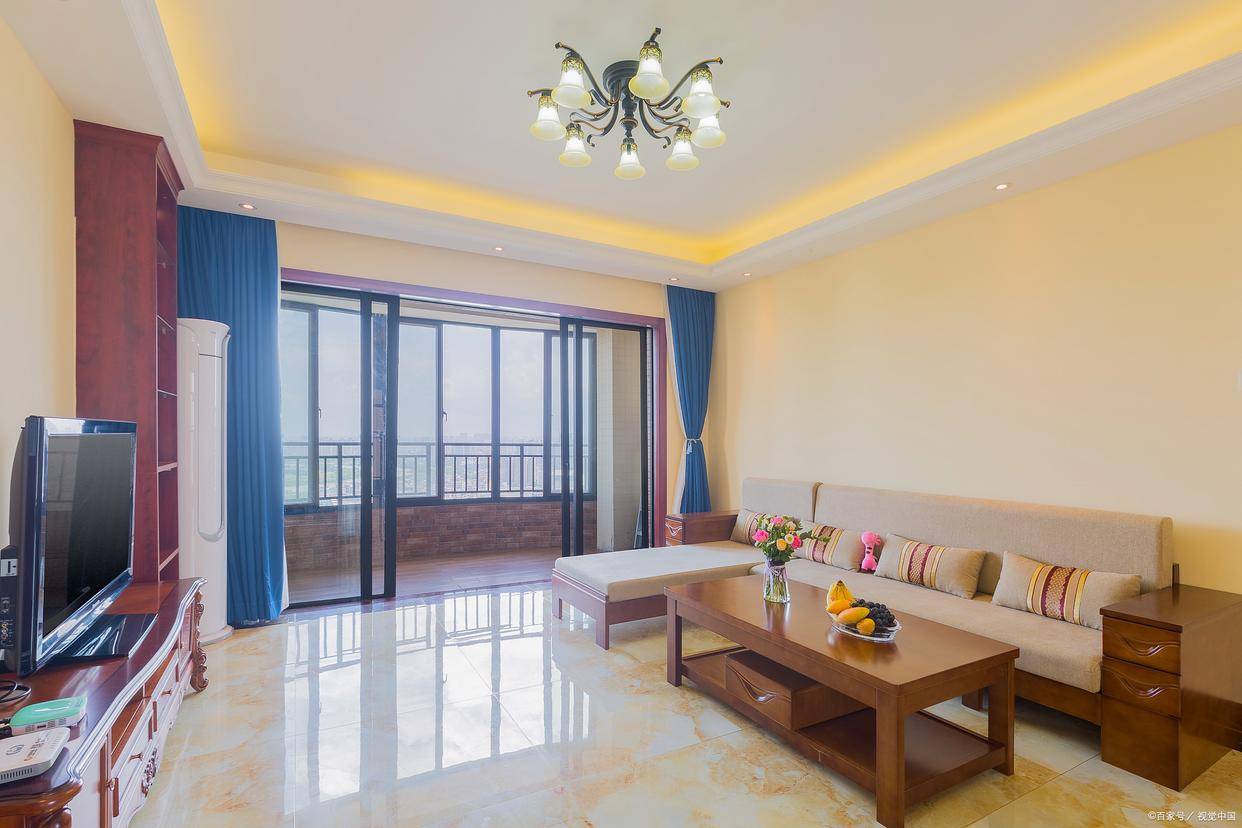
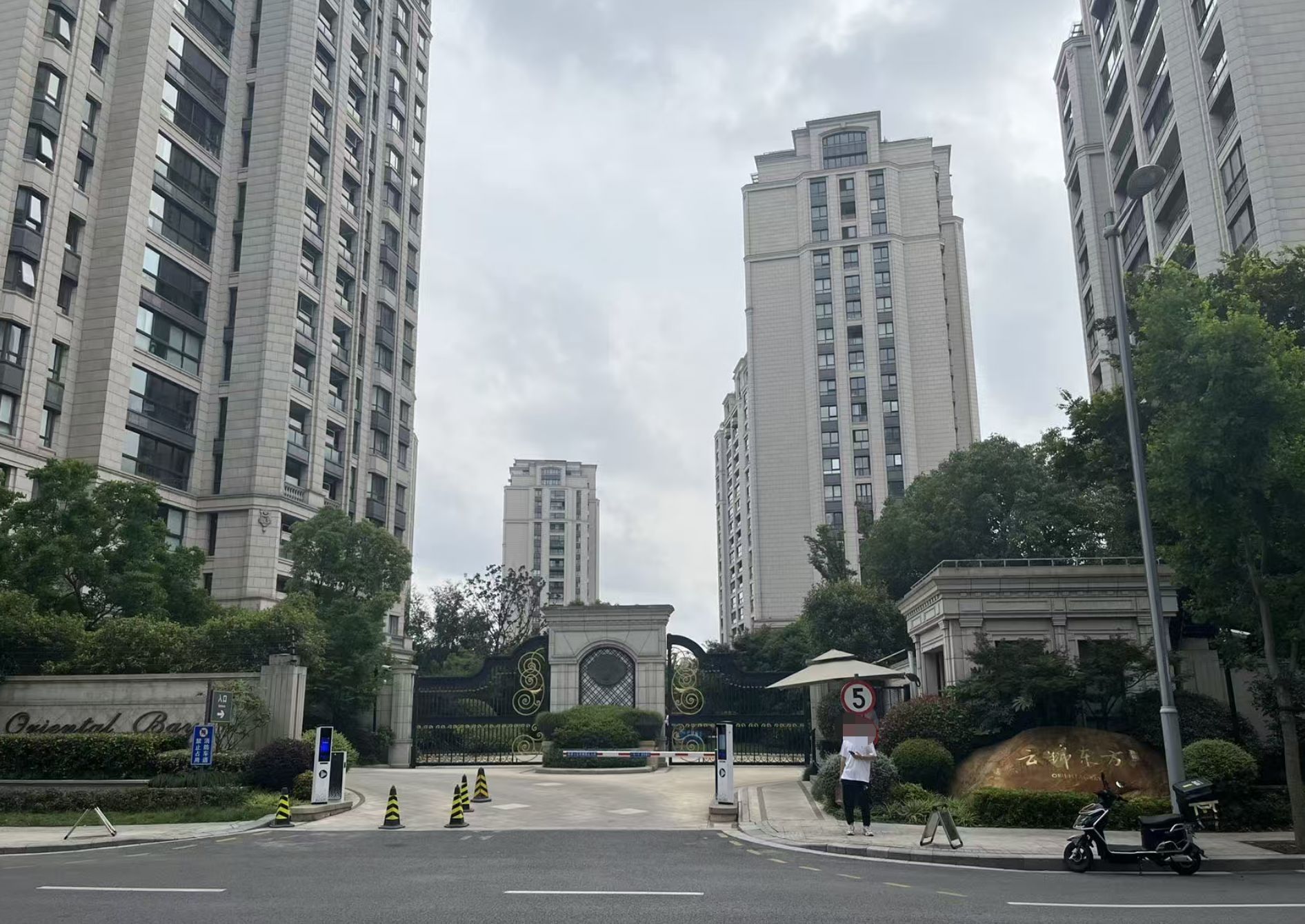
Core Viewpoint - 瑞慈医疗 has made a strategic investment by purchasing a luxury residential unit in Shanghai, viewing it as a long-term investment opportunity in a prime location with significant growth potential [1][2]. Company Summary - 瑞慈医疗's subsidiary, Shanghai Ruici Ruibo Outpatient Department Co., Ltd., acquired a residential unit for approximately 199 million yuan, with a total area of about 570.06 square meters [1]. - The company has paid a deposit of 30 million yuan, with the remaining 169 million yuan to be settled by November 30 [1]. - The purchased property is part of the Yun Jin Dong Fang project, which has seen high demand due to its luxury status and celebrity residents [1]. Industry Summary - The Shanghai real estate market has experienced a contraction in supply, with new housing supply decreasing by approximately 19% year-on-year to 1.3156 million square meters in the third quarter [4]. - Despite the reduced supply, the overall average price of new homes in Shanghai has increased by about 8.5% year-on-year, driven by the entry of luxury properties and relaxed price controls [4]. - The market is shifting towards a more normalized sales environment, with a recovery in the absorption rate to around 80% in core areas, indicating a potential upward trend in property prices due to various factors such as industrial development and population influx [5].
房价连跌,未来房子不再稳赚,普通人该懂的道理
Sou Hu Cai Jing· 2025-11-03 04:11
Core Viewpoint - The era of easy profits from real estate investments is over, with declining property prices leading to a shift in public sentiment towards home buying and investment [1][3][5]. Group 1: Market Dynamics - The previous real estate boom was driven by a "supply-demand" imbalance, with rapid urbanization leading to a housing shortage and a widespread belief that property values would only increase [3]. - Current trends show a significant decline in demand due to decreasing birth rates and changing family dynamics, with many households no longer prioritizing home purchases [3][5]. - An oversupply of housing in many cities has resulted in properties losing their status as "scarce goods," leading to a lack of confidence in continuous price appreciation [3][5]. Group 2: Changing Sentiment - Public sentiment has shifted from "fear of missing out" on property purchases to "fear of making a wrong investment," as many have witnessed significant losses in the current market [3][5]. - Investors have largely exited the market, contributing to stagnant or declining property prices due to a lack of buyers [3][5]. Group 3: Future Outlook - Future property price movements will not follow a uniform trend; major cities may see stable prices, while smaller cities with declining populations will likely experience further depreciation [5]. - The perception of housing is changing, with properties increasingly viewed as "consumables" rather than "hard currency," leading to a decline in urgency for home purchases [5]. - The trend towards renting is expected to grow, as younger generations prioritize flexibility and quality of life over home ownership [5]. Group 4: Recommendations for Individuals - For those with genuine housing needs, purchasing is still advisable, but it is recommended to avoid debt and leverage [7]. - Investment in real estate is discouraged due to low rental yields and declining property values, with bank savings being a more attractive option [7]. - The focus should shift from wealth accumulation through property to practical living arrangements, emphasizing stable employment and savings [7].

广州楼市感觉在回暖?
集思录· 2025-11-02 13:17
Group 1 - The article discusses the current state of the real estate market in Guangzhou, highlighting a new residential project that is attracting buyers despite the surrounding area being less appealing. The sales representative mentioned a significant purchase of multiple units by a buyer, indicating active market interest [1] - The article notes that the average personal income tax payment in Guangzhou is significantly lower than in other major cities like Beijing and Shanghai, raising concerns about the sustainability of property prices in Guangzhou [5][6] - It is mentioned that the overall real estate market is experiencing a downturn, with a report indicating that all 70 major cities in China saw a decline in second-hand housing prices, with first-tier cities experiencing a monthly drop of nearly 1% [6] Group 2 - The article emphasizes that while the real estate market may see long-term price increases, the appreciation will primarily be in newly built and relatively new homes, rather than older second-hand properties [3][8] - A comparison is made between real estate and other investment assets like stocks and gold, highlighting that real estate depreciates over time due to aging, while stocks and gold retain their value regardless of the time elapsed [9] - The article provides an example of a residential community in Chongqing that has deteriorated significantly over a decade, illustrating the long-term decline in property condition and value [10]
房子越靠近这3处,未来10年越值钱,内行:李嘉诚早就提到过
Sou Hu Cai Jing· 2025-10-22 07:58
Core Insights - The article emphasizes the importance of location in real estate investment, highlighting that properties in prime locations, especially near medical facilities, educational institutions, and transportation hubs, tend to retain value and appreciate over time [1][3][4]. Group 1: Medical Resources - Proximity to quality medical institutions is a significant factor for families when choosing residential areas, with over 67% of families considering it a top priority in their housing decisions [3]. - Properties within a 3-kilometer radius of top-tier hospitals have shown an average price increase of 15.5% compared to other areas, demonstrating strong resilience during market downturns [3]. - The establishment of "medical cities" or "health industry parks" is expected to further enhance property values in surrounding areas, as evidenced by a nearly 20% price increase within two years near a new medical center in Shanghai [3]. Group 2: Educational Resources - Quality educational resources remain a critical determinant of property value, with properties in desirable school districts commanding prices that are 20% higher than non-district properties [4][6]. - The trend is shifting towards comprehensive educational facilities that cover all stages from kindergarten to high school, which are increasingly sought after by families [4][6]. Group 3: Transportation and Commercial Development - Properties near new transportation hubs, such as subway stations, have seen an average appreciation of 12.8% following the opening of new lines [6]. - The presence of high-quality commercial centers enhances residential property values, with homes within a kilometer of large shopping complexes experiencing a 10.5% premium [6]. - The revitalization of areas due to new commercial developments can significantly increase property values, as illustrated by a friend's experience with a mall opening nearby [7]. Group 4: Value Trends and Recommendations - The article identifies a "composite value effect," where properties benefiting from multiple factors (medical, educational, transportation) exhibit superior resilience and appreciation potential [8]. - Urban structural changes are leading to the emergence of new city centers, which may present significant appreciation opportunities for properties in well-planned areas [8]. - Different demographic groups have varying priorities, with younger families focusing on education and transportation, while older individuals prioritize medical access [8]. Group 5: Practical Buying Advice - First-time buyers are encouraged to look for emerging areas with planned transportation and educational resources, as these are likely to appreciate in value [10]. - Buyers looking to upgrade should balance medical, educational, and transportation factors to find properties with strong living value and appreciation potential [10]. - Investors should focus on areas with clear development plans for medical, educational, and transportation facilities, as these are likely to see significant value increases [10].
买房时,最好避开的不再是一楼和顶楼,而是被忽略的这两层?
Sou Hu Cai Jing· 2025-10-22 00:23
Core Viewpoint - The article explores the evolving preferences in floor selection for residential properties, particularly the avoidance of the 6th and 13th floors, driven by both practical concerns and psychological factors [1][12]. Group 1: Traditional Floor Preferences - Traditionally, buyers avoid the first and top floors due to issues like humidity, pests, poor lighting, and privacy concerns, with developers pricing these floors 5-10% lower than mid-level floors [1][3]. - Recent data indicates that in first and second-tier cities, the purchase intention for the 6th and 13th floors is 15% lower than for other floors, with an average transaction period extended by 30 days [1][3]. Group 2: Issues with the 6th Floor - The 6th floor faces noise issues due to equipment layers typically located around the 7th floor, which can lead to significant disturbances for residents [3][4]. - Water pressure problems are prevalent in older buildings without zoned water supply systems, where the 6th floor lacks the advantages of lower floors and may not benefit from pressure-boosting systems [3][4]. Group 3: Concerns with the 13th Floor - The avoidance of the 13th floor is largely influenced by psychological factors, with 32% of respondents in a 2025 survey indicating they would consider avoiding it due to its perceived bad luck [4][12]. - Practically, the 13th floor often lacks the convenience of lower floors and the views of higher floors, making it less desirable in many high-rise buildings [4][12]. Group 4: Market Trends and Insights - Real estate professionals have noted an increasing reluctance among buyers to consider the 6th and 13th floors, with longer listing times and potential price reductions for these units [6][8]. - New construction techniques are addressing traditional issues associated with various floors, leading to a narrowing of price differences across floors to within 3% in modern projects [10][11]. Group 5: Recommendations for Buyers - Buyers are advised to assess their specific needs, such as mobility for elderly individuals or safety for families with children, when selecting a floor [7][12]. - It is crucial to investigate building facilities, including the location of equipment layers and water supply systems, to avoid future living quality issues [7][12]. - Understanding market preferences and the characteristics of the property is essential for making informed decisions regarding floor selection [12].
为啥有人偷偷收步梯房?内行人说透5大原因,买前这3点别踩坑
Sou Hu Cai Jing· 2025-10-21 18:57
Core Viewpoint - The recent trend among real estate professionals shows a growing interest in stairwell apartments, which possess unique advantages over elevator apartments, particularly in urban core areas [1][3]. Group 1: Advantages of Stairwell Apartments - **Prime Location**: Stairwell apartments are often located in the core areas of cities, providing easy access to essential services like markets, schools, and hospitals, which is a stark contrast to the longer commutes required for suburban elevator apartments [5]. - **Community Feel**: The close-knit community atmosphere in stairwell apartments fosters strong neighborly relationships, unlike the more isolated living experience in elevator buildings [6]. - **Lower Living Costs**: Stairwell apartments typically have lower property management fees, saving residents significant amounts over time, and they also have a higher potential for redevelopment and compensation during urban renewal projects [7]. - **Quiet Environment**: The absence of elevator noise and the presence of mature green spaces contribute to a more peaceful living environment in stairwell apartments [8]. - **Better Usable Space**: Stairwell apartments generally have lower shared area ratios, resulting in more usable living space compared to elevator apartments, which often have higher common area percentages [9]. Group 2: Considerations When Purchasing Stairwell Apartments - **Beware of Elevator Installation Promises**: Potential buyers should be cautious of claims regarding future elevator installations, as these often require significant consensus among residents and can be difficult to implement [10]. - **Floor Selection**: Choosing the right floor is crucial; floors 3 to 4 are recommended for their balance of accessibility and comfort, while floors 1 and 6 should be avoided due to various drawbacks [11]. - **Quality Inspection**: Given the age of many stairwell apartments, thorough inspections for structural integrity, plumbing, and electrical systems are essential to avoid costly repairs later [12]. Group 3: Conclusion - Stairwell apartments are not universally superior to elevator apartments; the choice depends on individual needs, such as the importance of location, cost, and community versus accessibility for those with mobility issues [13]. - The increasing preference for well-located and quality stairwell apartments reflects changing urban living trends, particularly for properties with outdoor space [14].