楼市分化

Search documents
意外!法拍房成交率上升了
Sou Hu Cai Jing· 2025-11-18 15:43
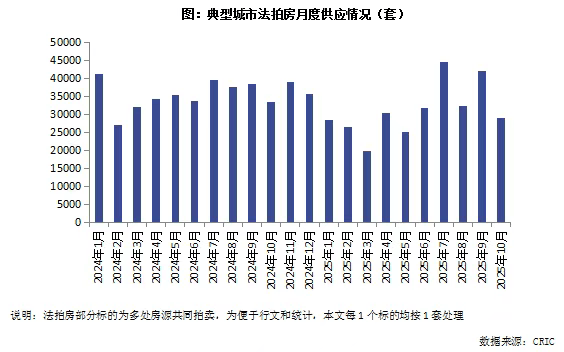
Core Viewpoint - The real estate market is experiencing a significant divergence, with the auctioned property market (foreclosure market) showing unexpected vitality despite a decline in supply, while the new and second-hand housing markets remain sluggish [1][2][10]. Group 1: Market Overview - In October, 29,000 foreclosure properties were listed, marking a substantial month-on-month decrease of 31% and a year-on-year decline of 13%, reaching a six-month low [2]. - Despite the drop in supply, the transaction volume for auctioned properties increased, with a total of 5,169 units sold, representing a 3% month-on-month rise and maintaining over 5,000 units sold for three consecutive months [2][4]. Group 2: Transaction Dynamics - The average transaction rate for auctioned properties has rebounded to 21%, meaning one in five properties sold, returning to the annual average level [4]. - The median premium rate for auctioned properties is only 9.7%, indicating a significant increase in the discount rate for properties sold under auction conditions [4][11]. - A record 34% of properties were sold at the reserve price, the highest this year, while only 5.3% of properties received more than 100 bids, the lowest this year [4][9]. Group 3: Notable Case Study - A notable case involved a villa in Shenzhen's Overseas Chinese Town, which was auctioned for approximately 365 million yuan after 118 bids, achieving a premium rate close to 70% and a price per square meter of about 57,000 yuan, setting a record for auctioned properties in Shenzhen [4][6][12]. Group 4: Market Segmentation - The liquidity of ordinary residential properties is declining, particularly in second and third-tier cities, where many properties lack essential value attributes [11]. - In contrast, scarce assets like luxury villas in first-tier cities continue to thrive, being viewed as "hard currency" by wealthy individuals [12][13]. - The auction market reflects a stark division in property values across different cities, with significant disparities in liquidity and market demand [25][26]. Group 5: City-Specific Insights - In October, only five cities had over 500 auctioned properties, a 50% drop from September, indicating a tightening market [15]. - Chongqing led with 1,430 auctioned properties, while Shenzhen ranked second with 215, and the total starting prices for auctioned properties in Shenzhen reached 1.28 billion yuan, the highest in the country [21][22]. - The total transaction amount in Shenzhen reached 840 million yuan, significantly surpassing other cities, driven by the high-value villa auction [24]. Group 6: Future Challenges - The recent uptick in the auction market faces challenges from banks offering direct sales of properties, which provide clearer ownership and lower risks compared to auctioned properties [27]. - The auction market may continue to exist but will likely cater to professional investors with legal expertise and substantial resources due to the complexities involved [27].

定调后楼市进入差距时代:买房避坑与卖房关键策略一次讲清
Sou Hu Cai Jing· 2025-11-16 14:27
Core Viewpoint - The real estate market has entered a "clear card moment," where policies and market dynamics are transparent, requiring buyers and sellers to understand the new rules to avoid significant losses [1] Group 1: Market Dynamics - The era of rising house prices has ended, leading to a "differentiation time" in the real estate market, with distinct trends emerging among cities, districts, and property types [3] - Major cities and strong second-tier cities continue to see support from population and industry, while price disparities between core and suburban areas are widening [3] - The market is shifting from "having a house" to "living in a good house," with policies now favoring high-quality products like low-density communities and large apartments [3] Group 2: Policy Changes - Guizhou has increased the public housing fund loan limit to 1 million for ordinary families and 1.2 million for families with multiple children, with continuously decreasing interest rates [4] - A tax incentive in Guizhou allows a 1% contract tax for first-time homebuyers purchasing properties under 140 square meters, along with subsidies for "selling old to buy new" [5] - Cities are adjusting building density and encouraging the construction of more comfortable and livable homes, reducing the burden on buyers for "pseudo-improvements" [6] Group 3: Investment Strategies - Future real estate investments will require careful selection rather than relying on market-wide price increases, focusing on areas with population inflow and industrial support [8] - Emphasis on purchasing existing or nearly completed properties to minimize delivery risks, while leveraging public housing funds and low down payment policies [10] - Key considerations include property design, community environment, and surrounding amenities, with a focus on supported low-density and fourth-generation housing types [10] Group 4: Market Trends - The real estate market is transitioning to a phase where quality and experience are prioritized over quantity, with a growing trend towards rental markets and leasing financial services [10] - The era of speculation is over, and the market is now based on value choices, emphasizing rational pricing and the essence of housing [10] - The three keywords for the future real estate market are stability, quality, and longevity, indicating a shift towards sustainable living experiences [10]
房价如葱时代降临?2025年四大巨变,普通人如何守住钱袋子
Sou Hu Cai Jing· 2025-11-13 20:50
Core Viewpoint - The real estate market in China is experiencing significant fragmentation, with stark contrasts between first-tier cities and lower-tier cities, leading to a re-evaluation of property values and a shift in purchasing logic [3][10]. Policy Shift - The 2025 real estate policies have moved away from a "one-size-fits-all" approach, focusing on "precise support" rather than broad stimulation, with measures such as lowering the first home loan interest rate to a historical low of 3.25% [3][4]. - Local governments are implementing various policies to stabilize the market, including increasing loan limits and reducing down payment ratios [3]. Regional Disparities - There is a pronounced divide in the real estate market, with cities like Hegang and Tieling seeing drastic price drops, while luxury properties in Shanghai and Hong Kong remain in high demand [4][8]. - In the first quarter of 2025, new home sales in first-tier cities increased by 44%, while sales in third and fourth-tier cities fell by 20% [6]. Supply and Demand Restructuring - The total unsold residential property in China reached 760 million square meters, with a significant concentration of inventory in less desirable areas, while core urban areas face a shortage of quality housing [6][8]. - New regulations have increased the height standards for residential projects, making higher-quality properties more desirable [6]. Decision-Making Logic Transformation - The era of "buying property blindly for profit" has ended, with a shift towards need-based purchasing, particularly among younger demographics seeking properties with essential attributes like proximity to public transport and schools [9][10]. - Investment demand has decreased, with the proportion of investment-driven purchases falling below 12% [9]. Market Dynamics - The market is characterized by a dual reality where properties in some regions are being sold at steep discounts, while high-end projects in major cities are highly sought after, leading to a distorted market perception [8][10]. - The ongoing financialization of core assets in first-tier cities raises concerns about resource inequality, as properties in lower-tier cities may become "negative assets" [10].
今年首个单日单盘销售破百亿的楼盘诞生,广州顶豪终于“扬眉吐气”了
Sou Hu Cai Jing· 2025-11-11 16:30
Core Insights - The luxury real estate market in Guangzhou is experiencing a significant surge, highlighted by the record-breaking sales of the "Yuexi Bay" project, which achieved a single-day sales figure of 10.6 billion yuan, setting a new national record for single-project sales in 2025 [1][2] Company Overview - The average transaction price for the Yuexi Bay project is 170,000 yuan per square meter, with the highest transaction price exceeding 300,000 yuan per square meter [2] - The project is strategically located in the "Golden Triangle" area of Tianhe District, surrounded by major business districts, making it a highly sought-after property [5] - The land for Yuexi Bay was acquired by Poly Developments for 11.755 billion yuan, with a floor price of 66,957 yuan per square meter, reflecting a 33.35% premium [5] Financial Performance - Poly Developments reported a revenue increase of 30.65% year-on-year to 56.865 billion yuan in Q3, but faced a net loss of 778 million yuan, indicating a significant decline in profitability [9] - For the first three quarters of the year, the company achieved a total revenue of 173.722 billion yuan, with a net profit of 1.929 billion yuan, down 75.31% year-on-year [9] - The company has adjusted its investment strategy, focusing on core cities, with 92% of sales contributions coming from 38 key cities in the first half of 2025 [10] Market Trends - The luxury housing market is showing signs of resilience, with a notable increase in sales of high-end properties in core cities, while ordinary residential projects are struggling [12] - In the first half of 2025, the number of luxury homes sold for over 10 million yuan in 20 key cities reached 21,000 units, a 21% increase year-on-year, significantly outpacing the average growth of 5% for new residential properties [12][13] - The market is characterized by a "strong ends, weak middle" trend, with significant growth in the sales of properties priced between 10 million and 30 million yuan, and a 51% increase in properties over 50 million yuan [15]

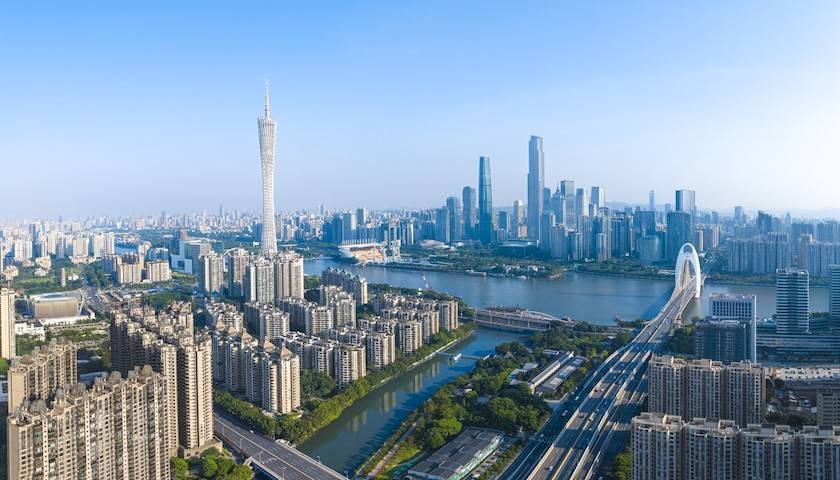
上海、深圳等一线城市,已出现四大现象,值得大家深思
Sou Hu Cai Jing· 2025-11-08 14:58
Core Insights - Major cities like Shanghai and Shenzhen are experiencing significant changes, reflecting deeper market logic shifts that require attention to the real needs and feelings of residents rather than just economic metrics [1][9] Employment Market - The job market in Shanghai and Shenzhen is polarized, with high-end positions facing intense competition, while basic manufacturing and service jobs struggle to attract workers [3] - For example, a factory in Shenzhen offers a monthly salary of 8,000 yuan but still cannot find workers, indicating a mismatch between educational output and industry demand [3] Real Estate Market - There is a stark divide in the real estate market, with luxury properties in Shanghai seeing a 15% increase in sales volume year-on-year, while demand for affordable housing has dropped by 22% [3] - In Shenzhen, the average price of second-hand homes has decreased from 83,000 yuan per square meter at its peak to 65,000 yuan, yet ordinary buyers still find it unaffordable [3] Consumer Behavior - There is a trend of consumption downgrade and increased savings, with luxury goods sales in Shanghai dropping by 8% year-on-year, while sales of fast-moving consumer goods under 100 yuan rose by 25% [5] - The proportion of residents saving money has increased to 38%, with families saving an average of 2,000 yuan more per month compared to before [5] Talent Migration - A "reverse siphon" effect is occurring, with more young people leaving first-tier cities for second-tier cities, as evidenced by a 45% increase in those returning to seek jobs in second-tier cities from Shenzhen [7] - The willingness of fresh graduates in Shanghai to stay has fallen below 60%, driven by high living costs and pressures in first-tier cities [7] Conclusion - The four phenomena observed in Shanghai and Shenzhen are indicative of a fundamental change in market dynamics, emphasizing the need for urban development to balance economic growth with the well-being of residents [9]
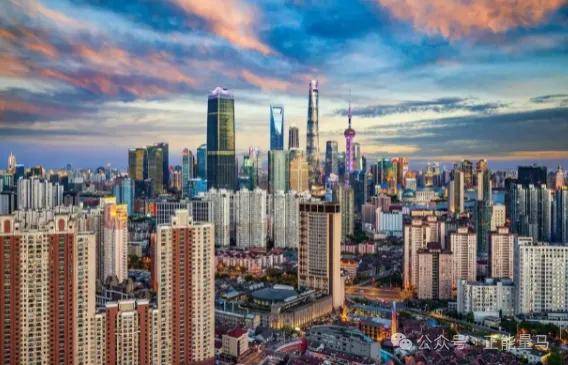
今年金九银十,成色如何?
Sou Hu Cai Jing· 2025-11-01 23:18
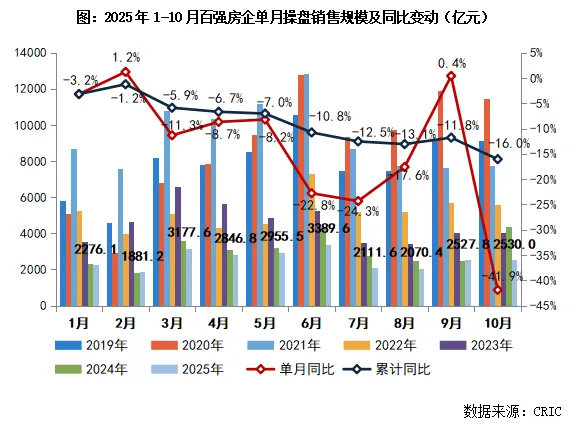
Core Viewpoint - The real estate market in October showed a mixed performance, with new home sales experiencing a slight month-on-month increase but a significant year-on-year decline, indicating a lack of confidence among buyers and a potential need for stronger policy support [2][4][8]. Market Performance - In October, new home transactions increased by 1% month-on-month but fell by 36% year-on-year. The top 100 real estate companies achieved sales of 253 billion yuan, a mere 0.1% increase from the previous month but a drastic 41.9% decrease compared to the same month last year [2][4]. - Cumulatively, from January to October, 30 monitored cities recorded a total transaction volume of 98.25 million square meters, with a year-on-year decline of 7%, worsening from a 2% drop the previous month. The top 100 real estate companies reported total sales of 25,766.6 billion yuan, down 16% year-on-year, marking the worst performance since 2019 [4][5]. Regional Insights - In Shanghai, new home sales reached 11,054 units in October, with a 0.3% month-on-month price increase and a 5.6% year-on-year increase, making it a leader in the market [8]. - Beijing's new home sales were 3,168 units, down 2.16% month-on-month and 23.09% year-on-year. The second-hand home market saw 12,087 transactions, reflecting a 23.71% month-on-month decline and a 30.4% year-on-year drop [14]. - In Shenzhen, new home sales fell by 14.09% month-on-month and 34.46% year-on-year, while second-hand home transactions decreased by 16.90% month-on-month but increased by 27.28% year-on-year [14]. Price Trends - The second-hand home price index showed a 0.84% month-on-month decline, with no cities reporting price increases in September. In contrast, new home prices rose by 0.28% month-on-month [18][20]. - High-end properties continue to perform well, with significant sales recorded in luxury segments, indicating a divergence in market performance between luxury and affordable housing [21][23]. Market Sentiment - The current market reflects a dual reality: while ordinary buyers are hesitant due to fears of falling prices, wealthy individuals are actively purchasing high-value properties, creating a stark contrast in market dynamics [25][28]. - The market is characterized by a "K-shaped" recovery, where demand for affordable housing remains weak, while demand for premium properties is robust, suggesting a complex future landscape for the real estate sector [28].
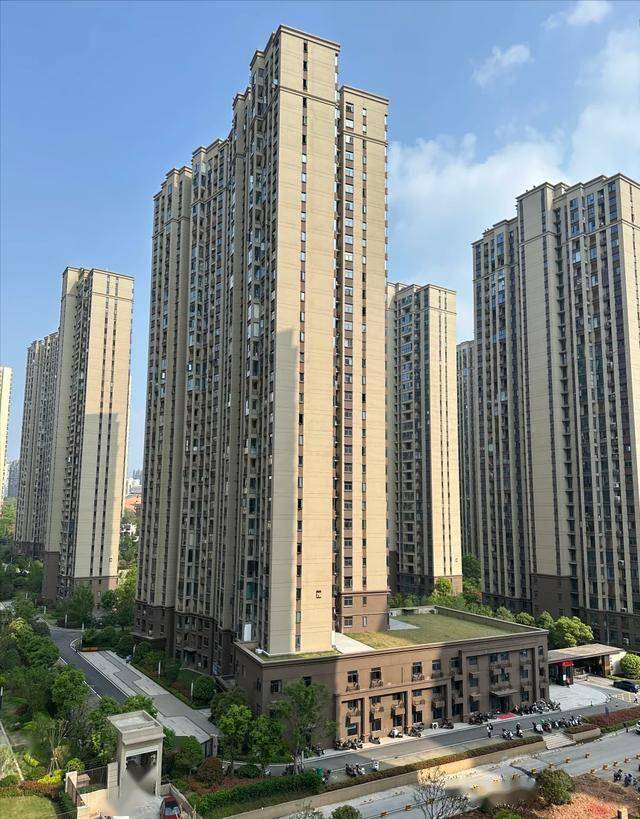
未来5年,不出意外的话,楼市或将迎来4大走向
Sou Hu Cai Jing· 2025-10-30 13:02
Group 1 - The era of rapidly rising housing prices has ended, with a shift towards a more rational market where price appreciation is based on value rather than scarcity [3][5] - Future housing prices are likely to stabilize with some areas experiencing slow declines, while core locations and properties with good amenities will still hold value [5][9] - The market is transitioning from a focus on new homes to a competitive environment for second-hand homes, leading to increased buyer leverage [7][9] Group 2 - Young people's attitudes towards homeownership have changed, with many now viewing renting as a viable lifestyle choice rather than a temporary solution [10][13] - The rental market is expected to mature, with more stable rental conditions and better tenant protections, making it an attractive option for those not looking to buy [11][13] - Population movement is increasingly influencing property values, with demand concentrated in first and strong second-tier cities, while lower-tier cities struggle [15][17] Group 3 - The real estate market is becoming more localized, with property values reflecting the economic vitality and population trends of specific cities [15][17] - The ability to identify valuable properties will depend on understanding local market dynamics and demographic trends, rather than just price [19]
买房or卖房,这届中产在焦虑什么?
Sou Hu Cai Jing· 2025-10-28 11:12
Core Insights - The Chinese real estate market is experiencing significant divergence, with core cities showing signs of recovery while lower-tier cities face challenges [2][3][4] - The market is no longer characterized by a uniform trend; instead, it reflects localized dynamics where different cities and even neighborhoods exhibit varying performance [3][4] - The shift in buyer sentiment has moved from fear of rising prices to fear of making the wrong purchase, leading to prolonged decision-making processes [12][15] Market Performance - In major cities like Beijing and Shanghai, there has been a structural recovery in the real estate market, with Beijing's second-hand home transactions reaching nearly 20,000 units in March 2025, a 62% increase month-on-month [5] - Shanghai saw a 75% month-on-month increase in transactions, with 26,300 units sold, marking a 44-month high [5][6] - However, this recovery is characterized by "price for volume" strategies, where only well-priced and desirable properties are selling quickly [7][9] Buyer Behavior - Buyers are increasingly focused on the "living value" of properties rather than speculative price increases, indicating a return to practical considerations in home buying [9][12] - The average decision-making period for buyers has extended by nearly a month, reflecting a more cautious approach to purchasing [15] Regional Disparities - In contrast, third and fourth-tier cities are struggling, with a housing price-to-income ratio of 7.4, indicating that it takes an average family 7.4 years of disposable income to purchase a home [10] - The supply-demand imbalance in these cities is exacerbated by population outflows and insufficient industrial support, leading to high inventory levels [11] Land Acquisition Trends - Nationally, the top 100 real estate companies' land acquisition totaled 727.8 billion yuan in the first nine months of 2025, a 36.7% increase year-on-year, but concentrated in first-tier cities [11] - Developers are focusing on areas with population inflows and strong GDP growth, avoiding less desirable locations [11] Policy Environment - Recent policy changes, such as lower mortgage rates and reduced down payment requirements, are aimed at stimulating the housing market [17][18] - These changes are particularly beneficial for first-time buyers, who can now access lower down payment options and reduced monthly payments [20] Investment Considerations - The investment landscape has shifted, with a focus on quality properties in core urban areas, as the era of guaranteed profits from real estate investments has ended [22][24] - Investors are advised to carefully assess holding costs and market conditions before making purchases, as the market is no longer driven by speculative trends [21][24]
不降息,厦门楼市,又沸腾了?
Sou Hu Cai Jing· 2025-10-23 09:32
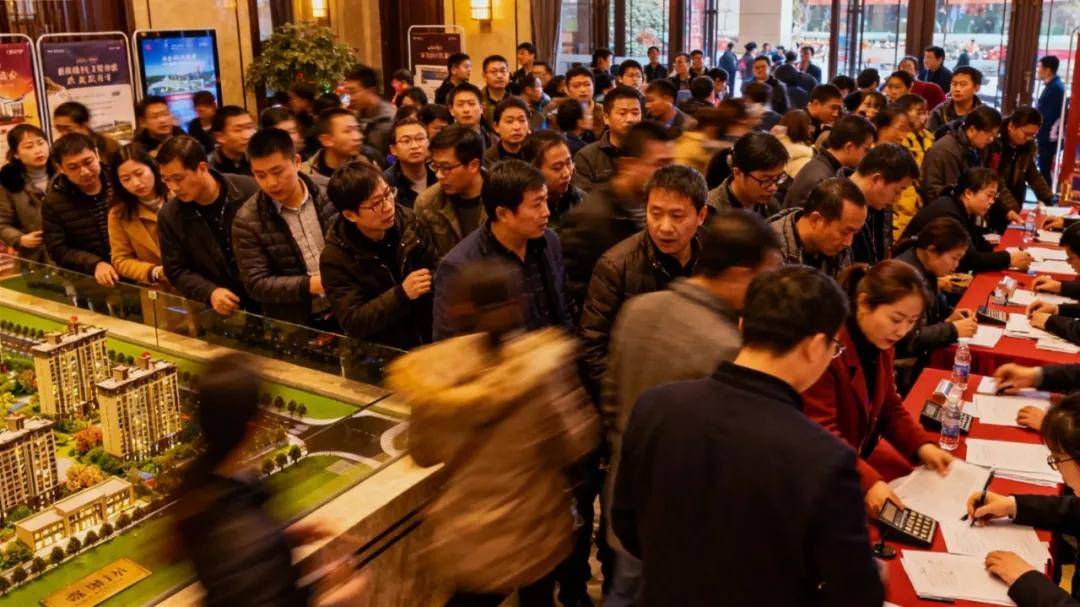
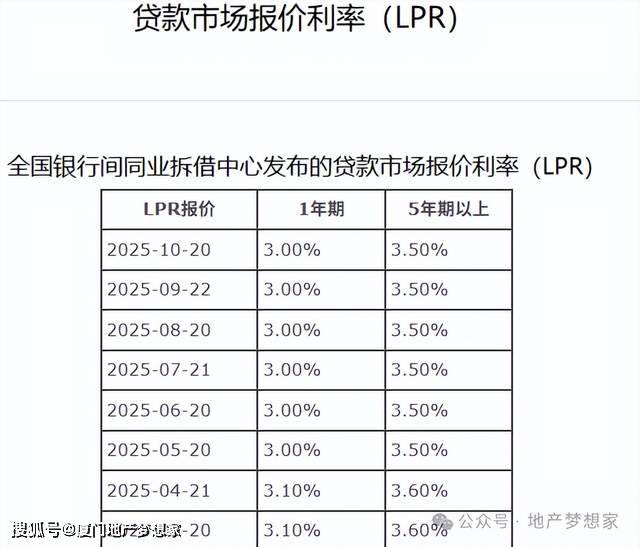
Core Insights - The LPR (Loan Prime Rate) remains unchanged at 3.00% for 1-year and 3.50% for over 5 years, indicating a cautious approach in monetary policy [3] - The real estate market is experiencing significant price disparities, with some areas seeing price differences exceeding 6 times [8][11] - Recent sales data shows a strong performance in the Xiamen real estate market, particularly in the Tong'an district, where the average price is significantly lower compared to other districts [5][11] Market Overview - The A-share market has surpassed 3800 points, while gold prices have surged past $4000 per ounce, reflecting a broader trend of rising asset prices globally [2] - In Japan, average housing prices in core areas have increased by 17%, with Tokyo's 23 wards averaging over 70,000 RMB per square meter [2] - Vietnam's housing market is also experiencing rapid price increases, with high demand evident in sales offices [2] Xiamen Real Estate Dynamics - The Xiamen real estate market is characterized by a "dual city" phenomenon, with stark contrasts in pricing and sales performance between different districts [5] - The top-selling project, Zhonghai Huanyunqi, achieved 121 units sold at an average price of 23,571 RMB per square meter, showcasing a remarkable sales velocity [5][8] - The price structure is being redefined, with the highest tier in Siming District reaching 86,058 RMB per square meter, while the lowest tier in Tong'an District is around 13,697 RMB per square meter [8][11] Buyer Behavior and Market Segmentation - The purchasing logic in the market has shifted, with buyers now more selectively choosing properties based on price and location [12] - Improvement buyers are showing cautious preferences between island and non-island properties, with notable sales in the mid-range price segments [13] - For first-time buyers, properties in Tong'an and Xiamen districts are becoming more accessible, with prices as low as 13,697 RMB per square meter [14]
帮主郑重:9月房价数据迟来了!涨跌真相藏在哪?
Sou Hu Cai Jing· 2025-10-20 06:43
Core Insights - The delayed release of the 70-city housing price report has led to speculation about the state of the housing market, particularly concerns over poor data [1][3] - The September data shows a continued decline in housing prices, with new homes in first-tier cities down 0.3% and second-hand homes down 1.0% month-on-month, but the year-on-year decline is narrowing, indicating a potential stabilization [3][5] Summary by Category Housing Market Trends - The September report indicates a month-on-month decline in housing prices across various cities, with first-tier cities experiencing a slight decrease [3] - Year-on-year declines are showing signs of narrowing, suggesting a potential stabilization in the market [3][4] Market Dynamics - The housing market is no longer characterized by uniform price movements; instead, there is a clear differentiation between first-tier and third-tier cities, influenced by population inflows and economic factors [3][5] - For instance, while new home prices in Shanghai increased by 0.3%, Shenzhen saw a decline of 1.0%, highlighting the impact of local demographics and industry [3] Investor Sentiment - The delay in data release should not be interpreted as a sign of significant market issues; rather, it reflects routine statistical adjustments [4] - Investors are encouraged to focus on long-term trends and local population dynamics rather than short-term fluctuations in housing prices [4][5]