
现房销售

Search documents
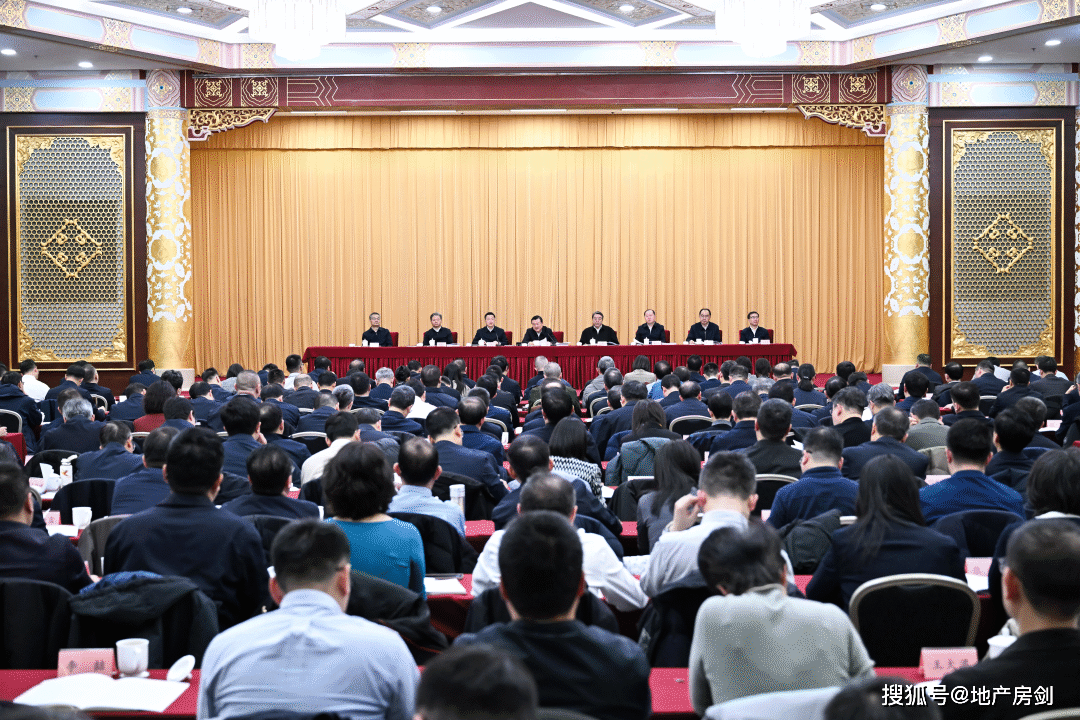
“现房销售”真的要来了!住建会定调2026楼市方向
Sou Hu Cai Jing· 2025-12-24 16:42
Group 1 - The annual national housing and urban construction work conference serves as a "weather vane" for the real estate market in the upcoming year, summarizing achievements and outlining key focuses for future development [1] - The 2025 annual report highlights significant achievements in urban renewal, including the completion of old community renovations, elevator upgrades, and the elimination of black and odorous water bodies in county-level cities [3][5] - The "guarantee delivery" initiative has been successfully completed, alleviating concerns for homeowners worried about unfinished properties, with 38 cities piloting "self-renovation" of old houses [3][4] Group 2 - The total achievements over the "14th Five-Year Plan" include approximately 5 billion square meters of commercial housing sold and over 11 million units of affordable housing built, providing stable housing for over 30 million people [5][6] - The housing provident fund has facilitated 6.5 trillion yuan in home purchases and 9.4 trillion yuan in rental payments, significantly reducing financial pressure for citizens [6] - Urban infrastructure improvements include the renovation of 840,000 kilometers of underground pipelines and the creation of over 20,000 pocket parks, benefiting around 12 million residents [7] Group 3 - The transition from "firefighting" to "defensive" strategies in real estate is evident, with a focus on risk prevention and the expansion of financing options for reliable real estate companies [9] - Urban renewal efforts have shifted from merely hardware upgrades to cultural preservation, with initiatives to protect historical sites and enhance cultural heritage [10] - The quality of housing has improved from having standards to actual implementation, with new regulations ensuring better construction practices [11] Group 4 - Looking ahead to 2026, key focuses include the detailed advancement of urban renewal projects, such as the renovation of old communities and the construction of pocket parks [13] - The promotion of "existing house sales" aims to ensure that homebuyers can purchase properties they have seen, with stricter regulations on pre-sale funds to prevent fraud [14] - The development of smart construction technologies and new eco-friendly building materials will be prioritized, alongside enhanced quality supervision to eliminate substandard projects [15]

每经热评丨短期阵痛换长期利好 现房销售将重塑楼市供需平衡
Mei Ri Jing Ji Xin Wen· 2025-12-24 15:25
Core Viewpoint - The policy shift towards promoting "existing home sales" aims to fundamentally mitigate delivery risks and enhance buyer confidence in the real estate market [1][2]. Group 1: Policy Changes - The national housing and urban-rural development meeting emphasized the implementation of existing home sales, marking a significant upgrade from previous policies [1]. - The transition from a pre-sale model to an existing home sales model reflects a growing recognition of the need to address delivery uncertainties and protect buyer rights [2]. Group 2: Impact on Developers - Existing home sales require developers to invest all construction funds upfront, extending the cash flow cycle from months to two to three years, thereby raising industry entry barriers [2]. - Developers are shifting their operational focus towards cash flow management and product quality, moving away from financing and marketing strategies [2]. Group 3: Market Dynamics - The introduction of existing home sales is expected to lead to short-term challenges, such as a potential decline in new home supply, but will ultimately promote a balanced supply-demand relationship in the long term [2]. - The market is likely to see a reduction in speculative behavior as buyers can physically inspect properties before making decisions, leading to more rational demand [3]. Group 4: Financial Innovations - Recommendations have been made for the development of financial tools tailored to existing home sales, such as "existing home development loans" to alleviate long-term funding pressures on developers [3]. - Adjustments in land transfer methods and payment conditions are suggested to further ease financial burdens on developers [3].
短期阵痛换长期利好 现房销售将重塑楼市供需平衡
Mei Ri Jing Ji Xin Wen· 2025-12-24 14:05
Core Viewpoint - The policy shift towards promoting "existing home sales" aims to fundamentally mitigate delivery risks in the real estate market, transitioning from a pre-sale model to a system where buyers can see and purchase homes that are already completed [1][2]. Group 1: Policy Changes - The national housing and urban-rural development meeting emphasized the implementation of existing home sales, marking a significant upgrade in policy positioning compared to the previous year's meeting [1]. - The shift from a pre-sale model, which has been in place for over 30 years, to existing home sales reflects a response to the collective anxiety regarding delivery uncertainties among buyers [2]. Group 2: Impact on Developers - Existing home sales require developers to invest all construction funds upfront, extending the cash flow cycle from months to two to three years, thereby raising the industry entry threshold [2]. - This policy change has led to a noticeable shift in developers' operational logic, with a greater focus on cash flow management and product quality, moving away from financing and marketing as the primary competitive factors [2]. Group 3: Market Dynamics - The transition to existing home sales is expected to result in "short-term pain, long-term benefits," with a potential short-term decline in new home supply but a more balanced supply-demand dynamic in the long run [2]. - The introduction of existing home sales is anticipated to reduce speculative behavior in the market, as buyers can make more informed decisions by viewing properties firsthand [3]. Group 4: Financial Innovations - Recommendations have been made for the development of financial tools such as "existing home development loans" to alleviate long-term funding pressures on real estate companies [3]. - Adjustments to land transfer methods and payment conditions are suggested to ease financial burdens on developers, such as extending payment deadlines for land transfer fees [3].
“天下苦预售制久矣” 现房销售重塑楼市供需新平衡
Mei Ri Jing Ji Xin Wen· 2025-12-23 15:11
Core Viewpoint - The transition to a "current housing sales" system is being emphasized to fundamentally prevent delivery risks, marking a significant upgrade in the status of current housing sales compared to previous years [1][4]. Group 1: Current Housing Sales Policy - The national housing and urban-rural construction work conference has highlighted the need to promote current housing sales, aiming for a "what you see is what you get" approach to mitigate delivery risks [1]. - The shift from a pre-sale system, which has been in place for over 30 years, to a current housing sales model is a complex process due to the historical significance of the pre-sale system in rapidly expanding housing supply and urbanization [1][5]. Group 2: Impact on Developers - Current housing sales will directly impact developers' cash flow, as they will need to invest all construction funds upfront and will only recover costs after project completion, extending the cash recovery period from months to two to three years [2][4]. - This change raises the industry entry barrier, requiring developers to enhance their financial strength, project management, and cost control capabilities [2]. Group 3: Market Dynamics - In the short term, the implementation of current housing sales may lead to a decline in new housing supply due to extended development cycles, but long-term adjustments in policy are expected to balance supply and demand [4]. - The current housing sales model allows buyers to physically inspect properties, leading to more cautious decision-making and a reduction in speculative behavior, which can stabilize market prices and improve supply-demand structure [4]. Group 4: Financial Innovations - To alleviate long-term financial pressures on developers, there is a need for innovative financial tools such as "current housing development loans" and adjustments in land transfer payment conditions [4].
“天下苦预售制久矣”,现房销售重塑楼市供需新平衡
Mei Ri Jing Ji Xin Wen· 2025-12-23 15:04
Core Viewpoint - The shift towards "existing house sales" is a significant upgrade in the real estate sector, aimed at fundamentally preventing delivery risks and enhancing buyer confidence [1][3]. Group 1: Current Policy Changes - The national housing and urban-rural development meeting emphasized the promotion of existing house sales, marking a departure from the previous year's focus on "orderly promotion" of this model [1]. - The transition from a pre-sale system, which has been in place for over 30 years, is challenging due to its historical role in rapidly expanding housing supply and urbanization [1]. Group 2: Impact on Developers - The existing house sales model directly impacts developers' cash flow, as they must invest all construction funds upfront and wait until project completion to recoup costs, extending the cash cycle from months to two or three years [2]. - This shift raises the industry entry barrier, requiring developers to enhance their financial strength, project management, and cost control capabilities [2]. Group 3: Market Dynamics - In the short term, the transition to existing house sales may lead to a decline in new housing supply due to extended development cycles [4][5]. - However, in the long term, the market is expected to achieve a balance through policy adjustments, with a focus on rational buyer behavior and reduced speculative activities [5]. - The "seeing is believing" approach of existing house sales helps eliminate risks associated with unfinished projects, allowing buyers to assess quality directly and reducing disputes [5]. Group 4: Financial Innovations - Recommendations include developing financial products tailored to existing house sales, such as "existing house development loans" and adjusting land transfer payment conditions to alleviate developers' financial pressures [5].

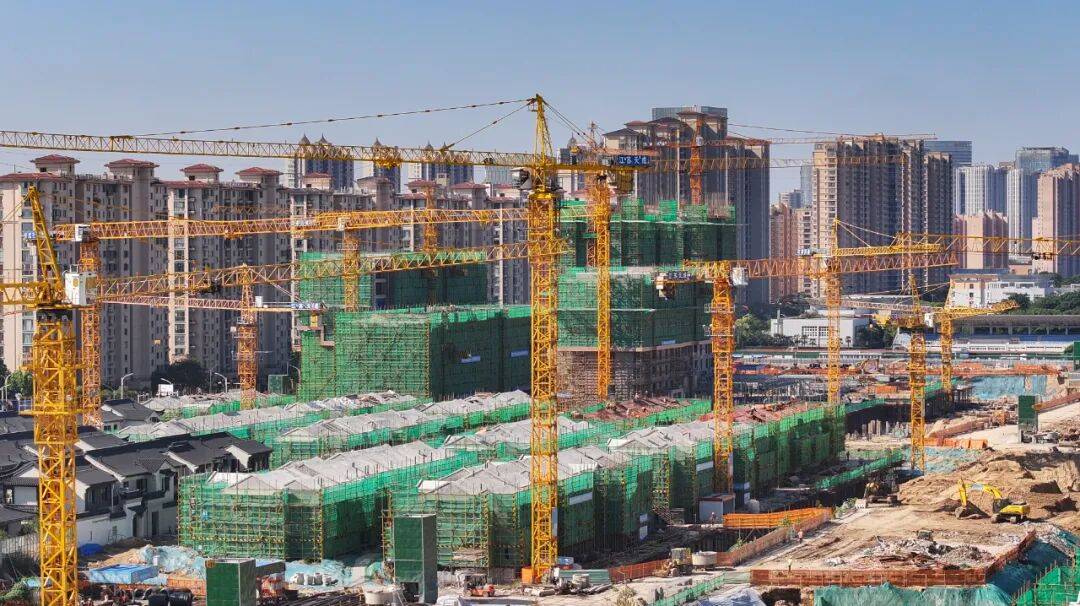
好消息!现房销售,多地推进!
Sou Hu Cai Jing· 2025-12-23 02:52
Core Viewpoint - A significant shift in the home buying model is underway across various cities in China, moving from "buying off the plan" to "selling completed properties" [1] Group 1: Policy Changes and Implementation - Multiple cities, including Pingjiang in Hunan, Zhangye in Gansu, and Xinyang in Henan, have introduced policies mandating that newly sold residential projects on newly acquired land must be sold as completed properties [4][5] - Since 2019, the proportion of completed residential sales has increased from 10% to 33% by early this year, with over 30 provinces and regions initiating pilot programs or policies supporting this shift [1][4] - The National Bureau of Statistics reported that the share of completed property sales rose from 12.7% in 2020 to 30.84% in 2024, with a further increase to 35.4% in the first nine months of this year [1][6] Group 2: Market Dynamics and Trends - The trend towards completed property sales is expected to lead to a new round of industry reshuffling, as it emphasizes the importance of product quality and financial strength for real estate companies [8] - The shift to completed sales is seen as a way to mitigate risks associated with unfinished projects, enhancing buyer protection and allowing for better assessment of property quality [9] - In Shenzhen, the proportion of newly sold residential properties under the completed sales model is projected to reach 30.9% in the first half of 2025, reflecting a significant increase from previous years [6] Group 3: Future Outlook and Recommendations - The ongoing transition to completed property sales is anticipated to continue, particularly in cities with high inventory levels, necessitating careful management by local governments to maintain market balance [10] - Recommendations for promoting the completed sales model include improving land supply efficiency, ensuring infrastructure readiness, and streamlining planning and approval processes [10][11] - Financial institutions are encouraged to lower financing rates for projects under the completed sales model, which are perceived to have reduced risks of unfinished developments [10]
美联储鹰派发声:近期降息?没必要;泽连斯基:乌美新一轮磋商取得建设性进展;破250亿元!我国动画电影票房创纪录;中国机器人夺冠!丨每经早参
Mei Ri Jing Ji Xin Wen· 2025-12-21 21:53
Group 1 - The proportion of existing home sales in China has surpassed 35%, indicating a shift away from the "blind box" approach to home buying. This year, the existing home sales area is expected to account for approximately 30.84% of total sales, with a rise to 35.4% in the first nine months [5] - The Ministry of Housing and Urban-Rural Development has proposed six key tasks to promote high-quality development in the real estate sector, including the establishment of a housing guarantee waiting list system and the advancement of existing home sales [5] Group 2 - MiniMax, a general artificial intelligence company, has passed its hearing with the Hong Kong Stock Exchange, showcasing its significant user base of over 212 million individuals across more than 200 countries and regions, along with 130,000 enterprise clients in over 100 countries [12] - Shangneng Electric has successfully delivered 576MW of energy storage converters to India's largest energy storage station, which will have a total capacity of 1126MW/3530 MWh, marking it as one of the largest single energy storage stations globally [13][14] Group 3 - Samsung has officially launched the world's first 2nm mobile chip, the Exynos 2600, which is currently in mass production, indicating a significant technological breakthrough in the semiconductor industry [18]


从“图纸买房”到“眼见为实”:现房销售占比冲破35%,买房告别“开盲盒”?
Mei Ri Jing Ji Xin Wen· 2025-12-21 08:10
Core Viewpoint - A significant shift in the home buying model is underway across various cities in China, with policies promoting the sale of completed residential properties gaining traction [1][2]. Group 1: Policy Developments - Multiple cities, including Pingjiang in Hunan, Zhangye in Gansu, and Xinyang in Henan, have implemented policies mandating that newly sold residential projects on newly acquired land must be sold as completed properties [1][5]. - As of early 2023, the proportion of completed residential sales has increased from 10% in 2019 to 33%, with over 30 provinces and cities initiating pilot programs or supportive policies for completed sales [1][2]. - The Ministry of Housing and Urban-Rural Development has identified promoting the completed sales system as a core task for the next phase of real estate industry development [2][10]. Group 2: Market Trends - In 2024, the estimated share of completed residential sales is projected to be approximately 30.84%, with this figure rising to 35.4% in the first nine months of the year [2]. - The trend towards completed sales is expected to become the new norm in China's residential property market, reflecting a shift towards higher quality development in the real estate sector [2][10]. - Data from Shenzhen indicates a significant increase in the proportion of completed sales, with 30.9% of new residential sales being completed properties in the first half of 2025, up from 14.6% in the first half of 2023 [9]. Group 3: Challenges and Implications - The transition from pre-sale to completed sales presents challenges, including increased financial pressure on developers due to longer cash flow cycles, which may extend from approximately 6 months to 2-3 years [10]. - The implementation of completed sales is expected to require innovative financial tools and adjustments in land transfer methods to alleviate developers' financial burdens [10][11]. - The shift to completed sales is seen as a critical area for innovation in the real estate development, financing, and sales processes, with potential impacts on market dynamics and developer strategies [7][10].
现房销售占比冲破35%,买房告别“开盲盒”?
Mei Ri Jing Ji Xin Wen· 2025-12-21 06:34
Core Insights - A significant shift in the home buying model is underway across multiple cities in China, with policies mandating the sale of completed residential properties [2][3] - The proportion of completed residential property sales has increased from 10% in 2019 to 33% at the beginning of this year, with over 30 provinces and cities implementing pilot programs or supportive policies for completed sales [2][3] Policy Developments - The Ministry of Housing and Urban-Rural Development has identified the promotion of completed property sales as a core task for the next phase of the real estate industry, aligning with the "14th Five-Year Plan" for high-quality development [3][8] - Cities like Xinyang in Henan and Jingmen in Hubei have introduced policies to ensure that newly sold land for residential projects must follow the completed sales model [6][7] Market Trends - By 2024, the share of completed property sales is projected to reach approximately 30.84%, with a rise to 35.4% in the first nine months of this year [3] - In Shenzhen, the proportion of completed sales has increased significantly, with 30.9% of new residential sales being completed sales in the first half of 2025, up from 14.6% in the first half of 2023 [11] Challenges and Considerations - The transition to completed sales is expected to face challenges, including the need for innovative financial products tailored to this model, such as "completed property development loans" [12] - Developers will need to adjust their financing structures to accommodate longer cash flow cycles, as the return period shifts from approximately 6 months for pre-sales to 2-3 years for completed sales [11][12]
全国现房销售占比已突破35%
Mei Ri Jing Ji Xin Wen· 2025-12-20 12:47
Core Viewpoint - A significant shift in the housing purchase model is underway across various cities in China, with policies promoting the sale of completed residential properties gaining traction [1][2][3]. Group 1: Policy Developments - Multiple cities, including Pingjiang in Hunan, Zhangye in Gansu, and Xinyang in Henan, have implemented policies mandating that newly sold residential properties be sold as completed units [1][2]. - As of early 2023, the proportion of completed residential sales has increased from 10% in 2019 to 33%, with over 30 provinces and cities initiating pilot programs or supportive policies for completed sales [1][3]. - The Ministry of Housing and Urban-Rural Development has identified promoting the completed sales system as a key task in the context of the "14th Five-Year Plan" aimed at high-quality development in the real estate sector [1][3]. Group 2: Market Trends - The share of completed residential sales is projected to reach approximately 30.84% of total residential sales in 2024, with a rise to 35.4% in the first nine months of this year [1]. - In Shenzhen, the proportion of completed residential sales has increased significantly, with 30.9% of new residential contracts being for completed units in the first half of 2025, up from 14.6% in the first half of 2023 [7]. - The implementation of completed sales has led to a notable decrease in new home complaints by 67% in Hainan, indicating a positive impact on consumer satisfaction [6]. Group 3: Challenges and Considerations - The transition from pre-sale to completed sales presents challenges, including potential impacts on market supply and demand balance, particularly in areas with limited inventory [4][5]. - Financial institutions are encouraged to develop innovative financing tools tailored to the characteristics of completed sales, such as "completed property development loans" to alleviate long-term funding pressures on developers [8]. - The shift to completed sales requires developers to adjust their financing structures, as the cash return cycle extends from approximately 6 months under pre-sale models to 2-3 years for completed sales [7][8].