能源霸权

Search documents
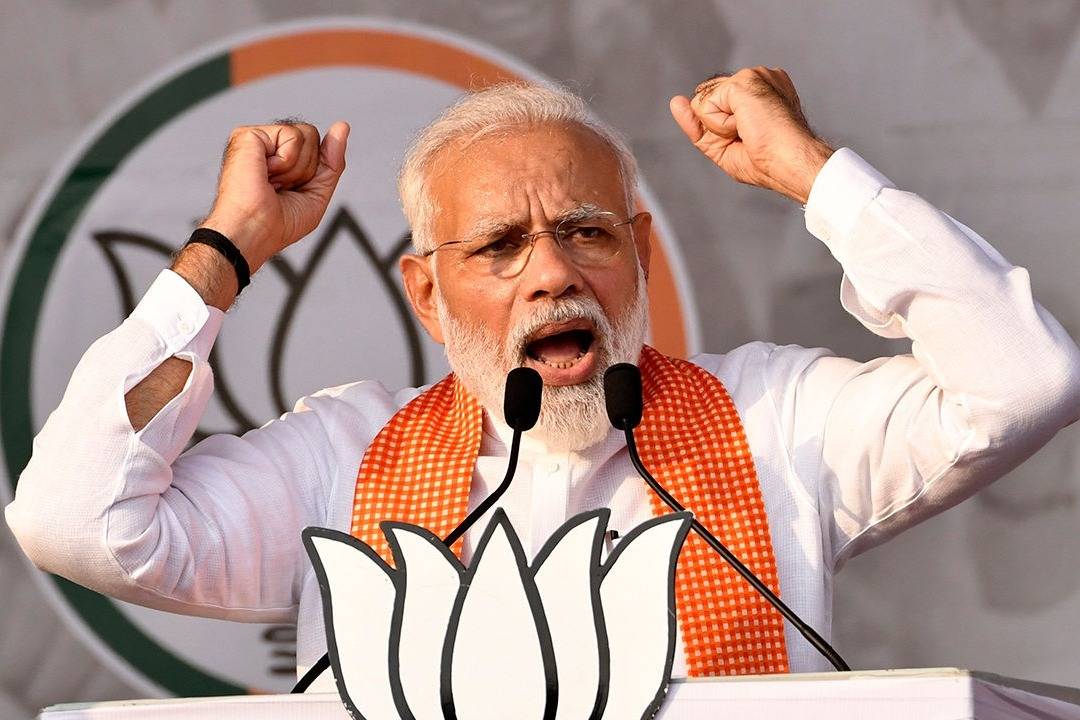
印美签下这份油气协议 俄罗斯不能忍 拉夫罗夫一语点破
Sou Hu Cai Jing· 2025-11-18 04:01
Core Points - India has signed a long-term liquefied petroleum gas (LPG) procurement agreement with the United States, committing to import approximately 2.2 million tons of LPG annually from the U.S. Gulf Coast until 2026, which accounts for about 10% of India's total annual imports [1] - The agreement is seen as a forced concession by India in response to U.S. pressure regarding India's continued import of Russian oil, highlighting the geopolitical dynamics in energy trade [1][2] Group 1: Agreement Details - The agreement was reached after a series of negotiations between the U.S. and India, with the Indian government emphasizing the need to diversify energy sources for energy security [2] - The U.S. has been pressuring India to reduce its reliance on Russian oil, citing concerns over trade imbalances and non-tariff barriers, which led to significant tariff increases on Indian exports to the U.S. [2][3] Group 2: Economic Impact - The imposition of a 50% tariff on Indian goods has severely impacted the textile and apparel sectors, with nearly one-third of surveyed companies reporting a revenue decline of over 50% [3] - The economic strain has led to political backlash against the Modi government, with opposition parties criticizing its foreign policy and its impact on domestic welfare [3] Group 3: U.S. Energy Strategy - The U.S. aims to expand its oil and gas exports globally, with significant increases in liquefied petroleum gas exports, which rose by 22% year-on-year from January to August [4] - The procurement agreement with India is viewed as a strategic move to secure a stable export channel for U.S. energy companies in the rapidly growing Asian market [4] Group 4: Global Reactions - Russian officials have criticized the U.S. for its coercive tactics in energy trade, arguing that it undermines global energy market stability and promotes a double standard in energy policies [4][5] - The United Nations has reported that U.S. tariff policies violate World Trade Organization rules, contributing to global trade tensions and negatively affecting other economies [5]
普京突然挥出能源重拳!乌克兰反手炸毁命脉管道,顿巴斯绞肉机血战升级!
Sou Hu Cai Jing· 2025-11-03 08:51
Group 1 - The core point of the article is the termination of the 1972 energy cooperation agreement between Russia and Finland, marking a significant shift in their bilateral relations due to geopolitical tensions and energy supply disruptions [1][3]. - The agreement, once a symbol of Cold War cooperation, is now seen as a relic of the past, with Russia officially stating it will no longer fulfill its obligations under the agreement [3][5]. - The backdrop of this termination includes Finland's unilateral decision to cut off electricity imports from Russia in April 2022, which has led to escalating tensions and retaliatory actions from Russia [1][3]. Group 2 - The article highlights a recent attack by Ukrainian forces on a critical oil pipeline, which supplies 70% of the fuel for Russian military operations, indicating a significant blow to Russia's military logistics [5][8]. - The ongoing conflict in the Donetsk region is described as a brutal struggle, with both sides experiencing heavy casualties and strategic importance placed on key locations like the railway hub known as "Red Army City" [7][8]. - The intertwining of energy infrastructure and military strategy is emphasized, showcasing how energy resources are becoming a focal point in the ongoing conflict [8][9]. Group 3 - The article draws parallels between the current situation and historical events, such as the 1973 oil crisis, suggesting that nations are once again forced to reconsider their energy strategies in the face of conflict [9][11]. - The contrasting responses of Finland and Ukraine to the crisis reflect the broader theme of small nations navigating the complexities of great power conflicts [9][11]. - The narrative concludes with a somber reflection on the fragility of international agreements and the potential for a reconfiguration of global order due to ongoing warfare [11].


美国不让买俄油,印度摊牌,我们的选择对象,还有伊朗和委内瑞拉
Sou Hu Cai Jing· 2025-09-27 03:42
Group 1: US-India Relations - The relationship between the US and India has deteriorated significantly since February, particularly after the India-Pakistan conflict, leading to a diplomatic standoff despite maintaining formalities [2] - The US imposed a 25% tariff on Indian goods under the pretext of a Russian oil tax, raising the overall tax rate on Indian exports to the US to 50%, the highest among US allies, causing widespread protests in India [2] - Modi's government is attempting to restart bilateral trade talks despite the challenges posed by the US tariffs, which threaten the Modi administration's political stability and impact Indian agricultural workers [2] Group 2: Energy Dilemma - India, as the third-largest energy consumer globally, relies on imports for 90% of its energy needs, facing a dilemma due to US demands to stop importing Russian oil [3] - In July, the price of Russian oil imported by India was $68.9 per barrel, while US and Saudi oil prices were $74.2 and $77.5 per barrel respectively, indicating a potential increase in costs if India shifts its imports [3] Group 3: India's Response - India has expressed its discontent with the US's abrupt policy shift, especially since the US initially encouraged India to purchase Russian oil to stabilize prices during the early stages of the Russia-Ukraine conflict [5] - In response to US pressure, India has indicated that it would consider reducing Russian oil imports only if the US allows it to purchase oil from Iran and Venezuela, marking a shift from passive resistance to open confrontation [5] Group 4: US Strategic Intentions - The US's tariff policy reflects concerns over diminishing energy hegemony, aiming to compel countries to purchase US oil to revive domestic manufacturing and weaken the Russian economy [7] - However, this strategy has seen limited success, indicating challenges in achieving its intended outcomes [7] Group 5: Conflicting US Policies - There is a contradiction in US policy towards India, as the US Energy Secretary expressed support for India, while Trump announced increased pressure on India at the UN General Assembly, highlighting confusion in US-India relations [8] Group 6: Future Outlook - The immediate future of US-India relations appears bleak, with limited room for compromise from India and a hardline stance from Trump potentially pushing India towards other major powers [9] - The ongoing US-India dynamics not only affect bilateral relations but also reflect the broader restructuring of global energy dynamics, emphasizing the need for both nations to find a balance in their interests [9]
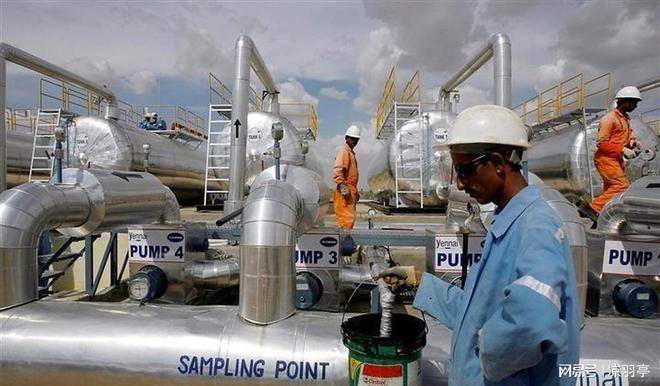
罕见!美国彻底不装了:俄罗斯在欧洲的能源生意,要全部取而代之
Sou Hu Cai Jing· 2025-09-26 04:39
Group 1 - The core message of the article is that the U.S. aims to replace Russia as the primary supplier of natural gas and oil products to Europe, marking a significant shift in energy strategy [1][3][5] - The U.S. is seizing the opportunity presented by the vacuum left in the European energy market due to the ongoing geopolitical tensions and the need for Europe to reduce its reliance on Russian energy [3][5][7] - Before the Ukraine conflict, Russia supplied 45% of the EU's natural gas and 27% of its oil, but by 2024, these figures are projected to drop to 19% and 3% respectively, creating a substantial market gap for U.S. energy exports [7][9] Group 2 - The U.S. is expected to become the largest supplier of LNG to Europe, with projections indicating that by 2024, 45% of the LNG imported by the EU will come from the U.S. [7][9] - The U.S. shale oil production is anticipated to reach a historical high of 13.7 million barrels per day by 2025, with Texas's Permian Basin alone producing over 5 million barrels daily [9][12] - The EU has committed to completely severing energy ties with Russia by 2027, which will require long-term contracts with the U.S. for LNG imports, costing an additional €20 billion annually [12][13] Group 3 - The U.S. strategy is not merely commercial but is also a calculated geopolitical maneuver to maintain influence over Europe and prevent it from diverging in international affairs [13][18] - Despite the U.S. ambitions, there are concerns about the stability of its own energy supply, with predictions of falling shale oil prices and reduced investment in the sector [16][18] - The article raises questions about the future of Europe, whether it will become an "energy colony" of the U.S. or find an alternative path, indicating that the situation is still evolving [18]
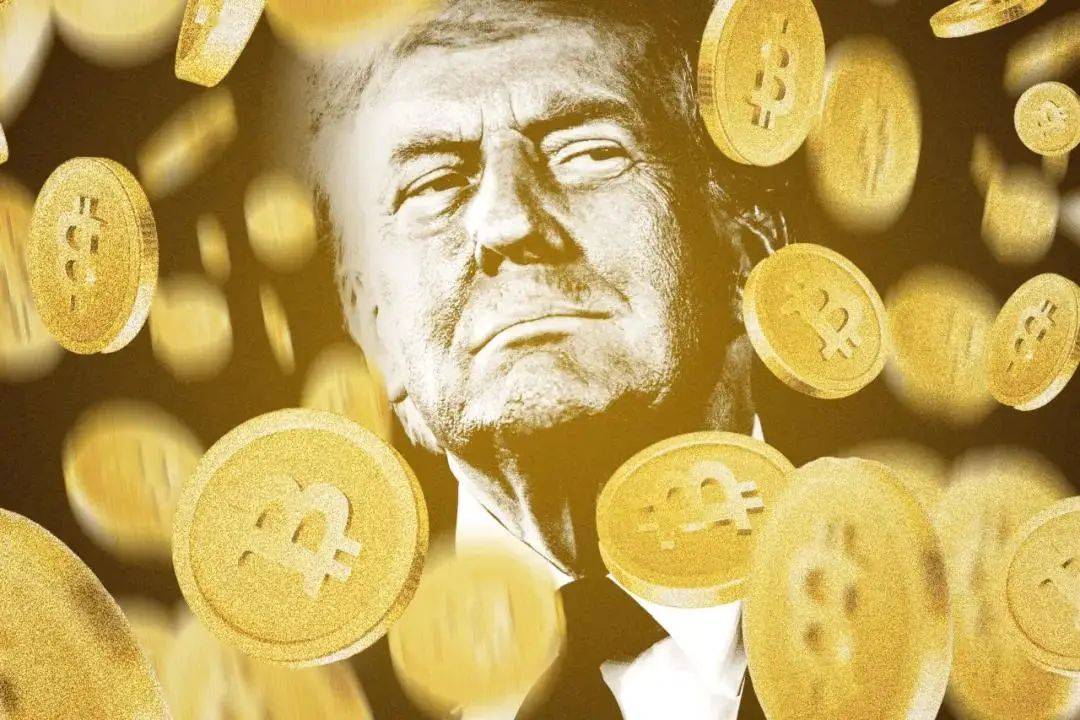
特朗普一周连吃3张红牌,中俄再补关键一刀,美国发财梦碎了一地
Sou Hu Cai Jing· 2025-09-10 06:28
Group 1 - The article discusses three significant legal setbacks faced by the Trump administration, referred to as "red cards," which challenge key policies [3][6][8] - The first ruling from the U.S. Court of Appeals upheld a lower court's decision that deemed the imposition of tariffs by the Trump administration as illegal, stating that tax authority belongs to Congress, not the President [3] - The second ruling from a federal court in California found Trump's deployment of the National Guard and Marines for domestic law enforcement to be a violation of the Posse Comitatus Act, which prohibits military involvement in domestic law enforcement without congressional approval [6] - The third ruling from a federal court in Massachusetts declared the Trump administration's freezing of Harvard University's research funds as illegal, labeling it an ideological attack on academic freedom [6][8] Group 2 - The article highlights the implications of these legal challenges, suggesting that they put the Trump administration in a precarious position, forcing a pause on international strategies to address domestic legal issues [8][12] - Concurrently, a significant energy project involving China, Russia, and Mongolia, the Power of Siberia 2 gas pipeline, is set to disrupt U.S. energy strategies by providing China with stable and low-cost natural gas, reducing its reliance on U.S. liquefied natural gas [10][12] - The establishment of this pipeline could reshape the global liquefied natural gas market, potentially undermining the U.S.'s previously established energy dominance [10][12]
普京在中国这几天,和中方谈成的大事,让特朗普断了不该有的念头
Sou Hu Cai Jing· 2025-09-10 06:26
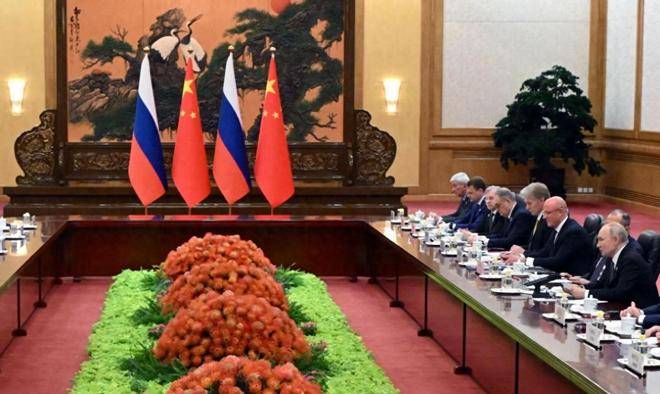
Group 1 - The core achievement of the recent Sino-Russian energy cooperation is the substantial progress made on the China-Russia-Mongolia natural gas pipeline project, along with multiple agreements to expand existing energy cooperation [2][3] - The implementation of these projects is estimated to add 50 billion cubic meters of natural gas supply from Russia to China annually, which is significant considering China's natural gas import volume was approximately 180 billion cubic meters last year [3] - The deepening of Sino-Russian energy cooperation is expected to reduce China's reliance on other energy sources, particularly the United States, which poses a challenge to the U.S. strategy of establishing energy dominance [3][4] Group 2 - China has consistently pursued a strategy of diversifying its energy import channels, with cooperation with Russia being a key aspect of this strategy [4][5] - The energy provided by Russia is competitively priced, with Russian President Putin stating that the Power of Siberia 2 project will offer market-competitive natural gas prices to China, which are expected to be lower than those offered to Europe [4] - China's energy decisions are primarily based on national interests, and while there may still be some imports from the U.S., the expectation of establishing strategic influence through energy exports is unlikely to succeed [5]
中美推动关税延期!美国给中国挖了3个大坑,中方谈判难度有多大?特朗普真正目的不简单
Sou Hu Cai Jing· 2025-08-04 06:21
Group 1: Negotiation Dynamics - The US and China have agreed to extend the tariff truce for 90 days, providing short-term stability to their economic relationship, while underlying complexities in negotiations persist [1] - The US has introduced three main negotiation traps: pressure on China's manufacturing sector, energy procurement conditions, and technology decoupling strategies [3][4][5] Group 2: US Negotiation Traps - The US is pressuring China to limit production capacity in key industries like steel and solar, attributing the hollowing out of US manufacturing to Chinese low-priced goods [3] - The US has linked energy trade negotiations to sanctions, demanding China cease imports from sanctioned countries and set a $200 billion annual quota for US LNG purchases [4] - In technology, the US is pushing for unrestricted semiconductor equipment purchases and the lifting of export controls on rare earths, aiming to maintain its technological edge [5] Group 3: China's Strategic Challenges - The US is employing a multi-faceted pressure strategy involving tariffs, technology restrictions, and international rules, complicating China's negotiation position [7] - China's reliance on imports for advanced manufacturing, particularly in semiconductors, poses risks to its supply chain stability [7][8] - The EU's carbon border adjustment mechanism and India's demands for market access add to the international pressure on China [8] Group 4: China's Counterstrategies - China is diversifying its markets, with exports to Belt and Road countries increasing by 18%, which helps mitigate the impact of US tariffs [9] - China controls 60% of global rare earth processing capacity, using this leverage to impact US industries significantly [10] - Recent trade agreements and initiatives aim to reshape global economic rules, positioning China as a proactive player in international trade [10] Group 5: Future Negotiation Outlook - The current tariff negotiations are characterized by short-term concessions but long-term challenges, with the US maintaining its core demands [12] - China's decreasing reliance on foreign trade, from 64% in 2006 to an expected 32% in 2025, indicates a shift towards domestic market-driven growth [12] - The negotiation process is seen as a reflection of structural contradictions between the two economies, necessitating a balance between immediate compromises and long-term strategic interests [12]

最高500%的关税!中美会谈已结束,特朗普威胁不许买俄罗斯石油,外交部直接把话说开
Sou Hu Cai Jing· 2025-08-04 03:27
Core Viewpoint - The recent U.S.-China trade talks have taken a turn for the worse, with the U.S. threatening punitive tariffs on China if it continues to purchase Russian oil, despite earlier claims of successful negotiations [1][3]. Group 1: U.S.-China Trade Talks - The third round of U.S.-China trade talks in Gothenburg, Sweden, appeared to make some progress, with both sides agreeing to extend certain tariffs for 90 days, but the core issue of energy remained unresolved [1][3]. - The U.S. demands for China to stop importing Russian oil were met with a firm rejection from China, highlighting a significant divide over energy security [3][6]. Group 2: U.S. Strategic Calculations - The U.S. aims to undermine Russia's economy by targeting its oil exports, as energy revenue constitutes 40% of Russia's fiscal income, making China a key player in this strategy [3][4]. - The U.S. seeks to reinforce its energy dominance by promoting its own oil and gas exports, as evidenced by recent trade agreements with South Korea, which include significant purchases of U.S. liquefied natural gas [4][6]. - The U.S. is using energy negotiations as leverage to extract concessions from China in other areas, such as agricultural purchases and technology market access [6][8]. Group 3: China's Response - China has firmly stated that its energy cooperation decisions are sovereign and should not be influenced by external parties, emphasizing its commitment to energy security [6][8]. - In response to U.S. threats, China has indicated it will implement reciprocal measures against U.S. sanctions, reinforcing its stance on energy independence [6][8]. Group 4: Broader Implications - The conflict over energy is not just about oil and tariffs; it reflects a larger struggle for control over the future international order, with China positioned as a major global economic power [8].
中方连续3个月拒买美石油,特朗普等不及访华,8艘船只开往中国
Sou Hu Cai Jing· 2025-07-07 04:02
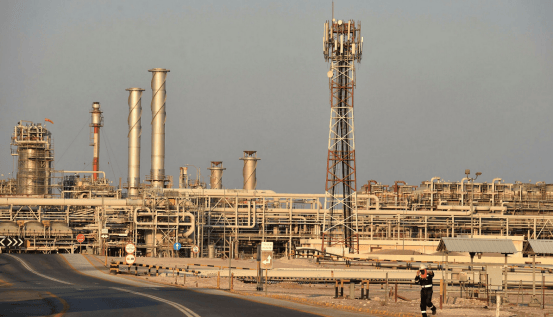
Group 1 - The core issue is the significant decline in U.S. crude oil exports to China, marking the longest period of zero purchases since 2018, which poses a survival threat to U.S. shale oil producers [1] - The price of West Texas Intermediate (WTI) crude oil has fallen below $70 per barrel due to dual pressures, with OPEC considering increasing production, further squeezing market space [1] - The crisis is extending from oil fields to the job market, as refineries are forced to cut production and the throughput at Gulf Coast ports is shrinking [1] Group 2 - China is diversifying its energy sources, securing oil from Russia, Canada, and the Middle East, while exploring de-dollarization in oil transactions with Iran, thereby reducing U.S. influence over the global energy market [3] - The U.S. government has responded to the situation by easing restrictions in key sectors, including allowing General Electric to resume supplying engines to Chinese companies, indicating a potential thaw in trade tensions [3][5] - The trade standoff reflects a clash of international order perspectives, with China's actions demonstrating a break from zero-sum thinking in resource management [6] Group 3 - The 90-day tariff suspension period poses a critical challenge for the U.S. shale oil industry, as failure to negotiate energy and technology exchanges could trigger systemic crises due to accumulated debts [8] - The movement of eight ethane ships to China symbolizes a potential breakthrough in trade relations, but a genuine resolution requires moving beyond resource competition to mutual benefit [8]
特朗普关税信函上路!东盟国家一个接一个低头,印度反应出乎意料
Sou Hu Cai Jing· 2025-07-07 01:26
Group 1 - The core point of the news is the initiation of a global trade war by the Trump administration, with tariffs ranging from 10% to 70% imposed on over 170 countries, effective from August 1 [2][4] - Southeast Asian countries are particularly affected, with Vietnam leading the way by opening its market in exchange for a 20% tariff, prompting other nations to follow suit with varying concessions [2][4] - Indonesia has proposed a "bold plan" to implement near-zero tariffs on 1,700 American goods, covering nearly 70% of U.S. exports to Indonesia, in exchange for preferential access to nickel and large-scale purchases of U.S. liquefied natural gas [2][4] Group 2 - Cambodia has strengthened economic and military ties with the U.S., signing a trade agreement that reduces tariffs from 49% to 20%, led by Deputy Prime Minister Sun Chanthol [4] - Thailand faces significant pressure as its manufacturing costs are higher than Vietnam's, making it vulnerable to the same 20% tariffs [4] - India has submitted a retaliatory tariff proposal to the WTO, indicating plans to counter U.S. tariffs on automobiles and steel, emphasizing that countermeasures must be equivalent to the losses incurred [4][6] Group 3 - The U.S. has categorized over 170 countries into three tariff levels, with the first level (10%) as a reward for compliant nations, the second level (20%) as punishment for resistant countries, and the third level (50%) as a "killing tax" for strategic competitors [4][6] - The U.S. Customs Department is hiring thousands of inspectors and utilizing blockchain technology to track goods, threatening 200% punitive tariffs on countries that attempt to "launder" their product origins through third countries [4][6] - Economists warn that this trade war will force a high-risk restructuring of global supply chains, particularly impacting Southeast Asian economies that heavily rely on exports to the U.S. [6]