自由贸易试验区

Search documents
海关总署—— 我国货物贸易进出口连续10个月保持增长
Ren Min Ri Bao· 2025-12-08 21:59
新华社北京12月8日电 (记者黄韬铭、邹多为)海关总署12月8日发布数据:今年11月份,我国货物贸 易进出口3.9万亿元,同比增速回升至4.1%,从2月起连续10个月保持同比增长。 市场开拓成效显著。前11个月,我国对第一大贸易伙伴东盟进出口6.82万亿元,同比增长8.5%;对非 洲、拉美和欧盟进出口分别增长18.7%、5.6%、5.4%。 海关总署统计分析司司长吕大良表示,我国坚持开放合作、互利共赢,不断拓展与贸易伙伴的双向合 作。前11个月,我国与全球110多个国家和地区实现出口、进口同时增长,比去年同期增加20多个。 此外,我国给予所有已建交的最不发达国家100%税目产品零关税待遇生效已满一年。一年来,我国自 最不发达国家进口规模累计增加550多亿元。 从累计看,前11个月进出口总值为41.21万亿元,同比增长3.6%,增速与前10个月持平。 具体来看,前11个月,我国出口和进口分别达到24.46万亿元、16.75万亿元,同比增长6.2%、0.2%。其 中,包括"新三样"、船舶在内的机电产品是出口主力,增长8.8%,占同期我国出口总值的60.9%。时值 北半球冰雪运动旺季,下半年以来,我国对中东欧出口溜 ...
自由贸易试验区工作部际联席会议第十次全体会议在北京召开
Di Yi Cai Jing· 2025-12-02 12:47
据商务部消息,12月2日,自由贸易试验区工作部际联席会议第十次全体会议在京召开。会议要求,面 对新形势新要求,要以服务大局、放眼全球的视野,积极识变应变求变,认真谋划推进改革试点任务, 推动自贸试验区提质增效。要重点在突出提升改革的系统集成效能、突出自主开放的标杆作用、突出发 展新质生产力的引领带动效应、突出更好统筹发展和安全等四方面,加大提升自贸试验区创新引领发展 能级。联席会议各成员单位、各地方要强化统筹协调,加强联动发展,做好复制推广,讲好自贸试验区 的开放故事,推动形成更大工作合力。 (文章来源:第一财经) ...
新疆自贸区乌鲁木齐片区:以1%土地面积贡献全市近六成外贸进出口额
Sou Hu Cai Jing· 2025-11-19 13:05
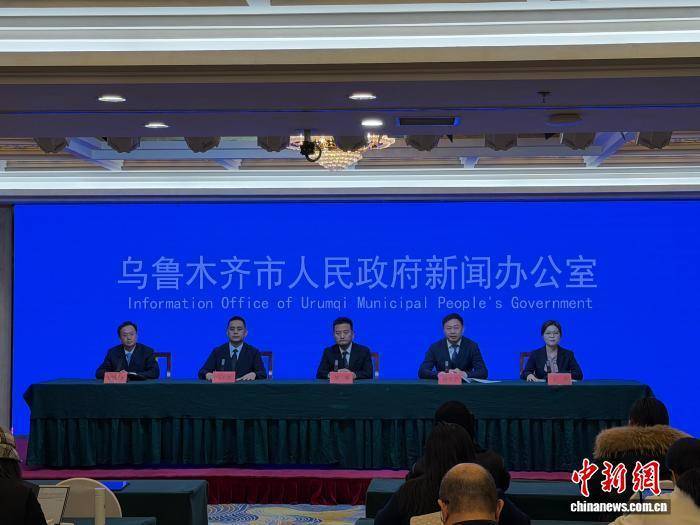
对外开放平台与通道不断拓宽。据侯咏介绍,乌鲁木齐片区成立中国—亚欧投资贸易促进中心、中国— 东盟经贸中心新疆分中心、上海临港新片区"走出去"综合服务平台新疆分中心等,并已在乌兹别克斯 坦、哈萨克斯坦等国设立3个海外分中心,有力促进多边投资贸易合作。 营商环境优化取得实质性进展。乌鲁木齐片区制定11项创新举措,包括免征信用良好企业加工贸易保证 金、提升出口退税效率等。在外商投资领域,将外资企业落地业务的办理周期从79天大幅压缩至35天, 基本实现外商"只跑一趟"。 中新网乌鲁木齐11月19日电 (张家伟)记者从乌鲁木齐市人民政府新闻办公室19日举行的新闻发布会上获 悉,中国(新疆)自由贸易试验区乌鲁木齐片区(下称"乌鲁木齐片区")建设两周年来,持续推动深化改革 与高水平开放,取得显著成绩。 据乌鲁木齐市人民政府党组成员、副市长侯咏介绍,截至今年9月,乌鲁木齐片区承接新疆维吾尔自治 区177条改革试点任务已实施157条、实施率88.7%,263条自主改革试点任务已实施238条、实施率 90.5%。累计形成制度创新成果74项,落地各类首创首单业务94项。 两年来,乌鲁木齐片区累计新设企业近1.5万家,今年1至9月就 ...

新疆自贸试验区挂牌两年 形成72项省级制度创新成果
Zhong Guo Xin Wen Wang· 2025-11-14 12:25
Core Insights - The Xinjiang Free Trade Zone has achieved 72 provincial-level institutional innovation results in two years, enhancing the level of institutional openness [1][2] Group 1: Institutional Innovations - The innovations cover eight key areas: trade facilitation, investment facilitation, personnel flow facilitation, government management innovation, financial openness innovation, industrial development, business environment, and regulatory oversight [2] - The implementation of a comprehensive regulatory system for bonded aviation fuel has serviced over 9,400 flights, with a monthly supply capacity growth rate of 18% [2] - A new "QR code" rapid customs clearance model for self-driving export vehicles has improved clearance efficiency by 80% [2] Group 2: International Cooperation - The Xinjiang Free Trade Zone is deepening international cooperation with Central Asia, West Asia, and South Asia, exemplified by the collaboration between the Kashgar area and Kyrgyzstan's Naryn region to build an international industrial park [3] - The Urumqi area has pioneered a "business + technology" model to promote bonded aircraft maintenance services and has innovated a comprehensive service model for fruit and vegetable exports, reducing costs per container by 15% [3] - The Horgos area is testing new models for cross-border services in traditional Chinese medicine and tourism, expanding international cooperation in healthcare, culture, and digital sectors [3] Group 3: Business Environment Optimization - The Xinjiang Free Trade Zone focuses on transforming government functions to optimize the business environment, offering over 100 exclusive services for high-level talents through initiatives like the "Red Mountain Talent Card" [3] - Innovative financing tools such as data assets and "Hui Trade Loan" have effectively alleviated financing difficulties for small and micro enterprises [3] - A cross-border settlement platform has been established, supporting transactions in 18 currencies, including the ruble [3][4]
新疆自贸试验区成立两周年 改革试点任务完成超八成
Xin Hua Wang· 2025-11-14 08:39
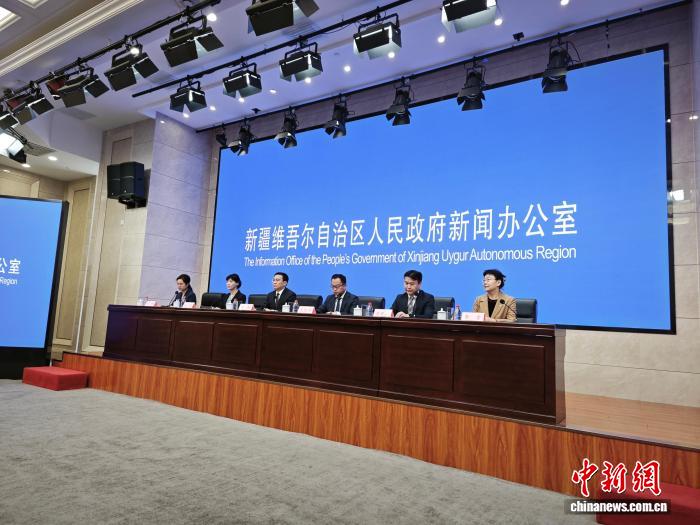
Core Insights - The Xinjiang Free Trade Zone has achieved significant progress in institutional innovation and economic development since its establishment on November 1, 2023, with a completion rate of 81.5% for reform pilot tasks by October 2023, surpassing the target of over 80% for the second year [1] - The zone has seen the establishment of over 18,000 new enterprises, bringing the total to 44,000, and recorded an import-export volume of 155.33 billion yuan, accounting for nearly 40% of the region's total [1][2] Group 1: Institutional and Economic Development - The Xinjiang Free Trade Zone has implemented 72 provincial-level institutional innovation achievements, which have been promoted throughout the region [1] - A total of 69 supportive policies have been introduced, and 45 economic and social management powers have been delegated to enhance the business environment [1] Group 2: Logistics and Trade Enhancement - The zone is enhancing its logistics hub capabilities with the construction of land and air port-type national logistics hubs, and the full application of "direct loading" for China-Europe (Central Asia) trains [2] - The international air network has expanded, with 28 international passenger routes and 36 international cargo routes, covering multiple countries and cities [2] Group 3: Foreign Trade and Investment - The Xinjiang Free Trade Zone has established 43 overseas and border warehouses, facilitating a multi-warehouse cross-border logistics model [2] - The zone has seen nearly 40% of new foreign enterprises established in the region, with ongoing innovations in foreign exchange business trials and management mechanisms [2] Group 4: International Cooperation - The zone is deepening cooperation with Central Asian countries and members of the Shanghai Cooperation Organization in various fields, including trade, industry, energy, and technology [2] - Platforms such as the "Belt and Road" joint laboratory and international offshore innovation centers have been established to support these collaborations [2]
专家学者展望“十五五”经济发展:“向外塑造”“向内改革”
Zhong Guo Xin Wen Wang· 2025-11-04 17:16
Core Insights - The forum emphasized the need for China to deepen reforms and expand openness to create a win-win situation amid global changes in economic governance [1][4] - Experts highlighted the importance of actively participating in the formulation of international economic rules and upgrading free trade agreements from quantity expansion to rule leadership [2][3] Group 1: Economic Strategy - The second China Free Trade Strategy Forum focused on the theme of "FTA-FTZ: China's 'External Shaping' and 'Internal Reform' Stress Field" [1] - The forum discussed the necessity for China to transform its approach from seeking "policy advantages" to promoting "institutional innovation" within its 22 free trade pilot zones [3] Group 2: International Cooperation - Experts reached a consensus on the need for China to enhance its engagement in international economic rule-making, especially given the challenges facing the multilateral trade system [2] - The forum underscored the importance of deepening economic cooperation with Global South countries [2] Group 3: Institutional Innovation - Specific paths for deepening institutional innovation were proposed, focusing on overcoming challenges in areas such as cross-border data flow, intellectual property protection, and green standards [3] - The forum highlighted the collaborative development mechanism between free trade pilot zones and free trade agreements, creating a dynamic "rule cycle" system [3] Group 4: Implementation Challenges - Experts stressed the need to address the "last mile" issue between policy and enterprise practice, advocating for digital tools and professional services to make trade agreements more accessible to businesses [3] - The goal is to enhance companies' capabilities in resource allocation, supply chain optimization, and technological innovation on a global scale [3]
制度创新结硕果——中国(新疆)自由贸易试验区成立2周年观察
Xin Hua Wang· 2025-10-29 14:32
Core Insights - The China (Xinjiang) Free Trade Zone has achieved significant results in its two years of establishment, with a completion rate of 81.5% for reform pilot tasks and over 44,000 registered enterprises, contributing to over 40% of Xinjiang's total foreign trade value [1][14] - The Free Trade Zone has become a driving force for high-level opening up in Xinjiang, injecting new vitality into the region's economic and social high-quality development [1] Trade Facilitation - Trade facilitation measures have led to significant improvements in logistics and customs processes, reducing customs clearance time from 3 hours to 1 hour, and enabling faster access to markets like Almaty, Kazakhstan [3][4] - In the first three quarters of this year, Xinjiang's total foreign trade value reached 393.14 billion yuan, reflecting a year-on-year growth of 22.1% [6] Industrial System Development - The innovative regulatory models in the Free Trade Zone, particularly in bonded supervision, have enabled companies to overcome previous challenges related to high tariffs and slow customs processes, enhancing competitiveness [7] - The Free Trade Zone is fostering an open industrial system, pushing the industrial chain towards higher value chains [8] Market Environment Optimization - The establishment of the Urumqi Immigration Service Center has streamlined foreign-related business processes, reducing processing times significantly, thus enhancing the overall business environment [10][12] - The Free Trade Zone has attracted numerous key business associations, enterprises, and foreign investments by continuously optimizing the business environment [12][14] Regional Development and Cooperation - The three areas within the Free Trade Zone—Urumqi, Kashgar, and Horgos—are developing complementary functions and promoting coordinated opening-up, enhancing cross-border economic cooperation [14] - The Xinjiang Free Trade Zone aims to leverage its advantages to become a new high ground for reform and opening up, especially as the region celebrates its 70th anniversary [14]
辉煌“十四五”壮美新答卷丨自贸试验区扬帆破浪
Guang Xi Ri Bao· 2025-10-21 02:56
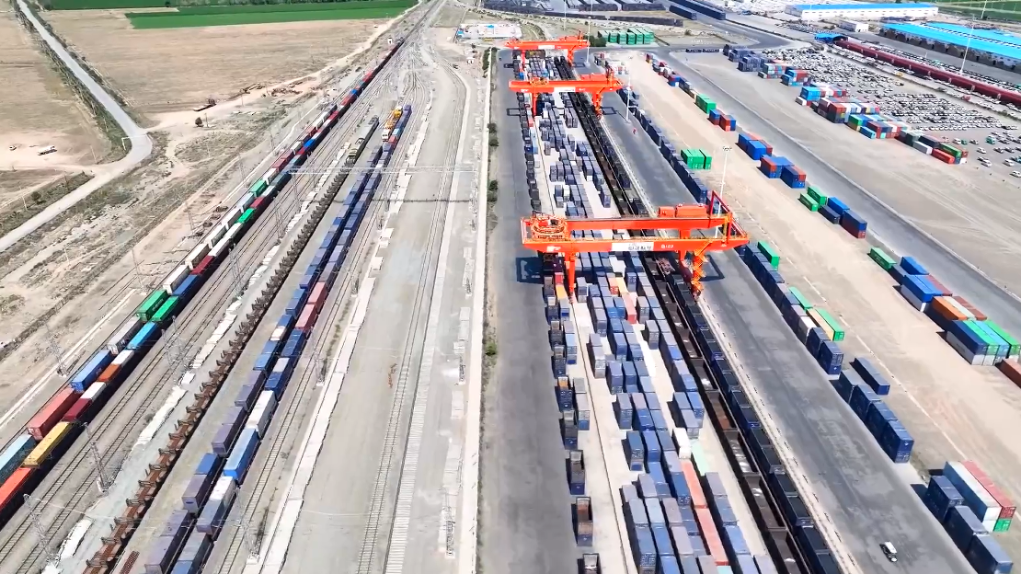
Core Insights - The Guangxi Free Trade Zone (FTZ) in Nanning is experiencing significant economic vitality and development, with innovative reforms such as the "no review, immediate approval" policy for business operations [2][4] - The FTZ has attracted 23 Fortune Global 500 companies and 22 Chinese top 500 companies, creating a multi-dimensional and high-energy open development ecosystem [2][4] - The FTZ has implemented 120 reform pilot tasks, resulting in 214 institutional innovations, with several recognized as best practices at the national level [4] Group 1: Economic Developments - The "no review, immediate approval" reform has reduced the preparation period for businesses by 2-3 months, allowing for quicker market entry [2] - The innovative "railway cage + roll-on/roll-off ship" model has reduced costs for car exports to Saudi Arabia by over 8% [2] - As of August 2025, the FTZ contributed 42% of the actual foreign investment and 39.6% of the foreign trade volume in Guangxi, establishing itself as a high-yield area for open economy [4] Group 2: Industry Growth - The digital economy is thriving in the Nanning area, with 124 large-scale digital economy enterprises established, and over 60 projects signed at the China-ASEAN AI Application Cooperation Center [5] - The Qinzhou Port area is developing five major port-related industrial clusters, with an industrial output value expected to exceed 136.2 billion yuan in 2024 [5] - The Chongzuo area is focusing on electronic information and ASEAN specialty processing industries, attracting 42 eastern enterprises to expand into the ASEAN market [5] Group 3: Cross-Border Cooperation - The establishment of a cross-border credit service platform has gathered information on 7.87 million enterprises from 10 ASEAN countries, serving over 9.12 million enterprises [6] - The FTZ is exploring AI-enabled cultural export platforms and innovative digital copyright mechanisms to enhance cultural exchange with ASEAN [6] - The first overseas cloud node for meteorological data in Singapore supports China-ASEAN meteorological cooperation [6]
着力打造亚欧黄金通道
Jing Ji Ri Bao· 2025-10-19 22:08
Group 1 - The first batch of over 273 tons of copper concentrate has begun blending operations under customs supervision at the Alashankou Comprehensive Bonded Zone, marking the official launch of the country's first bonded blending business for copper concentrate at a land port [1] - The bonded blending business allows companies to import various mineral products without paying taxes initially, adjust the composition of these products according to market demand, and then sell the final product to domestic enterprises or export it [1] - The implementation of the bonded blending business is expected to reduce customs clearance time and transportation costs while meeting the personalized needs of downstream smelting enterprises [1] Group 2 - Since 2021, Xinjiang has introduced several policies to stabilize and enhance foreign trade, including promoting new business models and expanding cross-border e-commerce, which provide institutional support for high-quality foreign trade development [2] - The Urumqi Tianshan Airport has seen breakthroughs in bonded fuel and maintenance services, with customs facilitating approximately 600 million yuan worth of aircraft maintenance services in the first eight months of this year [2] - The "Bonded+" business model has expanded the port's external channels, with 32 international passenger routes and 28 cargo routes now operating, resulting in a 369.5% year-on-year increase in cargo volume at Urumqi Tianshan Airport [2] Group 3 - Since the establishment of the China (Xinjiang) Free Trade Pilot Zone, 76.3% of the reform pilot tasks outlined in the overall plan have been implemented, showing significant progress [3] - In the first eight months of this year, the total import and export value of the Xinjiang Free Trade Pilot Zone reached 145.798 billion yuan, a year-on-year increase of 57.74%, accounting for 41% of the region's total foreign trade [3] - The Xinjiang government aims to continue developing the region as a key hub for the Silk Road Economic Belt and has introduced 35 provincial-level institutional innovations for replication across the region [3]
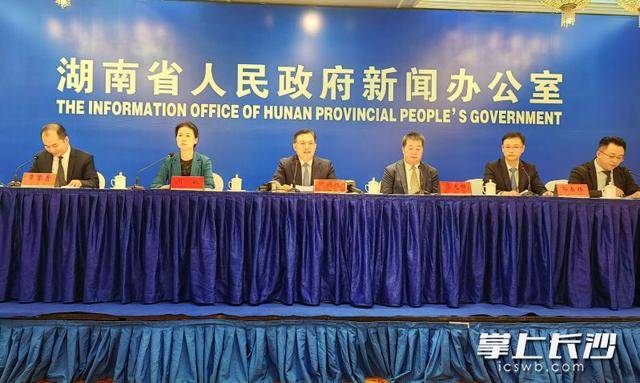
快讯 | 湖南自贸试验区五周年:贡献全省近3成外贸总量,新设企业超5万家
Sou Hu Cai Jing· 2025-09-28 08:35
Core Insights - The Hunan Free Trade Zone has achieved significant milestones in its five years of establishment, summarized by the numbers "1, 3, 5, 7" [1][3] Group 1: Legislative and Regulatory Framework - A local regulation, the "Hunan Free Trade Zone Regulation," has been enacted to provide strong legal support for the development of the free trade zone [3] Group 2: Economic Contributions - The three free trade zones in Changsha, Yueyang, and Chenzhou contribute nearly 30% of the province's total foreign trade, acting as a strong engine for Hunan's open development [3] - Since the approval of the free trade zone, over 54,700 new enterprises have been established, averaging more than 10,000 per year, and 575 major projects have been introduced with a total investment of 767.367 billion yuan, injecting vital resources for high-quality economic development [3] Group 3: Innovation and Best Practices - A total of seven institutional innovation achievements have been recognized as part of the seventh batch of reform pilot experiences and the fifth and sixth batches of best practice cases in national free trade zones, ranking first in the number of recognized achievements among the participating free trade zones [3]