
设计创新

Search documents
200美元键盘卖爆美日,这家深圳企业靠「反内卷设计」年收入过亿|Insight全球
36氪· 2025-07-28 12:56
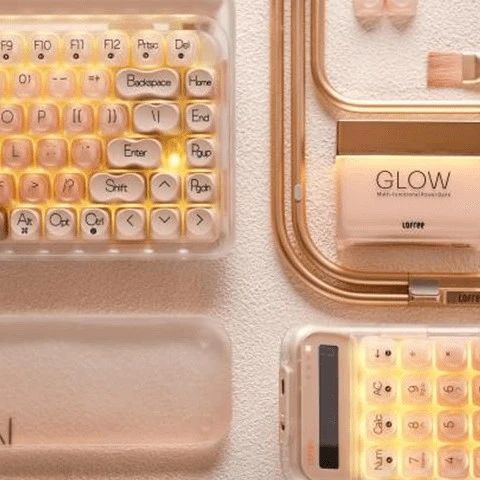
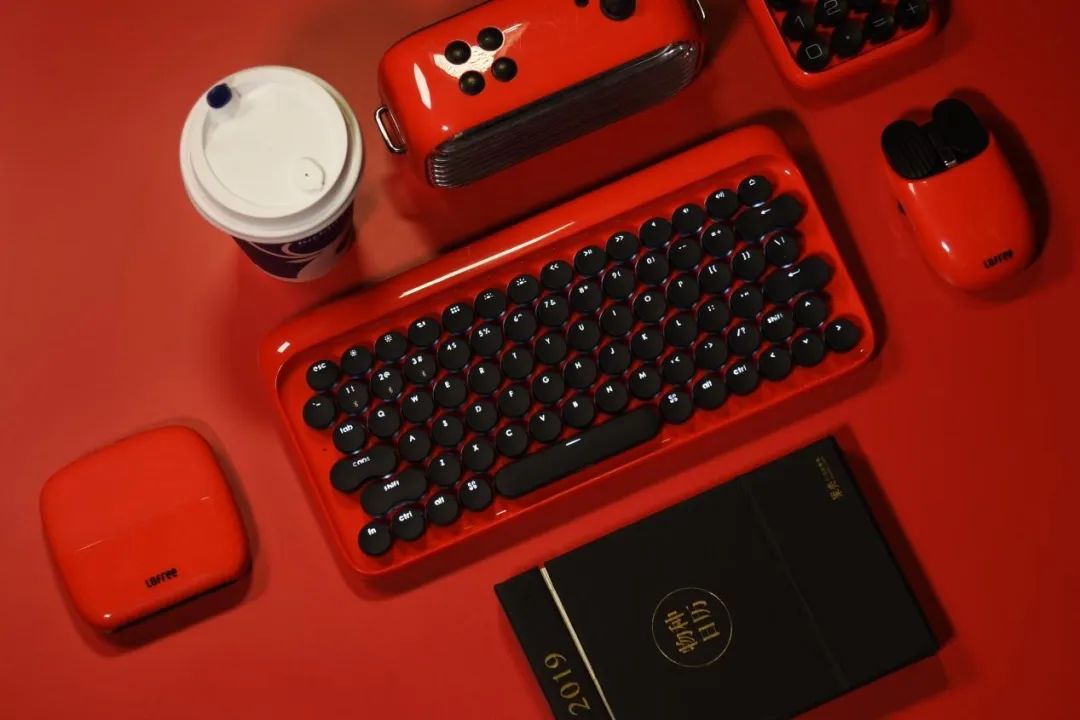
Core Viewpoint - The article highlights the success of Lofree, a Shenzhen-based company that has differentiated itself in the mechanical keyboard market through innovative design and a focus on high-end products, achieving significant sales growth in overseas markets [4][20]. Group 1: Company Overview - Lofree was established over 10 years ago and initially focused on a retro-styled Bluetooth mechanical keyboard, which allowed it to carve out a unique market niche [4][7]. - The company has achieved remarkable sales figures, with a monthly revenue of $410,000 (approximately 3 million yuan) shortly after entering the Amazon US and Japan marketplaces in 2023 [4][14]. Group 2: Market Strategy - Lofree's strategy involves targeting the high-end market with differentiated products rather than competing in the price-sensitive segment of the mechanical keyboard market [4][20]. - The company has identified a growing trend in overseas markets where mechanical keyboards are seen as "ceremonial items" for office use, contrasting with the domestic perception of them as gaming peripherals [4][5]. Group 3: Product Innovation - The design of Lofree's products is a core competitive advantage, with a focus on aesthetics and functionality, such as the "lipstick keyboard" that incorporates popular lipstick colors [11][13]. - Lofree has developed its own mechanical switches in collaboration with domestic manufacturers, allowing it to offer unique tactile experiences while avoiding direct competition with gaming keyboards [16][20]. Group 4: Market Expansion - Lofree's overseas sales are projected to exceed 100 million yuan in 2024, demonstrating rapid growth in international markets [20]. - The company has successfully utilized influencer marketing and community engagement to enhance brand visibility, achieving over 100 million overseas exposures and a 30% increase in sales [26][27]. Group 5: Product Ecosystem - To increase customer retention, Lofree is focusing on the keyboard accessory market, particularly keycaps, which have high repurchase potential [23][24]. - The company is expanding its product range to create a comprehensive ecosystem that includes keyboards, mice, calculators, and other lifestyle products [24][26]. Group 6: Target Audience - Lofree's target demographic consists mainly of middle-class white-collar workers under 35 years old, who are willing to pay a premium for well-designed products [27][28]. - The brand aims to sell not just keyboards but also a desirable work experience, emphasizing the enjoyment derived from using their products [28].

200美元键盘卖爆美日,这家深圳企业靠“反内卷设计”年收入过亿|Insight全球
3 6 Ke· 2025-07-25 01:15
Core Insights - Lofree, a Shenzhen-based company, has successfully differentiated itself in the mechanical keyboard market by focusing on design innovation and targeting the high-end office segment, achieving significant sales growth in overseas markets [1][2][3] Group 1: Company Overview - Founded in 2013, Lofree initially operated as a design service company before pivoting to create its own brand, recognizing the potential in the mechanical keyboard market [3][4] - The company launched its first product, a retro-style Bluetooth mechanical keyboard, in 2016, which resonated with urban white-collar workers seeking stress relief in their office environments [4][7] Group 2: Market Strategy - Lofree's strategy emphasizes design as a core competitive advantage, with products that blend aesthetics and functionality, such as the "lipstick keyboard" featuring popular lipstick colors [7][9] - The company has successfully entered international markets, with its products achieving $410,000 in monthly sales within a year of launching on Amazon's US and Japan sites [1][9] Group 3: Product Development - Lofree has developed a unique low-profile mechanical keyboard, the Flow series, which reduces typing noise and fatigue, appealing to a broader audience beyond traditional gaming users [10][12] - The company collaborates with domestic manufacturers to create proprietary key switches, allowing it to avoid direct competition with gaming keyboard brands [12][13] Group 4: Marketing and Brand Building - To enhance customer retention, Lofree is focusing on keycap accessories, which have high repurchase potential, and has launched a "keycap paradise" series for seasonal updates [14][16] - The brand has leveraged influencer marketing, achieving over 100 million overseas impressions and a 30% increase in sales through collaborations with mid-tier influencers [16][17] Group 5: Future Plans - Lofree aims to establish a comprehensive ecosystem of products, including keyboards, mice, calculators, and more, to meet diverse consumer needs [14][16] - The company plans to open direct stores in mature markets and utilize pop-up events to enhance brand visibility and control over sales channels [17]
Labubu为什么要设计成这个样子(科教视界)
Ren Min Ri Bao Hai Wai Ban· 2025-06-15 22:11
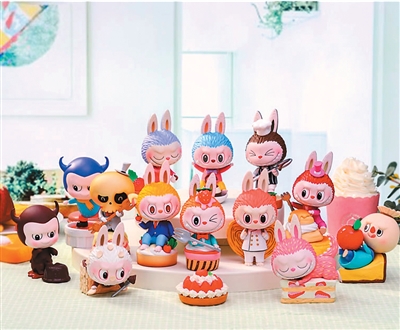
Core Insights - Labubu, a Chinese trendy toy IP, has gained global popularity, with long queues outside stores from Shanghai to New York and significant price increases in the secondary market [1][4] - The design of Labubu breaks traditional toy stereotypes, featuring a unique character that combines playful and warm traits, appealing to contemporary young consumers' desire for individuality [1][2] - Labubu's success is attributed to a deep understanding of consumer needs, transforming it from a mere collectible into a medium for self-identity and emotional expression among young people [2][4] Design and Manufacturing - Labubu's design showcases creative reorganization of existing materials and technologies rather than relying on new innovations, similar to how different authors can create unique works with the same set of characters [2] - The marketing strategy for Labubu was integrated from the design phase, employing tactics like limited releases and cross-brand collaborations, which contributed to its global success [2][4] Industry Trends - The rise of Labubu exemplifies a broader trend in Chinese manufacturing, shifting from "Made in China" to "Created in China," with design innovation becoming a key driver of this transformation [4] - As more Chinese companies focus on design, there is potential for significant growth and revitalization of ordinary products, indicating a viable path for the upgrade of the manufacturing sector [4]
精一股份经营成果见成效
Sou Hu Cai Jing· 2025-05-17 07:56
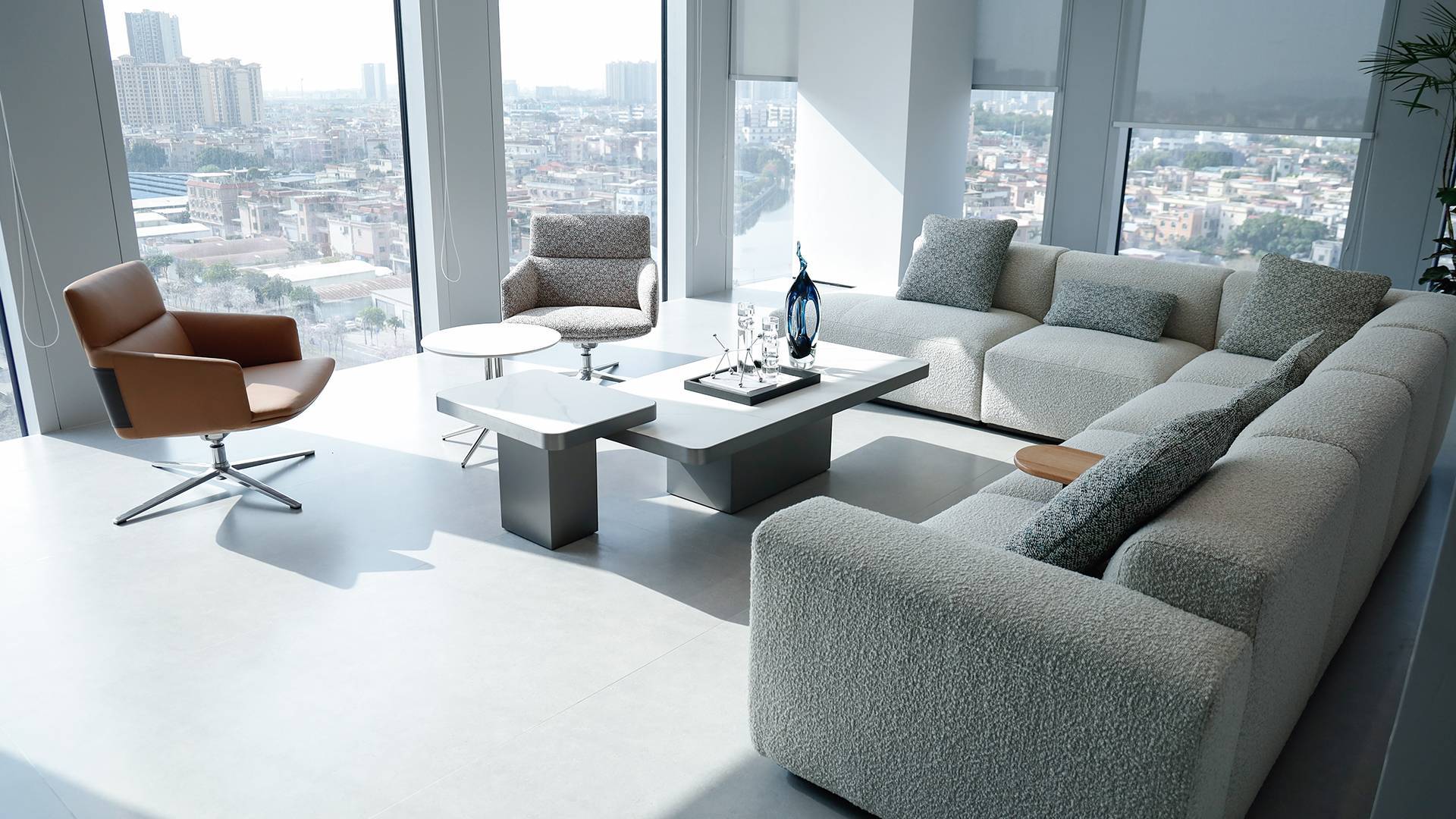
Core Viewpoint - Jingyi Co., Ltd. has achieved remarkable business results in the competitive office chair design market by adhering to the philosophy of "linking globally popular designs and leading design trends" and focusing on original design and product development [1]. Group 1: Design and Innovation - The company emphasizes collaboration with outstanding domestic and international design teams, fostering an open design culture that injects new creative inspiration and enhances product diversity and internationalization [3]. - Jingyi Co., Ltd. integrates consumer needs into every design phase through market research and user feedback, striving to combine practicality and aesthetics in each product [3]. - The product line includes various office chairs catering to different customer needs, with successful sales in over 120 countries and regions, showcasing the company's design strength and brand influence on the international stage [3]. Group 2: Quality and Production Management - The company continuously pursues user satisfaction, with multiple products winning prestigious international design awards, affirming its high-quality status in the industry [5]. - Jingyi Co., Ltd. has implemented advanced manufacturing technologies and equipment in its production process, ensuring strict quality standards while optimizing production efficiency and reducing costs [5]. - The company adheres to environmental responsibility by minimizing environmental impact during material selection and production processes [5]. Group 3: Market Strategy and Customer Service - The company actively monitors market changes and adjusts strategies to meet evolving consumer demands, conducting regular market analysis to understand industry dynamics [5]. - Jingyi Co., Ltd. enhances brand exposure and reputation through various channels, effectively increasing brand influence by combining online and offline marketing strategies [5]. - A comprehensive after-sales service system is established to prioritize customer experience, with regular satisfaction surveys to gather feedback for continuous improvement [7]. Group 4: Future Outlook - Looking ahead, Jingyi Co., Ltd. plans to increase R&D investment to launch more innovative products that meet diverse consumer needs and explore new market opportunities, particularly in emerging markets [7]. - The company aims to maintain its leadership in the office chair design industry by continuing to innovate and strive for higher goals, reinforcing its commitment to linking globally popular designs and leading design trends [7].
广交会三期来了!适老设计与东方美学同台,法国采购商连称赞
Nan Fang Du Shi Bao· 2025-05-01 14:11
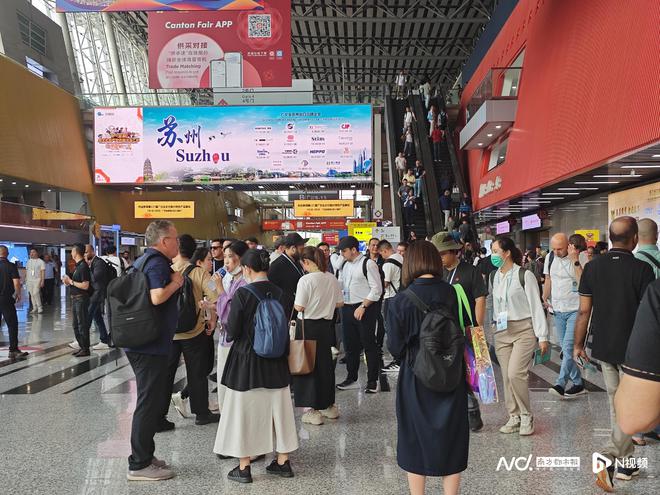
Core Insights - The 137th Canton Fair showcases the resilience of China's foreign trade, highlighting innovative designs and products that cater to both the aging population and global aesthetic trends [1][4][12] Group 1: Silver Economy and Aging Population - The fair features products designed with aging consumers in mind, such as anti-slip carpets and bio-based shoe insoles, indicating a shift towards addressing the needs of the elderly [4][6] - Companies are embedding elder-friendly features into their products, with examples like a bio-based insole made from corn extract that improves comfort and durability [4][6] - The fair has established a dedicated section for the silver economy, with a special event planned to showcase new products aimed at this demographic [6] Group 2: Design Evolution and Global Trends - Chinese manufacturers are transitioning from being mere OEMs to becoming trendsetters in design, as evidenced by foreign buyers seeking collaborative design discussions [9][12] - Innovative materials and techniques are being employed, such as a chiffon top that combines plant fibers with denim, showcasing a blend of aesthetics and functionality [11] - The fair has seen an increase in high-quality exhibitors, with over 2,200 companies recognized for their innovation and specialization, reflecting a commitment to design and R&D [11] Group 3: Market Diversification and Cross-Border E-commerce - Companies are adopting a market diversification strategy, with significant growth in orders from Belt and Road countries, indicating a shift in focus to emerging markets [12][18] - Cross-border e-commerce is becoming a critical area for growth, with companies like Bonnie Bio achieving significant sales through platforms like Amazon [17] - The industry is adapting to local market preferences, with customized products for different regions, demonstrating a flexible approach to international trade [12][18]
激流造浪 驭势而上丨欧哲门窗2025品牌战略发布会暨新品盛典成功启幕
Jin Tou Wang· 2025-03-31 02:14
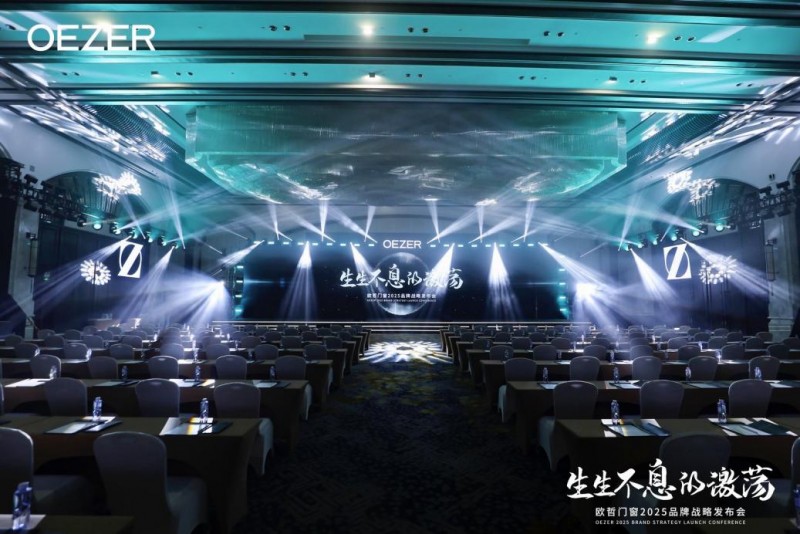
Core Viewpoint - The launch of OEZER's 2025 brand strategy emphasizes sustainable growth and innovation in the high-end window and door market, focusing on design co-creation, product iteration, service upgrades, and brand positioning [2][10][12]. Group 1: Brand Strategy and Market Positioning - OEZER, as a pioneer in the high-end window and door sector, remains committed to its market positioning and brand mission [6]. - The company is entering a "structural growth" phase as the cyclical growth of the window and door industry comes to an end, aiming for sustainable high-quality development through internal innovation [8]. - The 2025 strategy will focus on four core areas: design co-creation, product iteration, service upgrades, and brand positioning [10]. Group 2: Product Innovation and Collaboration - The first quarter of 2025 saw the introduction of seven new products that embody the core concepts of "green low-carbon, design innovation, and intelligent ecology," showcasing OEZER's commitment to creating a comprehensive ecosystem for windows and doors [13][15]. - OEZER collaborates with strategic partners to launch the "Global Supply Ecosystem Initiative," aiming to build an efficient supply chain system to support ongoing business development [18]. - The company has a history of cross-industry collaborations in design, recently announcing a partnership with renowned designer Dai Kun to enhance its brand image and store design [19]. Group 3: Brand Communication and Future Vision - OEZER's brand director highlighted the importance of adapting to the new internet era and social media evolution, positioning the brand to thrive amidst change [24]. - The 2025 brand communication strategy aims to enhance online presence and create annual brand events and product promotion plans [26]. - The company plans to develop a rich content ecosystem by collaborating with cross-industry influencers to create authentic and engaging narratives [29].
健忘的汽车设计
汽车商业评论· 2025-02-02 08:27
因为无论是否承认设计的发展进程充满了间歇的弯折和往复,无论是要思考抽象的风格、还是具象 的造型,只要是宏观纵向的视角,历史中众多前辈和作品都将无法忽略。此外,创新往往时不时的 需要通过对历史人物和作品的批判或扬弃来确立自己的存在,这是设计创新在对历史的回顾和思考 中获取滋养和能量的一种反向形式。 无论我们对历史设计的利用是采取正向还是反向的方式,都必须具备一个前提条件,那就是我们拥 有对历史的备忘和记录,并且这些记录要足够真实和详备。然而,就中国的汽车设计领域而言,这 种记录的习惯却显得非常不足。其原因主要有两个方面。 一方面,在上个世纪,中国的汽车完全没有实现私人化。那个时候,车型的数量和总产量都很有 限。汽车这个工业文明的产物与大众的生活距离十分遥远,其记录仅仅局限在极小的科技工程领 域,汽车设计相关的信息流传和保存的情况都非常差。 另一方面,21世纪中国汽车私有化普及仅仅花费了不到二十年的时间。在这段时间里,中国人购买 和使用的汽车的设计风格跨越了从上世纪70年代到21世纪最新潮流将近50年的周期。这种超越一倍 的差异客观上加速了中国人汽车消费的新旧迭代习惯。中国人平均不到四年就会更换一辆汽车,这 个速 ...