设计创新

Search documents
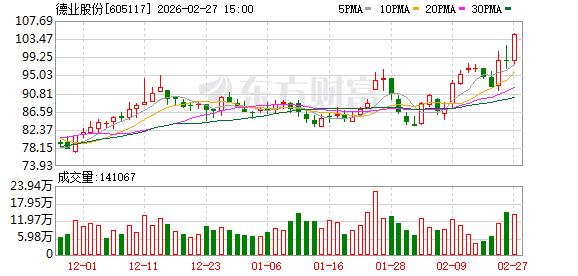
德业股份两款产品获得iF设计大奖
Zheng Quan Ri Bao· 2026-02-27 07:09
Group 1 - The core message of the article highlights that Ningbo Deye Technology Co., Ltd. has won the iF Design Award for its dehumidifier P40 and humidifier F15Pro, showcasing its commitment to innovation in humidity control [2] - Deye has maintained the top position in online sales of dehumidifiers for ten consecutive years, establishing itself as a recognized leader in the industry through core technology, a complete supply chain, and stringent quality control [2] - The company is expanding its presence in the humidification sector, aiming to become a benchmark brand with products that emphasize health, intelligence, and aesthetics [2] Group 2 - Deye's future strategy focuses on a guiding principle of "comprehensive collection, rapid response, exceeding expectations, and continuous improvement," aiming to empower products through design and drive development through innovation [2]


设计之都 创意新春(文化中国行·中国年味 时代气象)
Ren Min Ri Bao· 2026-02-20 23:09
Group 1: Jewelry Design and Market Trends - The jewelry designer Liu Mingming has launched a series of zodiac-themed products for the Year of the Horse, showcasing a blend of traditional and modern design elements [6][8] - Liu's designs, including the "Flower Silk Horse" pendant, have undergone extensive iterations, with over 100 versions created before finalizing a selection of about ten [6][7] - The shift towards e-commerce has allowed designers like Liu to engage directly with consumers, leading to more responsive product development [7][8] Group 2: Cultural and Creative Market - The creative market in Shenzhen is vibrant, with local designers like Li Zhao creating unique products such as horse-themed red envelopes that blend traditional art forms with modern aesthetics [9][10] - Li Zhao's designs draw inspiration from shadow puppetry and incorporate innovative techniques like laser gold plating, merging retro and contemporary styles [9][10] - The local creative scene is characterized by a focus on originality and quality, moving away from the previous "cheap wholesale" image of the industry [8] Group 3: Architectural Innovation and Collaboration - The construction industry in Shenzhen is experiencing a transformation with the integration of AI tools for project management, enhancing efficiency in safety reporting [12][13] - Hong Kong's architectural practices are being adapted in Shenzhen, emphasizing a collaborative approach that leverages strengths from both regions [12][13] - The development of a robust supply chain in the Greater Bay Area facilitates rapid innovation and collaboration in construction projects [13]

“科技+时尚”,千亿羽绒服“温暖产业”加速发展
Xin Hua She· 2026-01-26 11:29
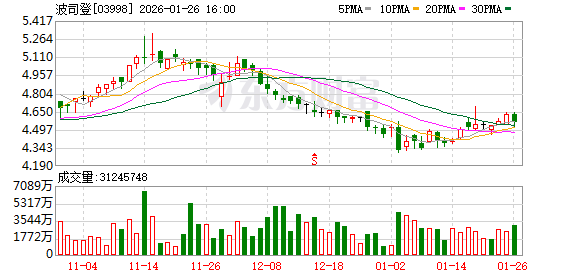
Market Overview - The winter season has led to a surge in the down jacket market in China, with the market size expected to reach 250 billion yuan by 2025, reflecting a compound annual growth rate (CAGR) of 11.5% from 2020 to 2025, significantly higher than the global average [2] Technological Empowerment - The upgrade of raw materials and production processes is crucial for ensuring the quality of down jackets. High-loft down is increasingly used, enhancing thermal performance, while smart equipment reduces errors during filling, improving product consistency [3] - Intelligent equipment transformation in down jacket production is becoming a consensus, with companies like Anhui Lego Textile Technology Co., Ltd. achieving a production time of just three hours from raw material to finished product through digital and automated upgrades [4] - Leading companies, such as Bosideng, have established intelligent manufacturing systems that enhance supply chain collaboration, reducing product delivery cycles to 7-10 days and achieving over 70% coverage in autonomous production scheduling [5] Design Innovation - Consumer preferences are shifting towards stylish and lightweight designs, with many brands focusing on original designs that cater to various age groups and scenarios. Companies are developing numerous new styles annually to stay competitive [7] - The integration of traditional Chinese cultural elements into modern designs is becoming a trend, with brands creating unique visual effects by combining traditional motifs with contemporary fashion [7] - Artificial intelligence is being utilized in design systems, enabling a fully digital closed-loop process from design conception to virtual garment delivery, significantly reducing sample development time and costs [8] Regulatory Upgrades - Recent discussions around the quality of down jackets have highlighted consumer concerns, leading to increased regulatory scrutiny. New standards have been introduced to ensure the quality of filling materials in down jackets, which are often difficult to assess [9] - Local regulatory bodies are enhancing quality control measures, with many manufacturers establishing testing laboratories to ensure product quality through rigorous inspections [9][10] - Industry associations are actively combating counterfeit products and promoting a cleaner online market, while also establishing traceability systems to strengthen source governance [10]
财经聚焦丨“科技+时尚”,千亿羽绒服“温暖产业”加速发展
Xin Hua Wang· 2026-01-26 10:56
Core Insights - The Chinese down jacket market is expected to reach a scale of 2500 billion yuan by 2025, with a compound annual growth rate of 11.5% from 2020 to 2025, significantly higher than the global average [1] - Consumer demand is shifting from mere warmth to a combination of technology and fashion, driving the industry towards structural upgrades and high-quality development [1] Group 1: Technological Empowerment - The upgrade of raw materials and production processes is essential for ensuring the quality of down jackets, with high-loft down being widely used for better insulation [2] - Intelligent equipment, such as automatic filling machines, is being adopted to enhance product consistency and reduce errors during production [2] - Digital and automated transformations have significantly reduced production time, with some companies able to produce a down jacket in just three hours [5] - Leading companies like Bosideng are implementing smart manufacturing systems that shorten product delivery cycles to 7-10 days through deep collaboration across the supply chain [5] Group 2: Design Innovation - There is a growing consumer focus on design, lightweight materials, and aesthetics, prompting companies to form specialized design teams to create new products [6][7] - Many brands are integrating traditional Chinese cultural elements into modern designs, enhancing the appeal of down jackets [8] - Artificial intelligence is being utilized in the design process, creating a digital closed-loop from concept to virtual garment delivery, thus reducing development time and costs [8] Group 3: Regulatory Upgrades - Recent discussions highlight the importance of quality in down jackets, leading to enhanced regulatory measures to ensure product standards [9] - Local regulatory bodies are establishing comprehensive quality control systems and conducting regular inspections to ensure compliance with new standards [11] - Industry associations are actively combating counterfeit products and promoting a transparent supply chain through initiatives like the global down traceability system [11]

中国汽车设计与全球汽车的对话
Zhong Guo Qi Che Bao Wang· 2026-01-19 03:39
Core Insights - The automotive industry is undergoing a significant transformation, with rapid product and technology iterations and increasingly diverse user demands. The design philosophy and values of automobiles are evolving, emphasizing the importance of brand culture and values in automotive design [1] Group 1: Globalization of Chinese Automotive Design - Chinese automotive design is entering a global era, with increasing visibility and recognition on the world stage. The transition from "Made in China" to "Chinese aesthetics" signifies a growing resonance of Chinese automotive design globally [1] - The discussion at the 18th "China Automotive News" Consumer Model Ceremony highlighted the global development of Chinese automotive design, with industry leaders sharing insights on this evolution [2][4] - The integration of electric and intelligent technologies into automotive products is expanding the definition and functionality of vehicles, presenting both challenges and opportunities for design [6][7] Group 2: Design Challenges and Innovations - The automotive design landscape faces challenges such as homogenization, where differentiation through design becomes crucial as technology reaches a level of parity. This necessitates a focus on design innovation to create unique product value [8] - The integration of AI tools in design processes is reshaping the role of designers, enhancing their capabilities while also raising questions about the future of design jobs [9] - The long-term vision for automotive design must balance current market demands with sustainable brand development, moving beyond superficial design elements to create meaningful user experiences [14][18] Group 3: Cultural Transmission through Design - Chinese automotive design plays a critical role in conveying cultural values and narratives to the global market, facilitating a deeper understanding of Chinese culture and innovation [11][10] - The evolution of design education and the emergence of talented Chinese designers are contributing to the global competitiveness of Chinese automotive products [12][13] - The design process must focus on user needs and experiences, ensuring that products resonate with consumers while also reflecting the brand's identity and values [20] Group 4: Future Directions in Automotive Design - The future of automotive design will require a shift towards creating value for users, with designers potentially evolving into lifestyle designers who address broader consumer needs [19] - Continuous adaptation to market demands and technological advancements will be essential for maintaining competitiveness in the global automotive landscape [16][17] - The establishment of a global design framework is necessary for Chinese automotive companies to effectively respond to international market challenges and consumer expectations [12][13]




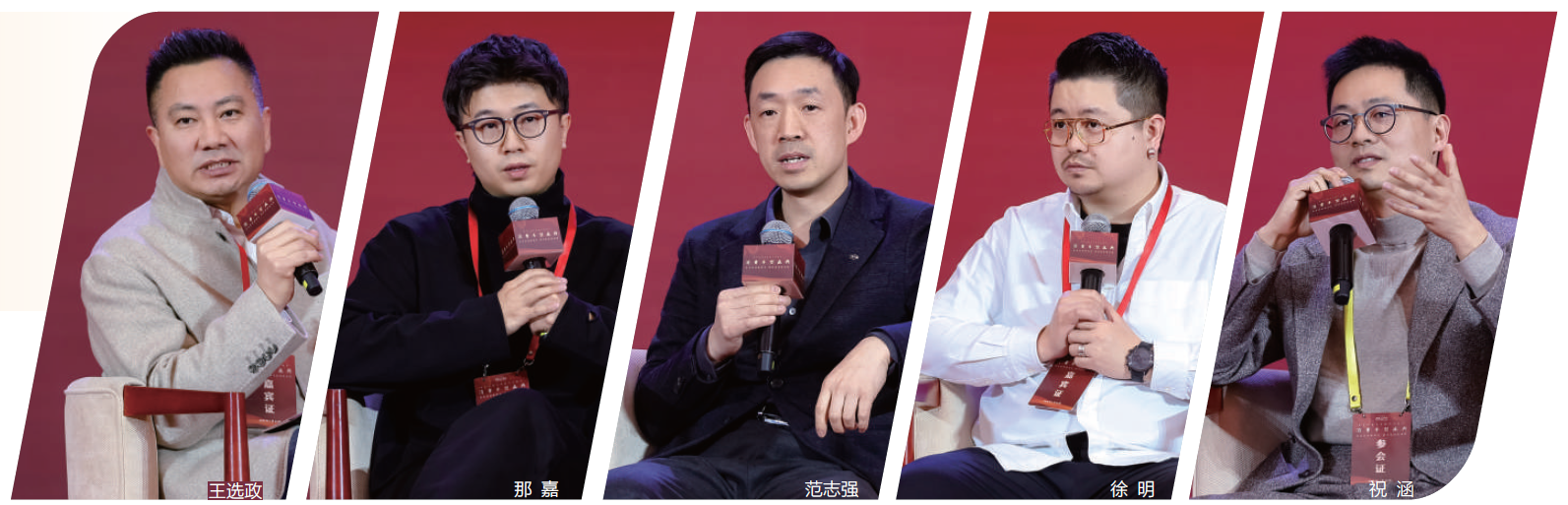
索菲亚:公司始终围绕消费者需求,持续构建自身的产品与服务优势
Zheng Quan Ri Bao Zhi Sheng· 2026-01-09 13:16
Core Viewpoint - The company emphasizes its commitment to consumer needs and aims to enhance its product and service advantages through various strategies [1] Group 1: Product and Service Advantages - The company leads the industry with its environmentally friendly standards centered around the Kangchun board, which has formaldehyde emissions significantly lower than the ENF-level new national standard and has received multiple international certifications [1] - Leveraging 40 years of customization experience and international design resources, the company offers diverse styles, personalized customization solutions, and efficient design services [1] - The company has established a 4.0 smart manufacturing factory and eight major bases nationwide, achieving a short delivery cycle of 7-12 days and transparent production services [1] - A multi-brand matrix allows the company to accurately cover different consumer tiers and niche markets, creating category synergy advantages [1] Group 2: Future Focus - The company plans to continue focusing on environmental upgrades, design innovation, and manufacturing efficiency improvements to strengthen and enhance product competitiveness [1]

中国美术家协会青年设计人才培养计划“设计100”在穗启动
Xin Lang Cai Jing· 2025-12-27 03:17
Core Viewpoint - The "Design 100" project, initiated by the China Artists Association, aims to cultivate high-level design talents in response to national strategic needs and societal development trends [1][3]. Group 1: Project Overview - The "Design 100" project focuses on the design field and is hosted by the China Artists Association, with the China Federation of Literary and Art Circles' Art Center and Guangzhou Academy of Fine Arts as co-organizers [1][3]. - The project received 168 team applications from across the country, with a total of 623 participants, and selected 100 core members for training after a rigorous selection process [3]. Group 2: Training and Curriculum - The training program will run until December 28 and includes specialized lectures, theoretical studies, design thinking workshops, and field research to enhance participants' design thinking and industry insight [4]. - The curriculum is designed to align closely with industry demands, incorporating cutting-edge training concepts and high-quality practical platforms [3][4]. Group 3: Industry Collaboration - Guangzhou Academy of Fine Arts will leverage resources from the Guangdong-Hong Kong-Macao Greater Bay Area's quality industrial and supply chains to support the project [3]. - The project aims to transform high-quality creative ideas into viable innovative products and entrepreneurial projects [3].
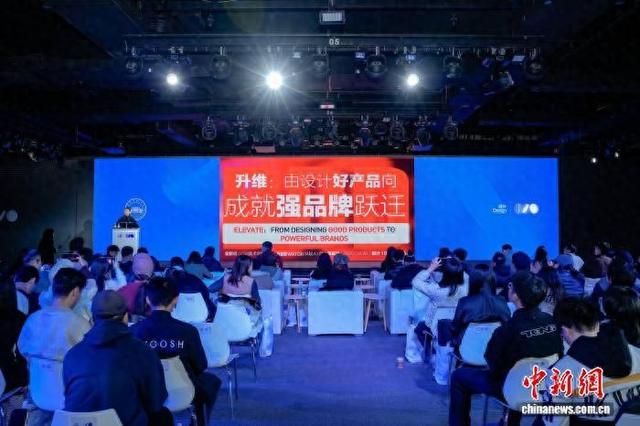
“设计营商周2025”开幕 全球设计界聚焦东方之珠
Jing Ji Wang· 2025-12-10 07:31
Group 1 - The Design Business Week 2025 summit, hosted by the Hong Kong Design Centre, will take place from December 3 to 6, focusing on the theme "Curiosity: Inspiring Design Innovation" with Italy as the partner country [1][3] - The event will gather over 50 global creative leaders and entrepreneurs to explore cutting-edge trends and cross-disciplinary possibilities in design, covering six key themes including urban concepts, mobility innovation, and AI and technology [3][4] - The summit aims to enhance the quality of life through excellent design and to envision a better future shaped by design thinking, highlighting Hong Kong's role as a cultural exchange hub [3][4] Group 2 - The Design Business Week will feature flagship projects like BODW In the City 2025, which includes over 40 thematic activities across major areas in Hong Kong, encouraging public engagement with global design trends [5] - The event will also showcase the "Earth Series" exhibition by Tai Ping Carpets in collaboration with renowned architect and designer, capturing the beauty of natural seasonal changes through exquisite designs [6] - The design industry is positioned as a crucial engine for regional collaborative development, linking technology, culture, and economy, with Hong Kong serving as a gateway for international design into the Chinese market [6][7]
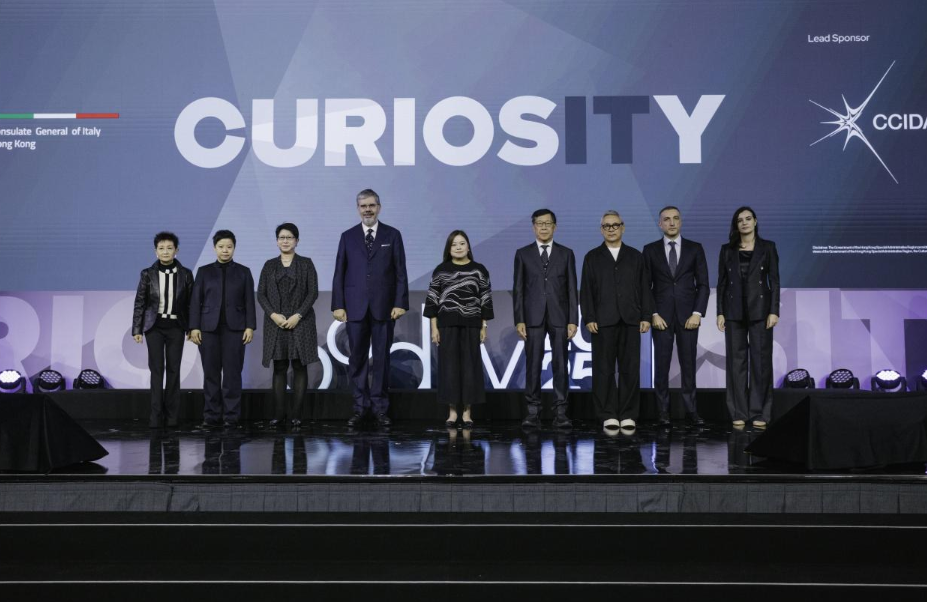
江西万载:小小香水瓶“飘香”海外
新华网财经· 2025-11-27 02:55
Core Insights - The article highlights the significant growth and international expansion of Jiangxi Tiya Hardware Co., Ltd., which has become a key supplier in the Middle Eastern perfume bottle market, with over 70% of its revenue coming from overseas markets in 2024, and an export value exceeding $60 million, marking a 200% year-on-year increase [2][3]. Group 1: Company Development - The company was established in 2021 in Wanzai County, Jiangxi, and has rapidly developed into an important player in the perfume bottle market, exporting to countries such as Dubai, Iran, and Israel [2]. - A pivotal moment for the company occurred in 2013 when the chairman identified a strong demand for high-quality perfume bottles in the Dubai market, leading to a strategic shift towards the production of perfume and essential oil bottles [3]. Group 2: Innovation and Market Strategy - The company invests 10 million yuan annually in design and research and development, launching over 300 new products each year, which has helped it transition from imitation to trendsetting in the market [3]. - Tiya Hardware has established a regular market research mechanism, sending teams to Dubai to ensure product designs meet local market demands, focusing on details such as bottle shape, color combinations, and material selection [3]. Group 3: Cultural Integration - The product line incorporates traditional Chinese cultural elements, such as plum, orchid, bamboo, chrysanthemum, and dragon patterns, which resonate with overseas consumers and enhance the appeal of Chinese culture through everyday items [4]. - The company's approach demonstrates how continuous innovation and cultural empowerment can help a regional Chinese manufacturer secure a competitive position in the global market [4].
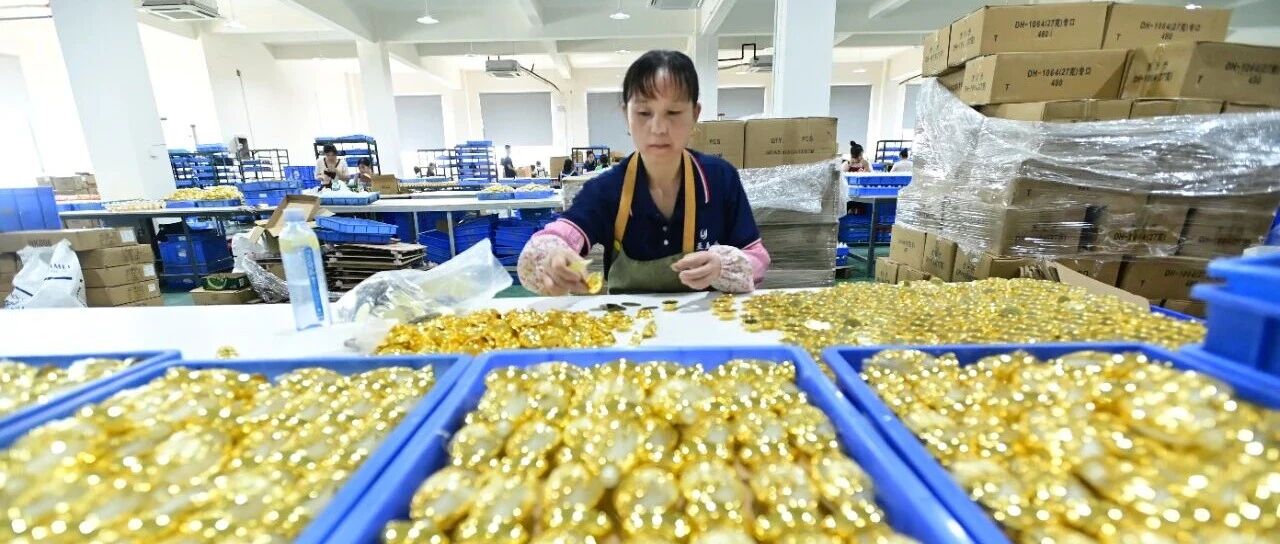
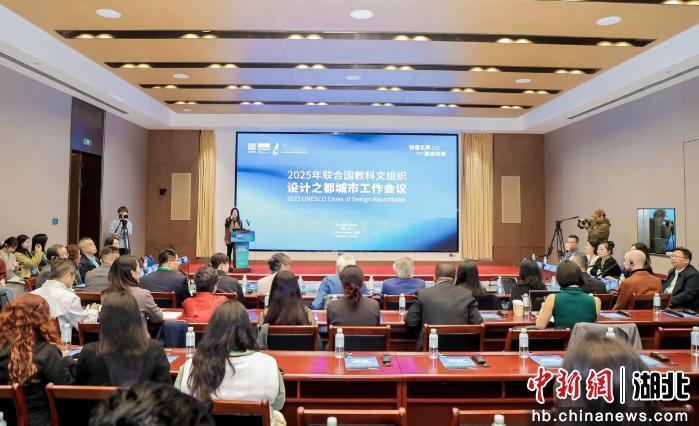
中新网:全球创意城市代表齐聚武汉 共话“设计之都”发展
Zhong Guo Xin Wen Wang· 2025-11-10 13:18
Core Insights - The eighth Wuhan Design Biennale highlighted the role of artificial intelligence and digital technology in enhancing global competitiveness in cultural creativity and promoting sustainable urban development [1][3]. Group 1: AI and Design Integration - The event featured discussions on the integration of "design + technology," "design + manufacturing," and "design + life" to empower urban innovation and improve quality of life [3]. - AI is recognized for significantly increasing design efficiency and unleashing creative potential, while maintaining the intrinsic value of design as a social force [3][4]. - AI applications in architecture can enhance efficiency through functions like scheme generation, cost prediction, energy optimization, and safety monitoring, contributing to green and low-carbon goals [3]. Group 2: Education and Talent Development - The need for a composite talent training system of "AI + design" in higher education was emphasized, advocating for a shift in educators' roles from knowledge transmitters to creative guides [4]. - The focus is on cultivating a new generation of designers equipped with critical thinking and innovative spirit [4]. Group 3: Global Recognition and Local Impact - Experts agree that Wuhan, with its rich historical background and innovative technological environment, is one of the most promising nodes in the global creative cities network [5]. - Wuhan's innovative practices in ecological civilization, community renewal, and design education are gaining international attention as a "Chinese model" [5]. - The biennale expanded the boundaries of design, encouraging community and daily life integration, while emphasizing that the core of design remains human wisdom [5].