黄金回收

Search documents
黄金回收、“以旧换新”业务量大涨 这些套路要小心
Sou Hu Cai Jing· 2026-02-05 23:10
Core Viewpoint - Recent fluctuations in gold prices have led to increased activity in the gold market, with many consumers looking to buy or sell gold, prompting long queues at gold shops for both purchases and exchanges [1][2]. Group 1: Gold Recovery Channels - There are various channels for gold recovery, including banks, brand gold stores, professional recyclers, online second-hand trading platforms, pawn shops, and small vendors [2]. - The recovery price is primarily based on the daily gold market price, with different institutions applying varying fees and requirements [2]. Group 2: Common Complaints in Gold Recovery - Complaints regarding offline recovery and exchanges often focus on high service fees, unclear pricing standards, and disputes over weight loss during the melting verification process [4]. - Some merchants attract customers with high initial offers, only to later reduce the price based on purity or wear and tear [5]. - Merchants may obscure the difference between weight units (grams vs. ounces) and hide additional fees, leading to significant reductions in the final payout [6]. - A few merchants conduct weight measurements in separate rooms, preventing consumers from verifying the process [8]. Group 3: Risks in "Old for New" Exchanges - Many chain stores now offer "fixed-price" gold jewelry, which may result in consumers receiving significantly less gold weight when exchanging their old pieces [10]. - Most merchants require destructive testing of gold items for purity, with the assessment being solely at the merchant's discretion, potentially leading to disputes over the valuation [11]. Group 4: Online Recovery Issues - Complaints about online recovery often involve delays in payment or refusal to pay after consumers send in their gold for inspection [13]. Group 5: Consumer Precautions - Consumers should familiarize themselves with gold purchasing knowledge to avoid falling into merchant traps, such as understanding the difference between "per gram" and "fixed-price" gold [14]. - It is advisable to choose reputable channels and verify the business credentials of merchants, especially avoiding transactions with unverified vendors [14]. - Consumers should inquire about the rules for "old for new" exchanges and compare offers from different stores before making a decision [14]. - Attention to transaction details is crucial; consumers should weigh their old gold beforehand and confirm exchange rules with merchants [16]. - It is important to request receipts that detail the exchanged items and retain all relevant documentation to support any future disputes [16]. Group 6: Investment Considerations - The recent volatility in gold prices has attracted many to purchase physical gold, but experts advise against ordinary investors buying gold for investment purposes due to various risks that are difficult to assess [18].


黄金回收火热!金价如何计算?消费者要注意什么?
Huan Qiu Wang· 2026-02-03 12:27
Core Viewpoint - Recent fluctuations in gold prices have led to an increase in consumers selling their gold products, despite prices remaining relatively high after significant increases in recent years [1] Group 1: Differences in Gold Products - Gold purity is primarily distinguished by two standards: the thousandths system and the K gold system, with higher gold content indicating higher purity [2] - Common gold types include Au999 (999‰ purity, known as "pure gold") and Au990 (990‰ purity, known as "foot gold") [2] - K gold is an alloy of gold and other metals, with 24K gold theoretically being 1000‰ pure, while 18K gold contains 750‰ gold and can come in various colors depending on the alloying metals used [3] Group 2: Methods for Testing Gold Authenticity and Purity - The fire assay method is the industry "gold standard" for determining gold purity but is destructive and time-consuming [4] - X-ray fluorescence is a non-destructive method that is faster and suitable for preliminary checks, though less precise than fire assay [4] - The density method, based on Archimedes' principle, is a low-cost, non-destructive test but is less accurate and typically used as a supplementary verification method [4] Group 3: Main Gold Recycling Channels - Major gold recycling channels include brand gold stores, banks, and pawn shops, with the industry typically using a combination of fire assay and non-destructive testing methods [5] - The gold recycling price is based on the real-time price from the Shanghai Gold Exchange, adjusted for weight and purity, minus any fees [6] Group 4: Characteristics of Different Recycling Channels - Brand gold stores may accept gold products from various brands and often combine recycling with "old for new" services [7] - Banks generally have a more standardized process and lower fees but may not accept gold jewelry and often require appointments [7] - Pawn shops and individual merchants have lower entry barriers but may lack standardization in pricing and testing, leading to potential disputes [7] Group 5: Consumer Preparation for Gold Redemption - Consumers should be aware of the specific requirements of different institutions, such as needing purchase receipts or certificates for gold redemption [8] - It is advisable for consumers to compare different institutions and understand their rules before proceeding with gold redemption [8] - Proper storage of gold products and related documentation is crucial to avoid issues during the redemption process [8] Group 6: Consumer Considerations During Gold Redemption - Consumers should check the current gold price and inquire about all associated fees before proceeding with redemption [10] - It is important to supervise the weighing and testing process and to avoid letting the gold out of sight until all terms are clear [10] - Consumers are advised to choose reputable channels for transactions and to keep all receipts to protect their rights in case of disputes [10]
Gold Slump Eases as Traders Weigh Unwinding of ‘Crowded' Bets
Youtube· 2026-02-02 22:12
Group 1: Market Volatility and Price Movements - The recent parabolic rally in gold and silver has led to increased market volatility, inviting profit-taking and liquidation on negative news [1] - Gold prices reached a peak of $5,500 per ounce last week but have since corrected to around $4,750, with silver losing 30% of its value in just three days [5][6] - Historical context shows that gold's real high was $850 per ounce in January 1980, which would be approximately $3,400 in today's terms, indicating that current prices are still below significant historical highs [3][4] Group 2: Central Bank Activity and Demand - Central banks have significantly increased their gold purchases, with nearly one-third of gold mined in 2022-2024 going into central bank reserves, which is double or triple the average of the previous decade [7] - Jewelry demand, which constitutes about 50% of physical gold demand, has been affected by high prices, with a noted decline in demand for coins and jewelry [12] Group 3: Supply Dynamics and Recycling - The time required for new gold mining projects has increased to nearly 20 years due to exploration and permitting challenges, making supply responses to price spikes slower [8][9] - Recycling of gold has not seen the expected increase despite high prices, as owners may hold onto their gold during rising markets, similar to real estate behavior [10][11] Group 4: Economic Impact and Geopolitical Risks - High gold and silver prices have a limited macroeconomic impact, primarily reacting to geopolitical and economic conditions rather than setting them [13] - The geopolitical risk index remains high, suggesting that gold prices may reflect underlying economic or geopolitical tensions [14]
旧黄金想变现?记住这几点,避开回收路上的那些“坑”
Sou Hu Cai Jing· 2026-02-02 13:07
Core Viewpoint - The gold trading market is experiencing a surge, with consumers increasingly turning to second-hand e-commerce platforms for transactions, leading to various disputes among sellers [1] Group 1: Consumer Experiences - A consumer in Shenyang, Ms. Zhang, faced discrepancies between the promised and actual payment for her gold bracelet after selling it through a service platform [3] - After realizing the misalignment in pricing, Ms. Zhang insisted on canceling the transaction, but the merchant charged her a "funds occupation fee" of 100 yuan [5] Group 2: Complaints and Issues - Many consumers have reported similar issues on complaint platforms, with offline recovery complaints focusing on high fees, unclear pricing standards, and discrepancies in weight after gold verification [7] - Online recovery complaints often involve merchants failing to make payments within the stipulated time or refusing to pay altogether after receiving the gold [7] Group 3: Recovery Channels and Pricing - The current gold recovery channels include banks, brand gold stores, professional recyclers, online second-hand trading platforms, pawnshops, and small merchants, with varying fees based on the Shanghai Gold Exchange's spot price [9] - The pricing for gold recovery is primarily based on the daily benchmark price from the Shanghai Gold Exchange, with additional fees for processing, verification, and personnel costs [11] Group 4: Expert Recommendations - Experts advise consumers looking to sell gold to avoid falling for high-price recovery promises, choose legitimate institutions, and understand the current gold prices, purity testing, and weight calculations before selling [13] - Consumers should also supervise the weighing and verification process and retain transaction receipts to protect their rights [13]

说一套说一套、“偷重量”、暗扣损耗费、验金后成色缩水……央视起底黄金回收陷阱
Sou Hu Cai Jing· 2026-02-01 01:57
Core Viewpoint - The international gold price has experienced a significant drop, with April gold futures on the New York Commodity Exchange falling below $4,800 per ounce, a decline of over 10% [1]. This has led to increased activity in gold recovery as consumers seek to cash in on their holdings amid fluctuating prices [3]. Group 1: Market Dynamics - The recent drop in gold prices has caused consumers to hesitate in selling their gold, leading to a noticeable decrease in foot traffic at gold recovery outlets [3]. However, some platforms have reported a surge in gold recovery transactions as clients rush to liquidate their assets [3]. - Various channels for gold recovery have emerged, including banks, brand gold stores, professional recovery merchants, online second-hand trading platforms, pawnshops, and small merchants, each with different fee structures based on the daily gold market price [3][4]. Group 2: Consumer Experiences - Consumers have reported discrepancies between promised and actual recovery prices, often due to hidden fees and charges that are not clearly communicated [5]. For instance, a consumer found that the actual amount received was significantly lower than what was initially quoted [5]. - Complaints from consumers primarily focus on high fees, lack of transparency in pricing, and issues with weight discrepancies during the recovery process [5][6]. Online recovery complaints often involve delays in payment or refusal to pay after sending gold for evaluation [6]. Group 3: Industry Practices - The gold recovery industry has been criticized for practices such as misleading pricing, where businesses advertise high recovery rates but later reduce the amount based on purity and weight deductions [6]. Some businesses may also manipulate scales or add impurities to justify lower offers [6]. - Experts recommend that consumers should be cautious of "high-price recovery" offers and should choose reputable institutions for selling gold. They should also be informed about the current gold prices, purity testing, and the complete breakdown of recovery fees before proceeding with transactions [6].
现货黄金价格大跌!多品牌设置退货手续费,“退单一律扣500元”;黄金回收“高价揽客”陷阱多
Sou Hu Cai Jing· 2026-01-31 09:40
Group 1 - The nomination of Kevin Warsh as the Federal Reserve Chairman by President Trump has triggered hawkish market expectations, leading to panic selling in precious metals [1][3] - Gold and silver prices experienced significant volatility, with silver dropping as much as 35.89% and gold falling 12.92%, reaching a low of $4682 per ounce [1] - As of the close, gold was reported at $4880.034 per ounce, marking a 9.25% decline, the largest single-day drop since April 1, 1980 [1] Group 2 - The sharp decline in gold prices has led to a corresponding drop in domestic gold jewelry prices, with brands like Chow Tai Fook and Lao Feng Xiang reporting significant overnight price reductions [5] - Retailers have implemented strict return policies, with some stating that returns will incur a fee of 500 yuan, emphasizing that customers must take responsibility for their purchases [5][6] - The market for gold recovery has cooled due to the price drop, with consumers becoming more hesitant to sell, although some platforms have reported a surge in inquiries about selling gold [8][10] Group 3 - Consumers have reported issues with transparency in gold recovery transactions, including unexpected fees and discrepancies between promised and actual payout amounts [12][13] - The gold recovery process is often complicated by hidden fees and unclear pricing structures, leading to consumer complaints about high charges and misleading practices [14] - Experts advise consumers to be cautious and informed about the gold recovery process, recommending that they understand market prices and fees before engaging in transactions [14]




央视曝光黄金回收“高价揽客”陷阱
Sou Hu Cai Jing· 2026-01-31 08:14
Core Viewpoint - The recent significant drop in international gold prices has led to increased activity in gold recovery, with consumers looking to cash in their holdings while being cautious of potential pitfalls in the recovery process [1][3]. Group 1: Market Dynamics - The gold recovery market has seen a decline in consumer activity due to falling gold prices, with many consumers adopting a wait-and-see approach [3]. - Despite the downturn, some platforms have reported a surge in gold recovery transactions, indicating a potential short-term trend of increased consumer willingness to sell [3][4]. - Various channels for gold recovery exist, including banks, brand jewelry stores, professional recovery merchants, online platforms, pawn shops, and small vendors, each with different fee structures [3][6]. Group 2: Consumer Experiences - Consumers have reported discrepancies between promised recovery prices and actual payouts, often due to hidden fees and charges that are not clearly communicated [5][6]. - A case study highlighted a consumer who was misled about the recovery price, leading to a significant difference in expected versus received amounts, raising concerns about transparency in the recovery process [5]. - Complaints from consumers primarily focus on high fees, lack of transparency in pricing, and issues with the weight of gold being evaluated [5][6]. Group 3: Industry Practices - The gold recovery industry often uses the Shanghai Gold Exchange's spot price as a reference for pricing, but additional fees for processing and handling can significantly reduce the final payout to consumers [4][6]. - Some recovery businesses may employ tactics such as advertising high recovery prices to attract customers, only to later reduce the payout based on purity and weight discrepancies [6]. - Experts emphasize the importance of consumers being informed about gold prices, purity testing, and the full breakdown of recovery fees to protect their interests [7].
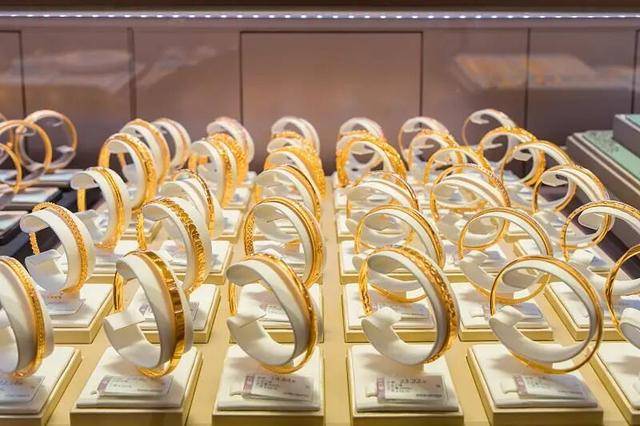
水贝有店铺一天收10公斤黄金!
Sou Hu Cai Jing· 2026-01-30 07:23
Core Insights - The recent surge in gold prices has led to an increase in gold recycling activities, particularly as the Chinese New Year approaches, with many consumers looking to cash in on their gold assets [1][5]. Group 1: Market Trends - The gold recycling price reached 1121 yuan per gram as of January 29, prompting many consumers to sell their gold at high prices [1]. - There is a noticeable increase in both buying and selling activities in the gold market, with investors also turning to silver bars for purchases [1][5]. Group 2: Consumer Behavior - Consumers are exhibiting cautious behavior due to rapid price fluctuations, with some expressing concerns about potential price drops and the timing of their sales [3][5]. - There is a growing preference for physical verification and pricing in brick-and-mortar stores, as some consumers remain skeptical about online recycling options [5]. Group 3: Industry Dynamics - The number of gold recycling-related enterprises in China has reached 2913 as of January 29, with a significant increase in new registrations, indicating a robust growth trend in the industry [6]. - The industry is experiencing a shift towards more conservative business strategies, with companies focusing on quick turnover and transparent pricing amid volatile market conditions [5][6].
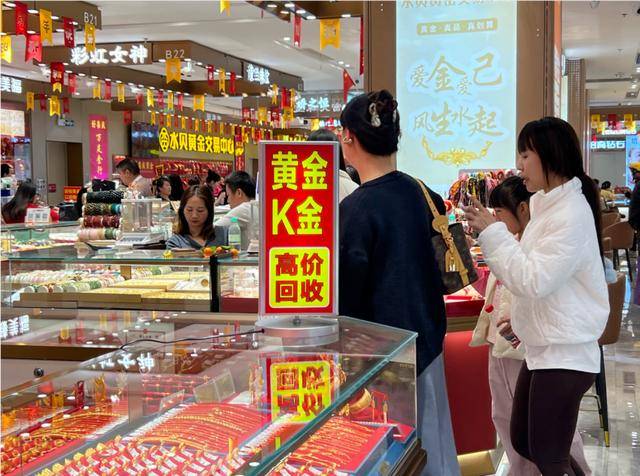
实探丨回收商不敢持金过夜,“一口价”金饰热度提升
证券时报· 2026-01-29 13:00
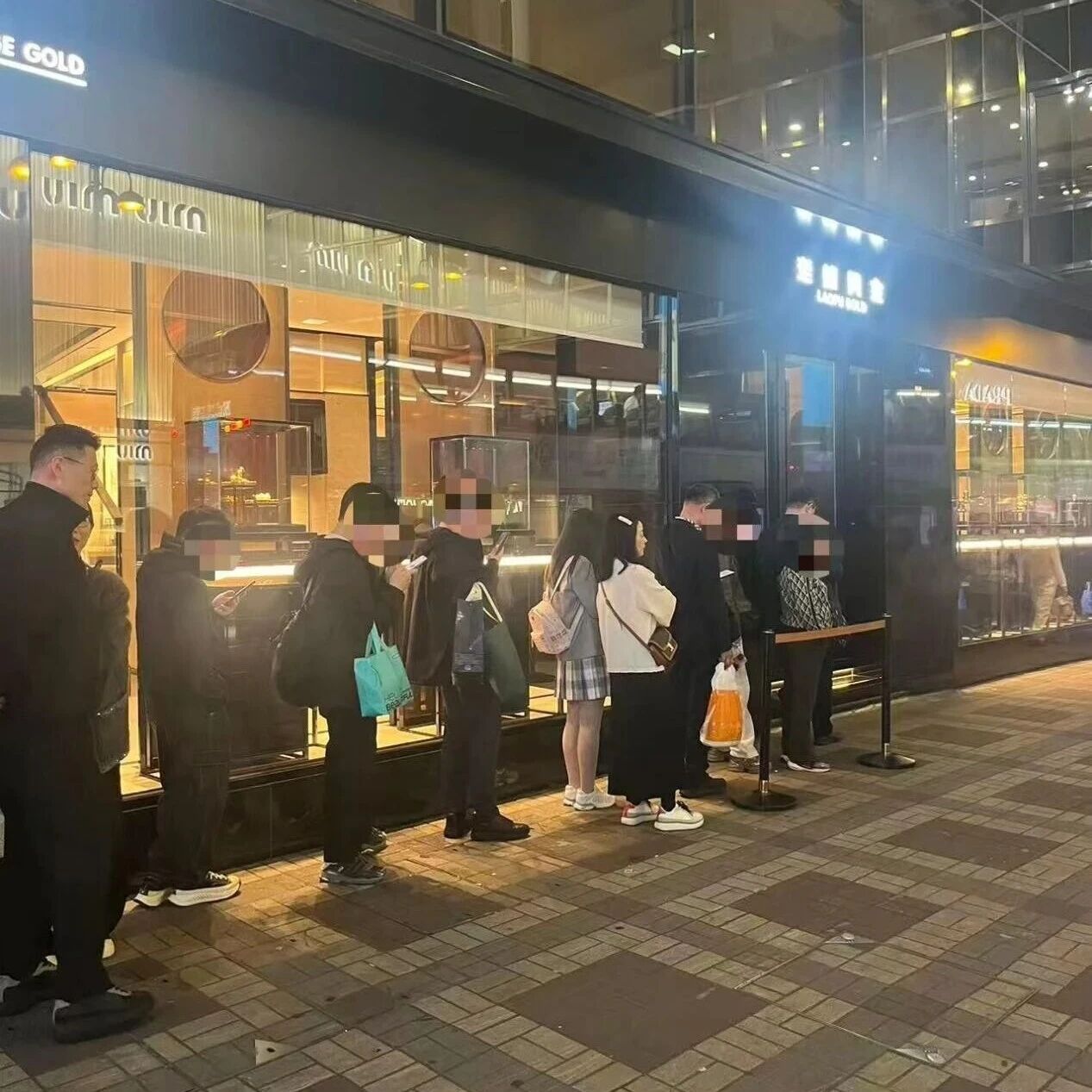
Core Viewpoint - The article highlights the surge in international gold prices and the corresponding increase in gold recycling activities, indicating a strong market response to rising gold values [1][4]. Group 1: Gold Recycling Market - As of January 29, the gold recycling price reached 1223 yuan per gram, a significant increase from under 900 yuan in late October of the previous year, reflecting a dramatic rise in gold prices [4]. - The volume of gold recycling in January saw a month-on-month increase of over 30% compared to December of the previous year, driven by consumers capitalizing on high gold prices [4]. - Merchants are cautious about holding gold overnight due to the volatility in prices, fearing rapid declines that could lead to losses [7]. Group 2: Gold Jewelry Consumption - The World Gold Council reported that gold jewelry consumption in China for Q4 2025 is projected to be 82 tons, a year-on-year decline of 23% and a slight quarter-on-quarter decrease of 3%, marking the weakest performance since 2007 [9]. - Despite the decline in tonnage, the monetary value of gold jewelry consumption in Q4 reached 778 billion yuan, a year-on-year increase of 19%, indicating resilience in value despite lower volume [9]. - The rise in gold prices has led to an increase in the popularity of "fixed-price" gold jewelry, which includes design and craftsmanship in the pricing, making it more appealing to consumers despite higher costs compared to per gram pricing [10][12]. Group 3: Market Trends - Major brands have adjusted prices for "fixed-price" gold jewelry, with increases ranging from 200 to 1500 yuan per item, reflecting the rapid rise in international gold prices [10]. - There is a noticeable trend of consumers preferring "fixed-price" gold jewelry due to its perceived better design and stability in pricing, even as traditional per gram pricing remains prevalent [12]. - Reports indicate that popular gold jewelry items are experiencing stock shortages, with consumers lining up to purchase, demonstrating strong demand in the market [12].
3天涨300美元!金价再破历史性关口
Xin Lang Cai Jing· 2026-01-28 12:41
Core Insights - The gold futures price on the New York Mercantile Exchange surpassed $5,300 per ounce on the 28th, following a significant increase of $300 within three days, marking a historic high [1][10][14]. Group 1: Market Trends - The recent surge in gold prices has led to increased consumer activity in selling gold, with many opting to cash out at high prices [15][17]. - In Shenzhen's Shui Bei gold market, there has been a noticeable influx of customers selling gold, with some transactions involving hundreds of grams [17]. - Consumers are increasingly turning to second-hand e-commerce platforms for gold transactions, seeking more flexible and cost-effective options [17]. Group 2: Challenges in Gold Recovery - The rise in gold recovery activity has been accompanied by numerous consumer complaints regarding the selling process, including issues like inflated quotes and weight discrepancies [18][19]. - Common complaints include high initial quotes followed by deductions for "depreciation" and "purification fees," as well as improper weighing and grading of gold [18][19]. - The lack of accountability in some recovery processes, particularly with "door-to-door" services, complicates consumer rights protection [18][19]. Group 3: Recovery Channels and Pricing - Various gold recovery channels exist, including banks, brand gold stores, professional recovery merchants, second-hand trading platforms, pawn shops, and individual merchants, each with differing fee structures [19]. - Banks typically offer lower fees but may not accept jewelry, while brand stores often combine recovery with exchange offers [19]. - Professional recovery merchants and second-hand platforms have flexible pricing but may have significant variations in service quality and pricing transparency [19]. Group 4: Risk Management for Recovery Merchants - Gold recovery merchants face risks associated with price fluctuations, employing strategies such as rapid turnover and hedging through futures contracts to mitigate losses [20]. - The recent implementation of new tax regulations in the gold sector has prompted a reshuffling of the industry, favoring compliant channels [20]. Group 5: Industry Standards and Recommendations - The China Gold Association has introduced a group standard for gold recovery services, aiming to establish a comprehensive framework for service quality and consumer protection [21]. - The standard is not mandatory, and widespread adoption will take time, as many small merchants lack the necessary qualifications and equipment [21]. - Industry experts recommend that consumers educate themselves on current gold prices and recovery processes, ensuring they understand all fees and retain documentation throughout the transaction [22].