京津冀协同发展

Search documents
金融赋能实体 大行担当实干——中国工商银行河北省分行以金融之力助推河北高质量发展
Zhong Guo Jin Rong Xin Xi Wang· 2026-01-26 08:39
转自:新华财经 "十四五" 期间,中国工商银行河北省分行(以下简称 "河北工行")紧扣国家战略导向与河北发展脉搏,将自身发展深度融入区域经济社会建设全局,以金 融活水精准滋养实体经济。截至 2025 年 12 月末,该行各项贷款余额超 1.2 万亿元,稳居河北第一信贷银行;全部存款、各项贷款增量双双突破千亿大关, 实现同业双首位,交出了一份亮点纷呈的年度答卷。 锚定国家战略 激活协同发展新引擎 在京津冀协同发展战略指引下,河北工行持续优化金融资源配置,精准对接重点领域需求。作为"东数西算"工程京津冀算力枢纽节点建设的金融同行者,该 行已支持近20家算力相关企业,有效承接北京算力外溢,带动本地配套产业协同发展。连续3年作为廊坊经洽会战略合作伙伴,支持石家庄化工物流园区等 重点项目落地,助力构建高效区域物流网络;制定八大省级主导产业专属服务方案,聚焦5个核心城市更新项目,绘就城乡发展新图景。 在雄安新区建设中,河北工行创下多项同业第一。为新区超三分之二疏解央企、疏解机构提供账户服务,实现京雄城际铁路等40余个标志性项目融资全覆 盖,为近50%科创企业、超80%专精特新企业提供专属服务。2025年7月,成功完成全国 ...


张荃:民建建言天津“十五五”,聚力经济提质增效
Zhong Guo Xin Wen Wang· 2026-01-26 05:10
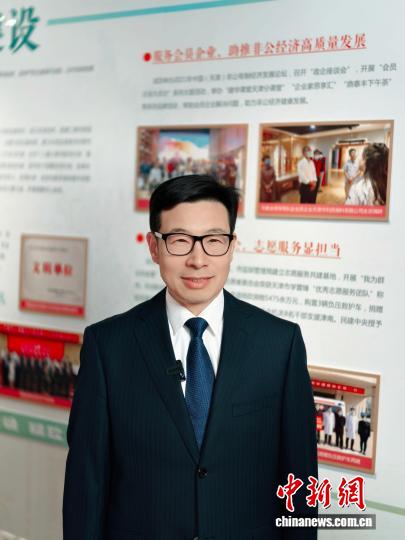
Core Viewpoint - Tianjin is focusing on high-quality development as it embarks on the "14th Five-Year Plan," with the Tianjin Municipal Committee of the China Democratic National Construction Association (民建) playing a crucial role in this process [1][3]. Group 1: Organizational Goals and Strategies - The Tianjin Municipal Committee aims to enhance political guidance, strengthen organizational construction, and improve service capabilities to contribute effectively to the city's development [1][3]. - The committee emphasizes the importance of inheriting and promoting values such as patriotism, democracy, and innovation to support Tianjin's growth [3]. Group 2: Key Initiatives and Recommendations - A significant task undertaken by the committee involved enhancing innovation capabilities and supporting the Tianjin High Education Science and Technology Park, which included extensive field visits and discussions to identify shortcomings [2][4]. - Recommendations from the committee include establishing technology verification centers, creating a collaborative financial support system, and integrating key platform construction into the "14th Five-Year Plan" [4][5]. Group 3: Regional Development and Collaboration - The committee is focused on the Beijing-Tianjin-Hebei coordinated development strategy, proposing a market-oriented approach to leverage Tianjin's regional advantages [4][5]. - Suggestions include enhancing cooperation with neighboring regions, granting greater reform autonomy, and developing a cross-regional benefit-sharing mechanism to facilitate industrial transfer and joint investment [5]. Group 4: Support for Member Enterprises - The committee is constructing a "power support" system to boost member enterprises' confidence and innovation, which includes political guidance, policy interpretation, and economic exchange activities [6]. - Initiatives such as "聚力·引领," "聚力·赋能," and "聚力·链接" are designed to enhance collaboration and resource sharing among member enterprises and government bodies [6].
北京市人大代表张夕勇:建议加快推动北京新型储能产业发展
Bei Ke Cai Jing· 2026-01-26 03:19
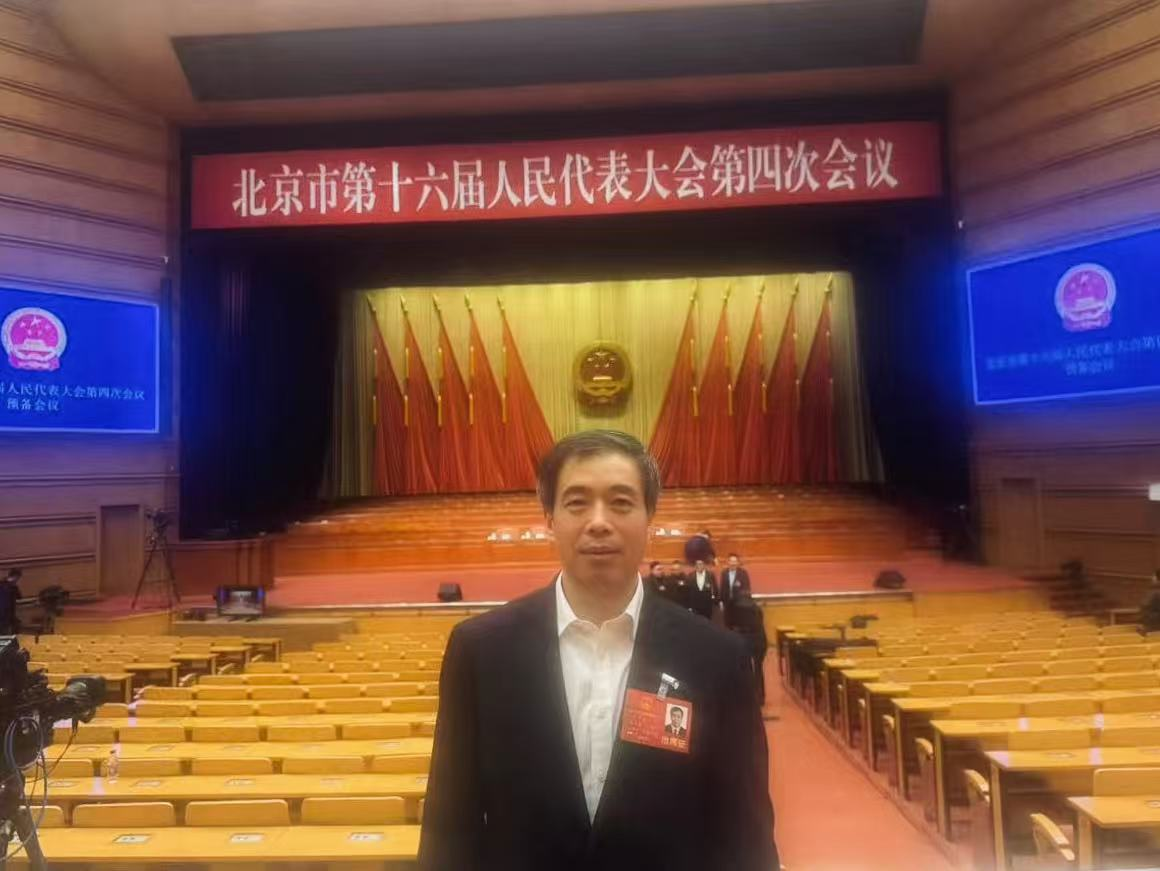
Core Viewpoint - The proposals submitted by Zhang Xiyong emphasize the need for high-quality development of the new energy storage industry in Beijing and the continuous promotion of the fuel cell vehicle demonstration city cluster in the Beijing-Tianjin-Hebei region, aligning with national strategies and carbon reduction goals [2][3][5]. Group 1: New Energy Storage Industry - The development of the new energy storage industry in Beijing is crucial for enhancing energy security and driving regional collaboration, leveraging the capital's technological innovation and green electricity demand [3][4]. - Zhang Xiyong suggests using the Beijing-Tianjin-Hebei collaborative development as an opportunity to strengthen planning and industrial synergy, capitalizing on Beijing's advantages in innovation and regional resources [4]. Group 2: Fuel Cell Vehicle Demonstration City Cluster - The "14th Five-Year Plan" identifies hydrogen energy as a core direction for future industrial layout, highlighting its strategic significance for clean energy transition in transportation and industry [5]. - The fuel cell vehicle demonstration city cluster in the Beijing-Tianjin-Hebei region has established a self-controlled and efficient industrial ecosystem, significantly contributing to the development of core components, hydrogen infrastructure, and cost optimization [5]. - The completion of the four-year demonstration period presents challenges such as insufficient policy alignment and weakened regional collaboration, making the continued development of the fuel cell vehicle cluster essential for consolidating existing advantages and addressing development bottlenecks [5].
今年重点做好十方面工作
Xin Lang Cai Jing· 2026-01-25 19:17
Core Viewpoint - The article emphasizes the importance of implementing urban planning and promoting coordinated development in the Beijing-Tianjin-Hebei region to enhance economic stability and growth [1] Group 1: Economic Development - Strengthening domestic demand capabilities to consolidate and expand the momentum of stable economic growth [1] - Promoting deep reforms and high-level openness to enhance the driving force and vitality of high-quality development [1] Group 2: Education and Talent Development - Integrating education, technology, and talent development to build a competitive new production capacity development pattern [1] Group 3: Urban Management and Governance - Accelerating the transformation of development modes in megacities to improve urban governance and management [1] - Promoting the construction of resilient cities to strengthen the capital's safety defense [1] Group 4: Cultural and Agricultural Development - Enriching the supply of quality cultural resources to enhance the influence of the national cultural center [1] - Advancing agricultural and rural modernization to promote coordinated urban-rural regional development [1] Group 5: Environmental Sustainability - Promoting collaborative efforts in pollution reduction, carbon reduction, and green expansion to build a harmonious relationship between humans and nature [1] - Optimizing public service supply to address the immediate concerns of the populace [1]
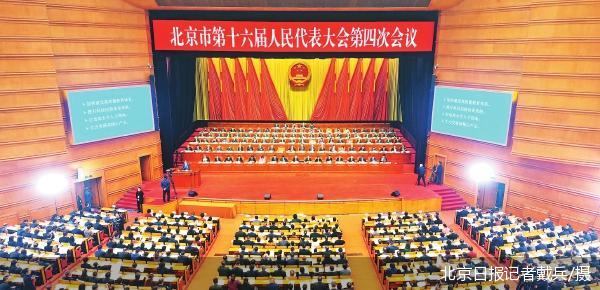
今年北京GDP预计增长5%左右
Bei Jing Shang Bao· 2026-01-25 17:25
Group 1 - The core viewpoint of the article emphasizes the ten key areas of work that Beijing aims to focus on in the upcoming year [2][3] Group 2 - The first area is to deeply implement the overall urban planning and promote the collaborative development of the Beijing-Tianjin-Hebei region [3] - The second area focuses on enhancing domestic demand capabilities to consolidate and expand the positive momentum of economic stability [3] - The third area aims to promote the integrated development of education, technology, and talent to build a competitive new productivity development pattern [3] - The fourth area involves advancing deep reforms and high-level opening up to enhance the driving force and vitality of high-quality development [3] - The fifth area is to enrich the supply of quality cultural resources and enhance the influence of the national cultural center [3] - The sixth area focuses on accelerating the transformation of development methods in mega-cities and improving urban governance [3] - The seventh area aims to promote agricultural and rural modernization to facilitate coordinated urban-rural regional development [3] - The eighth area is to optimize public service supply to address the practical concerns of the populace [3] - The ninth area emphasizes promoting pollution reduction, carbon reduction, and green expansion to build a harmonious coexistence between humans and nature in Beijing [3] - The tenth area is to comprehensively advance resilient city construction to strengthen the capital's safety defenses [3]
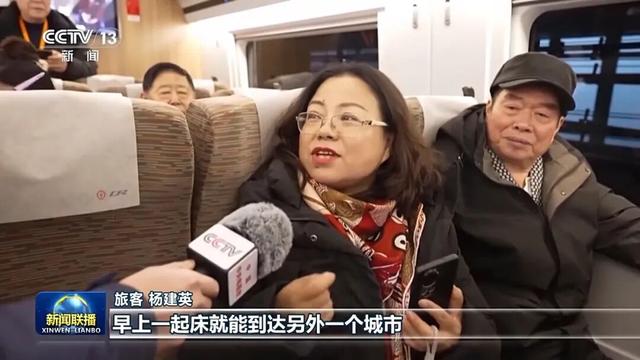
今晚《新闻联播》,用近3分钟介绍北京城市副中心建设
Xin Lang Cai Jing· 2026-01-25 14:09
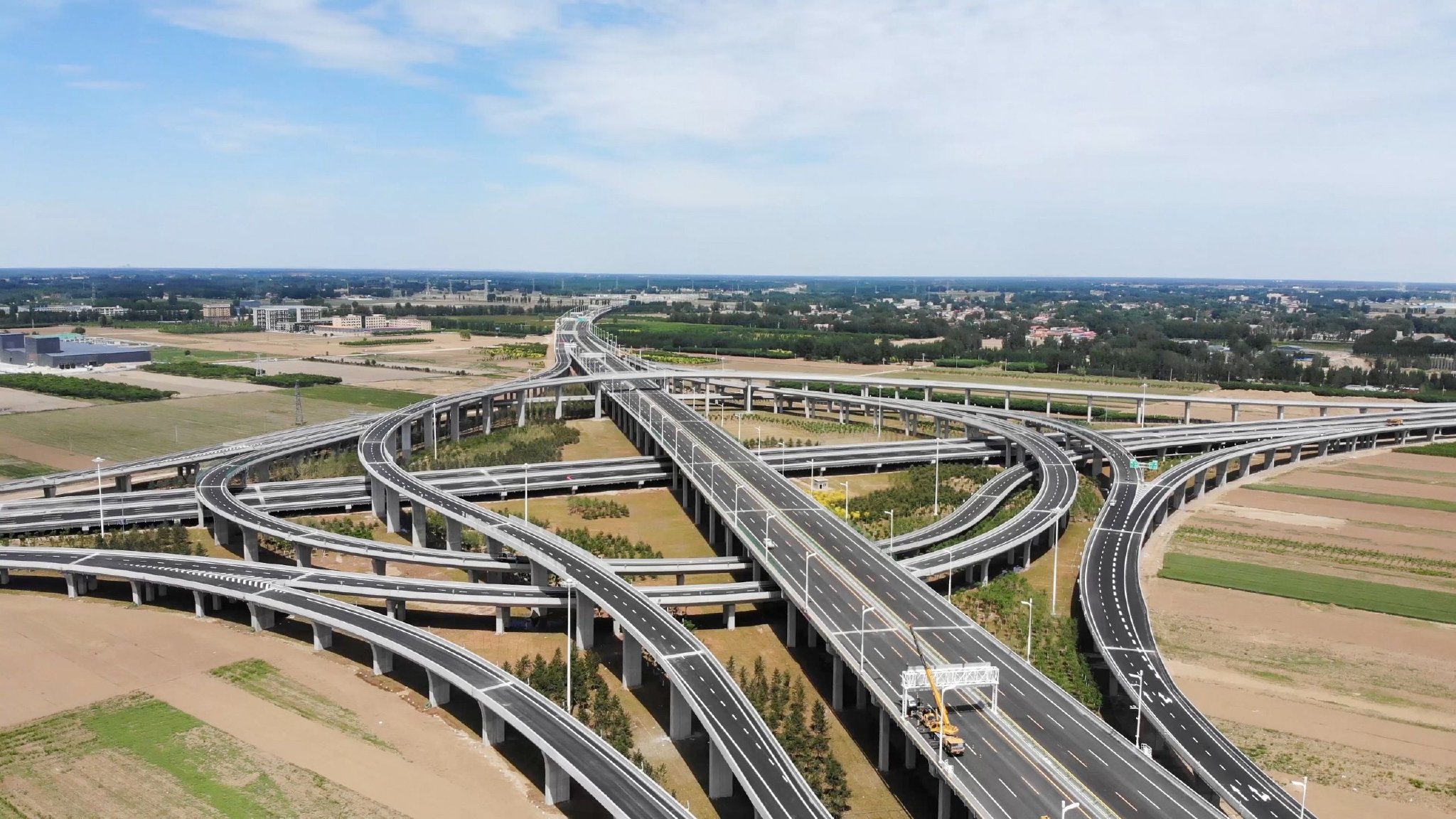
Core Viewpoint - The construction of Beijing's urban sub-center has entered a new phase of functional enhancement and comprehensive development, becoming a significant part of the national strategy for coordinated development in the Beijing-Tianjin-Hebei region [1] Group 1: Development Progress - The Beijing urban sub-center has transitioned from the "foundation period" to a new stage of development over ten years, showcasing itself as a vibrant urban landmark [1] - The Beijing Tongzhou Station has officially commenced operations, serving as a crucial node in the "railway network of Beijing-Tianjin-Hebei," which further shortens travel times and expands the "one-hour living circle" among the three regions [1][3] Group 2: Urban Planning and Infrastructure - The urban sub-center adheres to a planning-led development approach, establishing a structured layout of "one belt, one axis, and multiple clusters," with functional areas such as administrative, business, and cultural tourism zones gradually taking shape [5] - The area has seen a scientific layout of production, living, and ecological spaces, with effective integration of work, residence, transportation, and healthcare [5] - Major state agencies and enterprises are relocating from the central urban area, with over 20 high-quality educational resources and 8 tertiary hospitals now available [5][6] Group 3: Economic Growth and Future Plans - During the 14th Five-Year Plan period, the GDP growth rate of the urban sub-center has exceeded 6% annually [10] - The region is maintaining an annual investment scale of 100 billion yuan, focusing on the implementation of key projects and the alleviation of non-capital functions [10] - Looking ahead to the 15th Five-Year Plan, the urban sub-center aims to accelerate the construction of vibrant urban areas, promote the renewal of traditional business districts, and develop into a world-class tourism destination [12]
北京平原新城已对接投资近300亿元
Xin Jing Bao· 2026-01-25 14:05
Core Insights - In 2025, Beijing will launch the "Pingyuan New City Venture Capital Event" to connect investment institutions with over 300 projects in Pingyuan New City, addressing a financing demand of nearly 30 billion yuan [1][2] - Pingyuan New City is a crucial part of the Beijing-Tianjin-Hebei coordinated development strategy, encompassing Fangshan, Shunyi, Changping, Daxing, and Yizhuang, and aims to enhance regional collaboration and productivity [1] - The Beijing government plans to invest in over 400 fixed asset projects in Pingyuan New City, with significant infrastructure developments including the opening of the North Qing Road and Tongma Road, and the operational launch of Metro Line 18 [2] Investment and Development Plans - The Beijing Municipal Development and Reform Commission will implement a high-quality development plan for the five Pingyuan New Cities, establishing a special work mechanism for coordinated development [1] - An annual work plan will be created, detailing policies, tasks, and projects to ensure effective implementation, supported by a multi-dimensional evaluation system [1] - The initiative is expected to stimulate nearly 1,800 social investment projects, enhancing the overall capacity of the region [2] Industry-Specific Developments - Each Pingyuan New City is developing unique industries, such as the aviation engine maintenance project in Shunyi, the international pharmaceutical innovation park in Daxing Yizhuang, and the national-level testing platform for humanoid robots in Yizhuang [2] - Changping's Future Science City will see the delivery of its national laboratory core area, while Fangshan will implement new energy storage applications [2]
张艺秋:GDP目标5%,北京底气从哪里来?
Xin Jing Bao· 2026-01-25 13:33
Economic Growth Goals - The economic growth target for Beijing in 2026 is set at around 5%, aiming to consolidate the positive trend of economic recovery [1] - The report highlights that 2026 marks the beginning of the "14th Five-Year Plan," amidst a period of both strategic opportunities and challenges [1] External Environment and Resilience - The global landscape is undergoing profound adjustments, with increasing uncertainties due to major power competition and geopolitical conflicts [2] - Despite these challenges, Beijing's economy demonstrated resilience with a growth rate of 5.4% in 2025, supported by a robust export performance [2][3] - The region's exports grew by 5.9% year-on-year in the first eleven months, achieving a historical high, with exports to Belt and Road countries increasing by 7.8% [2] Development Experience and Economic Performance - Over the past five years, Beijing's economy has crossed the 4 trillion yuan mark and reached a new level of 5 trillion yuan, with an average growth rate of 5.2% [3] - Per capita GDP increased from 176,000 yuan in 2020 to approximately 239,000 yuan in 2025, indicating significant economic advancement [3] Policy Support and Market Dynamics - The national policies for 2025, including "two new" and "two重" initiatives, aim to stabilize the market and expectations, with a focus on digital and green consumption [4] - The central economic work conference emphasized a more proactive fiscal policy for 2026, with expectations for increased fiscal deficit rates and the implementation of supportive projects [4] Regional Collaboration and Infrastructure Development - The Beijing-Tianjin-Hebei collaborative development has made significant progress, with major infrastructure projects enhancing connectivity [4][6] - The establishment of a one-hour transportation circle in the core region and a 1.5-hour circle between neighboring cities has been largely achieved [4] Innovation and Technology - Beijing is a major source of original innovation in China, with strong technological foundations and a vibrant innovation ecosystem [7] - The city has maintained a research and development intensity of over 6% for six consecutive years, ranking among the top global innovation cities [7] Consumer Market Potential - With per capita GDP reaching developed country levels, nearly 70% of the population falls into the middle-income category, driving consumption growth [8] - The shift in consumer focus towards higher-level demands, such as cultural and spiritual needs, is evident, with service consumption accounting for 59.3% of total household spending [8]
北京城市副中心建设迈入新阶段
Yang Shi Wang· 2026-01-25 11:50
Core Viewpoint - The Beijing Sub-Center is a significant part of the national strategy for coordinated development in the Beijing-Tianjin-Hebei region, transitioning from a foundational phase to a new stage of functional enhancement and comprehensive development [1][2] Group 1: Development and Infrastructure - The Beijing Tongzhou Station has officially commenced operations, serving as a crucial node in the "railway network of Beijing-Tianjin-Hebei," which further shortens travel times and expands the "one-hour living circle" [1] - The sub-center has established a clear urban framework with a planned layout of "one belt, one axis, and multiple clusters," including administrative, business, and cultural tourism zones [1] - The annual GDP growth rate of the sub-center during the 14th Five-Year Plan period has exceeded 6% [2] Group 2: Urban Features and Amenities - The area is developing a vibrant urban space with a scientific layout of production, living, and ecological areas, integrating work, residence, transportation, and healthcare [1] - Major educational institutions and hospitals are relocating to the sub-center, enhancing local services, with advanced technologies such as robots improving healthcare efficiency [1] - The construction of a high-line park and a 600-kilometer greenway network is underway, promoting environmental sustainability and connectivity [2] Group 3: Future Plans and Goals - The sub-center aims to accelerate the development of urban vitality areas and update traditional commercial districts to stimulate new consumption growth [2] - Plans include promoting the integration of culture, commerce, tourism, sports, and agriculture to create a world-class tourism destination [2] - The vision for the 15th Five-Year Plan includes building a modern, livable, and business-friendly new urban area with enhanced aesthetic and cultural value [2]
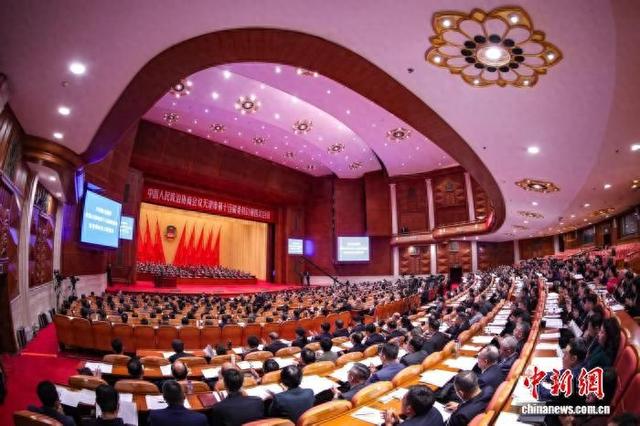
政协天津市第十五届委员会第四次会议开幕
Xin Lang Cai Jing· 2026-01-25 11:01
Core Viewpoint - The report from the Tianjin Municipal Political Consultative Conference emphasizes the progress made in the construction of a modern socialist metropolis in Tianjin, highlighting the role of the Political Consultative Conference in contributing to this development through various initiatives and collaborations [2][3]. Group 1: Achievements and Contributions - In the past year, the Tianjin Municipal Political Consultative Conference focused on the city's development, engaging in key research and discussions related to the "Ten Actions" and "Three New" initiatives, contributing high-quality recommendations for events like the Shanghai Cooperation Organization summit and the optimization of the business environment [2]. - The conference organized over 150 "service for the people" activities, benefiting more than 8,900 individuals, addressing pressing issues such as food safety, property management, and traffic governance [2][3]. Group 2: Future Plans and Focus Areas - Looking ahead to 2026, the Tianjin Municipal Political Consultative Conference plans to focus on key areas such as coordinated development in the Beijing-Tianjin-Hebei region, strengthening the real economy, and promoting cultural heritage, with plans for specialized meetings on high-quality development of key industrial chains and the construction of an international consumption center [3]. - The conference aims to enhance collaborative efforts with various democratic parties and organizations, having received 266 proposals and conducted 85 joint research discussions throughout the year [3].