
超大规模市场

Search documents
中企出海,从单点收购到创新溢出
21世纪经济报道· 2026-03-12 00:14
Core Viewpoint - The article emphasizes the significant trend of Chinese enterprises expanding overseas, driven by government policies and the need for global market optimization, with projections indicating a direct investment of $174.4 billion by 2025, reflecting a 7.1% year-on-year growth [1]. Group 1: Historical Context of Chinese Enterprises Going Abroad - Before 2008, state-owned enterprises primarily led overseas expansion, focusing on acquiring resources to meet domestic demand [3]. - Post-2008 financial crisis, Chinese companies capitalized on depreciated overseas assets, initiating a wave of outbound investments, including resource acquisitions and manufacturing sector mergers [3]. - The launch of the Belt and Road Initiative in 2015 accelerated overseas investments, with a shift from single acquisitions to systematic layouts aligned with national strategies [3]. Group 2: Current Trends and Characteristics - In recent years, Chinese enterprises have actively sought global layouts, with a fundamental change in the structure and quality of outbound investments following the GDP per capita surpassing $10,000 in 2019 [4]. - The current phase is characterized by technology premium, brand output, and global resource allocation, positioning Chinese companies as emerging forces in promoting economic globalization [4]. Group 3: Competitive Advantages - The international competitiveness of Chinese enterprises has significantly improved due to "innovation premium," with China holding a complete range of industrial categories and excelling in traditional and high-tech sectors [6]. - Chinese companies have led the global green transition, with firms like BYD and CATL establishing "Chinese industrial clusters" in key regions [6]. - The rapid iteration and optimization capabilities within China's large domestic market create a unique "innovation ecosystem," enhancing competitiveness in international markets [7]. Group 4: Opportunities in Emerging Markets - The changing international landscape provides "era dividends" for Chinese enterprises, with emerging markets experiencing rapid economic growth and increasing demand for infrastructure and durable consumer goods [9]. - The Regional Comprehensive Economic Partnership (RCEP) has deepened the integration of Chinese enterprises with ASEAN, which has become a primary destination for outbound investments [9]. - Africa presents significant opportunities for investment in infrastructure and traditional manufacturing, alongside new energy and digital communication sectors [10]. Group 5: Systematic Support for Outbound Expansion - The large-scale overseas expansion of Chinese enterprises reflects a profound "capability spillover," necessitating government support to ensure stability and sustainability [12]. - The establishment of a national overseas comprehensive service platform aims to provide one-stop public services for thousands of overseas enterprises, marking a new phase in institutional support for outbound investments [12]. - The Chinese government is actively shaping a favorable institutional environment for global engagement, transitioning from a rule-taker to a rule-maker in global economic governance [12].


开电车奔赴团圆,为啥能一路从容?答案里有“三重力量”
Ren Min Ri Bao· 2026-02-14 09:10
Group 1 - The core viewpoint of the articles emphasizes the growing adoption of electric vehicles (EVs) in China, with a significant increase in charging demand and infrastructure development to support this trend [1][2] - The National Grid predicts that the peak daily charging volume for EVs will exceed 34 million kilowatt-hours, representing a 17% year-on-year increase [1] - Nearly one in two new cars sold in China is an electric vehicle, indicating a robust market for EVs and related services [1] Group 2 - The diverse energy replenishment methods for EVs, such as supercharging, fast charging, and battery swapping, are flourishing, with NIO's battery swap service surpassing 100 million instances and over 3,700 battery swap stations established nationwide [2] - The integration of infrastructure, including power grids, highways, and communication systems, is facilitating collaboration across industries and regions, enhancing overall economic synergy [4][6] - The collaboration between NIO and the National Grid to explore vehicle-to-grid technology aims to alleviate grid pressure and improve energy utilization, transforming vehicles into energy nodes within smart cities [5] Group 3 - The fusion of technological and industrial innovation is accelerating, with advancements in AI and robotics leading to increased productivity and efficiency across various sectors [7] - The upcoming Central Economic Work Conference in December 2025 aims to achieve significant breakthroughs in quality improvement, highlighting the importance of leveraging large-scale markets, infrastructure support, and technological integration for high-quality development [7]

瞄准市场机遇 借力产业优势 加大研发投入 在华外企持续看好中国经济发展前景
Ren Min Ri Bao· 2026-02-01 22:13
Group 1: Market Opportunities - The Chinese market remains irreplaceable for multinational companies, showcasing its immense attraction for foreign investment [1] - Companies like Decathlon view China as a crucial market, with plans to expand their presence and capitalize on the growing outdoor sports trend post-Winter Olympics [2] - The logistics sector sees significant opportunities in China due to its large consumer base and increasing demand for efficient delivery and transparency [3] Group 2: Industrial Advantages - China's complete industrial system is a key competitive advantage, facilitating rapid development and integration of global business operations [4] - Companies like Michelin have established extensive manufacturing bases in China, benefiting from the country's mature industrial environment [6] - The combination of China's vast market and comprehensive industrial system creates a unique environment for innovation and growth [6][5] Group 3: Talent and Innovation - The release of talent dividends, particularly in engineering, is driving high-quality development and attracting foreign companies to invest in R&D in China [7] - Companies like ABB leverage China's skilled workforce to enhance local innovation and maintain a competitive edge in technology [7] - The talent pool in China is evolving, with a shift from demographic advantages to a focus on skilled and innovative talent, positioning China as a strategic hub for global innovation [8]
中国超大规模市场优势持续显现
Jing Ji Wang· 2026-01-27 01:37
Group 1: Economic Growth and Consumer Trends - In 2025, China's total retail sales of consumer goods exceeded 50 trillion yuan, reaching 50.1 trillion yuan, with a growth rate of 3.7% [1] - The contribution rate of consumption to economic growth reached 52%, highlighting its role as a main engine for economic development [1] - The retail sales of durable goods, such as home appliances, communication equipment, and furniture, grew by 11%, 20.9%, and 14.6% respectively, driven by the policy of replacing old consumer goods [2] Group 2: New Consumption Patterns - New consumption types, including digital, green, and health consumption, are on the rise, with online retail sales of physical goods increasing by 5.2% [2] - The penetration rate of new energy passenger vehicles reached 53.9%, indicating a shift towards sustainable consumption [2] - Rural consumption retail sales reached 6.8 trillion yuan, growing by 4.1%, outpacing urban growth by 0.5 percentage points [2] Group 3: Import and Export Developments - In 2025, China imported 18.48 trillion yuan, maintaining its position as the world's second-largest import market for 17 consecutive years [4] - China's trade partnerships expanded, with imports from over 130 countries and regions increasing by 7% compared to 2024 [4] - The "Belt and Road" initiative is enhancing trade opportunities, with positive impacts on exports of electronic components and machinery to partner countries [4] Group 4: Future Initiatives and Policies - In 2026, the Ministry of Commerce aims to stabilize foreign trade and promote service market openness, focusing on quality and efficiency [5] - The government plans to implement more practical measures to support foreign trade, investment, and consumption, including signing free trade agreements with 31 countries [7] - The emphasis will be on expanding domestic demand and enhancing consumer spending through initiatives like the "Buy in China" campaign [7][8]
中国超大规模市场优势持续显现(锐财经)
Ren Min Ri Bao Hai Wai Ban· 2026-01-26 22:54
Core Insights - The core viewpoint of the article emphasizes the robust growth of China's consumer market, with a projected retail sales total of 50.1 trillion yuan in 2025, marking a 3.7% increase, and a contribution rate of consumption to economic growth reaching 52% [4][5]. Group 1: Consumer Market Growth - In 2025, China's total retail sales of consumer goods will exceed 50 trillion yuan for the first time, reaching 50.1 trillion yuan, with a growth rate of 3.7% [4]. - The contribution of consumption to economic growth is expected to be 52%, highlighting its role as a key driver of economic development [4]. - The retail sales of major durable goods, such as home appliances, communication equipment, and furniture, are projected to grow by 11%, 20.9%, and 14.6% respectively, driven by policies promoting the replacement of old consumer goods [5]. Group 2: New Consumption Trends - New consumption patterns, including digital, green, and health-related consumption, are on the rise, with online retail sales of physical goods increasing by 5.2% [6]. - The penetration rate of new energy passenger vehicles has reached 53.9%, indicating a shift towards more sustainable consumption [6]. - Rural consumption is also thriving, with retail sales in rural areas reaching 6.8 trillion yuan, growing by 4.1%, outpacing urban growth by 0.5 percentage points [6]. Group 3: Import and Export Balance - In 2025, China is expected to import 18.48 trillion yuan, maintaining its position as the world's second-largest import market for 17 consecutive years, with imports from over 130 countries increasing by 7% compared to 2024 [7]. - The growth of imports and exports is supported by platforms like the China International Import Expo, which enhances market access for products from countries like Rwanda and Nigeria [7][8]. - The Chinese government is actively promoting balanced development in trade, focusing on enhancing the quality and efficiency of foreign trade and investment [9][10]. Group 4: Policy Initiatives - The Chinese government plans to introduce more pragmatic measures to stabilize foreign trade, attract foreign investment, and promote consumption in response to complex external changes [9]. - In 2026, the focus will be on expanding domestic demand and implementing special actions to boost consumption, including optimizing policies for replacing old consumer goods [10]. - The government aims to enhance trade agreements with various countries and regions, emphasizing the importance of service sector openness and investment facilitation [10].

张艺秋:GDP目标5%,北京底气从哪里来?
Xin Jing Bao· 2026-01-25 13:33
Economic Growth Goals - The economic growth target for Beijing in 2026 is set at around 5%, aiming to consolidate the positive trend of economic recovery [1] - The report highlights that 2026 marks the beginning of the "14th Five-Year Plan," amidst a period of both strategic opportunities and challenges [1] External Environment and Resilience - The global landscape is undergoing profound adjustments, with increasing uncertainties due to major power competition and geopolitical conflicts [2] - Despite these challenges, Beijing's economy demonstrated resilience with a growth rate of 5.4% in 2025, supported by a robust export performance [2][3] - The region's exports grew by 5.9% year-on-year in the first eleven months, achieving a historical high, with exports to Belt and Road countries increasing by 7.8% [2] Development Experience and Economic Performance - Over the past five years, Beijing's economy has crossed the 4 trillion yuan mark and reached a new level of 5 trillion yuan, with an average growth rate of 5.2% [3] - Per capita GDP increased from 176,000 yuan in 2020 to approximately 239,000 yuan in 2025, indicating significant economic advancement [3] Policy Support and Market Dynamics - The national policies for 2025, including "two new" and "two重" initiatives, aim to stabilize the market and expectations, with a focus on digital and green consumption [4] - The central economic work conference emphasized a more proactive fiscal policy for 2026, with expectations for increased fiscal deficit rates and the implementation of supportive projects [4] Regional Collaboration and Infrastructure Development - The Beijing-Tianjin-Hebei collaborative development has made significant progress, with major infrastructure projects enhancing connectivity [4][6] - The establishment of a one-hour transportation circle in the core region and a 1.5-hour circle between neighboring cities has been largely achieved [4] Innovation and Technology - Beijing is a major source of original innovation in China, with strong technological foundations and a vibrant innovation ecosystem [7] - The city has maintained a research and development intensity of over 6% for six consecutive years, ranking among the top global innovation cities [7] Consumer Market Potential - With per capita GDP reaching developed country levels, nearly 70% of the population falls into the middle-income category, driving consumption growth [8] - The shift in consumer focus towards higher-level demands, such as cultural and spiritual needs, is evident, with service consumption accounting for 59.3% of total household spending [8]
欧美加税拦不住!中国外贸狂收45万亿,新三样出口暴涨27%
Sou Hu Cai Jing· 2026-01-24 23:49
Core Insights - The total import and export value of China reached 45.47 trillion yuan in 2025, marking a 3.8% year-on-year increase, comparable to Germany's annual GDP [1] - Despite increased tariffs on Chinese electric vehicles by the EU (up to 45.3%) and stricter policies from the US, exports of new energy vehicles surged by 27.1%, indicating a significant transformation in China's foreign trade landscape [3][5] Trade Dynamics - ASEAN has become China's largest trading partner for three consecutive years, with trade volume with Belt and Road countries accounting for 51.9% of total trade, amounting to 23.6 trillion yuan, growing 2.5 percentage points faster than overall foreign trade [5][7] - China's trade partners now include over 240 countries and regions, with trade volume increasing in more than 190 of these markets, demonstrating resilience against tariff barriers [7][9] Export Strategies - The shift in export strategy from merely processing fees to establishing industry standards is evident, with Chinese companies now exporting complete energy solutions rather than just products [10][12] - In 2025, the export of self-owned brands grew by 12.9%, with market share increasing by 1.4 percentage points, showcasing the strength of China's manufacturing capabilities [14] Industry Strengths - China's complete supply chain advantage in the electric vehicle sector, from lithium mining to battery manufacturing and vehicle assembly, allows for rapid iteration and cost reduction [18][20] - The domestic market of 1.4 billion people serves as a significant accelerator for product scaling, enabling companies like CATL to dominate the global market [20][22] Long-term Strategies - The Chinese government has maintained a long-term commitment to industries like solar energy and electric vehicles, resulting in global leadership in production and cost efficiency [22][24] - The cancellation of export tax rebates in the solar industry reflects its strength and independence from subsidies, allowing for greater market share acquisition [14][28] Societal Impact - The growth in high-tech product exports (up 13.2% year-on-year) is creating numerous high-paying jobs, particularly in R&D and supply chain management [26] - The transformation in the perception of Chinese products, particularly electric vehicles, signifies a shift in national confidence and global standing [29][31]
欧美联手围堵,中国外贸数据依旧创下新高!有件事他们算错了
Sou Hu Cai Jing· 2026-01-24 12:02
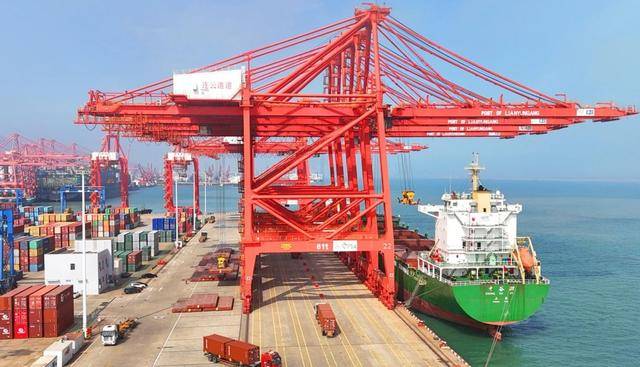
Core Viewpoint - China's foreign trade data for 2025 has reached a new high, with total import and export value of 45.47 trillion yuan, reflecting a year-on-year growth of 3.8% [3]. Group 1: Trade Performance - The 2025 foreign trade figure is equivalent to Germany's entire GDP, and it would take Russia three years to achieve this level, while South Korea would need 6.5 years [4]. - Despite the European Union imposing a maximum tariff of 45.3% on Chinese electric vehicles and the U.S. implementing various trade barriers, China's electric vehicle exports have nearly doubled [4][6]. - The export of "new three items" (electric vehicles, solar panels, and batteries) has grown by 27.1% [6]. Group 2: Market Dynamics - Historically, China's foreign trade was heavily reliant on Europe and the U.S., which accounted for nearly 40% of trade before 2008. However, ASEAN has become China's largest trading partner for three consecutive years, and trade with Belt and Road Initiative countries now constitutes a significant portion of total trade [8]. - The shift in trade dynamics is not just about finding new customers but also about changing the selling approach from low-cost manufacturing to technology and standards setting [10]. Group 3: Industry Leadership - The export of electric vehicles represents a comprehensive energy solution, integrating components from leading Chinese companies, thus allowing China to influence global standards [12]. - China's solar industry exemplifies its dominance, controlling 80% of global solar production capacity, making it indispensable for any country looking to develop solar energy [14]. Group 4: Competitive Advantages - China's full industrial chain is a key competitive advantage, allowing for rapid problem-solving and cost efficiency in electric vehicle production [18]. - The vast domestic market of 1.4 billion people enables companies like CATL to scale up, reduce costs, and enhance competitiveness before entering global markets [19]. - Long-term strategic planning by the government has led to significant advancements in industries like solar and electric vehicles, despite challenges such as overcapacity and subsidy issues [21]. Group 5: Socioeconomic Impact - The rise of the "new three items" has led to the emergence of new cities focused on renewable energy, creating high-paying jobs in research and technology [23]. - The renewable energy sector presents numerous wealth creation opportunities, from lithium mining to battery recycling, contributing to national confidence and changing perceptions of Chinese products [25]. Conclusion - The foreign trade figure of 45.47 trillion yuan signifies China's transformation from a "world factory" to a participant in global rule-making, indicating a shift in strength from mere production to defining the future of global industries [27].
国家发改委:今年将释放消费投资、科技产业、城乡区域潜能
Nan Fang Du Shi Bao· 2026-01-20 04:01
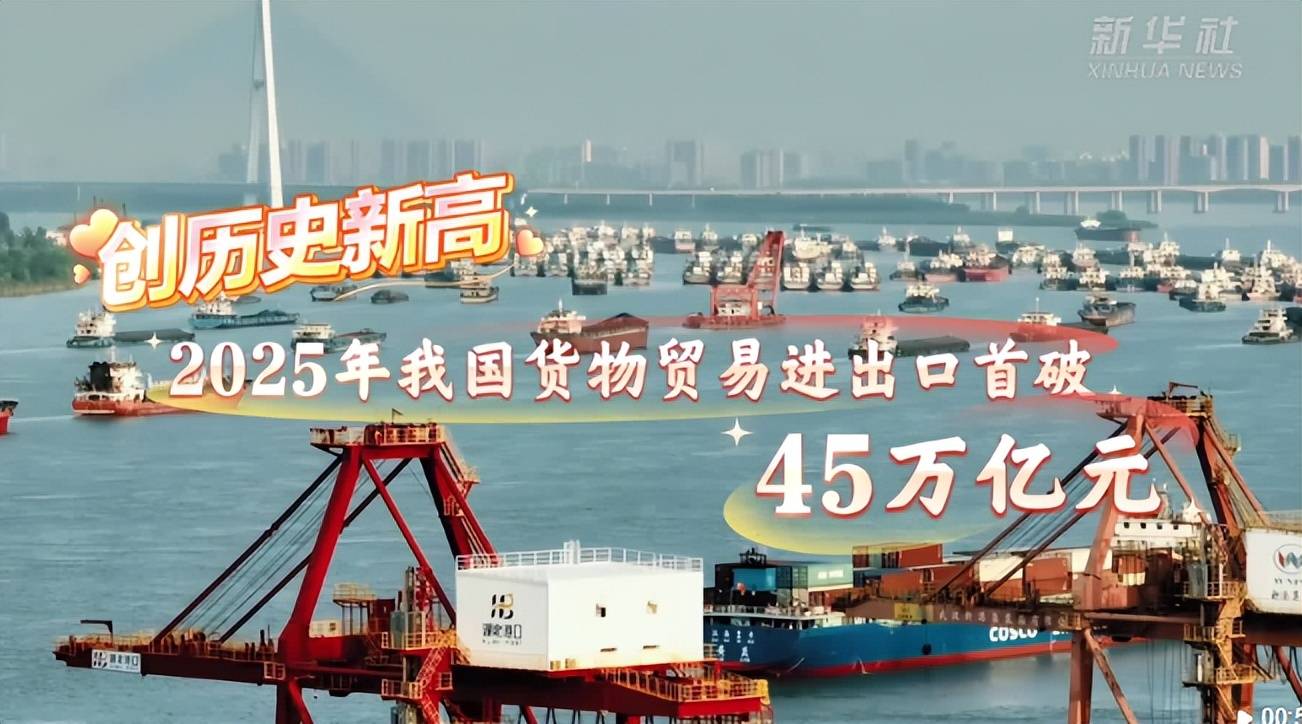
Core Viewpoint - The Chinese economy is poised for significant growth and transformation, with a focus on leveraging its super-large market potential and fostering innovation to drive new economic momentum as it enters the 14th Five-Year Plan period in 2026 [1][3]. Group 1: Economic Structure and Growth Potential - The economic structure of China is expected to continue improving, with development momentum shifting towards new sectors, leading to a favorable overall development trend [1]. - Key growth areas include new technologies and products in sectors such as renewable energy, aerospace, quantum technology, and intelligent manufacturing, which are anticipated to drive substantial economic growth [3]. Group 2: Innovation and Talent Integration - The integration of innovation, industry, and talent is accelerating, supported by a complete industrial system and a large population, which provides a robust talent pool of over 5 million graduates in science, technology, engineering, and mathematics each year [4]. - The digital economy is projected to reach a value of 49 trillion yuan by 2025, accounting for approximately 35% of GDP, indicating significant market expansion opportunities [4]. Group 3: Regional Innovation and Development - China boasts 24 of the world's top 100 innovation clusters, with the "Shenzhen-Hong Kong-Guangzhou" cluster ranking first globally, highlighting the country's strong position in global innovation [4][5]. - The establishment of international technology innovation centers in Beijing, Shanghai, and the Guangdong-Hong Kong-Macau Greater Bay Area is part of a strategic initiative to enhance regional innovation capabilities and foster new industries [5].

权威数读丨这些数据,绘就2025进出口“成绩单”
Xin Hua She· 2026-01-14 07:51
Core Viewpoint - China's total import and export value exceeded 45 trillion yuan in 2025, marking a historical high and maintaining its position as the world's largest goods trading nation for the ninth consecutive year [1][7]. Group 1: Import and Export Statistics - The total import and export value reached 45.47 trillion yuan, an increase of 3.8% [4]. - Exports amounted to 26.99 trillion yuan, growing by 6.1%, while imports were 18.48 trillion yuan, with a growth of 0.5% [4][23]. Group 2: Market Characteristics - China engaged in trade with over 240 countries and regions, with exports increasing to over 190 of them [8]. - The export of high-tech products reached 5.25 trillion yuan, growing by 13.2%, with significant increases in green products such as wind turbines and lithium batteries, which grew by 48.7% and 26.2% respectively [9][21]. Group 3: Import Trends - Despite declining international market prices, imports maintained growth for three consecutive quarters starting from the second quarter [11]. - In 2025, imports reached a historical high of 18.48 trillion yuan, making China the world's second-largest import market for 17 consecutive years [23]. Group 4: Business Dynamics - Over 780,000 enterprises recorded import and export activities, with private enterprises playing a crucial role, accounting for 57.3% of total trade, growing by 7.1% to 26.04 trillion yuan [12][13]. - The stable growth of imports was supported by a rebound in the economy, with consumption demand expanding and imports showing a steady increase from June onwards [24]. Group 5: Policy and Economic Environment - The sustained growth of imports and exports is attributed to effective foreign trade policies and measures implemented by the government to stabilize trade and support enterprises [13]. - The comprehensive industrial system in China continues to adapt to overseas demand, contributing to the consistent growth of manufacturing exports over the past nine years [17].
