
文化自信

Search documents
接续奋斗 再创辉煌——习近平总书记在庆祝中华人民共和国成立76周年招待会上的重要讲话凝聚磅礴力量
Xin Hua She· 2025-10-01 14:51
Core Points - The speech by General Secretary Xi Jinping emphasizes the importance of continuing the historical experience to build a better nation and to ensure the prosperity initiated by previous leaders and revolutionaries [1][7] - The achievements of the past 76 years under the leadership of the Communist Party are highlighted, showcasing the progress made in various sectors and the collective effort towards modernization and national rejuvenation [2][3][4] Group 1: Economic Development - The speech reflects on the significant economic achievements and the ongoing efforts to enhance agricultural modernization, as seen in the plans to integrate modern production methods in agriculture [4][6] - The emphasis on high-quality development and innovation is evident, with Shenzhen's innovation cluster ranking first globally, indicating a strong focus on technological advancement and support for high-growth enterprises [5][6] Group 2: Social Progress - The importance of education and community development is underscored, with examples of teachers dedicating themselves to improving educational conditions in remote areas, reflecting a commitment to social equity [2][3] - The role of cultural heritage in fostering national confidence and identity is highlighted, with initiatives to integrate technology in cultural exhibitions to enhance public engagement [5][6] Group 3: Environmental Initiatives - The commitment to environmental sustainability is evident in the efforts to combat desertification and promote afforestation, showcasing a dedication to building a beautiful China [7] - The integration of multi-departmental collaboration in environmental projects is emphasized, indicating a strategic approach to ecological conservation [7]
相逢更璀璨一一二〇二五年贺国庆迎全运三校书画联展启幕
Nan Fang Nong Cun Bao· 2025-09-30 14:45
Core Viewpoint - The exhibition titled "Meeting More Brilliantly - 2025 National Day Celebration and 15th National Games Three Schools Calligraphy and Painting Joint Exhibition" is organized to celebrate the 76th anniversary of the founding of New China and the upcoming National Games in the Greater Bay Area, showcasing over 100 high-quality artworks from alumni of three schools in Guangzhou [4][12]. Group 1: Exhibition Details - The exhibition will take place from September 30, 2025, to November 5, 2025, with Mondays being the only closed days [13]. - The opening ceremony was hosted by representatives from the E-Tan Calligraphy and Painting Association, with the announcement made by Lin Shuyan, Deputy Minister of the Haizhu District Organization Department [6][12]. Group 2: Featured Artists and Works - Notable works include calligraphy by Chen Qiuming, Chen Feihang's "Soaring," and Li Xuanning's regular script "Teacher's Say," among others, which left a deep impression on the audience [4]. - The exhibition features diverse forms of art, including works by renowned artists such as Guanshan Yue's grandson, Guan Jian, and new members of the Guangzhou Calligraphers Association [6]. Group 3: Cultural Significance - The event aims to promote traditional Chinese calligraphy and painting, fostering cultural confidence among the youth and enhancing inter-school artistic exchanges [12]. - The exhibition also emphasizes the theme of national unity through various artworks, inspiring patriotism among attendees [6].


香港“中华文化节2025”以诗舞戏乐展现千载华夏文化
Xin Hua Wang· 2025-09-28 03:11
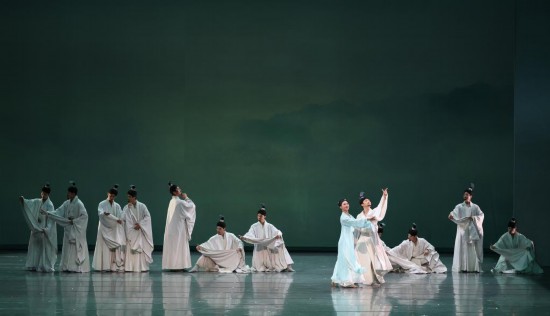
Core Perspective - The "Chinese Culture Festival 2025" in Hong Kong showcases the depth and richness of Chinese culture through various artistic forms, culminating in a successful four-month event featuring over 280 activities [1][12]. Group 1: Event Highlights - The festival featured diverse performances including modern dance, traditional opera, and music, with the opening program being the modern dance poetry drama "Poetry Remembers Dongpo" on June 13 [2][6]. - The original dance drama "Li Qingzhao" by the Shanghai Dance Theatre was performed on September 26-27, marking the festival's conclusion [1][2]. - The "Chinese Opera Festival" highlighted traditional performances, such as the Qin opera "Zhou Ren Returns to the Mansion," which resonated with audiences despite language barriers [5]. Group 2: Community Engagement - The festival extended beyond performances to include exhibitions and community events, such as the "Unified World - Shaanxi Qin and Han Civilization Exhibition" at the Hong Kong Museum of History, attracting schoolchildren [7][9]. - The "Colorful Huayi" carnival drew 18,000 participants, featuring various cultural performances that engaged the local community [9]. - Over 30 specialized events were organized, attracting more than 8,000 participants, emphasizing the festival's role in promoting cultural heritage [9][12]. Group 3: Cultural Impact - The Hong Kong government aims to promote traditional Chinese culture as a key direction in its 2024 "Cultural and Creative Industry Development Blueprint" [12]. - Audience feedback indicates a growing appreciation for mainland artistic presentations, with many expressing pride in their cultural heritage [12]. - The festival is seen as a vital platform for cultural exchange, with participating teams praising Hong Kong's role as a center for international cultural dialogue [13].
欧洲千算万算,只算错了一步棋!
Sou Hu Cai Jing· 2025-09-27 05:21
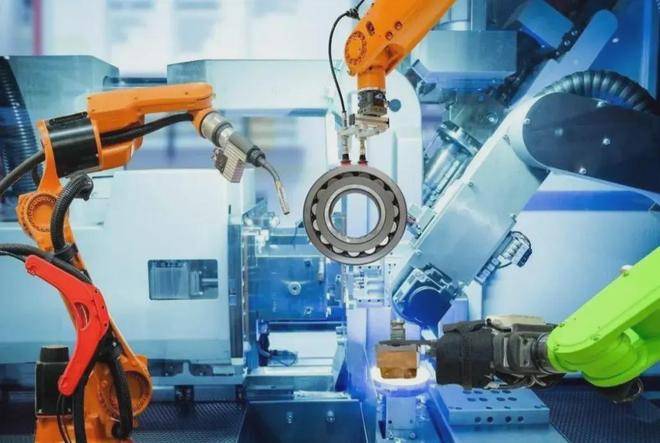
Group 1 - The core argument highlights the growing rift between the US and Europe, with Trump criticizing Europe's immigration policies and climate change measures, while the US imposes tariffs on the EU [1] - Observers agree with Trump's concerns, noting that Europe's strategic decisions are well-considered but have underestimated China's potential for growth [1][3] - The article emphasizes that the perceived decline of the West is primarily a result of China's rapid development rather than a true regression of Western nations [3] Group 2 - Historical context suggests that the collapse of the Soviet Union was due to internal issues rather than Western influence, yet the West continues to pressure China, believing its model is unsustainable [4] - China's manufacturing strength is rooted in its cultural heritage, which has proven resilient against Western cultural pressures [4] - The article posits that the time has come for the West to confront the historical consequences of colonialism, as Europe faces a lack of options in the current geopolitical landscape [5]
新消费派 | 从佰草集新品看百年家化“新方”
Xin Hua Cai Jing· 2025-09-26 13:45
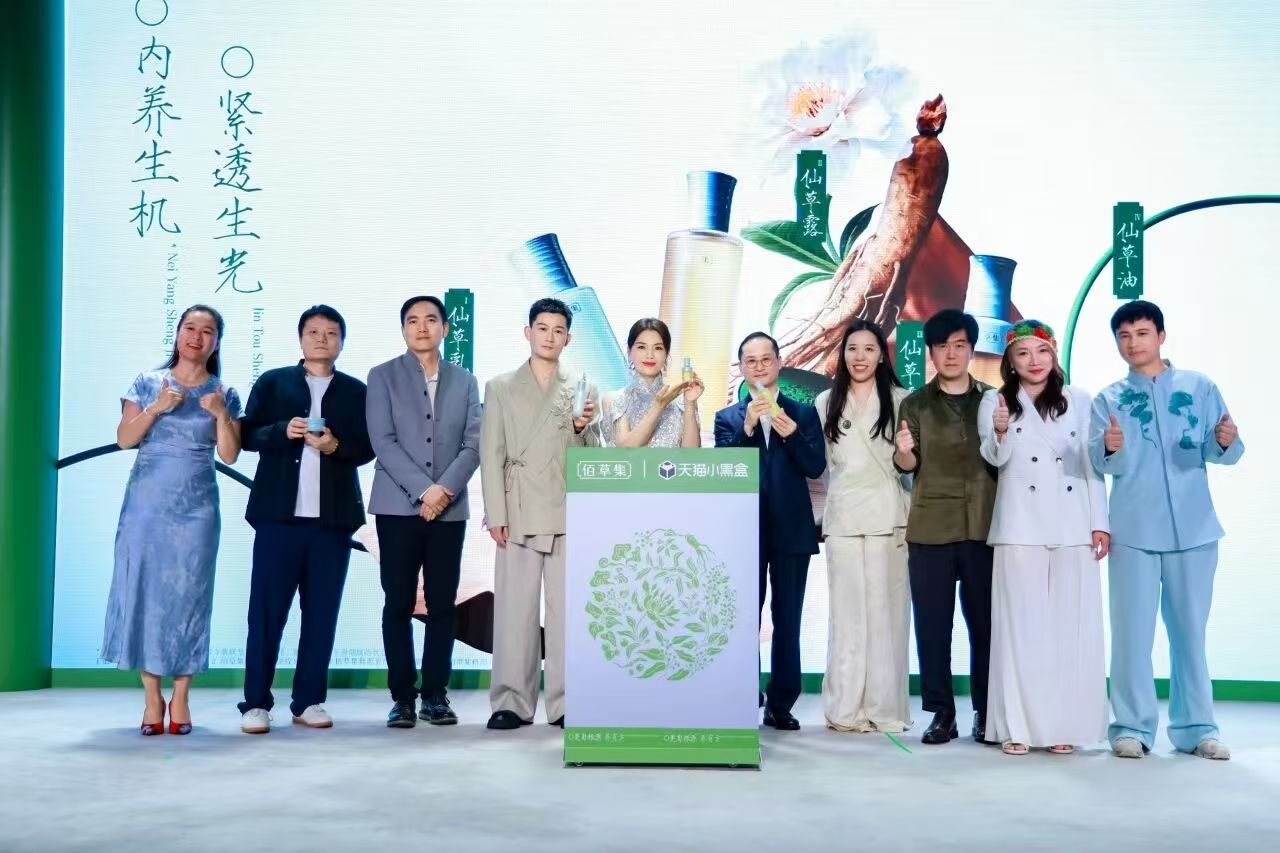
Core Insights - The Chinese cosmetics market is experiencing a shift, with domestic brands gaining market share over foreign brands, as evidenced by a retail total of 2,915 billion yuan from January to August, although growth is slowing [1][6] - Shanghai Jahwa, under the leadership of CEO Lin Xiaohai, is focusing on innovation and cultural confidence to enhance its brand presence, particularly through its flagship brand, Baicaojie [1][9] Company Strategy - Shanghai Jahwa is emphasizing sensory experiences in its product offerings, with new launches like the Xian Cao Oil designed to reflect traditional Chinese aesthetics and appeal to modern consumers [2][3] - The company is leveraging consumer insights to create immersive brand experiences, combining online marketing with offline interactions to engage younger audiences [3][9] Market Position - Domestic cosmetics brands are projected to capture 55.2% of the market share by 2024, indicating a significant shift in consumer preferences towards local products [6] - Shanghai Jahwa's Baicaojie brand has seen substantial growth, with a notable sales performance during the 618 shopping festival, highlighting its potential for market revival [9][10] Innovation and R&D - The company is investing in R&D, collaborating with institutions like China Pharmaceutical University to enhance product development and innovation [7] - Baicaojie's new product features 100% plant oil extraction and a unique "water-milled fermentation" process, addressing consumer concerns about texture and efficacy [6][7] Brand Development - Lin Xiaohai aims to transform Baicaojie into a lifestyle brand that embodies Eastern beauty, moving beyond mere product sales to create a cultural narrative [10] - The company is restructuring its product lines and reducing inventory to streamline operations and enhance brand focus [9][10]

活化利用让古韵焕新姿
Hai Nan Ri Bao· 2025-09-26 01:07
Group 1 - The core viewpoint emphasizes the importance of historical and cultural heritage in social development and its role in the construction of Hainan Free Trade Port through the newly approved protection plan [1][2] - The new protection plan addresses key questions of "what to protect" and "how to protect," focusing on preserving traditional structures and cultural landmarks in cities like Haikou [2] - The plan promotes a comprehensive protection system that aims to maintain the integrity of cultural heritage while ensuring the transmission of historical essence [2] Group 2 - The article highlights the necessity of integrating cultural heritage protection with sustainable urban and rural development, showcasing successful examples like the restoration of the ancient city in Ding'an County [3] - It discusses the activation of cultural heritage through community engagement and events, which enhances local tourism and economic development [3] - The plan aims to leverage historical cultural resources to enhance the economic, cultural, and social value of Hainan, thereby improving its competitive edge as a free trade port [3]
中国再创业俱乐部荣获全球中小企业可持续发展奖
Jiang Nan Shi Bao· 2025-09-25 13:53
Group 1 - The 2025 Global Business Leaders Summit was held in Shanghai with the theme "Focusing on Leadership Wisdom, Co-initiating the Future of Business" [1] - The China Re-Entrepreneurship Club was awarded the Global SME Sustainable Development Award, recognizing its contributions to cultural leadership, innovation, and public welfare [2] - The summit aimed to strengthen international industrial cooperation and create a sustainable global industrial chain, addressing challenges and opportunities in globalization, with a focus on technological innovation, green development, and cross-regional collaboration [1] Group 2 - The Global SME Sustainable Development Award is an international award established by the Global SME Alliance to recognize outstanding enterprises in sustainable development and promote international business development [2] - The production of the TV series "Meeting at Wenchuan" reflects the efforts of the China Re-Entrepreneurship Club in cultural leadership and aims to showcase the resilience of the disaster-affected people and the achievements of the new era [2] - The founder of the China Re-Entrepreneurship Club emphasizes the importance of cultural confidence and the collective effort required to achieve common prosperity through cultural initiatives [3]

让文物“说话”,让历史“发声”——高校着力打造育人新课堂
Xin Hua She· 2025-09-25 10:49
Group 1 - Shandong University Museum houses over 40,000 artifacts, primarily excavated by students and faculty from the university's archaeology department, emphasizing hands-on learning and historical interpretation [1][2] - The museum is recognized as a national first-class museum, showcasing significant archaeological findings from prehistoric, Shang, and Zhou dynasties, including 356 national precious cultural relics [1][2] - The discovery of oracle bones at the Jinan Daxinzhuang Shang site is highlighted as a landmark finding in oracle studies, marking the first instance of such artifacts found outside the Yinxu site since their discovery in 1899 [1] Group 2 - The museum has dozens of student guides who share personal experiences from their archaeological work, fostering a sense of cultural confidence among them [2] - The university has continuously enhanced the educational role of the museum, transforming it into a comprehensive space for teaching, preservation, research, and cultural innovation [2] - The museum's artifacts have been recognized in national archaeological discoveries, showcasing the quality and significance of its collections [2]
对话“朱炳仁·铜”朱军岷:非遗品牌的破圈密码是什么?
Sou Hu Cai Jing· 2025-09-25 07:44
Core Viewpoint - The article discusses how the brand "Zhu Bingren Copper" successfully leveraged a sudden surge in online traffic, particularly following a viral event, to enhance its brand presence and sales, achieving over 600 million yuan in annual revenue. The brand's strategy involved preparing for this influx of attention and adapting its product offerings to meet consumer demand [4][20][24]. Group 1: Brand Strategy and Adaptation - "Zhu Bingren Copper" had already established a "modern workshop" model before the traffic surge, allowing it to effectively capitalize on the increased visibility [5][20]. - The brand's slogan evolved to include both high-end and affordable products, enabling it to cater to a broader audience during the traffic spike [21][58]. - The company successfully transitioned from a focus on high-end cultural gifts to include more accessible products, which helped maintain sales momentum during the viral event [20][24]. Group 2: Traffic Management and Brand Engagement - The brand's founder, Zhu Junmin, recognized the importance of maintaining engagement with the audience through various content formats, such as videos and short dramas, to keep the brand relevant [5][20]. - Following the viral event, the brand experienced a 50-fold increase in sales within a week, demonstrating the effectiveness of its strategy to engage with the sudden influx of customers [19][24]. - The brand's ability to convert traffic into long-term brand assets was attributed to its proactive approach in preparing for the surge and having a diverse product range ready for consumers [4][20][24]. Group 3: Cultural Heritage and Market Positioning - The brand emphasizes that the essence of intangible cultural heritage (ICH) is not just preservation but also making it relevant and needed in contemporary society [5][20]. - Zhu Junmin's approach to ICH involves sharing techniques and knowledge openly, which he believes will help elevate the entire industry rather than keeping it secretive [64][70]. - The brand's positioning as a cultural heritage entity allows it to tap into both online and offline markets, ensuring a steady flow of traffic and consumer interest [26][27].

中华神话的价值正被重新发现和阐释
Jie Fang Ri Bao· 2025-09-25 03:35
Core Insights - The article emphasizes the global cultural significance of Chinese mythology, particularly through the digital content represented by the "Black Myth" series, which aims to showcase unique cultural values and narratives to a worldwide audience [1][9]. Group 1: Cultural Significance of Zhong Kui - Zhong Kui is chosen as a character due to his cultural depth and creative flexibility, allowing for diverse artistic interpretations while maintaining cultural recognition [2][3]. - The character's traditional role as a ghost expeller provides a rich narrative potential, differentiating him from typical heroic archetypes and enhancing gameplay mechanics [3][4]. Group 2: Digital Reconstruction of Chinese Mythology - The digital reconstruction of Chinese mythology is seen as a profound cultural dialogue and innovation, contrasting with the successful commercialization of Western mythologies [5][6]. - The article highlights the challenges faced by Chinese mythology in terms of fragmented narratives compared to the cohesive structures of Western mythologies, suggesting a need for a unified approach [6][9]. Group 3: Cultural Confidence and Globalization - The success of the "Black Myth" series reflects a shift from cultural accommodation to cultural confidence, emphasizing the importance of showcasing Chinese cultural elements without dilution [8][9]. - The article argues that the unique cultural heritage of Chinese mythology provides a competitive edge in the international market, advocating for a narrative that resonates with global audiences while remaining true to its roots [9][11]. Group 4: Future of Chinese Cultural Products - The emergence of characters like Zhong Kui signifies a new era in the digital representation of Chinese mythology, offering a systematic cultural expression strategy [7][10]. - The article posits that the ongoing development of the Chinese gaming industry will lead to more culturally rich products that serve as important vehicles for cultural exchange and understanding [11].