赛事经济

Search documents
国庆酒企拥抱票根经济 地方文旅争创新场景
2 1 Shi Ji Jing Ji Bao Dao· 2025-09-28 08:41
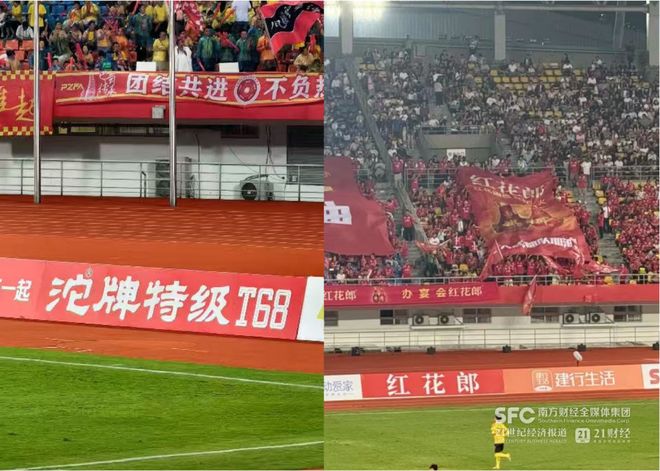
Core Insights - The recent surge in travel demand to Luzhou during the National Day holiday is attributed to local events such as a large music festival and the inaugural home match of the "Chuan Super" football league, leading to a significant increase in hotel bookings and flight searches [1][2] - The rise of local football leagues, including "Chuan Super," "Yushu," and others, is driving weekend and nighttime economies in various cities, with substantial sponsorship from beverage brands [2][3] - Local governments are leveraging these events to boost tourism and consumption, with initiatives like discounts for ticket holders and promotional activities to attract visitors [6][8] Group 1: Travel and Tourism Impact - Luzhou has seen a doubling in high-star hotel bookings and over 60% increase in flight searches compared to last year, indicating a strong interest in local events [1] - The influx of visitors for events like the music festival and football matches is expected to generate significant economic activity, with local authorities predicting over 1 billion yuan in consumption during these events [2][6] Group 2: Sponsorship and Brand Engagement - Major beverage brands such as Luzhou Laojiao, Langjiu, and Chongqing Beer are sponsoring local events, enhancing brand visibility and engagement with consumers [1][2] - The "Chuan Super" league has attracted sponsorship from various liquor companies, indicating a strategic alignment between sports events and brand marketing [2][3] Group 3: Local Government Initiatives - Luzhou is offering discounts for visitors holding tickets to the music festival and football matches, along with free public transport to enhance visitor experience [8] - Other cities like Suining are implementing similar strategies, including free parking and dining discounts for ticket holders, to capitalize on the economic opportunities presented by local sports events [10]


国庆酒企拥抱票根经济 地方文旅争创新场景|双节看消费
2 1 Shi Ji Jing Ji Bao Dao· 2025-09-28 08:32
Core Insights - The recent surge in travel demand to Luzhou during the National Day holiday is attributed to local events such as a large music festival and the inaugural home match of the "Chuan Super" football league, leading to increased hotel bookings and flight searches [1][2] - The rise in local events, including music festivals and football matches, is driving significant consumer spending in various sectors, particularly in food and beverage, with many brands sponsoring these events [2][3] Group 1: Event Impact - Luzhou is experiencing a notable increase in hotel bookings, with a doubling of high-star hotel reservations and over 60% growth in flight searches compared to the previous year [1] - The "Chuan Super" league has attracted significant attention, with local teams and sponsors like Langjiu and Luzhou Laojiao actively participating in marketing efforts [3][5] - The presence of multiple music festivals across non-first-tier cities, including Luzhou, is enhancing brand visibility for beverage companies, with sponsorship from well-known brands [1][2] Group 2: Economic Boost - Local governments are leveraging sports and cultural events to stimulate economic activity, with expectations of generating over 100 million yuan in local consumption during the events [2][9] - Various promotional activities, such as discounts and free gifts for ticket holders, are being implemented to encourage spending in restaurants, hotels, and other local businesses [9][10] - The "Chuan Super" league and associated events are seen as a means to enhance city branding and tourism, with cities like Suining aiming to position themselves as key players in the Chengdu-Chongqing economic circle [11]

“超”越足球
Jing Ji Ri Bao· 2025-09-27 22:04
Core Insights - The rise of grassroots football leagues like "Su Chao" and "Village Chao" has significantly boosted local economies and community engagement, demonstrating the potential of sports to drive consumption and cultural integration [1][2][3] Economic Impact - "Su Chao" has generated approximately 38 billion yuan in consumption across Jiangsu province, with single match attendance exceeding 60,000, setting records for amateur football events in China [1][15] - The "Village Chao" in rural areas has attracted over 9.46 million tourists and achieved a tourism revenue exceeding 10 billion yuan, showcasing its economic potential [2][15] Community Engagement - Both leagues have fostered a sense of community and local pride, with "Su Chao" reviving interest in football among fans after the disbandment of professional teams, while "Village Chao" has become a platform for local culture and tourism [7][9] - The grassroots nature of these leagues allows for broad participation, with diverse demographics attending matches, from children to the elderly, enhancing community cohesion [26][27] Cultural Significance - The events serve as a cultural bridge, integrating local traditions and sports, which has led to increased participation in cultural activities alongside football [5][30] - The emotional connection fostered by these leagues has transformed them into significant cultural phenomena, reflecting the aspirations and values of local communities [10][32] Government and Market Support - Local governments have played a crucial role in promoting these leagues, with initiatives aimed at enhancing consumer engagement and supporting local businesses through sponsorship and marketing [16][18] - The combination of government support and grassroots enthusiasm has created a sustainable model for sports events that can be replicated in other regions [35][36] Future Prospects - The success of "Su Chao" and "Village Chao" has sparked interest in similar initiatives across China, indicating a trend towards leveraging local sports for economic and social development [34][36] - The ongoing evolution of these leagues suggests that they could serve as a model for integrating sports, culture, and local economies, potentially leading to new opportunities for community development [20][21]
上海青浦文化旅游节暨金秋消费季开幕,今年首次发放1200万元消费券
Xin Lang Cai Jing· 2025-09-27 14:37
Core Insights - The 2025 Qingpu Cultural Tourism Festival and Autumn Consumption Season has commenced, featuring over a hundred premium activities from September 26 to November [1] - The event emphasizes a "light and shadow" consumption experience across various key display areas, integrating cultural and recreational activities [1] - The festival includes significant sporting events, cultural performances, and the introduction of a new consumer voucher system to stimulate local economic activity [2][3] Group 1: Event Highlights - The festival will showcase the second Shanghai International Light and Shadow Festival, focusing on a "fire" theme in multiple locations [1] - Various cultural activities will be held, including the 2025 Qingpu Immersive Cultural Season and the Mid-Autumn Festival themed events at Jinze Ancient Town [1] - The Qingpu District will host the 2025 Yangtze River Delta Rural CEO Summit and the Qingpu Harvest Festival, highlighting local agricultural resources [1] Group 2: Sports and Cultural Activities - Major sporting events such as the 2025 Shanghai New City Cycling Race and the 2025 World Rowing Championships will take place, attracting international participation [2] - The Shanghai Qingpu Waterfront Music Festival will feature top domestic and international artists, enhancing the cultural appeal of the region [2] - The festival will culminate in a collaborative performance between Kunqu artist Zhang Jun and local folk artists, showcasing cultural heritage [2] Group 3: Economic Initiatives - The introduction of 12 million integrated consumption vouchers aims to promote a "watching + experiencing + consuming" model [3] - Special promotional activities will be available in major shopping districts, providing exclusive discounts for event ticket holders [3] - The "Shanghai Summer" International Consumption Season will continue through October, allowing for additional promotional opportunities [3]
体育全民共享成为“共富引擎” 赛事经济激活乡村振兴新动能
Yang Shi Wang· 2025-09-27 03:56
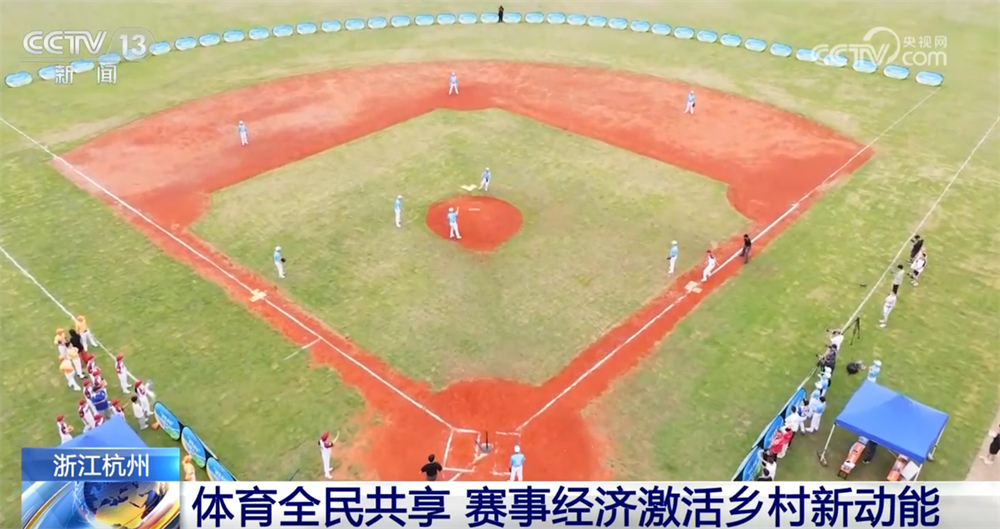
Core Insights - The "Village Super" events have gained popularity, with a multi-sport league including football, basketball, and baseball taking place in Liangzhu Street, Hangzhou, Zhejiang Province, featuring local farmers and workers as participants [1][4] - The event has attracted nearly 1,461 athletes from 49 villages, promoting community engagement and making sports accessible to all [1][4] - The initiative has significantly boosted local tourism, drawing 5.87 million visitors and generating direct revenue of 183 million yuan, a year-on-year increase of 8.2% [6] Community Engagement - Participants range in age from the 1960s to the 2000s, indicating broad community involvement and interest in the event [4] - The event is characterized by its open access, with no entry fees, fostering a sense of community and shared experience among residents [1] Economic Impact - The sports events have acted as a "common prosperity engine," revitalizing rural development and enhancing local industries such as accommodation and agritourism [6] - Future plans include increasing sports facilities to create a 15-minute walking sports lifestyle circle for residents, further promoting physical activity and community health [8]
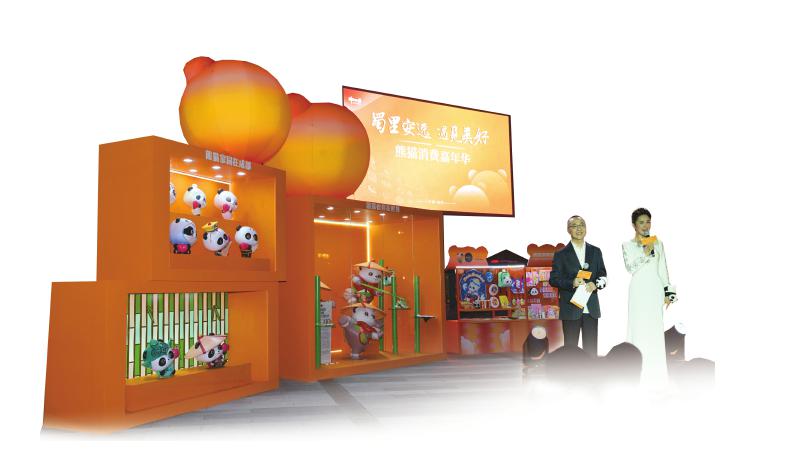
第四届中国(四川)国际熊猫消费节启幕
Sou Hu Cai Jing· 2025-09-26 16:44
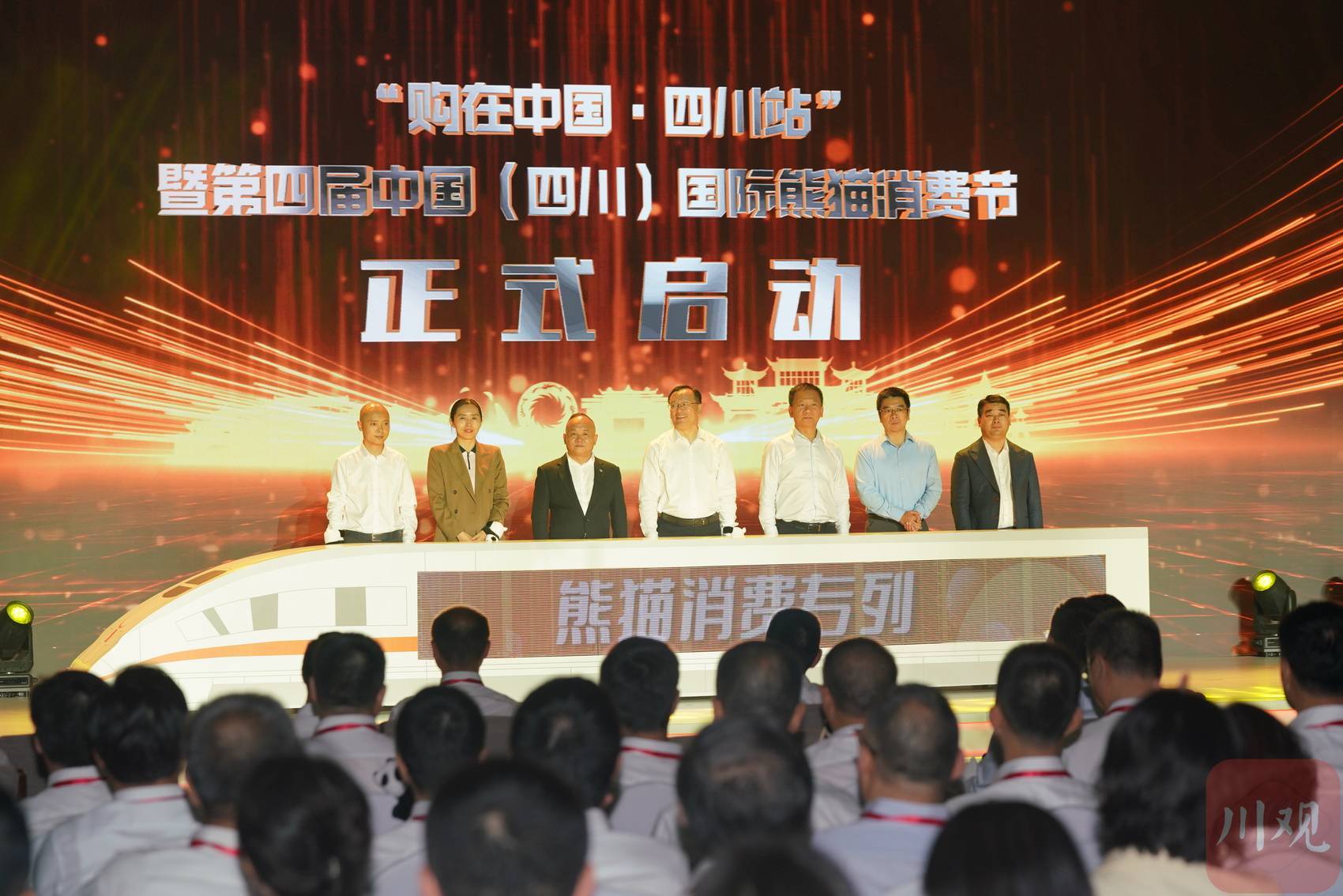
Core Insights - The "Purchase in China: Sichuan Station" and the Fourth China (Sichuan) International Panda Consumption Festival was launched on September 25, focusing on boosting consumption and economic growth in Sichuan [1][4] - The event aims to leverage upcoming holidays and promotional policies to enhance consumer engagement and satisfaction [1] Group 1: Event Overview - The Panda Consumption Festival will run from September 25 to November 30, emphasizing various economic sectors such as night economy and holiday economy [4] - The event features 40 new consumption scenarios for 2025, including notable locations like Chengdu SKP and Yibin E·PARK, aimed at enhancing consumer experiences [5] Group 2: Consumer Incentives - A total of 50 million yuan in "Sichuan Leisure" consumer vouchers was announced, with a total of 400 million yuan in consumption coupons expected to be distributed throughout the festival [9] - The festival will also include a self-driving consumer package along the 318 National Road, offering discounts at designated locations [11] Group 3: Night Economy Initiatives - The event highlighted the launch of the "2025 Sichuan-Chongqing Nightlife Guide," showcasing 20 night economy landmarks and new business models [12] - Chengdu, Yibin, and Dazhou will host over 600 themed consumption activities, focusing on shopping, food, and cultural events [15] Group 4: Signature Activities - The 2025 Munich Beer Festival will take place from September 26 to October 8, featuring traditional German food and music, aimed at enhancing cultural exchange and tourism [17]
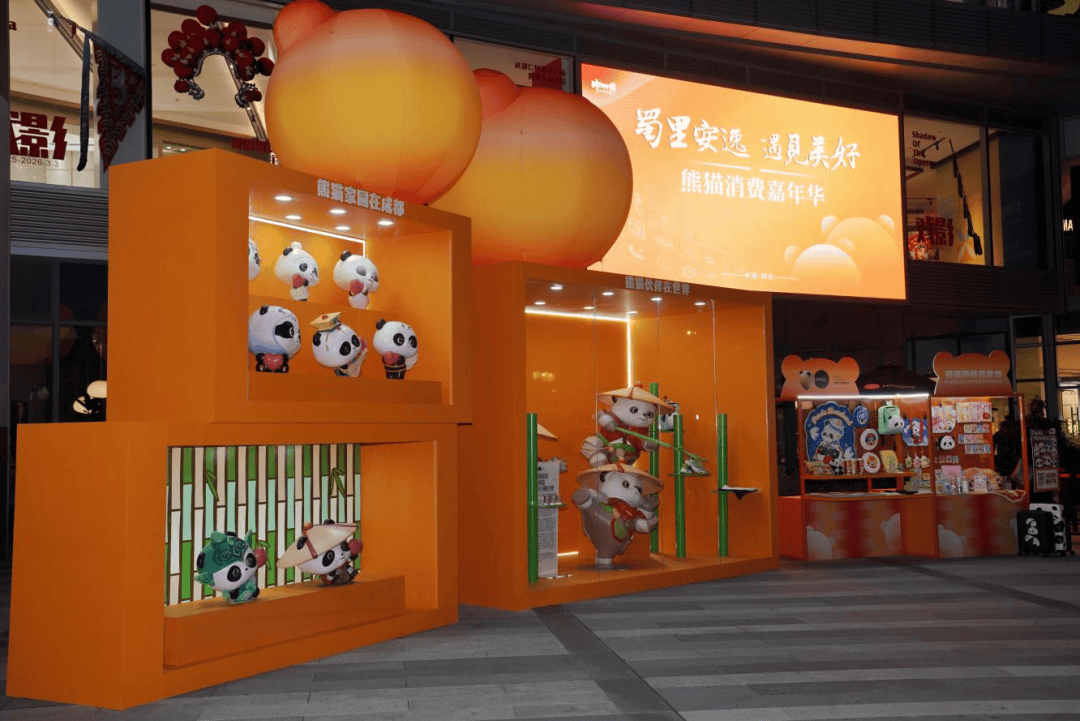
第四届国际熊猫消费节启幕,12大IP活动邀你一起狂欢
Sou Hu Cai Jing· 2025-09-26 08:22
Core Points - The "Panda Consumption Festival" has been launched in Chengdu, focusing on various economic themes such as night economy and holiday economy, running from September 25 to November 30 [1][3] - The event aims to enhance consumer experience in Sichuan's vibrant market, showcasing new consumption scenarios and promoting local businesses [1][2] Group 1: Event Highlights - The festival features a "Shu Li An Yi" consumption package with a total funding of 400 million yuan allocated for various consumer vouchers, aiming to provide over 1 billion yuan in benefits to consumers [6] - Special driving vouchers for the 318 National Road will be available from September 30 to October 9, allowing consumers to enjoy discounts at designated locations [6] Group 2: Night Economy Initiatives - A collaborative "Night Life Guide" was released, highlighting 20 night landmarks and new economic models in Chengdu and Chongqing, showcasing the integration of night economy initiatives [7] - The festival includes over 600 themed consumption activities in Chengdu, covering shopping, food, exhibitions, performances, and sports events [8] Group 3: Additional Activities - Other key activities such as the Chengdu-Chongqing Consumption Festival and the World Sichuan Cuisine Conference will also take place, further promoting local culture and consumption [9]
第四届国际熊猫消费节启幕 四川将发放4亿元消费券
Xin Hua Cai Jing· 2025-09-26 06:33
Core Insights - The "Purchase in China: Sichuan Station" and the Fourth China (Sichuan) International Panda Consumption Festival were launched in Chengdu, with a focus on promoting local consumption through various initiatives [1][2] - Sichuan Province will distribute 400 million yuan in consumption vouchers across various sectors, aiming to stimulate over 1 billion yuan in consumer spending [1] - The festival will run until November 30, 2023, highlighting themes such as night economy, holiday economy, and sports economy to enhance consumer engagement [2] Group 1 - The Sichuan government has introduced the "Shu Li An Yi" consumption package, which includes 400 million yuan in vouchers for dining, local beverages, tourism, and self-driving experiences [1] - A total of 40 new consumption scenarios for 2025 were announced, covering five categories, including "Trendy Shopping" and "Night Economy," showcasing significant consumer locations [1] - Chengdu, Yibin, and Dazhou are hosting over 600 themed consumption activities, focusing on shopping, food, exhibitions, performances, and sports events [2] Group 2 - The festival features a collaborative effort between Sichuan and Chongqing, unveiling 20 night economy landmarks and 20 new business models to promote nighttime activities [1] - Yibin is distributing over 30 million yuan in consumption vouchers, while Dazhou is organizing food culture events to enhance its night economy [2] - Key upcoming events include the World Sichuan Cuisine Conference and various promotional activities aimed at boosting consumption during the National Day and Mid-Autumn Festival [2]
4亿元“蜀里安逸”消费大礼包等你来领
Sou Hu Cai Jing· 2025-09-26 04:31
Core Insights - The "Shopping in China: Sichuan Station" and the 4th China (Sichuan) International Panda Consumption Festival was launched in Chengdu on September 25, focusing on promoting consumption in various economic sectors [2][3] - The event will run from September 25 to November 30, featuring a framework of 1 main event, 12 benchmark IP activities, and various supporting activities across the province [2][3] Consumption Promotion - A total of 4 billion yuan will be allocated for the "Shu Li An Yi" consumption vouchers, covering dining, Sichuan liquor and tea, tourism, and self-driving along the 318 National Road, with a total benefit exceeding 1 billion yuan for consumers [3][5] - The event emphasizes new consumption scenarios, with 40 new consumption scenes announced, including notable locations like Chengdu SKP and Yibin E·PARK [3][4] Night Economy Development - The "2025 Sichuan-Chongqing Nightlife Guide" was unveiled, showcasing 20 night landmarks and 20 new night economy business models, highlighting the integration and innovation in the night economy between the two regions [3][5] Diverse Activities - Chengdu, Yibin, and Dazhou will host over 600 themed consumption activities, including shopping, food, exhibitions, performances, and sports events, to create a vibrant consumption atmosphere [5][6] - The first benchmark IP activity, "2025 Munich Beer Tianfu Carnival," will take place from September 26 to October 8, offering an immersive cultural consumption experience [6]
第四届中国(四川)国际熊猫消费节来了! 4亿元消费券 12大IP活动 邀你遇见美好
Si Chuan Ri Bao· 2025-09-26 02:59
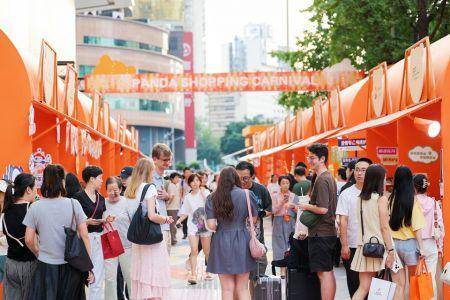
Core Insights - The "Panda Consumption Festival" was launched in Chengdu, focusing on promoting consumer spending in Sichuan province through various activities and incentives [3][4]. Group 1: Event Overview - The festival is themed "Shu Li An Yi · Encountering Beauty" and features a framework of "1+12+N" activities, including one main launch event, twelve flagship IP activities, and numerous supporting events [4]. - The festival will run from September 25 to November 30, highlighting the vibrancy of the Sichuan consumer market [4]. Group 2: Financial Incentives - A total of 400 million yuan (approximately 56.3 million USD) will be allocated for issuing consumption vouchers, with an overall benefit exceeding 1 billion yuan (approximately 140 million USD) for consumers [4][5]. - Special self-driving consumption vouchers will be introduced for the 318 National Road, usable at designated charging stations and dining establishments along the route [4][5]. Group 3: New Consumption Scenarios - Forty new consumption scenarios for 2025 were announced, categorized into five major themes: trendy shopping, nightlife, gourmet experiences, travel in Sichuan, and health activities [5]. - The festival will also showcase 20 night economy landmarks and 20 new business models in the Chengdu-Chongqing area, emphasizing collaboration in the night economy sector [5]. Group 4: Flagship Activities - The first flagship IP activity, "2025 Munich Beer Tianfu Carnival Week," will take place from September 26 to October 8, with multiple venues participating [5]. - Other significant events include the Chengdu-Chongqing Consumption Festival, World Sichuan Cuisine Conference, and various promotional activities during the National Day and Mid-Autumn Festival [5].