
金融监管

Search documents
李云泽:近5年累计处罚机构2万家次、责任人3.6万人次
Nan Fang Du Shi Bao· 2025-09-22 08:53
9月22日下午,国务院新闻办公室举行"高质量完成'十四五'规划"系列主题新闻发布会,金融监管总局 局长李云泽在会上表示,5年来,我国银行业保险业总资产年均增长9%,不良贷款、资本充足、偿付能 力等主要监管指标均处于"健康区间";金融服务方面,科研技术贷款年均增长27.2%,普惠型小微企业 贷款利率下降2个百分点。 理资产近100万亿元,规模较"十三五"末翻了一番。全球1000强银行中,143家中资银行上榜,前10位我 国占据6席。另一方面,改革开放持续深化。多层次、广覆盖、差异化的金融机构体系日益完善。大型 机构主力军和压舱石地位和作用更加突出,中小机构服务当地、特色发展取得实效。全球前50大银行有 43家在华设立机构,40家最大的保险公司半数已进入中国。此外,金融运行总体稳健。不良贷款、资本 充足、偿付能力等主要监管指标稳中向好,均处于"健康区间"。5年来处置不良资产较"十三五"时期增 加超40%。行业抵御风险的资本和拨备总规模超过50万亿元。应对各类挑战的基础更牢、韧性更强、底 气更足。 在发布会上,李云泽从三个方面介绍了"十四五"以来金融监管有关情况。 一是行业高质量发展实现新跨越。一方面,综合实力更加 ...


金融监管总局:银行业保险业总资产超过500万亿元,5年来年均增长9%
Sou Hu Cai Jing· 2025-09-22 08:52
Core Insights - The press conference highlighted the achievements of China's financial industry during the "14th Five-Year Plan" period, emphasizing the stability and growth of the banking and insurance sectors [1][3]. Financial Industry Overview - The total assets of the banking and insurance sectors in China have exceeded 500 trillion yuan, with an average annual growth of 9% over the past five years [3]. - China holds the position of the largest credit market and the second-largest insurance market globally, with 143 Chinese banks listed among the world's top 1,000 banks, including 6 in the top 10 [3]. - The financial system is described as generally stable, with key regulatory indicators such as non-performing loans, capital adequacy, and solvency remaining in a "healthy range" [3]. Funding and Support for the Real Economy - Over the past five years, the banking and insurance sectors have provided an additional 170 trillion yuan in funding to the real economy through various financial instruments [4]. - Specific areas of focus include a 27.2% annual growth in loans for scientific research, 21.7% for manufacturing, and 10.1% for infrastructure [4]. - The balance of inclusive loans for small and micro enterprises has reached 36 trillion yuan, which is 2.3 times that of the end of the "13th Five-Year Plan," with interest rates decreasing by 2 percentage points [4]. Insurance Sector Developments - The insurance industry has paid out a total of 9 trillion yuan in claims, representing a 61.7% increase compared to the "13th Five-Year Plan" period [4]. - Agricultural insurance has provided risk protection for 800 million farming households, while commercial pension and health insurance have accumulated reserves of 11 trillion yuan [4]. Regulatory Enhancements - The regulatory framework has been strengthened with the establishment of a comprehensive legal and regulatory system, enhancing digital and intelligent oversight [4]. - A total of 20,000 institutions and 36,000 individuals have been penalized, with fines totaling 21 billion yuan [4]. - Coordination between central and local authorities, as well as inter-departmental collaboration, has improved, fostering a cooperative environment for addressing financial challenges [4].
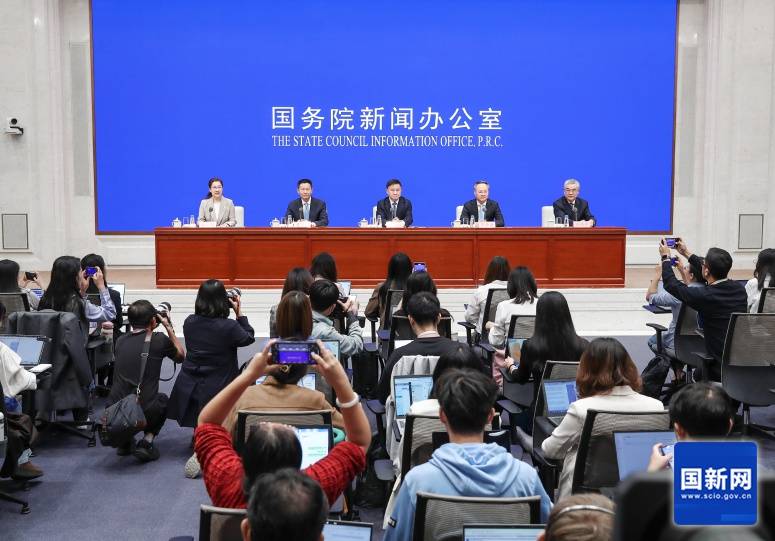
李云泽:行业主要监管指标处"健康区间"
Jin Rong Shi Bao· 2025-09-22 08:08
Core Insights - The total assets of the banking and insurance sectors have exceeded 500 trillion yuan, with an average annual growth of 9% over the past five years, solidifying China's position as the largest credit market and the second-largest insurance market globally [1] - The assets managed by trust, wealth management, and insurance asset management institutions have reached nearly 10 trillion yuan, doubling compared to the end of the 13th Five-Year Plan [1] - Among the world's top 1,000 banks, 143 Chinese banks are listed, with China occupying 6 out of the top 10 positions [1] Financial Sector Developments - The financial institution system is becoming increasingly multi-layered, widely covered, and differentiated, with large institutions playing a more prominent role [1] - The presence of global banks in China is significant, with 43 out of the top 50 banks having established operations in the country [1] - Half of the 40 largest insurance companies globally have entered the Chinese market [1] Financial Stability Indicators - Overall financial operations remain stable, with key regulatory indicators such as non-performing loans, capital adequacy, and solvency showing positive trends and remaining within a "healthy range" [1] - The disposal of non-performing assets has increased by over 40% compared to the 13th Five-Year Plan period [1] - The total scale of capital and provisions for risk resistance in the industry exceeds 50 trillion yuan, indicating stronger resilience and confidence in facing various challenges [1]
金融监管总局李云泽:银行业保险业总资产超过500万亿元,5年来年均增长9%
Bei Jing Shang Bao· 2025-09-22 07:41
Core Insights - The total assets of the banking and insurance sectors have exceeded 500 trillion yuan, with an average annual growth of 9% over the past five years, solidifying China's position as the largest credit market and the second-largest insurance market globally [1] - The assets managed by trust, wealth management, and insurance asset management institutions have nearly doubled compared to the end of the 13th Five-Year Plan, reaching approximately 100 trillion yuan [1] - Among the global top 1,000 banks, 143 are Chinese banks, with China occupying 6 out of the top 10 positions [1] Financial Stability - The overall financial operation remains stable, with key regulatory indicators such as non-performing loans, capital adequacy, and solvency showing positive trends and remaining within a "healthy range" [1] - Over the past five years, the disposal of non-performing assets has increased by more than 40% compared to the 13th Five-Year Plan period [1] - The total scale of capital and provisions for risk resistance in the industry exceeds 50 trillion yuan, indicating a stronger foundation and resilience to face various challenges [1] Institutional Development - The financial institution system is becoming increasingly multi-layered, widely covered, and differentiated, with large institutions playing a more prominent role as the mainstay and stabilizer [1] - Medium and small institutions are effectively serving local needs and achieving distinctive development [1] - 43 of the world's top 50 banks have established institutions in China, and half of the 40 largest insurance companies have entered the Chinese market [1]
金融监管总局李云泽:监管质效持续提升 监管合力加快凝聚
Zheng Quan Shi Bao Wang· 2025-09-22 07:24
人民财讯9月22日电,9月22日,在介绍"十四五"时期金融业发展成就时,金融监管总局局长李云泽在国 新办新闻发布会上表示,近年来,总局系统机构改革圆满收官,四级垂管架构有效运转,金融消保工作 扎实推进,省市县三级防非打非机制全面覆盖,监管质效持续提升,监管法治四梁八柱加快搭建,机构 监管、行为监管、功能监管、穿透式监管、持续监管5大监管得到全面强化,坚持严格执法,敢于亮 剑,("十四五"以来)累计处罚机构2万家次,责任人3.6万人次,监管合力加快凝聚。 ...
影响一周市场的十大消息:国新办今日将举行发布会 潘功胜、吴清等出席
Zheng Quan Shi Bao Wang· 2025-09-21 23:27
Monetary Policy - The People's Bank of China announced adjustments to the 14-day reverse repurchase operations to maintain ample liquidity in the banking system, implementing fixed quantity and interest rate bidding with multiple price levels starting from September 19 [1] Government Policies - The State Council held a meeting to discuss the implementation of domestic product standards in government procurement, emphasizing fair competition and the need for a reasonable transition period for businesses to adapt [2] - The meeting also approved the draft revision of the Banking Supervision Law, aiming to enhance the stability of financial institutions and protect consumer rights [2] Pharmaceutical Industry - The 11th batch of national drug centralized procurement includes 55 drugs, with a focus on balancing price and quality, and introduces measures to prevent price wars and ensure compliance with GMP standards [3] Stock Market Regulations - Four A-share companies, including Fudan Forward and Creative Information, will face risk warnings and trading suspensions due to financial fraud, reflecting a strict regulatory stance against such activities [4] Immigration Policy - The U.S. has significantly increased the H-1B visa application fee to $100,000, impacting major tech companies that rely on foreign talent, with the fee applicable only to new applications [5] Real Estate Market - Shanghai's authorities announced adjustments to property tax policies to support housing demand, including tax exemptions for certain high-level talent and first-time homebuyers [6][7] Stock Market Performance - U.S. stock indices reached new historical highs, with significant gains in major tech stocks, while Chinese concept stocks showed mixed performance [8] Upcoming Financial Announcements - A press conference on the achievements of the financial sector during the 14th Five-Year Plan will be held on September 22, along with the announcement of the Loan Prime Rate (LPR) [9][10] IPO and Stock Unlocking - The China Securities Regulatory Commission approved IPO registrations for two companies, and over 600 billion yuan worth of restricted shares will be unlocked this week, with significant unlocks from companies like Hehe Information and Ziyuan Food [11][12][13][14]



固收定期报告:利率监管与海外双重冲击之后?
CAITONG SECURITIES· 2025-09-21 10:38
Report Industry Investment Rating Not provided in the content. Core Views - The bond market remained volatile in September. Regulatory disturbances occurred in the first half, and the better-than-expected China-US negotiations in the second half. The current financial market's interbank idle circulation is not severe, so there's no need for large-scale financial supervision. The central bank maintains a supportive stance, so the pattern of a ceiling on interest rates won't change. The 10-year Treasury bond at 1.8% and the 5-year at 1.6% have allocation value. It's recommended to seize the left-side opportunity, hold old 10-year Treasury bonds and 2 - 3-year medium to high-grade credit bonds in the short term, and gradually switch to 25T6 later [3]. - Under weak fundamentals, strict financial supervision is likely, but the regulatory risk in this round is limited compared to history. The current idle circulation problem in the financial market is not prominent, and the central bank's "anti-idle circulation" in the Q2 2025 monetary policy report mainly refers to the "enterprise - finance" level. The possibility of a systematic adjustment in the bond market is limited [3]. - The China-US phone call has a complex impact on the stock market. In the short term, it's more beneficial. For the bond market, the implementation of the negotiation results may delay the use of aggregate monetary policy tools in Q4. Considering the 10-year Treasury bond interest rate ceiling of about 1.9% in Q1 and the 10bp interest rate cut in May, the current 1.8% 10-year Treasury bond has significant allocation value [3]. - From September 15th to 19th, funds were slightly tight, and yields generally rose. The progress of China-US negotiations, poor Treasury bond issuance results, and Shanghai's property tax adjustment were negative factors, while the weak economic data in October was positive. The 10-year Treasury bond yield rose 1.19BP to 1.88%, and the 10-year CDB bond yield fell 0.93BP to 2.02% [3]. - As of September 14th, the wealth management scale increased slightly, and the duration decreased. The public fund duration decreased to 2.30, and the divergence degree decreased, with a slight increase in market consensus [3]. Summary by Directory 1. Whether to Worry about Strict Regulatory Risks - In a weak economic environment, financial institutions may engage in regulatory arbitrage due to profit - seeking motives under loose monetary conditions. However, the current financial market's idle circulation is not serious, and the central bank maintains a supportive attitude, so the bond market may adjust, but the pattern of a ceiling on interest rates remains [7][15]. 1.1 2013: On - balance - sheet Interbank Expansion and the Money Crunch - In the first half of 2013, the macro - background was weak fundamentals, loose monetary policy, and strong expectations of stimulus policies. Banks had a strong motivation for business expansion, leading to significant growth in interbank liabilities and a surge in wealth management business. The tightening of monetary policy and financial supervision had a significant impact on the bond market [16][21][25]. 1.2 2016: Liability - side Driven Capital Out of the Balance Sheet - In 2016, the economic downturn led to weak real - sector financing demand. Banks faced pressure on the liability side and used active liability management and asset - side allocation to form inter - bank chains. The financial de - leveraging starting from October 2016 and the subsequent tightening of fundamentals, inter - bank supervision, and monetary policy had a large impact on the bond market [28][35][38]. 2. How to View This Round of the Head - of - State Phone Call - Analyzing Trump's social media posts after the two phone calls, this round of the phone call achieved more results. It's expected that the scope of trade restrictions may be narrowed, and the fentanyl tariff may be reduced. For the stock market, it's more beneficial in the short term, but it may reduce the possibility of large - scale domestic incremental policies. For the bond market, it may delay the use of aggregate monetary policy tools in Q4, and the 1.8% 10 - year Treasury bond has allocation value [39][41][44]. 3. The Decline of the Bond Market Slows Down - From September 15th to 19th, the central bank's open - market operations were net injections, and funds were slightly tight. Bond yields generally rose, with the 10 - year Treasury bond yield rising 1.19bp to 1.88% and the 10 - year CDB bond yield falling 0.93bp to 2.02%. Different factors affected the bond market on each trading day [46][50][51]. 4. The Wealth Management Scale Increases Slightly - As of September 14th, the wealth management's existing scale reached 31.07 trillion yuan, with a week - on - week increase of 238.2 billion yuan. The new - issued wealth management scale from September 8th to 14th was 207.76 billion yuan. In September, the scale of fixed - income products increased, and the net - breaking rate decreased slightly [52][54][57]. 5. Duration - From September 15th to 19th, the public fund duration decreased by 0.02 to 2.30 compared to September 12th, with a weekly average of 2.39. The duration divergence degree decreased, and market consensus increased slightly [61].
刚刚!国常会最新部署!
天天基金网· 2025-09-21 09:14
Core Viewpoints - The State Council meeting emphasized ecological environment protection, government procurement reform, and financial regulation as key areas for high-quality economic development and risk prevention [4]. Group 1: Government Policies - The meeting reiterated that the construction of a beautiful China requires long-term efforts and emphasized enhancing green development momentum through high-level protection [4]. - A new policy for government procurement was discussed, focusing on establishing domestic product standards and specific requirements for key components and processes [4]. - The draft revision of the Banking Supervision Law was approved in principle, aiming to improve management systems and combat illegal financial activities, addressing urgent financial risks in real estate and local debts [4]. Group 2: Market Analysis - The Shanghai Composite Index fell by 1.3% while the ChiNext Index rose by 2.34% during the week, indicating a mixed market performance [10]. - The market showed signs of volatility with significant fluctuations in trading volume, particularly on Thursday, which saw increased activity, while Friday experienced a notable decrease in trading volume [10][11]. - Economic data for August showed a decline in industrial output and retail sales, but market sentiment and liquidity are currently more influential in interpreting these fundamentals [11]. Group 3: Investment Opportunities - The IPO of Moore Threads, which plans to raise 8 billion yuan for AI chip development, reflects strong regulatory support for hard technology enterprises amid tightening IPO conditions [6]. - The net inflow of cross-border funds reached 3.2 billion USD in August, driven by increased foreign exchange earnings from exports and the attractiveness of Chinese assets [7][8]. - The trend of residents moving deposits into the stock market is expected to continue, providing substantial incremental funds for the equity market [11].

压降不良资产 筑牢风险屏障
Jing Ji Ri Bao· 2025-09-20 22:11
Core Insights - The report from the Bank Credit Asset Registration and Transfer Center indicates a stable operation of the financial industry in China, with financial institutions actively reducing non-performing assets while enhancing credit asset quality [1][2]. Summary by Sections Policy Guidance - As of the end of Q2, the balance of non-performing loans in commercial banks was 3.4 trillion yuan, a decrease of 2.4 billion yuan from the previous quarter, with a non-performing loan ratio of 1.49%, down by 0.02 percentage points [2]. - The capital adequacy ratio for commercial banks (excluding foreign bank branches) was 15.58%, an increase of 0.30 percentage points from the previous quarter [2]. - The report anticipates that 3.8 trillion yuan of non-performing assets will be disposed of in 2024, supported by macro policy guidance and a recovering economy [2]. Deepening Transfer Trials - The report shows that by the end of 2024, 337 institutions had opened 1,004 business accounts at the registration center, indicating increased participation in non-performing loan transfers [4]. - Financial asset management companies are accelerating their involvement in personal non-performing loan transfers, with significant acquisitions reported [4]. - The structure of participants in the market is evolving, with a notable increase in the involvement of state-owned banks and city commercial banks [5]. Market Development - The batch transfer of personal non-performing loans is progressing orderly, with a diversified development trend observed [5]. - The market concentration is decreasing, and the average transaction attracts nearly five potential buyers, enhancing the price formation mechanism [5]. - The report indicates that 17 asset management companies successfully acquired batch corporate non-performing loans, with financial asset management companies being the main players in this segment [5][6]. Future Outlook - The pressure for non-performing asset disposal remains, but the transfer business is expected to continue developing [7]. - Smaller financial institutions face greater challenges in risk prevention due to weaker capital strength [7]. - Recommendations include enhancing risk management and internal controls, establishing standardized mechanisms for non-performing asset disposal, and improving monitoring systems for credit assets [7][8]. Challenges and Recommendations - The non-performing asset transfer market faces challenges such as insufficient asset standardization and high collection costs [8]. - Suggestions for improvement include enhancing the legal framework, simplifying judicial processes, and leveraging digital technologies to improve efficiency [8].