食品安全

Search documents
茉酸奶,卖掉了创始人
盐财经· 2025-12-27 10:38
Core Viewpoint - The departure of Zhao Bohua, the founder of Mo Yogurt, marks a significant shift in the company's leadership and raises questions about the underlying reasons for this change, including capital dynamics and operational pressures [4][7][10]. Group 1: Leadership Changes - Zhao Bohua has resigned from all positions, including legal representative, general manager, and board member, while co-founder Gu Hao has taken over as the legal representative with a shareholding increase to 57.14% [4][5]. - The transition appears to be a clean and immediate power handover without a transitional period [5]. Group 2: Market Reactions - The market's initial response has been to search for triggers behind Zhao's departure, with speculation around the entry of new shareholders and operational challenges [6][8]. - Mo Yogurt's store count has decreased from a peak of 1,682 to 1,166, indicating a retreat from aggressive expansion [8]. Group 3: Historical Context - The brand's evolution from its founding in 2014 to its current state reflects a departure from its original vision, with Zhao's exit symbolizing a significant change in direction [10][12]. - Zhao Bohua's background as a dentist contrasts sharply with the sugary beverage industry, highlighting the unique journey of the brand [12]. Group 4: Operational Challenges - In 2023, Mo Yogurt faced controversies over pricing and product quality, leading to a significant decline in sales, particularly in Beijing, where monthly sales dropped by 42% [18][19]. - A series of food safety issues, including the use of expired ingredients, has severely damaged the brand's reputation, resulting in a wave of store closures [18][19]. Group 5: Strategic Shifts - Following the leadership change, Gu Hao has initiated the development of new sub-brands to diversify risk, although these efforts have faced challenges [22][23]. - The company has adjusted its pricing strategy and lowered franchise fees to attract new franchisees, reflecting a response to market pressures [25]. Group 6: Industry Context - The overall growth rate of the new tea beverage market has significantly slowed, indicating a shift towards a more competitive landscape where established brands dominate [26]. - Mo Yogurt's adjustments in pricing and quality control are seen as necessary responses to the intensified competition in the beverage sector [26]. Group 7: Future Directions - Zhao Bohua is reportedly embarking on a new venture in the hot pot industry, suggesting a return to his roots of focusing on product quality and a more measured growth approach [27][28]. - The narrative emphasizes that in the entrepreneurial landscape, a slower, more deliberate approach can often be more sustainable than rapid expansion [28].

警惕“舌尖上”的威胁!如何预防沙门氏菌感染请记牢
Yang Shi Xin Wen· 2025-12-26 22:38
Core Viewpoint - Salmonella is a common foodborne pathogen that can lead to human infections through contaminated food sources. The article discusses the foods that are prone to Salmonella contamination, the symptoms of infection, and prevention methods. Group 1: Characteristics of Salmonella - Salmonella is resistant to low temperatures but not to heat, being killed at 55°C in 1 hour, 60°C in 15-30 minutes, or 100°C in a few minutes [3]. Group 2: Symptoms of Infection - The incubation period for Salmonella infection ranges from 4 to 48 hours, with some cases lasting up to 71 hours. Symptoms typically include gastrointestinal issues such as dizziness, headache, nausea, loss of appetite, followed by vomiting, abdominal pain, diarrhea, and fever, which can reach 38°C to 40°C. Mild cases usually resolve within 3 to 5 days. High-risk groups include infants, children, pregnant women, the elderly, and immunocompromised individuals [5]. Group 3: Foods Prone to Salmonella Contamination - Risky food items include: - Raw or undercooked pork, chicken, and beef, potentially contaminated during slaughter [8]. - Eggs, particularly raw or undercooked ones, which may be contaminated on the shell or inside [8]. - Dairy products, such as unpasteurized milk and cheese, which can be contaminated due to infections in dairy cows or processing contamination [9]. - Seafood, sprouts, raw vegetables, and unpasteurized juices, which may be contaminated through raw material or cross-contamination [12]. Group 4: Transmission Routes - Salmonella can be transmitted through: - Foodborne transmission, primarily through contaminated meat, eggs, and dairy products [13]. - Contact transmission, where touching contaminated food or utensils without washing hands leads to infection [14]. - Environmental transmission, where pet feces, especially from birds and reptiles, contaminate the environment [15]. - Cross-contamination, such as using the same cutting board or utensils for raw and cooked foods [16]. Group 5: Food Safety Standards - China's national food safety standards set limits for Salmonella in various food categories, including dairy, meat, seafood, and ready-to-eat products, all requiring "not detected" levels [18]. Group 6: Prevention Methods - Effective prevention methods include: - Strengthening food hygiene management by purchasing pasteurized dairy and inspected meat, avoiding damaged or dirty eggs [20]. - Proper storage of raw meat at 0°C to 4°C, keeping it sealed, and separating it from ready-to-eat foods [23]. - Using separate cutting boards for raw and cooked foods and thoroughly washing hands after handling raw meat [26]. - Avoiding consumption of raw or undercooked meat and eggs, as well as unpasteurized milk [26]. Group 7: Consumer Actions - Food operators must comply with the Food Safety Law by verifying the quality of food products and removing any suspicious items from sale [27]. If contamination is suspected, they are required to recall affected products and notify consumers [28]. Consumers should report issues to regulatory authorities and follow recall notices [30].

新疆乌苏市市场监管局筑牢安全防线 守护双节“食”光
Zhong Guo Shi Pin Wang· 2025-12-26 12:45
Core Viewpoint - The article emphasizes the importance of food safety during the upcoming New Year and Spring Festival, highlighting the proactive measures taken by the Urumqi Market Supervision Bureau to ensure compliance and safety in food production, particularly in small workshops [1][2]. Group 1: Regulatory Actions - The Urumqi Market Supervision Bureau has initiated a special inspection action targeting food small workshops ahead of the holidays, focusing on compliance with food safety laws and regulations [1]. - The inspection covers over 80% of food small workshops in the jurisdiction, identifying and rectifying more than 30 safety hazards, and issuing 12 rectification notices [3]. Group 2: Key Focus Areas - The inspections concentrate on four critical areas: compliance with qualifications, safety of raw materials, process control, and labeling standards [1]. - Specific checks include verifying the validity of food workshop registration certificates, ensuring no illegal operations or production beyond permitted scopes, and examining the quality of raw materials used [1]. Group 3: Community Engagement and Education - The bureau adopts a "regulation + service + publicity" approach, acting as both enforcers of food safety and educators on relevant laws and regulations [2]. - Efforts include distributing informational brochures and providing on-site answers to questions, aiming to enhance the food safety management practices of small workshop operators [2]. Group 4: Future Plans - The Urumqi Market Supervision Bureau plans to increase inspection frequency and sampling during the holiday period, particularly in key areas and for important products, to prevent problematic food from entering the market [3]. - The bureau will also implement an emergency response system to ensure continuous food safety oversight during the festive season [3].
广西百色一粉店汤锅内出现异物 当地市监局通报:立案调查
Yang Shi Wang· 2025-12-26 07:58
食品安全无小事。该局始终坚持"四个最严"要求,对食品安全违法违规行为实行"零容忍"。下一步,将 持续加大监管力度,排查各类食品安全风险隐患,全力保障人民群众"舌尖上的安全"。 欢迎社会各界共同监督,如发现食品安全问题,请及时拨打12315热线投诉举报。 央视网消息:据"右江市场监管"微信公众号消息,12月26日,广西百色市右江区市场监督管理局发布情 况通报。针对12月25日网络反映"百色深圳小镇粉店汤锅内出现异物"的情况,该局迅速组织执法人员赴 现场调查。现将有关情况通报如下: 经核实,涉事单位为右江区四塘镇"百色市右江区岑某某餐饮店"。检查发现,该店确实存在视频中反映 的食品安全隐患问题。目前,该局已依法对该店进行立案调查,并责令其立即停业整改。 ...
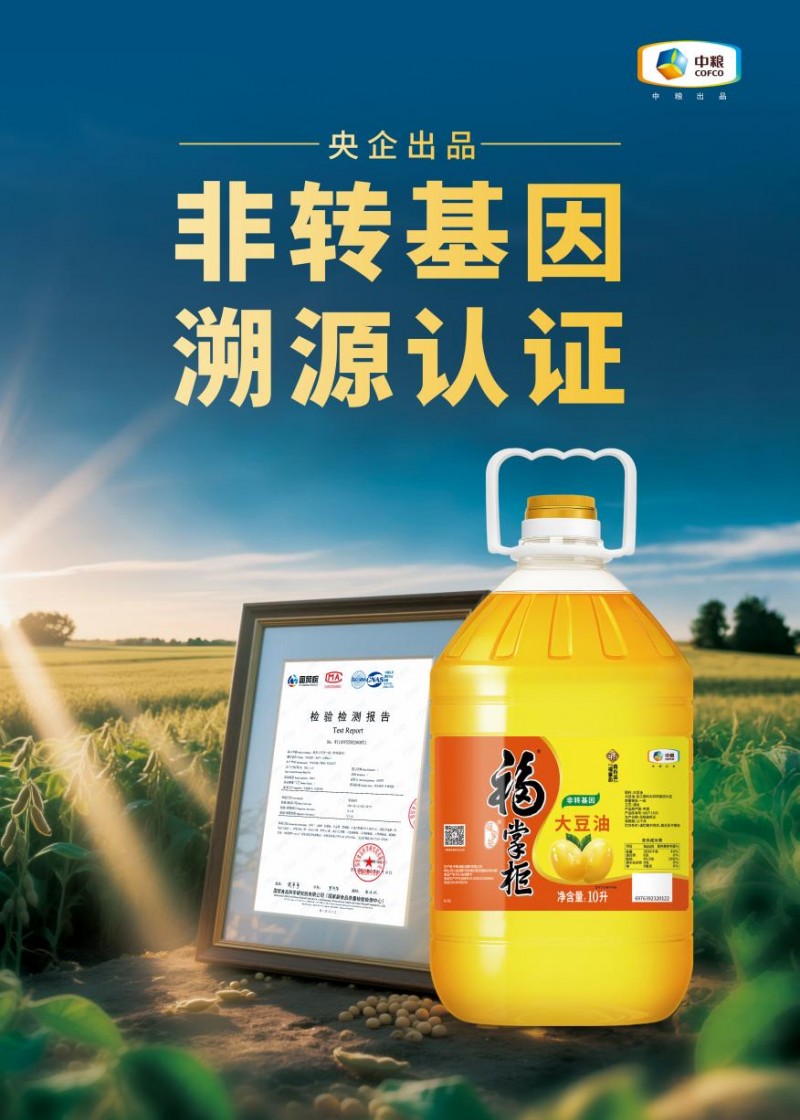
国货之光中粮福掌柜:守护餐桌安全的“沉默卫士”与其食品安全本分
Zhong Guo Shi Pin Wang· 2025-12-26 04:17
Core Viewpoint - The article emphasizes the critical importance of food safety in the Chinese restaurant industry, highlighting the role of COFCO Fu Zhanggui as a trusted brand that prioritizes safety and responsibility in its cooking oil products [1][7]. Group 1: Food Safety Management - COFCO Fu Zhanggui implements a comprehensive safety management system that begins at the agricultural level, ensuring the purity and quality of raw materials through strict selection and management [2]. - The brand's safety management cycle starts well before the packaging date, reflecting a proactive approach to risk prevention and process control [2]. - The entire supply chain is traceable, providing transparency and confidence to restaurant operators who choose COFCO Fu Zhanggui [2]. Group 2: Internal Control Standards - COFCO Fu Zhanggui sets internal quality control standards that exceed national requirements, particularly concerning key safety indicators like acid value and peroxide value [3][4]. - The company’s rigorous control processes ensure the removal of impurities and free fatty acids, maintaining the freshness and safety of the oil [4]. Group 3: Execution Culture - A "zero tolerance" culture is embedded within COFCO Fu Zhanggui's food safety system, emphasizing strict quality supervision and risk monitoring [6]. - The company has established a digital platform for real-time monitoring and analysis of food safety risks, ensuring that no compromises are made regarding food safety [6]. Group 4: Brand Positioning - COFCO Fu Zhanggui is positioned as a "national treasure" in the food industry, driven by a deep-seated commitment to food safety and quality [7]. - The brand's focus is on providing consistent and reliable products rather than fleeting marketing success, reinforcing its reputation in the market [7].
谱尼测试涨2.07%,成交额1.62亿元,主力资金净流出684.19万元
Xin Lang Cai Jing· 2025-12-26 02:05
Core Viewpoint - Puni Testing's stock price has shown significant growth this year, with a notable increase in trading activity and a diverse revenue stream from various sectors [2][3]. Group 1: Stock Performance - Puni Testing's stock price increased by 22.77% year-to-date, with a 18.43% rise in the last five trading days and a 10.09% increase over the past 20 days [2]. - The stock reached a peak trading volume on December 24, with a net buy of 60.01 million yuan, accounting for 20.19% of total trading volume [2]. Group 2: Company Overview - Puni Testing, established on June 10, 2002, and listed on September 16, 2020, is based in Haidian District, Beijing, and specializes in inspection, testing, measurement, certification, and related technical services [2]. - The company's main revenue sources are: Life Sciences and Environmental Health (68.89%), Automotive and Other Consumer Goods (19.99%), and Safety Assurance (10.94%) [2]. Group 3: Financials and Shareholder Information - As of September 30, 2025, Puni Testing reported a revenue of 932 million yuan, a year-on-year decrease of 17.01%, while the net profit attributable to shareholders was -199 million yuan, reflecting a 15.07% increase year-on-year [2]. - The company has distributed a total of 336 million yuan in dividends since its A-share listing, with 234 million yuan distributed over the past three years [3]. - As of September 30, 2025, the number of shareholders decreased by 15.81% to 21,400, while the average circulating shares per person increased by 18.79% to 16,937 shares [2].
沈阳开展食品安全“你点我检”活动
Xin Lang Cai Jing· 2025-12-25 20:25
(来源:沈阳日报) 转自:沈阳日报 本报讯(沈阳日报、沈报全媒体主任记者尚志文)元旦佳节将至,为切实保障节日期间市民饮食安全, 强化食品安全科普宣传引导,12月25日,记者获悉,沈阳市市场监管局组织和平区市场监管局,开 展"你点我检 服务惠民生"进超市活动。此次活动是邀请市民通过全国民意征集系统扫码参与"点检"的 第27站,更是本年度的收官之站。 活动现场,市场监管部门以"保障节日饮食安全"为核心,通过发放科普宣传手册、开展现场答疑讲解等 多种形式,向市民普及食品安全法律法规和消费维权 【下载黑猫投诉客户端】知识。工作人员主动引 导消费者扫描二维码,登录"你点我检"线上民意征集系统,自主点选最关注、最想检测的食品品种。结 合节日热销食品品类及群众点选意见,监管人员联合检验机构抽样人员直奔超市生鲜、粮油、零食等重 点区域开展现场抽样,所抽样品将第一时间送往专业实验室进行检测,检测结果将通过市市场监管局官 方网站及时向社会公示。对检验发现的不合格食品,监管部门将依法依规开展核查处置,坚决守住食品 安全底线。与此同时,检测人员还对市民点选的蔬菜、肉类、水果等节前热销食品开展现场快速检测, 实时公示检测结果,让监管过 ...
我省整治食品添加剂滥用及食用植物油突出问题
Xin Lang Cai Jing· 2025-12-25 19:23
Core Viewpoint - The Qinghai Provincial Market Supervision Administration has implemented strict measures to address issues related to food additives and edible vegetable oils, ensuring food safety for consumers [1][2] Group 1: Regulatory Actions - The administration has launched a special rectification campaign focusing on the abuse of food additives and issues with edible vegetable oils, emphasizing the "four strictest" principles and the "two responsibilities" for food safety [1] - A notification regarding the inspection and rectification of prominent issues related to edible vegetable oils has been issued, along with an initiative to standardize the production and use of food additives [1] Group 2: Inspection and Compliance - A total of 2,359 food production and operation entities have been inspected, achieving full coverage of 21 food additive production enterprises and 31 edible vegetable oil production enterprises [2] - 19 issues were identified during inspections, all of which have been rectified; 1,110 batches of edible vegetable oils were sampled, with a 99.73% pass rate, and 3 batches were found non-compliant [2] Group 3: Enforcement and Penalties - Five cases have been filed with fines totaling 35,000 yuan, and 192 barrels of non-compliant finished oil were confiscated [2] - A total of 42,007 batches of food safety samples were tested, with 21 batches of food additives found non-compliant, leading to 9 cases filed and fines amounting to 126,000 yuan [2]
迎元旦 沈城启动“你点我检”食品安全活动
Xin Lang Cai Jing· 2025-12-25 18:26
本报讯(沈阳晚报、沈阳发布客户端记者尚志文)元旦佳节将至,为切实保障节日期间市民饮食安全, 强化食品安全科普宣传引导,12月25日,记者获悉,沈阳市市场监管局组织和平区市场监管局,开 展"你点我检 服务惠民生"进超市活动。此次活动是邀请市民通过全国民意征集系统扫码参与"点检"的 第27站,更是本年度的收官之站。 活动现场,市场监管部门以"保障节日饮食安全"为核心,通过发放科普宣传手册、开展现场答疑讲解等 多种形式,向市民普及食品安全法律法规和消费维权 【下载黑猫投诉客户端】知识。工作人员主动引 导消费者扫描二维码,登录"你点我检"线上民意征集系统,自主点选最关注、最想检测的食品品种。结 合节日热销食品品类及群众点选意见,监管人员联合检验机构抽样人员直奔超市生鲜、粮油、零食等重 点区域开展现场抽样,所抽样品将第一时间送往专业实验室进行检测,检测结果将通过市市场监管局官 方网站及时向社会公示。对检验发现的不合格食品,监管部门将依法依规开展核查处置,坚决守住食品 安全底线。与此同时,检测人员还对市民点选的蔬菜、肉类、水果等节前热销食品开展现场快速检测, 实时公示检测结果,让监管过程直观可见、触手可及,筑牢节日食品安 ...
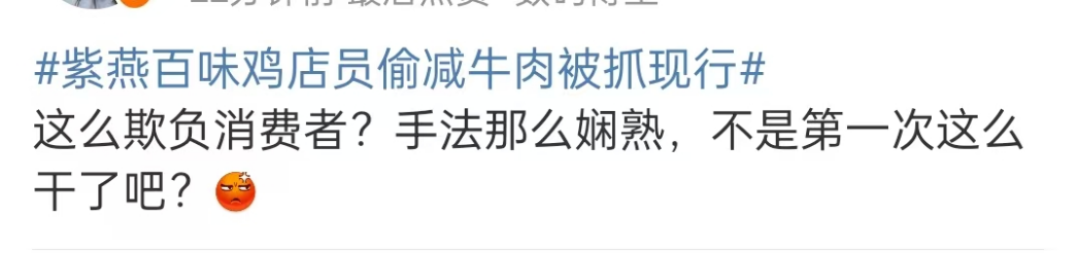
热搜爆了!店员偷牛肉被拍,紫燕百味鸡又“翻”车了
Feng Huang Wang Cai Jing· 2025-12-25 12:44
Core Viewpoint - The incident involving a staff member at a Ziyuan Food store stealing beef has sparked significant public outrage, highlighting ongoing issues with food safety and customer trust within the company [1][4][6]. Group 1: Incident Details - A video surfaced showing a staff member at a Ziyuan Food store secretly taking beef from a customer's order, leading to widespread complaints from customers who felt they were receiving less meat than paid for [1][2][3]. - Ziyuan Food responded by forming a special task force to investigate the incident, confirming the misconduct and taking immediate actions such as closing the store, firing the employee, and offering compensation to affected customers [4][6]. Group 2: Food Safety Issues - This incident is not isolated; Ziyuan Food has faced multiple food safety controversies, including previous violations where products failed microbiological tests, with some samples exceeding safety limits by up to 290 times [6][9]. - The company has a history of food safety complaints, with over 600 complaints recorded, including issues of missing weight and contamination [14]. Group 3: Business Model and Management Challenges - Ziyuan Food primarily operates through a distribution model, with 79.32% of its revenue coming from distributors, which limits direct control over franchise operations and contributes to management challenges [15][16]. - The company's reliance on distributors has led to insufficient oversight, as evidenced by recurring food safety issues and customer complaints [16][18]. Group 4: Financial Performance - In the first three quarters of 2025, Ziyuan Food reported a revenue of 2.514 billion yuan, a decline of 6.43% year-on-year, with net profit dropping by 44.37% to 194 million yuan [21][22]. - The company's financial health is deteriorating, with a 39.23% decrease in net cash flow from operating activities and an increase in debt, leading to a rise in the debt-to-asset ratio to 49.31% [24][25]. Group 5: Strategic Transition - Facing a crisis, Ziyuan Food is attempting to transform its business model through strategies focused on youth engagement, globalization, and digitalization, although these efforts have led to increased upfront costs without immediate financial returns [26][27]. - The new management team, which has recently taken over, faces the dual challenge of addressing immediate operational crises while pursuing long-term strategic goals [27][28].