关税战

Search documents
美国2000万吨大豆滞销,中国却成全球最大芯片出口国
Sou Hu Cai Jing· 2025-10-04 20:43
Core Insights - The historical trade imbalance between the U.S. and China persists, with the U.S. struggling to identify competitive products to sell to China, leading to significant challenges in the agricultural sector, particularly for soybeans [2][26] - The U.S.-China trade war has resulted in a drastic decline in U.S. soybean exports to China, with imports dropping to 22.13 million tons in 2024, a 5.7% decrease year-on-year, marking the lowest level in 12 years [2][5] - Brazil has emerged as a dominant supplier of soybeans to China, with imports reaching 74.65 million tons in 2024, accounting for 71.1% of China's total soybean imports [7] Trade Dynamics - The bilateral trade volume between the U.S. and China reached $688.28 billion in 2024, a 275-fold increase since the establishment of diplomatic relations in 1979, but the trade structure has significantly changed [2] - U.S. exports to China are increasingly dominated by high-tech products, with machinery, electronics, optics, and medical devices making up 63% of total exports, while agricultural products account for only 23% [9][16] - The U.S. agricultural sector, particularly soybean farmers, has expressed frustration over the trade war, feeling like collateral damage despite government subsidies being insufficient to cover their losses [5][11] Historical Context - The article draws parallels between historical trade challenges faced by the U.S. and current issues, highlighting that the U.S. has historically struggled to offer products that meet Chinese demand [18][20] - The U.S. once relied on selling opium to China to address trade imbalances, a practice that is no longer viable due to China's growing economic power [24][26] - The contrast between China's industrial growth and the U.S.'s status as the largest consumer of opioids underscores the shifting dynamics in global trade and economic strength [26]

美财长提前官宣胜利,美国豆商有救?回头一看:是特朗普绷不住了
Sou Hu Cai Jing· 2025-10-04 19:05
Core Viewpoint - The significant decline in U.S. soybean exports to China is causing distress among American farmers, with exports dropping by 39% in the first seven months of 2025 compared to the previous year, leading to a historical high in soybean inventory and financial losses for farmers [1][2]. Group 1: Export Data and Trends - U.S. soybean exports to China fell sharply, totaling only 5.9 million tons from January to July 2025, a 39% decrease year-over-year [1]. - By August 2025, U.S. exports to China were recorded at 218 million bushels, a drastic drop from 985 million bushels in the same period of 2024 [1]. - The U.S. Department of Agriculture reported a record high soybean inventory of 22 million tons, with at least 7 million tons classified as unsellable [1]. Group 2: Impact of Trade Policies - The trade war initiated by the Trump administration has severely impacted U.S. agricultural exports, with a projected total value of $17 billion in agricultural exports to China for July 2025, a 30% decrease from 2024 and more than a 50% drop from 2022 [2]. - The imposition of a 34% additional tariff on U.S. soybeans has made it economically unfeasible for Chinese buyers to purchase American soybeans [1][2]. Group 3: Political and Economic Reactions - Farmers in key agricultural states are expressing dissatisfaction with the current trade policies, which are affecting their livelihoods, leading to increased pressure on Republican lawmakers ahead of the midterm elections [2][6]. - Treasury Secretary Scott Bessent announced plans for a fifth round of trade negotiations with China during the APEC summit, indicating potential agricultural concessions in exchange for benefits in other sectors [3][8]. Group 4: Market Response and Future Outlook - Following Bessent's announcement, soybean futures experienced a slight rebound, but overall market reactions remained lukewarm, with prices fluctuating around $10.2 per bushel [3][8]. - The diversification of China's soybean imports, primarily from South America, has solidified its supply chain, reducing reliance on U.S. soybeans and maintaining stable prices [9].
中美今年第一季度GDP增长情况说明,特朗普很难让美国伟大!
Sou Hu Cai Jing· 2025-10-04 12:48
Economic Performance Comparison - In Q1 2025, the US GDP experienced a contraction of 0.5%, marking the first negative growth since 2022, while China's GDP grew by 5.4% [2][4] - The US saw a significant increase in imports, with a 41.3% rise, particularly in goods imports which surged by 50.9%, negatively impacting GDP calculations [2][7] - China's GDP growth was driven by strong domestic demand, with consumption contributing 73.7% and investment 23.0% to the growth [4][8] Trade Policies and Their Impact - Trump's trade policies, including a substantial increase in tariffs, have led to an expansion of the trade deficit with China, contrary to his claims of protecting American industries [5][11] - The average tariff rate in the US rose from 2.5% to 27% after Trump's policies were implemented, significantly affecting the cost structure for American businesses [7][11] - China's response to tariffs included diversifying trade partnerships and increasing domestic fiscal stimulus, which helped maintain economic stability [8][11] Long-term Economic Outlook - Economic forecasts suggest that Trump's tariffs could lead to a long-term reduction in US GDP by 6% and a decrease in wages by 5% [7][11] - The US manufacturing sector showed weak job growth, with only 12,000 new jobs added in Q1 2025, indicating challenges in the labor market [11][13] - In contrast, China's economic fundamentals remain strong, with a healthier debt structure and significant investments in technology and education, positioning it for sustained growth [8][11][13]
难怪特朗普要来北京推销大豆,中美阿大豆博弈,仅有美国输惨了
Sou Hu Cai Jing· 2025-10-04 06:41
Group 1 - The U.S. Treasury Secretary's frustration over Argentina's decision to sell soybeans to China at lower prices, despite the U.S. providing $20 billion in aid to Argentina [1] - Argentina's cancellation of soybean export taxes and subsequent sale of 2.66 million tons of soybeans to China, which has displaced U.S. farmers from the market [1][9] - The U.S. agricultural sector is facing a crisis, with soybean prices dropping 40% from their 2022 peak and a record number of farm bankruptcies [5][8] Group 2 - Argentina's economic crisis led to the temporary cancellation of export taxes, resulting in $7 billion in soybean sales to China within two days [8][9] - The U.S. agricultural sector's reliance on China as a major buyer has diminished, with U.S. soybean exports to China dropping to zero in 2025 [8][12] - The shift in China's soybean import sources, with Brazil's share rising to 71.1% and the U.S. falling to 21.1%, indicates a significant change in the global soybean market dynamics [12] Group 3 - The U.S. government's attempt to negotiate with China by offering to relax AI chip exports in exchange for soybean purchases has not yielded positive responses [11] - The U.S. farmers are facing increasing pressure as their soybean inventories reach the highest levels since World War II, leading to concerns over land value and production cuts [12] - Argentina's strategic positioning in the soybean market, leveraging zero tariffs, has allowed it to capitalize on the situation while the U.S. struggles with its trade policies [12]
APEC峰会,将是特朗普对全球发起关税战后最重要的一次会议
Sou Hu Cai Jing· 2025-10-04 03:54
Group 1 - The APEC 2025 summit is significant for South Korea, with President Yoon Suk-yeol emphasizing the importance of avoiding a financial crisis similar to 1997 due to potential U.S. investment demands [2] - The APEC summit in October is seen as a critical moment for global economic discussions, particularly in light of the ongoing trade war initiated by the Trump administration [1][2] - President Yoon's portrayal in a promotional video as an air traffic controller symbolizes South Korea's orderly return to the international community amidst domestic political challenges [1] Group 2 - Trump's participation in the APEC summit is anticipated to address not only U.S.-Korea trade issues but also broader economic discussions with East Asian countries [5] - The potential absence of Trump from the summit due to U.S. government shutdown concerns raises questions about the future of U.S.-East Asia relations [2][3] - The evolving trade dynamics and Trump's previous absence from the 2018 APEC summit highlight the shifting landscape of U.S. engagement in international trade negotiations [3]
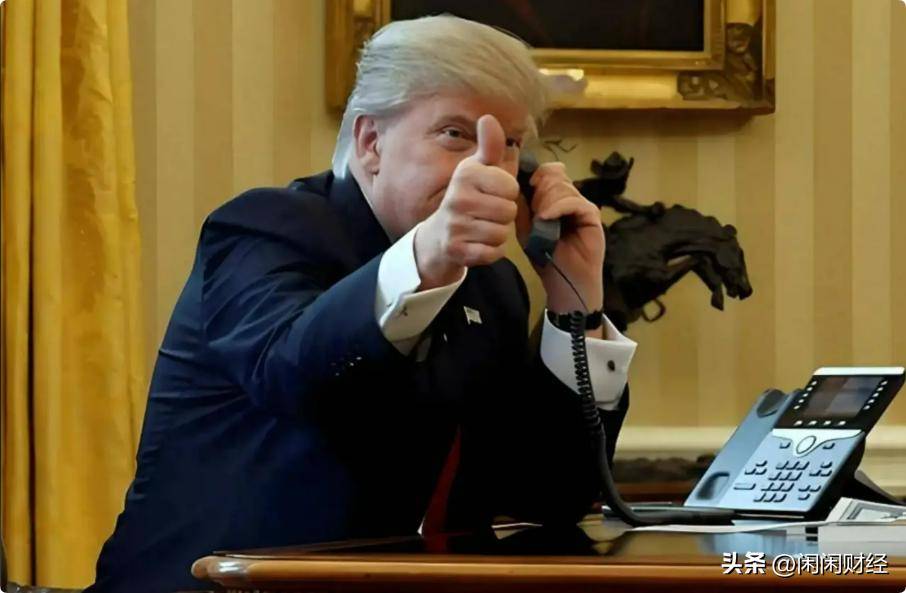
卖不掉 根本卖不掉!美国“豆贱伤农” 议员喊话:救救农民 我们正失去数十年心血开拓的市场
Mei Ri Jing Ji Xin Wen· 2025-10-03 14:05
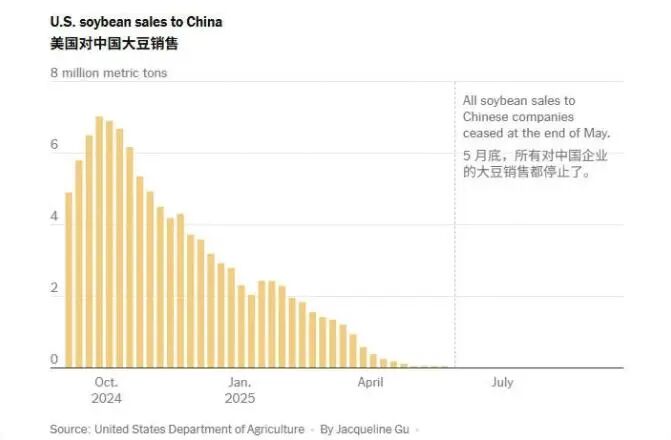
Core Insights - Despite record agricultural yields in the U.S. this year, farmers are experiencing widespread pessimism due to market access issues and declining prices for their crops [1][2][3] - The U.S. agricultural sector is facing a "devastating blow" from multiple factors including rising operational costs due to tariffs, low commodity prices, and shrinking markets [2][3][6] - The U.S. government is expected to provide over $40 billion in subsidies to farmers by 2025, marking the second-highest record since 1933, but this may not be sufficient to alleviate the current crisis [2][4] Group 1: Farmer Sentiment and Economic Impact - The Purdue University and Chicago Mercantile Exchange's agricultural economic barometer indicates a continuous decline in farmer sentiment in July and August [1] - Farmers are struggling to maintain their livelihoods, with some resorting to selling equipment due to plummeting crop prices [2][3] - The agricultural sector is experiencing its most challenging economic period in decades, as stated by the chairman of the House Agriculture Committee [3] Group 2: Tariff Effects and Market Access - The imposition of tariffs on steel and aluminum has resulted in a $600 million loss for John Deere, the largest agricultural machinery manufacturer in the U.S., leading to significant layoffs [2] - The trade war has severely impacted U.S. agricultural exports, particularly soybeans, with China not placing any orders since May, marking a historic low [10][12] - Other countries are capitalizing on the U.S. market share loss, with Brazil and Argentina increasing their exports to China significantly [10][12] Group 3: Government Response and Future Outlook - The U.S. government has promised compensation to farmers, but many are skeptical about the effectiveness and timeliness of these measures [12][15] - Predictions indicate that U.S. agricultural net income could decline by over $30 billion by 2026 due to reduced subsidies and low commodity prices [5] - Farmers express a strong desire for market access rather than government subsidies, emphasizing the need for immediate action from the government [12][15]
智库副主任:如继续制裁中国,那中国已做好5000年没有美国的准备
Sou Hu Cai Jing· 2025-10-03 11:55
Group 1: Chip Industry Dynamics - China's independence in chip production is expected to lead to a global chip revolution, increasing exports to overseas markets [1] - China's mature chip production capacity is currently the largest in the world, and this advantage is projected to continue [13] - Approximately two-thirds of American products contain at least one Chinese chip, which accounts for only 1.3% of total costs, making it highly attractive for U.S. companies [15] Group 2: Impact of Tariffs on U.S. Automotive Industry - U.S. tariffs are projected to result in a $7 billion profit loss for the American automotive industry, affecting major companies like Ford and General Motors [6] - The automotive sector heavily relies on global supply chains, with over 50% of parts imported, leading to increased production costs due to tariffs on steel and aluminum [6] - The U.S. automotive innovation alliance has urged the government to address supply chain issues caused by China's export controls on rare earth materials [8] Group 3: Global Trade and Economic Implications - The U.S. tariff policies have negatively impacted its own competitiveness and have led to a 25% drop in Japanese automotive exports to the U.S., causing layoffs in the supply chain [11] - The ongoing chip war between the U.S. and China mirrors past U.S. strategies against Japan, but China is focusing on developing both mature and advanced chips without seeking reconciliation [13][18] - The U.S. is facing significant economic repercussions from its unilateral technology block against China, affecting both American and global chip industries [18]



卖不掉,根本卖不掉!美国“豆贱伤农”,议员喊话:救救农民,我们正失去数十年心血开拓的市场
Mei Ri Jing Ji Xin Wen· 2025-10-03 11:06
Core Insights - Despite record agricultural yields in the U.S. this year, farmers are experiencing significant economic distress due to market access issues and declining prices for their products [1][2][3] Group 1: Farmer Sentiment and Economic Impact - The Purdue University and Chicago Mercantile Exchange's Agricultural Economic Barometer indicates a continuous decline in farmer sentiment indices for July and August [1] - Farmers are struggling to sell their crops, leading to a pessimistic outlook despite high production levels [1][6] - The agricultural sector is facing a "devastating blow" due to a combination of rising operational costs, low commodity prices, and shrinking markets [2][3] Group 2: Government Policies and Subsidies - The U.S. government’s tariffs on steel and aluminum have resulted in significant losses for major agricultural machinery manufacturers, such as John Deere, which reported a $600 million loss this year [2] - The U.S. Department of Agriculture is expected to pay over $40 billion in subsidies to farmers by 2025, marking the second-highest record since 1933 [2][4] - There is a growing demand for aid among farmers, with calls for support to be included in upcoming agricultural spending proposals [3][4] Group 3: Market Access and Trade Issues - The U.S. soybean market is particularly affected, with China, a major buyer, not placing any orders since May, marking a historic low in U.S.-China soybean trade [10][13] - The trade war has led to a significant loss of market access for U.S. farmers, with many expressing frustration over the lack of effective government support [5][13] - Other countries, such as Brazil and Argentina, are capitalizing on the situation by increasing their market share in China, further exacerbating the challenges faced by U.S. farmers [10][11] Group 4: Future Outlook and Concerns - Predictions indicate that U.S. agricultural net income could decline by over $30 billion by 2026 due to reduced government subsidies and low commodity prices [4] - Farmers are increasingly vocal about their need for market access rather than government compensation, emphasizing the urgency of resolving trade issues [14]
单枪匹马打不过中国,特朗普又改主意了,拉上欧洲27国一起来!
Sou Hu Cai Jing· 2025-10-03 06:23
Group 1 - The core strategy of the U.S. under Trump is to collaborate with Europe to counter China, with the intention of having the EU take the lead while the U.S. benefits from the situation [1][3][4] - Trump is reportedly lobbying EU member states to impose secondary tariffs of up to 100% on both China and India, aiming to disrupt China's financial support to Russia through oil purchases [3][4][10] - The response from European countries is mixed; while some are hesitant to offend the U.S., others, like Poland and Lithuania, support the idea due to historical grievances with Russia [6][8] Group 2 - The potential effectiveness of imposing 100% tariffs on China is questionable, as it may lead to increased prices for consumers and businesses rather than significantly harming China [8][10] - A critical backdrop is the recent court ruling against Trump's tariff policies, which may force a halt to the tariff war, prompting Trump to seek European involvement as a contingency plan [10][12] - From China's perspective, the ongoing U.S. and European strategies are seen as ineffective attempts to suppress its growth, indicating a resilient stance against external pressures [12]
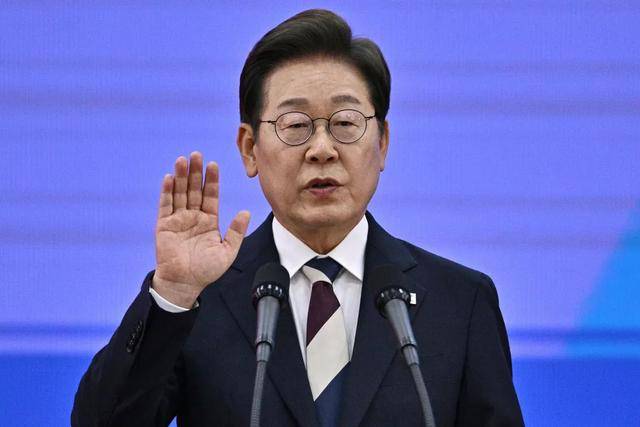
李在明向美国低头?韩国愿意投资美国3500亿美元,以换取优惠关税
Sou Hu Cai Jing· 2025-10-03 05:42
Group 1 - South Korea has historically maintained a "zero tariff" policy with the United States, but recently faced a 15% tariff increase on its products due to the U.S. trade war, with attempts for a 25% increase being moderated to 15% to accommodate South Korea's psychological capacity [1][3] - In response to the U.S. tariff pressure, South Korea has announced a significant investment plan of $350 billion aimed at securing tariff concessions from the U.S., indicating a compromise under duress [3][10] - The change in South Korean leadership from Yoon Suk-yeol to Lee Jae-myung has not altered the country's strategic alignment with the U.S., as evidenced by the continued commitment to U.S. interests and the recent investment proposal [5][8] Group 2 - The imposition of the 15% tariff is expected to severely impact South Korean export enterprises, particularly in the manufacturing sector, prompting the government to seek favorable treatment through additional investments [3][10] - South Korea's lack of complete sovereignty, highlighted by its military dependence on the U.S., underscores the unequal nature of the bilateral relationship, which influences its foreign policy decisions [7][8] - The investment commitment of $350 billion reflects South Korea's recognition of its limited negotiating power with the U.S., as it seeks to mitigate the adverse effects of the tariffs [10]