
民生保障

Search documents
精准施策 不断增进三秦百姓福祉
Shan Xi Ri Bao· 2025-12-02 22:39
Core Viewpoint - Since the beginning of the 14th Five-Year Plan, Shaanxi has prioritized the aspirations of its people for a better life, focusing on employment, education, healthcare, and social security to enhance the sense of gain, happiness, and security among its citizens [1] Employment Stability - Employment is regarded as the foundation of people's livelihoods, with Shaanxi placing it at the forefront of economic and social development. The province has implemented targeted measures to stabilize employment for key groups [2] - Youth employment initiatives focus on college graduates, with a consistent job placement rate of over 80% for graduates over the past five years. Special plans have been introduced to create one million job training positions [2] - For migrant workers, Shaanxi promotes both local and external employment opportunities, maintaining a stable workforce of over 2.1 million former poverty-stricken individuals each year [2] - The province has assisted 669,800 unemployed individuals in finding jobs and 201,500 individuals facing employment difficulties, ensuring zero-employment families are dynamically cleared [2] Public Service Enhancement - The core expectations of the public revolve around quality education, accessible healthcare, and warm elderly care, which are the main focus areas for Shaanxi's public service improvements [3] - In education, Shaanxi has made significant strides towards equitable and high-quality education, with a focus on improving resources and reducing disparities between urban and rural areas [3][4] - Healthcare services have been enhanced to ensure quality medical resources are available closer to home, with the establishment of four provincial medical centers and several traditional Chinese medicine hospitals [4] - Elderly care services have been improved, with a focus on community-based support, resulting in the establishment of numerous elderly care centers and meal assistance programs [4] Service Optimization - Shaanxi has focused on addressing public service bottlenecks through digital reforms, enhancing the efficiency of healthcare and social services [5][6] - The province has transitioned from traditional medical insurance cards to digital codes, achieving a 94.53% activation rate for insurance codes, facilitating easier access to medical services [5] - Healthcare processes have been streamlined, with 2,305 public medical institutions eliminating prepayment for outpatient services, thereby lowering barriers for patients [5] - Social services have been simplified, with marriage registration now available across provinces and significant reductions in processing times for funeral services [6]
追加超过3000万元物资 京东全力保障香港大埔火灾后民生所需
Zheng Quan Ri Bao Wang· 2025-11-30 10:48
Core Points - JD Group announced an additional supply of over 30 million yuan for disaster relief and reconstruction efforts following the fire in Tai Po, Hong Kong [1][2] - The company established a special task force immediately after the fire to coordinate resources and deliver emergency supplies to the affected area [2] - JD's logistics team and local employees were mobilized to provide hot meals and distribute emergency supplies to shelters [2] Group 1 - The additional supplies will include essential living items for affected residents and home renovation products needed for rebuilding [2] - The supply list will be adjusted based on actual needs and the progress of reconstruction, ensuring timely delivery through JD's supply chain [2] - JD has maintained close communication with the Hong Kong SAR government under the guidance of the Liaison Office of the Central People's Government [2] Group 2 - The company plans to continuously monitor the recovery progress and optimize its support plan to assist the affected areas in returning to normalcy [2] - JD aims to work alongside local residents to help restore their lives to normal [2]

“十四五”期间云南超14万人登记人体器官(遗体)捐献
Zhong Guo Xin Wen Wang· 2025-11-25 12:49
Group 1 - During the "14th Five-Year Plan" period, Yunnan Province registered over 140,900 individuals for organ (cadaver) donation, completing 334 organ donations and 178 cadaver donations [1] - Yunnan has actively promoted hematopoietic stem cell donation, with 24,300 registered donors and 263 completed donations [1] - The province has established a long-term mechanism for emergency rescue training, training 3,299 rescue instructors and providing emergency rescue knowledge to over 6.74 million people [1] Group 2 - In terms of livelihood security, 44 "Benevolence Home" projects were implemented with an investment of 20.33 million yuan, benefiting 2.49 million people in need [2] - The Red Cross system in the province established 2,921 grassroots organizations and formed 658 volunteer service teams, with over 236,000 members and 63,800 registered volunteers [2]
奋进的河南 决胜“十四五”·三门峡篇丨天鹅之城 材料新城 ——三门峡市交出厚重“十四五”答卷
He Nan Ri Bao· 2025-11-24 01:56
Core Viewpoint - Sanmenxia is undergoing a transformation from a resource-dependent city to an innovation-driven city, showcasing significant economic growth and industrial upgrades during the "14th Five-Year Plan" period. Economic Growth - The city's GDP is projected to grow at an average annual rate of 4.8% from 2021 to 2024, with a per capita GDP exceeding 80,000 yuan in 2024, ranking 4th in the province [2] - In the first three quarters of 2025, the GDP grew by 5.6% year-on-year, indicating steady economic progress [2] - Major economic indicators show consistent improvement, with industrial added value and retail sales growing at annual rates of 7% and 5.8%, respectively [2] Innovation and Industrial Upgrade - R&D investment intensity has increased from 1.81% to 2.99%, maintaining a leading position in the province for five consecutive years [3] - The city has established 835 innovation platforms, including key laboratories and research bases, to support industrial innovation [3][4] - Breakthroughs in key technologies, such as ammonia-free molybdenum metallurgy and ultra-thin copper foil production, have been achieved [3] Structural Changes in Industry - The mining sector's contribution to the economy has decreased from nearly 40% to 20%, while manufacturing has increased from 50% to nearly 70% [5] - The city has invested 364 million yuan in special funds for industrial upgrades, resulting in an average production efficiency increase of 42% and cost reduction of over 26% for 846 industrial enterprises [5] Emerging Industries - The copper-based new materials sector has seen significant growth, with production capacity reaching 78,000 tons, making it the largest in the country [5] - New energy storage and superconducting materials are being developed, with projects like the energy storage equipment industrialization underway [6] Environmental and Ecological Initiatives - The city has implemented effective ecological governance, restoring 1.9 million mu of wetlands and achieving a forest coverage rate of 41.2% [8] - Air quality has improved, with PM10 and PM2.5 concentrations decreasing by 11.8% and 12.5%, respectively [8] Open Economy and Trade - Sanmenxia has enhanced its external trade capabilities, with a continuous increase in service trade by an average of 49.6% annually from 2021 to 2024 [9] - The establishment of the Sanmenxia Port and the operation of the Sanmenxia Customs have facilitated local trade [9] Social Development and Welfare - The per capita disposable income for rural residents is projected to reach 22,307 yuan in 2024, growing by 7.6% [10] - The city has implemented 105 key livelihood projects, expanding medical resources and improving social security [10] Governance and Leadership - The city emphasizes the role of party leadership in governance, enhancing grassroots organizational strength and promoting effective management [11][12] Future Goals - Sanmenxia aims to become a center for industrial strength, ecological sustainability, cultural richness, openness, and digital innovation, contributing to the modernization of the Central Plains [13]


啃下“硬骨头”办好民生事
Jing Ji Ri Bao· 2025-11-24 00:08
Core Viewpoint - The article highlights the successful resolution of the "carrying toilet" issue in Shanghai through urban village renovations, emphasizing the importance of addressing deep-rooted social issues with innovative and precise strategies to improve residents' quality of life [1][2][3] Group 1: Urban Renovation Strategies - Shanghai has adopted a "one household, one plan" approach to urban renovation, avoiding a one-size-fits-all method and instead tailoring solutions to individual household needs [2] - The renovation process involves actively listening to residents' concerns and minimizing disturbances during construction, showcasing a commitment to community engagement [2] - Innovative measures, such as installing safety handrails for the elderly and resolving neighborhood disputes, reflect a shift from traditional renovation practices to a more people-centered approach [2] Group 2: Long-term Commitment to Public Welfare - The article emphasizes the importance of sustained efforts in public welfare, transitioning from large-scale renovations to detailed micro-updates, focusing on both availability and quality of services [2] - A mindset of "success does not have to be achieved in my term" is encouraged, highlighting the need for continuous dedication across different administrations to address long-term social issues [2] - The persistent nature of social problems necessitates a commitment to a long-term vision, ensuring that improvements in residents' lives are ongoing and meaningful [2][3]
山西累计投入20.39亿元改造提升农村供水工程
Zhong Guo Xin Wen Wang· 2025-11-21 12:09
Core Points - Shanxi Province has invested a total of 20.39 billion yuan to improve rural water supply projects, ensuring drinking water safety [1] - The province has allocated 13.18 billion yuan for rural environmental remediation, aiming to eliminate 196 rural black and odorous water bodies under national supervision, with the rural sewage collection and treatment rate increasing to 48.3% [3] - A total of 16.27 billion yuan has been invested in solid waste management, achieving over 98% coverage of rural waste collection and disposal systems [3] - The basic public health service subsidy standard has been raised from 79 yuan to 99 yuan per person, with 113 billion yuan allocated for this purpose [3] - Shanxi has invested 16 billion yuan in the construction of grassroots health facilities and talent training, promoting the concept of "no need to travel for minor illnesses" [3] - Over 27 million people in the province now have basic pension insurance, and over 31.6 million have basic medical insurance [3] - The monthly basic pension for urban and rural residents has increased from 108 yuan to 176 yuan, while the financial subsidy standard for medical insurance has risen from 580 yuan to 700 yuan per person per year [3] - A total of 362 billion yuan has been allocated for assistance to disadvantaged groups, and 26 billion yuan for the development of services for people with disabilities [3] - More than 100 billion yuan has been raised to support employment and entrepreneurship through guaranteed loans and job retention subsidies [3] - The province has invested 67 billion yuan to enhance the elderly care service system, providing high subsidies for over 800,000 seniors aged 80 and above [4] - An investment of 17 billion yuan has been made to achieve full coverage of public childcare institutions in all counties, adding 12,400 childcare spots [4]
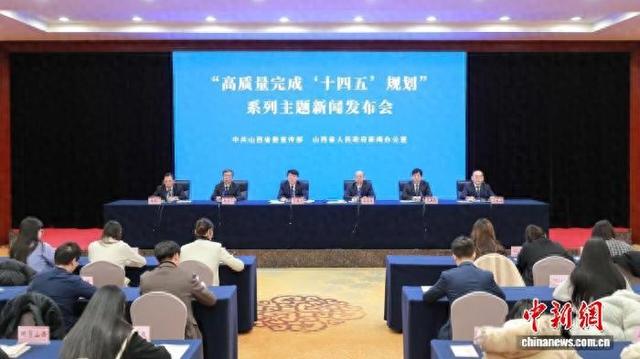
“十四五”时期我国发展取得重大成就(学习贯彻党的二十届四中全会精神)
Ren Min Ri Bao· 2025-11-20 22:05
Core Viewpoint - The article emphasizes the significant achievements made during the "14th Five-Year Plan" period in China, highlighting the foundation laid for the upcoming "15th Five-Year Plan" period, with a focus on economic strength, technological innovation, and comprehensive reforms [1][2]. Economic Strength - China's economic total continues to grow, with a projected GDP of approximately 140 trillion yuan by 2025, and per capita GDP nearing high-income country levels. The annual labor productivity growth is around 6%, and China remains a major driver of global economic growth [2][3]. Technological Innovation - The country is prioritizing self-reliance in technology, with R&D spending expected to exceed 3.6 trillion yuan in 2024. The number of high-tech enterprises has surpassed 500,000, and significant advancements have been made in key technologies such as integrated circuits and artificial intelligence [2][3]. Comprehensive Reforms - Reforms are being deepened with a focus on institutional development, aiming for a more mature system by the centenary of the Communist Party. The establishment of a higher-level open economy and the implementation of free trade agreements are creating new opportunities for economic development [3][4]. Cultural Development - The cultural sector is thriving, with public cultural services expanding and the protection of cultural heritage being prioritized. Events like the Beijing Winter Olympics have enhanced China's cultural influence globally [4][5]. Social Welfare - Significant progress has been made in poverty alleviation, with the absolute poverty issue resolved. Employment levels remain stable, and the income ratio between urban and rural residents has improved to 2.34:1. The education and healthcare systems are among the largest in the world, with high coverage rates [5][6]. Environmental Protection - Efforts in environmental conservation have led to a forest coverage rate exceeding 25%, and air quality has improved significantly. The transition to a low-carbon economy is accelerating, with a substantial increase in non-fossil energy generation [5][6]. National Security - National security capabilities have been enhanced, with a focus on food security and energy supply stability. The country has also made strides in financial risk management and crime reduction [6][7]. Military Modernization - Significant advancements in military modernization have been achieved, with a focus on strengthening the military's operational capabilities and reforming defense structures [6][7]. Foreign Relations - China's diplomatic efforts have expanded, promoting a community with a shared future for mankind and advocating for multilateralism. The country is actively participating in global governance and enhancing its international influence [6][7]. Characteristics of Development - The "14th Five-Year Plan" period is characterized by a focus on high-quality development, effective pandemic response, and addressing complex international challenges. The government has implemented significant measures to stabilize the economy and enhance resilience [7][8]. Fundamental Reasons for Achievements - The achievements are attributed to the leadership of the Communist Party and the guiding principles of Xi Jinping's thought, emphasizing the importance of party leadership and strict governance [10][11]. Future Outlook - The "15th Five-Year Plan" period is seen as crucial for solidifying the foundation for socialist modernization, with a call for unity in thought and action towards the goals set by the central leadership [14].
鲁西新区财政金融工作交出亮眼答卷
Qi Lu Wan Bao· 2025-11-20 06:28
Core Insights - The news highlights the achievements of the Heze Luxi New District in financial and fiscal development during the "14th Five-Year Plan" period, focusing on high-quality development and addressing key issues such as financing for small and micro enterprises, budget performance management, and social welfare [1] Financial Performance - During the "14th Five-Year Plan" period, the district's general public budget revenue reached 25.646 billion yuan, with a tax revenue share of 69.54%, indicating high revenue quality [2] - The total public budget expenditure was 22.966 billion yuan, with 16.069 billion yuan allocated to social welfare, maintaining a stable 70% share over five years [2] - The district secured an additional 15.076 billion yuan in special bonds to support key projects in municipal services, social welfare, and water conservancy [2] Support for Small and Micro Enterprises - The district's financial bureau implemented three key measures to alleviate financing difficulties for small and micro enterprises, including enhancing bank-enterprise connections and establishing a financing demand database [3] - A credit integrity management system was introduced to encourage banks to adhere to regulations and promote honest repayment by enterprises [3] - The district is expanding direct financing channels and has created a reserve of potential listed companies to facilitate access to multi-tiered capital markets [3] Budget Performance Management - The district has established a comprehensive budget performance management system that includes pre-assessment, monitoring during execution, and post-evaluation of budgetary projects [4] - A mechanism links performance evaluation results to budget allocations, prioritizing funding for high-performing projects while reducing budgets for underperforming ones [4] - The district emphasizes transparency and social oversight in budget performance management [4] Social Welfare and Support - A multi-tiered social welfare system has been established, covering basic living assistance, special social aid, and various subsidies in education, healthcare, and housing [5] - The district has disbursed a total of 38.556 million yuan in assistance to 21,384 individuals since the beginning of the "14th Five-Year Plan," including various forms of support for low-income and vulnerable groups [5] - Future plans include continuing to enhance financial support and reform initiatives to ensure effective resource allocation and risk management [5]
2026年财政政策展望:财政将如何发力
Haitong Securities International· 2025-11-20 05:02
Fiscal Policy Overview - The fiscal policy for 2026 aims to balance growth, social welfare, and risk prevention, with a narrow fiscal deficit rate expected to exceed 4%[1] - New local special bonds are projected to be around CNY 4.6 trillion, while ultra-long-term special government bonds may be issued at approximately CNY 1.5 trillion[1] Revenue and Expenditure Trends - In 2025, the fiscal structure shifted towards "people's livelihood," with a mild recovery in revenue but continued constraints[2] - Total broad fiscal expenditure is expected to grow by about 4.6% in 2026, with a focus on social welfare and consumption incentives[5] Infrastructure Investment Insights - Infrastructure investment growth is anticipated to be around 3.5% in 2026, influenced by debt resolution and effective investment strategies[3] - Approximately CNY 3 trillion in special bonds will be needed for debt resolution and clearing overdue payments in 2026[3] Consumer Spending and Social Welfare - Consumer spending is projected to grow at around 4.5%, supported by policies like trade-in programs and birth subsidies[4] - The expected increase in social welfare spending includes a CNY 1,080 billion rise in pensions and CNY 1,000 billion for birth subsidies, which will stimulate consumption[4] Risks and Challenges - Potential risks include slower-than-expected policy implementation, sluggish recovery in consumer spending, and rising local debt pressures[5] - The fiscal space may be constrained, impacting the effectiveness of the proposed measures[5]
金改前沿|实地走访看大病保险十年成效 :百元保费托举“因病致贫”底线
Zhong Guo Jin Rong Xin Xi Wang· 2025-11-18 02:40
Core Insights - The article highlights the significant role of critical illness insurance in alleviating the financial burden of medical expenses for families in Gansu Province, particularly in the impoverished areas of Linxia Prefecture [1][2]. Group 1: Impact of Critical Illness Insurance - The critical illness insurance has provided substantial financial relief to families like that of Ma Yang, whose two sons require regular dialysis, resulting in a total reimbursement of over 210,000 yuan from basic medical insurance and 90,000 yuan from critical illness insurance [2]. - The insurance system in China is structured in a tiered manner, with basic medical insurance forming the foundation, critical illness insurance serving as a supplementary layer, and medical assistance providing a safety net, collectively reducing the financial burden on the populace [2]. Group 2: Implementation and Management - As of September 2025, the critical illness insurance in Linxia has compensated 788,300 individuals, with total payouts reaching 1.428 billion yuan, including 722 million yuan for impoverished populations [3]. - The management of critical illness insurance has been delegated to commercial insurance companies, which has enhanced service levels and market vitality. China Pacific Life Insurance has been managing this insurance since 2017, focusing on improving claim processing times and increasing public awareness of the policies [4]. Group 3: Challenges and Innovations - The implementation of critical illness insurance in remote areas faces challenges such as lengthy claim processes and low policy awareness. China Pacific Life Insurance has addressed these issues by establishing a one-stop claims system that reduces processing time from 3-15 days to just 2-3 minutes [4][6]. - The company has also deployed outreach teams to educate local populations about the insurance policies, distributing over 160,000 informational materials in local dialects to ensure understanding [4][7]. Group 4: Future Outlook - The critical illness insurance program has evolved from basic protection to precise service, becoming a crucial safety net for millions. It aims to continue enhancing service mechanisms and increasing coverage to further support families and combat poverty caused by medical expenses [5][7].

