
区域协调发展

Search documents
领悟一个“重”字 ——武汉“十四五”发展启示录①
Chang Jiang Ri Bao· 2025-12-01 06:45
Core Viewpoint - Wuhan is positioned as a key strategic hub in China's development, with a focus on high-quality growth and innovation, particularly in the context of the "14th Five-Year Plan" and the upcoming "15th Five-Year Plan" [2][4][10]. Group 1: Strategic Importance - Wuhan is entrusted with significant responsibilities in the national development framework, emphasizing its role in implementing major national strategies [4][6]. - The city aims to integrate its development with national needs, showcasing its capabilities in technology and innovation [7][10]. Group 2: Technological Innovation - Wuhan's Nine Peaks Mountain Laboratory is a key facility focusing on compound semiconductor research, operating 24/7 to meet national demands [4][5]. - The number of high-tech enterprises in Wuhan is projected to exceed 15,000 by 2024, with technology contract transaction volume surpassing 300 billion yuan [5][6]. Group 3: Regional Development - The Wuhan metropolitan area is expected to achieve an economic total of 3.6 trillion yuan in 2024, accounting for 29% of the Yangtze River Middle Reaches urban cluster [6][8]. - Collaborative development with surrounding cities is emphasized, with a focus on enhancing regional industrial layouts [5][6]. Group 4: Urban Governance and Quality of Life - Wuhan is exploring modern governance models, utilizing digital infrastructure to improve community services and emergency response systems [6][8]. - The city is implementing urban renewal projects that balance historical preservation with modern functionality, enhancing overall urban quality [11][12]. Group 5: Logistics and Connectivity - Wuhan has become a crucial logistics hub, with the establishment of the "China-Europe Railway Express" and improved transportation links reducing logistics costs by approximately 15% [9][10]. - The city is enhancing its role in domestic and international logistics, aiming to strengthen its position in the new development landscape [9][10].
“中国人口增减分化与区域均衡发展”学术研讨会在上海举行
Zhong Guo Jing Ji Wang· 2025-12-01 06:07
Core Viewpoint - The conference commemorating the 90th anniversary of the discovery of the "Huhuan Line" highlighted the importance of geographical and demographic studies in China's regional development and the need for innovative approaches to address current population trends and challenges [1][2]. Group 1: Conference Overview - The conference featured various formats including opening and closing ceremonies, keynote speeches, sub-forum discussions, results presentations, and a doctoral student forum, showcasing the latest advancements and future directions in "Huhuan Line" research [1]. - The event was held at East China Normal University, emphasizing the institution's significant role in geography and population studies in China [1]. Group 2: Academic Contributions - Academics emphasized the "Huhuan Line" as a foundational work transitioning Chinese geography from qualitative to quantitative analysis, maintaining its relevance in guiding regional economic development amidst modern challenges [2]. - The conference underscored the need for geography and population studies to adapt to new demographic, resource, and environmental dynamics to achieve high-quality development [2]. Group 3: Research Achievements - The conference achieved significant breakthroughs in academic results, notably the introduction of "Huhuan Digital Human," which represents a new height in the integration of digital technology with humanities and social sciences [3]. - This achievement utilized extensive resources from the university's library and advanced digital technologies to create a dynamic representation of Huhuan's academic legacy, transcending traditional static archives [3].
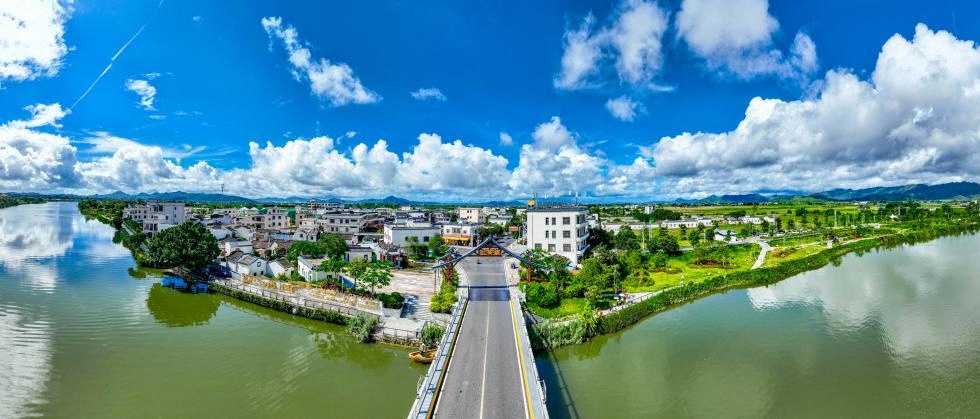
共同富裕彰显“中国之治”优势——广东实施“百千万工程”破解区域协调的发展难题纪实(下)
Xin Hua Wang· 2025-11-30 11:00
Core Viewpoint - The "Hundred Million Project" in Guangdong exemplifies China's institutional advantages in promoting regional coordinated development, addressing historical challenges in this area [1][2][3]. Group 1: Implementation and Impact of the "Hundred Million Project" - The project has shown initial success in promoting regional coordinated development over the past three years, with government intervention compensating for market deficiencies [2][3]. - Tourist numbers in cities like Shanwei have significantly increased, from 7-8 million to over 20 million annually, indicating positive changes in local economies [2]. - The project is not merely about assistance but embodies a commitment to a people-centered development approach, reinforcing the ruling party's foundation [3]. Group 2: Economic Transformation and Growth - The transformation of "rust belts" into "embroidered belts" is underway, with industrial parks in the Pearl River Delta being restructured to facilitate economic growth [4][7]. - The introduction of large-scale investments, such as the 10 billion yuan investment by Changlong Group in tourism, has created new consumption scenarios and expanded economic growth [7][8]. - The project has also fostered new growth points in the economy, with previously lagging regions like Meizhou and Shanwei now showing GDP growth rates higher than the provincial average [9]. Group 3: Strategic Development and Future Prospects - The "Hundred Million Project" aligns with national strategies for dual circulation, providing a pathway for Guangdong to enhance its economic depth [8]. - The project has helped maintain the competitiveness of local enterprises, particularly in the construction sector, by mobilizing state-owned enterprises to participate in community development [11]. - The ongoing efforts in the project reflect a commitment to high-quality development and a robust response to external economic pressures [9][11].

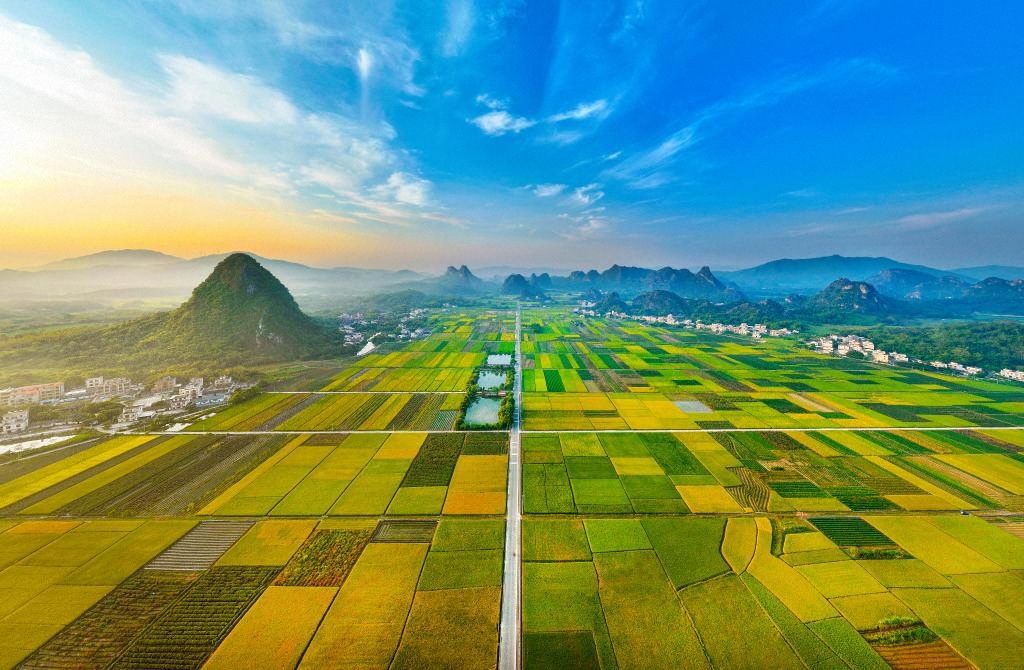
以全面深化改革激发新动能——广东实施“百千万工程”破解区域协调的发展难题纪实(中)
Xin Hua Wang· 2025-11-30 09:40
Core Viewpoint - The article discusses Guangdong's efforts to bridge the development gap between its wealthier and poorer regions through the "Hundred Thousand Project," emphasizing integrated reforms and a problem-oriented approach to promote coordinated urban-rural development. Group 1: Regional Disparities - Guangdong's economic landscape shows significant disparities, with 57 counties (cities) in the less developed eastern and northern regions accounting for 71.7% of the province's area but only 12.4% of its economic output as of 2022 [3][4] - The fiscal self-sufficiency rate in these regions is only 20%, highlighting the financial challenges faced [3] Group 2: Implementation Strategies - The "Hundred Thousand Project" was initiated during a challenging period marked by the COVID-19 pandemic and significant economic adjustments, with the provincial government tackling tough issues head-on [3][5] - The project categorizes the 57 counties into three groups based on economic strength and potential: "Leading" (15), "Progressing" (27), and "Weakening" (15) [5] Group 3: Systematic Reforms - Guangdong is implementing nearly 100 reform tasks to promote high-quality development at the county, town, and village levels, focusing on enhancing overall and coordinated growth [5][6] - The province is encouraging industrial transfer based on local resources and conditions, with 15 industrial transfer platforms and various agricultural and industrial parks established [6] Group 4: Land and Financial Strategies - To address land scarcity, Guangdong is conducting comprehensive land remediation, restoring 938,700 acres of land and improving 356,600 acres of agricultural land [6] - The province is also reforming fiscal policies to enhance county-level financial autonomy, with plans for a 10 billion yuan investment fund to support high-quality economic development [6] Group 5: Community Engagement - The project emphasizes community involvement, mobilizing local residents, enterprises, and overseas Chinese to participate in development initiatives [7][9] - Over 10,000 private enterprises have partnered with more than 8,000 villages, investing over 16 billion yuan in various projects [9] Group 6: Long-term Commitment - Guangdong's government is committed to a long-term strategy for regional development, with clear goals set for three, five, and ten years [10] - Continuous improvement of policies and regulations reflects the province's determination to advance regional coordination and development [10]
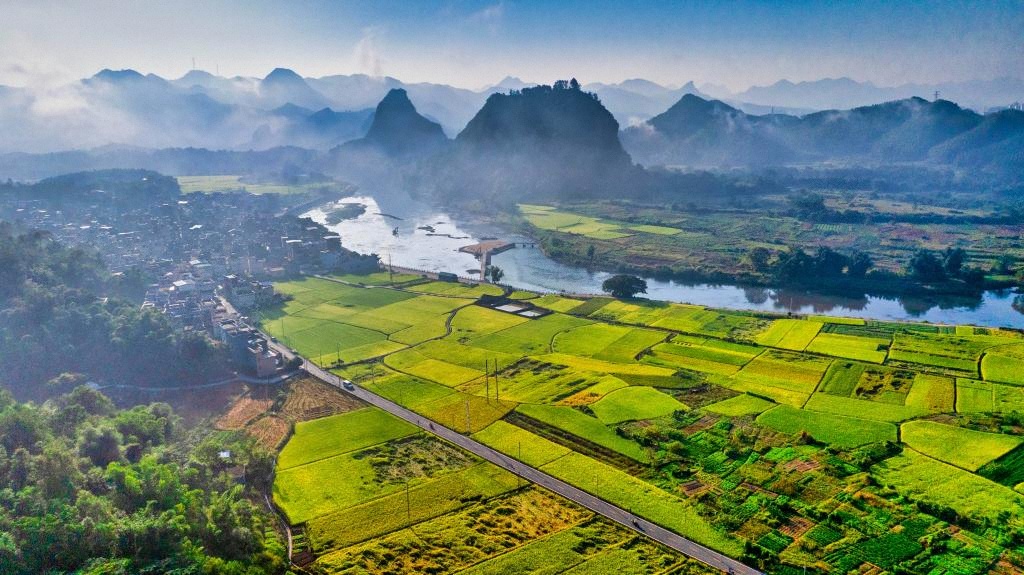
为了更加殷实、更加幸福美好的生活——广东实施“百千万工程”破解区域协调的发展难题纪实(上)
Xin Hua Wang· 2025-11-30 08:58
Core Viewpoint - Guangdong is addressing the significant urban-rural and regional development imbalance, particularly between the economically advanced Pearl River Delta and the less developed eastern and northwestern regions, through the "Hundred Counties, Thousand Towns, and Ten Thousand Villages High-Quality Development Project" [1][3] Economic Development - The "Hundred Thousand Project" aims to enhance regional coordination and urban-rural integration, with the urban-rural income ratio in Guangdong projected to decrease from 2.41 in 2022 to 2.31 in 2024 [3] - For the first time, the economic growth rate of 57 counties (cities) in eastern and northwestern Guangdong has surpassed the provincial average, indicating a shift in economic dynamics [4] - The project has led to the establishment of industrial transfer cooperation parks, with over 1,620 projects and a planned total investment exceeding 580 billion [4] Agricultural and Local Industries - Local specialties are evolving into significant industries, with the value of Qingyuan chicken exceeding 10 billion, and the region is on track to achieve five major industries each worth over 10 billion [5][7] - The integration of agriculture, culture, and tourism is being promoted, with a notable increase in tourist visits to rural areas, reflecting a 17% year-on-year growth during the recent holiday period [7] Infrastructure and Environmental Improvements - The "Hundred Thousand Project" has led to significant improvements in rural living conditions, with waste management systems now covering all administrative villages and wastewater treatment rates reaching 79% [10] - The construction of beautiful towns and villages has resulted in enhanced local aesthetics and increased community engagement, with many villages seeing a revival in local pride and investment [11] Changes in Governance and Mindset - The project has shifted local governance from a focus on stability to a proactive approach towards development, with an emphasis on selecting capable leaders who can drive projects and policies effectively [13][14] - The initiative has fostered a sense of responsibility among local officials, as demonstrated by their quick response to natural disasters, showcasing improved community resilience [14]
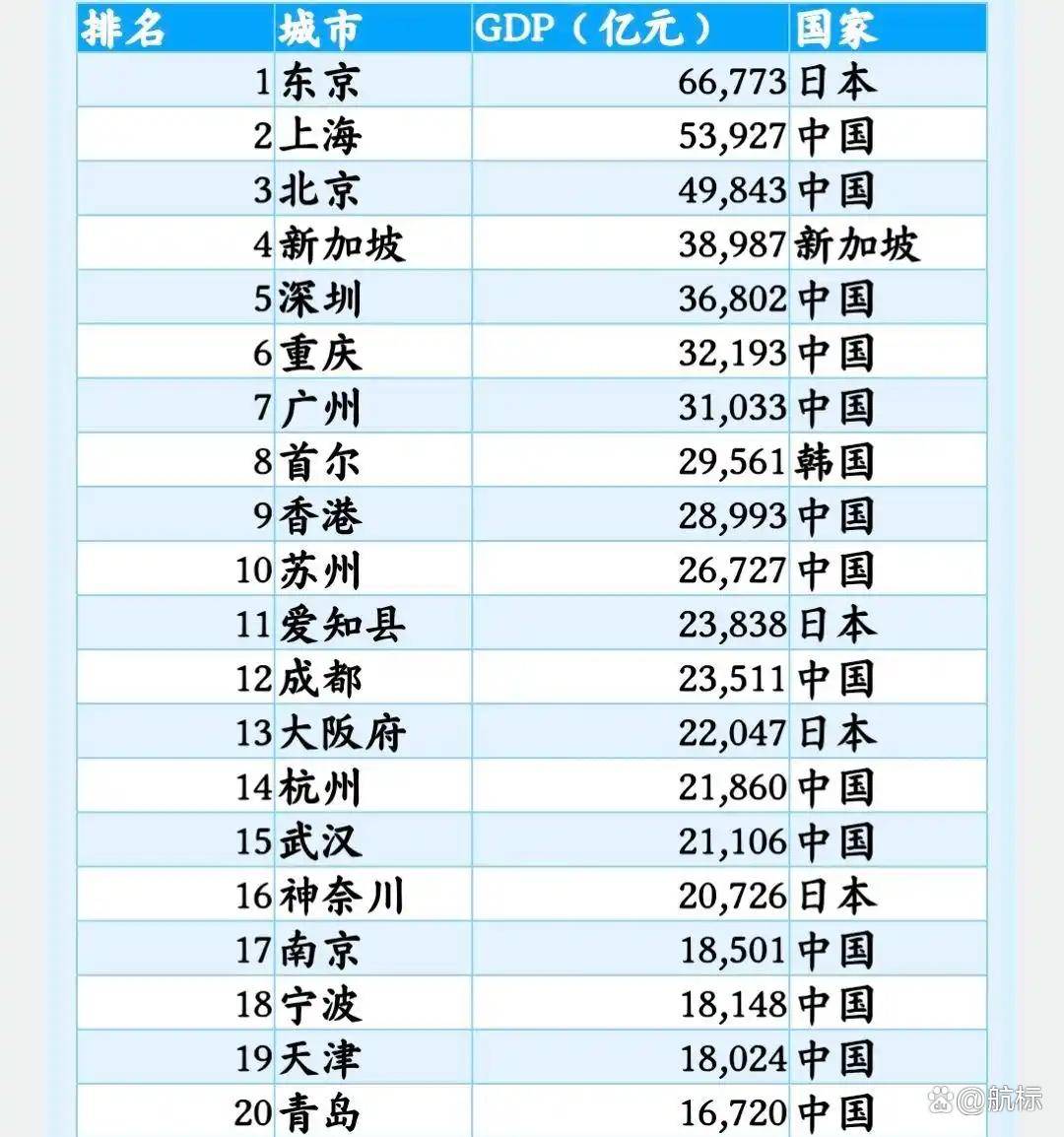
最新GDP!亚洲20强城市洗牌:北京约5万亿,广州领先首尔,宁波第18!
Sou Hu Cai Jing· 2025-11-29 21:12
Core Insights - The 2024 Asian city GDP ranking reveals a significant shift in regional economic dynamics, with Chinese cities dominating the list, holding 14 out of 20 positions, driven by the advantages of major city clusters and national strategies [1][9] - Tokyo remains the top city with a GDP of 66,773 billion, while Shanghai's GDP of 53,927 billion shows a narrowing gap; Beijing's GDP approaches 50,000 billion, and Guangzhou surpasses Seoul [1][2] Group 1: Economic Performance of Major Cities - Tokyo leads with a GDP of 66,773 billion, followed by Shanghai at 53,927 billion and Beijing at 49,843 billion [2] - Guangzhou's GDP reaches 31,033 billion, surpassing Seoul's 29,561 billion, highlighting its economic growth driven by manufacturing and foreign trade [5] - Ningbo ranks 18th with a GDP of 18,148 billion, showcasing its manufacturing strength and logistics efficiency [7] Group 2: Factors Driving Growth - Beijing's GDP growth is supported by its concentration of top universities and research institutions, with a 6.2% increase in the digital economy's core industries [3] - Guangzhou's economic performance is bolstered by its dual-engine model of manufacturing and foreign trade, with an 8.1% increase in foreign trade cargo throughput [5] - Ningbo's manufacturing sector benefits from low logistics costs and a focus on niche markets, with a 9.7% increase in new materials industry value added [7] Group 3: Regional Economic Strategies - The ranking reflects the success of China's regional coordination strategies, including the innovation collaboration in Beijing-Tianjin-Hebei, the open vitality of the Greater Bay Area, and the manufacturing upgrades in the Yangtze River Delta [9] - The slowdown in growth for cities like Tokyo and Seoul indicates the challenges of relying on single industries amid global supply chain fluctuations [9]
攀凉管道启动建设 大凉山将增添“气”动脉
Xin Hua She· 2025-11-29 09:39
据介绍,攀凉管道起于攀枝花市盐边县攀米管道猛粮分输站,止于凉山彝族自治州西昌市佑君镇西昌分 输站。全长157公里,最大输气能力约10.4亿立方米/年,建设工期约18个月。项目建成后,清洁高效的 天然气将沿着这条新"动脉"源源不断地输送,有效填补区域管道天然气供给空白,优化改善当地以电和 煤为主的能源结构。 11月29日,攀枝花—凉山天然气管道正式进入建设阶段,这项连接两地的"动脉"工程建成后将结束大凉 山不通管道天然气的历史,是推动区域协调发展、优化能源结构、保障民生用能需求的重大举措,对大 凉山发展具有里程碑意义。 "好事!我们期待好久了,安全又方便!"一位家住柳树林社区的西昌市民说。凉山州遍布高山大川、沟 壑纵横,特殊的地理条件导致天然气管道施工难度大、建设成本高。长期以来,州内供气只能通过槽罐 车运输液化气来实现。能够用上稳定、廉价、安全的管道天然气一直是凉山人民的热切期盼。 经过十余年努力,攀枝花—凉山输气管道于2022年纳入《四川省"十四五"能源发展规划》《安宁河流域 高质量发展规划(2022—2030年)》重点实施项目,2025年6月取得四川省发展改革委核准批复。凉山 州州长张文旺表示,攀凉管道是 ...
湖南:以“一座城”理念提升长株潭一体化发展水平,推动“一核两副三带四区”联动发展
Zheng Quan Shi Bao Wang· 2025-11-29 08:29
Core Viewpoint - The Hunan Provincial Committee of the Communist Party of China has approved the proposal for the 15th Five-Year Plan for economic and social development, emphasizing the optimization of regional economic layout and coordinated development [1] Group 1: Economic Development Strategies - The meeting highlighted the importance of optimizing regional economic layout and promoting coordinated development [1] - It aims to leverage the combined effects of various strategies, including regional coordinated development, major regional strategies, principal functional area strategies, and new urbanization strategies [1] - The focus is on constructing a high-quality regional economic layout and land spatial system that complements advantages [1] Group 2: Integration and Urbanization - The plan encourages proactive integration into the national regional strategic layout, enhancing the level of integrated development in the Changsha-Zhuzhou-Xiangtan area [1] - It promotes the "one core, two vice, three belts, and four areas" development model to optimize land spatial development patterns [1] - The initiative aims to advance a people-centered new urbanization process [1]
中国共产党湖南省第十二届委员会第九次全体会议决议
Chang Sha Wan Bao· 2025-11-29 07:19
Core Points - The meeting emphasized the importance of the "15th Five-Year Plan" as a critical period for achieving socialist modernization and advancing the "Three Highs and Four News" blueprint for Hunan's development [3][4][5] - The meeting highlighted the need for high-quality development, focusing on advanced manufacturing, technological innovation, and reform and opening-up to enhance economic vitality [7][8] - The meeting called for a comprehensive approach to improve people's livelihoods, promote common prosperity, and ensure ecological sustainability [10][11] Summary by Sections Meeting Overview - The 9th Plenary Session of the 12th Hunan Provincial Committee was held from November 28 to 29, 2025, in Changsha, attended by 83 committee members and 5 alternate members [1][2] Key Themes - The session recognized the extraordinary challenges faced during the "14th Five-Year" period and the significant achievements made under the leadership of the central government [3] - It underscored the importance of the "Two Establishments" as a political guarantee against risks and challenges [3] Development Goals - The "15th Five-Year" period is seen as crucial for laying the foundation for socialist modernization, with a focus on high-quality development and addressing both opportunities and challenges [4][5] - The meeting set ambitious goals for economic strength, technological capability, and overall competitiveness by 2035, aiming for per capita GDP to reach levels of moderately developed countries [6][7] Economic Strategy - The meeting proposed to strengthen the advanced manufacturing sector, enhance the modern industrial system, and ensure that manufacturing value-added exceeds the national average [7][8] - It emphasized the need for a robust domestic market and the integration of new development patterns to stimulate consumption and investment [8] Social and Cultural Development - The meeting called for a focus on cultural development, promoting the integration of culture with technology and tourism to enhance cultural influence [9] - It stressed the importance of improving public services and ensuring equitable access to basic services for all citizens [10] Environmental and Safety Considerations - The meeting highlighted the need for a green transformation in economic and social development, aiming for a beautiful Hunan with a sustainable ecological environment [10][11] - It also emphasized the modernization of the national security system and the importance of maintaining social order [11] Conclusion - The meeting concluded with a call for unity and collective effort to achieve the goals set forth in the "15th Five-Year Plan," reinforcing the leadership of the Communist Party [12]
淮北绿金股份与深圳凤凰订立战略合作协议
Zhi Tong Cai Jing· 2025-11-28 08:59
Core Viewpoint - Huabei Green Gold Co., Ltd. (02450) has entered into a strategic cooperation agreement with Shenzhen Phoenix Co., Ltd. (600716) to establish a long-term, stable, and mutually beneficial partnership aimed at enhancing overall competitiveness through resource complementarity [1] Group 1: Strategic Cooperation Agreement - The strategic cooperation agreement is set for a duration of three years from the date of signing [1] - The collaboration will focus on property management, asset operation, resource leasing integration, and project development [1] Group 2: Business Context and Objectives - The company recognizes the importance of seizing opportunities in the Guangdong-Hong Kong-Macao Greater Bay Area for sustainable high-quality development [1] - Shenzhen Phoenix, rooted in the local area, possesses land, property resources, and strong local operational capabilities, aligning with the company's strategy for diversification and integration into the Greater Bay Area [1] Group 3: Long-term Development Goals - The board of directors believes that the proposed strategic cooperation aligns with the group's long-term development goals and overall interests of the group and its shareholders [1]
