市盈率

Search documents
Cracker Barrel Old Country Store, Inc. (NASDAQ:CBRL) Quarterly Earnings Preview
Financial Modeling Prep· 2025-09-14 18:00
Core Insights - Cracker Barrel is set to release its quarterly earnings on September 17, 2025, operating around 660 locations and owning the Maple Street Biscuit Company [1] - Analysts forecast earnings per share (EPS) of $0.78 and revenue of approximately $855.3 million, indicating the company's financial performance [2] - The price-to-earnings (P/E) ratio of 19.72 suggests moderate market valuation compared to peers [2] Financial Metrics - The price-to-sales ratio is 0.32, indicating a relatively low market valuation compared to revenue, suggesting growth potential in sales [3] - The enterprise value to sales ratio is 0.65, reflecting the company's total valuation in relation to its sales [3] - The enterprise value to operating cash flow ratio stands at 12.20, providing insight into market valuation of cash flow from operations [4] - The earnings yield is 5.07%, indicating the return on investment from earnings [4] - The debt-to-equity ratio of 2.43 highlights a higher level of debt compared to equity [4] - The current ratio of 0.65 suggests potential liquidity challenges, indicating the company's ability to cover short-term liabilities with current assets [5]


Are WBC shares good value? 2 ways to value them
Rask Media· 2025-09-12 01:37
Core Viewpoint - Westpac Banking Corp (ASX: WBC) is currently trading around $38, and various valuation models are utilized to assess its share price, including the Price-Earnings (PE) ratio and the Dividend Discount Model (DDM) [1][3][9]. Valuation Models - The PE ratio compares a company's share price to its earnings per share, with WBC's current PE ratio calculated at 20x, compared to the banking sector average of 19x, suggesting a sector-adjusted valuation of $37.30 [5][8]. - The DDM focuses on future dividend forecasts rather than profits, with WBC's last year's dividend at $1.66, leading to a valuation of $35.10 under standard assumptions, and $34.05 using an adjusted dividend payment [10][13]. - When considering fully franked dividends, the valuation based on a gross dividend payment of $2.30 results in a share price valuation of $48.64 [14]. Growth and Risk Assumptions - Different growth rates (2% to 4%) and risk rates (6% to 11%) yield a range of valuations, with the highest valuation at $80.50 under a 4% growth rate and 6% risk rate [15]. - The analysis emphasizes the importance of understanding the growth in total loans on the balance sheet, as rapid growth may indicate higher risk, while slow growth may suggest conservatism [17]. Financial Health Indicators - Key areas to analyze include provisions for bad loans, assessment rules for bad loans, and sources of capital, with a focus on the cost of capital acquisition [18].
Oxford Industries, Inc. (NYSE:OXM) Earnings Report Highlights
Financial Modeling Prep· 2025-09-11 05:00
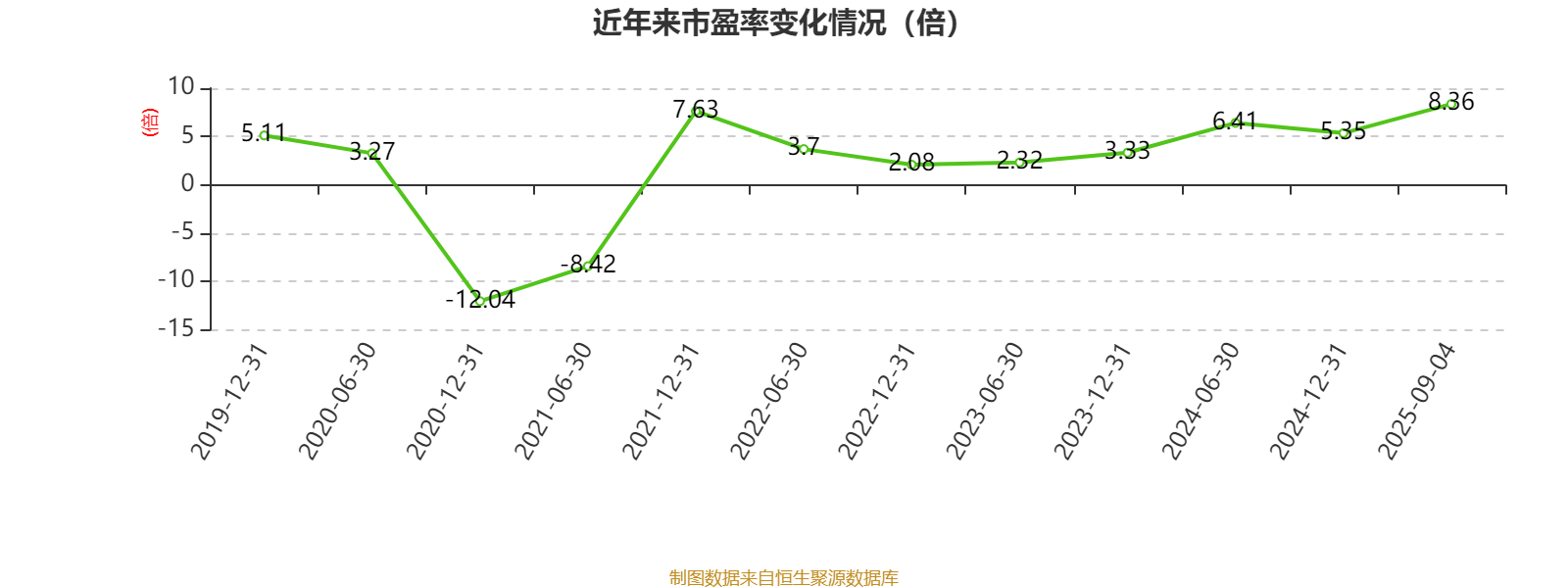
Core Insights - Oxford Industries, Inc. reported an earnings per share (EPS) of $1.26, exceeding the expected $1.21, reflecting a positive surprise of 4.13% [1][2][6] - The company's revenue for the quarter was $403.1 million, slightly below the estimated $406.1 million, and represented a 4% decline compared to the same period last year [2][6] - The EPS of $1.26 marked a significant drop from the $2.77 reported a year ago, indicating challenges in maintaining profitability [3] Financial Metrics - The company has a price-to-earnings (P/E) ratio of approximately 7.61, suggesting a relatively low valuation compared to its earnings [4][6] - The price-to-sales ratio is about 0.40, indicating that the market values its sales at 40 cents for every dollar of sales [4] - Oxford Industries has a current ratio of approximately 1.32, indicating a good level of liquidity to cover short-term liabilities [5] - The debt-to-equity ratio is about 0.92, showing a moderate level of debt compared to its equity [5]


大行评级|招银国际:上调江南布衣目标价至23.3港元 短期股价催化剂可能有限
Ge Long Hui· 2025-09-11 02:15
Core Viewpoint - The research report from CMB International indicates that Jiangnan Buyi's annual performance as of the end of June met expectations, but concerns arise from relatively weak core brand sales growth and high inventory levels [1] Group 1: Financial Performance - Retail sales growth in July and August was encouraging, but the company's guidance for fiscal year 2026, particularly regarding net profit margins, is very conservative [1] - CMB International slightly lowered the net profit forecasts for Jiangnan Buyi for fiscal years 2026 and 2027 by 7% and 8% respectively, considering faster sales growth mainly from new brand contributions, lower-than-expected gross margins, and lower operational leverage [1] Group 2: Investment Outlook - The company maintains an attractive dividend yield forecast of 8% for fiscal year 2026, leading to a "buy" rating, although short-term stock price catalysts may be limited [1] - The target price has been raised from HKD 18.68 to HKD 23.3, based on a projected price-to-earnings ratio of 12 times for fiscal year 2026 [1] Group 3: Market Position - Despite the adjustments, Jiangnan Buyi's sales growth and net profit are still considered resilient and leading within the industry, although net profit growth for fiscal year 2026 may remain moderate [1]
中信资源:2025年中期净利润1.52亿港元 同比下降57.05%
Sou Hu Cai Jing· 2025-09-04 15:51
Core Viewpoint - The company operates in the natural resources sector, focusing on exploration and sales through four main divisions: crude oil, electrolytic aluminum, coal, and import-export commodities [9]. Financial Performance - The company reported significant revenue and net profit growth in recent years, with a revenue increase of 148.27% and a net profit increase of 137.85% in 2022 compared to 2021 [11]. - For the first half of 2025, the company achieved a revenue of 93.82 billion HKD and a net profit of 55.53 billion HKD, reflecting a year-on-year growth rate in revenue and net profit [11][14]. Revenue Composition - In the first half of 2025, the revenue composition was as follows: crude oil (2.97 billion HKD), electrolytic aluminum (5.75 billion HKD), coal (8.85 billion HKD), and import-export commodities (76.26 billion HKD) [13]. Cash Flow and Financial Ratios - The net cash flow from operating activities for the first half of 2025 was 246 million HKD, while financing activities generated a cash flow of 2.196 billion HKD, and investment activities resulted in a cash outflow of 921 million HKD [24]. - The average return on equity for the first half of 2025 was 1.93%, a decrease of 2.6 percentage points from the previous year [21]. - The current ratio was reported at 1.13, and the quick ratio was 1.06 for the first half of 2025 [38]. Asset and Liability Changes - As of the first half of 2025, the company saw a 117.54% increase in cash and cash equivalents, while accounts receivable increased by 187.49% [32]. - Short-term borrowings increased by 228.24%, and accounts payable rose by 146.04% during the same period [35]. - The company's debt-to-asset ratio was reported at 53.80% in 2023, with a slight increase in 2025 [37].
价值投资的四个理念,你做到了么?|投资小知识
银行螺丝钉· 2025-09-04 14:11
Group 1 - The core idea emphasizes focusing on companies that can generate profits over the long term, as many stocks may underperform or only occasionally yield profits [2][3]. - The concept of margin of safety is introduced, defined as purchasing an asset worth 1 unit for only 0.6 units [3]. - Various valuation metrics are discussed, including price-to-earnings (P/E) ratio and price-to-book (P/B) ratio, along with absolute valuation methods like discounted cash flow [4]. Group 2 - The article describes the stock market's volatility, likening it to a "Mr. Market" who is erratic and provides daily price quotes, suggesting that investors should not be swayed by short-term fluctuations [7]. - It is advised to establish a personal investment philosophy and understand the intrinsic value of investments to identify undervalued opportunities [7]. - The concept of a "circle of competence" is mentioned, indicating the importance of investing within areas of expertise [8].

景顺长城成长机遇混合A:2025年上半年利润39.65万元 净值增长率2.03%
Sou Hu Cai Jing· 2025-09-04 11:35
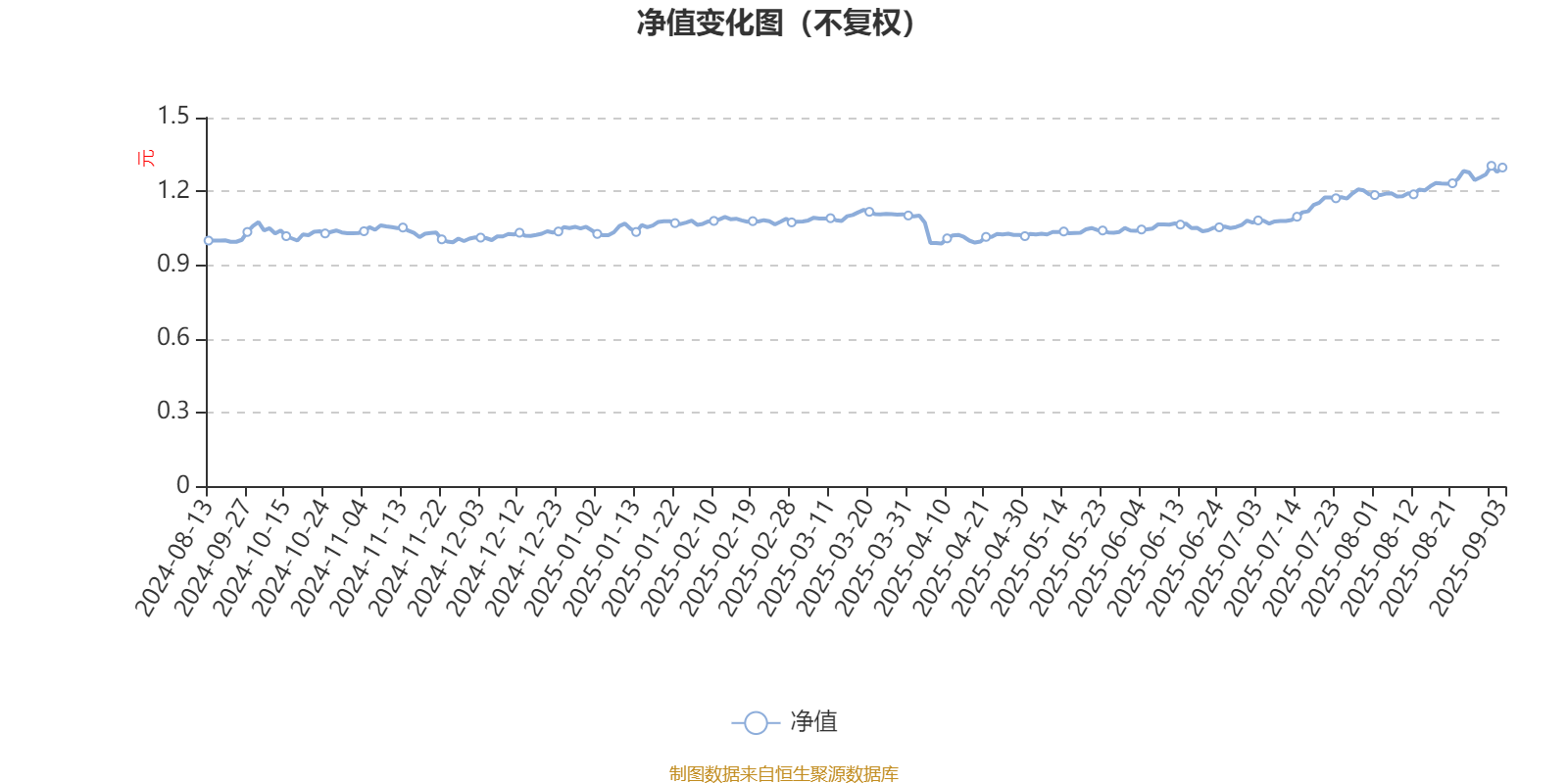
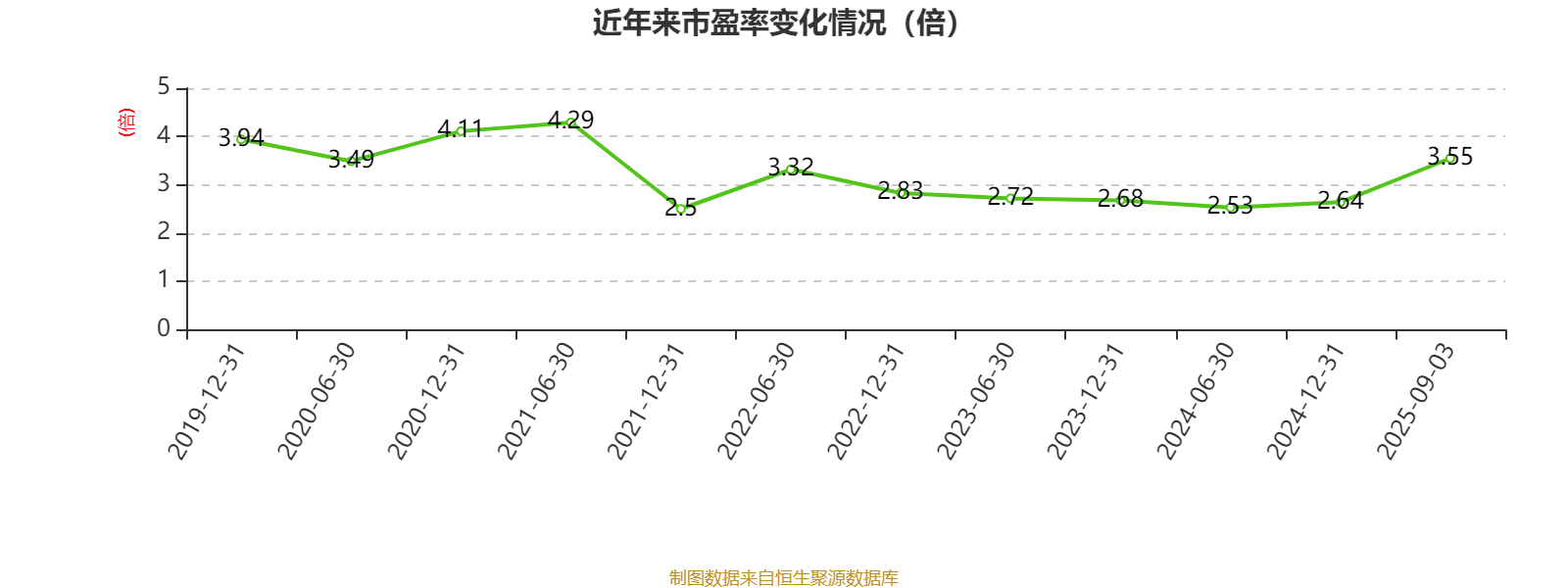
Core Viewpoint - The AI Fund, Invesco Great Wall Growth Opportunity Mixed A, reported a profit of 396,500 yuan for the first half of 2025, with a net asset value growth rate of 2.03% [3] Fund Performance - As of September 3, the fund's unit net value was 1.297 yuan, with a three-month net value growth rate of 24.72%, ranking 187 out of 615 comparable funds [5] - The fund's six-month net value growth rate was 20.46%, ranking 244 out of 615, and the one-year growth rate was 29.55%, ranking 440 out of 601 [5] Fund Holdings and Valuation - As of June 30, 2025, the fund's weighted average price-to-earnings (P/E) ratio was approximately 24.9 times, slightly below the industry average of 25.34 times [11] - The weighted average price-to-book (P/B) ratio was about 2.67 times, compared to the industry average of 2.34 times, and the weighted average price-to-sales (P/S) ratio was approximately 1.73 times, lower than the industry average of 2.09 times [11] Growth Metrics - For the first half of 2025, the weighted revenue growth rate of the fund's stock holdings was 0.08%, and the weighted net profit growth rate was 0.12% [18] Fund Management and Strategy - The fund manager indicated a focus on high-quality companies capable of integrating into the global supply chain, with limited exposure to U.S. business operations despite tariff impacts [3] Fund Size and Shareholder Information - As of June 30, 2025, the fund's total size was 16.1349 million yuan, with 185 holders owning a total of 15.1762 million shares [33][36] - The fund's maximum drawdown since inception was 12.19%, with the largest quarterly drawdown occurring in Q2 2025 at 10.37% [29] Top Holdings - The top ten holdings of the fund included companies such as Yipinhong, Midea Group, and Baofeng Energy [41]
欧亚集团:公司股价短期波动幅度较大,经营业绩无明显变化
Xin Lang Cai Jing· 2025-09-04 11:29
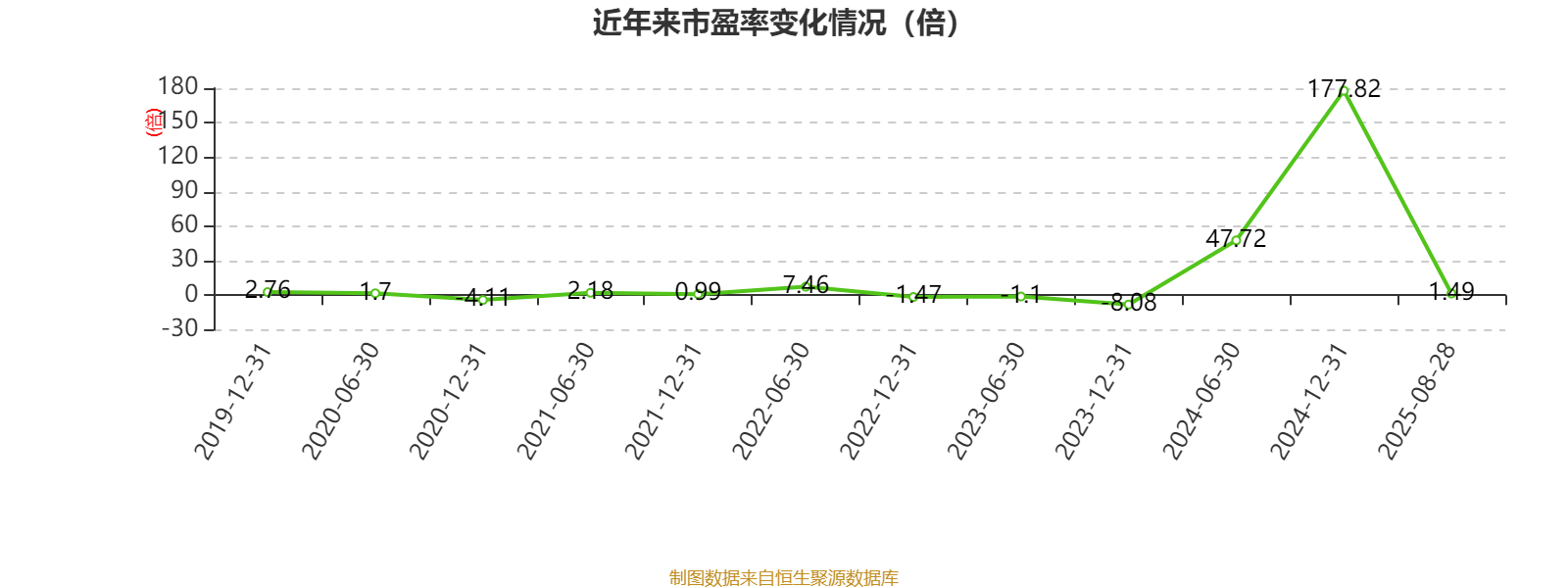
Group 1 - The company's stock price as of September 4 is 15.53 yuan per share [1] - The company's rolling price-to-earnings (P/E) ratio is 85.91 times, which is significantly higher than the industry average P/E ratio of 24.08 times and the one-year average of 22.93 times [1] - The company's price-to-book (P/B) ratio is 1.07 times, which is lower than the industry average P/B ratio of 1.80 times and the one-year average of 1.65 times [1] Group 2 - The company's stock price has shown significant short-term volatility, but there has been no notable change in operating performance [1]

天津银行:2025年中期净利润19.88亿元 同比增长1.11%
Sou Hu Cai Jing· 2025-09-03 10:52
Core Viewpoint - The company is experiencing significant changes in its financial performance, with notable fluctuations in revenue and net profit growth rates over recent years, indicating potential challenges and opportunities in its operations [9][10][11]. Financial Performance - The company's revenue and net profit growth rates have shown a downward trend, with a revenue growth rate of -10.94% in 2021 and a slight recovery to 4.42% in 2023 [9]. - For the first half of 2025, the company reported a net profit margin of 2.91%, which is a decrease of 0.1 percentage points compared to the same period last year [17]. Revenue Composition - In the first half of 2025, the revenue composition was as follows: corporate banking business contributed 47.208 billion, personal banking business contributed 19.072 billion, and funding operations contributed 47.262 billion [10][13]. Cash Flow Analysis - The company reported a negative net cash flow from operating activities of -539.34 billion for the first half of 2025, while financing activities generated a positive cash flow of 355.43 billion [20]. Asset and Liability Changes - As of the first half of 2025, the company saw a significant increase in financial assets purchased under resale agreements, which rose by 65916.43%, while cash and cash equivalents decreased by 32.8% [25]. - The company's liabilities also changed, with bonds payable increasing by 34.37% and deposits from customers and interbank deposits rising by 0.98% [28]. Asset-Liability Ratio - The company's asset-liability ratio has been fluctuating, with the latest data indicating a ratio that is consistent with industry averages and medians [30].
招商局中国基金:2025年中期净利润同比增长136.04% 拟每股派息0.08美元
Sou Hu Cai Jing· 2025-09-02 07:04
Core Viewpoint - The company operates in financial investment through three main divisions: financial services, information technology, and cultural media and consumption [10]. Financial Performance - In the first half of 2025, the company's average return on equity was 19.73%, an increase of 9.48 percentage points compared to the same period last year [21]. - The company's revenue and net profit showed significant changes, with revenue growth rates and net profit growth rates being tracked over the years [12][15]. Revenue Composition - For the first half of 2025, the revenue composition was as follows: financial services contributed $20.787 billion, information technology contributed $1.12 billion, and cultural media and consumption contributed a smaller amount [13]. Asset Changes - As of the first half of 2025, the company's cash and cash equivalents decreased by 14.02%, while trading financial assets increased by 81.31%, and prepaid accounts increased by 453.78% [25]. - Total assets increased by 23.04% compared to the previous period [25]. Liability Changes - The deferred income tax liabilities increased by 40.65%, while the taxes payable decreased by 94.04% [28]. - Other payables, including interest and dividends, increased by 19.29% [28]. Financial Ratios - The company's current ratio was reported at 1.14 in the first half of 2025 [32]. - The asset-liability ratio has been tracked over the years, showing a comparison with the industry average and median [30].