
生态文明建设

Search documents
COP30“中国角”举行共建绿色丝绸之路高级别主题边会
人民网-国际频道 原创稿· 2025-11-14 09:09
Core Viewpoint - The conference emphasizes the importance of green innovation cooperation and the establishment of a green Silk Road, showcasing China's commitment to comprehensive green transformation and sustainable development [1][2]. Group 1: China's Commitment to Green Development - China has achieved significant results in ecological civilization construction and renewable energy development, proposing a comprehensive national contribution target for 2035 [1][2]. - The country has built the world's largest clean power generation system and carbon trading market, indicating a robust growth in the green industry [2]. Group 2: International Cooperation and Opportunities - The "Belt and Road" initiative is highlighted as the largest South-South cooperation platform, with China willing to share opportunities and promote joint development through green cooperation [1]. - The conference participants stressed that innovation and open cooperation are crucial for building the green Silk Road, with a focus on enhancing energy efficiency and accelerating energy transition [2]. Group 3: Role of International Organizations - The UN and various international organizations recognize that green transformation relies not only on policies and funding but also on the ability to implement projects effectively [2]. - The "Belt and Road" Green Development International Alliance plays a positive role in facilitating these efforts, sharing research findings and practical experiences related to green transformation [2].
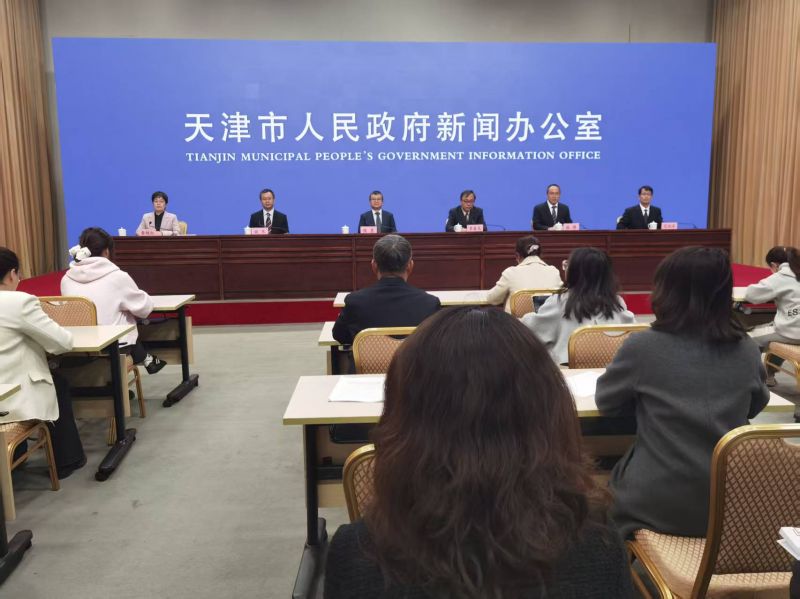
“十四五”时期,天津规划资源领域取得整体成效
Zhong Guo Fa Zhan Wang· 2025-11-14 07:23
Core Viewpoint - The Tianjin municipal government is focusing on high-quality development and ecological civilization construction during the "14th Five-Year Plan" period, emphasizing the integration of ecological protection and economic growth [3][10]. Group 1: Planning and Resource Management - The city has established a comprehensive land space planning system, with the overall land space plan approved by the State Council and 10 agricultural area plans approved by the municipal government [4]. - The city has implemented a "multi-planning integration" reform, enhancing the guidance and constraints of the overall land space plan on specialized plans [4]. - Over the past five years, the city has approved over 1,500 village plans and established a layered control system for detailed planning around the "Tianjin City" core area [4]. Group 2: Resource Support and Economic Development - The city has approved 906 construction land projects covering 5,714 hectares and 239 marine projects covering 7,115.54 hectares since the beginning of the "14th Five-Year Plan" [5]. - The marine economy has seen an average annual growth of 6.7%, with its total output accounting for over 31% of the city's GDP [5]. - The city has successfully hosted 17 sessions of the China International Mining Conference, enhancing international cooperation [5]. Group 3: Ecological Protection and Restoration - The city has implemented a national land greening action, achieving a blue-green space ratio of 66.4% in the first-level control area [8]. - The city has completed the integration and optimization of natural protected areas, with several wetlands recognized as nationally important [8]. - The natural shoreline has increased by 2.8 kilometers during the "14th Five-Year Plan" period, reaching a total of 21.4 kilometers [8]. Group 4: Resource Utilization and Efficiency - The city has reduced the area of newly approved construction land by 46.98% during the "14th Five-Year Plan" period, with a 15.99% decrease in construction land use per unit of GDP [7]. - The city has implemented policies for land reuse and conversion, leading to significant projects in various districts [7]. - The city has achieved a 52.9% year-on-year decrease in the area of cultivated land occupied by approved construction projects [6]. Group 5: Natural Resource Asset System - The city has improved the natural resource asset property rights system and is exploring the realization of collective ownership of natural resources [9]. - The city has completed comprehensive surveys of land use and water resources, enhancing the understanding of natural resource distribution [9]. - Tianjin has become the first city in the country to complete the property rights registration of uninhabited islands [9].

区域协同保护也需要“三观”契合
Zhong Guo Huan Jing Bao· 2025-11-14 06:40
Core Points - The article discusses the collaborative development implementation plan between Anhui and Henan provinces, focusing on ecological construction, air pollution prevention, and the establishment of a green low-carbon circular economy [1] - It emphasizes the importance of tailored approaches and mutual resource complementarity in regional ecological protection efforts [1] - Successful collaboration relies on unified thoughts, deployments, and actions among involved parties, necessitating a strong sense of overall responsibility [1] Summary by Sections Ecological Cooperation - The plan aims to promote ecological environment protection in the adjacent areas of the two provinces through coordinated efforts [1] - Collaborative ecological protection is not a new concept, with various regions already implementing successful practices [1] Implementation Strategies - The article highlights the need to break local protectionism and eliminate administrative barriers to foster a cooperative work environment [1] - It stresses the importance of having a unified perspective on ecological safety among all parties involved [1] Supervision and Accountability - To ensure effective implementation of collaborative protection, the article calls for detailed task assignments, clear responsibilities, and public participation in supervision [2] - It suggests that central and provincial ecological environment protection inspections should focus on the implementation of collaborative protection and governance [2]
“十四五”首都高校答卷|北京林业大学:打造绿色科技创新策源地
Xin Jing Bao· 2025-11-13 22:47
Core Viewpoint - The 20th Central Committee of the Communist Party of China emphasizes the goal of achieving significant progress in building a "Beautiful China" during the "14th Five-Year Plan" period, with Beijing Forestry University playing a pivotal role in ecological civilization and green development initiatives [1] Group 1: Scientific Research and Innovation - Beijing Forestry University is leading the construction of the world's largest forest and grass germplasm resource bank in Xiong'an New Area, which has officially commenced and reached the construction cap [2] - The university has established two national key laboratories focused on efficient production of forest resources and genetic breeding, along with various research centers and platforms to enhance its scientific research capabilities [2][3] - The university has been awarded over 30 national key research and development projects and more than 90 provincial-level major technology plans, achieving breakthroughs in original and leading-edge scientific research [3] Group 2: Ecological Civilization Research and Education - The university has established a national research center for Xi Jinping's ecological civilization thought and is involved in compiling textbooks and educational materials on the subject [4] - It has produced influential academic works and policy recommendations, including the first "Yellow River Green Book" and "National Park Green Book" [4] Group 3: Social Services and Local Development - The university actively collaborates with local governments to enhance ecological education and has signed strategic cooperation agreements to support ecological governance initiatives [5] - It has contributed to the development of national standards in forestry and has achieved significant results in the commercialization of research outcomes, including the development of new plant varieties [5] Group 4: Talent Development and Education Reform - The university is reforming its educational structure to align with ecological civilization goals, introducing new programs in digital economy and artificial intelligence [7] - It has maintained a high employment rate for graduates, with a significant proportion working in grassroots and forestry sectors [8] - The university promotes a comprehensive development model for students, integrating moral education with practical skills through various innovative programs [8] Group 5: Future Directions - Moving forward, Beijing Forestry University aims to deepen its commitment to ecological civilization and continue to contribute to national ecological development while striving to become a world-class university [9]
苹果种植带抵达毛乌素南缘
Ren Min Ri Bao· 2025-11-12 22:19
Core Insights - The apple harvesting season has arrived in the Hengshan District of Yulin City, Shaanxi Province, transforming the region from "desolate sand ridge" to "fruit mountain" due to successful apple cultivation [1] - The apple planting area in Yulin has reached 1.16 million acres, more than three times the area from 20 years ago, indicating significant growth in the apple industry in the region [1] - The expansion of apple cultivation into the Mu Us Sandy Land is attributed to ecological improvements, climate change, and technological advancements [1] Industry Summary - The traditional apple production areas in Shaanxi are concentrated in the Weibei region, but recent years have seen a northward expansion into the Mu Us Sandy Land, making the northern Shaanxi mountainous area one of the three major apple production belts in the province [1] - The ecological restoration efforts, such as the "Three-North" Shelter Forest Program, have contributed to the stabilization of 8.6 million acres of shifting sand, creating favorable conditions for apple cultivation [1] - Technological innovations, including the introduction of superior apple varieties and the adoption of integrated water and fertilizer management, have enhanced the market competitiveness of apples grown in sandy soils [1]
海南高质量建设国家生态文明试验区
Hai Nan Ri Bao· 2025-11-12 01:37
Core Viewpoint - The article emphasizes the commitment of Hainan to ecological civilization and sustainable development, highlighting the province's efforts to balance economic growth with environmental protection, aiming to become a model for ecological civilization in China [4][11][20]. Group 1: Ecological Achievements - Hainan has maintained an air quality good days ratio of 98.9%, exceeding the national target of 98% for five consecutive years [6] - The province has achieved significant improvements in water quality, with surface water quality good rate reaching 96.9%, the best level in nearly a decade [12] - The restoration of coral reefs and coastal wetlands has been notable, with 27.8 hectares of coral reefs and 240 acres of coastal wetlands restored [7] Group 2: Policy and Initiatives - The "No Waste Island" initiative aims to promote a circular economy and reduce waste, with a timeline set for implementation by 2030 [11] - Hainan has introduced a comprehensive "plastic ban" system, achieving an 80% replacement rate with biodegradable products [11] - The province is focusing on renewable energy, with over 85% of its power generation capacity coming from clean energy sources [11] Group 3: Economic Integration with Ecology - The development of the Hainan Tropical Rainforest National Park has led to increased tourism and local economic benefits, with community members participating in ecological protection [14] - Hainan is leveraging its ecological advantages to attract investment in green industries, with a focus on clean energy and sustainable construction practices [16] - The province is implementing a GEP (Gross Ecosystem Product) evaluation system to assess and enhance the ecological value of its resources [17]
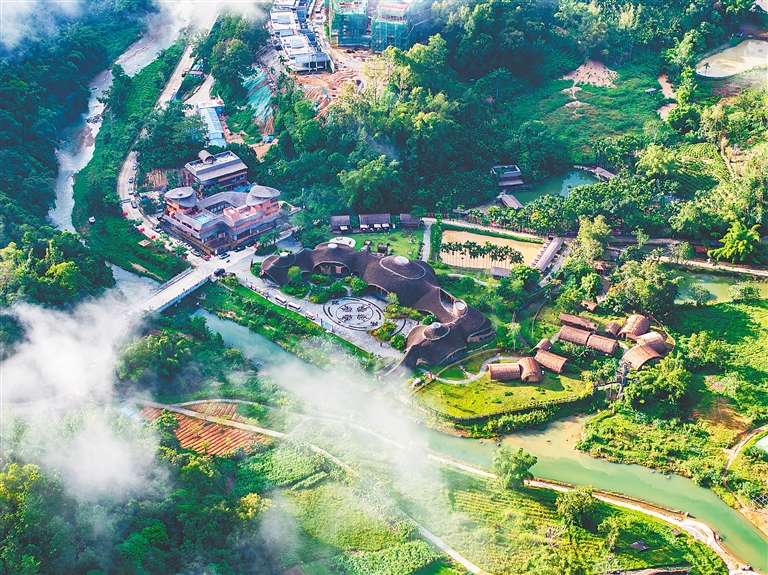
【省水利厅】陕西水利:潮涌三秦绘绿卷 江河作笔谱新篇
Shan Xi Ri Bao· 2025-11-12 00:09
Core Viewpoint - The news emphasizes the importance of water management and ecological restoration in Shaanxi Province, highlighting the integration of ecological protection with economic development through the "Happy Rivers and Lakes" initiative [1][4][8]. Group 1: Water Management and Ecological Restoration - Shaanxi's water management system has been strengthened since the "14th Five-Year Plan," focusing on the "river and lake chief system" and comprehensive governance of water resources, environment, and ecology [1][4]. - The province aims to achieve a significant improvement in river and lake conditions by 2030 and 2035, with goals including clean water, beautiful landscapes, and harmonious human-water relationships [4][8]. - The "Happy Rivers and Lakes" initiative has led to the transformation of local water bodies, enhancing the living environment and providing ecological benefits to the community [2][3]. Group 2: Economic Development through Ecological Initiatives - The initiative promotes the integration of ecological restoration with economic development, creating high-quality development spaces centered around rivers and lakes [4][8]. - The construction of ecological corridors and parks along rivers aims to enhance recreational spaces while fostering community engagement and tourism [6][8]. - The province is exploring pathways for converting ecological products into economic value, ensuring that environmental benefits translate into economic advantages for local communities [9][11]. Group 3: Carbon Trading and Sustainable Practices - Shaanxi has initiated carbon trading projects related to soil and water conservation, exemplifying innovative approaches to ecological product value realization [9][10]. - The province's efforts in soil and water conservation have led to significant improvements in vegetation cover and reductions in soil erosion, contributing to carbon sequestration goals [9][11]. - The implementation of a market-oriented approach to ecological product value realization aims to foster sustainable development and enhance the quality of life for residents [11].
“抓生态文明建设,既要靠物质,也要靠精神”(短评)
Ren Min Ri Bao· 2025-11-11 22:40
Core Points - The article emphasizes the importance of ecological civilization construction, highlighting the need for both material and spiritual support in this long-term and challenging endeavor [1][2] - It reflects on the historical context of the "Yueshan Afforestation" movement in Guangdong, showcasing the dedication and collective effort of local communities in transforming barren lands into lush forests [1] - The article advocates for the continuation of this spirit and tradition in the new era, aiming for high-quality green development and harmonious coexistence between humans and nature [2] Summary by Sections Historical Context - The "Yueshan Afforestation" campaign in the 1970s is noted for its success in converting barren mountains into a vast forest area, establishing a proud tradition in Guangdong [1] Current Initiatives - The ongoing "Hundred Thousand Project" aims to enhance the economic, social, and cultural benefits of ecological construction in Guangdong, reinforcing the principle that "lucid waters and lush mountains are invaluable assets" [1] Future Vision - The article calls for a persistent and collective effort in ecological civilization construction, emphasizing the need for a strong spiritual foundation and a commitment to long-term responsibilities [1][2]
经典常谈 | 人与自然和谐共生
Zhong Yang Ji Wei Guo Jia Jian Wei Wang Zhan· 2025-11-11 02:34
Group 1 - The relationship between humans and nature is fundamental to human society, as emphasized by Marx and Engels, who argue that nature is an objective existence that precedes humanity and is essential for human life and development [1][2] - Engels highlights that labor and nature together are the source of all wealth, with nature providing materials that labor transforms into wealth, stressing the importance of maintaining a balance in this interaction [1][2] - Marx warns that ignoring the principles of equality in the material transformation between humans and nature can lead to irreversible damage to the land and its fertility [1][2] Group 2 - Marx and Engels criticized the disregard for natural laws during industrialization, warning that such actions could lead to ecological degradation and the impoverishment of land [2][3] - Engels illustrated the consequences of industrial pollution, describing the polluted state of the Wupper Valley, which serves as a cautionary example of the environmental impact of industrial activities [2][3] - The writings of Marx and Engels provide a theoretical basis for ecological civilization, emphasizing the need to reconstruct the relationship between humans and nature, advocating for a respectful and sustainable approach to nature [3][4] Group 3 - The construction of ecological civilization is positioned as a priority by the Chinese Communist Party, with leaders like Mao Zedong and Deng Xiaoping advocating for environmental restoration and sustainable resource use [4] - Since the 18th National Congress, Xi Jinping has placed significant emphasis on ecological civilization, promoting the idea of harmonious coexistence between humans and nature as a fundamental strategy for modern socialism [4] - The concept of "green mountains and clear waters are as valuable as mountains of gold and silver" is highlighted as a guiding principle for development, aiming for sustainable progress and environmental protection [4]
陕西:苹果种植带抵达毛乌素
Xin Hua She· 2025-11-10 05:32
Core Insights - The apple industry in Shaanxi province, particularly in Yulin city, has seen significant growth, with the area now being one of the three major apple production regions in the province, contributing to one in four apples produced nationally [1][2] Group 1: Industry Growth - The apple planting area in Yulin has reached 1.16 million acres, more than three times the area from 20 years ago [1] - The introduction of new apple varieties and advanced agricultural technologies has enhanced the competitiveness of apples grown in sandy soils [3] Group 2: Environmental Improvements - Ecological projects like the "Three-North" shelter forest have helped stabilize 8.6 million acres of shifting sand, contributing to improved conditions for apple cultivation [2] - Average annual precipitation in Yulin has increased by 5.88 mm since 2010, benefiting apple growth [2] Group 3: Success Stories - Local farmers, such as Zhang Binggui, have successfully transitioned from failed crops to profitable apple farming, with expected profits exceeding 300,000 yuan this year [1] - In Shenmu city, apple production is projected to exceed 300,000 pounds this year from 900 acres of orchards [1]