企业上市

Search documents
看完招股书,发现奇瑞1400亿市值稳了!
Sou Hu Cai Jing· 2025-09-20 00:26
Core Viewpoint - Chery's IPO is not just a financial maneuver but a demonstration of its readiness and capability as a publicly listed company, supported by solid financial performance and strategic planning [2][7][15]. Financial Performance - Chery's revenue increased from 92.6 billion RMB to 269.9 billion RMB over three years, while net profit rose from 5.8 billion RMB to 14.3 billion RMB, indicating nearly a threefold profit growth [4][5]. - The company's operating cash flow has consistently exceeded net profit, reaching 44.8 billion RMB in 2024 [5]. - R&D investment has more than doubled, with expenditures of 4.1 billion RMB, 6.8 billion RMB, and 10.5 billion RMB from 2022 to 2024, totaling over 20 billion RMB [5][12]. Market Position and Growth - Chery's domestic sales grew by 56%, with a remarkable 277% increase in new energy vehicle sales, while overseas sales rose by 35% [5][12]. - The company has maintained its position as the top exporter of Chinese brands for 22 consecutive years, with overseas revenue accounting for 37.4% of total revenue [5][12]. Strategic Development - Chery has been operating under the standards of a public company for years, completing many processes that companies often struggle with post-IPO [3][7]. - The company aims to release its potential through this IPO, which has been a part of its strategy since 2018 [8][15]. - Chery's multi-brand strategy allows for independent growth across its various brands, enhancing its market positioning and growth prospects [20]. Valuation and Market Perception - The IPO price range is set between 27.75 and 30.75 HKD, corresponding to a market valuation of 146 billion to 163 billion RMB, with a PE ratio of approximately 10-11 times [20]. - Compared to industry peers like BYD and Geely, Chery's valuation appears conservative, providing a safety margin for investors [20].

元创股份IPO过会,是否充分揭示业绩下滑风险被追问
Bei Jing Shang Bao· 2025-09-19 13:59
Group 1 - The core viewpoint of the article is that Yuanchuang Technology Co., Ltd. has successfully passed the IPO review on the Shenzhen Stock Exchange, marking a significant step towards its public listing [1] - Yuanchuang Technology specializes in the research, production, and sales of rubber track products, indicating a focused business model within a specific industry [1] - The company aims to raise approximately 485 million yuan through its IPO, which will be allocated to production base construction, technology center development, and working capital supplementation after deducting issuance costs [1] Group 2 - The listing committee has requested Yuanchuang Technology to address various factors such as market competition, order status, pricing mechanisms, return policies, raw material price fluctuations, technological capabilities, industry position, and downstream industry trends [1] - The company is required to explain how these factors will impact its revenue, gross margin, and net profit for the year 2025, as well as to adequately disclose any risks related to performance decline [1]
从“家族思维”转向“股东思维”!顺德全力支持企业上市发展
Sou Hu Cai Jing· 2025-09-19 13:53
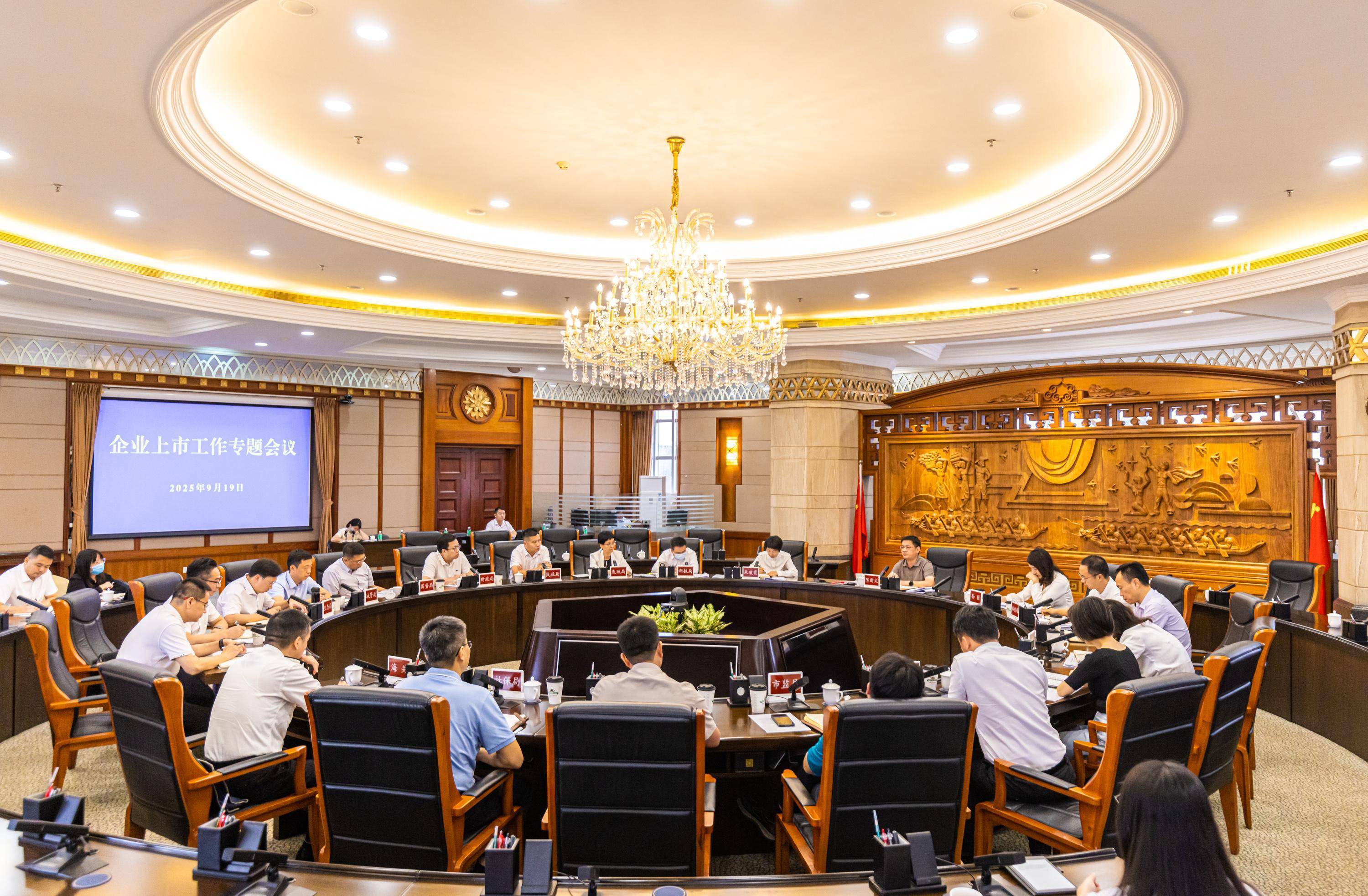
Core Insights - Shunde District is committed to supporting enterprises in transitioning from seeking local government support to engaging with the capital market for funding [1][8] - The district aims to foster a shareholder mindset among business founders, moving away from a family-centric approach [1][8] Group 1: Capital Market Engagement - Shunde has actively embraced opportunities in the capital market, with 44 companies listed domestically and internationally, accounting for 52% of the total 84 companies in the city [4] - There are currently 13 companies in the listing process and 54 recognized as listing candidates, alongside 60 companies listed on the New Third Board [4] - The district has completed 406 companies' shareholding reforms, establishing a comprehensive pipeline for nurturing, guiding, and listing companies [4] Group 2: Financial Performance - In the first half of the year, A-share listed companies in Shunde achieved a total operating revenue of 347.3 billion yuan, a year-on-year increase of 13.12% [4] - The net profit attributable to shareholders reached 31.35 billion yuan, reflecting a year-on-year growth of 22.79% [4] - As of September 19, the total market capitalization of listed companies in Shunde reached 851.8 billion yuan, with A-share companies contributing 805.7 billion yuan [4] Group 3: Mergers and Acquisitions - Since 2021, Shunde companies have completed mergers and acquisitions totaling over 27 billion yuan [5] - Notable transactions include Yingfeng Group's acquisition of Gujia Home for 11 billion yuan and Midea Group's investment of 4.36 billion yuan in controlling Wandong Medical [5] - Other significant acquisitions include Shun Control Development's 3.4 billion yuan stake in Shiyun Circuit and Xiaoxiong Electric's 154 million yuan acquisition of 61.78% of Roman Intelligent [5] Group 4: Policy and Strategic Direction - The district government emphasizes the necessity of corporate listings to address development challenges and upgrade growth models [8] - Key initiatives include the formulation of supportive policies, promoting a "tolerant and prudent" approach, and shifting corporate mindsets towards shareholder value [8] - Plans to develop the Yunlu area into a "Wealth Town" are underway, aimed at creating a hub for high-quality development and financial institutions [8]

上门问需,精准服务,畅通新乡企业上市“快车道”
Sou Hu Cai Jing· 2025-09-19 13:05
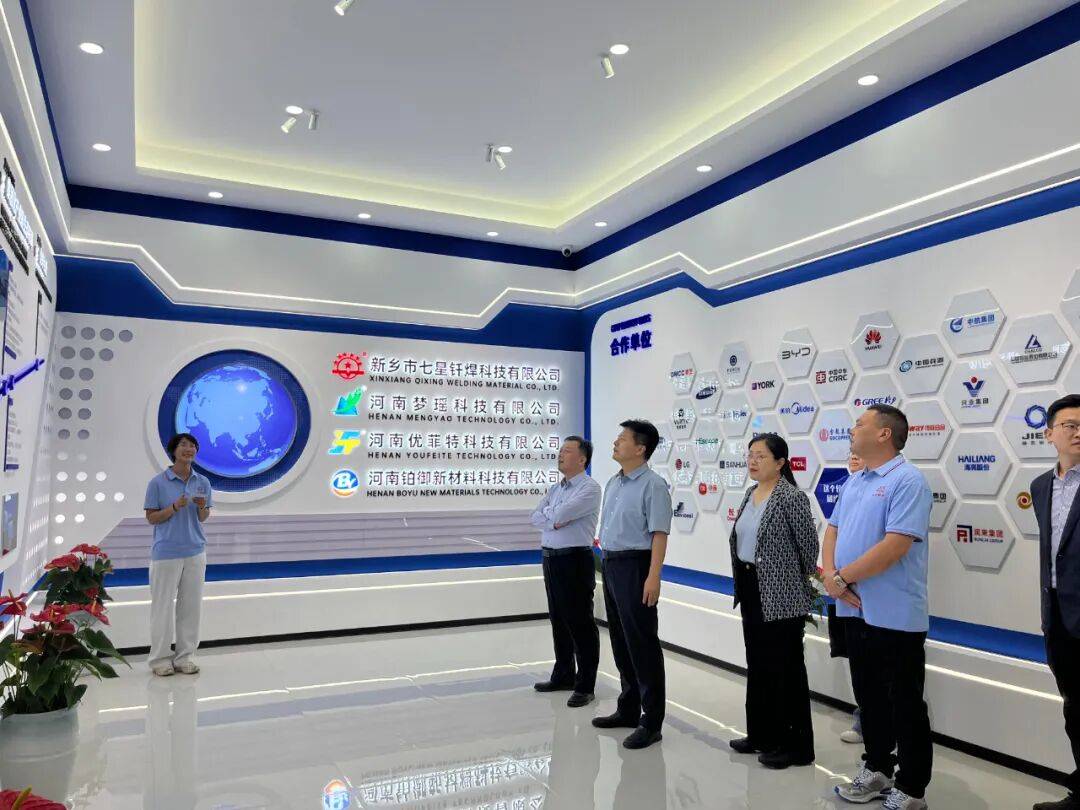
Group 1 - The local government is enhancing financial support for listed backup enterprises to assist more quality technology companies in going public [1][3] - Zhang Yanming and his team visited several companies, including Qixing Welding, Chengde Energy, Huazheng Radiator, and Zhiwei Biotechnology, to understand their operations and encourage innovation and business expansion [3] - The government aims to improve mechanisms for communication between government, finance, and enterprises to better understand their needs and support their growth [3][4] Group 2 - The financial work joint meeting office will implement provincial and municipal requirements to strengthen financial services and support for quality listed backup enterprises [4] - The focus is on high-quality financial supply to ensure the economic and social development of Xinxiang City [4]
SHEIN被指转移收入避税?港股能否迎来今年最大IPO?
Sou Hu Cai Jing· 2025-09-18 12:12
Core Viewpoint - The recent news highlights SHEIN's strategy of transferring revenue from its UK subsidiary to Singapore to minimize tax liabilities, raising concerns about tax fairness and compliance [1][3]. Group 1: Financial Performance and Taxation - SHEIN's UK subsidiary reported sales of £2 billion in the last year but only paid £9.6 million in corporate tax, prompting public scrutiny regarding the actual profit reported in the UK versus that reported in Singapore [3]. - A significant portion of the sales, over £1.72 billion (approximately ¥16.6 billion), was classified as procurement costs transferred to the Singapore headquarters, resulting in minimal taxable income in the UK [3]. - In contrast, SHEIN's Singapore operations benefited from a low tax rate of 5% under Singapore's "Development and Expansion Incentive Scheme," leading to a total tax payment of nearly ¥2 billion over three years [6][7]. Group 2: IPO and Market Strategy - SHEIN's potential IPO in Hong Kong is seen as a strategic move, with the company aiming to present better financial performance by consolidating UK revenue under its Singapore headquarters [5]. - If SHEIN successfully lists in Hong Kong, it could become the largest IPO in the market this year, with an estimated market valuation approaching HK$400 billion, significantly exceeding previous major listings [5]. - The timing for SHEIN's IPO is favorable, as the Hong Kong market has seen substantial fundraising activity, making it an opportune moment for the company to enter [5]. Group 3: Headquarters Relocation and Regulatory Considerations - There are indications that SHEIN may consider relocating its headquarters back to China to facilitate its Hong Kong IPO, which could enhance its chances of receiving regulatory approval [6]. - However, the company faces challenges in this potential relocation, particularly regarding the Singapore government's support, which has been crucial for SHEIN's operations in recent years [6][7]. - The outcome of SHEIN's headquarters relocation and its implications for the IPO remain uncertain, as the company has not disclosed specific plans regarding this move [7].

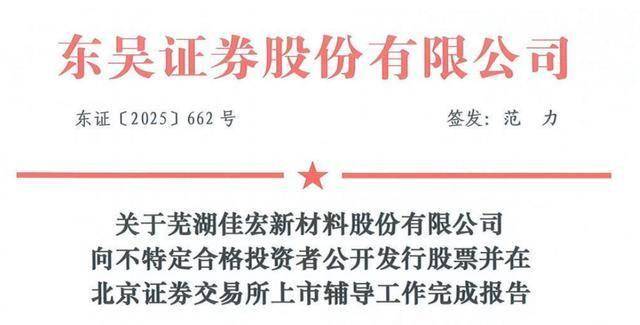
佳宏新材拟冲北交所:上半年营收净利双降,董事长69岁母亲任董事
Sou Hu Cai Jing· 2025-09-17 01:56
Core Viewpoint - Wuhu Jiahong New Materials Co., Ltd. (referred to as "Jiahong New Materials") has completed its guidance report for its initial public offering (IPO) and plans to list on the Beijing Stock Exchange, with Dongwu Securities as the advisory institution [1]. Company Overview - Jiahong New Materials was established in 2002 and has focused on the research, production, and sales of electric heating products, including self-regulating heating cables, constant power heating cables, temperature controllers, accessories, and electric heating system engineering [1]. Financial Performance - In the first half of 2025, Jiahong New Materials achieved operating revenue of 172 million yuan, a year-on-year decrease of 1.84% - The net profit attributable to the parent company was 27.25 million yuan, down 22.82% year-on-year - The decline in net profit is attributed to a decrease in gross profit margin and an increase in period expenses [1]. Management and Control - The controlling shareholder of Jiahong New Materials is Xu Chunan, who directly holds 70.53% of the shares and indirectly controls an additional 4.78%, totaling 75.31% of the voting rights [1]. - Xu Chunan's mother, Wang Jianjun, holds 7.92% of the shares, bringing their combined direct ownership to 78.45% [1]. - Xu Chunan serves as the chairman and general manager of Jiahong New Materials, while Wang Jianjun is a board member, indicating their significant influence in the company's decision-making [2]. Key Personnel Background - Xu Chunan, born in November 1983, has a master's degree from HEC Paris and has held various management positions within the company since 2005, including chairman and general manager since August 2016 [2]. - Wang Jianjun, born in August 1956, has a background in the rubber and cable industry, having held various roles from cashier to factory manager before becoming a board member of Jiahong New Materials [3].
IPO倒计时招股书仍难产,布局17年的君乐宝,开出了上市的空头支票?
Sou Hu Cai Jing· 2025-09-15 11:39
Core Viewpoint - Junlebao aims to complete its IPO and achieve sales exceeding 50 billion yuan by 2025, but the timeline appears increasingly uncertain as it has not yet submitted its prospectus despite entering the IPO guidance process in December 2023 [1][3]. Group 1: Company Background and IPO Plans - Junlebao was established in March 2004 in Xuzhou, Jiangsu, focusing on dairy products, including yogurt and milk, with a daily production capacity of 1,200 tons [2]. - The company has been planning for an IPO since 2008, but previous setbacks, including the melamine scandal, delayed these plans [3]. - In December 2023, Junlebao signed an IPO guidance agreement with CICC, but the guidance period has exceeded the industry average of 273 days without a prospectus submission [3]. Group 2: Financial Performance and Challenges - Junlebao has been actively acquiring companies since 2021 to expand its business, including cheese and yogurt brands, but this has led to a high debt burden [4]. - As of 2022, Junlebao's total assets were approximately 21.089 billion yuan, with a net asset of about 4.717 billion yuan, resulting in a debt ratio close to 78%, significantly higher than the industry average of 45.06% [4]. - The company's profitability is concerning, with net profit margins of only 2.2% and 2.9% in 2017 and 2018, respectively, compared to competitors like Feihe, which had margins of 19.68% and 21.55% [5]. Group 3: Food Safety Concerns - Junlebao has a historical association with the Sanlu Group, which was involved in a major food safety scandal in 2008, impacting its brand image [6]. - Consumer complaints related to Junlebao products have been significant, with 1,692 complaints reported, primarily concerning product quality and safety issues [7]. - The company has faced allegations of misleading production dates, raising further concerns about its food safety practices [8].
香港企业制服供应商Angie Holdings申请在美上市 拟筹资800万美元
智通财经网· 2025-09-15 06:43
Group 1 - Angie Holdings, a corporate uniform supplier based in Hong Kong, submitted an IPO application to the SEC, planning to raise up to $8 million by offering 1.5 million shares at a price range of $4-6 per share [1] - The company, established in 2015, provides corporate uniforms along with design, tailoring, and functional consulting services to a diverse clientele including contractors, utility companies, government departments, and service providers [1] - In addition to its core uniform business, Angie Holdings also sells safety products such as helmets, boots, and gloves, expanding its product line [1] Group 2 - For the 12 months ending June 30, 2025, the company reported revenue of $10 million [1]
爆赚4200亿,出口114万辆,中国又一低调汽车巨头诞生!
商业洞察· 2025-09-13 09:28
Core Viewpoint - Chery Automobile, a major Chinese car manufacturer, is set to launch its IPO after 21 years of attempts, marking a significant milestone in its journey and potentially becoming the largest car IPO in Hong Kong this year [4][12][41]. Group 1: Company Overview - Chery Automobile has reported annual revenues of 270 billion and sales exceeding 2.6 million vehicles, with over 1.14 million vehicles exported [4][13]. - The company has been the top exporter of Chinese passenger cars for 22 consecutive years and is the first Chinese brand to have cumulative exports surpassing 5 million vehicles [6][7]. Group 2: IPO Journey - Chery's IPO journey has been fraught with challenges, including failed attempts due to complex equity relationships and external economic factors, with six previous attempts since 2004 [14][16][17]. - Recent developments indicate that Chery has finally passed the Hong Kong Stock Exchange's listing hearing, signaling a potential breakthrough in its long-awaited IPO [18][41]. Group 3: Market Position and Performance - In 2024, Chery's sales are projected to exceed 2.6 million vehicles, reflecting a year-on-year growth of over 38%, with exports expected to reach 1.14 million vehicles, a 21% increase [36][39]. - Chery has established a strong international presence, exporting vehicles to over 120 countries and regions, with cumulative global sales exceeding 13 million vehicles [26][27]. Group 4: Future Prospects - The successful IPO is anticipated to enhance Chery's financial strength and governance, enabling it to compete more effectively in the global automotive market [41][42]. - With the IPO, Chery aims to solidify its position as a leading global automotive brand, leveraging capital to support its growth and innovation in the electric vehicle sector [42].

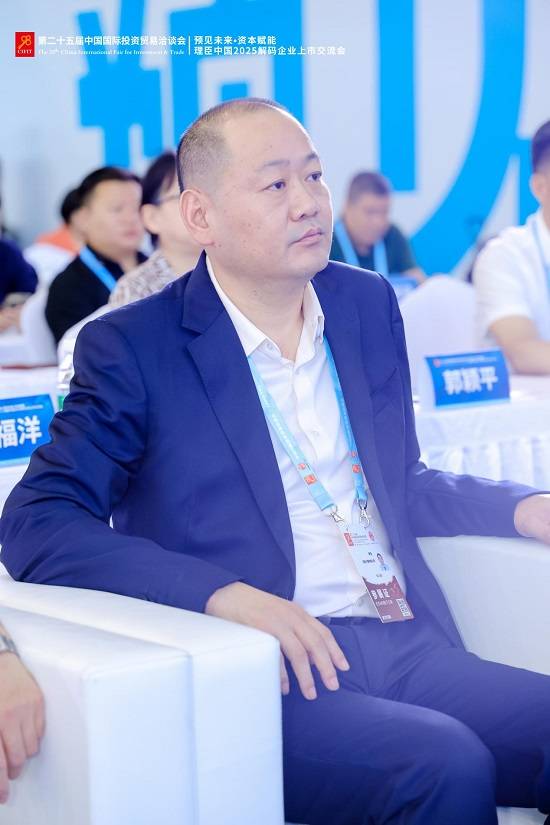
知名上市辅导专家李亚:上市是企业基因重塑 做值钱的公司更重要
Sou Hu Cai Jing· 2025-09-12 09:44
Core Viewpoint - The 25th China International Investment and Trade Fair highlighted the importance of corporate listing as a means of value enhancement and capital empowerment for businesses, as articulated by Li Ya, Chairman of Licheng China [1][4][16]. Group 1: Corporate Listing Insights - Listing brings external benefits such as government trust, customer recognition, and brand enhancement, while internally it improves management, attracts talent, and ensures ample funding [4][6]. - Li Ya emphasized that becoming a "valuable company" is more crucial than merely going public, requiring strong future potential, competitive sustainability, and a healthy financial status [6][9]. - The process of listing can be simplified by ensuring compliance and addressing historical issues early, which can facilitate a smoother transition to public status [9][10]. Group 2: Events and Engagements - The "2025 Decoding Corporate Listing Exchange Conference" hosted by Licheng China attracted over 400 participants, including government representatives and major enterprises, focusing on policy interpretation and capital connection [12][14]. - The "2025 Capital and Project Matching Conference" resulted in 53 intended cooperation projects with a total investment intention exceeding 2 billion yuan, showcasing the event's significance [14][15]. Group 3: Long-term Vision and Achievements - Licheng China has assisted over 44 companies in going public and has facilitated financing exceeding 20 billion yuan, establishing itself as a leader in the industry [16][18]. - The company aims to empower more Chinese enterprises through capital, contributing to the modernization of the economy and viewing listing as a starting point for further growth [18].