
适度宽松的货币政策

Search documents
格林期货早盘提示:钢材-20260107
Ge Lin Qi Huo· 2026-01-07 02:05
Group 1: Report Industry Investment Rating - The investment rating for the steel industry in the black building materials sector is bullish [1] Group 2: Core View of the Report - On Tuesday, rebar prices closed down while hot-rolled coil prices closed up, and both rose during the night session. The market sentiment is bullish as most commodities rose during the night session, and rebar and hot-rolled coil prices soared. Before the holiday, the supply and demand of the top five steel products both decreased, and inventory continued to decline. The market will gradually enter the winter storage period, and there will be an increase in demand. The futures market has started to price in the winter storage logic in advance, leading to a price rebound. The rebound space depends on the intensity of winter storage, which is estimated to be limited [1] Group 3: Summary by Relevant Catalog Market Review - On Tuesday, rebar prices closed down while hot-rolled coil prices closed up, and both rose during the night session [1] Important News - From December 29, 2025, to January 4, 2026, the total transaction (signing) area of newly built commercial housing in 10 key cities was 2.3394 million square meters, a month-on-month decrease of 20.3% and a year-on-year decrease of 10.9% [1] - Henan aims to start construction on about 1,500 new projects in the first quarter of 2026 [1] - From December 29, 2025, to January 4, 2026, global shipyards received a total of 31 + 4 new ship orders, with Chinese shipyards receiving 24 + 4 orders, South Korean shipyards receiving 1 order, and Finnish and American shipyards also receiving relevant orders [1] - The 2026 Work Conference of the People's Bank of China was held from January 5th to 6th. The conference emphasized the need to continue implementing a moderately loose monetary policy, leveraging the integrated effects of incremental and existing policies, and increasing counter-cyclical and cross-cyclical adjustment efforts. Various monetary policy tools such as reserve requirement ratio cuts and interest rate cuts will be flexibly and efficiently used to maintain ample liquidity [1] Market Logic - Most commodities rose during the night session, and rebar and hot-rolled coil prices soared, with bullish market sentiment. Before the holiday, the supply and demand of the top five steel products both decreased, and inventory continued to decline. The resistance level for the main rebar contract is 3,200, and the support level is 3,030. The market will gradually enter the winter storage period, and there will be an increase in demand. The futures market has started to price in the winter storage logic in advance, leading to a price rebound. The rebound space depends on the intensity of winter storage, which is estimated to be limited [1] Trading Strategy - Try to establish long positions and set stop-loss levels. Hold existing long positions [1]
灵活高效降准降息,央行明确适度宽松货币政策路线图
21世纪经济报道· 2026-01-07 01:50
Core Viewpoint - The People's Bank of China (PBOC) emphasizes the importance of promoting high-quality economic development and reasonable price recovery as key considerations for monetary policy in 2026, indicating a shift towards a more targeted approach in monetary supply to support economic growth [2][3]. Group 1: Key Work Areas for 2026 - The PBOC will focus on seven key areas in 2026: strict governance of the Party, implementation of a moderately loose monetary policy, enhancing financial services for high-quality economic development, managing financial risks in key sectors, deepening financial reform and opening up, promoting global financial governance reform, and improving financial management and service capabilities [2]. - The monetary policy will utilize various tools such as reserve requirement ratio (RRR) cuts and interest rate reductions to maintain ample liquidity and ensure that the growth of social financing and money supply aligns with economic growth and price level expectations [2][5]. Group 2: Monetary Policy Transmission Mechanism - The PBOC aims to improve the transmission mechanism of monetary policy by ensuring a reasonable interest rate relationship, which includes the relationship between central bank policy rates and market rates, as well as rates across different types of assets and risk levels [5][6]. - The key to effective monetary policy transmission lies in the reform of interest rate marketization, which will enhance the effectiveness of financial resource allocation and support the real economy [6]. Group 3: Disclosure of Loan Financing Costs - The PBOC has initiated a pilot program to disclose comprehensive financing costs for corporate loans, which has been implemented in 30 provinces since September 2024, benefiting many small and medium-sized enterprises [8]. - The program involves banks and enterprises filling out a "comprehensive financing cost list" to transparently outline all costs associated with loans, including interest and non-interest fees, thereby promoting lower overall financing costs [8][9]. Group 4: Exchange Rate Stability - The PBOC aims to maintain the stability of the RMB exchange rate at a reasonable and balanced level while preventing excessive fluctuations, which aligns with previous statements from the monetary policy committee [11][12]. - Recent trends show the RMB strengthening against the USD, with the onshore and offshore RMB surpassing the 7.0 mark, indicating a potential for dual-directional fluctuations in the exchange rate due to various economic factors [12][13].

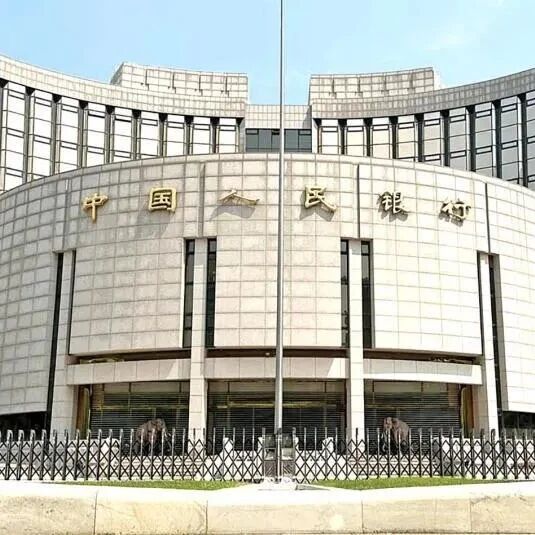
2026年货币政策定调“适度宽松”
Jin Rong Shi Bao· 2026-01-07 01:35
Core Viewpoint - The People's Bank of China (PBOC) continues to implement a moderately accommodative monetary policy to support economic stability and growth in 2026, following a year of effective monetary measures in 2025 that boosted market confidence and facilitated economic recovery [1][5]. Group 1: Monetary Policy Effectiveness - The steady recovery of the real economy in 2025 was significantly supported by proactive monetary policy measures, which included a series of targeted policies to address challenges such as supply-demand imbalances [2][3]. - The monetary policy in 2025 was characterized by rapid total growth, with tools like reserve requirement ratio (RRR) cuts and interest rate reductions maintaining ample liquidity [2][4]. - The overall financing cost for society decreased to historically low levels, with the average interest rate for new corporate loans at approximately 3.1%, down about 30 basis points year-on-year [2][3]. Group 2: Structural Adjustments - The PBOC increased the quota for re-lending aimed at technological innovation and consumption, with 300 billion yuan allocated for tech innovation and 500 billion yuan for consumption and elderly care [3]. - By the end of November 2025, the balance of various loans in renminbi reached 271 trillion yuan, growing by 6.4% year-on-year, with significant increases in loans to small and micro enterprises and the manufacturing sector [3]. Group 3: Future Monetary Policy Directions - The PBOC plans to enhance counter-cyclical and cross-cyclical adjustments in 2026, ensuring that monetary supply aligns with economic growth and price stability targets [5][6]. - The proportion of financing methods outside traditional loans exceeded 50% in 2025, indicating a shift towards a more diversified financing structure that aligns with high-quality development goals [6]. - The PBOC aims to improve transparency in loan costs, helping businesses understand their financing expenses better, which is expected to enhance consumer confidence and stimulate demand [7].
格林大华期货早盘提示:铁矿-20260107
Ge Lin Qi Huo· 2026-01-07 01:34
Morning session notice 早盘提示 更多精彩内容请关注格林大华期货官方微信 格林大华期货研究院 证监许可【2011】1288 号 2026 年 1 月 7 日星期三 | | | | | | 铁矿: 【行情复盘】 | | --- | --- | --- | | | | 周二铁矿收涨。夜盘继续收涨。 | | | | 【重要资讯】 | | | | 1、上周(2025 年 12 月 29 日-2026 年 1 月 4 日),10 个重点城市新建商品房成交 | | | | (签约)面积总计 233.94 万平方米,环比下降 20.3%,同比下降 10.9%。 | | | | 2、河南:力争 2026 年第一季度新开工项目 1500 个左右。 | | | | 3、据国际船舶网跟踪:2025 年 12 月 29 日至 2026 年 1 月 4 日,全球船厂共接获 | | | | 31+4 艘新船订单。其中中国船厂接获 24+4 艘新船订单;韩国船厂接获 1 艘新船订 | | | | 单;芬兰和美国船厂也接获相关新船订单。 | | 黑色建材 铁矿 | 偏多 | 4、2026 年中国人民银行工作会议 1 月 ...
央行明确今年七大重点工作
清华金融评论· 2026-01-07 01:05
2026年中国人民银行工作会议1月5日-6日召开。会议认为,2025年以来,面对复杂严峻的国内外经济金融形势,中国人民银行坚决落实党中 央、国务院决策部署,在执行好存量货币政策基础上,推出新的一揽子货币政策措施,有力支持实体经济稳定增长和金融市场平稳运行,持 续深化金融供给侧结构性改革,稳妥处置重点领域金融风险,积极推动全球金融治理改革完善,纵深推进全面从严治党,各项工作迈上新台 阶。 会议强调,中国人民银行要以习近平新时代中国特色社会主义思想为指导,全面贯彻党的二十大和二十届历次全会精神,认真落实中央经济 工作会议决策部署,坚持稳中求进工作总基调,继续实施适度宽松的货币政策,发挥增量政策和存量政策集成效应,加大逆周期和跨周期调 节力度,提升金融服务实体经济高质量发展质效,深化金融改革和更高水平对外开放,增强宏观政策前瞻性针对性协同性,着力扩大内需、 优化供给,防范化解风险、稳定社会预期,为经济稳定增长、高质量发展和金融市场稳定运行营造良好的货币金融环境,为实现"十五五"良 好开局提供有力的金融支撑。 2026年重点抓好以下工作: 一是持之以恒推进全面从严治党。 坚持把学习贯彻习近平总书记重要讲话和指示批示精 ...

央行、外汇局,定调2026!
券商中国· 2026-01-07 00:59
Core Viewpoint - The People's Bank of China (PBOC) emphasizes the continuation of a moderately loose monetary policy for 2026, focusing on enhancing financial services for high-quality economic development and deepening financial reforms and higher-level opening-up [1][2]. Group 1: Monetary Policy and Economic Development - The PBOC will implement a flexible and efficient use of various monetary policy tools, including interest rate cuts and reserve requirement ratio reductions, to maintain ample liquidity and support balanced credit growth [2][3]. - The focus will be on promoting high-quality economic development and a reasonable recovery of prices as key considerations for monetary policy [2][3]. Group 2: Financial Risk Management - The PBOC aims to effectively manage financial risks in key areas by enhancing macro-prudential management and maintaining financial stability [3]. - A mechanism will be established to provide liquidity to non-bank institutions under specific scenarios, and there will be a focus on strengthening regulatory enforcement in financial markets [3]. Group 3: Financial Reform and Opening-Up - The PBOC will continue to optimize mechanisms like "Bond Connect" and "Swap Connect," supporting the construction of Shanghai as an international financial center and enhancing Hong Kong's status [3]. - There will be encouragement for more eligible foreign entities to issue Panda bonds, facilitating cross-border financial services [3]. Group 4: Foreign Exchange Management - The State Administration of Foreign Exchange (SAFE) emphasizes building a more convenient, open, secure, and intelligent foreign exchange management system for 2026 [5]. - Key tasks include deepening foreign exchange facilitation reforms, supporting the development of new trade formats like cross-border e-commerce, and enhancing the management of trade credit reporting [5]. Group 5: Safeguarding Foreign Exchange Reserves - The focus will be on ensuring the safety, liquidity, and value preservation of foreign exchange reserves, with plans to revise the Foreign Exchange Management Regulations [5].
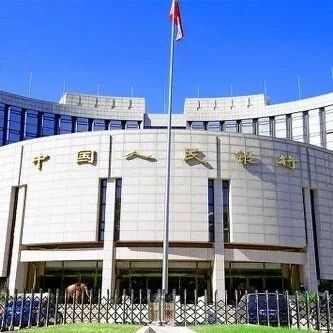
灵活高效降准降息 央行明确适度宽松货币政策路线图
2 1 Shi Ji Jing Ji Bao Dao· 2026-01-06 23:48
Core Viewpoint - The 2026 work meeting of the People's Bank of China (PBOC) emphasizes the implementation of a moderately loose monetary policy, focusing on promoting high-quality economic development and reasonable price recovery as key considerations for monetary policy [1][10]. Group 1: Key Work Areas for 2026 - The PBOC will focus on seven key areas: strict governance of the Party, continued implementation of a moderately loose monetary policy, enhancing financial services for high-quality economic development, managing financial risks in key areas, deepening financial reform and opening up, promoting global financial governance reform, and improving financial management and service capabilities [1][10]. Group 2: Monetary Policy Implementation - The meeting highlighted the importance of using various monetary policy tools flexibly and efficiently, such as reserve requirement ratio (RRR) cuts and interest rate reductions, to maintain ample liquidity and ensure that the growth of social financing and money supply aligns with economic growth and price level expectations [1][10]. - The adjustment in monetary policy focus from stabilizing economic growth to promoting high-quality development indicates a shift towards emphasizing the role of incremental money supply in driving economic growth, particularly through structural monetary policies [2][11]. Group 3: Transmission Mechanism of Monetary Policy - The new PBOC monetary policy director emphasized the need to improve the transmission mechanism of monetary policy, ensuring that policy interest rates effectively guide market rates and that there is coordination between monetary policy and fiscal and industrial policies [4][13]. - The PBOC aims to maintain reasonable interest rate relationships to facilitate the transmission of monetary policy, focusing on five key interest rate relationships [4][13]. Group 4: Loan Cost Transparency - The PBOC plans to expand the coverage of transparent loan cost initiatives for enterprises and individuals, promoting the standardization of financing intermediary fees to maintain low overall financing costs [6][15]. - The initiative includes a "loan clarity sheet" for enterprises, detailing all costs associated with loans, which has already been piloted in 30 provinces since September 2024 [6][15]. Group 5: Exchange Rate Stability - The meeting reiterated the importance of maintaining the stability of the RMB exchange rate at a reasonable and balanced level, preventing excessive fluctuations [8][17]. - Recent trends show the RMB strengthening against the USD, with the central parity rate reported at 7.0230, reflecting a 58 basis point increase from the previous trading day [8][17].
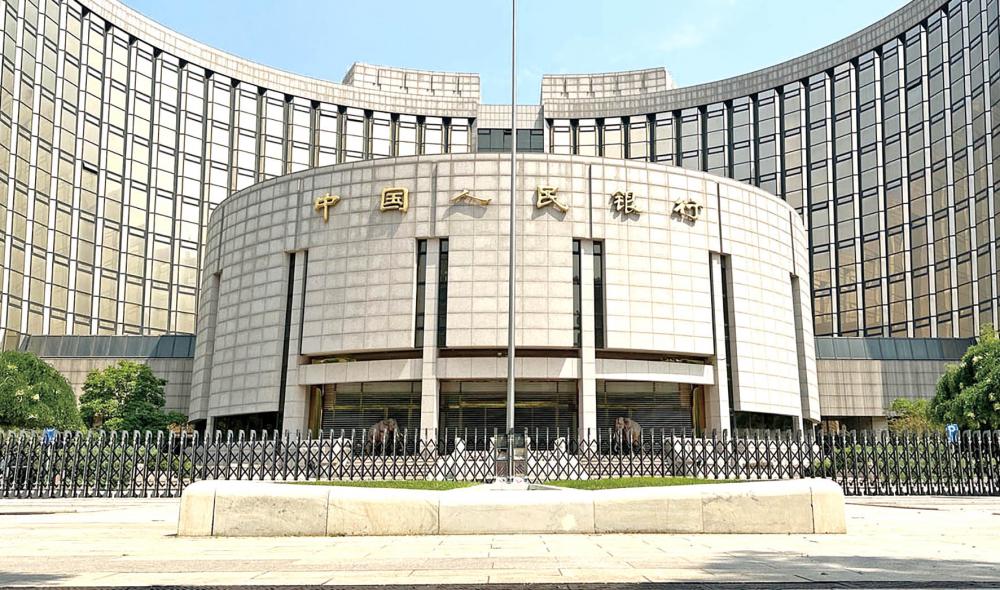
【钛晨报】定调2026年重点工作,央行最新部署;全球最快IPO AI公司诞生:MiniMax超额认购1209倍,1月9日正式上市;国家发改委:1月6日国内成品油价格按机制不作调整
Sou Hu Cai Jing· 2026-01-06 23:41
Monetary Policy and Financial Services - The People's Bank of China emphasizes the continuation of a moderately loose monetary policy to promote high-quality economic development and reasonable price recovery [2][3] - The central bank plans to use various monetary policy tools flexibly, including reserve requirement ratio (RRR) cuts and interest rate adjustments, to maintain ample liquidity and support balanced credit growth [2][3] - There is a focus on enhancing financial services for the real economy, particularly in key areas such as technology innovation and support for small and micro enterprises [3] Financial Risk Management - The meeting highlights the importance of managing financial risks in key sectors, including the resolution of debt risks associated with financing platforms [3] - It aims to strengthen risk identification and early correction mechanisms for small financial institutions and enhance macro-prudential management tools [3] Financial Reform and Opening-up - The meeting calls for deepening financial reforms and promoting high-level opening-up in various financial markets, including bond, currency, and foreign exchange markets [4] - There is a commitment to support the construction of international financial centers in Shanghai and Hong Kong, and to facilitate the use of the Renminbi in cross-border transactions [4] Automotive Industry Developments - BYD has surpassed Tesla in sales in Germany and the UK, with a sevenfold increase in sales in Germany to 23,306 units, while Tesla's sales dropped to 19,390 units [7] - Chery Group sets a sales target of 3.2 million units for 2026, representing a 14.03% increase from 2025 [7] Technology and AI Developments - Google extends its strategic partnership with XREAL to enhance the Android XR ecosystem, with the first product, Project Aura, set to launch this year [8] - NVIDIA introduces the Alpamayo series of open-source resources aimed at accelerating safe autonomous driving technology development [8][9] Insurance Industry Initiatives - The Guangdong Financial Regulatory Bureau releases guidelines to support the high-quality development of the insurance industry, focusing on providing insurance services for key manufacturing sectors and emerging industries [15] Stock Market Activity - MiniMax's IPO in Hong Kong sees a subscription amount exceeding 253.3 billion HKD, with a public offering oversubscription rate of 1209 times, marking a record for AI companies [16][17]

2026年将继续实施好适度宽松的货币政策
Xin Lang Cai Jing· 2026-01-06 23:07
Core Viewpoint - The People's Bank of China (PBOC) is committed to implementing a series of monetary policy measures to support stable economic growth and financial market stability, while also focusing on financial reform and risk management as part of the "14th Five-Year Plan" [1][7]. Group 1: Monetary Policy - The PBOC will continue to implement a moderately loose monetary policy, utilizing various tools such as interest rate cuts and reserve requirement ratio adjustments to maintain liquidity and support economic growth [2][9]. - The focus will be on aligning social financing scale and money supply growth with economic growth and price level expectations, ensuring a stable RMB exchange rate [3][9]. Group 2: Financial Services - The PBOC aims to enhance the quality of financial services for the real economy by improving the financial policy framework and increasing support for key areas such as technology innovation and small and micro enterprises [3][10]. - There will be an emphasis on optimizing financial support for consumption and agriculture, as well as improving the financing capabilities of financial institutions for small and micro enterprises [3][10]. Group 3: Risk Management - The PBOC will work on mitigating financial risks in key areas, including managing the debt risks of financing platforms and enhancing risk identification and early correction for small financial institutions [4][10]. - A macro-prudential management framework will be established to maintain financial stability, alongside improved monitoring of financial markets [4][11]. Group 4: Financial Reform and Opening Up - The PBOC will deepen financial reform and enhance the openness of financial markets, including optimizing mechanisms for bond and currency markets [5][11]. - Support will be provided for the construction of international financial centers and the facilitation of cross-border RMB usage [5][11]. Group 5: Global Financial Governance - The PBOC will actively promote global financial governance reforms and enhance cooperation with international organizations to coordinate macroeconomic policies [6][11]. Group 6: Financial Management and Service Capacity - The PBOC will focus on improving financial management and service capabilities, including the development of a modern financial statistical system and enhancing the regulatory framework for payment services [6][12]. - There will be efforts to strengthen the regulation of virtual currencies and improve the overall payment service environment for various demographics [6][12].
央行:发挥增量和存量政策集成效应
Zhong Guo Zheng Quan Bao· 2026-01-06 20:42
Core Viewpoint - The People's Bank of China emphasizes the continuation of a moderately loose monetary policy to support high-quality economic development and financial market stability while addressing risks and enhancing financial services for the real economy [1][2][3][4]. Group 1: Monetary Policy - The meeting highlights the importance of promoting high-quality economic development and reasonable price recovery as key considerations for monetary policy [2]. - It advocates for the flexible and efficient use of various monetary policy tools, including interest rate cuts and reserve requirement ratio adjustments, to maintain ample liquidity and relatively loose social financing conditions [2]. - The goal is to align the growth of social financing and money supply with economic growth and price level expectations [2]. Group 2: Financial Services - The meeting calls for enhancing the quality and effectiveness of financial services for the real economy by improving the financial policy framework and assessment systems [2]. - It emphasizes the need for targeted financial support in key areas such as expanding domestic demand, technological innovation, and support for small and micro enterprises [2]. - The development of a "technology board" in the bond market is highlighted as a priority for high-quality construction [2]. Group 3: Financial Risk Management - The meeting stresses the importance of managing financial risks in key areas, including the resolution of financing platform debt risks and the orderly exit of financing platforms [3]. - It calls for strengthening risk identification and early correction mechanisms for small and medium-sized financial institutions [3]. - The central bank's role in macro-prudential management and financial stability is underscored, along with the need for improved monitoring and regulatory frameworks [3]. Group 4: Financial Reform and Opening Up - The meeting outlines plans to deepen financial reform and enhance openness in various financial markets, including bond, currency, and derivatives markets [3]. - It supports the construction of Shanghai as an international financial center and aims to maintain the stability and prosperity of Hong Kong's financial market [3]. - The meeting encourages the issuance of panda bonds by qualified foreign entities and the expansion of cross-border financial services [3]. Group 5: Global Financial Governance - The meeting emphasizes the importance of participating in global financial governance reforms and enhancing multilateral monetary cooperation [4]. - It supports collaboration with international organizations like the IMF and aims to contribute to the formulation of international financial rules [4]. - The establishment of a financial statistical system aligned with modern central banking practices is also a focus area [4].